Mexico’s Cervantino Festival Draws 386,000
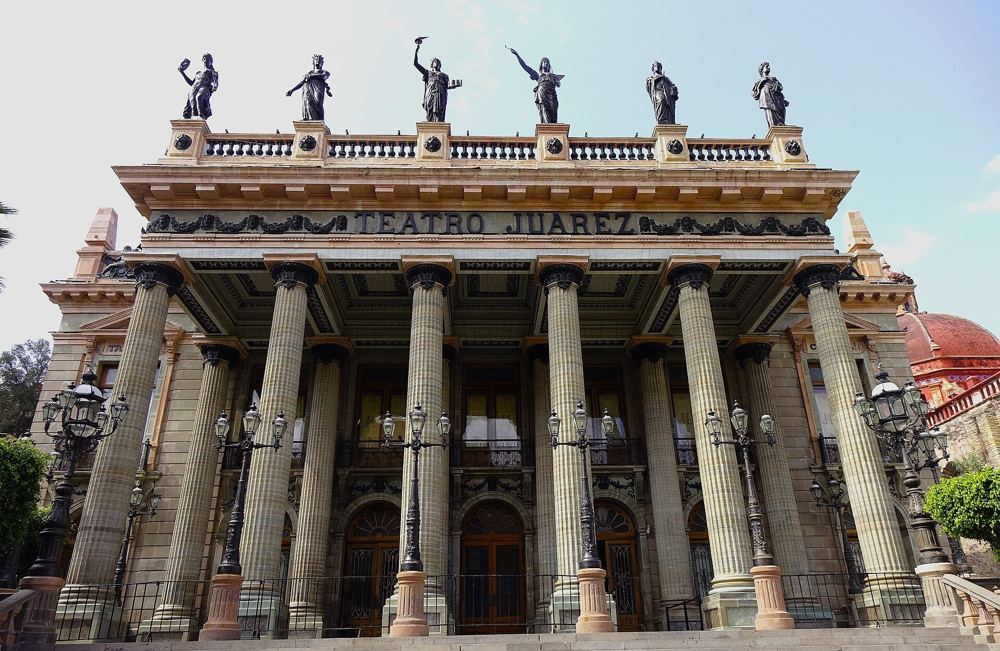
The 54th Cervantino festival ended on 18 October in Guanajuato with 386,000 attendees, up 17%, artists from 29 countries and US$27.9 million in impact. The post Mexico’s Cervantino Festival Draws 386,000 appeared first on The Rio Times .
The 54th Festival Internacional Cervantino in Guanajuato, Mexico, ended on Sunday 18 October 2026 with more than 386,000 attendees, about 17% more than the more than 330,000 counted in 2025, according to the festival’s final bulletin. The count covers 215 performances by 3,325 artists from 29 countries, plus 49 exhibitions, across eight municipalities of the state of Guanajuato.
Guanajuato’s state tourism secretariat estimated the economic impact at 519.9 million pesos (US$27.9 million), up 14% on 2025, using preliminary figures, and put average hotel occupancy in the city of Guanajuato at 60%. The official dates were 3 to 18 October, according to the festival’s website, and an earlier guide to the festival listed different dates.
The closing bulletin, dated Sunday 18 October, lists 94 artistic groups and 49 exhibitions along with the 215 performances. Proposals came from 20 Mexican states, and 2,802 of the 3,325 artists were Mexican.
The Circuito Cervantino, the festival’s touring program, runs from 26 September to 28 October with 105 activities by 46 groups at 59 venues in 31 cities across 15 states. It had drawn 71,165 attendees by 18 October, the bulletin states.
The estimated economic impact of 519.9 million pesos converts to about US$27.9 million at the Banco de México FIX rate of 18.6670 pesos per US$ for Friday 23 October 2026, the latest rate in the central bank’s published table. The estimate comes from the Guanajuato state tourism secretariat, which based it on preliminary figures, and it is 14% higher than the 2025 estimate.
Hotel occupancy in the city of Guanajuato averaged 60% over the festival’s run, according to the bulletin. The same state tourism secretariat is the source of both the occupancy and the economic impact numbers.
France was the guest country, marking 200 years of diplomatic relations with Mexico, and its program featured works by 175 artists and creators. The lineup included the vocal ensemble Les Métaboles, the ensemble Pygmalion, the Ballet National de Marseille with the artist Rone, and Leïla Ka.
The festival’s June program scheduled Mike Patton and Mondo Cane, a project it credits to the United States, Italy and Mexico, to open the edition on 3 October. It named the French group Dabeull Live Band as the closing act on 18 October, both at the Explanada de la Alhóndiga de Granaditas.
Mexico’s Culture Secretary Claudia Curiel de Icaza said the festival moved from a single invited state to proposals from 20 states. The June program listed states from Chiapas and Sinaloa to Michoacán, Nuevo León, Oaxaca, Yucatán and Baja California, with 35 presentations in all.
Guanajuato, the host state, contributed 1,897 artists and 18 state-backed projects, and the University of Guanajuato supplied more than 80 activities and about 320 artists. Background on the country is on the Mexico coverage page , and the festival’s official balance came from the federal Culture Ministry.
The final weekend program included the Chiapas marimba quartet of Mario Nandayapa at Casa FIC, whose family has kept its tradition since 1917, and the French aerial show RoZéO by Gratte Ciel at Plaza Allende. Three dancers of the show hung about three meters above the ground, the bulletin notes.
Luis de Tavira directed the National Theater Company in Misantropías at the Teatro Principal on 17 and 18 October. The Madrigalistas choir of Bellas Artes sang at the Templo de la Compañía, and the singer Sofía Rei performed at Casa FIC.
US travelers can still reach part of the festival’s circuit, which runs until 28 October in 31 cities across 15 states, although the Guanajuato program itself ended on 18 October. Those planning a trip for next year should watch the festival’s website for the dates of the next edition.
An average hotel occupancy of 60% means rooms were not full across the whole run, though an average says little about individual weekends. The festival also shows how a Mexican state capital can pull a national and international program, with 29 countries represented.
It is not clear how the 386,000 attendance figure counts free street events against ticketed ones, or how the 519.9 million pesos (US$27.9 million) impact estimate was calculated. The attendance figure is the festival’s own count, and the impact figure is the state tourism secretariat’s preliminary estimate.
The closing bulletins do not mention security incidents, so any reports of problems would have to come from other sources. The dates and guest country of the 55th edition are also not part of them.
The 54th Festival Internacional Cervantino ran from 3 to 18 October 2026 in Guanajuato, Mexico. The touring Circuito Cervantino continues in other cities until 28 October.
More than 386,000 people attended, about 17% more than the more than 330,000 counted in 2025. The festival’s final bulletin gave the figure on 18 October 2026.
France was the guest country, marking 200 years of diplomatic relations with Mexico, with works by 175 artists and creators. There was no single guest state, and proposals came from 20 states.
Guanajuato’s state tourism secretariat estimates an economic impact of 519.9 million pesos (US$27.9 million), up 14% on 2025, using preliminary figures. Hotel occupancy in Guanajuato city averaged 60%.
The June program scheduled Mike Patton to open the festival on 3 October with Mondo Cane at the Explanada de la Alhóndiga de Granaditas. It named Dabeull Live Band of France as the closing act on 18 October.
Sources: Festival Internacional Cervantino, bulletin 58, 18 October 2026 ; Festival Internacional Cervantino, bulletin 57, 18 October 2026 ; Festival Internacional Cervantino, bulletin 1, 30 June 2026 ; Festival Internacional Cervantino, official website, 27 October 2026 ; Banco de México, FIX exchange rate table, 23 October 2026 ; Excélsior, 19 October 2026 .
Editorial responsibility: Matthias Camenzind , Editor-in-Chief · Editorial standards · Report an error