Peñoles Tailings Spill Spans 13.58 km
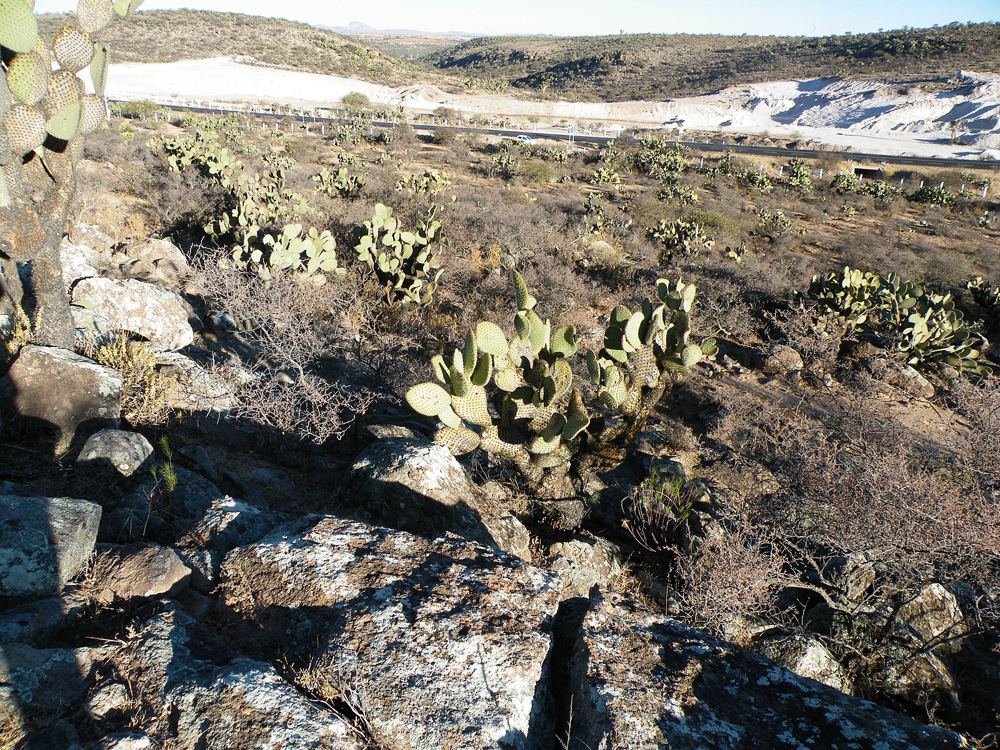
Profepa ordered a partial closure of the Minera Sabinas tailings deposit in Zacatecas after a spill ran 13.58 km and reached the Súchil river. The post Peñoles Tailings Spill Spans 13.58 km appeared first on The Rio Times .
A Peñoles tailings spill in the Mexican state of Zacatecas ran 13.58 kilometres (about 8.4 miles) along a stream bed and reached the Súchil river, the federal environmental enforcement agency Profepa said on Tuesday 20 October 2026. Profepa ordered a partial temporary closure of the tailings deposit at the Minera Sabinas mine, which belongs to Grupo Peñoles.
For US readers the Peñoles tailings spill tests how Mexico polices the waste of mines that produce silver, lead, zinc and copper, metals that US industry and investors follow. Profepa has announced no fine, and no statement from the company appeared in the coverage reviewed, so the legal and financial cost is still unknown.
Tailings, called jales in Spanish, are the crushed rock left over once the valuable metals have been taken out. Profepa says the spilled material spread from the mine’s installations to the community of Estación de Canutillo after rain in the area.
Profepa says it acted on an alert from a Participatory Environmental Surveillance Committee, a citizen group that watches for damage to nature. Its inspectors visited the site on Thursday 8 October 2026 and found tailings at several points between the mine and Estación de Canutillo.
The agency attributes the spread to rain recorded in the area and says the material damaged vegetation and wildlife. It says the tailings travelled along an intermittent stream, one that does not flow all year, and reached the continuous flow of the Súchil river.
The spill is in the municipality of Sombrerete, in Zacatecas. Profepa puts the length of stream bed affected at 13.58 kilometres, which is the figure used throughout this report.
Profepa describes Sabinas as an underground mine that belongs to Grupo Peñoles and extracts lead, copper and zinc. The EFE news agency report carried by El Financiero and MVS Noticias also lists silver, which the Profepa statement does not.
Peñoles lists Sabinas among its mining units on its website and calls itself the world’s leading silver producer, a claim we have not verified. Grupo Peñoles is a Mexican mining and metals group, and Profepa is the federal body charged with enforcing environmental law.
As a safety measure, Profepa closed part of the tailings deposit area temporarily. It also ordered five urgent actions to deal with the emergency, prevent new spills and repair the site.
The company must cover the tailings dam to prevent new spills and guarantee that the material is contained and controlled. It must also clean the ponds so that tailings do not build up, and carry out environmental characterisation work.
The fifth order is to clean all 13.58 kilometres of affected stream bed. Profepa says it will monitor compliance with the closure and with the company’s clean-up of the stream.
Environmental characterisation is a technical study of the condition of the site, and Profepa says it will give the data needed to decide on recovery and on repair of damage. That means the full cost of the clean-up cannot be known until the study is done.
The closure covers the deposit area, and the sources reviewed do not say that mine production has stopped. Whether the underground operation continues normally is therefore not established.
Because the tailings reached the continuous flow of the river, Profepa notified Conagua, Mexico’s National Water Commission, which manages federal waters. Conagua is to decide what action is needed over the possible harm to the river.
Profepa says studies are needed to establish how far the contamination extends and what effect it may have on the natural surroundings. Until those studies are published, the reach of the damage downstream remains open.
The communiqué does not name towns that draw on the Súchil for drinking water or irrigation. It also gives no test results for the water or the sediment.
The only dates confirmed are the inspection on 8 October and the announcement on Tuesday 20 October, 12 days later. The communiqué gives no date for the spill itself, so how long the tailings were moving before the inspection is not known.
Profepa credits the surveillance committee with the early warning and calls such committees fundamental to its work. The agency says their timely notice helps detect and stop possible harm to the environment.
Mexican outlets including El Heraldo de México, El Universal and El Financiero carried the statement on 20 October. All of them draw on the same Profepa communiqué, so there is no independent account yet from residents or from the company.
For US investors, tailings incidents are a recurring operating and regulatory risk for any mining company, and this one involves a group that describes itself as a leading silver producer. No fine has been reported, and a partial closure of one deposit area is not a halt to the group’s wider output.
Buyers and users of Mexican metals have no sign of a supply problem from this order. Our guides Mexico Natural Resources Explained 2026 and Who Runs Mexico’s Economy, the Key Players in 2026 set out where mining sits in the economy.
Travellers and expats are not the group affected, since the spill is in a rural part of Zacatecas and no warning for visitors appeared in the sources. Our Mexico City expat city guide covers daily life in the capital, and our report on a Grupo Mexico train derailment and chemical spill in Sonora covers a separate incident.
The volume and chemical makeup of the Peñoles tailings spill are not stated, and neither is the cause of the release beyond the rain Profepa cites. It is not known when the spill began or how long it lasted.
The sources do not say whether anyone was harmed or whether any water supply was affected. They also give no figure for fines, and Conagua has not yet announced what it will do.
No response from Grupo Peñoles was found in the coverage reviewed. Whether the partial closure affects production at Sabinas is also unknown.
Profepa closed part of the tailings deposit at the Minera Sabinas mine on a temporary basis. It also ordered the company to cover the dam, contain the material, clean the ponds, study the damage and clean the stream bed.
Profepa says the spill spread along 13.58 kilometres, about 8.4 miles, of an intermittent stream. It reached the continuous flow of the Súchil river in the municipality of Sombrerete, Zacatecas.
Profepa says the underground mine belongs to Grupo Peñoles, a Mexican mining group. It names lead, copper and zinc as the metals it extracts, and the EFE agency also lists silver.
Profepa says studies are needed to establish how far the contamination extends. No water or sediment test results had been published in the sources reviewed.
The Peñoles tailings spill shows how Mexico enforces rules on mining waste, which matters to investors in miners and to buyers of Mexican metals. The sources show no sign of a supply problem so far.
Sources: Profepa communiqué, 20 October 2026 ; El Heraldo de México, 20 October 2026 ; El Financiero (EFE), 20 October 2026 ; MVS Noticias, 20 October 2026 ; Grupo Peñoles website .
Editorial responsibility: Matthias Camenzind , Editor-in-Chief · Editorial standards · Report an error