Brent tops $88 as Gulf oil chokepoints face dual threat
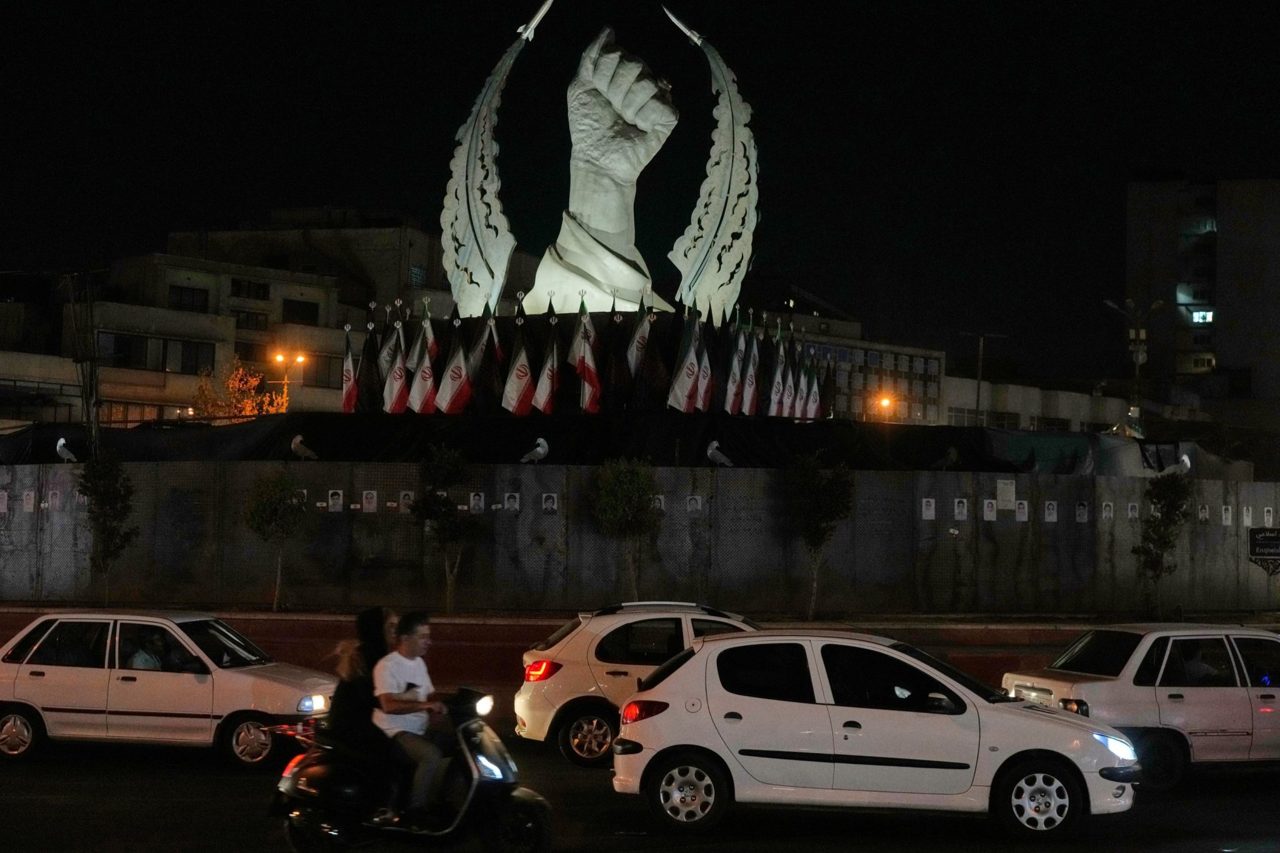
A ninth night of US strikes on Iran and retaliatory attacks on Gulf states have stalled Strait of Hormuz shipping, while a new Houthi threat to Saudi Red Sea exports pushes Brent crude above $88 a barrel.
US forces conducted a ninth consecutive night of airstrikes against Iran on Monday. In response, Tehran launched retaliatory attacks on American allies Kuwait, Jordan, and Bahrain.
The military escalation has effectively choked off the Strait of Hormuz, a conduit for one-fifth of global oil supplies. Benchmark Brent crude climbed above $88 a barrel, while US retail gasoline averaged $4 a gallon, keeping pressure on consumers ahead of midterm elections.
A secondary threat to global energy flows emerged as Iran-backed Houthi rebels in Yemen announced a maritime embargo against Saudi Arabia. The group intends to block shipping between the Red Sea and the Gulf of Aden.
With the Strait of Hormuz largely blocked, Saudi Arabia has relied on a pipeline to the Red Sea to export crude. The Houthis previously disrupted Red Sea shipping for months, attacking over 100 vessels.
Vessels attempting to skirt the Strait of Hormuz via Omani waters remain highly vulnerable. The British military confirmed a second ship was attacked off the United Arab Emirates on Sunday, following another strike near Oman that left a vessel adrift and on fire.
Washington has responded to the stalled ceasefire by tightening the economic screws. The US Navy reimposed a blockade on Iranian ports, redirecting seven ships and disabling one to halt Tehran's crude exports.
Diplomatic off-ramps remain limited despite ongoing efforts. Iranian Interior Minister Eskandar Momeni traveled to Islamabad for talks with Pakistani Prime Minister Shehbaz Sharif aimed at salvaging the collapsed interim deal.
US Secretary of State Marco Rubio acknowledged the diplomatic efforts but struck a cautious tone. “If the door opens to diplomacy — if the guys that want to do something productive for Iran win and take control of that system, or take control of the negotiations — that’ll be a very positive development,” Rubio said. “That’s not where we are tonight, unfortunately.”
The conflict's human and economic toll continues to mount. Iranian authorities reported at least 50 deaths and 517 injuries from recent strikes, while the US military confirmed its 17th fatality since the war began on February 28.