US Grid Adds 402 Miles of High-Voltage Lines, Far Below 5,000-Mile Need
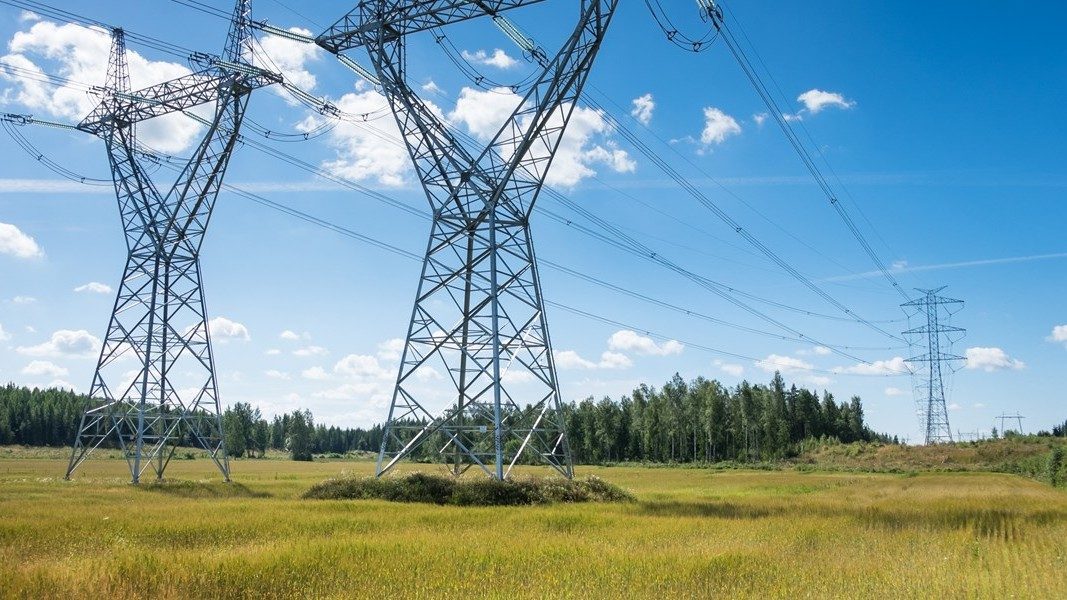
The US built only 402 miles of high-voltage transmission lines in 2025, far below the 5,000 miles experts say are needed annually, threatening to strand power plant investments meant to fuel surging artificial intelligence data centers.
The United States added just 402 miles of high-voltage transmission lines in 2025, a fraction of the approximately 5,000 miles experts say is required annually to support the country's power needs. This figure marks a steep decline from 2013, when the industry added nearly 4,000 miles of high-voltage capacity. Lines under 345 kilovolts are excluded from this calculation, as they primarily serve local distribution networks rather than the broader grid.
This infrastructure deficit carries immediate consequences for power markets and utility investors. Even before the recent surge in electricity demand from artificial intelligence data centers, infrastructure engineers and electric reliability organizations warned that inadequate transmission additions were threatening grid stability. Now, a wave of data center developers are rushing to connect large power plants to the network to meet their immense energy requirements.
However, building a power plant adjacent to a data center does not solve the transmission bottleneck. Electricity does not travel through a direct pipe from generator to consumer. Instead, power flows into the broader grid and follows the path of least resistance to the end user. Because the grid operates more like a bathtub than a pipe, localized generation still requires sufficient overall network capacity to prevent overloading and degrading service reliability.
For investors and corporate executives, this physical reality should serve as a strict valuation filter for new energy projects. Current plans for dozens of new nuclear reactors and data center power stations should be heavily discounted unless they include parallel investments in transmission network expansion to avoid becoming stranded assets. The assumption that proximity eliminates the need for grid investment is fundamentally flawed.
Given the chronic stagnation of the transmission sector, the market should expect a strategic pivot toward off-grid generating capacity. Transmission builders have complained for more than two decades about insurmountable siting requirements and regulatory hurdles. Past attempts to stimulate construction have failed, despite regulators offering unjustifiably high returns and grid operators relying on pricing systems designed to entice market players.
The transmission bottleneck remains the defining constraint for the AI-driven power expansion. Until the physical grid is actually enlarged, capital allocated to new grid-connected power plants faces severe, unmitigated execution risks.