Crude oil falls on US-Iran truce hopes as Red Sea risks linger
Oil prices retreated from recent highs as markets weighed fragile ceasefire negotiations between the US and Iran against ongoing disruptions to Middle Eastern shipping routes.
Brent crude dropped to $88.77 a barrel on Thursday, pulling back from earlier highs above $90. West Texas Intermediate followed suit, trading at $82.31. The sudden reversal came amid reports of a proposed ten-day ceasefire between the United States and Iran, though the underlying fundamentals suggest the retreat may be temporary.
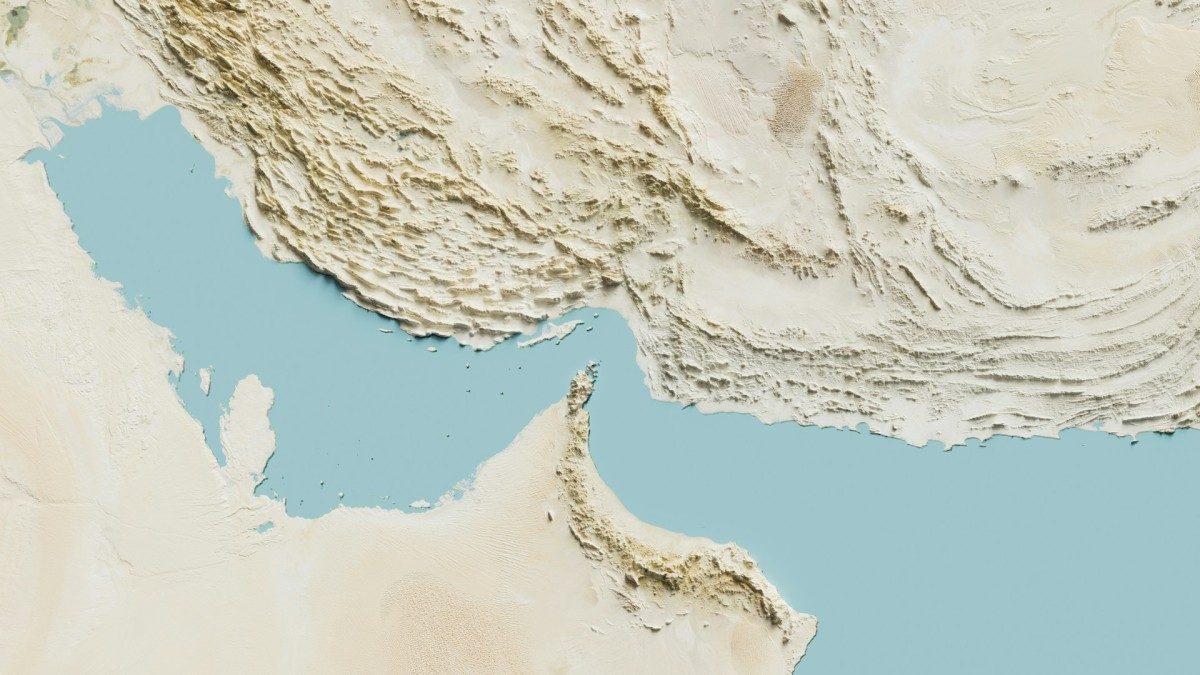
The diplomatic overture faces steep odds in practice. Missile strikes in the Persian Gulf continue unabated, and President Trump has vowed to punish Tehran for the deaths of several American troops. A senior Iranian official told Reuters that Tehran received a ceasefire proposal aimed at reviving a June deal, but offered no signal that the country's leadership is willing to make the necessary concessions to halt the conflict.
Despite the price drop, physical oil markets remain highly constrained. Tanker traffic through the Strait of Hormuz has effectively ground to a halt as both sides trade fire. Furthermore, the risk window is widening. Yemen’s Houthi rebels on Monday threatened to impose a naval blockade on Saudi Arabia, directly targeting a critical Red Sea export corridor.
A successful blockade of the Bab el-Mandeb Strait would force a major rerouting of global crude supplies around Africa, substantially extending voyage times and driving up freight costs. ING analysts Warren Patterson and Ewa Manthey highlighted in a client note that Saudi Arabia has become highly dependent on this southern route. Riyadh exported 4.6 million barrels per day from its Red Sea port of Yanbu in June, a massive increase from 1.3 million barrels daily at the start of the year.
For now, the broader market is looking past the Houthi threat to focus on the ceasefire chatter. “If shippers decide to avoid the Bab el-Mandeb Strait, voyage times will be longer and more expensive. Looking at oil price action this morning, the market is not convinced that this blockade will be successful,” the ING analysts said. This skepticism is currently keeping a lid on crude prices, even as a significant portion of Middle Eastern oil remains physically stranded.