Brent touches US$110 for the first time since May on Middle East tensions
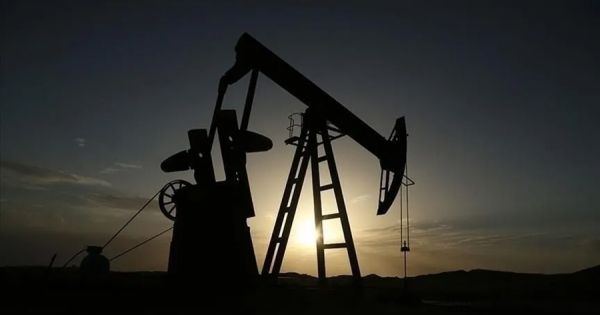
Brent crude reached US$110 a barrel on Friday for the first time since May, driven by fears that escalation in the Middle East could further tighten supplies and by doubts over how much diesel Russia can supply to the market. Brent settled 3.7% higher at US$109.86, its highest since May 19, while US benchmark WTI rose 3.5% to US$101.41.
Brent crude reached US$110 a barrel on Friday for the first time since May, driven by fears that escalation in the Middle East could further tighten supplies and by doubts over how much diesel Russia can supply to the market. Brent settled 3.7% higher at US$109.86, its highest since May 19, while US benchmark WTI rose 3.5% to US$101.41.
Over the week, Brent has gained 4.9% and WTI 10.4%. Prices rebounded after the Saudi-led coalition said it had intercepted and destroyed a ballistic missile launched towards Yanbu, the Red Sea port the kingdom uses to bypass the Strait of Hormuz. Initial reports indicated no damage to its facilities.
Attacks around Hormuz have intensified over the past ten days, with Iran saying it is responding to the US blockade of its ports and tougher sanctions imposed last month. “Intensified Iranian attacks drove Gulf crude flows sharply lower,” consultancy Kpler said, forecasting a slow and uneven recovery in the absence of a political deal.
The war in Ukraine is adding to the pressure. President Volodymyr Zelensky announced that Kyiv was abandoning a ceasefire on energy sites announced on Sunday by US President Donald Trump, and criticised his willingness to strike deals with Moscow. A day later, a drone attack forced the suspension of a distillation unit at Russia’s Ryazan refinery. “It’s questionable how much diesel fuel Russia can actually deliver to the markets,” said Dennis Kissler of BOK Financial. Trump announced last week a deal with Vladimir Putin for Russia to supply some 4.8 million tonnes of diesel.
To ease the market, the International Energy Agency agreed to release more than 20 million barrels of fuel, and the US Department of Energy offered an exchange of up to 17 million barrels from its strategic reserve. According to the International Monetary Fund, higher energy prices benefit Latin America’s commodity exporters and hurt importers.