Senegal Budget Targets a 4.7% Deficit
Senegal's 2027 draft budget targets a deficit of 4.7% of GDP, about US$2.3 billion, down from 7.6% in 2026, while IMF approval is still pending. The post Senegal Budget Targets a 4.7% Deficit appeared first on The Rio Times .
Senegal wants to shrink its overall budget deficit to 4.7% of GDP in 2027, from 7.6% in the adjusted 2026 budget. The draft finance bill relies mainly on lower spending while talks with the IMF and creditors continue.
The Senegal budget for 2027 targets a deficit of 4.7% of gross domestic product (GDP), or CFA 1,351.7 billion (about US$2.3 billion). That is down from 7.6% in the adjusted 2026 budget, a gap that bondholders and the International Monetary Fund (IMF) are watching.
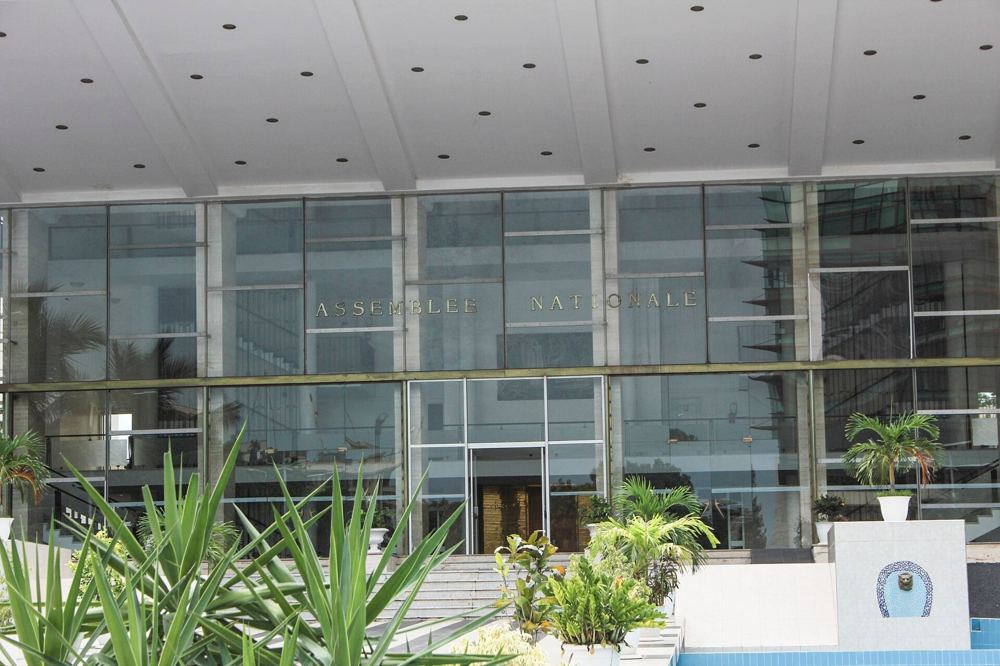
Senegalese news sites published the draft finance bill’s figures on Wednesday 14 and Thursday 15 October. The bill must still pass the National Assembly, the country’s parliament.
Seneweb listed revenue of CFA 6,012.1 billion (about US$10.2 billion), up 2.8% on the adjusted 2026 budget. Spending is CFA 7,363.7 billion (about US$12.6 billion), down 2.9% from CFA 7,583.9 billion (about US$12.9 billion).
The deficit of CFA 1,351.7 billion (about US$2.3 billion) compares with CFA 1,735.2 billion (about US$3.0 billion) in the revised 2026 budget. The original 2026 budget had planned CFA 1,245.1 billion (about US$2.1 billion), Sikafinance wrote on 22 September.
Interest on public debt takes CFA 1,303.9 billion (about US$2.2 billion), up from CFA 1,285.2 billion (about US$2.2 billion). That is almost the whole deficit, and the primary deficit, which excludes interest, is only about 0.2% of GDP.
The adjustment rests mainly on lower spending, while tax revenue rises only 2.3% to CFA 5,044.6 billion (about US$8.6 billion). Goods, services and transfers fall 4.2% to CFA 2,093.7 billion (about US$3.6 billion), Seneweb and Dakaractu both show.
Domestically financed investment drops by CFA 176.4 billion (about US$0.3 billion) to CFA 956.8 billion (about US$1.6 billion). The wage bill still rises 4.1% to CFA 1,596.2 billion (about US$2.7 billion).
Conversions use the euro peg of CFA 655.957 per euro and 0.8944 euro per US$1 on 15 October 2026 (open.er-api.com). That gives about CFA 586.7 per US$1, and every US$ value here is rounded.
Total financing needs are CFA 6,608.7 billion (about US$11.3 billion), of which CFA 4,552 billion (about US$7.8 billion) repays existing debt. A further CFA 480 billion (about US$0.8 billion) clears domestic arrears, which are unpaid bills owed to local suppliers.
Borrowing from markets and programme lenders is planned at CFA 4,733.7 billion (about US$8.1 billion). Project loans add CFA 900 billion (about US$1.5 billion), and cheaper concessional aid should exceed CFA 800 billion (about US$1.4 billion).
Dakaractu, Journal du Sénégal and Senego cite economic growth prospects of 2.4%, without saying which year or whether it is real growth. Tax revenue is expected at 17.5% of GDP, Seneweb and Dakaractu show.
The budget follows the IMF’s staff-level agreement of Tuesday 1 September on a loan of about US$2.2 billion over 36 months. The IMF calls it an Extended Credit Facility and says management and the Executive Board must still approve it.
Two conditions come first: corrective actions to support Senegal’s request for a waiver in the misreporting case, and financing assurances from partners. The misreporting case concerns earlier public finance data that Senegal gave the Fund.
The IMF also noted that the authorities have announced their intention to seek a debt treatment. Journal du Sénégal and Senego say talks on debt sustainability with the IMF and partners continue.
Investors in Senegal’s international bonds and in emerging market debt funds get a first look at the 2027 fiscal path. A lower deficit would ease borrowing needs, but interest costs of about US$2.2 billion still equal almost the whole gap.
The United States is the IMF’s largest shareholder, so Washington holds the biggest vote on the board that must approve the programme. Senegal shares a regional currency pegged to the euro, so it cannot close a deficit by devaluing.
The newsroom could not open the draft bill itself, so the figures rest on four Senegalese outlets that agree on the totals. None of them says whether the deficit is measured on a cash or commitment basis.
Dividing each deficit by its stated share gives GDP of about CFA 22,800 billion (about US$38.9 billion) for 2026. For 2027 the same sum gives about CFA 28,800 billion (about US$49.0 billion); these are newsroom estimates, not published figures.
That implies nominal GDP growth of about 26%, which no report explains and which sits oddly with the 2.4% growth cited. In money terms the deficit falls about 22%, and the drop in the ratio may overstate the cut.
It is also unknown when the National Assembly will vote, and whether it will change the bill. The IMF press release gives no date for Executive Board approval, and the scope of any debt treatment is open.
Seneweb says the finance bill has already been sent to the National Assembly, but no other outlet confirms it. No timetable for the vote appears in the reports seen.
A passed budget would not guarantee IMF approval, which also depends on the waiver and the financing assurances. The test is whether the 4.7% target survives the Assembly vote and the IMF review.
The draft finance bill targets an overall deficit of 4.7% of GDP, or CFA 1,351.7 billion (about US$2.3 billion). That compares with 7.6% in the adjusted 2026 budget.
Mainly through lower spending, which falls 2.9% while revenue rises 2.8%. Goods and services spending falls 4.2%, while the wage bill rises 4.1%.
On Tuesday 1 September the IMF reached a staff-level agreement on a new programme of about US$2.2 billion over 36 months. The Executive Board must still approve it, after Senegal meets two conditions.
Funds that invest in emerging market debt watch Senegal’s finances, and the United States is the largest shareholder of the IMF. A credible budget supports the programme that bondholders are waiting for.
No, the draft finance bill has only been made public and must still pass the National Assembly. No date for the vote has been reported.
Sources: IMF, press release 26/282 on the staff-level agreement with Senegal, 1 September 2026 ; Seneweb, 14 October 2026 ; Dakaractu, deficit ; Dakaractu, PLFI 2027 ; Senego, 15 October 2026 ; Journal du Sénégal, 15 October 2026 ; Sikafinance, 22 September 2026 (all accessed 15 October 2026).
Editorial responsibility: Matthias Camenzind , Editor-in-Chief · Editorial standards · Report an error
Africa: The New Scramble, the great-power contest over the continent.