Peru Bars Anchovy Season, Juveniles Hit 79%
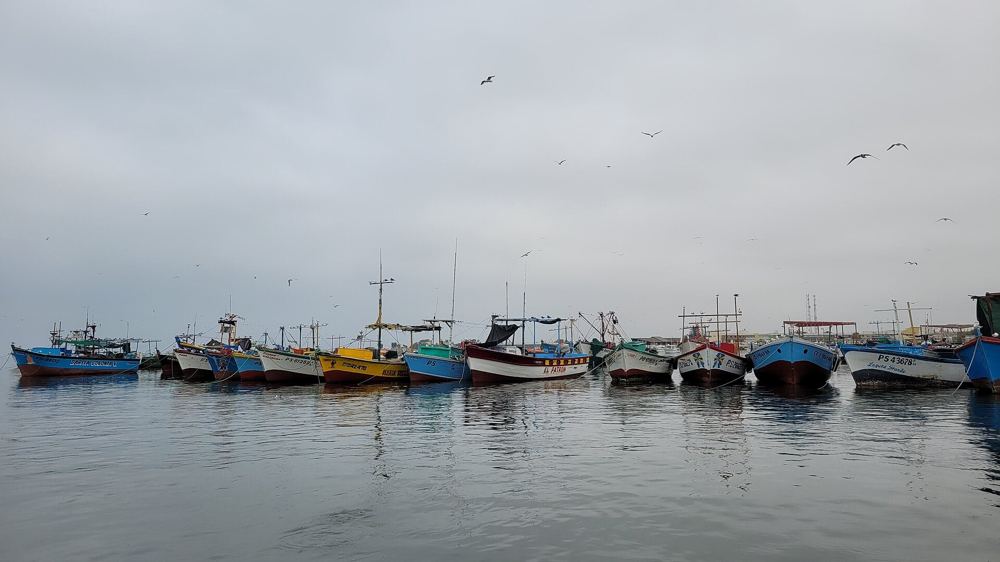
Peru's Production Ministry will not open a second anchovy season in the north-centre, citing 79% juvenile fish and a 5.12 million tonne stock. The post Peru Bars Anchovy Season, Juveniles Hit 79% appeared first on The Rio Times .
Peru will not open a second anchovy season in its north-centre zone, the Production Ministry said on 16 October. A survey found 79% juvenile fish and a stock 27.9% below summer.
Peru will not open a second anchovy season in the north-centre zone this year, the Production Ministry said on Friday, 16 October. The ministry says a state survey found many juvenile fish and a smaller stock.
PRODUCE calls anchovy important for Peru’s fishmeal and fish-oil production. The decision lands as El Niño warms the coast, as covered in Peru Lines Up US, Japan, China El Niño Aid .
PRODUCE says it will not authorise a second season for anchovy, Engraulis ringens, in the north-centre zone of the Peruvian coast. It says the choice rests on scientific evidence and aims to protect the resource.
Vice Minister of Fisheries and Aquaculture Jesús Barrientos said the many juveniles and current sea conditions demand prudence. He added that decisions cannot rest only on the short term.
PRODUCE cites research cruise 2609-10 by IMARPE, the state Institute of the Sea of Peru, with data to Wednesday, 7 October. It puts the acoustic biomass at about 5.12 million tonnes.
That is 27.9% below summer 2026 and 22.8% below the 1996 to 2025 winter and spring average, PRODUCE says. Juveniles are 79% of the fish by number and 65% by weight.
Spawning is below the usual pattern, but PRODUCE says episodes continue between Chimbote and Pisco. It reads this as a sign the anchovy is still trying to reproduce.
IMARPE found unusually warm ocean conditions linked to changes in where the anchovy swim, PRODUCE says. Fish are packed closer to shore, have moved south and swim deeper.
The ministry says it wants to avoid fishing without conditions that sufficiently support it. It also says it is checking samasa, a species that does well in warm water, as a possible alternative.
The first 2026 season opened on 1 April with a catch cap of 1,914,049 tonnes, Infobae Perú reported at the time. It called that the lowest in a decade, leaving out 2023, when no first season was held.
On 23 August, PRODUCE declared fishing and aquaculture in emergency for 120 days over El Niño Costero. The forecast body ENFEN expects the event through 2026 and 2027, with a magnitude that could range from strong to extraordinary.
The wider economy is covered in Peru GDP Grows 3.23% in August and the Peru Natural Resources Explained 2026 guide. Both give background on the sectors that carry Peru’s exports.
PRODUCE says anchovy is important for Peru’s fishmeal and fish-oil production. Those products are widely used in animal and fish feed and in supplements, which is general background and not from the release.
No source reviewed gives a price move, a supply estimate or a US import figure for this decision. US importers and feed makers may want to watch for any effect on Peruvian supply.
The decision rests on one source, the PRODUCE release of 16 October, and no second outlet or industry reaction was found. The legal instrument has not been reviewed, and no reopening date is given.
The effect on fishmeal prices, jobs and exports is not quantified, and neither is the total catch of the first season. PRODUCE has not said what support fishers will receive.
IMARPE will keep measuring biomass, fish sizes, spawning and ocean conditions in the north-centre zone. PRODUCE says those findings will guide future management decisions.
Conversions are not needed because the release gives no money amounts. This report will be rewritten if PRODUCE, IMARPE or the industry add figures.
PRODUCE says an IMARPE survey found 79% juvenile fish by number and a stock 27.9% below summer. It also cites warm ocean conditions that call for a cautious approach.
The survey estimates about 5.12 million tonnes of acoustic biomass, with data to 7 October. That is 22.8% below the 1996 to 2025 winter and spring average.
The decision covers the north-centre fishing zone of the Peruvian coast. PRODUCE has not described any change for the southern zone in this release.
PRODUCE calls anchovy important for Peru’s fishmeal and fish-oil production, products widely used in feed and supplements. No source reviewed gives a US export figure or price reaction yet.
No date has been given. PRODUCE says IMARPE will keep monitoring the stock and the ocean to guide later decisions.
Sources: Ministerio de la Producción, 16 October 2026: PRODUCE no autoriza segunda temporada de anchoveta en la zona norte-centro ; Ministerio de la Producción, 23 August 2026: PRODUCE declara en emergencia la pesca y la acuicultura ; Infobae Perú, 1 April 2026: Anchoveta, primera temporada norte-centro 2026 (all accessed 16 October 2026).
Editorial responsibility: Matthias Camenzind , Editor-in-Chief · Editorial standards · Report an error