Nigeria Population and Ethnic Groups Explained
Nigeria has about 242 million people, half of them aged 18 or younger. Here is who they are, what they believe and how they live together. The post Nigeria Population and Ethnic Groups Explained appeared first on The Rio Times .
Nigeria’s population of about 242 million is Africa’s largest, and Nigerians are the biggest African-born group in the United States. The UN expects the country to pass 350 million people by 2050.
The Hausa-Fulani, Yoruba and Igbo share it with over 200 smaller peoples, and nearly all Nigerians are Muslim or Christian.
The UN’s World Population Prospects 2024, the organisation’s official set of population estimates, puts Nigeria at about 242.4 million people in mid-2026. That makes it the sixth-most-populous country on earth, after India, China, the United States, Indonesia and Pakistan.
Growth has been fast. Nigeria had about 37 million people in 1950 and about 126 million in 2000, according to the same UN series.
In 2026 the UN expects about 7.7 million births and 2.8 million deaths in Nigeria. That adds almost 5 million people in a single year.
Nigeria’s population grew by about 2.1% a year in 2024 and 2025, according to World Bank data. At roughly that pace, a population doubles in about 34 years, by the UN’s 2026 estimate.
Looking ahead, the UN’s medium projection reaches about 359 million Nigerians by 2050. By 2100 it shows about 477 million people, more than the 421 million it projects for the United States.
The official head count is much older. Nigeria’s last census, in 2006, recorded 140,431,790 people, according to census data held by the UN Statistics Division.
Nigeria’s population is very young. The UN puts the median age at about 18 in 2026, meaning half of all Nigerians are younger than that.
In the United States, the median age is about 39. About 40% of Nigerians were under 15 in 2025, according to World Bank data.
The best recent picture comes from the 2024 Nigeria Demographic and Health Survey, a large household survey. The National Population Commission and the federal health ministry ran it with technical help from ICF, a US firm.
Interviewers spoke to 39,050 women and 12,204 men between December 2023 and May 2024. Of everyone living in the households they visited, 45% were under 15.
The survey measured a fertility rate of 4.8 children per woman, while the UN’s model puts the 2026 rate at about 4.2. The survey’s wanted fertility rate was 4.3, so women have about half a child more than they want.
Men want larger families than women: their ideal is 6.5 children, against 5.6 for women. Life expectancy at birth was about 55 years in 2024, according to the UN and the World Bank.
This age structure means schools, clinics and the job market must grow quickly just to keep pace.
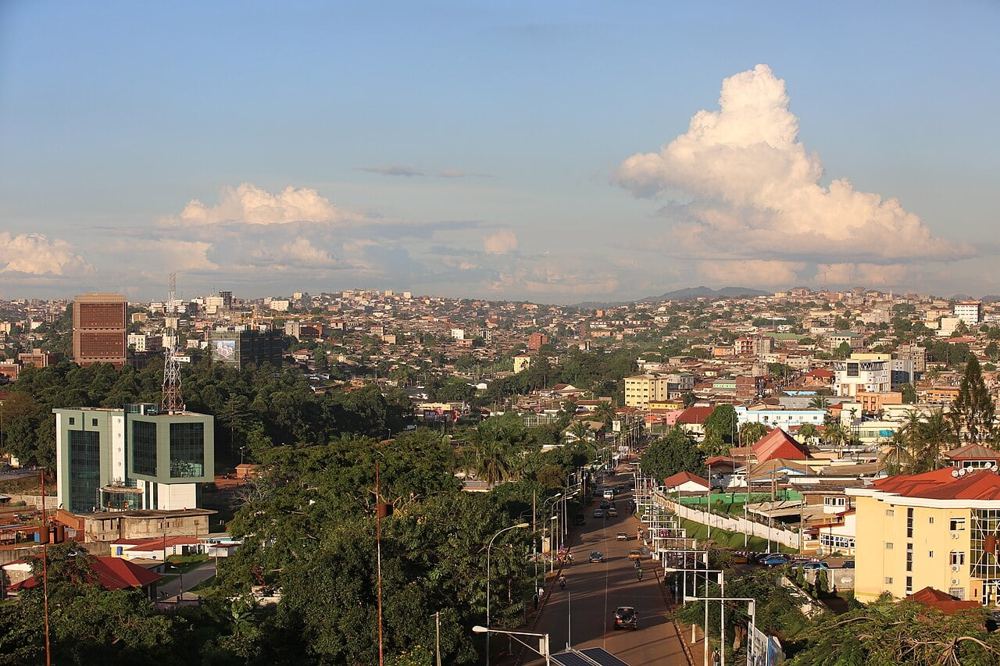
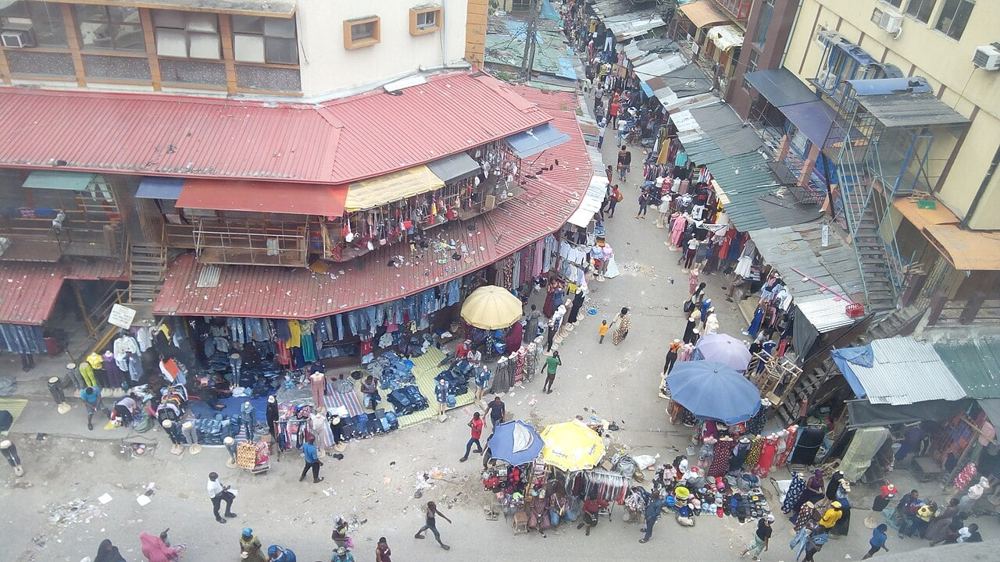
Nigeria is now a mostly urban country. About 64% of Nigerians lived in towns and cities in 2025, according to World Bank data, up from about 59% in 2019.
Lagos, on the Atlantic coast, is the largest city, according to a Library of Congress country profile. World Bank figures, based on UN urban estimates, put Nigeria’s largest metropolitan area at about 17.2 million people in 2025.
Lagos was also the capital until 12 December 1991, when Abuja took over. The same 2008 profile listed Kano and Ibadan as the next most populous cities.
Cities of more than one million people together held about 41.8 million Nigerians in 2025. Rural areas still held about 36% of the population.
People move a lot inside the country. In the 2024 health survey, 39% of women and 40% of men did not live where they were born.
Among recent movers, the most common move was from one city to another. Among men who left the countryside for a city, 55% did so for work, while marriage was the main reason women moved.
The country is divided into six geopolitical zones. The survey found 32% of adults aged 15 to 49 living in the North West and 8% in the South East.
Nigeria has more than 250 ethnic groups, according to the US Library of Congress country profile from 2008. The Hausa and Fulani have traditionally dominated the north, the Yoruba the southwest and the Igbo the east.
The best recent figures come from the 2024 health survey, which asked adults to name their ethnic group. The answers of women aged 15 to 49 break down as follows.
Among men, 34.0% said Hausa, 13.2% Yoruba and 10.5% Igbo. The Ijaw, the main people of the Niger Delta on the southern coast, made up 1.2%.
These shares describe adults aged 15 to 49 rather than Nigeria’s whole population. With no census since 2006, the survey is the most recent national source.
English is Nigeria’s official language, according to the Library of Congress profile. Section 55 of the constitution says the National Assembly works in English, and in Hausa, Ibo and Yoruba once adequate arrangements exist.
Ethnologue, a reference catalogue of world languages, lists 527 languages for Nigeria. Of these, 520 are still living and 7 are extinct.
Ethnologue classes 20 living languages as institutional, its top tier, which runs from languages taught in schools to those of government. It classes 43 as dying.
The 2024 health survey used questionnaires in English, Hausa, Yoruba and Igbo, the three big group languages plus the official one.
Nigeria is split between Islam and Christianity, with small numbers following traditional faiths. In the 2024 health survey, 57.6% of women and 58.2% of men said they were Muslim.
Among women, 8.2% said they were Catholic and 33.7% belonged to other Christian churches, together 41.9%. Traditional religions drew 0.4% of women and 0.9% of men.
Islam dominates the North West and North East, while Christianity dominates the South West, including Lagos, according to the US State Department. In the North Central zone, Christians and Muslims live in roughly equal numbers.
Many Nigerians mix traditional practices with Islam or Christianity, the State Department’s religious freedom report notes. Sharia courts, which apply Islamic law, function in 12 northern states and the Federal Capital Territory.
The constitution forbids the federal government and the states from adopting any religion as a state religion.
Nigeria’s constitution builds group balance into the state. Section 14(3) requires the federal government to reflect the “federal character of Nigeria”.
It aims to prevent “predominance of persons from a few States or from a few ethnic or other sectional groups”.
A Federal Character Commission enforces “proportional sharing” of public posts, from permanent secretaries to senior military officers. The president must also appoint at least one minister from each of the 36 states.
Elections follow the same logic. A winning presidential candidate needs at least a quarter of the votes in two-thirds of the states and Abuja.
Tension is real, especially over land. In its religious freedom report for 2023, the US State Department described numerous fatal clashes in the North Central region.