FG rallies states to implement policy on food security
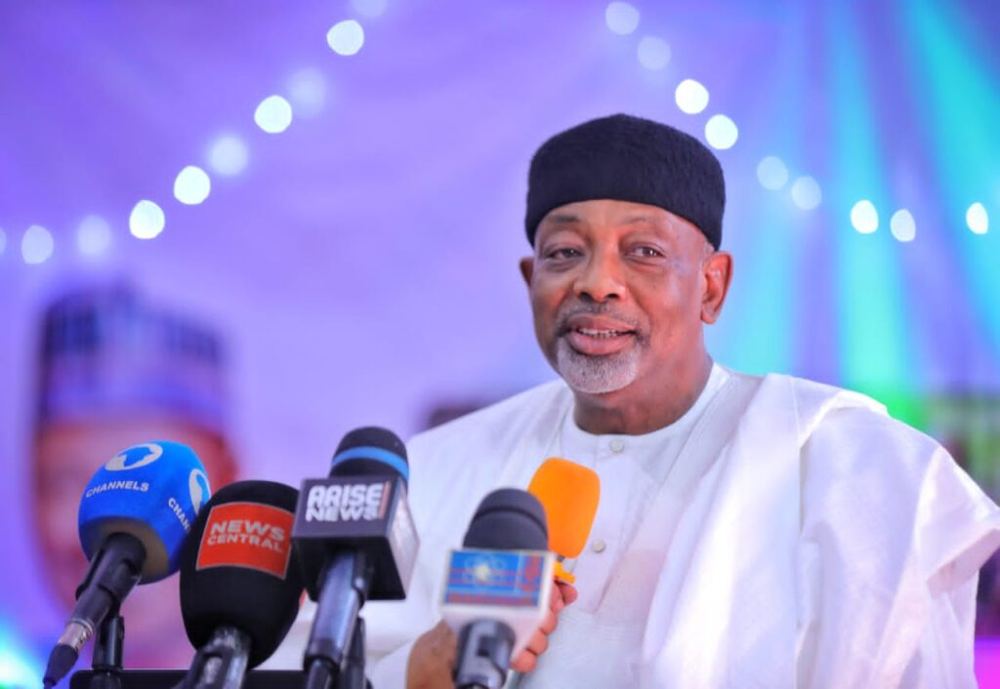
The Federal Government has commenced full implementation (the Kampala agenda 2026-2035) of the Comprehensive Africa Agriculture Development Programme (CAADP) to
The Federal Government has commenced full implementation (the Kampala agenda 2026-2035) of the Comprehensive Africa Agriculture Development Programme (CAADP) to boost food production, strengthen food security and grow the economy which aim at ralling rounds the state to domensticate the policy. Abubakar Kyari, Minister of Agriculture and Food Security, disclosed this on Monday at the opening of the second annual Community of Practice meeting of commissioners responsible for agriculture, livestock, fisheries, health, environment, commerce and rural development in Maiduguri, Borno State. Kyari said Nigeria had developed and validated a 10-year National Agrifood System Strategy and Action Plan to domesticate the Kampala CAADP Agenda 2026-2035, while expanding all-season production through irrigation and improved access to quality seeds. He said the government was also supporting national agricultural research institutes and strengthening the application of research findings to practical farming challenges. “The Kampala framework takes a broader agrifood systems approach, with priorities spanning sustainable production, investment and finance, food and nutrition security, trade, inclusion, resilience and stronger governance,” Kyari said. Explaining the importance of Nigeria’s participation, Kyari said:”For a country of Nigeria’s scale, the choices we make in agriculture have consequences beyond our borders, for regional markets, Africa’s wider agrifood transformation and Nigeria’s place in the global food economy. “Nigeria has developed and validated a 10-Year National Agrifood System Strategy and Action Plan as the vehicle for domesticating these commitments,” he noted. In a goodwill message, Head of Development Cooperation at the German Embassy, Karin Jansen, said the meeting’s theme, “Stronger Partnerships for a Food Secure Nigeria,” reflected the cooperation required to transform agrifood systems in Nigeria and across Africa. Jansen said “Coordination; Strengthening mechanisms that connect federal institutions, state governments and non-state actors, including the CAADP Community of Practice and a dedicated Pre-CoP workshop for non-state actors. “No institution and no level of government can do this alone. Progress depends on strong cooperation between the Federal Government and the states, and on the active participation of non-state actors.” Germany welcomed Nigeria’s leadership in advancing the Kampala agenda and was supporting its implementation through stronger agricultural policy processes, expansion of successful approaches and greater civil society participation. Governor Babagana Zulum, represented by his deputy, Usman Kadafur said the meeting was important because it brought together policymakers, agricultural experts, researchers, farmers, private-sector actors and development partners. He pledged Borno State’s support and collaboration towards implementing the agenda and increasing food production. In attendance at the summit are state Commissioners of Agriculture, policymakers, development practitioners, agricultural experts, researchers, farmers, private-sector actors and development partners. Related News Nigeria’s future depends on ITF turning population into productive human capital, Jada, OGFZA boss Ofe Okazi, Nigerian vegetable soup that can make UNESCO ICH list Nutritional benefits of seafood we neglect Share
Abubakar Kyari, Minister of Agriculture and Food Security, disclosed this on Monday at the opening of the second annual Community of Practice meeting of commissioners responsible for agriculture, livestock, fisheries, health, environment, commerce and rural development in Maiduguri, Borno State. Kyari said Nigeria had developed and validated a 10-year National Agrifood System Strategy and Action Plan to domesticate the Kampala CAADP Agenda 2026-2035, while expanding all-season production through irrigation and improved access to quality seeds. He said the government was also supporting national agricultural research institutes and strengthening the application of research findings to practical farming challenges. “The Kampala framework takes a broader agrifood systems approach, with priorities spanning sustainable production, investment and finance, food and nutrition security, trade, inclusion, resilience and stronger governance,” Kyari said. Explaining the importance of Nigeria’s participation, Kyari said:”For a country of Nigeria’s scale, the choices we make in agriculture have consequences beyond our borders, for regional markets, Africa’s wider agrifood transformation and Nigeria’s place in the global food economy. “Nigeria has developed and validated a 10-Year National Agrifood System Strategy and Action Plan as the vehicle for domesticating these commitments,” he noted. In a goodwill message, Head of Development Cooperation at the German Embassy, Karin Jansen, said the meeting’s theme, “Stronger Partnerships for a Food Secure Nigeria,” reflected the cooperation required to transform agrifood systems in Nigeria and across Africa. Jansen said “Coordination; Strengthening mechanisms that connect federal institutions, state governments and non-state actors, including the CAADP Community of Practice and a dedicated Pre-CoP workshop for non-state actors. “No institution and no level of government can do this alone. Progress depends on strong cooperation between the Federal Government and the states, and on the active participation of non-state actors.” Germany welcomed Nigeria’s leadership in advancing the Kampala agenda and was supporting its implementation through stronger agricultural policy processes, expansion of successful approaches and greater civil society participation. Governor Babagana Zulum, represented by his deputy, Usman Kadafur said the meeting was important because it brought together policymakers, agricultural experts, researchers, farmers, private-sector actors and development partners. He pledged Borno State’s support and collaboration towards implementing the agenda and increasing food production. In attendance at the summit are state Commissioners of Agriculture, policymakers, development practitioners, agricultural experts, researchers, farmers, private-sector actors and development partners. Related News Nigeria’s future depends on ITF turning population into productive human capital, Jada, OGFZA boss Ofe Okazi, Nigerian vegetable soup that can make UNESCO ICH list Nutritional benefits of seafood we neglect Share
Kyari said Nigeria had developed and validated a 10-year National Agrifood System Strategy and Action Plan to domesticate the Kampala CAADP Agenda 2026-2035, while expanding all-season production through irrigation and improved access to quality seeds. He said the government was also supporting national agricultural research institutes and strengthening the application of research findings to practical farming challenges. “The Kampala framework takes a broader agrifood systems approach, with priorities spanning sustainable production, investment and finance, food and nutrition security, trade, inclusion, resilience and stronger governance,” Kyari said. Explaining the importance of Nigeria’s participation, Kyari said:”For a country of Nigeria’s scale, the choices we make in agriculture have consequences beyond our borders, for regional markets, Africa’s wider agrifood transformation and Nigeria’s place in the global food economy. “Nigeria has developed and validated a 10-Year National Agrifood System Strategy and Action Plan as the vehicle for domesticating these commitments,” he noted. In a goodwill message, Head of Development Cooperation at the German Embassy, Karin Jansen, said the meeting’s theme, “Stronger Partnerships for a Food Secure Nigeria,” reflected the cooperation required to transform agrifood systems in Nigeria and across Africa. Jansen said “Coordination; Strengthening mechanisms that connect federal institutions, state governments and non-state actors, including the CAADP Community of Practice and a dedicated Pre-CoP workshop for non-state actors. “No institution and no level of government can do this alone. Progress depends on strong cooperation between the Federal Government and the states, and on the active participation of non-state actors.” Germany welcomed Nigeria’s leadership in advancing the Kampala agenda and was supporting its implementation through stronger agricultural policy processes, expansion of successful approaches and greater civil society participation. Governor Babagana Zulum, represented by his deputy, Usman Kadafur said the meeting was important because it brought together policymakers, agricultural experts, researchers, farmers, private-sector actors and development partners. He pledged Borno State’s support and collaboration towards implementing the agenda and increasing food production. In attendance at the summit are state Commissioners of Agriculture, policymakers, development practitioners, agricultural experts, researchers, farmers, private-sector actors and development partners. Related News Nigeria’s future depends on ITF turning population into productive human capital, Jada, OGFZA boss Ofe Okazi, Nigerian vegetable soup that can make UNESCO ICH list Nutritional benefits of seafood we neglect Share
He said the government was also supporting national agricultural research institutes and strengthening the application of research findings to practical farming challenges. “The Kampala framework takes a broader agrifood systems approach, with priorities spanning sustainable production, investment and finance, food and nutrition security, trade, inclusion, resilience and stronger governance,” Kyari said. Explaining the importance of Nigeria’s participation, Kyari said:”For a country of Nigeria’s scale, the choices we make in agriculture have consequences beyond our borders, for regional markets, Africa’s wider agrifood transformation and Nigeria’s place in the global food economy. “Nigeria has developed and validated a 10-Year National Agrifood System Strategy and Action Plan as the vehicle for domesticating these commitments,” he noted. In a goodwill message, Head of Development Cooperation at the German Embassy, Karin Jansen, said the meeting’s theme, “Stronger Partnerships for a Food Secure Nigeria,” reflected the cooperation required to transform agrifood systems in Nigeria and across Africa. Jansen said “Coordination; Strengthening mechanisms that connect federal institutions, state governments and non-state actors, including the CAADP Community of Practice and a dedicated Pre-CoP workshop for non-state actors. “No institution and no level of government can do this alone. Progress depends on strong cooperation between the Federal Government and the states, and on the active participation of non-state actors.” Germany welcomed Nigeria’s leadership in advancing the Kampala agenda and was supporting its implementation through stronger agricultural policy processes, expansion of successful approaches and greater civil society participation. Governor Babagana Zulum, represented by his deputy, Usman Kadafur said the meeting was important because it brought together policymakers, agricultural experts, researchers, farmers, private-sector actors and development partners. He pledged Borno State’s support and collaboration towards implementing the agenda and increasing food production. In attendance at the summit are state Commissioners of Agriculture, policymakers, development practitioners, agricultural experts, researchers, farmers, private-sector actors and development partners. Related News Nigeria’s future depends on ITF turning population into productive human capital, Jada, OGFZA boss Ofe Okazi, Nigerian vegetable soup that can make UNESCO ICH list Nutritional benefits of seafood we neglect Share
“The Kampala framework takes a broader agrifood systems approach, with priorities spanning sustainable production, investment and finance, food and nutrition security, trade, inclusion, resilience and stronger governance,” Kyari said. Explaining the importance of Nigeria’s participation, Kyari said:”For a country of Nigeria’s scale, the choices we make in agriculture have consequences beyond our borders, for regional markets, Africa’s wider agrifood transformation and Nigeria’s place in the global food economy. “Nigeria has developed and validated a 10-Year National Agrifood System Strategy and Action Plan as the vehicle for domesticating these commitments,” he noted. In a goodwill message, Head of Development Cooperation at the German Embassy, Karin Jansen, said the meeting’s theme, “Stronger Partnerships for a Food Secure Nigeria,” reflected the cooperation required to transform agrifood systems in Nigeria and across Africa. Jansen said “Coordination; Strengthening mechanisms that connect federal institutions, state governments and non-state actors, including the CAADP Community of Practice and a dedicated Pre-CoP workshop for non-state actors. “No institution and no level of government can do this alone. Progress depends on strong cooperation between the Federal Government and the states, and on the active participation of non-state actors.” Germany welcomed Nigeria’s leadership in advancing the Kampala agenda and was supporting its implementation through stronger agricultural policy processes, expansion of successful approaches and greater civil society participation. Governor Babagana Zulum, represented by his deputy, Usman Kadafur said the meeting was important because it brought together policymakers, agricultural experts, researchers, farmers, private-sector actors and development partners. He pledged Borno State’s support and collaboration towards implementing the agenda and increasing food production. In attendance at the summit are state Commissioners of Agriculture, policymakers, development practitioners, agricultural experts, researchers, farmers, private-sector actors and development partners. Related News Nigeria’s future depends on ITF turning population into productive human capital, Jada, OGFZA boss Ofe Okazi, Nigerian vegetable soup that can make UNESCO ICH list Nutritional benefits of seafood we neglect Share
Explaining the importance of Nigeria’s participation, Kyari said:”For a country of Nigeria’s scale, the choices we make in agriculture have consequences beyond our borders, for regional markets, Africa’s wider agrifood transformation and Nigeria’s place in the global food economy. “Nigeria has developed and validated a 10-Year National Agrifood System Strategy and Action Plan as the vehicle for domesticating these commitments,” he noted. In a goodwill message, Head of Development Cooperation at the German Embassy, Karin Jansen, said the meeting’s theme, “Stronger Partnerships for a Food Secure Nigeria,” reflected the cooperation required to transform agrifood systems in Nigeria and across Africa. Jansen said “Coordination; Strengthening mechanisms that connect federal institutions, state governments and non-state actors, including the CAADP Community of Practice and a dedicated Pre-CoP workshop for non-state actors. “No institution and no level of government can do this alone. Progress depends on strong cooperation between the Federal Government and the states, and on the active participation of non-state actors.” Germany welcomed Nigeria’s leadership in advancing the Kampala agenda and was supporting its implementation through stronger agricultural policy processes, expansion of successful approaches and greater civil society participation. Governor Babagana Zulum, represented by his deputy, Usman Kadafur said the meeting was important because it brought together policymakers, agricultural experts, researchers, farmers, private-sector actors and development partners. He pledged Borno State’s support and collaboration towards implementing the agenda and increasing food production. In attendance at the summit are state Commissioners of Agriculture, policymakers, development practitioners, agricultural experts, researchers, farmers, private-sector actors and development partners. Related News Nigeria’s future depends on ITF turning population into productive human capital, Jada, OGFZA boss Ofe Okazi, Nigerian vegetable soup that can make UNESCO ICH list Nutritional benefits of seafood we neglect Share
“Nigeria has developed and validated a 10-Year National Agrifood System Strategy and Action Plan as the vehicle for domesticating these commitments,” he noted. In a goodwill message, Head of Development Cooperation at the German Embassy, Karin Jansen, said the meeting’s theme, “Stronger Partnerships for a Food Secure Nigeria,” reflected the cooperation required to transform agrifood systems in Nigeria and across Africa. Jansen said “Coordination; Strengthening mechanisms that connect federal institutions, state governments and non-state actors, including the CAADP Community of Practice and a dedicated Pre-CoP workshop for non-state actors. “No institution and no level of government can do this alone. Progress depends on strong cooperation between the Federal Government and the states, and on the active participation of non-state actors.” Germany welcomed Nigeria’s leadership in advancing the Kampala agenda and was supporting its implementation through stronger agricultural policy processes, expansion of successful approaches and greater civil society participation. Governor Babagana Zulum, represented by his deputy, Usman Kadafur said the meeting was important because it brought together policymakers, agricultural experts, researchers, farmers, private-sector actors and development partners. He pledged Borno State’s support and collaboration towards implementing the agenda and increasing food production. In attendance at the summit are state Commissioners of Agriculture, policymakers, development practitioners, agricultural experts, researchers, farmers, private-sector actors and development partners. Related News Nigeria’s future depends on ITF turning population into productive human capital, Jada, OGFZA boss Ofe Okazi, Nigerian vegetable soup that can make UNESCO ICH list Nutritional benefits of seafood we neglect Share
In a goodwill message, Head of Development Cooperation at the German Embassy, Karin Jansen, said the meeting’s theme, “Stronger Partnerships for a Food Secure Nigeria,” reflected the cooperation required to transform agrifood systems in Nigeria and across Africa. Jansen said “Coordination; Strengthening mechanisms that connect federal institutions, state governments and non-state actors, including the CAADP Community of Practice and a dedicated Pre-CoP workshop for non-state actors. “No institution and no level of government can do this alone. Progress depends on strong cooperation between the Federal Government and the states, and on the active participation of non-state actors.” Germany welcomed Nigeria’s leadership in advancing the Kampala agenda and was supporting its implementation through stronger agricultural policy processes, expansion of successful approaches and greater civil society participation. Governor Babagana Zulum, represented by his deputy, Usman Kadafur said the meeting was important because it brought together policymakers, agricultural experts, researchers, farmers, private-sector actors and development partners. He pledged Borno State’s support and collaboration towards implementing the agenda and increasing food production. In attendance at the summit are state Commissioners of Agriculture, policymakers, development practitioners, agricultural experts, researchers, farmers, private-sector actors and development partners. Related News Nigeria’s future depends on ITF turning population into productive human capital, Jada, OGFZA boss Ofe Okazi, Nigerian vegetable soup that can make UNESCO ICH list Nutritional benefits of seafood we neglect Share
Jansen said “Coordination; Strengthening mechanisms that connect federal institutions, state governments and non-state actors, including the CAADP Community of Practice and a dedicated Pre-CoP workshop for non-state actors. “No institution and no level of government can do this alone. Progress depends on strong cooperation between the Federal Government and the states, and on the active participation of non-state actors.” Germany welcomed Nigeria’s leadership in advancing the Kampala agenda and was supporting its implementation through stronger agricultural policy processes, expansion of successful approaches and greater civil society participation. Governor Babagana Zulum, represented by his deputy, Usman Kadafur said the meeting was important because it brought together policymakers, agricultural experts, researchers, farmers, private-sector actors and development partners. He pledged Borno State’s support and collaboration towards implementing the agenda and increasing food production. In attendance at the summit are state Commissioners of Agriculture, policymakers, development practitioners, agricultural experts, researchers, farmers, private-sector actors and development partners. Related News Nigeria’s future depends on ITF turning population into productive human capital, Jada, OGFZA boss Ofe Okazi, Nigerian vegetable soup that can make UNESCO ICH list Nutritional benefits of seafood we neglect Share
“No institution and no level of government can do this alone. Progress depends on strong cooperation between the Federal Government and the states, and on the active participation of non-state actors.” Germany welcomed Nigeria’s leadership in advancing the Kampala agenda and was supporting its implementation through stronger agricultural policy processes, expansion of successful approaches and greater civil society participation. Governor Babagana Zulum, represented by his deputy, Usman Kadafur said the meeting was important because it brought together policymakers, agricultural experts, researchers, farmers, private-sector actors and development partners. He pledged Borno State’s support and collaboration towards implementing the agenda and increasing food production. In attendance at the summit are state Commissioners of Agriculture, policymakers, development practitioners, agricultural experts, researchers, farmers, private-sector actors and development partners. Related News Nigeria’s future depends on ITF turning population into productive human capital, Jada, OGFZA boss Ofe Okazi, Nigerian vegetable soup that can make UNESCO ICH list Nutritional benefits of seafood we neglect Share
Germany welcomed Nigeria’s leadership in advancing the Kampala agenda and was supporting its implementation through stronger agricultural policy processes, expansion of successful approaches and greater civil society participation. Governor Babagana Zulum, represented by his deputy, Usman Kadafur said the meeting was important because it brought together policymakers, agricultural experts, researchers, farmers, private-sector actors and development partners. He pledged Borno State’s support and collaboration towards implementing the agenda and increasing food production. In attendance at the summit are state Commissioners of Agriculture, policymakers, development practitioners, agricultural experts, researchers, farmers, private-sector actors and development partners. Related News Nigeria’s future depends on ITF turning population into productive human capital, Jada, OGFZA boss Ofe Okazi, Nigerian vegetable soup that can make UNESCO ICH list Nutritional benefits of seafood we neglect Share
Governor Babagana Zulum, represented by his deputy, Usman Kadafur said the meeting was important because it brought together policymakers, agricultural experts, researchers, farmers, private-sector actors and development partners. He pledged Borno State’s support and collaboration towards implementing the agenda and increasing food production. In attendance at the summit are state Commissioners of Agriculture, policymakers, development practitioners, agricultural experts, researchers, farmers, private-sector actors and development partners. Related News Nigeria’s future depends on ITF turning population into productive human capital, Jada, OGFZA boss Ofe Okazi, Nigerian vegetable soup that can make UNESCO ICH list Nutritional benefits of seafood we neglect Share
He pledged Borno State’s support and collaboration towards implementing the agenda and increasing food production. In attendance at the summit are state Commissioners of Agriculture, policymakers, development practitioners, agricultural experts, researchers, farmers, private-sector actors and development partners. Related News Nigeria’s future depends on ITF turning population into productive human capital, Jada, OGFZA boss Ofe Okazi, Nigerian vegetable soup that can make UNESCO ICH list Nutritional benefits of seafood we neglect Share
In attendance at the summit are state Commissioners of Agriculture, policymakers, development practitioners, agricultural experts, researchers, farmers, private-sector actors and development partners. Related News Nigeria’s future depends on ITF turning population into productive human capital, Jada, OGFZA boss Ofe Okazi, Nigerian vegetable soup that can make UNESCO ICH list Nutritional benefits of seafood we neglect Share