Why OMO yields are drawing investors after MPR cut
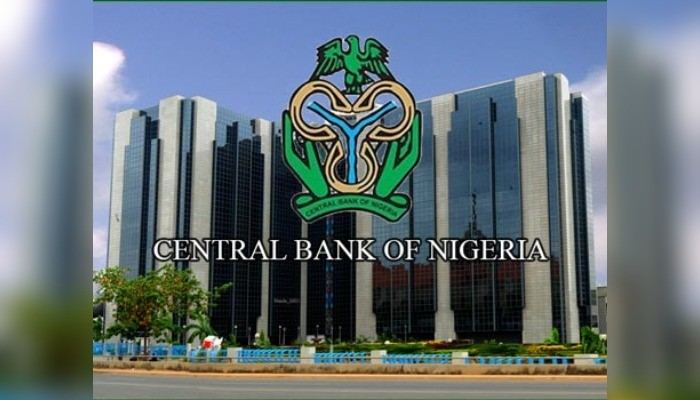
The Central Bank of Nigeria’s decision to cut the Monetary Policy Rate (MPR) by 350 basis points to 23 per
Tunde Abidoye, head of research at Quest Merchant Bank, said investors are naturally attracted to the instrument offering the better return. “Investors are basically looking at where the yield is highest,” Abidoye said. He pointed to the difference between OMO yields of about 16.9 percent and Treasury bill yields of around 15 percent, saying investors would naturally move towards the higher return. However, he noted that the amount of Treasury bills offered was still exceeded by investor demand. This suggests that the issue is not a complete loss of appetite for Treasury bills, but rather how investors allocate their available liquidity among competing instruments. What does the MPR cut have to do with it? The CBN reduced the MPR from 26.50 percent to 23.00 percent in September in an effort to ease monetary conditions and improve the transmission of monetary policy to the wider economy. Normally, lower policy rates should eventually translate into lower yields across money-market instruments and cheaper borrowing costs. That process, however, takes time. The latest data show that Treasury bill yields have already started falling. The FMDA said the average secondary market Treasury bill yield declined by 98 basis points to 17.48 percent on October 6 from 18.46 percent on September 23. The three-month benchmark yield fell by 158 basis points to 16.43 percent, while yields on the one-month, six-month, nine-month and 12-month bills declined by 85, 74, 83 and 90 basis points respectively. The 364-day Treasury bill stop rate has also fallen by 181 basis points since July, from 17.66 percent on July 15 to 15.85 percent. So, the market is already adjusting to the lower MPR, but the adjustment is taking place alongside active CBN liquidity management. Abidoye added that if OMO issuance remains significant and investors continue to have access to the OMO market, the yield difference could persist. If investors can obtain the OMO allocations they want at higher yields, Treasury bills may have to become more competitive to attract sufficient demand. That could put pressure on the DMO to offer more attractive yields. But this would run against the Federal Government’s objective of reducing its borrowing costs. This is why the current situation creates an interesting policy and market trade-off. The CBN wants monetary policy rates and market yields to decline following the MPR cut, while the DMO also wants to borrow at lower rates. At the same time, investors naturally want to maximise returns on their available liquidity. What does it mean for investors and economy? For investors, the immediate implication is that the relative yield between OMO and Treasury bills matters more than simply looking at the direction of the MPR. For the Federal Government, falling Treasury bill yields are positive because they point to lower short-term borrowing costs. However, sustained investor preference for higher-yielding OMO securities could make it more difficult to reduce Treasury bill rates quickly. For the CBN, the challenge is to balance liquidity management with the need to ensure that the lower MPR is transmitted effectively to money-market rates and, eventually, to lending rates. For businesses and households, the ultimate test will be whether the decline in market yields translates into cheaper credit. The latest auction therefore shows that the MPR cut is beginning to reshape the money market, but the transmission is being influenced by two forces at the same time: the yield advantage of OMO securities and the amount of liquidity available to investors. The direction of yields in the coming weeks will depend largely on how aggressively the CBN continues to issue OMO securities, how much liquidity remains in the banking system and what signals emerge from the next MPC meeting. Related News 70 members abducted in five years shows NYSC security advisory weakness Global bond sell-off puts Nigeria’s Eurobond refinancing under pressure How Dangote IPO is building new routes for African investors into Nigeria Hope Moses-Ashike Hope Moses-Ashike is an Associate Editor, Banking and Finance, with more than a decade of experience reporting on Nigeria’s financial system and broader economy. She closely tracks market movements, monetary policy decisions, company disclosures, regulatory actions, economic indicators, and global developments, and interprets what they mean for businesses, investors, policymakers, and households. Her reporting helps readers understand complex issues such as inflation trends, foreign exchange market dynamics, interest rate decisions, bank performance, and investment risks. She also covers major international events and periodically travels to Washington, D.C., to report on the World Bank/IMF Spring and Annual Meetings. Her dedication to financial journalism has earned her multiple recognitions and invitations to high-level professional development programmes. She is an alumna of the International Visitors Leadership Programme (IVLP) in the United States and holds an Advanced Financial Journalism Certificate from the Press Association Training in London, UK. Her other notable achievements include completing the Lagos Business School CMC Programme, the Bloomberg Media Africa Initiative Programme, and a Master Class in Journalism at Rhodes University in South Africa. Share
“Investors are basically looking at where the yield is highest,” Abidoye said. He pointed to the difference between OMO yields of about 16.9 percent and Treasury bill yields of around 15 percent, saying investors would naturally move towards the higher return. However, he noted that the amount of Treasury bills offered was still exceeded by investor demand. This suggests that the issue is not a complete loss of appetite for Treasury bills, but rather how investors allocate their available liquidity among competing instruments. What does the MPR cut have to do with it? The CBN reduced the MPR from 26.50 percent to 23.00 percent in September in an effort to ease monetary conditions and improve the transmission of monetary policy to the wider economy. Normally, lower policy rates should eventually translate into lower yields across money-market instruments and cheaper borrowing costs. That process, however, takes time. The latest data show that Treasury bill yields have already started falling. The FMDA said the average secondary market Treasury bill yield declined by 98 basis points to 17.48 percent on October 6 from 18.46 percent on September 23. The three-month benchmark yield fell by 158 basis points to 16.43 percent, while yields on the one-month, six-month, nine-month and 12-month bills declined by 85, 74, 83 and 90 basis points respectively. The 364-day Treasury bill stop rate has also fallen by 181 basis points since July, from 17.66 percent on July 15 to 15.85 percent. So, the market is already adjusting to the lower MPR, but the adjustment is taking place alongside active CBN liquidity management. Abidoye added that if OMO issuance remains significant and investors continue to have access to the OMO market, the yield difference could persist. If investors can obtain the OMO allocations they want at higher yields, Treasury bills may have to become more competitive to attract sufficient demand. That could put pressure on the DMO to offer more attractive yields. But this would run against the Federal Government’s objective of reducing its borrowing costs. This is why the current situation creates an interesting policy and market trade-off. The CBN wants monetary policy rates and market yields to decline following the MPR cut, while the DMO also wants to borrow at lower rates. At the same time, investors naturally want to maximise returns on their available liquidity. What does it mean for investors and economy? For investors, the immediate implication is that the relative yield between OMO and Treasury bills matters more than simply looking at the direction of the MPR. For the Federal Government, falling Treasury bill yields are positive because they point to lower short-term borrowing costs. However, sustained investor preference for higher-yielding OMO securities could make it more difficult to reduce Treasury bill rates quickly. For the CBN, the challenge is to balance liquidity management with the need to ensure that the lower MPR is transmitted effectively to money-market rates and, eventually, to lending rates. For businesses and households, the ultimate test will be whether the decline in market yields translates into cheaper credit. The latest auction therefore shows that the MPR cut is beginning to reshape the money market, but the transmission is being influenced by two forces at the same time: the yield advantage of OMO securities and the amount of liquidity available to investors. The direction of yields in the coming weeks will depend largely on how aggressively the CBN continues to issue OMO securities, how much liquidity remains in the banking system and what signals emerge from the next MPC meeting. Related News 70 members abducted in five years shows NYSC security advisory weakness Global bond sell-off puts Nigeria’s Eurobond refinancing under pressure How Dangote IPO is building new routes for African investors into Nigeria Hope Moses-Ashike Hope Moses-Ashike is an Associate Editor, Banking and Finance, with more than a decade of experience reporting on Nigeria’s financial system and broader economy. She closely tracks market movements, monetary policy decisions, company disclosures, regulatory actions, economic indicators, and global developments, and interprets what they mean for businesses, investors, policymakers, and households. Her reporting helps readers understand complex issues such as inflation trends, foreign exchange market dynamics, interest rate decisions, bank performance, and investment risks. She also covers major international events and periodically travels to Washington, D.C., to report on the World Bank/IMF Spring and Annual Meetings. Her dedication to financial journalism has earned her multiple recognitions and invitations to high-level professional development programmes. She is an alumna of the International Visitors Leadership Programme (IVLP) in the United States and holds an Advanced Financial Journalism Certificate from the Press Association Training in London, UK. Her other notable achievements include completing the Lagos Business School CMC Programme, the Bloomberg Media Africa Initiative Programme, and a Master Class in Journalism at Rhodes University in South Africa. Share
He pointed to the difference between OMO yields of about 16.9 percent and Treasury bill yields of around 15 percent, saying investors would naturally move towards the higher return. However, he noted that the amount of Treasury bills offered was still exceeded by investor demand. This suggests that the issue is not a complete loss of appetite for Treasury bills, but rather how investors allocate their available liquidity among competing instruments. What does the MPR cut have to do with it? The CBN reduced the MPR from 26.50 percent to 23.00 percent in September in an effort to ease monetary conditions and improve the transmission of monetary policy to the wider economy. Normally, lower policy rates should eventually translate into lower yields across money-market instruments and cheaper borrowing costs. That process, however, takes time. The latest data show that Treasury bill yields have already started falling. The FMDA said the average secondary market Treasury bill yield declined by 98 basis points to 17.48 percent on October 6 from 18.46 percent on September 23. The three-month benchmark yield fell by 158 basis points to 16.43 percent, while yields on the one-month, six-month, nine-month and 12-month bills declined by 85, 74, 83 and 90 basis points respectively. The 364-day Treasury bill stop rate has also fallen by 181 basis points since July, from 17.66 percent on July 15 to 15.85 percent. So, the market is already adjusting to the lower MPR, but the adjustment is taking place alongside active CBN liquidity management. Abidoye added that if OMO issuance remains significant and investors continue to have access to the OMO market, the yield difference could persist. If investors can obtain the OMO allocations they want at higher yields, Treasury bills may have to become more competitive to attract sufficient demand. That could put pressure on the DMO to offer more attractive yields. But this would run against the Federal Government’s objective of reducing its borrowing costs. This is why the current situation creates an interesting policy and market trade-off. The CBN wants monetary policy rates and market yields to decline following the MPR cut, while the DMO also wants to borrow at lower rates. At the same time, investors naturally want to maximise returns on their available liquidity. What does it mean for investors and economy? For investors, the immediate implication is that the relative yield between OMO and Treasury bills matters more than simply looking at the direction of the MPR. For the Federal Government, falling Treasury bill yields are positive because they point to lower short-term borrowing costs. However, sustained investor preference for higher-yielding OMO securities could make it more difficult to reduce Treasury bill rates quickly. For the CBN, the challenge is to balance liquidity management with the need to ensure that the lower MPR is transmitted effectively to money-market rates and, eventually, to lending rates. For businesses and households, the ultimate test will be whether the decline in market yields translates into cheaper credit. The latest auction therefore shows that the MPR cut is beginning to reshape the money market, but the transmission is being influenced by two forces at the same time: the yield advantage of OMO securities and the amount of liquidity available to investors. The direction of yields in the coming weeks will depend largely on how aggressively the CBN continues to issue OMO securities, how much liquidity remains in the banking system and what signals emerge from the next MPC meeting. Related News 70 members abducted in five years shows NYSC security advisory weakness Global bond sell-off puts Nigeria’s Eurobond refinancing under pressure How Dangote IPO is building new routes for African investors into Nigeria Hope Moses-Ashike Hope Moses-Ashike is an Associate Editor, Banking and Finance, with more than a decade of experience reporting on Nigeria’s financial system and broader economy. She closely tracks market movements, monetary policy decisions, company disclosures, regulatory actions, economic indicators, and global developments, and interprets what they mean for businesses, investors, policymakers, and households. Her reporting helps readers understand complex issues such as inflation trends, foreign exchange market dynamics, interest rate decisions, bank performance, and investment risks. She also covers major international events and periodically travels to Washington, D.C., to report on the World Bank/IMF Spring and Annual Meetings. Her dedication to financial journalism has earned her multiple recognitions and invitations to high-level professional development programmes. She is an alumna of the International Visitors Leadership Programme (IVLP) in the United States and holds an Advanced Financial Journalism Certificate from the Press Association Training in London, UK. Her other notable achievements include completing the Lagos Business School CMC Programme, the Bloomberg Media Africa Initiative Programme, and a Master Class in Journalism at Rhodes University in South Africa. Share
However, he noted that the amount of Treasury bills offered was still exceeded by investor demand. This suggests that the issue is not a complete loss of appetite for Treasury bills, but rather how investors allocate their available liquidity among competing instruments. What does the MPR cut have to do with it? The CBN reduced the MPR from 26.50 percent to 23.00 percent in September in an effort to ease monetary conditions and improve the transmission of monetary policy to the wider economy. Normally, lower policy rates should eventually translate into lower yields across money-market instruments and cheaper borrowing costs. That process, however, takes time. The latest data show that Treasury bill yields have already started falling. The FMDA said the average secondary market Treasury bill yield declined by 98 basis points to 17.48 percent on October 6 from 18.46 percent on September 23. The three-month benchmark yield fell by 158 basis points to 16.43 percent, while yields on the one-month, six-month, nine-month and 12-month bills declined by 85, 74, 83 and 90 basis points respectively. The 364-day Treasury bill stop rate has also fallen by 181 basis points since July, from 17.66 percent on July 15 to 15.85 percent. So, the market is already adjusting to the lower MPR, but the adjustment is taking place alongside active CBN liquidity management. Abidoye added that if OMO issuance remains significant and investors continue to have access to the OMO market, the yield difference could persist. If investors can obtain the OMO allocations they want at higher yields, Treasury bills may have to become more competitive to attract sufficient demand. That could put pressure on the DMO to offer more attractive yields. But this would run against the Federal Government’s objective of reducing its borrowing costs. This is why the current situation creates an interesting policy and market trade-off. The CBN wants monetary policy rates and market yields to decline following the MPR cut, while the DMO also wants to borrow at lower rates. At the same time, investors naturally want to maximise returns on their available liquidity. What does it mean for investors and economy? For investors, the immediate implication is that the relative yield between OMO and Treasury bills matters more than simply looking at the direction of the MPR. For the Federal Government, falling Treasury bill yields are positive because they point to lower short-term borrowing costs. However, sustained investor preference for higher-yielding OMO securities could make it more difficult to reduce Treasury bill rates quickly. For the CBN, the challenge is to balance liquidity management with the need to ensure that the lower MPR is transmitted effectively to money-market rates and, eventually, to lending rates. For businesses and households, the ultimate test will be whether the decline in market yields translates into cheaper credit. The latest auction therefore shows that the MPR cut is beginning to reshape the money market, but the transmission is being influenced by two forces at the same time: the yield advantage of OMO securities and the amount of liquidity available to investors. The direction of yields in the coming weeks will depend largely on how aggressively the CBN continues to issue OMO securities, how much liquidity remains in the banking system and what signals emerge from the next MPC meeting. Related News 70 members abducted in five years shows NYSC security advisory weakness Global bond sell-off puts Nigeria’s Eurobond refinancing under pressure How Dangote IPO is building new routes for African investors into Nigeria Hope Moses-Ashike Hope Moses-Ashike is an Associate Editor, Banking and Finance, with more than a decade of experience reporting on Nigeria’s financial system and broader economy. She closely tracks market movements, monetary policy decisions, company disclosures, regulatory actions, economic indicators, and global developments, and interprets what they mean for businesses, investors, policymakers, and households. Her reporting helps readers understand complex issues such as inflation trends, foreign exchange market dynamics, interest rate decisions, bank performance, and investment risks. She also covers major international events and periodically travels to Washington, D.C., to report on the World Bank/IMF Spring and Annual Meetings. Her dedication to financial journalism has earned her multiple recognitions and invitations to high-level professional development programmes. She is an alumna of the International Visitors Leadership Programme (IVLP) in the United States and holds an Advanced Financial Journalism Certificate from the Press Association Training in London, UK. Her other notable achievements include completing the Lagos Business School CMC Programme, the Bloomberg Media Africa Initiative Programme, and a Master Class in Journalism at Rhodes University in South Africa. Share
This suggests that the issue is not a complete loss of appetite for Treasury bills, but rather how investors allocate their available liquidity among competing instruments. What does the MPR cut have to do with it? The CBN reduced the MPR from 26.50 percent to 23.00 percent in September in an effort to ease monetary conditions and improve the transmission of monetary policy to the wider economy. Normally, lower policy rates should eventually translate into lower yields across money-market instruments and cheaper borrowing costs. That process, however, takes time. The latest data show that Treasury bill yields have already started falling. The FMDA said the average secondary market Treasury bill yield declined by 98 basis points to 17.48 percent on October 6 from 18.46 percent on September 23. The three-month benchmark yield fell by 158 basis points to 16.43 percent, while yields on the one-month, six-month, nine-month and 12-month bills declined by 85, 74, 83 and 90 basis points respectively. The 364-day Treasury bill stop rate has also fallen by 181 basis points since July, from 17.66 percent on July 15 to 15.85 percent. So, the market is already adjusting to the lower MPR, but the adjustment is taking place alongside active CBN liquidity management. Abidoye added that if OMO issuance remains significant and investors continue to have access to the OMO market, the yield difference could persist. If investors can obtain the OMO allocations they want at higher yields, Treasury bills may have to become more competitive to attract sufficient demand. That could put pressure on the DMO to offer more attractive yields. But this would run against the Federal Government’s objective of reducing its borrowing costs. This is why the current situation creates an interesting policy and market trade-off. The CBN wants monetary policy rates and market yields to decline following the MPR cut, while the DMO also wants to borrow at lower rates. At the same time, investors naturally want to maximise returns on their available liquidity. What does it mean for investors and economy? For investors, the immediate implication is that the relative yield between OMO and Treasury bills matters more than simply looking at the direction of the MPR. For the Federal Government, falling Treasury bill yields are positive because they point to lower short-term borrowing costs. However, sustained investor preference for higher-yielding OMO securities could make it more difficult to reduce Treasury bill rates quickly. For the CBN, the challenge is to balance liquidity management with the need to ensure that the lower MPR is transmitted effectively to money-market rates and, eventually, to lending rates. For businesses and households, the ultimate test will be whether the decline in market yields translates into cheaper credit. The latest auction therefore shows that the MPR cut is beginning to reshape the money market, but the transmission is being influenced by two forces at the same time: the yield advantage of OMO securities and the amount of liquidity available to investors. The direction of yields in the coming weeks will depend largely on how aggressively the CBN continues to issue OMO securities, how much liquidity remains in the banking system and what signals emerge from the next MPC meeting. Related News 70 members abducted in five years shows NYSC security advisory weakness Global bond sell-off puts Nigeria’s Eurobond refinancing under pressure How Dangote IPO is building new routes for African investors into Nigeria Hope Moses-Ashike Hope Moses-Ashike is an Associate Editor, Banking and Finance, with more than a decade of experience reporting on Nigeria’s financial system and broader economy. She closely tracks market movements, monetary policy decisions, company disclosures, regulatory actions, economic indicators, and global developments, and interprets what they mean for businesses, investors, policymakers, and households. Her reporting helps readers understand complex issues such as inflation trends, foreign exchange market dynamics, interest rate decisions, bank performance, and investment risks. She also covers major international events and periodically travels to Washington, D.C., to report on the World Bank/IMF Spring and Annual Meetings. Her dedication to financial journalism has earned her multiple recognitions and invitations to high-level professional development programmes. She is an alumna of the International Visitors Leadership Programme (IVLP) in the United States and holds an Advanced Financial Journalism Certificate from the Press Association Training in London, UK. Her other notable achievements include completing the Lagos Business School CMC Programme, the Bloomberg Media Africa Initiative Programme, and a Master Class in Journalism at Rhodes University in South Africa. Share
The CBN reduced the MPR from 26.50 percent to 23.00 percent in September in an effort to ease monetary conditions and improve the transmission of monetary policy to the wider economy. Normally, lower policy rates should eventually translate into lower yields across money-market instruments and cheaper borrowing costs. That process, however, takes time. The latest data show that Treasury bill yields have already started falling. The FMDA said the average secondary market Treasury bill yield declined by 98 basis points to 17.48 percent on October 6 from 18.46 percent on September 23. The three-month benchmark yield fell by 158 basis points to 16.43 percent, while yields on the one-month, six-month, nine-month and 12-month bills declined by 85, 74, 83 and 90 basis points respectively. The 364-day Treasury bill stop rate has also fallen by 181 basis points since July, from 17.66 percent on July 15 to 15.85 percent. So, the market is already adjusting to the lower MPR, but the adjustment is taking place alongside active CBN liquidity management. Abidoye added that if OMO issuance remains significant and investors continue to have access to the OMO market, the yield difference could persist. If investors can obtain the OMO allocations they want at higher yields, Treasury bills may have to become more competitive to attract sufficient demand. That could put pressure on the DMO to offer more attractive yields. But this would run against the Federal Government’s objective of reducing its borrowing costs. This is why the current situation creates an interesting policy and market trade-off. The CBN wants monetary policy rates and market yields to decline following the MPR cut, while the DMO also wants to borrow at lower rates. At the same time, investors naturally want to maximise returns on their available liquidity. What does it mean for investors and economy? For investors, the immediate implication is that the relative yield between OMO and Treasury bills matters more than simply looking at the direction of the MPR. For the Federal Government, falling Treasury bill yields are positive because they point to lower short-term borrowing costs. However, sustained investor preference for higher-yielding OMO securities could make it more difficult to reduce Treasury bill rates quickly. For the CBN, the challenge is to balance liquidity management with the need to ensure that the lower MPR is transmitted effectively to money-market rates and, eventually, to lending rates. For businesses and households, the ultimate test will be whether the decline in market yields translates into cheaper credit. The latest auction therefore shows that the MPR cut is beginning to reshape the money market, but the transmission is being influenced by two forces at the same time: the yield advantage of OMO securities and the amount of liquidity available to investors. The direction of yields in the coming weeks will depend largely on how aggressively the CBN continues to issue OMO securities, how much liquidity remains in the banking system and what signals emerge from the next MPC meeting. Related News 70 members abducted in five years shows NYSC security advisory weakness Global bond sell-off puts Nigeria’s Eurobond refinancing under pressure How Dangote IPO is building new routes for African investors into Nigeria Hope Moses-Ashike Hope Moses-Ashike is an Associate Editor, Banking and Finance, with more than a decade of experience reporting on Nigeria’s financial system and broader economy. She closely tracks market movements, monetary policy decisions, company disclosures, regulatory actions, economic indicators, and global developments, and interprets what they mean for businesses, investors, policymakers, and households. Her reporting helps readers understand complex issues such as inflation trends, foreign exchange market dynamics, interest rate decisions, bank performance, and investment risks. She also covers major international events and periodically travels to Washington, D.C., to report on the World Bank/IMF Spring and Annual Meetings. Her dedication to financial journalism has earned her multiple recognitions and invitations to high-level professional development programmes. She is an alumna of the International Visitors Leadership Programme (IVLP) in the United States and holds an Advanced Financial Journalism Certificate from the Press Association Training in London, UK. Her other notable achievements include completing the Lagos Business School CMC Programme, the Bloomberg Media Africa Initiative Programme, and a Master Class in Journalism at Rhodes University in South Africa. Share
Normally, lower policy rates should eventually translate into lower yields across money-market instruments and cheaper borrowing costs. That process, however, takes time. The latest data show that Treasury bill yields have already started falling. The FMDA said the average secondary market Treasury bill yield declined by 98 basis points to 17.48 percent on October 6 from 18.46 percent on September 23. The three-month benchmark yield fell by 158 basis points to 16.43 percent, while yields on the one-month, six-month, nine-month and 12-month bills declined by 85, 74, 83 and 90 basis points respectively. The 364-day Treasury bill stop rate has also fallen by 181 basis points since July, from 17.66 percent on July 15 to 15.85 percent. So, the market is already adjusting to the lower MPR, but the adjustment is taking place alongside active CBN liquidity management. Abidoye added that if OMO issuance remains significant and investors continue to have access to the OMO market, the yield difference could persist. If investors can obtain the OMO allocations they want at higher yields, Treasury bills may have to become more competitive to attract sufficient demand. That could put pressure on the DMO to offer more attractive yields. But this would run against the Federal Government’s objective of reducing its borrowing costs. This is why the current situation creates an interesting policy and market trade-off. The CBN wants monetary policy rates and market yields to decline following the MPR cut, while the DMO also wants to borrow at lower rates. At the same time, investors naturally want to maximise returns on their available liquidity. What does it mean for investors and economy? For investors, the immediate implication is that the relative yield between OMO and Treasury bills matters more than simply looking at the direction of the MPR. For the Federal Government, falling Treasury bill yields are positive because they point to lower short-term borrowing costs. However, sustained investor preference for higher-yielding OMO securities could make it more difficult to reduce Treasury bill rates quickly. For the CBN, the challenge is to balance liquidity management with the need to ensure that the lower MPR is transmitted effectively to money-market rates and, eventually, to lending rates. For businesses and households, the ultimate test will be whether the decline in market yields translates into cheaper credit. The latest auction therefore shows that the MPR cut is beginning to reshape the money market, but the transmission is being influenced by two forces at the same time: the yield advantage of OMO securities and the amount of liquidity available to investors. The direction of yields in the coming weeks will depend largely on how aggressively the CBN continues to issue OMO securities, how much liquidity remains in the banking system and what signals emerge from the next MPC meeting. Related News 70 members abducted in five years shows NYSC security advisory weakness Global bond sell-off puts Nigeria’s Eurobond refinancing under pressure How Dangote IPO is building new routes for African investors into Nigeria Hope Moses-Ashike Hope Moses-Ashike is an Associate Editor, Banking and Finance, with more than a decade of experience reporting on Nigeria’s financial system and broader economy. She closely tracks market movements, monetary policy decisions, company disclosures, regulatory actions, economic indicators, and global developments, and interprets what they mean for businesses, investors, policymakers, and households. Her reporting helps readers understand complex issues such as inflation trends, foreign exchange market dynamics, interest rate decisions, bank performance, and investment risks. She also covers major international events and periodically travels to Washington, D.C., to report on the World Bank/IMF Spring and Annual Meetings. Her dedication to financial journalism has earned her multiple recognitions and invitations to high-level professional development programmes. She is an alumna of the International Visitors Leadership Programme (IVLP) in the United States and holds an Advanced Financial Journalism Certificate from the Press Association Training in London, UK. Her other notable achievements include completing the Lagos Business School CMC Programme, the Bloomberg Media Africa Initiative Programme, and a Master Class in Journalism at Rhodes University in South Africa. Share
The latest data show that Treasury bill yields have already started falling. The FMDA said the average secondary market Treasury bill yield declined by 98 basis points to 17.48 percent on October 6 from 18.46 percent on September 23. The three-month benchmark yield fell by 158 basis points to 16.43 percent, while yields on the one-month, six-month, nine-month and 12-month bills declined by 85, 74, 83 and 90 basis points respectively. The 364-day Treasury bill stop rate has also fallen by 181 basis points since July, from 17.66 percent on July 15 to 15.85 percent. So, the market is already adjusting to the lower MPR, but the adjustment is taking place alongside active CBN liquidity management. Abidoye added that if OMO issuance remains significant and investors continue to have access to the OMO market, the yield difference could persist. If investors can obtain the OMO allocations they want at higher yields, Treasury bills may have to become more competitive to attract sufficient demand. That could put pressure on the DMO to offer more attractive yields. But this would run against the Federal Government’s objective of reducing its borrowing costs. This is why the current situation creates an interesting policy and market trade-off. The CBN wants monetary policy rates and market yields to decline following the MPR cut, while the DMO also wants to borrow at lower rates. At the same time, investors naturally want to maximise returns on their available liquidity. What does it mean for investors and economy? For investors, the immediate implication is that the relative yield between OMO and Treasury bills matters more than simply looking at the direction of the MPR. For the Federal Government, falling Treasury bill yields are positive because they point to lower short-term borrowing costs. However, sustained investor preference for higher-yielding OMO securities could make it more difficult to reduce Treasury bill rates quickly. For the CBN, the challenge is to balance liquidity management with the need to ensure that the lower MPR is transmitted effectively to money-market rates and, eventually, to lending rates. For businesses and households, the ultimate test will be whether the decline in market yields translates into cheaper credit. The latest auction therefore shows that the MPR cut is beginning to reshape the money market, but the transmission is being influenced by two forces at the same time: the yield advantage of OMO securities and the amount of liquidity available to investors. The direction of yields in the coming weeks will depend largely on how aggressively the CBN continues to issue OMO securities, how much liquidity remains in the banking system and what signals emerge from the next MPC meeting. Related News 70 members abducted in five years shows NYSC security advisory weakness Global bond sell-off puts Nigeria’s Eurobond refinancing under pressure How Dangote IPO is building new routes for African investors into Nigeria Hope Moses-Ashike Hope Moses-Ashike is an Associate Editor, Banking and Finance, with more than a decade of experience reporting on Nigeria’s financial system and broader economy. She closely tracks market movements, monetary policy decisions, company disclosures, regulatory actions, economic indicators, and global developments, and interprets what they mean for businesses, investors, policymakers, and households. Her reporting helps readers understand complex issues such as inflation trends, foreign exchange market dynamics, interest rate decisions, bank performance, and investment risks. She also covers major international events and periodically travels to Washington, D.C., to report on the World Bank/IMF Spring and Annual Meetings. Her dedication to financial journalism has earned her multiple recognitions and invitations to high-level professional development programmes. She is an alumna of the International Visitors Leadership Programme (IVLP) in the United States and holds an Advanced Financial Journalism Certificate from the Press Association Training in London, UK. Her other notable achievements include completing the Lagos Business School CMC Programme, the Bloomberg Media Africa Initiative Programme, and a Master Class in Journalism at Rhodes University in South Africa. Share
The FMDA said the average secondary market Treasury bill yield declined by 98 basis points to 17.48 percent on October 6 from 18.46 percent on September 23. The three-month benchmark yield fell by 158 basis points to 16.43 percent, while yields on the one-month, six-month, nine-month and 12-month bills declined by 85, 74, 83 and 90 basis points respectively. The 364-day Treasury bill stop rate has also fallen by 181 basis points since July, from 17.66 percent on July 15 to 15.85 percent. So, the market is already adjusting to the lower MPR, but the adjustment is taking place alongside active CBN liquidity management. Abidoye added that if OMO issuance remains significant and investors continue to have access to the OMO market, the yield difference could persist. If investors can obtain the OMO allocations they want at higher yields, Treasury bills may have to become more competitive to attract sufficient demand. That could put pressure on the DMO to offer more attractive yields. But this would run against the Federal Government’s objective of reducing its borrowing costs. This is why the current situation creates an interesting policy and market trade-off. The CBN wants monetary policy rates and market yields to decline following the MPR cut, while the DMO also wants to borrow at lower rates. At the same time, investors naturally want to maximise returns on their available liquidity. What does it mean for investors and economy? For investors, the immediate implication is that the relative yield between OMO and Treasury bills matters more than simply looking at the direction of the MPR. For the Federal Government, falling Treasury bill yields are positive because they point to lower short-term borrowing costs. However, sustained investor preference for higher-yielding OMO securities could make it more difficult to reduce Treasury bill rates quickly. For the CBN, the challenge is to balance liquidity management with the need to ensure that the lower MPR is transmitted effectively to money-market rates and, eventually, to lending rates. For businesses and households, the ultimate test will be whether the decline in market yields translates into cheaper credit. The latest auction therefore shows that the MPR cut is beginning to reshape the money market, but the transmission is being influenced by two forces at the same time: the yield advantage of OMO securities and the amount of liquidity available to investors. The direction of yields in the coming weeks will depend largely on how aggressively the CBN continues to issue OMO securities, how much liquidity remains in the banking system and what signals emerge from the next MPC meeting. Related News 70 members abducted in five years shows NYSC security advisory weakness Global bond sell-off puts Nigeria’s Eurobond refinancing under pressure How Dangote IPO is building new routes for African investors into Nigeria Hope Moses-Ashike Hope Moses-Ashike is an Associate Editor, Banking and Finance, with more than a decade of experience reporting on Nigeria’s financial system and broader economy. She closely tracks market movements, monetary policy decisions, company disclosures, regulatory actions, economic indicators, and global developments, and interprets what they mean for businesses, investors, policymakers, and households. Her reporting helps readers understand complex issues such as inflation trends, foreign exchange market dynamics, interest rate decisions, bank performance, and investment risks. She also covers major international events and periodically travels to Washington, D.C., to report on the World Bank/IMF Spring and Annual Meetings. Her dedication to financial journalism has earned her multiple recognitions and invitations to high-level professional development programmes. She is an alumna of the International Visitors Leadership Programme (IVLP) in the United States and holds an Advanced Financial Journalism Certificate from the Press Association Training in London, UK. Her other notable achievements include completing the Lagos Business School CMC Programme, the Bloomberg Media Africa Initiative Programme, and a Master Class in Journalism at Rhodes University in South Africa. Share
The three-month benchmark yield fell by 158 basis points to 16.43 percent, while yields on the one-month, six-month, nine-month and 12-month bills declined by 85, 74, 83 and 90 basis points respectively. The 364-day Treasury bill stop rate has also fallen by 181 basis points since July, from 17.66 percent on July 15 to 15.85 percent. So, the market is already adjusting to the lower MPR, but the adjustment is taking place alongside active CBN liquidity management. Abidoye added that if OMO issuance remains significant and investors continue to have access to the OMO market, the yield difference could persist. If investors can obtain the OMO allocations they want at higher yields, Treasury bills may have to become more competitive to attract sufficient demand. That could put pressure on the DMO to offer more attractive yields. But this would run against the Federal Government’s objective of reducing its borrowing costs. This is why the current situation creates an interesting policy and market trade-off. The CBN wants monetary policy rates and market yields to decline following the MPR cut, while the DMO also wants to borrow at lower rates. At the same time, investors naturally want to maximise returns on their available liquidity. What does it mean for investors and economy? For investors, the immediate implication is that the relative yield between OMO and Treasury bills matters more than simply looking at the direction of the MPR. For the Federal Government, falling Treasury bill yields are positive because they point to lower short-term borrowing costs. However, sustained investor preference for higher-yielding OMO securities could make it more difficult to reduce Treasury bill rates quickly. For the CBN, the challenge is to balance liquidity management with the need to ensure that the lower MPR is transmitted effectively to money-market rates and, eventually, to lending rates. For businesses and households, the ultimate test will be whether the decline in market yields translates into cheaper credit. The latest auction therefore shows that the MPR cut is beginning to reshape the money market, but the transmission is being influenced by two forces at the same time: the yield advantage of OMO securities and the amount of liquidity available to investors. The direction of yields in the coming weeks will depend largely on how aggressively the CBN continues to issue OMO securities, how much liquidity remains in the banking system and what signals emerge from the next MPC meeting. Related News 70 members abducted in five years shows NYSC security advisory weakness Global bond sell-off puts Nigeria’s Eurobond refinancing under pressure How Dangote IPO is building new routes for African investors into Nigeria Hope Moses-Ashike Hope Moses-Ashike is an Associate Editor, Banking and Finance, with more than a decade of experience reporting on Nigeria’s financial system and broader economy. She closely tracks market movements, monetary policy decisions, company disclosures, regulatory actions, economic indicators, and global developments, and interprets what they mean for businesses, investors, policymakers, and households. Her reporting helps readers understand complex issues such as inflation trends, foreign exchange market dynamics, interest rate decisions, bank performance, and investment risks. She also covers major international events and periodically travels to Washington, D.C., to report on the World Bank/IMF Spring and Annual Meetings. Her dedication to financial journalism has earned her multiple recognitions and invitations to high-level professional development programmes. She is an alumna of the International Visitors Leadership Programme (IVLP) in the United States and holds an Advanced Financial Journalism Certificate from the Press Association Training in London, UK. Her other notable achievements include completing the Lagos Business School CMC Programme, the Bloomberg Media Africa Initiative Programme, and a Master Class in Journalism at Rhodes University in South Africa. Share
The 364-day Treasury bill stop rate has also fallen by 181 basis points since July, from 17.66 percent on July 15 to 15.85 percent. So, the market is already adjusting to the lower MPR, but the adjustment is taking place alongside active CBN liquidity management. Abidoye added that if OMO issuance remains significant and investors continue to have access to the OMO market, the yield difference could persist. If investors can obtain the OMO allocations they want at higher yields, Treasury bills may have to become more competitive to attract sufficient demand. That could put pressure on the DMO to offer more attractive yields. But this would run against the Federal Government’s objective of reducing its borrowing costs. This is why the current situation creates an interesting policy and market trade-off. The CBN wants monetary policy rates and market yields to decline following the MPR cut, while the DMO also wants to borrow at lower rates. At the same time, investors naturally want to maximise returns on their available liquidity. What does it mean for investors and economy? For investors, the immediate implication is that the relative yield between OMO and Treasury bills matters more than simply looking at the direction of the MPR. For the Federal Government, falling Treasury bill yields are positive because they point to lower short-term borrowing costs. However, sustained investor preference for higher-yielding OMO securities could make it more difficult to reduce Treasury bill rates quickly. For the CBN, the challenge is to balance liquidity management with the need to ensure that the lower MPR is transmitted effectively to money-market rates and, eventually, to lending rates. For businesses and households, the ultimate test will be whether the decline in market yields translates into cheaper credit. The latest auction therefore shows that the MPR cut is beginning to reshape the money market, but the transmission is being influenced by two forces at the same time: the yield advantage of OMO securities and the amount of liquidity available to investors. The direction of yields in the coming weeks will depend largely on how aggressively the CBN continues to issue OMO securities, how much liquidity remains in the banking system and what signals emerge from the next MPC meeting. Related News 70 members abducted in five years shows NYSC security advisory weakness Global bond sell-off puts Nigeria’s Eurobond refinancing under pressure How Dangote IPO is building new routes for African investors into Nigeria Hope Moses-Ashike Hope Moses-Ashike is an Associate Editor, Banking and Finance, with more than a decade of experience reporting on Nigeria’s financial system and broader economy. She closely tracks market movements, monetary policy decisions, company disclosures, regulatory actions, economic indicators, and global developments, and interprets what they mean for businesses, investors, policymakers, and households. Her reporting helps readers understand complex issues such as inflation trends, foreign exchange market dynamics, interest rate decisions, bank performance, and investment risks. She also covers major international events and periodically travels to Washington, D.C., to report on the World Bank/IMF Spring and Annual Meetings. Her dedication to financial journalism has earned her multiple recognitions and invitations to high-level professional development programmes. She is an alumna of the International Visitors Leadership Programme (IVLP) in the United States and holds an Advanced Financial Journalism Certificate from the Press Association Training in London, UK. Her other notable achievements include completing the Lagos Business School CMC Programme, the Bloomberg Media Africa Initiative Programme, and a Master Class in Journalism at Rhodes University in South Africa. Share
So, the market is already adjusting to the lower MPR, but the adjustment is taking place alongside active CBN liquidity management. Abidoye added that if OMO issuance remains significant and investors continue to have access to the OMO market, the yield difference could persist. If investors can obtain the OMO allocations they want at higher yields, Treasury bills may have to become more competitive to attract sufficient demand. That could put pressure on the DMO to offer more attractive yields. But this would run against the Federal Government’s objective of reducing its borrowing costs. This is why the current situation creates an interesting policy and market trade-off. The CBN wants monetary policy rates and market yields to decline following the MPR cut, while the DMO also wants to borrow at lower rates. At the same time, investors naturally want to maximise returns on their available liquidity. What does it mean for investors and economy? For investors, the immediate implication is that the relative yield between OMO and Treasury bills matters more than simply looking at the direction of the MPR. For the Federal Government, falling Treasury bill yields are positive because they point to lower short-term borrowing costs. However, sustained investor preference for higher-yielding OMO securities could make it more difficult to reduce Treasury bill rates quickly. For the CBN, the challenge is to balance liquidity management with the need to ensure that the lower MPR is transmitted effectively to money-market rates and, eventually, to lending rates. For businesses and households, the ultimate test will be whether the decline in market yields translates into cheaper credit. The latest auction therefore shows that the MPR cut is beginning to reshape the money market, but the transmission is being influenced by two forces at the same time: the yield advantage of OMO securities and the amount of liquidity available to investors. The direction of yields in the coming weeks will depend largely on how aggressively the CBN continues to issue OMO securities, how much liquidity remains in the banking system and what signals emerge from the next MPC meeting. Related News 70 members abducted in five years shows NYSC security advisory weakness Global bond sell-off puts Nigeria’s Eurobond refinancing under pressure How Dangote IPO is building new routes for African investors into Nigeria Hope Moses-Ashike Hope Moses-Ashike is an Associate Editor, Banking and Finance, with more than a decade of experience reporting on Nigeria’s financial system and broader economy. She closely tracks market movements, monetary policy decisions, company disclosures, regulatory actions, economic indicators, and global developments, and interprets what they mean for businesses, investors, policymakers, and households. Her reporting helps readers understand complex issues such as inflation trends, foreign exchange market dynamics, interest rate decisions, bank performance, and investment risks. She also covers major international events and periodically travels to Washington, D.C., to report on the World Bank/IMF Spring and Annual Meetings. Her dedication to financial journalism has earned her multiple recognitions and invitations to high-level professional development programmes. She is an alumna of the International Visitors Leadership Programme (IVLP) in the United States and holds an Advanced Financial Journalism Certificate from the Press Association Training in London, UK. Her other notable achievements include completing the Lagos Business School CMC Programme, the Bloomberg Media Africa Initiative Programme, and a Master Class in Journalism at Rhodes University in South Africa. Share
Abidoye added that if OMO issuance remains significant and investors continue to have access to the OMO market, the yield difference could persist. If investors can obtain the OMO allocations they want at higher yields, Treasury bills may have to become more competitive to attract sufficient demand. That could put pressure on the DMO to offer more attractive yields. But this would run against the Federal Government’s objective of reducing its borrowing costs. This is why the current situation creates an interesting policy and market trade-off. The CBN wants monetary policy rates and market yields to decline following the MPR cut, while the DMO also wants to borrow at lower rates. At the same time, investors naturally want to maximise returns on their available liquidity. What does it mean for investors and economy? For investors, the immediate implication is that the relative yield between OMO and Treasury bills matters more than simply looking at the direction of the MPR. For the Federal Government, falling Treasury bill yields are positive because they point to lower short-term borrowing costs. However, sustained investor preference for higher-yielding OMO securities could make it more difficult to reduce Treasury bill rates quickly. For the CBN, the challenge is to balance liquidity management with the need to ensure that the lower MPR is transmitted effectively to money-market rates and, eventually, to lending rates. For businesses and households, the ultimate test will be whether the decline in market yields translates into cheaper credit. The latest auction therefore shows that the MPR cut is beginning to reshape the money market, but the transmission is being influenced by two forces at the same time: the yield advantage of OMO securities and the amount of liquidity available to investors. The direction of yields in the coming weeks will depend largely on how aggressively the CBN continues to issue OMO securities, how much liquidity remains in the banking system and what signals emerge from the next MPC meeting. Related News 70 members abducted in five years shows NYSC security advisory weakness Global bond sell-off puts Nigeria’s Eurobond refinancing under pressure How Dangote IPO is building new routes for African investors into Nigeria Hope Moses-Ashike Hope Moses-Ashike is an Associate Editor, Banking and Finance, with more than a decade of experience reporting on Nigeria’s financial system and broader economy. She closely tracks market movements, monetary policy decisions, company disclosures, regulatory actions, economic indicators, and global developments, and interprets what they mean for businesses, investors, policymakers, and households. Her reporting helps readers understand complex issues such as inflation trends, foreign exchange market dynamics, interest rate decisions, bank performance, and investment risks. She also covers major international events and periodically travels to Washington, D.C., to report on the World Bank/IMF Spring and Annual Meetings. Her dedication to financial journalism has earned her multiple recognitions and invitations to high-level professional development programmes. She is an alumna of the International Visitors Leadership Programme (IVLP) in the United States and holds an Advanced Financial Journalism Certificate from the Press Association Training in London, UK. Her other notable achievements include completing the Lagos Business School CMC Programme, the Bloomberg Media Africa Initiative Programme, and a Master Class in Journalism at Rhodes University in South Africa. Share
If investors can obtain the OMO allocations they want at higher yields, Treasury bills may have to become more competitive to attract sufficient demand. That could put pressure on the DMO to offer more attractive yields. But this would run against the Federal Government’s objective of reducing its borrowing costs. This is why the current situation creates an interesting policy and market trade-off. The CBN wants monetary policy rates and market yields to decline following the MPR cut, while the DMO also wants to borrow at lower rates. At the same time, investors naturally want to maximise returns on their available liquidity. What does it mean for investors and economy? For investors, the immediate implication is that the relative yield between OMO and Treasury bills matters more than simply looking at the direction of the MPR. For the Federal Government, falling Treasury bill yields are positive because they point to lower short-term borrowing costs. However, sustained investor preference for higher-yielding OMO securities could make it more difficult to reduce Treasury bill rates quickly. For the CBN, the challenge is to balance liquidity management with the need to ensure that the lower MPR is transmitted effectively to money-market rates and, eventually, to lending rates. For businesses and households, the ultimate test will be whether the decline in market yields translates into cheaper credit. The latest auction therefore shows that the MPR cut is beginning to reshape the money market, but the transmission is being influenced by two forces at the same time: the yield advantage of OMO securities and the amount of liquidity available to investors. The direction of yields in the coming weeks will depend largely on how aggressively the CBN continues to issue OMO securities, how much liquidity remains in the banking system and what signals emerge from the next MPC meeting. Related News 70 members abducted in five years shows NYSC security advisory weakness Global bond sell-off puts Nigeria’s Eurobond refinancing under pressure How Dangote IPO is building new routes for African investors into Nigeria Hope Moses-Ashike Hope Moses-Ashike is an Associate Editor, Banking and Finance, with more than a decade of experience reporting on Nigeria’s financial system and broader economy. She closely tracks market movements, monetary policy decisions, company disclosures, regulatory actions, economic indicators, and global developments, and interprets what they mean for businesses, investors, policymakers, and households. Her reporting helps readers understand complex issues such as inflation trends, foreign exchange market dynamics, interest rate decisions, bank performance, and investment risks. She also covers major international events and periodically travels to Washington, D.C., to report on the World Bank/IMF Spring and Annual Meetings. Her dedication to financial journalism has earned her multiple recognitions and invitations to high-level professional development programmes. She is an alumna of the International Visitors Leadership Programme (IVLP) in the United States and holds an Advanced Financial Journalism Certificate from the Press Association Training in London, UK. Her other notable achievements include completing the Lagos Business School CMC Programme, the Bloomberg Media Africa Initiative Programme, and a Master Class in Journalism at Rhodes University in South Africa. Share
That could put pressure on the DMO to offer more attractive yields. But this would run against the Federal Government’s objective of reducing its borrowing costs. This is why the current situation creates an interesting policy and market trade-off. The CBN wants monetary policy rates and market yields to decline following the MPR cut, while the DMO also wants to borrow at lower rates. At the same time, investors naturally want to maximise returns on their available liquidity. What does it mean for investors and economy? For investors, the immediate implication is that the relative yield between OMO and Treasury bills matters more than simply looking at the direction of the MPR. For the Federal Government, falling Treasury bill yields are positive because they point to lower short-term borrowing costs. However, sustained investor preference for higher-yielding OMO securities could make it more difficult to reduce Treasury bill rates quickly. For the CBN, the challenge is to balance liquidity management with the need to ensure that the lower MPR is transmitted effectively to money-market rates and, eventually, to lending rates. For businesses and households, the ultimate test will be whether the decline in market yields translates into cheaper credit. The latest auction therefore shows that the MPR cut is beginning to reshape the money market, but the transmission is being influenced by two forces at the same time: the yield advantage of OMO securities and the amount of liquidity available to investors. The direction of yields in the coming weeks will depend largely on how aggressively the CBN continues to issue OMO securities, how much liquidity remains in the banking system and what signals emerge from the next MPC meeting. Related News 70 members abducted in five years shows NYSC security advisory weakness Global bond sell-off puts Nigeria’s Eurobond refinancing under pressure How Dangote IPO is building new routes for African investors into Nigeria Hope Moses-Ashike Hope Moses-Ashike is an Associate Editor, Banking and Finance, with more than a decade of experience reporting on Nigeria’s financial system and broader economy. She closely tracks market movements, monetary policy decisions, company disclosures, regulatory actions, economic indicators, and global developments, and interprets what they mean for businesses, investors, policymakers, and households. Her reporting helps readers understand complex issues such as inflation trends, foreign exchange market dynamics, interest rate decisions, bank performance, and investment risks. She also covers major international events and periodically travels to Washington, D.C., to report on the World Bank/IMF Spring and Annual Meetings. Her dedication to financial journalism has earned her multiple recognitions and invitations to high-level professional development programmes. She is an alumna of the International Visitors Leadership Programme (IVLP) in the United States and holds an Advanced Financial Journalism Certificate from the Press Association Training in London, UK. Her other notable achievements include completing the Lagos Business School CMC Programme, the Bloomberg Media Africa Initiative Programme, and a Master Class in Journalism at Rhodes University in South Africa. Share
But this would run against the Federal Government’s objective of reducing its borrowing costs. This is why the current situation creates an interesting policy and market trade-off. The CBN wants monetary policy rates and market yields to decline following the MPR cut, while the DMO also wants to borrow at lower rates. At the same time, investors naturally want to maximise returns on their available liquidity. What does it mean for investors and economy? For investors, the immediate implication is that the relative yield between OMO and Treasury bills matters more than simply looking at the direction of the MPR. For the Federal Government, falling Treasury bill yields are positive because they point to lower short-term borrowing costs. However, sustained investor preference for higher-yielding OMO securities could make it more difficult to reduce Treasury bill rates quickly. For the CBN, the challenge is to balance liquidity management with the need to ensure that the lower MPR is transmitted effectively to money-market rates and, eventually, to lending rates. For businesses and households, the ultimate test will be whether the decline in market yields translates into cheaper credit. The latest auction therefore shows that the MPR cut is beginning to reshape the money market, but the transmission is being influenced by two forces at the same time: the yield advantage of OMO securities and the amount of liquidity available to investors. The direction of yields in the coming weeks will depend largely on how aggressively the CBN continues to issue OMO securities, how much liquidity remains in the banking system and what signals emerge from the next MPC meeting. Related News 70 members abducted in five years shows NYSC security advisory weakness Global bond sell-off puts Nigeria’s Eurobond refinancing under pressure How Dangote IPO is building new routes for African investors into Nigeria Hope Moses-Ashike Hope Moses-Ashike is an Associate Editor, Banking and Finance, with more than a decade of experience reporting on Nigeria’s financial system and broader economy. She closely tracks market movements, monetary policy decisions, company disclosures, regulatory actions, economic indicators, and global developments, and interprets what they mean for businesses, investors, policymakers, and households. Her reporting helps readers understand complex issues such as inflation trends, foreign exchange market dynamics, interest rate decisions, bank performance, and investment risks. She also covers major international events and periodically travels to Washington, D.C., to report on the World Bank/IMF Spring and Annual Meetings. Her dedication to financial journalism has earned her multiple recognitions and invitations to high-level professional development programmes. She is an alumna of the International Visitors Leadership Programme (IVLP) in the United States and holds an Advanced Financial Journalism Certificate from the Press Association Training in London, UK. Her other notable achievements include completing the Lagos Business School CMC Programme, the Bloomberg Media Africa Initiative Programme, and a Master Class in Journalism at Rhodes University in South Africa. Share
This is why the current situation creates an interesting policy and market trade-off. The CBN wants monetary policy rates and market yields to decline following the MPR cut, while the DMO also wants to borrow at lower rates. At the same time, investors naturally want to maximise returns on their available liquidity. What does it mean for investors and economy? For investors, the immediate implication is that the relative yield between OMO and Treasury bills matters more than simply looking at the direction of the MPR. For the Federal Government, falling Treasury bill yields are positive because they point to lower short-term borrowing costs. However, sustained investor preference for higher-yielding OMO securities could make it more difficult to reduce Treasury bill rates quickly. For the CBN, the challenge is to balance liquidity management with the need to ensure that the lower MPR is transmitted effectively to money-market rates and, eventually, to lending rates. For businesses and households, the ultimate test will be whether the decline in market yields translates into cheaper credit. The latest auction therefore shows that the MPR cut is beginning to reshape the money market, but the transmission is being influenced by two forces at the same time: the yield advantage of OMO securities and the amount of liquidity available to investors. The direction of yields in the coming weeks will depend largely on how aggressively the CBN continues to issue OMO securities, how much liquidity remains in the banking system and what signals emerge from the next MPC meeting. Related News 70 members abducted in five years shows NYSC security advisory weakness Global bond sell-off puts Nigeria’s Eurobond refinancing under pressure How Dangote IPO is building new routes for African investors into Nigeria Hope Moses-Ashike Hope Moses-Ashike is an Associate Editor, Banking and Finance, with more than a decade of experience reporting on Nigeria’s financial system and broader economy. She closely tracks market movements, monetary policy decisions, company disclosures, regulatory actions, economic indicators, and global developments, and interprets what they mean for businesses, investors, policymakers, and households. Her reporting helps readers understand complex issues such as inflation trends, foreign exchange market dynamics, interest rate decisions, bank performance, and investment risks. She also covers major international events and periodically travels to Washington, D.C., to report on the World Bank/IMF Spring and Annual Meetings. Her dedication to financial journalism has earned her multiple recognitions and invitations to high-level professional development programmes. She is an alumna of the International Visitors Leadership Programme (IVLP) in the United States and holds an Advanced Financial Journalism Certificate from the Press Association Training in London, UK. Her other notable achievements include completing the Lagos Business School CMC Programme, the Bloomberg Media Africa Initiative Programme, and a Master Class in Journalism at Rhodes University in South Africa. Share