Civil war reconciliation: Federal Government targets closure after 59 years
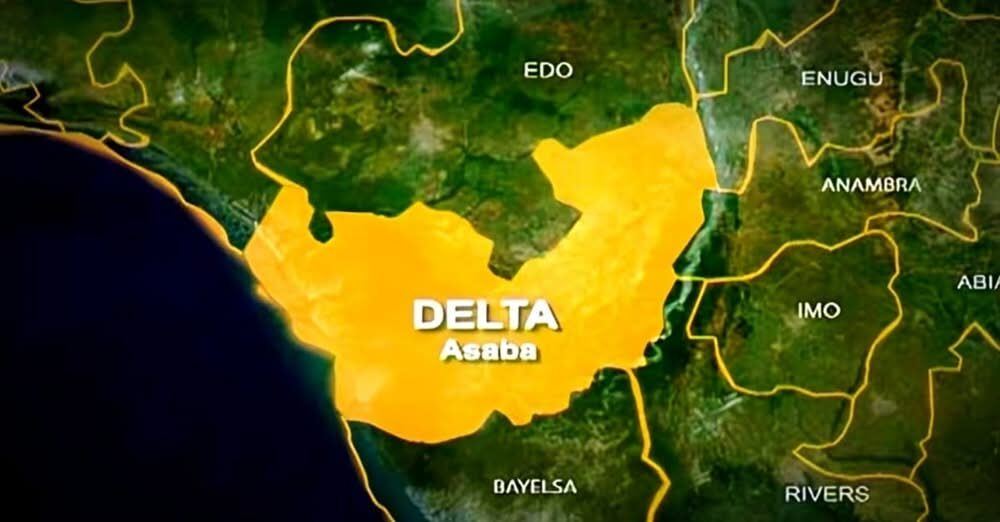
The Federal Government is set to make a formal reconciliation declaration regarding the 1967 Asaba Massacre, Delta State Governor Sheriff
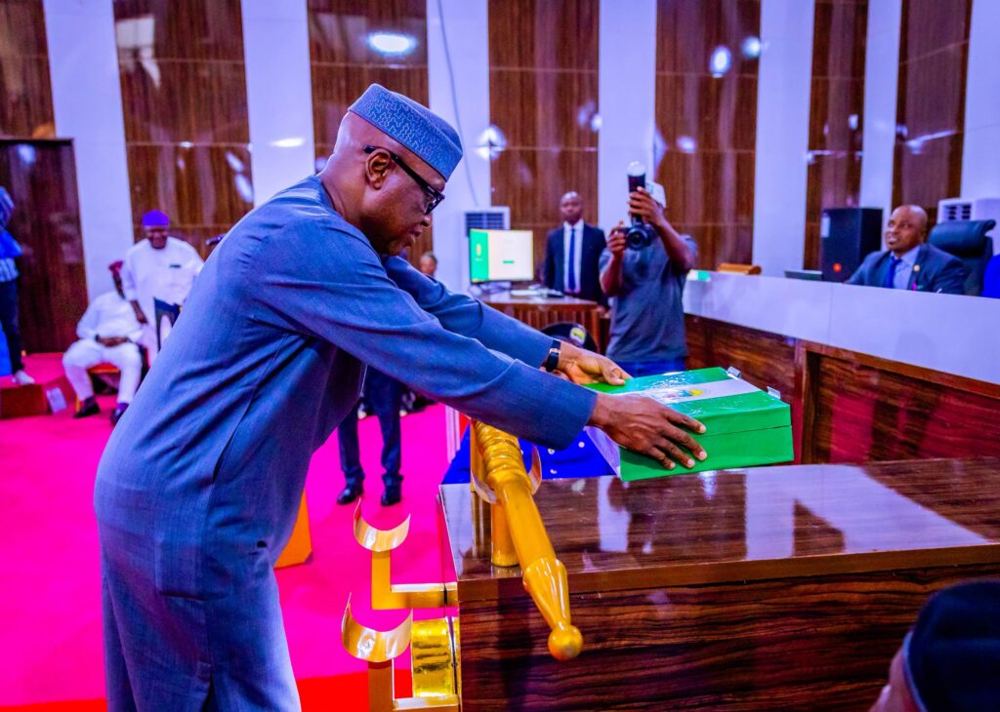
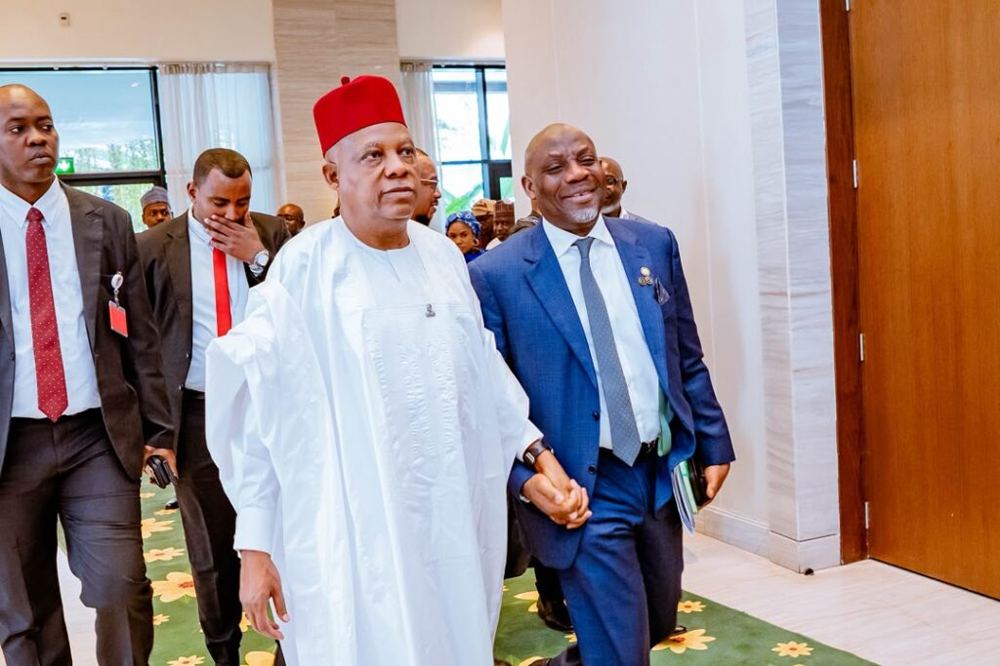
The Federal Government is set to make a formal reconciliation declaration regarding the 1967 Asaba Massacre, Delta State Governor Sheriff Oborevwori revealed on Wednesday. Represented by Secretary to the State Government Kingsley Emu Dr, Oborevwori disclosed this at the anniversary memorial of the massacre in Asaba. The event comes 59 years after hundreds of civilians were killed during the Nigerian Civil War. Oborevwori stated that official acknowledgement of the tragedy by the authorities remains critical to achieving true reconciliation, adding that the Delta State Government had already formally recognised the event. “An official acknowledgement by the respective governments is critical. Delta State has acknowledged the tragedy. Nigeria will acknowledge it, and we believe the world will also acknowledge it,” Oborevwori said. “A formal reconciliation declaration will be made by the Nigerian government, and we are hopeful that this will happen.” Read also: Civil War: My duty was to ensure Nigeria didn’t break up, Gowon The governor affirmed that the state government would continue to support initiatives aimed at securing full national recognition for the massacre and establishing a fitting national memorial. He stressed that commemorating the tragedy is not an attack on the country’s unity. “Never again should ethnicity, suspicion or political conflict become a licence for the killing of innocent people,” Oborevwori said. “Do not inherit its bitterness; inherit its lessons.” The development coincided with remarks from the Asagba of Asaba, Epiphany Azinge Prof, who stated that while the community had forgiven the past, it would not forget the tragedy. Azinge insisted that a sitting president must issue a public apology before the people can achieve total closure. “We have moved on,” Azinge said. “However, there will be no closure and no healing until a sitting President of Nigeria publicly apologises to the Asaba people.” The memorial featured an emotional apology from retired Maj-Gen Ahmed Ibrahim Taiwo, son of the late Maj Ibrahim Taiwo, an Army officer associated with the historical events. Taiwo explained that he had spent years researching his father’s role in the massacre before deciding to offer a personal apology to the people of Asaba. “I cannot change what happened, but I believe and pray that this gesture can be a step towards reconciliation,” Taiwo said. Former President Olusegun Obasanjo, who delivered a recorded message, described the massacre as one of the most painful and disturbing episodes of the civil war and urged all Nigerians to embrace forgiveness. Obasanjo noted that he wept upon reviewing documents detailing the killings, adding: “Never again will such a dark and unpleasant day occur in Nigeria or anywhere else in Africa.” Read also: Obasanjo: Policies need entrepreneurs like Wale Tinubu, Dangote to drive industrial growth Isama Ajie of Asaba and convener of the memorial, Chief Chuks Nduka-Eze, reiterated that the primary message of the commemoration is that Nigerian lives matter, questioning why official explanations for the civilian killings remain incomplete. Similarly, the Obi of Onitsha, Igwe Nnaemeka Achebe, emphasised that national healing must follow truth, justice and restoration. “There must be truth. There must be justice. There must be healing. And then, forgiveness can follow,” Achebe said. Emu added that the proposed memorial centre would preserve the names, testimonies and historical records of the victims for future generations, noting that while the people of Asaba had borne the heavy consequences of the tragedy, they had emerged stronger through a commitment to forgiveness over revenge. Related News Unpaid AFCON bonuses, slashed allowances raise concerns over Super Eagles morale AfCRA must set African standards for credit ratings, Afreximbank NYSC safety advisories fall short as over 70 members abducted in five years kenneth Athekame Athekame Kenneth is a politics, economy, and finance reporter whose work is anchored in sharp investigative storytelling. He brings analytical depth to every piece, drawing on a strong academic foundation that includes a degree in Economics, an MBA in International Trade, and a minor in Petroleum Economics from Lagos State University, Ojo. His reporting blends rigorous research with a keen eye for hidden truths, delivering stories that illuminate power, policy, and the forces shaping everyday lives. Share
Represented by Secretary to the State Government Kingsley Emu Dr, Oborevwori disclosed this at the anniversary memorial of the massacre in Asaba. The event comes 59 years after hundreds of civilians were killed during the Nigerian Civil War. Oborevwori stated that official acknowledgement of the tragedy by the authorities remains critical to achieving true reconciliation, adding that the Delta State Government had already formally recognised the event. “An official acknowledgement by the respective governments is critical. Delta State has acknowledged the tragedy. Nigeria will acknowledge it, and we believe the world will also acknowledge it,” Oborevwori said. “A formal reconciliation declaration will be made by the Nigerian government, and we are hopeful that this will happen.” Read also: Civil War: My duty was to ensure Nigeria didn’t break up, Gowon The governor affirmed that the state government would continue to support initiatives aimed at securing full national recognition for the massacre and establishing a fitting national memorial. He stressed that commemorating the tragedy is not an attack on the country’s unity. “Never again should ethnicity, suspicion or political conflict become a licence for the killing of innocent people,” Oborevwori said. “Do not inherit its bitterness; inherit its lessons.” The development coincided with remarks from the Asagba of Asaba, Epiphany Azinge Prof, who stated that while the community had forgiven the past, it would not forget the tragedy. Azinge insisted that a sitting president must issue a public apology before the people can achieve total closure. “We have moved on,” Azinge said. “However, there will be no closure and no healing until a sitting President of Nigeria publicly apologises to the Asaba people.” The memorial featured an emotional apology from retired Maj-Gen Ahmed Ibrahim Taiwo, son of the late Maj Ibrahim Taiwo, an Army officer associated with the historical events. Taiwo explained that he had spent years researching his father’s role in the massacre before deciding to offer a personal apology to the people of Asaba. “I cannot change what happened, but I believe and pray that this gesture can be a step towards reconciliation,” Taiwo said. Former President Olusegun Obasanjo, who delivered a recorded message, described the massacre as one of the most painful and disturbing episodes of the civil war and urged all Nigerians to embrace forgiveness. Obasanjo noted that he wept upon reviewing documents detailing the killings, adding: “Never again will such a dark and unpleasant day occur in Nigeria or anywhere else in Africa.” Read also: Obasanjo: Policies need entrepreneurs like Wale Tinubu, Dangote to drive industrial growth Isama Ajie of Asaba and convener of the memorial, Chief Chuks Nduka-Eze, reiterated that the primary message of the commemoration is that Nigerian lives matter, questioning why official explanations for the civilian killings remain incomplete. Similarly, the Obi of Onitsha, Igwe Nnaemeka Achebe, emphasised that national healing must follow truth, justice and restoration. “There must be truth. There must be justice. There must be healing. And then, forgiveness can follow,” Achebe said. Emu added that the proposed memorial centre would preserve the names, testimonies and historical records of the victims for future generations, noting that while the people of Asaba had borne the heavy consequences of the tragedy, they had emerged stronger through a commitment to forgiveness over revenge. Related News Unpaid AFCON bonuses, slashed allowances raise concerns over Super Eagles morale AfCRA must set African standards for credit ratings, Afreximbank NYSC safety advisories fall short as over 70 members abducted in five years kenneth Athekame Athekame Kenneth is a politics, economy, and finance reporter whose work is anchored in sharp investigative storytelling. He brings analytical depth to every piece, drawing on a strong academic foundation that includes a degree in Economics, an MBA in International Trade, and a minor in Petroleum Economics from Lagos State University, Ojo. His reporting blends rigorous research with a keen eye for hidden truths, delivering stories that illuminate power, policy, and the forces shaping everyday lives. Share
Oborevwori stated that official acknowledgement of the tragedy by the authorities remains critical to achieving true reconciliation, adding that the Delta State Government had already formally recognised the event. “An official acknowledgement by the respective governments is critical. Delta State has acknowledged the tragedy. Nigeria will acknowledge it, and we believe the world will also acknowledge it,” Oborevwori said. “A formal reconciliation declaration will be made by the Nigerian government, and we are hopeful that this will happen.” Read also: Civil War: My duty was to ensure Nigeria didn’t break up, Gowon The governor affirmed that the state government would continue to support initiatives aimed at securing full national recognition for the massacre and establishing a fitting national memorial. He stressed that commemorating the tragedy is not an attack on the country’s unity. “Never again should ethnicity, suspicion or political conflict become a licence for the killing of innocent people,” Oborevwori said. “Do not inherit its bitterness; inherit its lessons.” The development coincided with remarks from the Asagba of Asaba, Epiphany Azinge Prof, who stated that while the community had forgiven the past, it would not forget the tragedy. Azinge insisted that a sitting president must issue a public apology before the people can achieve total closure. “We have moved on,” Azinge said. “However, there will be no closure and no healing until a sitting President of Nigeria publicly apologises to the Asaba people.” The memorial featured an emotional apology from retired Maj-Gen Ahmed Ibrahim Taiwo, son of the late Maj Ibrahim Taiwo, an Army officer associated with the historical events. Taiwo explained that he had spent years researching his father’s role in the massacre before deciding to offer a personal apology to the people of Asaba. “I cannot change what happened, but I believe and pray that this gesture can be a step towards reconciliation,” Taiwo said. Former President Olusegun Obasanjo, who delivered a recorded message, described the massacre as one of the most painful and disturbing episodes of the civil war and urged all Nigerians to embrace forgiveness. Obasanjo noted that he wept upon reviewing documents detailing the killings, adding: “Never again will such a dark and unpleasant day occur in Nigeria or anywhere else in Africa.” Read also: Obasanjo: Policies need entrepreneurs like Wale Tinubu, Dangote to drive industrial growth Isama Ajie of Asaba and convener of the memorial, Chief Chuks Nduka-Eze, reiterated that the primary message of the commemoration is that Nigerian lives matter, questioning why official explanations for the civilian killings remain incomplete. Similarly, the Obi of Onitsha, Igwe Nnaemeka Achebe, emphasised that national healing must follow truth, justice and restoration. “There must be truth. There must be justice. There must be healing. And then, forgiveness can follow,” Achebe said. Emu added that the proposed memorial centre would preserve the names, testimonies and historical records of the victims for future generations, noting that while the people of Asaba had borne the heavy consequences of the tragedy, they had emerged stronger through a commitment to forgiveness over revenge. Related News Unpaid AFCON bonuses, slashed allowances raise concerns over Super Eagles morale AfCRA must set African standards for credit ratings, Afreximbank NYSC safety advisories fall short as over 70 members abducted in five years kenneth Athekame Athekame Kenneth is a politics, economy, and finance reporter whose work is anchored in sharp investigative storytelling. He brings analytical depth to every piece, drawing on a strong academic foundation that includes a degree in Economics, an MBA in International Trade, and a minor in Petroleum Economics from Lagos State University, Ojo. His reporting blends rigorous research with a keen eye for hidden truths, delivering stories that illuminate power, policy, and the forces shaping everyday lives. Share
“An official acknowledgement by the respective governments is critical. Delta State has acknowledged the tragedy. Nigeria will acknowledge it, and we believe the world will also acknowledge it,” Oborevwori said. “A formal reconciliation declaration will be made by the Nigerian government, and we are hopeful that this will happen.” Read also: Civil War: My duty was to ensure Nigeria didn’t break up, Gowon The governor affirmed that the state government would continue to support initiatives aimed at securing full national recognition for the massacre and establishing a fitting national memorial. He stressed that commemorating the tragedy is not an attack on the country’s unity. “Never again should ethnicity, suspicion or political conflict become a licence for the killing of innocent people,” Oborevwori said. “Do not inherit its bitterness; inherit its lessons.” The development coincided with remarks from the Asagba of Asaba, Epiphany Azinge Prof, who stated that while the community had forgiven the past, it would not forget the tragedy. Azinge insisted that a sitting president must issue a public apology before the people can achieve total closure. “We have moved on,” Azinge said. “However, there will be no closure and no healing until a sitting President of Nigeria publicly apologises to the Asaba people.” The memorial featured an emotional apology from retired Maj-Gen Ahmed Ibrahim Taiwo, son of the late Maj Ibrahim Taiwo, an Army officer associated with the historical events. Taiwo explained that he had spent years researching his father’s role in the massacre before deciding to offer a personal apology to the people of Asaba. “I cannot change what happened, but I believe and pray that this gesture can be a step towards reconciliation,” Taiwo said. Former President Olusegun Obasanjo, who delivered a recorded message, described the massacre as one of the most painful and disturbing episodes of the civil war and urged all Nigerians to embrace forgiveness. Obasanjo noted that he wept upon reviewing documents detailing the killings, adding: “Never again will such a dark and unpleasant day occur in Nigeria or anywhere else in Africa.” Read also: Obasanjo: Policies need entrepreneurs like Wale Tinubu, Dangote to drive industrial growth Isama Ajie of Asaba and convener of the memorial, Chief Chuks Nduka-Eze, reiterated that the primary message of the commemoration is that Nigerian lives matter, questioning why official explanations for the civilian killings remain incomplete. Similarly, the Obi of Onitsha, Igwe Nnaemeka Achebe, emphasised that national healing must follow truth, justice and restoration. “There must be truth. There must be justice. There must be healing. And then, forgiveness can follow,” Achebe said. Emu added that the proposed memorial centre would preserve the names, testimonies and historical records of the victims for future generations, noting that while the people of Asaba had borne the heavy consequences of the tragedy, they had emerged stronger through a commitment to forgiveness over revenge. Related News Unpaid AFCON bonuses, slashed allowances raise concerns over Super Eagles morale AfCRA must set African standards for credit ratings, Afreximbank NYSC safety advisories fall short as over 70 members abducted in five years kenneth Athekame Athekame Kenneth is a politics, economy, and finance reporter whose work is anchored in sharp investigative storytelling. He brings analytical depth to every piece, drawing on a strong academic foundation that includes a degree in Economics, an MBA in International Trade, and a minor in Petroleum Economics from Lagos State University, Ojo. His reporting blends rigorous research with a keen eye for hidden truths, delivering stories that illuminate power, policy, and the forces shaping everyday lives. Share
Read also: Civil War: My duty was to ensure Nigeria didn’t break up, Gowon The governor affirmed that the state government would continue to support initiatives aimed at securing full national recognition for the massacre and establishing a fitting national memorial. He stressed that commemorating the tragedy is not an attack on the country’s unity. “Never again should ethnicity, suspicion or political conflict become a licence for the killing of innocent people,” Oborevwori said. “Do not inherit its bitterness; inherit its lessons.” The development coincided with remarks from the Asagba of Asaba, Epiphany Azinge Prof, who stated that while the community had forgiven the past, it would not forget the tragedy. Azinge insisted that a sitting president must issue a public apology before the people can achieve total closure. “We have moved on,” Azinge said. “However, there will be no closure and no healing until a sitting President of Nigeria publicly apologises to the Asaba people.” The memorial featured an emotional apology from retired Maj-Gen Ahmed Ibrahim Taiwo, son of the late Maj Ibrahim Taiwo, an Army officer associated with the historical events. Taiwo explained that he had spent years researching his father’s role in the massacre before deciding to offer a personal apology to the people of Asaba. “I cannot change what happened, but I believe and pray that this gesture can be a step towards reconciliation,” Taiwo said. Former President Olusegun Obasanjo, who delivered a recorded message, described the massacre as one of the most painful and disturbing episodes of the civil war and urged all Nigerians to embrace forgiveness. Obasanjo noted that he wept upon reviewing documents detailing the killings, adding: “Never again will such a dark and unpleasant day occur in Nigeria or anywhere else in Africa.” Read also: Obasanjo: Policies need entrepreneurs like Wale Tinubu, Dangote to drive industrial growth Isama Ajie of Asaba and convener of the memorial, Chief Chuks Nduka-Eze, reiterated that the primary message of the commemoration is that Nigerian lives matter, questioning why official explanations for the civilian killings remain incomplete. Similarly, the Obi of Onitsha, Igwe Nnaemeka Achebe, emphasised that national healing must follow truth, justice and restoration. “There must be truth. There must be justice. There must be healing. And then, forgiveness can follow,” Achebe said. Emu added that the proposed memorial centre would preserve the names, testimonies and historical records of the victims for future generations, noting that while the people of Asaba had borne the heavy consequences of the tragedy, they had emerged stronger through a commitment to forgiveness over revenge. Related News Unpaid AFCON bonuses, slashed allowances raise concerns over Super Eagles morale AfCRA must set African standards for credit ratings, Afreximbank NYSC safety advisories fall short as over 70 members abducted in five years kenneth Athekame Athekame Kenneth is a politics, economy, and finance reporter whose work is anchored in sharp investigative storytelling. He brings analytical depth to every piece, drawing on a strong academic foundation that includes a degree in Economics, an MBA in International Trade, and a minor in Petroleum Economics from Lagos State University, Ojo. His reporting blends rigorous research with a keen eye for hidden truths, delivering stories that illuminate power, policy, and the forces shaping everyday lives. Share
The governor affirmed that the state government would continue to support initiatives aimed at securing full national recognition for the massacre and establishing a fitting national memorial. He stressed that commemorating the tragedy is not an attack on the country’s unity. “Never again should ethnicity, suspicion or political conflict become a licence for the killing of innocent people,” Oborevwori said. “Do not inherit its bitterness; inherit its lessons.” The development coincided with remarks from the Asagba of Asaba, Epiphany Azinge Prof, who stated that while the community had forgiven the past, it would not forget the tragedy. Azinge insisted that a sitting president must issue a public apology before the people can achieve total closure. “We have moved on,” Azinge said. “However, there will be no closure and no healing until a sitting President of Nigeria publicly apologises to the Asaba people.” The memorial featured an emotional apology from retired Maj-Gen Ahmed Ibrahim Taiwo, son of the late Maj Ibrahim Taiwo, an Army officer associated with the historical events. Taiwo explained that he had spent years researching his father’s role in the massacre before deciding to offer a personal apology to the people of Asaba. “I cannot change what happened, but I believe and pray that this gesture can be a step towards reconciliation,” Taiwo said. Former President Olusegun Obasanjo, who delivered a recorded message, described the massacre as one of the most painful and disturbing episodes of the civil war and urged all Nigerians to embrace forgiveness. Obasanjo noted that he wept upon reviewing documents detailing the killings, adding: “Never again will such a dark and unpleasant day occur in Nigeria or anywhere else in Africa.” Read also: Obasanjo: Policies need entrepreneurs like Wale Tinubu, Dangote to drive industrial growth Isama Ajie of Asaba and convener of the memorial, Chief Chuks Nduka-Eze, reiterated that the primary message of the commemoration is that Nigerian lives matter, questioning why official explanations for the civilian killings remain incomplete. Similarly, the Obi of Onitsha, Igwe Nnaemeka Achebe, emphasised that national healing must follow truth, justice and restoration. “There must be truth. There must be justice. There must be healing. And then, forgiveness can follow,” Achebe said. Emu added that the proposed memorial centre would preserve the names, testimonies and historical records of the victims for future generations, noting that while the people of Asaba had borne the heavy consequences of the tragedy, they had emerged stronger through a commitment to forgiveness over revenge. Related News Unpaid AFCON bonuses, slashed allowances raise concerns over Super Eagles morale AfCRA must set African standards for credit ratings, Afreximbank NYSC safety advisories fall short as over 70 members abducted in five years kenneth Athekame Athekame Kenneth is a politics, economy, and finance reporter whose work is anchored in sharp investigative storytelling. He brings analytical depth to every piece, drawing on a strong academic foundation that includes a degree in Economics, an MBA in International Trade, and a minor in Petroleum Economics from Lagos State University, Ojo. His reporting blends rigorous research with a keen eye for hidden truths, delivering stories that illuminate power, policy, and the forces shaping everyday lives. Share
“Never again should ethnicity, suspicion or political conflict become a licence for the killing of innocent people,” Oborevwori said. “Do not inherit its bitterness; inherit its lessons.” The development coincided with remarks from the Asagba of Asaba, Epiphany Azinge Prof, who stated that while the community had forgiven the past, it would not forget the tragedy. Azinge insisted that a sitting president must issue a public apology before the people can achieve total closure. “We have moved on,” Azinge said. “However, there will be no closure and no healing until a sitting President of Nigeria publicly apologises to the Asaba people.” The memorial featured an emotional apology from retired Maj-Gen Ahmed Ibrahim Taiwo, son of the late Maj Ibrahim Taiwo, an Army officer associated with the historical events. Taiwo explained that he had spent years researching his father’s role in the massacre before deciding to offer a personal apology to the people of Asaba. “I cannot change what happened, but I believe and pray that this gesture can be a step towards reconciliation,” Taiwo said. Former President Olusegun Obasanjo, who delivered a recorded message, described the massacre as one of the most painful and disturbing episodes of the civil war and urged all Nigerians to embrace forgiveness. Obasanjo noted that he wept upon reviewing documents detailing the killings, adding: “Never again will such a dark and unpleasant day occur in Nigeria or anywhere else in Africa.” Read also: Obasanjo: Policies need entrepreneurs like Wale Tinubu, Dangote to drive industrial growth Isama Ajie of Asaba and convener of the memorial, Chief Chuks Nduka-Eze, reiterated that the primary message of the commemoration is that Nigerian lives matter, questioning why official explanations for the civilian killings remain incomplete. Similarly, the Obi of Onitsha, Igwe Nnaemeka Achebe, emphasised that national healing must follow truth, justice and restoration. “There must be truth. There must be justice. There must be healing. And then, forgiveness can follow,” Achebe said. Emu added that the proposed memorial centre would preserve the names, testimonies and historical records of the victims for future generations, noting that while the people of Asaba had borne the heavy consequences of the tragedy, they had emerged stronger through a commitment to forgiveness over revenge. Related News Unpaid AFCON bonuses, slashed allowances raise concerns over Super Eagles morale AfCRA must set African standards for credit ratings, Afreximbank NYSC safety advisories fall short as over 70 members abducted in five years kenneth Athekame Athekame Kenneth is a politics, economy, and finance reporter whose work is anchored in sharp investigative storytelling. He brings analytical depth to every piece, drawing on a strong academic foundation that includes a degree in Economics, an MBA in International Trade, and a minor in Petroleum Economics from Lagos State University, Ojo. His reporting blends rigorous research with a keen eye for hidden truths, delivering stories that illuminate power, policy, and the forces shaping everyday lives. Share
The development coincided with remarks from the Asagba of Asaba, Epiphany Azinge Prof, who stated that while the community had forgiven the past, it would not forget the tragedy. Azinge insisted that a sitting president must issue a public apology before the people can achieve total closure. “We have moved on,” Azinge said. “However, there will be no closure and no healing until a sitting President of Nigeria publicly apologises to the Asaba people.” The memorial featured an emotional apology from retired Maj-Gen Ahmed Ibrahim Taiwo, son of the late Maj Ibrahim Taiwo, an Army officer associated with the historical events. Taiwo explained that he had spent years researching his father’s role in the massacre before deciding to offer a personal apology to the people of Asaba. “I cannot change what happened, but I believe and pray that this gesture can be a step towards reconciliation,” Taiwo said. Former President Olusegun Obasanjo, who delivered a recorded message, described the massacre as one of the most painful and disturbing episodes of the civil war and urged all Nigerians to embrace forgiveness. Obasanjo noted that he wept upon reviewing documents detailing the killings, adding: “Never again will such a dark and unpleasant day occur in Nigeria or anywhere else in Africa.” Read also: Obasanjo: Policies need entrepreneurs like Wale Tinubu, Dangote to drive industrial growth Isama Ajie of Asaba and convener of the memorial, Chief Chuks Nduka-Eze, reiterated that the primary message of the commemoration is that Nigerian lives matter, questioning why official explanations for the civilian killings remain incomplete. Similarly, the Obi of Onitsha, Igwe Nnaemeka Achebe, emphasised that national healing must follow truth, justice and restoration. “There must be truth. There must be justice. There must be healing. And then, forgiveness can follow,” Achebe said. Emu added that the proposed memorial centre would preserve the names, testimonies and historical records of the victims for future generations, noting that while the people of Asaba had borne the heavy consequences of the tragedy, they had emerged stronger through a commitment to forgiveness over revenge. Related News Unpaid AFCON bonuses, slashed allowances raise concerns over Super Eagles morale AfCRA must set African standards for credit ratings, Afreximbank NYSC safety advisories fall short as over 70 members abducted in five years kenneth Athekame Athekame Kenneth is a politics, economy, and finance reporter whose work is anchored in sharp investigative storytelling. He brings analytical depth to every piece, drawing on a strong academic foundation that includes a degree in Economics, an MBA in International Trade, and a minor in Petroleum Economics from Lagos State University, Ojo. His reporting blends rigorous research with a keen eye for hidden truths, delivering stories that illuminate power, policy, and the forces shaping everyday lives. Share
“We have moved on,” Azinge said. “However, there will be no closure and no healing until a sitting President of Nigeria publicly apologises to the Asaba people.” The memorial featured an emotional apology from retired Maj-Gen Ahmed Ibrahim Taiwo, son of the late Maj Ibrahim Taiwo, an Army officer associated with the historical events. Taiwo explained that he had spent years researching his father’s role in the massacre before deciding to offer a personal apology to the people of Asaba. “I cannot change what happened, but I believe and pray that this gesture can be a step towards reconciliation,” Taiwo said. Former President Olusegun Obasanjo, who delivered a recorded message, described the massacre as one of the most painful and disturbing episodes of the civil war and urged all Nigerians to embrace forgiveness. Obasanjo noted that he wept upon reviewing documents detailing the killings, adding: “Never again will such a dark and unpleasant day occur in Nigeria or anywhere else in Africa.” Read also: Obasanjo: Policies need entrepreneurs like Wale Tinubu, Dangote to drive industrial growth Isama Ajie of Asaba and convener of the memorial, Chief Chuks Nduka-Eze, reiterated that the primary message of the commemoration is that Nigerian lives matter, questioning why official explanations for the civilian killings remain incomplete. Similarly, the Obi of Onitsha, Igwe Nnaemeka Achebe, emphasised that national healing must follow truth, justice and restoration. “There must be truth. There must be justice. There must be healing. And then, forgiveness can follow,” Achebe said. Emu added that the proposed memorial centre would preserve the names, testimonies and historical records of the victims for future generations, noting that while the people of Asaba had borne the heavy consequences of the tragedy, they had emerged stronger through a commitment to forgiveness over revenge. Related News Unpaid AFCON bonuses, slashed allowances raise concerns over Super Eagles morale AfCRA must set African standards for credit ratings, Afreximbank NYSC safety advisories fall short as over 70 members abducted in five years kenneth Athekame Athekame Kenneth is a politics, economy, and finance reporter whose work is anchored in sharp investigative storytelling. He brings analytical depth to every piece, drawing on a strong academic foundation that includes a degree in Economics, an MBA in International Trade, and a minor in Petroleum Economics from Lagos State University, Ojo. His reporting blends rigorous research with a keen eye for hidden truths, delivering stories that illuminate power, policy, and the forces shaping everyday lives. Share
The memorial featured an emotional apology from retired Maj-Gen Ahmed Ibrahim Taiwo, son of the late Maj Ibrahim Taiwo, an Army officer associated with the historical events. Taiwo explained that he had spent years researching his father’s role in the massacre before deciding to offer a personal apology to the people of Asaba. “I cannot change what happened, but I believe and pray that this gesture can be a step towards reconciliation,” Taiwo said. Former President Olusegun Obasanjo, who delivered a recorded message, described the massacre as one of the most painful and disturbing episodes of the civil war and urged all Nigerians to embrace forgiveness. Obasanjo noted that he wept upon reviewing documents detailing the killings, adding: “Never again will such a dark and unpleasant day occur in Nigeria or anywhere else in Africa.” Read also: Obasanjo: Policies need entrepreneurs like Wale Tinubu, Dangote to drive industrial growth Isama Ajie of Asaba and convener of the memorial, Chief Chuks Nduka-Eze, reiterated that the primary message of the commemoration is that Nigerian lives matter, questioning why official explanations for the civilian killings remain incomplete. Similarly, the Obi of Onitsha, Igwe Nnaemeka Achebe, emphasised that national healing must follow truth, justice and restoration. “There must be truth. There must be justice. There must be healing. And then, forgiveness can follow,” Achebe said. Emu added that the proposed memorial centre would preserve the names, testimonies and historical records of the victims for future generations, noting that while the people of Asaba had borne the heavy consequences of the tragedy, they had emerged stronger through a commitment to forgiveness over revenge. Related News Unpaid AFCON bonuses, slashed allowances raise concerns over Super Eagles morale AfCRA must set African standards for credit ratings, Afreximbank NYSC safety advisories fall short as over 70 members abducted in five years kenneth Athekame Athekame Kenneth is a politics, economy, and finance reporter whose work is anchored in sharp investigative storytelling. He brings analytical depth to every piece, drawing on a strong academic foundation that includes a degree in Economics, an MBA in International Trade, and a minor in Petroleum Economics from Lagos State University, Ojo. His reporting blends rigorous research with a keen eye for hidden truths, delivering stories that illuminate power, policy, and the forces shaping everyday lives. Share
“I cannot change what happened, but I believe and pray that this gesture can be a step towards reconciliation,” Taiwo said. Former President Olusegun Obasanjo, who delivered a recorded message, described the massacre as one of the most painful and disturbing episodes of the civil war and urged all Nigerians to embrace forgiveness. Obasanjo noted that he wept upon reviewing documents detailing the killings, adding: “Never again will such a dark and unpleasant day occur in Nigeria or anywhere else in Africa.” Read also: Obasanjo: Policies need entrepreneurs like Wale Tinubu, Dangote to drive industrial growth Isama Ajie of Asaba and convener of the memorial, Chief Chuks Nduka-Eze, reiterated that the primary message of the commemoration is that Nigerian lives matter, questioning why official explanations for the civilian killings remain incomplete. Similarly, the Obi of Onitsha, Igwe Nnaemeka Achebe, emphasised that national healing must follow truth, justice and restoration. “There must be truth. There must be justice. There must be healing. And then, forgiveness can follow,” Achebe said. Emu added that the proposed memorial centre would preserve the names, testimonies and historical records of the victims for future generations, noting that while the people of Asaba had borne the heavy consequences of the tragedy, they had emerged stronger through a commitment to forgiveness over revenge. Related News Unpaid AFCON bonuses, slashed allowances raise concerns over Super Eagles morale AfCRA must set African standards for credit ratings, Afreximbank NYSC safety advisories fall short as over 70 members abducted in five years kenneth Athekame Athekame Kenneth is a politics, economy, and finance reporter whose work is anchored in sharp investigative storytelling. He brings analytical depth to every piece, drawing on a strong academic foundation that includes a degree in Economics, an MBA in International Trade, and a minor in Petroleum Economics from Lagos State University, Ojo. His reporting blends rigorous research with a keen eye for hidden truths, delivering stories that illuminate power, policy, and the forces shaping everyday lives. Share
Former President Olusegun Obasanjo, who delivered a recorded message, described the massacre as one of the most painful and disturbing episodes of the civil war and urged all Nigerians to embrace forgiveness. Obasanjo noted that he wept upon reviewing documents detailing the killings, adding: “Never again will such a dark and unpleasant day occur in Nigeria or anywhere else in Africa.” Read also: Obasanjo: Policies need entrepreneurs like Wale Tinubu, Dangote to drive industrial growth Isama Ajie of Asaba and convener of the memorial, Chief Chuks Nduka-Eze, reiterated that the primary message of the commemoration is that Nigerian lives matter, questioning why official explanations for the civilian killings remain incomplete. Similarly, the Obi of Onitsha, Igwe Nnaemeka Achebe, emphasised that national healing must follow truth, justice and restoration. “There must be truth. There must be justice. There must be healing. And then, forgiveness can follow,” Achebe said. Emu added that the proposed memorial centre would preserve the names, testimonies and historical records of the victims for future generations, noting that while the people of Asaba had borne the heavy consequences of the tragedy, they had emerged stronger through a commitment to forgiveness over revenge. Related News Unpaid AFCON bonuses, slashed allowances raise concerns over Super Eagles morale AfCRA must set African standards for credit ratings, Afreximbank NYSC safety advisories fall short as over 70 members abducted in five years kenneth Athekame Athekame Kenneth is a politics, economy, and finance reporter whose work is anchored in sharp investigative storytelling. He brings analytical depth to every piece, drawing on a strong academic foundation that includes a degree in Economics, an MBA in International Trade, and a minor in Petroleum Economics from Lagos State University, Ojo. His reporting blends rigorous research with a keen eye for hidden truths, delivering stories that illuminate power, policy, and the forces shaping everyday lives. Share
Read also: Obasanjo: Policies need entrepreneurs like Wale Tinubu, Dangote to drive industrial growth Isama Ajie of Asaba and convener of the memorial, Chief Chuks Nduka-Eze, reiterated that the primary message of the commemoration is that Nigerian lives matter, questioning why official explanations for the civilian killings remain incomplete. Similarly, the Obi of Onitsha, Igwe Nnaemeka Achebe, emphasised that national healing must follow truth, justice and restoration. “There must be truth. There must be justice. There must be healing. And then, forgiveness can follow,” Achebe said. Emu added that the proposed memorial centre would preserve the names, testimonies and historical records of the victims for future generations, noting that while the people of Asaba had borne the heavy consequences of the tragedy, they had emerged stronger through a commitment to forgiveness over revenge. Related News Unpaid AFCON bonuses, slashed allowances raise concerns over Super Eagles morale AfCRA must set African standards for credit ratings, Afreximbank NYSC safety advisories fall short as over 70 members abducted in five years kenneth Athekame Athekame Kenneth is a politics, economy, and finance reporter whose work is anchored in sharp investigative storytelling. He brings analytical depth to every piece, drawing on a strong academic foundation that includes a degree in Economics, an MBA in International Trade, and a minor in Petroleum Economics from Lagos State University, Ojo. His reporting blends rigorous research with a keen eye for hidden truths, delivering stories that illuminate power, policy, and the forces shaping everyday lives. Share
Isama Ajie of Asaba and convener of the memorial, Chief Chuks Nduka-Eze, reiterated that the primary message of the commemoration is that Nigerian lives matter, questioning why official explanations for the civilian killings remain incomplete. Similarly, the Obi of Onitsha, Igwe Nnaemeka Achebe, emphasised that national healing must follow truth, justice and restoration. “There must be truth. There must be justice. There must be healing. And then, forgiveness can follow,” Achebe said. Emu added that the proposed memorial centre would preserve the names, testimonies and historical records of the victims for future generations, noting that while the people of Asaba had borne the heavy consequences of the tragedy, they had emerged stronger through a commitment to forgiveness over revenge. Related News Unpaid AFCON bonuses, slashed allowances raise concerns over Super Eagles morale AfCRA must set African standards for credit ratings, Afreximbank NYSC safety advisories fall short as over 70 members abducted in five years kenneth Athekame Athekame Kenneth is a politics, economy, and finance reporter whose work is anchored in sharp investigative storytelling. He brings analytical depth to every piece, drawing on a strong academic foundation that includes a degree in Economics, an MBA in International Trade, and a minor in Petroleum Economics from Lagos State University, Ojo. His reporting blends rigorous research with a keen eye for hidden truths, delivering stories that illuminate power, policy, and the forces shaping everyday lives. Share
Similarly, the Obi of Onitsha, Igwe Nnaemeka Achebe, emphasised that national healing must follow truth, justice and restoration. “There must be truth. There must be justice. There must be healing. And then, forgiveness can follow,” Achebe said. Emu added that the proposed memorial centre would preserve the names, testimonies and historical records of the victims for future generations, noting that while the people of Asaba had borne the heavy consequences of the tragedy, they had emerged stronger through a commitment to forgiveness over revenge. Related News Unpaid AFCON bonuses, slashed allowances raise concerns over Super Eagles morale AfCRA must set African standards for credit ratings, Afreximbank NYSC safety advisories fall short as over 70 members abducted in five years kenneth Athekame Athekame Kenneth is a politics, economy, and finance reporter whose work is anchored in sharp investigative storytelling. He brings analytical depth to every piece, drawing on a strong academic foundation that includes a degree in Economics, an MBA in International Trade, and a minor in Petroleum Economics from Lagos State University, Ojo. His reporting blends rigorous research with a keen eye for hidden truths, delivering stories that illuminate power, policy, and the forces shaping everyday lives. Share
“There must be truth. There must be justice. There must be healing. And then, forgiveness can follow,” Achebe said. Emu added that the proposed memorial centre would preserve the names, testimonies and historical records of the victims for future generations, noting that while the people of Asaba had borne the heavy consequences of the tragedy, they had emerged stronger through a commitment to forgiveness over revenge. Related News Unpaid AFCON bonuses, slashed allowances raise concerns over Super Eagles morale AfCRA must set African standards for credit ratings, Afreximbank NYSC safety advisories fall short as over 70 members abducted in five years kenneth Athekame Athekame Kenneth is a politics, economy, and finance reporter whose work is anchored in sharp investigative storytelling. He brings analytical depth to every piece, drawing on a strong academic foundation that includes a degree in Economics, an MBA in International Trade, and a minor in Petroleum Economics from Lagos State University, Ojo. His reporting blends rigorous research with a keen eye for hidden truths, delivering stories that illuminate power, policy, and the forces shaping everyday lives. Share
Emu added that the proposed memorial centre would preserve the names, testimonies and historical records of the victims for future generations, noting that while the people of Asaba had borne the heavy consequences of the tragedy, they had emerged stronger through a commitment to forgiveness over revenge. Related News Unpaid AFCON bonuses, slashed allowances raise concerns over Super Eagles morale AfCRA must set African standards for credit ratings, Afreximbank NYSC safety advisories fall short as over 70 members abducted in five years kenneth Athekame Athekame Kenneth is a politics, economy, and finance reporter whose work is anchored in sharp investigative storytelling. He brings analytical depth to every piece, drawing on a strong academic foundation that includes a degree in Economics, an MBA in International Trade, and a minor in Petroleum Economics from Lagos State University, Ojo. His reporting blends rigorous research with a keen eye for hidden truths, delivering stories that illuminate power, policy, and the forces shaping everyday lives. Share
Athekame Kenneth is a politics, economy, and finance reporter whose work is anchored in sharp investigative storytelling. He brings analytical depth to every piece, drawing on a strong academic foundation that includes a degree in Economics, an MBA in International Trade, and a minor in Petroleum Economics from Lagos State University, Ojo. His reporting blends rigorous research with a keen eye for hidden truths, delivering stories that illuminate power, policy, and the forces shaping everyday lives.