Nigeria’s AI ambitions face power test as data centre capacity targets 200MW
Nigeria’s ambition to build a competitive artificial intelligence economy could be constrained by its ability to provide reliable power for
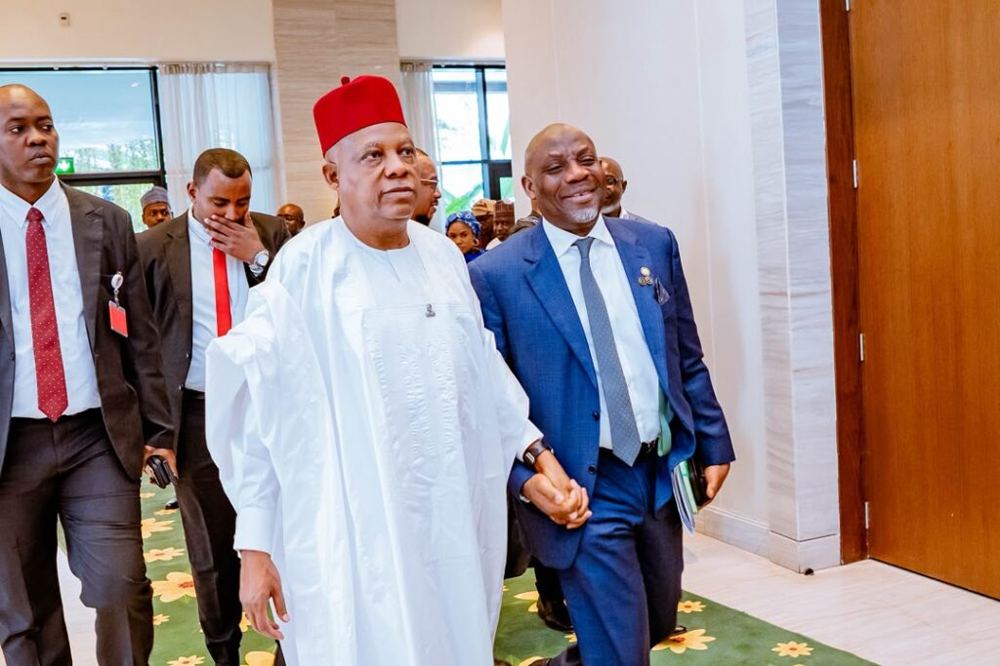
Nigeria’s ambition to build a competitive artificial intelligence economy could be constrained by its ability to provide reliable power for the data centres and computing infrastructure needed to run AI systems, Nentawe Yilwatda, the national chairman of the All Progressives Congress, has warned. Yilwatda said Nigeria’s AI strategy must be matched by an energy strategy, arguing that the country cannot build a sustainable AI ecosystem without first addressing the power demands of data centres and other digital infrastructure. “The question for Nigeria is not whether AI will shape our economy. It will. The question is whether we will shape it, or simply rent it,” Yilwatda said in a keynote address at the National Digital Economy CEO Dialogue convened by Knowhow Media International in partnership with the APC National Secretariat. His warning comes as the Federal Government seeks to attract $750 million in private investment into cloud and data infrastructure within 24 months under its National Digital Cloud Policy. The policy targets $250 million in investment within its first year. At the same time, government and industry are working to expand Nigeria’s data-centre capacity from about 50 megawatts of IT load to 200 megawatts over the next five years, according to Yilwatda. Read also: FG hands private investors operational control of 90,000km fibre project However, the APC chairman said the expansion of computing infrastructure would place substantial demands on Nigeria’s power and water systems, which were not historically designed to support data centres at the scale required by an AI-driven economy. “An AI strategy without an energy strategy is incomplete,” he said, calling for digital infrastructure to be treated as a priority load in power-sector reforms. He proposed embedded generation, renewable power purchase arrangements and reliable gas supply for digital infrastructure clusters as part of the solution. The issue is becoming important as AI adoption shifts the infrastructure requirements of technology companies. Unlike many conventional digital services, AI applications depend heavily on computing capacity, data centres and high-performance infrastructure, making electricity availability a central consideration for investors and operators. Yilwatda places energy reliability alongside cloud capacity and data-centre investment as critical components of Nigeria’s AI strategy. He also argued that Nigeria must balance digital sovereignty with openness to international investment as it develops its cloud and data infrastructure. The National Digital Cloud Policy’s preference for certified local providers in public procurement is intended to build domestic capacity and keep critical data onshore, but Yilwatda cautioned against turning data sovereignty into protectionism. “Sovereignty must not become an excuse for protectionism that raises costs and drives away the global partners whose technology and capital we need,” he said. Instead, he advocated what he described as ‘sovereign control with open participation’ under which Nigerian data and systems operate under Nigerian law while both local and foreign investors remain able to participate if they build and operate in the country and comply with Nigerian standards. zzzzzzThe broader challenge, according to the APC chairman, is whether Nigeria can develop the infrastructure required to become a producer of AI technologies rather than remain dependent on foreign computing capacity. His position also reflects a wider infrastructure chain: AI requires compute, compute requires data centres, and data centres require reliable power and fibre connectivity. “Everything begins with infrastructure. There is no artificial intelligence without compute, no compute without data centres, no data centres without power and fibre,” Yilwatda said. For Nigeria, the race to build an AI economy may therefore be decided as much by the country’s ability to power its digital infrastructure as by its ability to develop AI talent, attract technology investment or formulate AI policy. The APC chairman said the next decade would determine whether Nigeria’s digital infrastructure plans become a nation-changing structure, arguing that government must provide predictable policies and infrastructure while private industry supplies capital, innovation and execution. Related News FG hands private investors operational control of 90,000km fibre project NFF silent as FIFA cites wrong email in DR Congo player eligibility dispute Lessons from Aliko Dangote’s lecture on Africa’s industrialisation (Part1) Folake Balogun Folake Balogun is a technology journalist covering Africa’s digital economy, with a focus on startups, fintechs, venture capital, artificial intelligence, and emerging technologies. Her work explores the intersection of technology, business, and society, highlighting how innovation is reshaping industries and everyday life across Africa and global markets. She translates complex trends into insightful and impactful stories for a wider audience. Share
Yilwatda said Nigeria’s AI strategy must be matched by an energy strategy, arguing that the country cannot build a sustainable AI ecosystem without first addressing the power demands of data centres and other digital infrastructure. “The question for Nigeria is not whether AI will shape our economy. It will. The question is whether we will shape it, or simply rent it,” Yilwatda said in a keynote address at the National Digital Economy CEO Dialogue convened by Knowhow Media International in partnership with the APC National Secretariat. His warning comes as the Federal Government seeks to attract $750 million in private investment into cloud and data infrastructure within 24 months under its National Digital Cloud Policy. The policy targets $250 million in investment within its first year. At the same time, government and industry are working to expand Nigeria’s data-centre capacity from about 50 megawatts of IT load to 200 megawatts over the next five years, according to Yilwatda. Read also: FG hands private investors operational control of 90,000km fibre project However, the APC chairman said the expansion of computing infrastructure would place substantial demands on Nigeria’s power and water systems, which were not historically designed to support data centres at the scale required by an AI-driven economy. “An AI strategy without an energy strategy is incomplete,” he said, calling for digital infrastructure to be treated as a priority load in power-sector reforms. He proposed embedded generation, renewable power purchase arrangements and reliable gas supply for digital infrastructure clusters as part of the solution. The issue is becoming important as AI adoption shifts the infrastructure requirements of technology companies. Unlike many conventional digital services, AI applications depend heavily on computing capacity, data centres and high-performance infrastructure, making electricity availability a central consideration for investors and operators. Yilwatda places energy reliability alongside cloud capacity and data-centre investment as critical components of Nigeria’s AI strategy. He also argued that Nigeria must balance digital sovereignty with openness to international investment as it develops its cloud and data infrastructure. The National Digital Cloud Policy’s preference for certified local providers in public procurement is intended to build domestic capacity and keep critical data onshore, but Yilwatda cautioned against turning data sovereignty into protectionism. “Sovereignty must not become an excuse for protectionism that raises costs and drives away the global partners whose technology and capital we need,” he said. Instead, he advocated what he described as ‘sovereign control with open participation’ under which Nigerian data and systems operate under Nigerian law while both local and foreign investors remain able to participate if they build and operate in the country and comply with Nigerian standards. zzzzzzThe broader challenge, according to the APC chairman, is whether Nigeria can develop the infrastructure required to become a producer of AI technologies rather than remain dependent on foreign computing capacity. His position also reflects a wider infrastructure chain: AI requires compute, compute requires data centres, and data centres require reliable power and fibre connectivity. “Everything begins with infrastructure. There is no artificial intelligence without compute, no compute without data centres, no data centres without power and fibre,” Yilwatda said. For Nigeria, the race to build an AI economy may therefore be decided as much by the country’s ability to power its digital infrastructure as by its ability to develop AI talent, attract technology investment or formulate AI policy. The APC chairman said the next decade would determine whether Nigeria’s digital infrastructure plans become a nation-changing structure, arguing that government must provide predictable policies and infrastructure while private industry supplies capital, innovation and execution. Related News FG hands private investors operational control of 90,000km fibre project NFF silent as FIFA cites wrong email in DR Congo player eligibility dispute Lessons from Aliko Dangote’s lecture on Africa’s industrialisation (Part1) Folake Balogun Folake Balogun is a technology journalist covering Africa’s digital economy, with a focus on startups, fintechs, venture capital, artificial intelligence, and emerging technologies. Her work explores the intersection of technology, business, and society, highlighting how innovation is reshaping industries and everyday life across Africa and global markets. She translates complex trends into insightful and impactful stories for a wider audience. Share
“The question for Nigeria is not whether AI will shape our economy. It will. The question is whether we will shape it, or simply rent it,” Yilwatda said in a keynote address at the National Digital Economy CEO Dialogue convened by Knowhow Media International in partnership with the APC National Secretariat. His warning comes as the Federal Government seeks to attract $750 million in private investment into cloud and data infrastructure within 24 months under its National Digital Cloud Policy. The policy targets $250 million in investment within its first year. At the same time, government and industry are working to expand Nigeria’s data-centre capacity from about 50 megawatts of IT load to 200 megawatts over the next five years, according to Yilwatda. Read also: FG hands private investors operational control of 90,000km fibre project However, the APC chairman said the expansion of computing infrastructure would place substantial demands on Nigeria’s power and water systems, which were not historically designed to support data centres at the scale required by an AI-driven economy. “An AI strategy without an energy strategy is incomplete,” he said, calling for digital infrastructure to be treated as a priority load in power-sector reforms. He proposed embedded generation, renewable power purchase arrangements and reliable gas supply for digital infrastructure clusters as part of the solution. The issue is becoming important as AI adoption shifts the infrastructure requirements of technology companies. Unlike many conventional digital services, AI applications depend heavily on computing capacity, data centres and high-performance infrastructure, making electricity availability a central consideration for investors and operators. Yilwatda places energy reliability alongside cloud capacity and data-centre investment as critical components of Nigeria’s AI strategy. He also argued that Nigeria must balance digital sovereignty with openness to international investment as it develops its cloud and data infrastructure. The National Digital Cloud Policy’s preference for certified local providers in public procurement is intended to build domestic capacity and keep critical data onshore, but Yilwatda cautioned against turning data sovereignty into protectionism. “Sovereignty must not become an excuse for protectionism that raises costs and drives away the global partners whose technology and capital we need,” he said. Instead, he advocated what he described as ‘sovereign control with open participation’ under which Nigerian data and systems operate under Nigerian law while both local and foreign investors remain able to participate if they build and operate in the country and comply with Nigerian standards. zzzzzzThe broader challenge, according to the APC chairman, is whether Nigeria can develop the infrastructure required to become a producer of AI technologies rather than remain dependent on foreign computing capacity. His position also reflects a wider infrastructure chain: AI requires compute, compute requires data centres, and data centres require reliable power and fibre connectivity. “Everything begins with infrastructure. There is no artificial intelligence without compute, no compute without data centres, no data centres without power and fibre,” Yilwatda said. For Nigeria, the race to build an AI economy may therefore be decided as much by the country’s ability to power its digital infrastructure as by its ability to develop AI talent, attract technology investment or formulate AI policy. The APC chairman said the next decade would determine whether Nigeria’s digital infrastructure plans become a nation-changing structure, arguing that government must provide predictable policies and infrastructure while private industry supplies capital, innovation and execution. Related News FG hands private investors operational control of 90,000km fibre project NFF silent as FIFA cites wrong email in DR Congo player eligibility dispute Lessons from Aliko Dangote’s lecture on Africa’s industrialisation (Part1) Folake Balogun Folake Balogun is a technology journalist covering Africa’s digital economy, with a focus on startups, fintechs, venture capital, artificial intelligence, and emerging technologies. Her work explores the intersection of technology, business, and society, highlighting how innovation is reshaping industries and everyday life across Africa and global markets. She translates complex trends into insightful and impactful stories for a wider audience. Share
His warning comes as the Federal Government seeks to attract $750 million in private investment into cloud and data infrastructure within 24 months under its National Digital Cloud Policy. The policy targets $250 million in investment within its first year. At the same time, government and industry are working to expand Nigeria’s data-centre capacity from about 50 megawatts of IT load to 200 megawatts over the next five years, according to Yilwatda. Read also: FG hands private investors operational control of 90,000km fibre project However, the APC chairman said the expansion of computing infrastructure would place substantial demands on Nigeria’s power and water systems, which were not historically designed to support data centres at the scale required by an AI-driven economy. “An AI strategy without an energy strategy is incomplete,” he said, calling for digital infrastructure to be treated as a priority load in power-sector reforms. He proposed embedded generation, renewable power purchase arrangements and reliable gas supply for digital infrastructure clusters as part of the solution. The issue is becoming important as AI adoption shifts the infrastructure requirements of technology companies. Unlike many conventional digital services, AI applications depend heavily on computing capacity, data centres and high-performance infrastructure, making electricity availability a central consideration for investors and operators. Yilwatda places energy reliability alongside cloud capacity and data-centre investment as critical components of Nigeria’s AI strategy. He also argued that Nigeria must balance digital sovereignty with openness to international investment as it develops its cloud and data infrastructure. The National Digital Cloud Policy’s preference for certified local providers in public procurement is intended to build domestic capacity and keep critical data onshore, but Yilwatda cautioned against turning data sovereignty into protectionism. “Sovereignty must not become an excuse for protectionism that raises costs and drives away the global partners whose technology and capital we need,” he said. Instead, he advocated what he described as ‘sovereign control with open participation’ under which Nigerian data and systems operate under Nigerian law while both local and foreign investors remain able to participate if they build and operate in the country and comply with Nigerian standards. zzzzzzThe broader challenge, according to the APC chairman, is whether Nigeria can develop the infrastructure required to become a producer of AI technologies rather than remain dependent on foreign computing capacity. His position also reflects a wider infrastructure chain: AI requires compute, compute requires data centres, and data centres require reliable power and fibre connectivity. “Everything begins with infrastructure. There is no artificial intelligence without compute, no compute without data centres, no data centres without power and fibre,” Yilwatda said. For Nigeria, the race to build an AI economy may therefore be decided as much by the country’s ability to power its digital infrastructure as by its ability to develop AI talent, attract technology investment or formulate AI policy. The APC chairman said the next decade would determine whether Nigeria’s digital infrastructure plans become a nation-changing structure, arguing that government must provide predictable policies and infrastructure while private industry supplies capital, innovation and execution. Related News FG hands private investors operational control of 90,000km fibre project NFF silent as FIFA cites wrong email in DR Congo player eligibility dispute Lessons from Aliko Dangote’s lecture on Africa’s industrialisation (Part1) Folake Balogun Folake Balogun is a technology journalist covering Africa’s digital economy, with a focus on startups, fintechs, venture capital, artificial intelligence, and emerging technologies. Her work explores the intersection of technology, business, and society, highlighting how innovation is reshaping industries and everyday life across Africa and global markets. She translates complex trends into insightful and impactful stories for a wider audience. Share
At the same time, government and industry are working to expand Nigeria’s data-centre capacity from about 50 megawatts of IT load to 200 megawatts over the next five years, according to Yilwatda. Read also: FG hands private investors operational control of 90,000km fibre project However, the APC chairman said the expansion of computing infrastructure would place substantial demands on Nigeria’s power and water systems, which were not historically designed to support data centres at the scale required by an AI-driven economy. “An AI strategy without an energy strategy is incomplete,” he said, calling for digital infrastructure to be treated as a priority load in power-sector reforms. He proposed embedded generation, renewable power purchase arrangements and reliable gas supply for digital infrastructure clusters as part of the solution. The issue is becoming important as AI adoption shifts the infrastructure requirements of technology companies. Unlike many conventional digital services, AI applications depend heavily on computing capacity, data centres and high-performance infrastructure, making electricity availability a central consideration for investors and operators. Yilwatda places energy reliability alongside cloud capacity and data-centre investment as critical components of Nigeria’s AI strategy. He also argued that Nigeria must balance digital sovereignty with openness to international investment as it develops its cloud and data infrastructure. The National Digital Cloud Policy’s preference for certified local providers in public procurement is intended to build domestic capacity and keep critical data onshore, but Yilwatda cautioned against turning data sovereignty into protectionism. “Sovereignty must not become an excuse for protectionism that raises costs and drives away the global partners whose technology and capital we need,” he said. Instead, he advocated what he described as ‘sovereign control with open participation’ under which Nigerian data and systems operate under Nigerian law while both local and foreign investors remain able to participate if they build and operate in the country and comply with Nigerian standards. zzzzzzThe broader challenge, according to the APC chairman, is whether Nigeria can develop the infrastructure required to become a producer of AI technologies rather than remain dependent on foreign computing capacity. His position also reflects a wider infrastructure chain: AI requires compute, compute requires data centres, and data centres require reliable power and fibre connectivity. “Everything begins with infrastructure. There is no artificial intelligence without compute, no compute without data centres, no data centres without power and fibre,” Yilwatda said. For Nigeria, the race to build an AI economy may therefore be decided as much by the country’s ability to power its digital infrastructure as by its ability to develop AI talent, attract technology investment or formulate AI policy. The APC chairman said the next decade would determine whether Nigeria’s digital infrastructure plans become a nation-changing structure, arguing that government must provide predictable policies and infrastructure while private industry supplies capital, innovation and execution. Related News FG hands private investors operational control of 90,000km fibre project NFF silent as FIFA cites wrong email in DR Congo player eligibility dispute Lessons from Aliko Dangote’s lecture on Africa’s industrialisation (Part1) Folake Balogun Folake Balogun is a technology journalist covering Africa’s digital economy, with a focus on startups, fintechs, venture capital, artificial intelligence, and emerging technologies. Her work explores the intersection of technology, business, and society, highlighting how innovation is reshaping industries and everyday life across Africa and global markets. She translates complex trends into insightful and impactful stories for a wider audience. Share
Read also: FG hands private investors operational control of 90,000km fibre project However, the APC chairman said the expansion of computing infrastructure would place substantial demands on Nigeria’s power and water systems, which were not historically designed to support data centres at the scale required by an AI-driven economy. “An AI strategy without an energy strategy is incomplete,” he said, calling for digital infrastructure to be treated as a priority load in power-sector reforms. He proposed embedded generation, renewable power purchase arrangements and reliable gas supply for digital infrastructure clusters as part of the solution. The issue is becoming important as AI adoption shifts the infrastructure requirements of technology companies. Unlike many conventional digital services, AI applications depend heavily on computing capacity, data centres and high-performance infrastructure, making electricity availability a central consideration for investors and operators. Yilwatda places energy reliability alongside cloud capacity and data-centre investment as critical components of Nigeria’s AI strategy. He also argued that Nigeria must balance digital sovereignty with openness to international investment as it develops its cloud and data infrastructure. The National Digital Cloud Policy’s preference for certified local providers in public procurement is intended to build domestic capacity and keep critical data onshore, but Yilwatda cautioned against turning data sovereignty into protectionism. “Sovereignty must not become an excuse for protectionism that raises costs and drives away the global partners whose technology and capital we need,” he said. Instead, he advocated what he described as ‘sovereign control with open participation’ under which Nigerian data and systems operate under Nigerian law while both local and foreign investors remain able to participate if they build and operate in the country and comply with Nigerian standards. zzzzzzThe broader challenge, according to the APC chairman, is whether Nigeria can develop the infrastructure required to become a producer of AI technologies rather than remain dependent on foreign computing capacity. His position also reflects a wider infrastructure chain: AI requires compute, compute requires data centres, and data centres require reliable power and fibre connectivity. “Everything begins with infrastructure. There is no artificial intelligence without compute, no compute without data centres, no data centres without power and fibre,” Yilwatda said. For Nigeria, the race to build an AI economy may therefore be decided as much by the country’s ability to power its digital infrastructure as by its ability to develop AI talent, attract technology investment or formulate AI policy. The APC chairman said the next decade would determine whether Nigeria’s digital infrastructure plans become a nation-changing structure, arguing that government must provide predictable policies and infrastructure while private industry supplies capital, innovation and execution. Related News FG hands private investors operational control of 90,000km fibre project NFF silent as FIFA cites wrong email in DR Congo player eligibility dispute Lessons from Aliko Dangote’s lecture on Africa’s industrialisation (Part1) Folake Balogun Folake Balogun is a technology journalist covering Africa’s digital economy, with a focus on startups, fintechs, venture capital, artificial intelligence, and emerging technologies. Her work explores the intersection of technology, business, and society, highlighting how innovation is reshaping industries and everyday life across Africa and global markets. She translates complex trends into insightful and impactful stories for a wider audience. Share
However, the APC chairman said the expansion of computing infrastructure would place substantial demands on Nigeria’s power and water systems, which were not historically designed to support data centres at the scale required by an AI-driven economy. “An AI strategy without an energy strategy is incomplete,” he said, calling for digital infrastructure to be treated as a priority load in power-sector reforms. He proposed embedded generation, renewable power purchase arrangements and reliable gas supply for digital infrastructure clusters as part of the solution. The issue is becoming important as AI adoption shifts the infrastructure requirements of technology companies. Unlike many conventional digital services, AI applications depend heavily on computing capacity, data centres and high-performance infrastructure, making electricity availability a central consideration for investors and operators. Yilwatda places energy reliability alongside cloud capacity and data-centre investment as critical components of Nigeria’s AI strategy. He also argued that Nigeria must balance digital sovereignty with openness to international investment as it develops its cloud and data infrastructure. The National Digital Cloud Policy’s preference for certified local providers in public procurement is intended to build domestic capacity and keep critical data onshore, but Yilwatda cautioned against turning data sovereignty into protectionism. “Sovereignty must not become an excuse for protectionism that raises costs and drives away the global partners whose technology and capital we need,” he said. Instead, he advocated what he described as ‘sovereign control with open participation’ under which Nigerian data and systems operate under Nigerian law while both local and foreign investors remain able to participate if they build and operate in the country and comply with Nigerian standards. zzzzzzThe broader challenge, according to the APC chairman, is whether Nigeria can develop the infrastructure required to become a producer of AI technologies rather than remain dependent on foreign computing capacity. His position also reflects a wider infrastructure chain: AI requires compute, compute requires data centres, and data centres require reliable power and fibre connectivity. “Everything begins with infrastructure. There is no artificial intelligence without compute, no compute without data centres, no data centres without power and fibre,” Yilwatda said. For Nigeria, the race to build an AI economy may therefore be decided as much by the country’s ability to power its digital infrastructure as by its ability to develop AI talent, attract technology investment or formulate AI policy. The APC chairman said the next decade would determine whether Nigeria’s digital infrastructure plans become a nation-changing structure, arguing that government must provide predictable policies and infrastructure while private industry supplies capital, innovation and execution. Related News FG hands private investors operational control of 90,000km fibre project NFF silent as FIFA cites wrong email in DR Congo player eligibility dispute Lessons from Aliko Dangote’s lecture on Africa’s industrialisation (Part1) Folake Balogun Folake Balogun is a technology journalist covering Africa’s digital economy, with a focus on startups, fintechs, venture capital, artificial intelligence, and emerging technologies. Her work explores the intersection of technology, business, and society, highlighting how innovation is reshaping industries and everyday life across Africa and global markets. She translates complex trends into insightful and impactful stories for a wider audience. Share
“An AI strategy without an energy strategy is incomplete,” he said, calling for digital infrastructure to be treated as a priority load in power-sector reforms. He proposed embedded generation, renewable power purchase arrangements and reliable gas supply for digital infrastructure clusters as part of the solution. The issue is becoming important as AI adoption shifts the infrastructure requirements of technology companies. Unlike many conventional digital services, AI applications depend heavily on computing capacity, data centres and high-performance infrastructure, making electricity availability a central consideration for investors and operators. Yilwatda places energy reliability alongside cloud capacity and data-centre investment as critical components of Nigeria’s AI strategy. He also argued that Nigeria must balance digital sovereignty with openness to international investment as it develops its cloud and data infrastructure. The National Digital Cloud Policy’s preference for certified local providers in public procurement is intended to build domestic capacity and keep critical data onshore, but Yilwatda cautioned against turning data sovereignty into protectionism. “Sovereignty must not become an excuse for protectionism that raises costs and drives away the global partners whose technology and capital we need,” he said. Instead, he advocated what he described as ‘sovereign control with open participation’ under which Nigerian data and systems operate under Nigerian law while both local and foreign investors remain able to participate if they build and operate in the country and comply with Nigerian standards. zzzzzzThe broader challenge, according to the APC chairman, is whether Nigeria can develop the infrastructure required to become a producer of AI technologies rather than remain dependent on foreign computing capacity. His position also reflects a wider infrastructure chain: AI requires compute, compute requires data centres, and data centres require reliable power and fibre connectivity. “Everything begins with infrastructure. There is no artificial intelligence without compute, no compute without data centres, no data centres without power and fibre,” Yilwatda said. For Nigeria, the race to build an AI economy may therefore be decided as much by the country’s ability to power its digital infrastructure as by its ability to develop AI talent, attract technology investment or formulate AI policy. The APC chairman said the next decade would determine whether Nigeria’s digital infrastructure plans become a nation-changing structure, arguing that government must provide predictable policies and infrastructure while private industry supplies capital, innovation and execution. Related News FG hands private investors operational control of 90,000km fibre project NFF silent as FIFA cites wrong email in DR Congo player eligibility dispute Lessons from Aliko Dangote’s lecture on Africa’s industrialisation (Part1) Folake Balogun Folake Balogun is a technology journalist covering Africa’s digital economy, with a focus on startups, fintechs, venture capital, artificial intelligence, and emerging technologies. Her work explores the intersection of technology, business, and society, highlighting how innovation is reshaping industries and everyday life across Africa and global markets. She translates complex trends into insightful and impactful stories for a wider audience. Share
He proposed embedded generation, renewable power purchase arrangements and reliable gas supply for digital infrastructure clusters as part of the solution. The issue is becoming important as AI adoption shifts the infrastructure requirements of technology companies. Unlike many conventional digital services, AI applications depend heavily on computing capacity, data centres and high-performance infrastructure, making electricity availability a central consideration for investors and operators. Yilwatda places energy reliability alongside cloud capacity and data-centre investment as critical components of Nigeria’s AI strategy. He also argued that Nigeria must balance digital sovereignty with openness to international investment as it develops its cloud and data infrastructure. The National Digital Cloud Policy’s preference for certified local providers in public procurement is intended to build domestic capacity and keep critical data onshore, but Yilwatda cautioned against turning data sovereignty into protectionism. “Sovereignty must not become an excuse for protectionism that raises costs and drives away the global partners whose technology and capital we need,” he said. Instead, he advocated what he described as ‘sovereign control with open participation’ under which Nigerian data and systems operate under Nigerian law while both local and foreign investors remain able to participate if they build and operate in the country and comply with Nigerian standards. zzzzzzThe broader challenge, according to the APC chairman, is whether Nigeria can develop the infrastructure required to become a producer of AI technologies rather than remain dependent on foreign computing capacity. His position also reflects a wider infrastructure chain: AI requires compute, compute requires data centres, and data centres require reliable power and fibre connectivity. “Everything begins with infrastructure. There is no artificial intelligence without compute, no compute without data centres, no data centres without power and fibre,” Yilwatda said. For Nigeria, the race to build an AI economy may therefore be decided as much by the country’s ability to power its digital infrastructure as by its ability to develop AI talent, attract technology investment or formulate AI policy. The APC chairman said the next decade would determine whether Nigeria’s digital infrastructure plans become a nation-changing structure, arguing that government must provide predictable policies and infrastructure while private industry supplies capital, innovation and execution. Related News FG hands private investors operational control of 90,000km fibre project NFF silent as FIFA cites wrong email in DR Congo player eligibility dispute Lessons from Aliko Dangote’s lecture on Africa’s industrialisation (Part1) Folake Balogun Folake Balogun is a technology journalist covering Africa’s digital economy, with a focus on startups, fintechs, venture capital, artificial intelligence, and emerging technologies. Her work explores the intersection of technology, business, and society, highlighting how innovation is reshaping industries and everyday life across Africa and global markets. She translates complex trends into insightful and impactful stories for a wider audience. Share
The issue is becoming important as AI adoption shifts the infrastructure requirements of technology companies. Unlike many conventional digital services, AI applications depend heavily on computing capacity, data centres and high-performance infrastructure, making electricity availability a central consideration for investors and operators. Yilwatda places energy reliability alongside cloud capacity and data-centre investment as critical components of Nigeria’s AI strategy. He also argued that Nigeria must balance digital sovereignty with openness to international investment as it develops its cloud and data infrastructure. The National Digital Cloud Policy’s preference for certified local providers in public procurement is intended to build domestic capacity and keep critical data onshore, but Yilwatda cautioned against turning data sovereignty into protectionism. “Sovereignty must not become an excuse for protectionism that raises costs and drives away the global partners whose technology and capital we need,” he said. Instead, he advocated what he described as ‘sovereign control with open participation’ under which Nigerian data and systems operate under Nigerian law while both local and foreign investors remain able to participate if they build and operate in the country and comply with Nigerian standards. zzzzzzThe broader challenge, according to the APC chairman, is whether Nigeria can develop the infrastructure required to become a producer of AI technologies rather than remain dependent on foreign computing capacity. His position also reflects a wider infrastructure chain: AI requires compute, compute requires data centres, and data centres require reliable power and fibre connectivity. “Everything begins with infrastructure. There is no artificial intelligence without compute, no compute without data centres, no data centres without power and fibre,” Yilwatda said. For Nigeria, the race to build an AI economy may therefore be decided as much by the country’s ability to power its digital infrastructure as by its ability to develop AI talent, attract technology investment or formulate AI policy. The APC chairman said the next decade would determine whether Nigeria’s digital infrastructure plans become a nation-changing structure, arguing that government must provide predictable policies and infrastructure while private industry supplies capital, innovation and execution. Related News FG hands private investors operational control of 90,000km fibre project NFF silent as FIFA cites wrong email in DR Congo player eligibility dispute Lessons from Aliko Dangote’s lecture on Africa’s industrialisation (Part1) Folake Balogun Folake Balogun is a technology journalist covering Africa’s digital economy, with a focus on startups, fintechs, venture capital, artificial intelligence, and emerging technologies. Her work explores the intersection of technology, business, and society, highlighting how innovation is reshaping industries and everyday life across Africa and global markets. She translates complex trends into insightful and impactful stories for a wider audience. Share
Yilwatda places energy reliability alongside cloud capacity and data-centre investment as critical components of Nigeria’s AI strategy. He also argued that Nigeria must balance digital sovereignty with openness to international investment as it develops its cloud and data infrastructure. The National Digital Cloud Policy’s preference for certified local providers in public procurement is intended to build domestic capacity and keep critical data onshore, but Yilwatda cautioned against turning data sovereignty into protectionism. “Sovereignty must not become an excuse for protectionism that raises costs and drives away the global partners whose technology and capital we need,” he said. Instead, he advocated what he described as ‘sovereign control with open participation’ under which Nigerian data and systems operate under Nigerian law while both local and foreign investors remain able to participate if they build and operate in the country and comply with Nigerian standards. zzzzzzThe broader challenge, according to the APC chairman, is whether Nigeria can develop the infrastructure required to become a producer of AI technologies rather than remain dependent on foreign computing capacity. His position also reflects a wider infrastructure chain: AI requires compute, compute requires data centres, and data centres require reliable power and fibre connectivity. “Everything begins with infrastructure. There is no artificial intelligence without compute, no compute without data centres, no data centres without power and fibre,” Yilwatda said. For Nigeria, the race to build an AI economy may therefore be decided as much by the country’s ability to power its digital infrastructure as by its ability to develop AI talent, attract technology investment or formulate AI policy. The APC chairman said the next decade would determine whether Nigeria’s digital infrastructure plans become a nation-changing structure, arguing that government must provide predictable policies and infrastructure while private industry supplies capital, innovation and execution. Related News FG hands private investors operational control of 90,000km fibre project NFF silent as FIFA cites wrong email in DR Congo player eligibility dispute Lessons from Aliko Dangote’s lecture on Africa’s industrialisation (Part1) Folake Balogun Folake Balogun is a technology journalist covering Africa’s digital economy, with a focus on startups, fintechs, venture capital, artificial intelligence, and emerging technologies. Her work explores the intersection of technology, business, and society, highlighting how innovation is reshaping industries and everyday life across Africa and global markets. She translates complex trends into insightful and impactful stories for a wider audience. Share
He also argued that Nigeria must balance digital sovereignty with openness to international investment as it develops its cloud and data infrastructure. The National Digital Cloud Policy’s preference for certified local providers in public procurement is intended to build domestic capacity and keep critical data onshore, but Yilwatda cautioned against turning data sovereignty into protectionism. “Sovereignty must not become an excuse for protectionism that raises costs and drives away the global partners whose technology and capital we need,” he said. Instead, he advocated what he described as ‘sovereign control with open participation’ under which Nigerian data and systems operate under Nigerian law while both local and foreign investors remain able to participate if they build and operate in the country and comply with Nigerian standards. zzzzzzThe broader challenge, according to the APC chairman, is whether Nigeria can develop the infrastructure required to become a producer of AI technologies rather than remain dependent on foreign computing capacity. His position also reflects a wider infrastructure chain: AI requires compute, compute requires data centres, and data centres require reliable power and fibre connectivity. “Everything begins with infrastructure. There is no artificial intelligence without compute, no compute without data centres, no data centres without power and fibre,” Yilwatda said. For Nigeria, the race to build an AI economy may therefore be decided as much by the country’s ability to power its digital infrastructure as by its ability to develop AI talent, attract technology investment or formulate AI policy. The APC chairman said the next decade would determine whether Nigeria’s digital infrastructure plans become a nation-changing structure, arguing that government must provide predictable policies and infrastructure while private industry supplies capital, innovation and execution. Related News FG hands private investors operational control of 90,000km fibre project NFF silent as FIFA cites wrong email in DR Congo player eligibility dispute Lessons from Aliko Dangote’s lecture on Africa’s industrialisation (Part1) Folake Balogun Folake Balogun is a technology journalist covering Africa’s digital economy, with a focus on startups, fintechs, venture capital, artificial intelligence, and emerging technologies. Her work explores the intersection of technology, business, and society, highlighting how innovation is reshaping industries and everyday life across Africa and global markets. She translates complex trends into insightful and impactful stories for a wider audience. Share
The National Digital Cloud Policy’s preference for certified local providers in public procurement is intended to build domestic capacity and keep critical data onshore, but Yilwatda cautioned against turning data sovereignty into protectionism. “Sovereignty must not become an excuse for protectionism that raises costs and drives away the global partners whose technology and capital we need,” he said. Instead, he advocated what he described as ‘sovereign control with open participation’ under which Nigerian data and systems operate under Nigerian law while both local and foreign investors remain able to participate if they build and operate in the country and comply with Nigerian standards. zzzzzzThe broader challenge, according to the APC chairman, is whether Nigeria can develop the infrastructure required to become a producer of AI technologies rather than remain dependent on foreign computing capacity. His position also reflects a wider infrastructure chain: AI requires compute, compute requires data centres, and data centres require reliable power and fibre connectivity. “Everything begins with infrastructure. There is no artificial intelligence without compute, no compute without data centres, no data centres without power and fibre,” Yilwatda said. For Nigeria, the race to build an AI economy may therefore be decided as much by the country’s ability to power its digital infrastructure as by its ability to develop AI talent, attract technology investment or formulate AI policy. The APC chairman said the next decade would determine whether Nigeria’s digital infrastructure plans become a nation-changing structure, arguing that government must provide predictable policies and infrastructure while private industry supplies capital, innovation and execution. Related News FG hands private investors operational control of 90,000km fibre project NFF silent as FIFA cites wrong email in DR Congo player eligibility dispute Lessons from Aliko Dangote’s lecture on Africa’s industrialisation (Part1) Folake Balogun Folake Balogun is a technology journalist covering Africa’s digital economy, with a focus on startups, fintechs, venture capital, artificial intelligence, and emerging technologies. Her work explores the intersection of technology, business, and society, highlighting how innovation is reshaping industries and everyday life across Africa and global markets. She translates complex trends into insightful and impactful stories for a wider audience. Share
“Sovereignty must not become an excuse for protectionism that raises costs and drives away the global partners whose technology and capital we need,” he said. Instead, he advocated what he described as ‘sovereign control with open participation’ under which Nigerian data and systems operate under Nigerian law while both local and foreign investors remain able to participate if they build and operate in the country and comply with Nigerian standards. zzzzzzThe broader challenge, according to the APC chairman, is whether Nigeria can develop the infrastructure required to become a producer of AI technologies rather than remain dependent on foreign computing capacity. His position also reflects a wider infrastructure chain: AI requires compute, compute requires data centres, and data centres require reliable power and fibre connectivity. “Everything begins with infrastructure. There is no artificial intelligence without compute, no compute without data centres, no data centres without power and fibre,” Yilwatda said. For Nigeria, the race to build an AI economy may therefore be decided as much by the country’s ability to power its digital infrastructure as by its ability to develop AI talent, attract technology investment or formulate AI policy. The APC chairman said the next decade would determine whether Nigeria’s digital infrastructure plans become a nation-changing structure, arguing that government must provide predictable policies and infrastructure while private industry supplies capital, innovation and execution. Related News FG hands private investors operational control of 90,000km fibre project NFF silent as FIFA cites wrong email in DR Congo player eligibility dispute Lessons from Aliko Dangote’s lecture on Africa’s industrialisation (Part1) Folake Balogun Folake Balogun is a technology journalist covering Africa’s digital economy, with a focus on startups, fintechs, venture capital, artificial intelligence, and emerging technologies. Her work explores the intersection of technology, business, and society, highlighting how innovation is reshaping industries and everyday life across Africa and global markets. She translates complex trends into insightful and impactful stories for a wider audience. Share
Instead, he advocated what he described as ‘sovereign control with open participation’ under which Nigerian data and systems operate under Nigerian law while both local and foreign investors remain able to participate if they build and operate in the country and comply with Nigerian standards. zzzzzzThe broader challenge, according to the APC chairman, is whether Nigeria can develop the infrastructure required to become a producer of AI technologies rather than remain dependent on foreign computing capacity. His position also reflects a wider infrastructure chain: AI requires compute, compute requires data centres, and data centres require reliable power and fibre connectivity. “Everything begins with infrastructure. There is no artificial intelligence without compute, no compute without data centres, no data centres without power and fibre,” Yilwatda said. For Nigeria, the race to build an AI economy may therefore be decided as much by the country’s ability to power its digital infrastructure as by its ability to develop AI talent, attract technology investment or formulate AI policy. The APC chairman said the next decade would determine whether Nigeria’s digital infrastructure plans become a nation-changing structure, arguing that government must provide predictable policies and infrastructure while private industry supplies capital, innovation and execution. Related News FG hands private investors operational control of 90,000km fibre project NFF silent as FIFA cites wrong email in DR Congo player eligibility dispute Lessons from Aliko Dangote’s lecture on Africa’s industrialisation (Part1) Folake Balogun Folake Balogun is a technology journalist covering Africa’s digital economy, with a focus on startups, fintechs, venture capital, artificial intelligence, and emerging technologies. Her work explores the intersection of technology, business, and society, highlighting how innovation is reshaping industries and everyday life across Africa and global markets. She translates complex trends into insightful and impactful stories for a wider audience. Share
zzzzzzThe broader challenge, according to the APC chairman, is whether Nigeria can develop the infrastructure required to become a producer of AI technologies rather than remain dependent on foreign computing capacity. His position also reflects a wider infrastructure chain: AI requires compute, compute requires data centres, and data centres require reliable power and fibre connectivity. “Everything begins with infrastructure. There is no artificial intelligence without compute, no compute without data centres, no data centres without power and fibre,” Yilwatda said. For Nigeria, the race to build an AI economy may therefore be decided as much by the country’s ability to power its digital infrastructure as by its ability to develop AI talent, attract technology investment or formulate AI policy. The APC chairman said the next decade would determine whether Nigeria’s digital infrastructure plans become a nation-changing structure, arguing that government must provide predictable policies and infrastructure while private industry supplies capital, innovation and execution. Related News FG hands private investors operational control of 90,000km fibre project NFF silent as FIFA cites wrong email in DR Congo player eligibility dispute Lessons from Aliko Dangote’s lecture on Africa’s industrialisation (Part1) Folake Balogun Folake Balogun is a technology journalist covering Africa’s digital economy, with a focus on startups, fintechs, venture capital, artificial intelligence, and emerging technologies. Her work explores the intersection of technology, business, and society, highlighting how innovation is reshaping industries and everyday life across Africa and global markets. She translates complex trends into insightful and impactful stories for a wider audience. Share
His position also reflects a wider infrastructure chain: AI requires compute, compute requires data centres, and data centres require reliable power and fibre connectivity. “Everything begins with infrastructure. There is no artificial intelligence without compute, no compute without data centres, no data centres without power and fibre,” Yilwatda said. For Nigeria, the race to build an AI economy may therefore be decided as much by the country’s ability to power its digital infrastructure as by its ability to develop AI talent, attract technology investment or formulate AI policy. The APC chairman said the next decade would determine whether Nigeria’s digital infrastructure plans become a nation-changing structure, arguing that government must provide predictable policies and infrastructure while private industry supplies capital, innovation and execution. Related News FG hands private investors operational control of 90,000km fibre project NFF silent as FIFA cites wrong email in DR Congo player eligibility dispute Lessons from Aliko Dangote’s lecture on Africa’s industrialisation (Part1) Folake Balogun Folake Balogun is a technology journalist covering Africa’s digital economy, with a focus on startups, fintechs, venture capital, artificial intelligence, and emerging technologies. Her work explores the intersection of technology, business, and society, highlighting how innovation is reshaping industries and everyday life across Africa and global markets. She translates complex trends into insightful and impactful stories for a wider audience. Share
“Everything begins with infrastructure. There is no artificial intelligence without compute, no compute without data centres, no data centres without power and fibre,” Yilwatda said. For Nigeria, the race to build an AI economy may therefore be decided as much by the country’s ability to power its digital infrastructure as by its ability to develop AI talent, attract technology investment or formulate AI policy. The APC chairman said the next decade would determine whether Nigeria’s digital infrastructure plans become a nation-changing structure, arguing that government must provide predictable policies and infrastructure while private industry supplies capital, innovation and execution. Related News FG hands private investors operational control of 90,000km fibre project NFF silent as FIFA cites wrong email in DR Congo player eligibility dispute Lessons from Aliko Dangote’s lecture on Africa’s industrialisation (Part1) Folake Balogun Folake Balogun is a technology journalist covering Africa’s digital economy, with a focus on startups, fintechs, venture capital, artificial intelligence, and emerging technologies. Her work explores the intersection of technology, business, and society, highlighting how innovation is reshaping industries and everyday life across Africa and global markets. She translates complex trends into insightful and impactful stories for a wider audience. Share
For Nigeria, the race to build an AI economy may therefore be decided as much by the country’s ability to power its digital infrastructure as by its ability to develop AI talent, attract technology investment or formulate AI policy. The APC chairman said the next decade would determine whether Nigeria’s digital infrastructure plans become a nation-changing structure, arguing that government must provide predictable policies and infrastructure while private industry supplies capital, innovation and execution. Related News FG hands private investors operational control of 90,000km fibre project NFF silent as FIFA cites wrong email in DR Congo player eligibility dispute Lessons from Aliko Dangote’s lecture on Africa’s industrialisation (Part1) Folake Balogun Folake Balogun is a technology journalist covering Africa’s digital economy, with a focus on startups, fintechs, venture capital, artificial intelligence, and emerging technologies. Her work explores the intersection of technology, business, and society, highlighting how innovation is reshaping industries and everyday life across Africa and global markets. She translates complex trends into insightful and impactful stories for a wider audience. Share
The APC chairman said the next decade would determine whether Nigeria’s digital infrastructure plans become a nation-changing structure, arguing that government must provide predictable policies and infrastructure while private industry supplies capital, innovation and execution. Related News FG hands private investors operational control of 90,000km fibre project NFF silent as FIFA cites wrong email in DR Congo player eligibility dispute Lessons from Aliko Dangote’s lecture on Africa’s industrialisation (Part1) Folake Balogun Folake Balogun is a technology journalist covering Africa’s digital economy, with a focus on startups, fintechs, venture capital, artificial intelligence, and emerging technologies. Her work explores the intersection of technology, business, and society, highlighting how innovation is reshaping industries and everyday life across Africa and global markets. She translates complex trends into insightful and impactful stories for a wider audience. Share
Folake Balogun is a technology journalist covering Africa’s digital economy, with a focus on startups, fintechs, venture capital, artificial intelligence, and emerging technologies. Her work explores the intersection of technology, business, and society, highlighting how innovation is reshaping industries and everyday life across Africa and global markets. She translates complex trends into insightful and impactful stories for a wider audience.