Edo moves to end bulk electricity billing, begins drive for individual metering
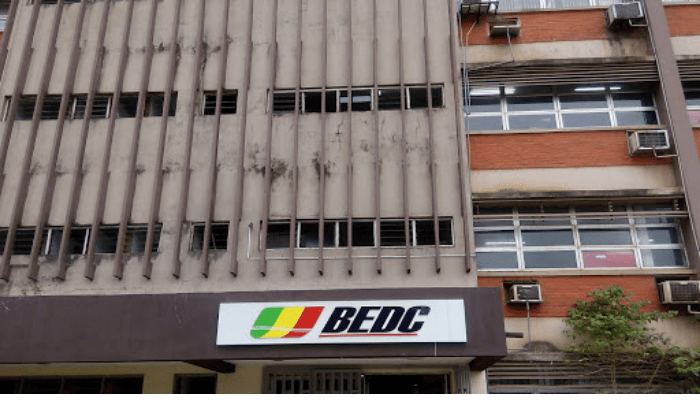
The Edo State Government has commenced moves to end bulk electricity billing across communities in the state, with the rollout
The Edo State Government has commenced moves to end bulk electricity billing across communities in the state, with the rollout of a statewide debulking exercise aimed at transitioning consumers to individual accounts and, ultimately, individual metering. Paul Usenbo, the state Commissioner for Power, disclosed this at a stakeholders’ engagement in Benin, where he described metering as central to achieving fair, efficient and sustainable electricity consumption. Usenbo said individual metering would enable electricity consumers to monitor and control their consumption while ensuring that service providers receive appropriate remuneration for electricity supplied. According to him, the current bulk billing arrangement in many communities makes it difficult to accurately determine individual electricity consumption and establish a direct relationship between customers and the Benin Electricity Distribution Company (BEDC). “The reason for this exercise is to create room for accountability, transparency and, most importantly, sustainability. “Metering is the heart of ensuring that people can get efficient and accountable power usage, while at the same time ensuring that service providers and operators get their right remuneration,” he stated. He explained that the debulking exercise would involve the enumeration and validation of electricity consumers, creation of individual customer accounts and eventual deployment of meters to eligible consumers. The commissioner said the initiative would cover the 18 local government areas and three senatorial districts of Edo State, stressing that its success would depend largely on the cooperation of residents, community leaders, BEDC, local government councils, regulatory agencies and other stakeholders. He said the state government would coordinate the process, facilitate engagement among stakeholders and intervene in issues within its mandate, while BEDC would be responsible for critical aspects of customer enumeration, validation and account creation. Read also: High transport, food costs eroding economic reform gains for Nigerian households, World Bank warns Usenbo added that the Edo State Metering Programme, in partnership with its private-sector partners, would provide a pathway for eligible customers and communities to participate in the metering initiative. He urged residents and community leaders to provide accurate information, cooperate with enumeration teams and raise legitimate concerns to ensure that the exercise was conducted transparently. “Our communities are central to the success of this initiative,” he said, assuring residents that the government would protect their interests while demanding transparency, professionalism and accountability from all stakeholders. Speaking at the event, Shittu Shaibu, Chairman of the Edo State Electricity Regulatory Commission (ESERC), urged electricity providers to make power available to their customers and called on consumers to allow their homes to be metered. Also speaking, Henry Dafe Onovwaka, Acting Chief Executive Officer of BEDC Subco, a state-level subsidiary established by the Benin Electricity Distribution Company, said the company was prepared to support communities willing to migrate from bulk billing to individual metering. Onovwaka pledged that the company would provide the necessary prepaid meters to communities that were ready to participate in the transition. Related News Lagos State Sports Commission partners Real Estate Games 2026 Exclusive: Why Moove is exiting Nigeria after building 42,000-vehicle global fleet, Co-founder Insurance recapitalisation raises bar for stronger industry Share
Paul Usenbo, the state Commissioner for Power, disclosed this at a stakeholders’ engagement in Benin, where he described metering as central to achieving fair, efficient and sustainable electricity consumption. Usenbo said individual metering would enable electricity consumers to monitor and control their consumption while ensuring that service providers receive appropriate remuneration for electricity supplied. According to him, the current bulk billing arrangement in many communities makes it difficult to accurately determine individual electricity consumption and establish a direct relationship between customers and the Benin Electricity Distribution Company (BEDC). “The reason for this exercise is to create room for accountability, transparency and, most importantly, sustainability. “Metering is the heart of ensuring that people can get efficient and accountable power usage, while at the same time ensuring that service providers and operators get their right remuneration,” he stated. He explained that the debulking exercise would involve the enumeration and validation of electricity consumers, creation of individual customer accounts and eventual deployment of meters to eligible consumers. The commissioner said the initiative would cover the 18 local government areas and three senatorial districts of Edo State, stressing that its success would depend largely on the cooperation of residents, community leaders, BEDC, local government councils, regulatory agencies and other stakeholders. He said the state government would coordinate the process, facilitate engagement among stakeholders and intervene in issues within its mandate, while BEDC would be responsible for critical aspects of customer enumeration, validation and account creation. Read also: High transport, food costs eroding economic reform gains for Nigerian households, World Bank warns Usenbo added that the Edo State Metering Programme, in partnership with its private-sector partners, would provide a pathway for eligible customers and communities to participate in the metering initiative. He urged residents and community leaders to provide accurate information, cooperate with enumeration teams and raise legitimate concerns to ensure that the exercise was conducted transparently. “Our communities are central to the success of this initiative,” he said, assuring residents that the government would protect their interests while demanding transparency, professionalism and accountability from all stakeholders. Speaking at the event, Shittu Shaibu, Chairman of the Edo State Electricity Regulatory Commission (ESERC), urged electricity providers to make power available to their customers and called on consumers to allow their homes to be metered. Also speaking, Henry Dafe Onovwaka, Acting Chief Executive Officer of BEDC Subco, a state-level subsidiary established by the Benin Electricity Distribution Company, said the company was prepared to support communities willing to migrate from bulk billing to individual metering. Onovwaka pledged that the company would provide the necessary prepaid meters to communities that were ready to participate in the transition. Related News Lagos State Sports Commission partners Real Estate Games 2026 Exclusive: Why Moove is exiting Nigeria after building 42,000-vehicle global fleet, Co-founder Insurance recapitalisation raises bar for stronger industry Share
Usenbo said individual metering would enable electricity consumers to monitor and control their consumption while ensuring that service providers receive appropriate remuneration for electricity supplied. According to him, the current bulk billing arrangement in many communities makes it difficult to accurately determine individual electricity consumption and establish a direct relationship between customers and the Benin Electricity Distribution Company (BEDC). “The reason for this exercise is to create room for accountability, transparency and, most importantly, sustainability. “Metering is the heart of ensuring that people can get efficient and accountable power usage, while at the same time ensuring that service providers and operators get their right remuneration,” he stated. He explained that the debulking exercise would involve the enumeration and validation of electricity consumers, creation of individual customer accounts and eventual deployment of meters to eligible consumers. The commissioner said the initiative would cover the 18 local government areas and three senatorial districts of Edo State, stressing that its success would depend largely on the cooperation of residents, community leaders, BEDC, local government councils, regulatory agencies and other stakeholders. He said the state government would coordinate the process, facilitate engagement among stakeholders and intervene in issues within its mandate, while BEDC would be responsible for critical aspects of customer enumeration, validation and account creation. Read also: High transport, food costs eroding economic reform gains for Nigerian households, World Bank warns Usenbo added that the Edo State Metering Programme, in partnership with its private-sector partners, would provide a pathway for eligible customers and communities to participate in the metering initiative. He urged residents and community leaders to provide accurate information, cooperate with enumeration teams and raise legitimate concerns to ensure that the exercise was conducted transparently. “Our communities are central to the success of this initiative,” he said, assuring residents that the government would protect their interests while demanding transparency, professionalism and accountability from all stakeholders. Speaking at the event, Shittu Shaibu, Chairman of the Edo State Electricity Regulatory Commission (ESERC), urged electricity providers to make power available to their customers and called on consumers to allow their homes to be metered. Also speaking, Henry Dafe Onovwaka, Acting Chief Executive Officer of BEDC Subco, a state-level subsidiary established by the Benin Electricity Distribution Company, said the company was prepared to support communities willing to migrate from bulk billing to individual metering. Onovwaka pledged that the company would provide the necessary prepaid meters to communities that were ready to participate in the transition. Related News Lagos State Sports Commission partners Real Estate Games 2026 Exclusive: Why Moove is exiting Nigeria after building 42,000-vehicle global fleet, Co-founder Insurance recapitalisation raises bar for stronger industry Share
According to him, the current bulk billing arrangement in many communities makes it difficult to accurately determine individual electricity consumption and establish a direct relationship between customers and the Benin Electricity Distribution Company (BEDC). “The reason for this exercise is to create room for accountability, transparency and, most importantly, sustainability. “Metering is the heart of ensuring that people can get efficient and accountable power usage, while at the same time ensuring that service providers and operators get their right remuneration,” he stated. He explained that the debulking exercise would involve the enumeration and validation of electricity consumers, creation of individual customer accounts and eventual deployment of meters to eligible consumers. The commissioner said the initiative would cover the 18 local government areas and three senatorial districts of Edo State, stressing that its success would depend largely on the cooperation of residents, community leaders, BEDC, local government councils, regulatory agencies and other stakeholders. He said the state government would coordinate the process, facilitate engagement among stakeholders and intervene in issues within its mandate, while BEDC would be responsible for critical aspects of customer enumeration, validation and account creation. Read also: High transport, food costs eroding economic reform gains for Nigerian households, World Bank warns Usenbo added that the Edo State Metering Programme, in partnership with its private-sector partners, would provide a pathway for eligible customers and communities to participate in the metering initiative. He urged residents and community leaders to provide accurate information, cooperate with enumeration teams and raise legitimate concerns to ensure that the exercise was conducted transparently. “Our communities are central to the success of this initiative,” he said, assuring residents that the government would protect their interests while demanding transparency, professionalism and accountability from all stakeholders. Speaking at the event, Shittu Shaibu, Chairman of the Edo State Electricity Regulatory Commission (ESERC), urged electricity providers to make power available to their customers and called on consumers to allow their homes to be metered. Also speaking, Henry Dafe Onovwaka, Acting Chief Executive Officer of BEDC Subco, a state-level subsidiary established by the Benin Electricity Distribution Company, said the company was prepared to support communities willing to migrate from bulk billing to individual metering. Onovwaka pledged that the company would provide the necessary prepaid meters to communities that were ready to participate in the transition. Related News Lagos State Sports Commission partners Real Estate Games 2026 Exclusive: Why Moove is exiting Nigeria after building 42,000-vehicle global fleet, Co-founder Insurance recapitalisation raises bar for stronger industry Share
“The reason for this exercise is to create room for accountability, transparency and, most importantly, sustainability. “Metering is the heart of ensuring that people can get efficient and accountable power usage, while at the same time ensuring that service providers and operators get their right remuneration,” he stated. He explained that the debulking exercise would involve the enumeration and validation of electricity consumers, creation of individual customer accounts and eventual deployment of meters to eligible consumers. The commissioner said the initiative would cover the 18 local government areas and three senatorial districts of Edo State, stressing that its success would depend largely on the cooperation of residents, community leaders, BEDC, local government councils, regulatory agencies and other stakeholders. He said the state government would coordinate the process, facilitate engagement among stakeholders and intervene in issues within its mandate, while BEDC would be responsible for critical aspects of customer enumeration, validation and account creation. Read also: High transport, food costs eroding economic reform gains for Nigerian households, World Bank warns Usenbo added that the Edo State Metering Programme, in partnership with its private-sector partners, would provide a pathway for eligible customers and communities to participate in the metering initiative. He urged residents and community leaders to provide accurate information, cooperate with enumeration teams and raise legitimate concerns to ensure that the exercise was conducted transparently. “Our communities are central to the success of this initiative,” he said, assuring residents that the government would protect their interests while demanding transparency, professionalism and accountability from all stakeholders. Speaking at the event, Shittu Shaibu, Chairman of the Edo State Electricity Regulatory Commission (ESERC), urged electricity providers to make power available to their customers and called on consumers to allow their homes to be metered. Also speaking, Henry Dafe Onovwaka, Acting Chief Executive Officer of BEDC Subco, a state-level subsidiary established by the Benin Electricity Distribution Company, said the company was prepared to support communities willing to migrate from bulk billing to individual metering. Onovwaka pledged that the company would provide the necessary prepaid meters to communities that were ready to participate in the transition. Related News Lagos State Sports Commission partners Real Estate Games 2026 Exclusive: Why Moove is exiting Nigeria after building 42,000-vehicle global fleet, Co-founder Insurance recapitalisation raises bar for stronger industry Share
“Metering is the heart of ensuring that people can get efficient and accountable power usage, while at the same time ensuring that service providers and operators get their right remuneration,” he stated. He explained that the debulking exercise would involve the enumeration and validation of electricity consumers, creation of individual customer accounts and eventual deployment of meters to eligible consumers. The commissioner said the initiative would cover the 18 local government areas and three senatorial districts of Edo State, stressing that its success would depend largely on the cooperation of residents, community leaders, BEDC, local government councils, regulatory agencies and other stakeholders. He said the state government would coordinate the process, facilitate engagement among stakeholders and intervene in issues within its mandate, while BEDC would be responsible for critical aspects of customer enumeration, validation and account creation. Read also: High transport, food costs eroding economic reform gains for Nigerian households, World Bank warns Usenbo added that the Edo State Metering Programme, in partnership with its private-sector partners, would provide a pathway for eligible customers and communities to participate in the metering initiative. He urged residents and community leaders to provide accurate information, cooperate with enumeration teams and raise legitimate concerns to ensure that the exercise was conducted transparently. “Our communities are central to the success of this initiative,” he said, assuring residents that the government would protect their interests while demanding transparency, professionalism and accountability from all stakeholders. Speaking at the event, Shittu Shaibu, Chairman of the Edo State Electricity Regulatory Commission (ESERC), urged electricity providers to make power available to their customers and called on consumers to allow their homes to be metered. Also speaking, Henry Dafe Onovwaka, Acting Chief Executive Officer of BEDC Subco, a state-level subsidiary established by the Benin Electricity Distribution Company, said the company was prepared to support communities willing to migrate from bulk billing to individual metering. Onovwaka pledged that the company would provide the necessary prepaid meters to communities that were ready to participate in the transition. Related News Lagos State Sports Commission partners Real Estate Games 2026 Exclusive: Why Moove is exiting Nigeria after building 42,000-vehicle global fleet, Co-founder Insurance recapitalisation raises bar for stronger industry Share
He explained that the debulking exercise would involve the enumeration and validation of electricity consumers, creation of individual customer accounts and eventual deployment of meters to eligible consumers. The commissioner said the initiative would cover the 18 local government areas and three senatorial districts of Edo State, stressing that its success would depend largely on the cooperation of residents, community leaders, BEDC, local government councils, regulatory agencies and other stakeholders. He said the state government would coordinate the process, facilitate engagement among stakeholders and intervene in issues within its mandate, while BEDC would be responsible for critical aspects of customer enumeration, validation and account creation. Read also: High transport, food costs eroding economic reform gains for Nigerian households, World Bank warns Usenbo added that the Edo State Metering Programme, in partnership with its private-sector partners, would provide a pathway for eligible customers and communities to participate in the metering initiative. He urged residents and community leaders to provide accurate information, cooperate with enumeration teams and raise legitimate concerns to ensure that the exercise was conducted transparently. “Our communities are central to the success of this initiative,” he said, assuring residents that the government would protect their interests while demanding transparency, professionalism and accountability from all stakeholders. Speaking at the event, Shittu Shaibu, Chairman of the Edo State Electricity Regulatory Commission (ESERC), urged electricity providers to make power available to their customers and called on consumers to allow their homes to be metered. Also speaking, Henry Dafe Onovwaka, Acting Chief Executive Officer of BEDC Subco, a state-level subsidiary established by the Benin Electricity Distribution Company, said the company was prepared to support communities willing to migrate from bulk billing to individual metering. Onovwaka pledged that the company would provide the necessary prepaid meters to communities that were ready to participate in the transition. Related News Lagos State Sports Commission partners Real Estate Games 2026 Exclusive: Why Moove is exiting Nigeria after building 42,000-vehicle global fleet, Co-founder Insurance recapitalisation raises bar for stronger industry Share
The commissioner said the initiative would cover the 18 local government areas and three senatorial districts of Edo State, stressing that its success would depend largely on the cooperation of residents, community leaders, BEDC, local government councils, regulatory agencies and other stakeholders. He said the state government would coordinate the process, facilitate engagement among stakeholders and intervene in issues within its mandate, while BEDC would be responsible for critical aspects of customer enumeration, validation and account creation. Read also: High transport, food costs eroding economic reform gains for Nigerian households, World Bank warns Usenbo added that the Edo State Metering Programme, in partnership with its private-sector partners, would provide a pathway for eligible customers and communities to participate in the metering initiative. He urged residents and community leaders to provide accurate information, cooperate with enumeration teams and raise legitimate concerns to ensure that the exercise was conducted transparently. “Our communities are central to the success of this initiative,” he said, assuring residents that the government would protect their interests while demanding transparency, professionalism and accountability from all stakeholders. Speaking at the event, Shittu Shaibu, Chairman of the Edo State Electricity Regulatory Commission (ESERC), urged electricity providers to make power available to their customers and called on consumers to allow their homes to be metered. Also speaking, Henry Dafe Onovwaka, Acting Chief Executive Officer of BEDC Subco, a state-level subsidiary established by the Benin Electricity Distribution Company, said the company was prepared to support communities willing to migrate from bulk billing to individual metering. Onovwaka pledged that the company would provide the necessary prepaid meters to communities that were ready to participate in the transition. Related News Lagos State Sports Commission partners Real Estate Games 2026 Exclusive: Why Moove is exiting Nigeria after building 42,000-vehicle global fleet, Co-founder Insurance recapitalisation raises bar for stronger industry Share
He said the state government would coordinate the process, facilitate engagement among stakeholders and intervene in issues within its mandate, while BEDC would be responsible for critical aspects of customer enumeration, validation and account creation. Read also: High transport, food costs eroding economic reform gains for Nigerian households, World Bank warns Usenbo added that the Edo State Metering Programme, in partnership with its private-sector partners, would provide a pathway for eligible customers and communities to participate in the metering initiative. He urged residents and community leaders to provide accurate information, cooperate with enumeration teams and raise legitimate concerns to ensure that the exercise was conducted transparently. “Our communities are central to the success of this initiative,” he said, assuring residents that the government would protect their interests while demanding transparency, professionalism and accountability from all stakeholders. Speaking at the event, Shittu Shaibu, Chairman of the Edo State Electricity Regulatory Commission (ESERC), urged electricity providers to make power available to their customers and called on consumers to allow their homes to be metered. Also speaking, Henry Dafe Onovwaka, Acting Chief Executive Officer of BEDC Subco, a state-level subsidiary established by the Benin Electricity Distribution Company, said the company was prepared to support communities willing to migrate from bulk billing to individual metering. Onovwaka pledged that the company would provide the necessary prepaid meters to communities that were ready to participate in the transition. Related News Lagos State Sports Commission partners Real Estate Games 2026 Exclusive: Why Moove is exiting Nigeria after building 42,000-vehicle global fleet, Co-founder Insurance recapitalisation raises bar for stronger industry Share
Read also: High transport, food costs eroding economic reform gains for Nigerian households, World Bank warns Usenbo added that the Edo State Metering Programme, in partnership with its private-sector partners, would provide a pathway for eligible customers and communities to participate in the metering initiative. He urged residents and community leaders to provide accurate information, cooperate with enumeration teams and raise legitimate concerns to ensure that the exercise was conducted transparently. “Our communities are central to the success of this initiative,” he said, assuring residents that the government would protect their interests while demanding transparency, professionalism and accountability from all stakeholders. Speaking at the event, Shittu Shaibu, Chairman of the Edo State Electricity Regulatory Commission (ESERC), urged electricity providers to make power available to their customers and called on consumers to allow their homes to be metered. Also speaking, Henry Dafe Onovwaka, Acting Chief Executive Officer of BEDC Subco, a state-level subsidiary established by the Benin Electricity Distribution Company, said the company was prepared to support communities willing to migrate from bulk billing to individual metering. Onovwaka pledged that the company would provide the necessary prepaid meters to communities that were ready to participate in the transition. Related News Lagos State Sports Commission partners Real Estate Games 2026 Exclusive: Why Moove is exiting Nigeria after building 42,000-vehicle global fleet, Co-founder Insurance recapitalisation raises bar for stronger industry Share
Usenbo added that the Edo State Metering Programme, in partnership with its private-sector partners, would provide a pathway for eligible customers and communities to participate in the metering initiative. He urged residents and community leaders to provide accurate information, cooperate with enumeration teams and raise legitimate concerns to ensure that the exercise was conducted transparently. “Our communities are central to the success of this initiative,” he said, assuring residents that the government would protect their interests while demanding transparency, professionalism and accountability from all stakeholders. Speaking at the event, Shittu Shaibu, Chairman of the Edo State Electricity Regulatory Commission (ESERC), urged electricity providers to make power available to their customers and called on consumers to allow their homes to be metered. Also speaking, Henry Dafe Onovwaka, Acting Chief Executive Officer of BEDC Subco, a state-level subsidiary established by the Benin Electricity Distribution Company, said the company was prepared to support communities willing to migrate from bulk billing to individual metering. Onovwaka pledged that the company would provide the necessary prepaid meters to communities that were ready to participate in the transition. Related News Lagos State Sports Commission partners Real Estate Games 2026 Exclusive: Why Moove is exiting Nigeria after building 42,000-vehicle global fleet, Co-founder Insurance recapitalisation raises bar for stronger industry Share
He urged residents and community leaders to provide accurate information, cooperate with enumeration teams and raise legitimate concerns to ensure that the exercise was conducted transparently. “Our communities are central to the success of this initiative,” he said, assuring residents that the government would protect their interests while demanding transparency, professionalism and accountability from all stakeholders. Speaking at the event, Shittu Shaibu, Chairman of the Edo State Electricity Regulatory Commission (ESERC), urged electricity providers to make power available to their customers and called on consumers to allow their homes to be metered. Also speaking, Henry Dafe Onovwaka, Acting Chief Executive Officer of BEDC Subco, a state-level subsidiary established by the Benin Electricity Distribution Company, said the company was prepared to support communities willing to migrate from bulk billing to individual metering. Onovwaka pledged that the company would provide the necessary prepaid meters to communities that were ready to participate in the transition. Related News Lagos State Sports Commission partners Real Estate Games 2026 Exclusive: Why Moove is exiting Nigeria after building 42,000-vehicle global fleet, Co-founder Insurance recapitalisation raises bar for stronger industry Share
“Our communities are central to the success of this initiative,” he said, assuring residents that the government would protect their interests while demanding transparency, professionalism and accountability from all stakeholders. Speaking at the event, Shittu Shaibu, Chairman of the Edo State Electricity Regulatory Commission (ESERC), urged electricity providers to make power available to their customers and called on consumers to allow their homes to be metered. Also speaking, Henry Dafe Onovwaka, Acting Chief Executive Officer of BEDC Subco, a state-level subsidiary established by the Benin Electricity Distribution Company, said the company was prepared to support communities willing to migrate from bulk billing to individual metering. Onovwaka pledged that the company would provide the necessary prepaid meters to communities that were ready to participate in the transition. Related News Lagos State Sports Commission partners Real Estate Games 2026 Exclusive: Why Moove is exiting Nigeria after building 42,000-vehicle global fleet, Co-founder Insurance recapitalisation raises bar for stronger industry Share
Speaking at the event, Shittu Shaibu, Chairman of the Edo State Electricity Regulatory Commission (ESERC), urged electricity providers to make power available to their customers and called on consumers to allow their homes to be metered. Also speaking, Henry Dafe Onovwaka, Acting Chief Executive Officer of BEDC Subco, a state-level subsidiary established by the Benin Electricity Distribution Company, said the company was prepared to support communities willing to migrate from bulk billing to individual metering. Onovwaka pledged that the company would provide the necessary prepaid meters to communities that were ready to participate in the transition. Related News Lagos State Sports Commission partners Real Estate Games 2026 Exclusive: Why Moove is exiting Nigeria after building 42,000-vehicle global fleet, Co-founder Insurance recapitalisation raises bar for stronger industry Share
Also speaking, Henry Dafe Onovwaka, Acting Chief Executive Officer of BEDC Subco, a state-level subsidiary established by the Benin Electricity Distribution Company, said the company was prepared to support communities willing to migrate from bulk billing to individual metering. Onovwaka pledged that the company would provide the necessary prepaid meters to communities that were ready to participate in the transition. Related News Lagos State Sports Commission partners Real Estate Games 2026 Exclusive: Why Moove is exiting Nigeria after building 42,000-vehicle global fleet, Co-founder Insurance recapitalisation raises bar for stronger industry Share
Onovwaka pledged that the company would provide the necessary prepaid meters to communities that were ready to participate in the transition. Related News Lagos State Sports Commission partners Real Estate Games 2026 Exclusive: Why Moove is exiting Nigeria after building 42,000-vehicle global fleet, Co-founder Insurance recapitalisation raises bar for stronger industry Share