Nigeria’s fuel subsidy is gone, but its legacy is still absorbing oil gains
Nigeria’s government says it is no longer subsidising petrol, yet the financial legacy of the old subsidy regime is still
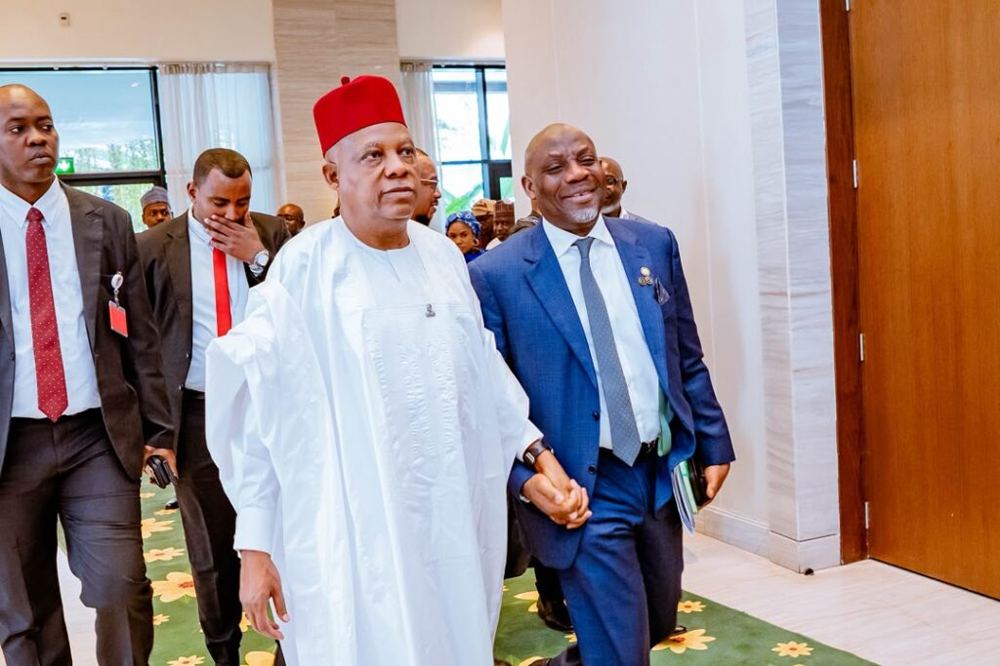
Nigeria’s government says it is no longer subsidising petrol, yet the financial legacy of the old subsidy regime is still limiting how much the country can gain from higher crude oil prices, according to Taiwo Oyedele, the minister of finance and coordinating minister of the economy. Speaking on Thursday at a Federal Ministry of Finance briefing on fuel prices and the subsidy question, Oyedele said some crude oil had been committed to borrowing arrangements during the subsidy era, leaving the government without access to all the crude it would otherwise have available today. “Legacy crude commitment from the subsidy era absorbs much of the gain,” Oyedele said. His comments came as the Federal Government announced a separate 30-day petrol discount on fuel sold by the Nigerian National Petroleum Company Limited, initially prioritising public transporters nationwide. Oyedele said the arrangement should not be interpreted as a return to the subsidy regime because the government would sell the petrol at cost. “It’s not a subsidy, the government is just saying we sell to you at cost,” he said. The combination creates a more complicated picture of Nigeria’s post-subsidy oil economy. The government has removed the direct fiscal burden of keeping petrol artificially cheap, but some of the financing commitments created under that system continue to affect how much oil revenue can flow freely into government coffers. Higher oil prices are not translating one-for-one into revenue Oyedele said the recent increase in international crude prices should not be treated as an automatic windfall for Nigeria. Government revenue from oil depends on both the price received and the volume produced. If the price rises while production falls short of projections, the fiscal benefit can be much smaller than the headline oil price suggests. “The impact of higher crude prices is mixed. On one hand it supports the budget and federation revenue, but production is below forecast,” Oyedele said. He added that some of the expected benefit was being absorbed by legacy crude commitments made during the subsidy period. “We don’t have all the free crude that we should have because some of them were committed to borrow, so we could subsidise consumption before the reforms,” he said. That is significant because it means the fiscal effects of subsidy removal cannot be assessed simply by comparing the pump price before and after the reform. The reform changed not only what motorists pay, but also how the government finances fuel consumption and manages its oil resources. The Federal Government has previously said the removal of petrol subsidy mobilised N15.8 trillion for the Federation between June 2023 and December 2025, with about N5.4 trillion accruing to the Federal Government and N10.4 trillion shared by states and local governments. The price shock has shifted from government to households The fiscal gain, however, has come with a large adjustment for consumers. Oyedele acknowledged that higher petrol prices have increased costs for households and businesses through transport and logistics. “At the same time, households and businesses face higher fuel prices, transport and logistics costs, and the burden falls hardest on the most vulnerable,” he said. The minister’s argument is that retaining the old subsidy would not have eliminated the underlying cost. Instead, the government would have continued absorbing the difference between the economic cost of petrol and the price paid at the pump. He pointed to Zambia’s recent experience, where temporary relief on fuel prices was withdrawn and pump prices subsequently rose 24 percent in a single adjustment. “Relief that cannot be sustained does not remove the pain,” Oyedele said. “It postpones it, and then delivers it all at once.” That argument captures the government’s central defence of the reform: the choice is not between expensive petrol and permanently cheap petrol, but between exposing consumers to market prices now or continuing to place the difference on public finances. The 30-day discount raises a different question The new 30-day arrangement nevertheless introduces a temporary intervention into a market the government says should operate without subsidy. The distinction between a subsidy and a discount therefore matters. If NNPC sells petrol at cost during the programme, as Oyedele said, the key question is who bears the cost of the discount and how the arrangement is financed. That question will determine whether the intervention is simply a temporary commercial pricing measure or whether part of the fiscal burden is being shifted elsewhere in the petroleum value chain. The government’s own explanation also points to the longer-term challenge. Subsidy removal has created fiscal space, but the legacy of the old system has not disappeared with the policy itself. Nigeria is now trying to capture the benefits of higher oil prices while carrying fewer of the fiscal obligations that once supported cheap petrol. Yet some of those obligations, according to the finance minister, are still consuming part of the country’s potential oil gains. That leaves the real test of the reform beyond the pump price: whether Nigeria can convert the fiscal space created by subsidy removal into higher production, stronger public finances and cheaper energy over time, while ensuring that temporary relief does not recreate the fiscal pressures the reform was designed to remove. Related News NFF silent as FIFA cites wrong email in DR Congo player eligibility dispute Nigeria’s 23% policy rate does not tell the whole money-market story Global bond sell-off puts Nigeria’s Eurobond refinancing under pressure Oluwatobi Ojabello Oluwatobi Ojabello, PhD, is a dynamic and multi-dimensional Assistant Editor for Economy and Markets with over two years of professional journalism experience. He delivers authoritative, data-driven coverage of fiscal policy, financial institutions and capital markets, using clear analysis to explain Nigeria’s most complex economic developments. His work focuses on macroeconomic policy, financial stability and corporate performance, turning technical issues into accessible narratives that inform both experts and everyday readers. Share
Speaking on Thursday at a Federal Ministry of Finance briefing on fuel prices and the subsidy question, Oyedele said some crude oil had been committed to borrowing arrangements during the subsidy era, leaving the government without access to all the crude it would otherwise have available today. “Legacy crude commitment from the subsidy era absorbs much of the gain,” Oyedele said. His comments came as the Federal Government announced a separate 30-day petrol discount on fuel sold by the Nigerian National Petroleum Company Limited, initially prioritising public transporters nationwide. Oyedele said the arrangement should not be interpreted as a return to the subsidy regime because the government would sell the petrol at cost. “It’s not a subsidy, the government is just saying we sell to you at cost,” he said. The combination creates a more complicated picture of Nigeria’s post-subsidy oil economy. The government has removed the direct fiscal burden of keeping petrol artificially cheap, but some of the financing commitments created under that system continue to affect how much oil revenue can flow freely into government coffers. Higher oil prices are not translating one-for-one into revenue Oyedele said the recent increase in international crude prices should not be treated as an automatic windfall for Nigeria. Government revenue from oil depends on both the price received and the volume produced. If the price rises while production falls short of projections, the fiscal benefit can be much smaller than the headline oil price suggests. “The impact of higher crude prices is mixed. On one hand it supports the budget and federation revenue, but production is below forecast,” Oyedele said. He added that some of the expected benefit was being absorbed by legacy crude commitments made during the subsidy period. “We don’t have all the free crude that we should have because some of them were committed to borrow, so we could subsidise consumption before the reforms,” he said. That is significant because it means the fiscal effects of subsidy removal cannot be assessed simply by comparing the pump price before and after the reform. The reform changed not only what motorists pay, but also how the government finances fuel consumption and manages its oil resources. The Federal Government has previously said the removal of petrol subsidy mobilised N15.8 trillion for the Federation between June 2023 and December 2025, with about N5.4 trillion accruing to the Federal Government and N10.4 trillion shared by states and local governments. The price shock has shifted from government to households The fiscal gain, however, has come with a large adjustment for consumers. Oyedele acknowledged that higher petrol prices have increased costs for households and businesses through transport and logistics. “At the same time, households and businesses face higher fuel prices, transport and logistics costs, and the burden falls hardest on the most vulnerable,” he said. The minister’s argument is that retaining the old subsidy would not have eliminated the underlying cost. Instead, the government would have continued absorbing the difference between the economic cost of petrol and the price paid at the pump. He pointed to Zambia’s recent experience, where temporary relief on fuel prices was withdrawn and pump prices subsequently rose 24 percent in a single adjustment. “Relief that cannot be sustained does not remove the pain,” Oyedele said. “It postpones it, and then delivers it all at once.” That argument captures the government’s central defence of the reform: the choice is not between expensive petrol and permanently cheap petrol, but between exposing consumers to market prices now or continuing to place the difference on public finances. The 30-day discount raises a different question The new 30-day arrangement nevertheless introduces a temporary intervention into a market the government says should operate without subsidy. The distinction between a subsidy and a discount therefore matters. If NNPC sells petrol at cost during the programme, as Oyedele said, the key question is who bears the cost of the discount and how the arrangement is financed. That question will determine whether the intervention is simply a temporary commercial pricing measure or whether part of the fiscal burden is being shifted elsewhere in the petroleum value chain. The government’s own explanation also points to the longer-term challenge. Subsidy removal has created fiscal space, but the legacy of the old system has not disappeared with the policy itself. Nigeria is now trying to capture the benefits of higher oil prices while carrying fewer of the fiscal obligations that once supported cheap petrol. Yet some of those obligations, according to the finance minister, are still consuming part of the country’s potential oil gains. That leaves the real test of the reform beyond the pump price: whether Nigeria can convert the fiscal space created by subsidy removal into higher production, stronger public finances and cheaper energy over time, while ensuring that temporary relief does not recreate the fiscal pressures the reform was designed to remove. Related News NFF silent as FIFA cites wrong email in DR Congo player eligibility dispute Nigeria’s 23% policy rate does not tell the whole money-market story Global bond sell-off puts Nigeria’s Eurobond refinancing under pressure Oluwatobi Ojabello Oluwatobi Ojabello, PhD, is a dynamic and multi-dimensional Assistant Editor for Economy and Markets with over two years of professional journalism experience. He delivers authoritative, data-driven coverage of fiscal policy, financial institutions and capital markets, using clear analysis to explain Nigeria’s most complex economic developments. His work focuses on macroeconomic policy, financial stability and corporate performance, turning technical issues into accessible narratives that inform both experts and everyday readers. Share
His comments came as the Federal Government announced a separate 30-day petrol discount on fuel sold by the Nigerian National Petroleum Company Limited, initially prioritising public transporters nationwide. Oyedele said the arrangement should not be interpreted as a return to the subsidy regime because the government would sell the petrol at cost. “It’s not a subsidy, the government is just saying we sell to you at cost,” he said. The combination creates a more complicated picture of Nigeria’s post-subsidy oil economy. The government has removed the direct fiscal burden of keeping petrol artificially cheap, but some of the financing commitments created under that system continue to affect how much oil revenue can flow freely into government coffers. Higher oil prices are not translating one-for-one into revenue Oyedele said the recent increase in international crude prices should not be treated as an automatic windfall for Nigeria. Government revenue from oil depends on both the price received and the volume produced. If the price rises while production falls short of projections, the fiscal benefit can be much smaller than the headline oil price suggests. “The impact of higher crude prices is mixed. On one hand it supports the budget and federation revenue, but production is below forecast,” Oyedele said. He added that some of the expected benefit was being absorbed by legacy crude commitments made during the subsidy period. “We don’t have all the free crude that we should have because some of them were committed to borrow, so we could subsidise consumption before the reforms,” he said. That is significant because it means the fiscal effects of subsidy removal cannot be assessed simply by comparing the pump price before and after the reform. The reform changed not only what motorists pay, but also how the government finances fuel consumption and manages its oil resources. The Federal Government has previously said the removal of petrol subsidy mobilised N15.8 trillion for the Federation between June 2023 and December 2025, with about N5.4 trillion accruing to the Federal Government and N10.4 trillion shared by states and local governments. The price shock has shifted from government to households The fiscal gain, however, has come with a large adjustment for consumers. Oyedele acknowledged that higher petrol prices have increased costs for households and businesses through transport and logistics. “At the same time, households and businesses face higher fuel prices, transport and logistics costs, and the burden falls hardest on the most vulnerable,” he said. The minister’s argument is that retaining the old subsidy would not have eliminated the underlying cost. Instead, the government would have continued absorbing the difference between the economic cost of petrol and the price paid at the pump. He pointed to Zambia’s recent experience, where temporary relief on fuel prices was withdrawn and pump prices subsequently rose 24 percent in a single adjustment. “Relief that cannot be sustained does not remove the pain,” Oyedele said. “It postpones it, and then delivers it all at once.” That argument captures the government’s central defence of the reform: the choice is not between expensive petrol and permanently cheap petrol, but between exposing consumers to market prices now or continuing to place the difference on public finances. The 30-day discount raises a different question The new 30-day arrangement nevertheless introduces a temporary intervention into a market the government says should operate without subsidy. The distinction between a subsidy and a discount therefore matters. If NNPC sells petrol at cost during the programme, as Oyedele said, the key question is who bears the cost of the discount and how the arrangement is financed. That question will determine whether the intervention is simply a temporary commercial pricing measure or whether part of the fiscal burden is being shifted elsewhere in the petroleum value chain. The government’s own explanation also points to the longer-term challenge. Subsidy removal has created fiscal space, but the legacy of the old system has not disappeared with the policy itself. Nigeria is now trying to capture the benefits of higher oil prices while carrying fewer of the fiscal obligations that once supported cheap petrol. Yet some of those obligations, according to the finance minister, are still consuming part of the country’s potential oil gains. That leaves the real test of the reform beyond the pump price: whether Nigeria can convert the fiscal space created by subsidy removal into higher production, stronger public finances and cheaper energy over time, while ensuring that temporary relief does not recreate the fiscal pressures the reform was designed to remove. Related News NFF silent as FIFA cites wrong email in DR Congo player eligibility dispute Nigeria’s 23% policy rate does not tell the whole money-market story Global bond sell-off puts Nigeria’s Eurobond refinancing under pressure Oluwatobi Ojabello Oluwatobi Ojabello, PhD, is a dynamic and multi-dimensional Assistant Editor for Economy and Markets with over two years of professional journalism experience. He delivers authoritative, data-driven coverage of fiscal policy, financial institutions and capital markets, using clear analysis to explain Nigeria’s most complex economic developments. His work focuses on macroeconomic policy, financial stability and corporate performance, turning technical issues into accessible narratives that inform both experts and everyday readers. Share
The combination creates a more complicated picture of Nigeria’s post-subsidy oil economy. The government has removed the direct fiscal burden of keeping petrol artificially cheap, but some of the financing commitments created under that system continue to affect how much oil revenue can flow freely into government coffers. Higher oil prices are not translating one-for-one into revenue Oyedele said the recent increase in international crude prices should not be treated as an automatic windfall for Nigeria. Government revenue from oil depends on both the price received and the volume produced. If the price rises while production falls short of projections, the fiscal benefit can be much smaller than the headline oil price suggests. “The impact of higher crude prices is mixed. On one hand it supports the budget and federation revenue, but production is below forecast,” Oyedele said. He added that some of the expected benefit was being absorbed by legacy crude commitments made during the subsidy period. “We don’t have all the free crude that we should have because some of them were committed to borrow, so we could subsidise consumption before the reforms,” he said. That is significant because it means the fiscal effects of subsidy removal cannot be assessed simply by comparing the pump price before and after the reform. The reform changed not only what motorists pay, but also how the government finances fuel consumption and manages its oil resources. The Federal Government has previously said the removal of petrol subsidy mobilised N15.8 trillion for the Federation between June 2023 and December 2025, with about N5.4 trillion accruing to the Federal Government and N10.4 trillion shared by states and local governments. The price shock has shifted from government to households The fiscal gain, however, has come with a large adjustment for consumers. Oyedele acknowledged that higher petrol prices have increased costs for households and businesses through transport and logistics. “At the same time, households and businesses face higher fuel prices, transport and logistics costs, and the burden falls hardest on the most vulnerable,” he said. The minister’s argument is that retaining the old subsidy would not have eliminated the underlying cost. Instead, the government would have continued absorbing the difference between the economic cost of petrol and the price paid at the pump. He pointed to Zambia’s recent experience, where temporary relief on fuel prices was withdrawn and pump prices subsequently rose 24 percent in a single adjustment. “Relief that cannot be sustained does not remove the pain,” Oyedele said. “It postpones it, and then delivers it all at once.” That argument captures the government’s central defence of the reform: the choice is not between expensive petrol and permanently cheap petrol, but between exposing consumers to market prices now or continuing to place the difference on public finances. The 30-day discount raises a different question The new 30-day arrangement nevertheless introduces a temporary intervention into a market the government says should operate without subsidy. The distinction between a subsidy and a discount therefore matters. If NNPC sells petrol at cost during the programme, as Oyedele said, the key question is who bears the cost of the discount and how the arrangement is financed. That question will determine whether the intervention is simply a temporary commercial pricing measure or whether part of the fiscal burden is being shifted elsewhere in the petroleum value chain. The government’s own explanation also points to the longer-term challenge. Subsidy removal has created fiscal space, but the legacy of the old system has not disappeared with the policy itself. Nigeria is now trying to capture the benefits of higher oil prices while carrying fewer of the fiscal obligations that once supported cheap petrol. Yet some of those obligations, according to the finance minister, are still consuming part of the country’s potential oil gains. That leaves the real test of the reform beyond the pump price: whether Nigeria can convert the fiscal space created by subsidy removal into higher production, stronger public finances and cheaper energy over time, while ensuring that temporary relief does not recreate the fiscal pressures the reform was designed to remove. Related News NFF silent as FIFA cites wrong email in DR Congo player eligibility dispute Nigeria’s 23% policy rate does not tell the whole money-market story Global bond sell-off puts Nigeria’s Eurobond refinancing under pressure Oluwatobi Ojabello Oluwatobi Ojabello, PhD, is a dynamic and multi-dimensional Assistant Editor for Economy and Markets with over two years of professional journalism experience. He delivers authoritative, data-driven coverage of fiscal policy, financial institutions and capital markets, using clear analysis to explain Nigeria’s most complex economic developments. His work focuses on macroeconomic policy, financial stability and corporate performance, turning technical issues into accessible narratives that inform both experts and everyday readers. Share
Higher oil prices are not translating one-for-one into revenue Oyedele said the recent increase in international crude prices should not be treated as an automatic windfall for Nigeria. Government revenue from oil depends on both the price received and the volume produced. If the price rises while production falls short of projections, the fiscal benefit can be much smaller than the headline oil price suggests. “The impact of higher crude prices is mixed. On one hand it supports the budget and federation revenue, but production is below forecast,” Oyedele said. He added that some of the expected benefit was being absorbed by legacy crude commitments made during the subsidy period. “We don’t have all the free crude that we should have because some of them were committed to borrow, so we could subsidise consumption before the reforms,” he said. That is significant because it means the fiscal effects of subsidy removal cannot be assessed simply by comparing the pump price before and after the reform. The reform changed not only what motorists pay, but also how the government finances fuel consumption and manages its oil resources. The Federal Government has previously said the removal of petrol subsidy mobilised N15.8 trillion for the Federation between June 2023 and December 2025, with about N5.4 trillion accruing to the Federal Government and N10.4 trillion shared by states and local governments. The price shock has shifted from government to households The fiscal gain, however, has come with a large adjustment for consumers. Oyedele acknowledged that higher petrol prices have increased costs for households and businesses through transport and logistics. “At the same time, households and businesses face higher fuel prices, transport and logistics costs, and the burden falls hardest on the most vulnerable,” he said. The minister’s argument is that retaining the old subsidy would not have eliminated the underlying cost. Instead, the government would have continued absorbing the difference between the economic cost of petrol and the price paid at the pump. He pointed to Zambia’s recent experience, where temporary relief on fuel prices was withdrawn and pump prices subsequently rose 24 percent in a single adjustment. “Relief that cannot be sustained does not remove the pain,” Oyedele said. “It postpones it, and then delivers it all at once.” That argument captures the government’s central defence of the reform: the choice is not between expensive petrol and permanently cheap petrol, but between exposing consumers to market prices now or continuing to place the difference on public finances. The 30-day discount raises a different question The new 30-day arrangement nevertheless introduces a temporary intervention into a market the government says should operate without subsidy. The distinction between a subsidy and a discount therefore matters. If NNPC sells petrol at cost during the programme, as Oyedele said, the key question is who bears the cost of the discount and how the arrangement is financed. That question will determine whether the intervention is simply a temporary commercial pricing measure or whether part of the fiscal burden is being shifted elsewhere in the petroleum value chain. The government’s own explanation also points to the longer-term challenge. Subsidy removal has created fiscal space, but the legacy of the old system has not disappeared with the policy itself. Nigeria is now trying to capture the benefits of higher oil prices while carrying fewer of the fiscal obligations that once supported cheap petrol. Yet some of those obligations, according to the finance minister, are still consuming part of the country’s potential oil gains. That leaves the real test of the reform beyond the pump price: whether Nigeria can convert the fiscal space created by subsidy removal into higher production, stronger public finances and cheaper energy over time, while ensuring that temporary relief does not recreate the fiscal pressures the reform was designed to remove. Related News NFF silent as FIFA cites wrong email in DR Congo player eligibility dispute Nigeria’s 23% policy rate does not tell the whole money-market story Global bond sell-off puts Nigeria’s Eurobond refinancing under pressure Oluwatobi Ojabello Oluwatobi Ojabello, PhD, is a dynamic and multi-dimensional Assistant Editor for Economy and Markets with over two years of professional journalism experience. He delivers authoritative, data-driven coverage of fiscal policy, financial institutions and capital markets, using clear analysis to explain Nigeria’s most complex economic developments. His work focuses on macroeconomic policy, financial stability and corporate performance, turning technical issues into accessible narratives that inform both experts and everyday readers. Share
Oyedele said the recent increase in international crude prices should not be treated as an automatic windfall for Nigeria. Government revenue from oil depends on both the price received and the volume produced. If the price rises while production falls short of projections, the fiscal benefit can be much smaller than the headline oil price suggests. “The impact of higher crude prices is mixed. On one hand it supports the budget and federation revenue, but production is below forecast,” Oyedele said. He added that some of the expected benefit was being absorbed by legacy crude commitments made during the subsidy period. “We don’t have all the free crude that we should have because some of them were committed to borrow, so we could subsidise consumption before the reforms,” he said. That is significant because it means the fiscal effects of subsidy removal cannot be assessed simply by comparing the pump price before and after the reform. The reform changed not only what motorists pay, but also how the government finances fuel consumption and manages its oil resources. The Federal Government has previously said the removal of petrol subsidy mobilised N15.8 trillion for the Federation between June 2023 and December 2025, with about N5.4 trillion accruing to the Federal Government and N10.4 trillion shared by states and local governments. The price shock has shifted from government to households The fiscal gain, however, has come with a large adjustment for consumers. Oyedele acknowledged that higher petrol prices have increased costs for households and businesses through transport and logistics. “At the same time, households and businesses face higher fuel prices, transport and logistics costs, and the burden falls hardest on the most vulnerable,” he said. The minister’s argument is that retaining the old subsidy would not have eliminated the underlying cost. Instead, the government would have continued absorbing the difference between the economic cost of petrol and the price paid at the pump. He pointed to Zambia’s recent experience, where temporary relief on fuel prices was withdrawn and pump prices subsequently rose 24 percent in a single adjustment. “Relief that cannot be sustained does not remove the pain,” Oyedele said. “It postpones it, and then delivers it all at once.” That argument captures the government’s central defence of the reform: the choice is not between expensive petrol and permanently cheap petrol, but between exposing consumers to market prices now or continuing to place the difference on public finances. The 30-day discount raises a different question The new 30-day arrangement nevertheless introduces a temporary intervention into a market the government says should operate without subsidy. The distinction between a subsidy and a discount therefore matters. If NNPC sells petrol at cost during the programme, as Oyedele said, the key question is who bears the cost of the discount and how the arrangement is financed. That question will determine whether the intervention is simply a temporary commercial pricing measure or whether part of the fiscal burden is being shifted elsewhere in the petroleum value chain. The government’s own explanation also points to the longer-term challenge. Subsidy removal has created fiscal space, but the legacy of the old system has not disappeared with the policy itself. Nigeria is now trying to capture the benefits of higher oil prices while carrying fewer of the fiscal obligations that once supported cheap petrol. Yet some of those obligations, according to the finance minister, are still consuming part of the country’s potential oil gains. That leaves the real test of the reform beyond the pump price: whether Nigeria can convert the fiscal space created by subsidy removal into higher production, stronger public finances and cheaper energy over time, while ensuring that temporary relief does not recreate the fiscal pressures the reform was designed to remove. Related News NFF silent as FIFA cites wrong email in DR Congo player eligibility dispute Nigeria’s 23% policy rate does not tell the whole money-market story Global bond sell-off puts Nigeria’s Eurobond refinancing under pressure Oluwatobi Ojabello Oluwatobi Ojabello, PhD, is a dynamic and multi-dimensional Assistant Editor for Economy and Markets with over two years of professional journalism experience. He delivers authoritative, data-driven coverage of fiscal policy, financial institutions and capital markets, using clear analysis to explain Nigeria’s most complex economic developments. His work focuses on macroeconomic policy, financial stability and corporate performance, turning technical issues into accessible narratives that inform both experts and everyday readers. Share
“The impact of higher crude prices is mixed. On one hand it supports the budget and federation revenue, but production is below forecast,” Oyedele said. He added that some of the expected benefit was being absorbed by legacy crude commitments made during the subsidy period. “We don’t have all the free crude that we should have because some of them were committed to borrow, so we could subsidise consumption before the reforms,” he said. That is significant because it means the fiscal effects of subsidy removal cannot be assessed simply by comparing the pump price before and after the reform. The reform changed not only what motorists pay, but also how the government finances fuel consumption and manages its oil resources. The Federal Government has previously said the removal of petrol subsidy mobilised N15.8 trillion for the Federation between June 2023 and December 2025, with about N5.4 trillion accruing to the Federal Government and N10.4 trillion shared by states and local governments. The price shock has shifted from government to households The fiscal gain, however, has come with a large adjustment for consumers. Oyedele acknowledged that higher petrol prices have increased costs for households and businesses through transport and logistics. “At the same time, households and businesses face higher fuel prices, transport and logistics costs, and the burden falls hardest on the most vulnerable,” he said. The minister’s argument is that retaining the old subsidy would not have eliminated the underlying cost. Instead, the government would have continued absorbing the difference between the economic cost of petrol and the price paid at the pump. He pointed to Zambia’s recent experience, where temporary relief on fuel prices was withdrawn and pump prices subsequently rose 24 percent in a single adjustment. “Relief that cannot be sustained does not remove the pain,” Oyedele said. “It postpones it, and then delivers it all at once.” That argument captures the government’s central defence of the reform: the choice is not between expensive petrol and permanently cheap petrol, but between exposing consumers to market prices now or continuing to place the difference on public finances. The 30-day discount raises a different question The new 30-day arrangement nevertheless introduces a temporary intervention into a market the government says should operate without subsidy. The distinction between a subsidy and a discount therefore matters. If NNPC sells petrol at cost during the programme, as Oyedele said, the key question is who bears the cost of the discount and how the arrangement is financed. That question will determine whether the intervention is simply a temporary commercial pricing measure or whether part of the fiscal burden is being shifted elsewhere in the petroleum value chain. The government’s own explanation also points to the longer-term challenge. Subsidy removal has created fiscal space, but the legacy of the old system has not disappeared with the policy itself. Nigeria is now trying to capture the benefits of higher oil prices while carrying fewer of the fiscal obligations that once supported cheap petrol. Yet some of those obligations, according to the finance minister, are still consuming part of the country’s potential oil gains. That leaves the real test of the reform beyond the pump price: whether Nigeria can convert the fiscal space created by subsidy removal into higher production, stronger public finances and cheaper energy over time, while ensuring that temporary relief does not recreate the fiscal pressures the reform was designed to remove. Related News NFF silent as FIFA cites wrong email in DR Congo player eligibility dispute Nigeria’s 23% policy rate does not tell the whole money-market story Global bond sell-off puts Nigeria’s Eurobond refinancing under pressure Oluwatobi Ojabello Oluwatobi Ojabello, PhD, is a dynamic and multi-dimensional Assistant Editor for Economy and Markets with over two years of professional journalism experience. He delivers authoritative, data-driven coverage of fiscal policy, financial institutions and capital markets, using clear analysis to explain Nigeria’s most complex economic developments. His work focuses on macroeconomic policy, financial stability and corporate performance, turning technical issues into accessible narratives that inform both experts and everyday readers. Share
That is significant because it means the fiscal effects of subsidy removal cannot be assessed simply by comparing the pump price before and after the reform. The reform changed not only what motorists pay, but also how the government finances fuel consumption and manages its oil resources. The Federal Government has previously said the removal of petrol subsidy mobilised N15.8 trillion for the Federation between June 2023 and December 2025, with about N5.4 trillion accruing to the Federal Government and N10.4 trillion shared by states and local governments. The price shock has shifted from government to households The fiscal gain, however, has come with a large adjustment for consumers. Oyedele acknowledged that higher petrol prices have increased costs for households and businesses through transport and logistics. “At the same time, households and businesses face higher fuel prices, transport and logistics costs, and the burden falls hardest on the most vulnerable,” he said. The minister’s argument is that retaining the old subsidy would not have eliminated the underlying cost. Instead, the government would have continued absorbing the difference between the economic cost of petrol and the price paid at the pump. He pointed to Zambia’s recent experience, where temporary relief on fuel prices was withdrawn and pump prices subsequently rose 24 percent in a single adjustment. “Relief that cannot be sustained does not remove the pain,” Oyedele said. “It postpones it, and then delivers it all at once.” That argument captures the government’s central defence of the reform: the choice is not between expensive petrol and permanently cheap petrol, but between exposing consumers to market prices now or continuing to place the difference on public finances. The 30-day discount raises a different question The new 30-day arrangement nevertheless introduces a temporary intervention into a market the government says should operate without subsidy. The distinction between a subsidy and a discount therefore matters. If NNPC sells petrol at cost during the programme, as Oyedele said, the key question is who bears the cost of the discount and how the arrangement is financed. That question will determine whether the intervention is simply a temporary commercial pricing measure or whether part of the fiscal burden is being shifted elsewhere in the petroleum value chain. The government’s own explanation also points to the longer-term challenge. Subsidy removal has created fiscal space, but the legacy of the old system has not disappeared with the policy itself. Nigeria is now trying to capture the benefits of higher oil prices while carrying fewer of the fiscal obligations that once supported cheap petrol. Yet some of those obligations, according to the finance minister, are still consuming part of the country’s potential oil gains. That leaves the real test of the reform beyond the pump price: whether Nigeria can convert the fiscal space created by subsidy removal into higher production, stronger public finances and cheaper energy over time, while ensuring that temporary relief does not recreate the fiscal pressures the reform was designed to remove. Related News NFF silent as FIFA cites wrong email in DR Congo player eligibility dispute Nigeria’s 23% policy rate does not tell the whole money-market story Global bond sell-off puts Nigeria’s Eurobond refinancing under pressure Oluwatobi Ojabello Oluwatobi Ojabello, PhD, is a dynamic and multi-dimensional Assistant Editor for Economy and Markets with over two years of professional journalism experience. He delivers authoritative, data-driven coverage of fiscal policy, financial institutions and capital markets, using clear analysis to explain Nigeria’s most complex economic developments. His work focuses on macroeconomic policy, financial stability and corporate performance, turning technical issues into accessible narratives that inform both experts and everyday readers. Share
The Federal Government has previously said the removal of petrol subsidy mobilised N15.8 trillion for the Federation between June 2023 and December 2025, with about N5.4 trillion accruing to the Federal Government and N10.4 trillion shared by states and local governments. The price shock has shifted from government to households The fiscal gain, however, has come with a large adjustment for consumers. Oyedele acknowledged that higher petrol prices have increased costs for households and businesses through transport and logistics. “At the same time, households and businesses face higher fuel prices, transport and logistics costs, and the burden falls hardest on the most vulnerable,” he said. The minister’s argument is that retaining the old subsidy would not have eliminated the underlying cost. Instead, the government would have continued absorbing the difference between the economic cost of petrol and the price paid at the pump. He pointed to Zambia’s recent experience, where temporary relief on fuel prices was withdrawn and pump prices subsequently rose 24 percent in a single adjustment. “Relief that cannot be sustained does not remove the pain,” Oyedele said. “It postpones it, and then delivers it all at once.” That argument captures the government’s central defence of the reform: the choice is not between expensive petrol and permanently cheap petrol, but between exposing consumers to market prices now or continuing to place the difference on public finances. The 30-day discount raises a different question The new 30-day arrangement nevertheless introduces a temporary intervention into a market the government says should operate without subsidy. The distinction between a subsidy and a discount therefore matters. If NNPC sells petrol at cost during the programme, as Oyedele said, the key question is who bears the cost of the discount and how the arrangement is financed. That question will determine whether the intervention is simply a temporary commercial pricing measure or whether part of the fiscal burden is being shifted elsewhere in the petroleum value chain. The government’s own explanation also points to the longer-term challenge. Subsidy removal has created fiscal space, but the legacy of the old system has not disappeared with the policy itself. Nigeria is now trying to capture the benefits of higher oil prices while carrying fewer of the fiscal obligations that once supported cheap petrol. Yet some of those obligations, according to the finance minister, are still consuming part of the country’s potential oil gains. That leaves the real test of the reform beyond the pump price: whether Nigeria can convert the fiscal space created by subsidy removal into higher production, stronger public finances and cheaper energy over time, while ensuring that temporary relief does not recreate the fiscal pressures the reform was designed to remove. Related News NFF silent as FIFA cites wrong email in DR Congo player eligibility dispute Nigeria’s 23% policy rate does not tell the whole money-market story Global bond sell-off puts Nigeria’s Eurobond refinancing under pressure Oluwatobi Ojabello Oluwatobi Ojabello, PhD, is a dynamic and multi-dimensional Assistant Editor for Economy and Markets with over two years of professional journalism experience. He delivers authoritative, data-driven coverage of fiscal policy, financial institutions and capital markets, using clear analysis to explain Nigeria’s most complex economic developments. His work focuses on macroeconomic policy, financial stability and corporate performance, turning technical issues into accessible narratives that inform both experts and everyday readers. Share
The price shock has shifted from government to households The fiscal gain, however, has come with a large adjustment for consumers. Oyedele acknowledged that higher petrol prices have increased costs for households and businesses through transport and logistics. “At the same time, households and businesses face higher fuel prices, transport and logistics costs, and the burden falls hardest on the most vulnerable,” he said. The minister’s argument is that retaining the old subsidy would not have eliminated the underlying cost. Instead, the government would have continued absorbing the difference between the economic cost of petrol and the price paid at the pump. He pointed to Zambia’s recent experience, where temporary relief on fuel prices was withdrawn and pump prices subsequently rose 24 percent in a single adjustment. “Relief that cannot be sustained does not remove the pain,” Oyedele said. “It postpones it, and then delivers it all at once.” That argument captures the government’s central defence of the reform: the choice is not between expensive petrol and permanently cheap petrol, but between exposing consumers to market prices now or continuing to place the difference on public finances. The 30-day discount raises a different question The new 30-day arrangement nevertheless introduces a temporary intervention into a market the government says should operate without subsidy. The distinction between a subsidy and a discount therefore matters. If NNPC sells petrol at cost during the programme, as Oyedele said, the key question is who bears the cost of the discount and how the arrangement is financed. That question will determine whether the intervention is simply a temporary commercial pricing measure or whether part of the fiscal burden is being shifted elsewhere in the petroleum value chain. The government’s own explanation also points to the longer-term challenge. Subsidy removal has created fiscal space, but the legacy of the old system has not disappeared with the policy itself. Nigeria is now trying to capture the benefits of higher oil prices while carrying fewer of the fiscal obligations that once supported cheap petrol. Yet some of those obligations, according to the finance minister, are still consuming part of the country’s potential oil gains. That leaves the real test of the reform beyond the pump price: whether Nigeria can convert the fiscal space created by subsidy removal into higher production, stronger public finances and cheaper energy over time, while ensuring that temporary relief does not recreate the fiscal pressures the reform was designed to remove. Related News NFF silent as FIFA cites wrong email in DR Congo player eligibility dispute Nigeria’s 23% policy rate does not tell the whole money-market story Global bond sell-off puts Nigeria’s Eurobond refinancing under pressure Oluwatobi Ojabello Oluwatobi Ojabello, PhD, is a dynamic and multi-dimensional Assistant Editor for Economy and Markets with over two years of professional journalism experience. He delivers authoritative, data-driven coverage of fiscal policy, financial institutions and capital markets, using clear analysis to explain Nigeria’s most complex economic developments. His work focuses on macroeconomic policy, financial stability and corporate performance, turning technical issues into accessible narratives that inform both experts and everyday readers. Share
The fiscal gain, however, has come with a large adjustment for consumers. Oyedele acknowledged that higher petrol prices have increased costs for households and businesses through transport and logistics. “At the same time, households and businesses face higher fuel prices, transport and logistics costs, and the burden falls hardest on the most vulnerable,” he said. The minister’s argument is that retaining the old subsidy would not have eliminated the underlying cost. Instead, the government would have continued absorbing the difference between the economic cost of petrol and the price paid at the pump. He pointed to Zambia’s recent experience, where temporary relief on fuel prices was withdrawn and pump prices subsequently rose 24 percent in a single adjustment. “Relief that cannot be sustained does not remove the pain,” Oyedele said. “It postpones it, and then delivers it all at once.” That argument captures the government’s central defence of the reform: the choice is not between expensive petrol and permanently cheap petrol, but between exposing consumers to market prices now or continuing to place the difference on public finances. The 30-day discount raises a different question The new 30-day arrangement nevertheless introduces a temporary intervention into a market the government says should operate without subsidy. The distinction between a subsidy and a discount therefore matters. If NNPC sells petrol at cost during the programme, as Oyedele said, the key question is who bears the cost of the discount and how the arrangement is financed. That question will determine whether the intervention is simply a temporary commercial pricing measure or whether part of the fiscal burden is being shifted elsewhere in the petroleum value chain. The government’s own explanation also points to the longer-term challenge. Subsidy removal has created fiscal space, but the legacy of the old system has not disappeared with the policy itself. Nigeria is now trying to capture the benefits of higher oil prices while carrying fewer of the fiscal obligations that once supported cheap petrol. Yet some of those obligations, according to the finance minister, are still consuming part of the country’s potential oil gains. That leaves the real test of the reform beyond the pump price: whether Nigeria can convert the fiscal space created by subsidy removal into higher production, stronger public finances and cheaper energy over time, while ensuring that temporary relief does not recreate the fiscal pressures the reform was designed to remove. Related News NFF silent as FIFA cites wrong email in DR Congo player eligibility dispute Nigeria’s 23% policy rate does not tell the whole money-market story Global bond sell-off puts Nigeria’s Eurobond refinancing under pressure Oluwatobi Ojabello Oluwatobi Ojabello, PhD, is a dynamic and multi-dimensional Assistant Editor for Economy and Markets with over two years of professional journalism experience. He delivers authoritative, data-driven coverage of fiscal policy, financial institutions and capital markets, using clear analysis to explain Nigeria’s most complex economic developments. His work focuses on macroeconomic policy, financial stability and corporate performance, turning technical issues into accessible narratives that inform both experts and everyday readers. Share
The minister’s argument is that retaining the old subsidy would not have eliminated the underlying cost. Instead, the government would have continued absorbing the difference between the economic cost of petrol and the price paid at the pump. He pointed to Zambia’s recent experience, where temporary relief on fuel prices was withdrawn and pump prices subsequently rose 24 percent in a single adjustment. “Relief that cannot be sustained does not remove the pain,” Oyedele said. “It postpones it, and then delivers it all at once.” That argument captures the government’s central defence of the reform: the choice is not between expensive petrol and permanently cheap petrol, but between exposing consumers to market prices now or continuing to place the difference on public finances. The 30-day discount raises a different question The new 30-day arrangement nevertheless introduces a temporary intervention into a market the government says should operate without subsidy. The distinction between a subsidy and a discount therefore matters. If NNPC sells petrol at cost during the programme, as Oyedele said, the key question is who bears the cost of the discount and how the arrangement is financed. That question will determine whether the intervention is simply a temporary commercial pricing measure or whether part of the fiscal burden is being shifted elsewhere in the petroleum value chain. The government’s own explanation also points to the longer-term challenge. Subsidy removal has created fiscal space, but the legacy of the old system has not disappeared with the policy itself. Nigeria is now trying to capture the benefits of higher oil prices while carrying fewer of the fiscal obligations that once supported cheap petrol. Yet some of those obligations, according to the finance minister, are still consuming part of the country’s potential oil gains. That leaves the real test of the reform beyond the pump price: whether Nigeria can convert the fiscal space created by subsidy removal into higher production, stronger public finances and cheaper energy over time, while ensuring that temporary relief does not recreate the fiscal pressures the reform was designed to remove. Related News NFF silent as FIFA cites wrong email in DR Congo player eligibility dispute Nigeria’s 23% policy rate does not tell the whole money-market story Global bond sell-off puts Nigeria’s Eurobond refinancing under pressure Oluwatobi Ojabello Oluwatobi Ojabello, PhD, is a dynamic and multi-dimensional Assistant Editor for Economy and Markets with over two years of professional journalism experience. He delivers authoritative, data-driven coverage of fiscal policy, financial institutions and capital markets, using clear analysis to explain Nigeria’s most complex economic developments. His work focuses on macroeconomic policy, financial stability and corporate performance, turning technical issues into accessible narratives that inform both experts and everyday readers. Share
He pointed to Zambia’s recent experience, where temporary relief on fuel prices was withdrawn and pump prices subsequently rose 24 percent in a single adjustment. “Relief that cannot be sustained does not remove the pain,” Oyedele said. “It postpones it, and then delivers it all at once.” That argument captures the government’s central defence of the reform: the choice is not between expensive petrol and permanently cheap petrol, but between exposing consumers to market prices now or continuing to place the difference on public finances. The 30-day discount raises a different question The new 30-day arrangement nevertheless introduces a temporary intervention into a market the government says should operate without subsidy. The distinction between a subsidy and a discount therefore matters. If NNPC sells petrol at cost during the programme, as Oyedele said, the key question is who bears the cost of the discount and how the arrangement is financed. That question will determine whether the intervention is simply a temporary commercial pricing measure or whether part of the fiscal burden is being shifted elsewhere in the petroleum value chain. The government’s own explanation also points to the longer-term challenge. Subsidy removal has created fiscal space, but the legacy of the old system has not disappeared with the policy itself. Nigeria is now trying to capture the benefits of higher oil prices while carrying fewer of the fiscal obligations that once supported cheap petrol. Yet some of those obligations, according to the finance minister, are still consuming part of the country’s potential oil gains. That leaves the real test of the reform beyond the pump price: whether Nigeria can convert the fiscal space created by subsidy removal into higher production, stronger public finances and cheaper energy over time, while ensuring that temporary relief does not recreate the fiscal pressures the reform was designed to remove. Related News NFF silent as FIFA cites wrong email in DR Congo player eligibility dispute Nigeria’s 23% policy rate does not tell the whole money-market story Global bond sell-off puts Nigeria’s Eurobond refinancing under pressure Oluwatobi Ojabello Oluwatobi Ojabello, PhD, is a dynamic and multi-dimensional Assistant Editor for Economy and Markets with over two years of professional journalism experience. He delivers authoritative, data-driven coverage of fiscal policy, financial institutions and capital markets, using clear analysis to explain Nigeria’s most complex economic developments. His work focuses on macroeconomic policy, financial stability and corporate performance, turning technical issues into accessible narratives that inform both experts and everyday readers. Share
That argument captures the government’s central defence of the reform: the choice is not between expensive petrol and permanently cheap petrol, but between exposing consumers to market prices now or continuing to place the difference on public finances. The 30-day discount raises a different question The new 30-day arrangement nevertheless introduces a temporary intervention into a market the government says should operate without subsidy. The distinction between a subsidy and a discount therefore matters. If NNPC sells petrol at cost during the programme, as Oyedele said, the key question is who bears the cost of the discount and how the arrangement is financed. That question will determine whether the intervention is simply a temporary commercial pricing measure or whether part of the fiscal burden is being shifted elsewhere in the petroleum value chain. The government’s own explanation also points to the longer-term challenge. Subsidy removal has created fiscal space, but the legacy of the old system has not disappeared with the policy itself. Nigeria is now trying to capture the benefits of higher oil prices while carrying fewer of the fiscal obligations that once supported cheap petrol. Yet some of those obligations, according to the finance minister, are still consuming part of the country’s potential oil gains. That leaves the real test of the reform beyond the pump price: whether Nigeria can convert the fiscal space created by subsidy removal into higher production, stronger public finances and cheaper energy over time, while ensuring that temporary relief does not recreate the fiscal pressures the reform was designed to remove. Related News NFF silent as FIFA cites wrong email in DR Congo player eligibility dispute Nigeria’s 23% policy rate does not tell the whole money-market story Global bond sell-off puts Nigeria’s Eurobond refinancing under pressure Oluwatobi Ojabello Oluwatobi Ojabello, PhD, is a dynamic and multi-dimensional Assistant Editor for Economy and Markets with over two years of professional journalism experience. He delivers authoritative, data-driven coverage of fiscal policy, financial institutions and capital markets, using clear analysis to explain Nigeria’s most complex economic developments. His work focuses on macroeconomic policy, financial stability and corporate performance, turning technical issues into accessible narratives that inform both experts and everyday readers. Share
The 30-day discount raises a different question The new 30-day arrangement nevertheless introduces a temporary intervention into a market the government says should operate without subsidy. The distinction between a subsidy and a discount therefore matters. If NNPC sells petrol at cost during the programme, as Oyedele said, the key question is who bears the cost of the discount and how the arrangement is financed. That question will determine whether the intervention is simply a temporary commercial pricing measure or whether part of the fiscal burden is being shifted elsewhere in the petroleum value chain. The government’s own explanation also points to the longer-term challenge. Subsidy removal has created fiscal space, but the legacy of the old system has not disappeared with the policy itself. Nigeria is now trying to capture the benefits of higher oil prices while carrying fewer of the fiscal obligations that once supported cheap petrol. Yet some of those obligations, according to the finance minister, are still consuming part of the country’s potential oil gains. That leaves the real test of the reform beyond the pump price: whether Nigeria can convert the fiscal space created by subsidy removal into higher production, stronger public finances and cheaper energy over time, while ensuring that temporary relief does not recreate the fiscal pressures the reform was designed to remove. Related News NFF silent as FIFA cites wrong email in DR Congo player eligibility dispute Nigeria’s 23% policy rate does not tell the whole money-market story Global bond sell-off puts Nigeria’s Eurobond refinancing under pressure Oluwatobi Ojabello Oluwatobi Ojabello, PhD, is a dynamic and multi-dimensional Assistant Editor for Economy and Markets with over two years of professional journalism experience. He delivers authoritative, data-driven coverage of fiscal policy, financial institutions and capital markets, using clear analysis to explain Nigeria’s most complex economic developments. His work focuses on macroeconomic policy, financial stability and corporate performance, turning technical issues into accessible narratives that inform both experts and everyday readers. Share
The new 30-day arrangement nevertheless introduces a temporary intervention into a market the government says should operate without subsidy. The distinction between a subsidy and a discount therefore matters. If NNPC sells petrol at cost during the programme, as Oyedele said, the key question is who bears the cost of the discount and how the arrangement is financed. That question will determine whether the intervention is simply a temporary commercial pricing measure or whether part of the fiscal burden is being shifted elsewhere in the petroleum value chain. The government’s own explanation also points to the longer-term challenge. Subsidy removal has created fiscal space, but the legacy of the old system has not disappeared with the policy itself. Nigeria is now trying to capture the benefits of higher oil prices while carrying fewer of the fiscal obligations that once supported cheap petrol. Yet some of those obligations, according to the finance minister, are still consuming part of the country’s potential oil gains. That leaves the real test of the reform beyond the pump price: whether Nigeria can convert the fiscal space created by subsidy removal into higher production, stronger public finances and cheaper energy over time, while ensuring that temporary relief does not recreate the fiscal pressures the reform was designed to remove. Related News NFF silent as FIFA cites wrong email in DR Congo player eligibility dispute Nigeria’s 23% policy rate does not tell the whole money-market story Global bond sell-off puts Nigeria’s Eurobond refinancing under pressure Oluwatobi Ojabello Oluwatobi Ojabello, PhD, is a dynamic and multi-dimensional Assistant Editor for Economy and Markets with over two years of professional journalism experience. He delivers authoritative, data-driven coverage of fiscal policy, financial institutions and capital markets, using clear analysis to explain Nigeria’s most complex economic developments. His work focuses on macroeconomic policy, financial stability and corporate performance, turning technical issues into accessible narratives that inform both experts and everyday readers. Share
That question will determine whether the intervention is simply a temporary commercial pricing measure or whether part of the fiscal burden is being shifted elsewhere in the petroleum value chain. The government’s own explanation also points to the longer-term challenge. Subsidy removal has created fiscal space, but the legacy of the old system has not disappeared with the policy itself. Nigeria is now trying to capture the benefits of higher oil prices while carrying fewer of the fiscal obligations that once supported cheap petrol. Yet some of those obligations, according to the finance minister, are still consuming part of the country’s potential oil gains. That leaves the real test of the reform beyond the pump price: whether Nigeria can convert the fiscal space created by subsidy removal into higher production, stronger public finances and cheaper energy over time, while ensuring that temporary relief does not recreate the fiscal pressures the reform was designed to remove. Related News NFF silent as FIFA cites wrong email in DR Congo player eligibility dispute Nigeria’s 23% policy rate does not tell the whole money-market story Global bond sell-off puts Nigeria’s Eurobond refinancing under pressure Oluwatobi Ojabello Oluwatobi Ojabello, PhD, is a dynamic and multi-dimensional Assistant Editor for Economy and Markets with over two years of professional journalism experience. He delivers authoritative, data-driven coverage of fiscal policy, financial institutions and capital markets, using clear analysis to explain Nigeria’s most complex economic developments. His work focuses on macroeconomic policy, financial stability and corporate performance, turning technical issues into accessible narratives that inform both experts and everyday readers. Share
Nigeria is now trying to capture the benefits of higher oil prices while carrying fewer of the fiscal obligations that once supported cheap petrol. Yet some of those obligations, according to the finance minister, are still consuming part of the country’s potential oil gains. That leaves the real test of the reform beyond the pump price: whether Nigeria can convert the fiscal space created by subsidy removal into higher production, stronger public finances and cheaper energy over time, while ensuring that temporary relief does not recreate the fiscal pressures the reform was designed to remove. Related News NFF silent as FIFA cites wrong email in DR Congo player eligibility dispute Nigeria’s 23% policy rate does not tell the whole money-market story Global bond sell-off puts Nigeria’s Eurobond refinancing under pressure Oluwatobi Ojabello Oluwatobi Ojabello, PhD, is a dynamic and multi-dimensional Assistant Editor for Economy and Markets with over two years of professional journalism experience. He delivers authoritative, data-driven coverage of fiscal policy, financial institutions and capital markets, using clear analysis to explain Nigeria’s most complex economic developments. His work focuses on macroeconomic policy, financial stability and corporate performance, turning technical issues into accessible narratives that inform both experts and everyday readers. Share
That leaves the real test of the reform beyond the pump price: whether Nigeria can convert the fiscal space created by subsidy removal into higher production, stronger public finances and cheaper energy over time, while ensuring that temporary relief does not recreate the fiscal pressures the reform was designed to remove. Related News NFF silent as FIFA cites wrong email in DR Congo player eligibility dispute Nigeria’s 23% policy rate does not tell the whole money-market story Global bond sell-off puts Nigeria’s Eurobond refinancing under pressure Oluwatobi Ojabello Oluwatobi Ojabello, PhD, is a dynamic and multi-dimensional Assistant Editor for Economy and Markets with over two years of professional journalism experience. He delivers authoritative, data-driven coverage of fiscal policy, financial institutions and capital markets, using clear analysis to explain Nigeria’s most complex economic developments. His work focuses on macroeconomic policy, financial stability and corporate performance, turning technical issues into accessible narratives that inform both experts and everyday readers. Share
Oluwatobi Ojabello, PhD, is a dynamic and multi-dimensional Assistant Editor for Economy and Markets with over two years of professional journalism experience. He delivers authoritative, data-driven coverage of fiscal policy, financial institutions and capital markets, using clear analysis to explain Nigeria’s most complex economic developments. His work focuses on macroeconomic policy, financial stability and corporate performance, turning technical issues into accessible narratives that inform both experts and everyday readers.