Can Nigeria build a forest economy?
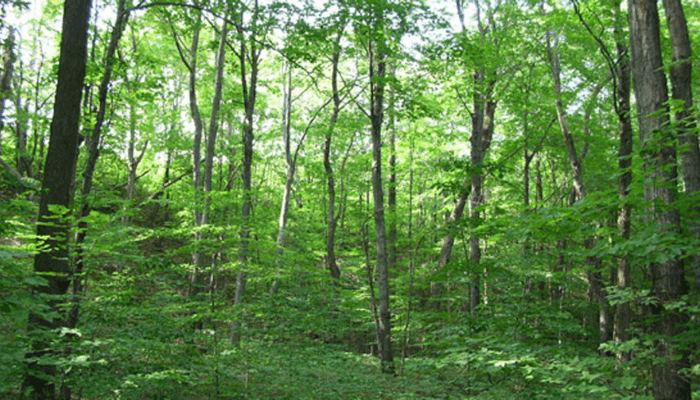
Nigeria’s forests represent an economic opportunity hiding in plain sight. For generations, we have largely understood the economics of forests read more Can Nigeria build a forest economy?
Nigeria’s forests represent an economic opportunity hiding in plain sight. For generations, we have largely understood the economics of forests through extraction: timber, firewood, charcoal and land cleared for agriculture. But what if the greater economic value lies not in cutting forests down, but in keeping them standing, restoring what has been degraded and building businesses around them? That is the idea of a forest economy. A forest economy connects restoration with productive enterprise: agroforestry, nurseries, sustainable timber, honey, fruits, nuts, mushrooms, medicinal plants, bamboo, ecotourism, carbon finance, biodiversity services, research, technology and green jobs. Nigeria has many of the ingredients. What we lack is an integrated economic strategy. From trees to value chains Consider agroforestry. A farmer does not necessarily have to choose between trees and food production. Cocoa, oil palm and other crops can be integrated with appropriate tree species, improving soil health, providing shade and diversifying income. Across Africa, this thinking is gaining momentum. AFR100, the African Forest Landscape Restoration Initiative, has attracted commitments from 34 African countries to restore more than 100 million hectares of degraded landscapes by 2030. The objective is not merely ecological recovery; restoration is being linked to food security, climate resilience, poverty reduction and enterprise development. Nigeria should see every hectare restored as potentially supporting an economic ecosystem. Seed collectors are needed. Nurseries need workers. Trees must be planted, maintained, tagged and monitored. Forest guards require training. Scientists must measure biodiversity and carbon. Technology companies can provide satellite and geospatial monitoring. Communities can develop enterprises around honey, fruits, medicinal products and other non-timber forest products. These are jobs and economic opportunities. I have seen this practically through our work managing large-scale reforestation projects across Nigeria. Tree planting is only one activity in a much longer value chain. Community engagement, nursery development, plantation maintenance, monitoring, data collection, research and livelihood programmes all create opportunities for people. The forest becomes an economic platform. Carbon is an opportunity, not the economy Carbon finance can strengthen this model. Well-designed restoration projects can generate measurable carbon value and potentially attract climate finance. But Nigeria must resist reducing the forest economy to carbon credits. Carbon should be one revenue stream among many. Projects must demonstrate credible baselines, additionality, long-term monitoring, transparent benefit-sharing and strong environmental and social safeguards. Communities whose land and livelihoods make projects possible must participate meaningfully in the value created. Otherwise, we risk creating green projects without creating green prosperity. Forests are also health infrastructure As I emphasised in my last column, the World Health Organisation reminds us that healthy ecosystems support clean air, freshwater, food, medicines, climate regulation and human wellbeing. This means forest loss eventually appears somewhere else on the national balance sheet: poorer health, declining agricultural productivity, flooding, heat stress, water insecurity and lost livelihoods. The UN Sustainable Development Goals make these connections clear. SDG 15 calls for protecting and restoring terrestrial ecosystems, but forests also contribute to SDGs 1, 2, 3, 6, 8 and 13, poverty reduction, food security, health, clean water, decent work and climate action. Nature does not organise itself according to government ministries. Neither should our solutions. Building the market Nigeria needs a national forest-economy strategy connecting forestry, agriculture, climate policy, industry, finance, academia and communities. We need reliable forest inventories and data; clear land and carbon rights; restoration standards; incentives for agroforestry and sustainable forest enterprises; financing for community businesses; stronger research partnerships; and markets for sustainably produced forest products. Most importantly, we must measure economic outcomes alongside environmental ones: hectares restored, yes, but also jobs created, household incomes improved, businesses established, products commercialised, women and young people economically empowered, and carbon and biodiversity value generated. There is ancient wisdom in the simple principle that we do not inherit the earth merely to consume it; we hold it in trust for those coming after us. And there is a lesson in the biblical parable of the mustard seed: something that begins small can grow into something large enough to provide shelter for many. Nigeria’s forest economy can begin the same way: one nursery, one restored hectare, one community enterprise and one credible investment at a time. The question is no longer whether trees have economic value. It is whether Nigeria can build an economy that earns more from forests alive than from forests destroyed. And the answer is an unequivocal YES: the opportunity is staring us in the face. Are we bold enough to change the status quo? Sarah Esangbedo Ajose-Adeogun is the Founder and Managing Partner of Teasoo Consulting Limited, a leading ESG Strategy and Sustainability Advisory firm committed to helping organisations build resilient, responsible, and future-ready businesses. She is a former Community Content Manager at Shell Petroleum Development Company and former Special Adviser on Strategy, Policy, Projects, and Performance Management to the Government of Edo State. She is the host of the #SarahSpeaks Podcast on YouTube @WinningBigWithSarah, where she shares practical insights on leadership, ESG etc. Teasoo Consulting is the developer of ESG Horizon, the first Africentric ESG Reporting tool, designed with context-specific ESG reporting aligned with global and local standards. More information can be accessed at www.teasooconsulting.com. Related News Spiro bags sustainability award for driving e-mobility growth Police rescue suspected child abductor from mob in Kuje Court slams N10 million damages on British American Tobacco over revoked employment offer Share
For generations, we have largely understood the economics of forests through extraction: timber, firewood, charcoal and land cleared for agriculture. But what if the greater economic value lies not in cutting forests down, but in keeping them standing, restoring what has been degraded and building businesses around them? That is the idea of a forest economy. A forest economy connects restoration with productive enterprise: agroforestry, nurseries, sustainable timber, honey, fruits, nuts, mushrooms, medicinal plants, bamboo, ecotourism, carbon finance, biodiversity services, research, technology and green jobs. Nigeria has many of the ingredients. What we lack is an integrated economic strategy. From trees to value chains Consider agroforestry. A farmer does not necessarily have to choose between trees and food production. Cocoa, oil palm and other crops can be integrated with appropriate tree species, improving soil health, providing shade and diversifying income. Across Africa, this thinking is gaining momentum. AFR100, the African Forest Landscape Restoration Initiative, has attracted commitments from 34 African countries to restore more than 100 million hectares of degraded landscapes by 2030. The objective is not merely ecological recovery; restoration is being linked to food security, climate resilience, poverty reduction and enterprise development. Nigeria should see every hectare restored as potentially supporting an economic ecosystem. Seed collectors are needed. Nurseries need workers. Trees must be planted, maintained, tagged and monitored. Forest guards require training. Scientists must measure biodiversity and carbon. Technology companies can provide satellite and geospatial monitoring. Communities can develop enterprises around honey, fruits, medicinal products and other non-timber forest products. These are jobs and economic opportunities. I have seen this practically through our work managing large-scale reforestation projects across Nigeria. Tree planting is only one activity in a much longer value chain. Community engagement, nursery development, plantation maintenance, monitoring, data collection, research and livelihood programmes all create opportunities for people. The forest becomes an economic platform. Carbon is an opportunity, not the economy Carbon finance can strengthen this model. Well-designed restoration projects can generate measurable carbon value and potentially attract climate finance. But Nigeria must resist reducing the forest economy to carbon credits. Carbon should be one revenue stream among many. Projects must demonstrate credible baselines, additionality, long-term monitoring, transparent benefit-sharing and strong environmental and social safeguards. Communities whose land and livelihoods make projects possible must participate meaningfully in the value created. Otherwise, we risk creating green projects without creating green prosperity. Forests are also health infrastructure As I emphasised in my last column, the World Health Organisation reminds us that healthy ecosystems support clean air, freshwater, food, medicines, climate regulation and human wellbeing. This means forest loss eventually appears somewhere else on the national balance sheet: poorer health, declining agricultural productivity, flooding, heat stress, water insecurity and lost livelihoods. The UN Sustainable Development Goals make these connections clear. SDG 15 calls for protecting and restoring terrestrial ecosystems, but forests also contribute to SDGs 1, 2, 3, 6, 8 and 13, poverty reduction, food security, health, clean water, decent work and climate action. Nature does not organise itself according to government ministries. Neither should our solutions. Building the market Nigeria needs a national forest-economy strategy connecting forestry, agriculture, climate policy, industry, finance, academia and communities. We need reliable forest inventories and data; clear land and carbon rights; restoration standards; incentives for agroforestry and sustainable forest enterprises; financing for community businesses; stronger research partnerships; and markets for sustainably produced forest products. Most importantly, we must measure economic outcomes alongside environmental ones: hectares restored, yes, but also jobs created, household incomes improved, businesses established, products commercialised, women and young people economically empowered, and carbon and biodiversity value generated. There is ancient wisdom in the simple principle that we do not inherit the earth merely to consume it; we hold it in trust for those coming after us. And there is a lesson in the biblical parable of the mustard seed: something that begins small can grow into something large enough to provide shelter for many. Nigeria’s forest economy can begin the same way: one nursery, one restored hectare, one community enterprise and one credible investment at a time. The question is no longer whether trees have economic value. It is whether Nigeria can build an economy that earns more from forests alive than from forests destroyed. And the answer is an unequivocal YES: the opportunity is staring us in the face. Are we bold enough to change the status quo? Sarah Esangbedo Ajose-Adeogun is the Founder and Managing Partner of Teasoo Consulting Limited, a leading ESG Strategy and Sustainability Advisory firm committed to helping organisations build resilient, responsible, and future-ready businesses. She is a former Community Content Manager at Shell Petroleum Development Company and former Special Adviser on Strategy, Policy, Projects, and Performance Management to the Government of Edo State. She is the host of the #SarahSpeaks Podcast on YouTube @WinningBigWithSarah, where she shares practical insights on leadership, ESG etc. Teasoo Consulting is the developer of ESG Horizon, the first Africentric ESG Reporting tool, designed with context-specific ESG reporting aligned with global and local standards. More information can be accessed at www.teasooconsulting.com. Related News Spiro bags sustainability award for driving e-mobility growth Police rescue suspected child abductor from mob in Kuje Court slams N10 million damages on British American Tobacco over revoked employment offer Share
That is the idea of a forest economy. A forest economy connects restoration with productive enterprise: agroforestry, nurseries, sustainable timber, honey, fruits, nuts, mushrooms, medicinal plants, bamboo, ecotourism, carbon finance, biodiversity services, research, technology and green jobs. Nigeria has many of the ingredients. What we lack is an integrated economic strategy. From trees to value chains Consider agroforestry. A farmer does not necessarily have to choose between trees and food production. Cocoa, oil palm and other crops can be integrated with appropriate tree species, improving soil health, providing shade and diversifying income. Across Africa, this thinking is gaining momentum. AFR100, the African Forest Landscape Restoration Initiative, has attracted commitments from 34 African countries to restore more than 100 million hectares of degraded landscapes by 2030. The objective is not merely ecological recovery; restoration is being linked to food security, climate resilience, poverty reduction and enterprise development. Nigeria should see every hectare restored as potentially supporting an economic ecosystem. Seed collectors are needed. Nurseries need workers. Trees must be planted, maintained, tagged and monitored. Forest guards require training. Scientists must measure biodiversity and carbon. Technology companies can provide satellite and geospatial monitoring. Communities can develop enterprises around honey, fruits, medicinal products and other non-timber forest products. These are jobs and economic opportunities. I have seen this practically through our work managing large-scale reforestation projects across Nigeria. Tree planting is only one activity in a much longer value chain. Community engagement, nursery development, plantation maintenance, monitoring, data collection, research and livelihood programmes all create opportunities for people. The forest becomes an economic platform. Carbon is an opportunity, not the economy Carbon finance can strengthen this model. Well-designed restoration projects can generate measurable carbon value and potentially attract climate finance. But Nigeria must resist reducing the forest economy to carbon credits. Carbon should be one revenue stream among many. Projects must demonstrate credible baselines, additionality, long-term monitoring, transparent benefit-sharing and strong environmental and social safeguards. Communities whose land and livelihoods make projects possible must participate meaningfully in the value created. Otherwise, we risk creating green projects without creating green prosperity. Forests are also health infrastructure As I emphasised in my last column, the World Health Organisation reminds us that healthy ecosystems support clean air, freshwater, food, medicines, climate regulation and human wellbeing. This means forest loss eventually appears somewhere else on the national balance sheet: poorer health, declining agricultural productivity, flooding, heat stress, water insecurity and lost livelihoods. The UN Sustainable Development Goals make these connections clear. SDG 15 calls for protecting and restoring terrestrial ecosystems, but forests also contribute to SDGs 1, 2, 3, 6, 8 and 13, poverty reduction, food security, health, clean water, decent work and climate action. Nature does not organise itself according to government ministries. Neither should our solutions. Building the market Nigeria needs a national forest-economy strategy connecting forestry, agriculture, climate policy, industry, finance, academia and communities. We need reliable forest inventories and data; clear land and carbon rights; restoration standards; incentives for agroforestry and sustainable forest enterprises; financing for community businesses; stronger research partnerships; and markets for sustainably produced forest products. Most importantly, we must measure economic outcomes alongside environmental ones: hectares restored, yes, but also jobs created, household incomes improved, businesses established, products commercialised, women and young people economically empowered, and carbon and biodiversity value generated. There is ancient wisdom in the simple principle that we do not inherit the earth merely to consume it; we hold it in trust for those coming after us. And there is a lesson in the biblical parable of the mustard seed: something that begins small can grow into something large enough to provide shelter for many. Nigeria’s forest economy can begin the same way: one nursery, one restored hectare, one community enterprise and one credible investment at a time. The question is no longer whether trees have economic value. It is whether Nigeria can build an economy that earns more from forests alive than from forests destroyed. And the answer is an unequivocal YES: the opportunity is staring us in the face. Are we bold enough to change the status quo? Sarah Esangbedo Ajose-Adeogun is the Founder and Managing Partner of Teasoo Consulting Limited, a leading ESG Strategy and Sustainability Advisory firm committed to helping organisations build resilient, responsible, and future-ready businesses. She is a former Community Content Manager at Shell Petroleum Development Company and former Special Adviser on Strategy, Policy, Projects, and Performance Management to the Government of Edo State. She is the host of the #SarahSpeaks Podcast on YouTube @WinningBigWithSarah, where she shares practical insights on leadership, ESG etc. Teasoo Consulting is the developer of ESG Horizon, the first Africentric ESG Reporting tool, designed with context-specific ESG reporting aligned with global and local standards. More information can be accessed at www.teasooconsulting.com. Related News Spiro bags sustainability award for driving e-mobility growth Police rescue suspected child abductor from mob in Kuje Court slams N10 million damages on British American Tobacco over revoked employment offer Share
A forest economy connects restoration with productive enterprise: agroforestry, nurseries, sustainable timber, honey, fruits, nuts, mushrooms, medicinal plants, bamboo, ecotourism, carbon finance, biodiversity services, research, technology and green jobs. Nigeria has many of the ingredients. What we lack is an integrated economic strategy. From trees to value chains Consider agroforestry. A farmer does not necessarily have to choose between trees and food production. Cocoa, oil palm and other crops can be integrated with appropriate tree species, improving soil health, providing shade and diversifying income. Across Africa, this thinking is gaining momentum. AFR100, the African Forest Landscape Restoration Initiative, has attracted commitments from 34 African countries to restore more than 100 million hectares of degraded landscapes by 2030. The objective is not merely ecological recovery; restoration is being linked to food security, climate resilience, poverty reduction and enterprise development. Nigeria should see every hectare restored as potentially supporting an economic ecosystem. Seed collectors are needed. Nurseries need workers. Trees must be planted, maintained, tagged and monitored. Forest guards require training. Scientists must measure biodiversity and carbon. Technology companies can provide satellite and geospatial monitoring. Communities can develop enterprises around honey, fruits, medicinal products and other non-timber forest products. These are jobs and economic opportunities. I have seen this practically through our work managing large-scale reforestation projects across Nigeria. Tree planting is only one activity in a much longer value chain. Community engagement, nursery development, plantation maintenance, monitoring, data collection, research and livelihood programmes all create opportunities for people. The forest becomes an economic platform. Carbon is an opportunity, not the economy Carbon finance can strengthen this model. Well-designed restoration projects can generate measurable carbon value and potentially attract climate finance. But Nigeria must resist reducing the forest economy to carbon credits. Carbon should be one revenue stream among many. Projects must demonstrate credible baselines, additionality, long-term monitoring, transparent benefit-sharing and strong environmental and social safeguards. Communities whose land and livelihoods make projects possible must participate meaningfully in the value created. Otherwise, we risk creating green projects without creating green prosperity. Forests are also health infrastructure As I emphasised in my last column, the World Health Organisation reminds us that healthy ecosystems support clean air, freshwater, food, medicines, climate regulation and human wellbeing. This means forest loss eventually appears somewhere else on the national balance sheet: poorer health, declining agricultural productivity, flooding, heat stress, water insecurity and lost livelihoods. The UN Sustainable Development Goals make these connections clear. SDG 15 calls for protecting and restoring terrestrial ecosystems, but forests also contribute to SDGs 1, 2, 3, 6, 8 and 13, poverty reduction, food security, health, clean water, decent work and climate action. Nature does not organise itself according to government ministries. Neither should our solutions. Building the market Nigeria needs a national forest-economy strategy connecting forestry, agriculture, climate policy, industry, finance, academia and communities. We need reliable forest inventories and data; clear land and carbon rights; restoration standards; incentives for agroforestry and sustainable forest enterprises; financing for community businesses; stronger research partnerships; and markets for sustainably produced forest products. Most importantly, we must measure economic outcomes alongside environmental ones: hectares restored, yes, but also jobs created, household incomes improved, businesses established, products commercialised, women and young people economically empowered, and carbon and biodiversity value generated. There is ancient wisdom in the simple principle that we do not inherit the earth merely to consume it; we hold it in trust for those coming after us. And there is a lesson in the biblical parable of the mustard seed: something that begins small can grow into something large enough to provide shelter for many. Nigeria’s forest economy can begin the same way: one nursery, one restored hectare, one community enterprise and one credible investment at a time. The question is no longer whether trees have economic value. It is whether Nigeria can build an economy that earns more from forests alive than from forests destroyed. And the answer is an unequivocal YES: the opportunity is staring us in the face. Are we bold enough to change the status quo? Sarah Esangbedo Ajose-Adeogun is the Founder and Managing Partner of Teasoo Consulting Limited, a leading ESG Strategy and Sustainability Advisory firm committed to helping organisations build resilient, responsible, and future-ready businesses. She is a former Community Content Manager at Shell Petroleum Development Company and former Special Adviser on Strategy, Policy, Projects, and Performance Management to the Government of Edo State. She is the host of the #SarahSpeaks Podcast on YouTube @WinningBigWithSarah, where she shares practical insights on leadership, ESG etc. Teasoo Consulting is the developer of ESG Horizon, the first Africentric ESG Reporting tool, designed with context-specific ESG reporting aligned with global and local standards. More information can be accessed at www.teasooconsulting.com. Related News Spiro bags sustainability award for driving e-mobility growth Police rescue suspected child abductor from mob in Kuje Court slams N10 million damages on British American Tobacco over revoked employment offer Share
Nigeria has many of the ingredients. What we lack is an integrated economic strategy. From trees to value chains Consider agroforestry. A farmer does not necessarily have to choose between trees and food production. Cocoa, oil palm and other crops can be integrated with appropriate tree species, improving soil health, providing shade and diversifying income. Across Africa, this thinking is gaining momentum. AFR100, the African Forest Landscape Restoration Initiative, has attracted commitments from 34 African countries to restore more than 100 million hectares of degraded landscapes by 2030. The objective is not merely ecological recovery; restoration is being linked to food security, climate resilience, poverty reduction and enterprise development. Nigeria should see every hectare restored as potentially supporting an economic ecosystem. Seed collectors are needed. Nurseries need workers. Trees must be planted, maintained, tagged and monitored. Forest guards require training. Scientists must measure biodiversity and carbon. Technology companies can provide satellite and geospatial monitoring. Communities can develop enterprises around honey, fruits, medicinal products and other non-timber forest products. These are jobs and economic opportunities. I have seen this practically through our work managing large-scale reforestation projects across Nigeria. Tree planting is only one activity in a much longer value chain. Community engagement, nursery development, plantation maintenance, monitoring, data collection, research and livelihood programmes all create opportunities for people. The forest becomes an economic platform. Carbon is an opportunity, not the economy Carbon finance can strengthen this model. Well-designed restoration projects can generate measurable carbon value and potentially attract climate finance. But Nigeria must resist reducing the forest economy to carbon credits. Carbon should be one revenue stream among many. Projects must demonstrate credible baselines, additionality, long-term monitoring, transparent benefit-sharing and strong environmental and social safeguards. Communities whose land and livelihoods make projects possible must participate meaningfully in the value created. Otherwise, we risk creating green projects without creating green prosperity. Forests are also health infrastructure As I emphasised in my last column, the World Health Organisation reminds us that healthy ecosystems support clean air, freshwater, food, medicines, climate regulation and human wellbeing. This means forest loss eventually appears somewhere else on the national balance sheet: poorer health, declining agricultural productivity, flooding, heat stress, water insecurity and lost livelihoods. The UN Sustainable Development Goals make these connections clear. SDG 15 calls for protecting and restoring terrestrial ecosystems, but forests also contribute to SDGs 1, 2, 3, 6, 8 and 13, poverty reduction, food security, health, clean water, decent work and climate action. Nature does not organise itself according to government ministries. Neither should our solutions. Building the market Nigeria needs a national forest-economy strategy connecting forestry, agriculture, climate policy, industry, finance, academia and communities. We need reliable forest inventories and data; clear land and carbon rights; restoration standards; incentives for agroforestry and sustainable forest enterprises; financing for community businesses; stronger research partnerships; and markets for sustainably produced forest products. Most importantly, we must measure economic outcomes alongside environmental ones: hectares restored, yes, but also jobs created, household incomes improved, businesses established, products commercialised, women and young people economically empowered, and carbon and biodiversity value generated. There is ancient wisdom in the simple principle that we do not inherit the earth merely to consume it; we hold it in trust for those coming after us. And there is a lesson in the biblical parable of the mustard seed: something that begins small can grow into something large enough to provide shelter for many. Nigeria’s forest economy can begin the same way: one nursery, one restored hectare, one community enterprise and one credible investment at a time. The question is no longer whether trees have economic value. It is whether Nigeria can build an economy that earns more from forests alive than from forests destroyed. And the answer is an unequivocal YES: the opportunity is staring us in the face. Are we bold enough to change the status quo? Sarah Esangbedo Ajose-Adeogun is the Founder and Managing Partner of Teasoo Consulting Limited, a leading ESG Strategy and Sustainability Advisory firm committed to helping organisations build resilient, responsible, and future-ready businesses. She is a former Community Content Manager at Shell Petroleum Development Company and former Special Adviser on Strategy, Policy, Projects, and Performance Management to the Government of Edo State. She is the host of the #SarahSpeaks Podcast on YouTube @WinningBigWithSarah, where she shares practical insights on leadership, ESG etc. Teasoo Consulting is the developer of ESG Horizon, the first Africentric ESG Reporting tool, designed with context-specific ESG reporting aligned with global and local standards. More information can be accessed at www.teasooconsulting.com. Related News Spiro bags sustainability award for driving e-mobility growth Police rescue suspected child abductor from mob in Kuje Court slams N10 million damages on British American Tobacco over revoked employment offer Share
From trees to value chains Consider agroforestry. A farmer does not necessarily have to choose between trees and food production. Cocoa, oil palm and other crops can be integrated with appropriate tree species, improving soil health, providing shade and diversifying income. Across Africa, this thinking is gaining momentum. AFR100, the African Forest Landscape Restoration Initiative, has attracted commitments from 34 African countries to restore more than 100 million hectares of degraded landscapes by 2030. The objective is not merely ecological recovery; restoration is being linked to food security, climate resilience, poverty reduction and enterprise development. Nigeria should see every hectare restored as potentially supporting an economic ecosystem. Seed collectors are needed. Nurseries need workers. Trees must be planted, maintained, tagged and monitored. Forest guards require training. Scientists must measure biodiversity and carbon. Technology companies can provide satellite and geospatial monitoring. Communities can develop enterprises around honey, fruits, medicinal products and other non-timber forest products. These are jobs and economic opportunities. I have seen this practically through our work managing large-scale reforestation projects across Nigeria. Tree planting is only one activity in a much longer value chain. Community engagement, nursery development, plantation maintenance, monitoring, data collection, research and livelihood programmes all create opportunities for people. The forest becomes an economic platform. Carbon is an opportunity, not the economy Carbon finance can strengthen this model. Well-designed restoration projects can generate measurable carbon value and potentially attract climate finance. But Nigeria must resist reducing the forest economy to carbon credits. Carbon should be one revenue stream among many. Projects must demonstrate credible baselines, additionality, long-term monitoring, transparent benefit-sharing and strong environmental and social safeguards. Communities whose land and livelihoods make projects possible must participate meaningfully in the value created. Otherwise, we risk creating green projects without creating green prosperity. Forests are also health infrastructure As I emphasised in my last column, the World Health Organisation reminds us that healthy ecosystems support clean air, freshwater, food, medicines, climate regulation and human wellbeing. This means forest loss eventually appears somewhere else on the national balance sheet: poorer health, declining agricultural productivity, flooding, heat stress, water insecurity and lost livelihoods. The UN Sustainable Development Goals make these connections clear. SDG 15 calls for protecting and restoring terrestrial ecosystems, but forests also contribute to SDGs 1, 2, 3, 6, 8 and 13, poverty reduction, food security, health, clean water, decent work and climate action. Nature does not organise itself according to government ministries. Neither should our solutions. Building the market Nigeria needs a national forest-economy strategy connecting forestry, agriculture, climate policy, industry, finance, academia and communities. We need reliable forest inventories and data; clear land and carbon rights; restoration standards; incentives for agroforestry and sustainable forest enterprises; financing for community businesses; stronger research partnerships; and markets for sustainably produced forest products. Most importantly, we must measure economic outcomes alongside environmental ones: hectares restored, yes, but also jobs created, household incomes improved, businesses established, products commercialised, women and young people economically empowered, and carbon and biodiversity value generated. There is ancient wisdom in the simple principle that we do not inherit the earth merely to consume it; we hold it in trust for those coming after us. And there is a lesson in the biblical parable of the mustard seed: something that begins small can grow into something large enough to provide shelter for many. Nigeria’s forest economy can begin the same way: one nursery, one restored hectare, one community enterprise and one credible investment at a time. The question is no longer whether trees have economic value. It is whether Nigeria can build an economy that earns more from forests alive than from forests destroyed. And the answer is an unequivocal YES: the opportunity is staring us in the face. Are we bold enough to change the status quo? Sarah Esangbedo Ajose-Adeogun is the Founder and Managing Partner of Teasoo Consulting Limited, a leading ESG Strategy and Sustainability Advisory firm committed to helping organisations build resilient, responsible, and future-ready businesses. She is a former Community Content Manager at Shell Petroleum Development Company and former Special Adviser on Strategy, Policy, Projects, and Performance Management to the Government of Edo State. She is the host of the #SarahSpeaks Podcast on YouTube @WinningBigWithSarah, where she shares practical insights on leadership, ESG etc. Teasoo Consulting is the developer of ESG Horizon, the first Africentric ESG Reporting tool, designed with context-specific ESG reporting aligned with global and local standards. More information can be accessed at www.teasooconsulting.com. Related News Spiro bags sustainability award for driving e-mobility growth Police rescue suspected child abductor from mob in Kuje Court slams N10 million damages on British American Tobacco over revoked employment offer Share
Consider agroforestry. A farmer does not necessarily have to choose between trees and food production. Cocoa, oil palm and other crops can be integrated with appropriate tree species, improving soil health, providing shade and diversifying income. Across Africa, this thinking is gaining momentum. AFR100, the African Forest Landscape Restoration Initiative, has attracted commitments from 34 African countries to restore more than 100 million hectares of degraded landscapes by 2030. The objective is not merely ecological recovery; restoration is being linked to food security, climate resilience, poverty reduction and enterprise development. Nigeria should see every hectare restored as potentially supporting an economic ecosystem. Seed collectors are needed. Nurseries need workers. Trees must be planted, maintained, tagged and monitored. Forest guards require training. Scientists must measure biodiversity and carbon. Technology companies can provide satellite and geospatial monitoring. Communities can develop enterprises around honey, fruits, medicinal products and other non-timber forest products. These are jobs and economic opportunities. I have seen this practically through our work managing large-scale reforestation projects across Nigeria. Tree planting is only one activity in a much longer value chain. Community engagement, nursery development, plantation maintenance, monitoring, data collection, research and livelihood programmes all create opportunities for people. The forest becomes an economic platform. Carbon is an opportunity, not the economy Carbon finance can strengthen this model. Well-designed restoration projects can generate measurable carbon value and potentially attract climate finance. But Nigeria must resist reducing the forest economy to carbon credits. Carbon should be one revenue stream among many. Projects must demonstrate credible baselines, additionality, long-term monitoring, transparent benefit-sharing and strong environmental and social safeguards. Communities whose land and livelihoods make projects possible must participate meaningfully in the value created. Otherwise, we risk creating green projects without creating green prosperity. Forests are also health infrastructure As I emphasised in my last column, the World Health Organisation reminds us that healthy ecosystems support clean air, freshwater, food, medicines, climate regulation and human wellbeing. This means forest loss eventually appears somewhere else on the national balance sheet: poorer health, declining agricultural productivity, flooding, heat stress, water insecurity and lost livelihoods. The UN Sustainable Development Goals make these connections clear. SDG 15 calls for protecting and restoring terrestrial ecosystems, but forests also contribute to SDGs 1, 2, 3, 6, 8 and 13, poverty reduction, food security, health, clean water, decent work and climate action. Nature does not organise itself according to government ministries. Neither should our solutions. Building the market Nigeria needs a national forest-economy strategy connecting forestry, agriculture, climate policy, industry, finance, academia and communities. We need reliable forest inventories and data; clear land and carbon rights; restoration standards; incentives for agroforestry and sustainable forest enterprises; financing for community businesses; stronger research partnerships; and markets for sustainably produced forest products. Most importantly, we must measure economic outcomes alongside environmental ones: hectares restored, yes, but also jobs created, household incomes improved, businesses established, products commercialised, women and young people economically empowered, and carbon and biodiversity value generated. There is ancient wisdom in the simple principle that we do not inherit the earth merely to consume it; we hold it in trust for those coming after us. And there is a lesson in the biblical parable of the mustard seed: something that begins small can grow into something large enough to provide shelter for many. Nigeria’s forest economy can begin the same way: one nursery, one restored hectare, one community enterprise and one credible investment at a time. The question is no longer whether trees have economic value. It is whether Nigeria can build an economy that earns more from forests alive than from forests destroyed. And the answer is an unequivocal YES: the opportunity is staring us in the face. Are we bold enough to change the status quo? Sarah Esangbedo Ajose-Adeogun is the Founder and Managing Partner of Teasoo Consulting Limited, a leading ESG Strategy and Sustainability Advisory firm committed to helping organisations build resilient, responsible, and future-ready businesses. She is a former Community Content Manager at Shell Petroleum Development Company and former Special Adviser on Strategy, Policy, Projects, and Performance Management to the Government of Edo State. She is the host of the #SarahSpeaks Podcast on YouTube @WinningBigWithSarah, where she shares practical insights on leadership, ESG etc. Teasoo Consulting is the developer of ESG Horizon, the first Africentric ESG Reporting tool, designed with context-specific ESG reporting aligned with global and local standards. More information can be accessed at www.teasooconsulting.com. Related News Spiro bags sustainability award for driving e-mobility growth Police rescue suspected child abductor from mob in Kuje Court slams N10 million damages on British American Tobacco over revoked employment offer Share
Across Africa, this thinking is gaining momentum. AFR100, the African Forest Landscape Restoration Initiative, has attracted commitments from 34 African countries to restore more than 100 million hectares of degraded landscapes by 2030. The objective is not merely ecological recovery; restoration is being linked to food security, climate resilience, poverty reduction and enterprise development. Nigeria should see every hectare restored as potentially supporting an economic ecosystem. Seed collectors are needed. Nurseries need workers. Trees must be planted, maintained, tagged and monitored. Forest guards require training. Scientists must measure biodiversity and carbon. Technology companies can provide satellite and geospatial monitoring. Communities can develop enterprises around honey, fruits, medicinal products and other non-timber forest products. These are jobs and economic opportunities. I have seen this practically through our work managing large-scale reforestation projects across Nigeria. Tree planting is only one activity in a much longer value chain. Community engagement, nursery development, plantation maintenance, monitoring, data collection, research and livelihood programmes all create opportunities for people. The forest becomes an economic platform. Carbon is an opportunity, not the economy Carbon finance can strengthen this model. Well-designed restoration projects can generate measurable carbon value and potentially attract climate finance. But Nigeria must resist reducing the forest economy to carbon credits. Carbon should be one revenue stream among many. Projects must demonstrate credible baselines, additionality, long-term monitoring, transparent benefit-sharing and strong environmental and social safeguards. Communities whose land and livelihoods make projects possible must participate meaningfully in the value created. Otherwise, we risk creating green projects without creating green prosperity. Forests are also health infrastructure As I emphasised in my last column, the World Health Organisation reminds us that healthy ecosystems support clean air, freshwater, food, medicines, climate regulation and human wellbeing. This means forest loss eventually appears somewhere else on the national balance sheet: poorer health, declining agricultural productivity, flooding, heat stress, water insecurity and lost livelihoods. The UN Sustainable Development Goals make these connections clear. SDG 15 calls for protecting and restoring terrestrial ecosystems, but forests also contribute to SDGs 1, 2, 3, 6, 8 and 13, poverty reduction, food security, health, clean water, decent work and climate action. Nature does not organise itself according to government ministries. Neither should our solutions. Building the market Nigeria needs a national forest-economy strategy connecting forestry, agriculture, climate policy, industry, finance, academia and communities. We need reliable forest inventories and data; clear land and carbon rights; restoration standards; incentives for agroforestry and sustainable forest enterprises; financing for community businesses; stronger research partnerships; and markets for sustainably produced forest products. Most importantly, we must measure economic outcomes alongside environmental ones: hectares restored, yes, but also jobs created, household incomes improved, businesses established, products commercialised, women and young people economically empowered, and carbon and biodiversity value generated. There is ancient wisdom in the simple principle that we do not inherit the earth merely to consume it; we hold it in trust for those coming after us. And there is a lesson in the biblical parable of the mustard seed: something that begins small can grow into something large enough to provide shelter for many. Nigeria’s forest economy can begin the same way: one nursery, one restored hectare, one community enterprise and one credible investment at a time. The question is no longer whether trees have economic value. It is whether Nigeria can build an economy that earns more from forests alive than from forests destroyed. And the answer is an unequivocal YES: the opportunity is staring us in the face. Are we bold enough to change the status quo? Sarah Esangbedo Ajose-Adeogun is the Founder and Managing Partner of Teasoo Consulting Limited, a leading ESG Strategy and Sustainability Advisory firm committed to helping organisations build resilient, responsible, and future-ready businesses. She is a former Community Content Manager at Shell Petroleum Development Company and former Special Adviser on Strategy, Policy, Projects, and Performance Management to the Government of Edo State. She is the host of the #SarahSpeaks Podcast on YouTube @WinningBigWithSarah, where she shares practical insights on leadership, ESG etc. Teasoo Consulting is the developer of ESG Horizon, the first Africentric ESG Reporting tool, designed with context-specific ESG reporting aligned with global and local standards. More information can be accessed at www.teasooconsulting.com. Related News Spiro bags sustainability award for driving e-mobility growth Police rescue suspected child abductor from mob in Kuje Court slams N10 million damages on British American Tobacco over revoked employment offer Share
Nigeria should see every hectare restored as potentially supporting an economic ecosystem. Seed collectors are needed. Nurseries need workers. Trees must be planted, maintained, tagged and monitored. Forest guards require training. Scientists must measure biodiversity and carbon. Technology companies can provide satellite and geospatial monitoring. Communities can develop enterprises around honey, fruits, medicinal products and other non-timber forest products. These are jobs and economic opportunities. I have seen this practically through our work managing large-scale reforestation projects across Nigeria. Tree planting is only one activity in a much longer value chain. Community engagement, nursery development, plantation maintenance, monitoring, data collection, research and livelihood programmes all create opportunities for people. The forest becomes an economic platform. Carbon is an opportunity, not the economy Carbon finance can strengthen this model. Well-designed restoration projects can generate measurable carbon value and potentially attract climate finance. But Nigeria must resist reducing the forest economy to carbon credits. Carbon should be one revenue stream among many. Projects must demonstrate credible baselines, additionality, long-term monitoring, transparent benefit-sharing and strong environmental and social safeguards. Communities whose land and livelihoods make projects possible must participate meaningfully in the value created. Otherwise, we risk creating green projects without creating green prosperity. Forests are also health infrastructure As I emphasised in my last column, the World Health Organisation reminds us that healthy ecosystems support clean air, freshwater, food, medicines, climate regulation and human wellbeing. This means forest loss eventually appears somewhere else on the national balance sheet: poorer health, declining agricultural productivity, flooding, heat stress, water insecurity and lost livelihoods. The UN Sustainable Development Goals make these connections clear. SDG 15 calls for protecting and restoring terrestrial ecosystems, but forests also contribute to SDGs 1, 2, 3, 6, 8 and 13, poverty reduction, food security, health, clean water, decent work and climate action. Nature does not organise itself according to government ministries. Neither should our solutions. Building the market Nigeria needs a national forest-economy strategy connecting forestry, agriculture, climate policy, industry, finance, academia and communities. We need reliable forest inventories and data; clear land and carbon rights; restoration standards; incentives for agroforestry and sustainable forest enterprises; financing for community businesses; stronger research partnerships; and markets for sustainably produced forest products. Most importantly, we must measure economic outcomes alongside environmental ones: hectares restored, yes, but also jobs created, household incomes improved, businesses established, products commercialised, women and young people economically empowered, and carbon and biodiversity value generated. There is ancient wisdom in the simple principle that we do not inherit the earth merely to consume it; we hold it in trust for those coming after us. And there is a lesson in the biblical parable of the mustard seed: something that begins small can grow into something large enough to provide shelter for many. Nigeria’s forest economy can begin the same way: one nursery, one restored hectare, one community enterprise and one credible investment at a time. The question is no longer whether trees have economic value. It is whether Nigeria can build an economy that earns more from forests alive than from forests destroyed. And the answer is an unequivocal YES: the opportunity is staring us in the face. Are we bold enough to change the status quo? Sarah Esangbedo Ajose-Adeogun is the Founder and Managing Partner of Teasoo Consulting Limited, a leading ESG Strategy and Sustainability Advisory firm committed to helping organisations build resilient, responsible, and future-ready businesses. She is a former Community Content Manager at Shell Petroleum Development Company and former Special Adviser on Strategy, Policy, Projects, and Performance Management to the Government of Edo State. She is the host of the #SarahSpeaks Podcast on YouTube @WinningBigWithSarah, where she shares practical insights on leadership, ESG etc. Teasoo Consulting is the developer of ESG Horizon, the first Africentric ESG Reporting tool, designed with context-specific ESG reporting aligned with global and local standards. More information can be accessed at www.teasooconsulting.com. Related News Spiro bags sustainability award for driving e-mobility growth Police rescue suspected child abductor from mob in Kuje Court slams N10 million damages on British American Tobacco over revoked employment offer Share
Seed collectors are needed. Nurseries need workers. Trees must be planted, maintained, tagged and monitored. Forest guards require training. Scientists must measure biodiversity and carbon. Technology companies can provide satellite and geospatial monitoring. Communities can develop enterprises around honey, fruits, medicinal products and other non-timber forest products. These are jobs and economic opportunities. I have seen this practically through our work managing large-scale reforestation projects across Nigeria. Tree planting is only one activity in a much longer value chain. Community engagement, nursery development, plantation maintenance, monitoring, data collection, research and livelihood programmes all create opportunities for people. The forest becomes an economic platform. Carbon is an opportunity, not the economy Carbon finance can strengthen this model. Well-designed restoration projects can generate measurable carbon value and potentially attract climate finance. But Nigeria must resist reducing the forest economy to carbon credits. Carbon should be one revenue stream among many. Projects must demonstrate credible baselines, additionality, long-term monitoring, transparent benefit-sharing and strong environmental and social safeguards. Communities whose land and livelihoods make projects possible must participate meaningfully in the value created. Otherwise, we risk creating green projects without creating green prosperity. Forests are also health infrastructure As I emphasised in my last column, the World Health Organisation reminds us that healthy ecosystems support clean air, freshwater, food, medicines, climate regulation and human wellbeing. This means forest loss eventually appears somewhere else on the national balance sheet: poorer health, declining agricultural productivity, flooding, heat stress, water insecurity and lost livelihoods. The UN Sustainable Development Goals make these connections clear. SDG 15 calls for protecting and restoring terrestrial ecosystems, but forests also contribute to SDGs 1, 2, 3, 6, 8 and 13, poverty reduction, food security, health, clean water, decent work and climate action. Nature does not organise itself according to government ministries. Neither should our solutions. Building the market Nigeria needs a national forest-economy strategy connecting forestry, agriculture, climate policy, industry, finance, academia and communities. We need reliable forest inventories and data; clear land and carbon rights; restoration standards; incentives for agroforestry and sustainable forest enterprises; financing for community businesses; stronger research partnerships; and markets for sustainably produced forest products. Most importantly, we must measure economic outcomes alongside environmental ones: hectares restored, yes, but also jobs created, household incomes improved, businesses established, products commercialised, women and young people economically empowered, and carbon and biodiversity value generated. There is ancient wisdom in the simple principle that we do not inherit the earth merely to consume it; we hold it in trust for those coming after us. And there is a lesson in the biblical parable of the mustard seed: something that begins small can grow into something large enough to provide shelter for many. Nigeria’s forest economy can begin the same way: one nursery, one restored hectare, one community enterprise and one credible investment at a time. The question is no longer whether trees have economic value. It is whether Nigeria can build an economy that earns more from forests alive than from forests destroyed. And the answer is an unequivocal YES: the opportunity is staring us in the face. Are we bold enough to change the status quo? Sarah Esangbedo Ajose-Adeogun is the Founder and Managing Partner of Teasoo Consulting Limited, a leading ESG Strategy and Sustainability Advisory firm committed to helping organisations build resilient, responsible, and future-ready businesses. She is a former Community Content Manager at Shell Petroleum Development Company and former Special Adviser on Strategy, Policy, Projects, and Performance Management to the Government of Edo State. She is the host of the #SarahSpeaks Podcast on YouTube @WinningBigWithSarah, where she shares practical insights on leadership, ESG etc. Teasoo Consulting is the developer of ESG Horizon, the first Africentric ESG Reporting tool, designed with context-specific ESG reporting aligned with global and local standards. More information can be accessed at www.teasooconsulting.com. Related News Spiro bags sustainability award for driving e-mobility growth Police rescue suspected child abductor from mob in Kuje Court slams N10 million damages on British American Tobacco over revoked employment offer Share
These are jobs and economic opportunities. I have seen this practically through our work managing large-scale reforestation projects across Nigeria. Tree planting is only one activity in a much longer value chain. Community engagement, nursery development, plantation maintenance, monitoring, data collection, research and livelihood programmes all create opportunities for people. The forest becomes an economic platform. Carbon is an opportunity, not the economy Carbon finance can strengthen this model. Well-designed restoration projects can generate measurable carbon value and potentially attract climate finance. But Nigeria must resist reducing the forest economy to carbon credits. Carbon should be one revenue stream among many. Projects must demonstrate credible baselines, additionality, long-term monitoring, transparent benefit-sharing and strong environmental and social safeguards. Communities whose land and livelihoods make projects possible must participate meaningfully in the value created. Otherwise, we risk creating green projects without creating green prosperity. Forests are also health infrastructure As I emphasised in my last column, the World Health Organisation reminds us that healthy ecosystems support clean air, freshwater, food, medicines, climate regulation and human wellbeing. This means forest loss eventually appears somewhere else on the national balance sheet: poorer health, declining agricultural productivity, flooding, heat stress, water insecurity and lost livelihoods. The UN Sustainable Development Goals make these connections clear. SDG 15 calls for protecting and restoring terrestrial ecosystems, but forests also contribute to SDGs 1, 2, 3, 6, 8 and 13, poverty reduction, food security, health, clean water, decent work and climate action. Nature does not organise itself according to government ministries. Neither should our solutions. Building the market Nigeria needs a national forest-economy strategy connecting forestry, agriculture, climate policy, industry, finance, academia and communities. We need reliable forest inventories and data; clear land and carbon rights; restoration standards; incentives for agroforestry and sustainable forest enterprises; financing for community businesses; stronger research partnerships; and markets for sustainably produced forest products. Most importantly, we must measure economic outcomes alongside environmental ones: hectares restored, yes, but also jobs created, household incomes improved, businesses established, products commercialised, women and young people economically empowered, and carbon and biodiversity value generated. There is ancient wisdom in the simple principle that we do not inherit the earth merely to consume it; we hold it in trust for those coming after us. And there is a lesson in the biblical parable of the mustard seed: something that begins small can grow into something large enough to provide shelter for many. Nigeria’s forest economy can begin the same way: one nursery, one restored hectare, one community enterprise and one credible investment at a time. The question is no longer whether trees have economic value. It is whether Nigeria can build an economy that earns more from forests alive than from forests destroyed. And the answer is an unequivocal YES: the opportunity is staring us in the face. Are we bold enough to change the status quo? Sarah Esangbedo Ajose-Adeogun is the Founder and Managing Partner of Teasoo Consulting Limited, a leading ESG Strategy and Sustainability Advisory firm committed to helping organisations build resilient, responsible, and future-ready businesses. She is a former Community Content Manager at Shell Petroleum Development Company and former Special Adviser on Strategy, Policy, Projects, and Performance Management to the Government of Edo State. She is the host of the #SarahSpeaks Podcast on YouTube @WinningBigWithSarah, where she shares practical insights on leadership, ESG etc. Teasoo Consulting is the developer of ESG Horizon, the first Africentric ESG Reporting tool, designed with context-specific ESG reporting aligned with global and local standards. More information can be accessed at www.teasooconsulting.com. Related News Spiro bags sustainability award for driving e-mobility growth Police rescue suspected child abductor from mob in Kuje Court slams N10 million damages on British American Tobacco over revoked employment offer Share
I have seen this practically through our work managing large-scale reforestation projects across Nigeria. Tree planting is only one activity in a much longer value chain. Community engagement, nursery development, plantation maintenance, monitoring, data collection, research and livelihood programmes all create opportunities for people. The forest becomes an economic platform. Carbon is an opportunity, not the economy Carbon finance can strengthen this model. Well-designed restoration projects can generate measurable carbon value and potentially attract climate finance. But Nigeria must resist reducing the forest economy to carbon credits. Carbon should be one revenue stream among many. Projects must demonstrate credible baselines, additionality, long-term monitoring, transparent benefit-sharing and strong environmental and social safeguards. Communities whose land and livelihoods make projects possible must participate meaningfully in the value created. Otherwise, we risk creating green projects without creating green prosperity. Forests are also health infrastructure As I emphasised in my last column, the World Health Organisation reminds us that healthy ecosystems support clean air, freshwater, food, medicines, climate regulation and human wellbeing. This means forest loss eventually appears somewhere else on the national balance sheet: poorer health, declining agricultural productivity, flooding, heat stress, water insecurity and lost livelihoods. The UN Sustainable Development Goals make these connections clear. SDG 15 calls for protecting and restoring terrestrial ecosystems, but forests also contribute to SDGs 1, 2, 3, 6, 8 and 13, poverty reduction, food security, health, clean water, decent work and climate action. Nature does not organise itself according to government ministries. Neither should our solutions. Building the market Nigeria needs a national forest-economy strategy connecting forestry, agriculture, climate policy, industry, finance, academia and communities. We need reliable forest inventories and data; clear land and carbon rights; restoration standards; incentives for agroforestry and sustainable forest enterprises; financing for community businesses; stronger research partnerships; and markets for sustainably produced forest products. Most importantly, we must measure economic outcomes alongside environmental ones: hectares restored, yes, but also jobs created, household incomes improved, businesses established, products commercialised, women and young people economically empowered, and carbon and biodiversity value generated. There is ancient wisdom in the simple principle that we do not inherit the earth merely to consume it; we hold it in trust for those coming after us. And there is a lesson in the biblical parable of the mustard seed: something that begins small can grow into something large enough to provide shelter for many. Nigeria’s forest economy can begin the same way: one nursery, one restored hectare, one community enterprise and one credible investment at a time. The question is no longer whether trees have economic value. It is whether Nigeria can build an economy that earns more from forests alive than from forests destroyed. And the answer is an unequivocal YES: the opportunity is staring us in the face. Are we bold enough to change the status quo? Sarah Esangbedo Ajose-Adeogun is the Founder and Managing Partner of Teasoo Consulting Limited, a leading ESG Strategy and Sustainability Advisory firm committed to helping organisations build resilient, responsible, and future-ready businesses. She is a former Community Content Manager at Shell Petroleum Development Company and former Special Adviser on Strategy, Policy, Projects, and Performance Management to the Government of Edo State. She is the host of the #SarahSpeaks Podcast on YouTube @WinningBigWithSarah, where she shares practical insights on leadership, ESG etc. Teasoo Consulting is the developer of ESG Horizon, the first Africentric ESG Reporting tool, designed with context-specific ESG reporting aligned with global and local standards. More information can be accessed at www.teasooconsulting.com. Related News Spiro bags sustainability award for driving e-mobility growth Police rescue suspected child abductor from mob in Kuje Court slams N10 million damages on British American Tobacco over revoked employment offer Share
The forest becomes an economic platform. Carbon is an opportunity, not the economy Carbon finance can strengthen this model. Well-designed restoration projects can generate measurable carbon value and potentially attract climate finance. But Nigeria must resist reducing the forest economy to carbon credits. Carbon should be one revenue stream among many. Projects must demonstrate credible baselines, additionality, long-term monitoring, transparent benefit-sharing and strong environmental and social safeguards. Communities whose land and livelihoods make projects possible must participate meaningfully in the value created. Otherwise, we risk creating green projects without creating green prosperity. Forests are also health infrastructure As I emphasised in my last column, the World Health Organisation reminds us that healthy ecosystems support clean air, freshwater, food, medicines, climate regulation and human wellbeing. This means forest loss eventually appears somewhere else on the national balance sheet: poorer health, declining agricultural productivity, flooding, heat stress, water insecurity and lost livelihoods. The UN Sustainable Development Goals make these connections clear. SDG 15 calls for protecting and restoring terrestrial ecosystems, but forests also contribute to SDGs 1, 2, 3, 6, 8 and 13, poverty reduction, food security, health, clean water, decent work and climate action. Nature does not organise itself according to government ministries. Neither should our solutions. Building the market Nigeria needs a national forest-economy strategy connecting forestry, agriculture, climate policy, industry, finance, academia and communities. We need reliable forest inventories and data; clear land and carbon rights; restoration standards; incentives for agroforestry and sustainable forest enterprises; financing for community businesses; stronger research partnerships; and markets for sustainably produced forest products. Most importantly, we must measure economic outcomes alongside environmental ones: hectares restored, yes, but also jobs created, household incomes improved, businesses established, products commercialised, women and young people economically empowered, and carbon and biodiversity value generated. There is ancient wisdom in the simple principle that we do not inherit the earth merely to consume it; we hold it in trust for those coming after us. And there is a lesson in the biblical parable of the mustard seed: something that begins small can grow into something large enough to provide shelter for many. Nigeria’s forest economy can begin the same way: one nursery, one restored hectare, one community enterprise and one credible investment at a time. The question is no longer whether trees have economic value. It is whether Nigeria can build an economy that earns more from forests alive than from forests destroyed. And the answer is an unequivocal YES: the opportunity is staring us in the face. Are we bold enough to change the status quo? Sarah Esangbedo Ajose-Adeogun is the Founder and Managing Partner of Teasoo Consulting Limited, a leading ESG Strategy and Sustainability Advisory firm committed to helping organisations build resilient, responsible, and future-ready businesses. She is a former Community Content Manager at Shell Petroleum Development Company and former Special Adviser on Strategy, Policy, Projects, and Performance Management to the Government of Edo State. She is the host of the #SarahSpeaks Podcast on YouTube @WinningBigWithSarah, where she shares practical insights on leadership, ESG etc. Teasoo Consulting is the developer of ESG Horizon, the first Africentric ESG Reporting tool, designed with context-specific ESG reporting aligned with global and local standards. More information can be accessed at www.teasooconsulting.com. Related News Spiro bags sustainability award for driving e-mobility growth Police rescue suspected child abductor from mob in Kuje Court slams N10 million damages on British American Tobacco over revoked employment offer Share
Carbon is an opportunity, not the economy Carbon finance can strengthen this model. Well-designed restoration projects can generate measurable carbon value and potentially attract climate finance. But Nigeria must resist reducing the forest economy to carbon credits. Carbon should be one revenue stream among many. Projects must demonstrate credible baselines, additionality, long-term monitoring, transparent benefit-sharing and strong environmental and social safeguards. Communities whose land and livelihoods make projects possible must participate meaningfully in the value created. Otherwise, we risk creating green projects without creating green prosperity. Forests are also health infrastructure As I emphasised in my last column, the World Health Organisation reminds us that healthy ecosystems support clean air, freshwater, food, medicines, climate regulation and human wellbeing. This means forest loss eventually appears somewhere else on the national balance sheet: poorer health, declining agricultural productivity, flooding, heat stress, water insecurity and lost livelihoods. The UN Sustainable Development Goals make these connections clear. SDG 15 calls for protecting and restoring terrestrial ecosystems, but forests also contribute to SDGs 1, 2, 3, 6, 8 and 13, poverty reduction, food security, health, clean water, decent work and climate action. Nature does not organise itself according to government ministries. Neither should our solutions. Building the market Nigeria needs a national forest-economy strategy connecting forestry, agriculture, climate policy, industry, finance, academia and communities. We need reliable forest inventories and data; clear land and carbon rights; restoration standards; incentives for agroforestry and sustainable forest enterprises; financing for community businesses; stronger research partnerships; and markets for sustainably produced forest products. Most importantly, we must measure economic outcomes alongside environmental ones: hectares restored, yes, but also jobs created, household incomes improved, businesses established, products commercialised, women and young people economically empowered, and carbon and biodiversity value generated. There is ancient wisdom in the simple principle that we do not inherit the earth merely to consume it; we hold it in trust for those coming after us. And there is a lesson in the biblical parable of the mustard seed: something that begins small can grow into something large enough to provide shelter for many. Nigeria’s forest economy can begin the same way: one nursery, one restored hectare, one community enterprise and one credible investment at a time. The question is no longer whether trees have economic value. It is whether Nigeria can build an economy that earns more from forests alive than from forests destroyed. And the answer is an unequivocal YES: the opportunity is staring us in the face. Are we bold enough to change the status quo? Sarah Esangbedo Ajose-Adeogun is the Founder and Managing Partner of Teasoo Consulting Limited, a leading ESG Strategy and Sustainability Advisory firm committed to helping organisations build resilient, responsible, and future-ready businesses. She is a former Community Content Manager at Shell Petroleum Development Company and former Special Adviser on Strategy, Policy, Projects, and Performance Management to the Government of Edo State. She is the host of the #SarahSpeaks Podcast on YouTube @WinningBigWithSarah, where she shares practical insights on leadership, ESG etc. Teasoo Consulting is the developer of ESG Horizon, the first Africentric ESG Reporting tool, designed with context-specific ESG reporting aligned with global and local standards. More information can be accessed at www.teasooconsulting.com. Related News Spiro bags sustainability award for driving e-mobility growth Police rescue suspected child abductor from mob in Kuje Court slams N10 million damages on British American Tobacco over revoked employment offer Share
Carbon finance can strengthen this model. Well-designed restoration projects can generate measurable carbon value and potentially attract climate finance. But Nigeria must resist reducing the forest economy to carbon credits. Carbon should be one revenue stream among many. Projects must demonstrate credible baselines, additionality, long-term monitoring, transparent benefit-sharing and strong environmental and social safeguards. Communities whose land and livelihoods make projects possible must participate meaningfully in the value created. Otherwise, we risk creating green projects without creating green prosperity. Forests are also health infrastructure As I emphasised in my last column, the World Health Organisation reminds us that healthy ecosystems support clean air, freshwater, food, medicines, climate regulation and human wellbeing. This means forest loss eventually appears somewhere else on the national balance sheet: poorer health, declining agricultural productivity, flooding, heat stress, water insecurity and lost livelihoods. The UN Sustainable Development Goals make these connections clear. SDG 15 calls for protecting and restoring terrestrial ecosystems, but forests also contribute to SDGs 1, 2, 3, 6, 8 and 13, poverty reduction, food security, health, clean water, decent work and climate action. Nature does not organise itself according to government ministries. Neither should our solutions. Building the market Nigeria needs a national forest-economy strategy connecting forestry, agriculture, climate policy, industry, finance, academia and communities. We need reliable forest inventories and data; clear land and carbon rights; restoration standards; incentives for agroforestry and sustainable forest enterprises; financing for community businesses; stronger research partnerships; and markets for sustainably produced forest products. Most importantly, we must measure economic outcomes alongside environmental ones: hectares restored, yes, but also jobs created, household incomes improved, businesses established, products commercialised, women and young people economically empowered, and carbon and biodiversity value generated. There is ancient wisdom in the simple principle that we do not inherit the earth merely to consume it; we hold it in trust for those coming after us. And there is a lesson in the biblical parable of the mustard seed: something that begins small can grow into something large enough to provide shelter for many. Nigeria’s forest economy can begin the same way: one nursery, one restored hectare, one community enterprise and one credible investment at a time. The question is no longer whether trees have economic value. It is whether Nigeria can build an economy that earns more from forests alive than from forests destroyed. And the answer is an unequivocal YES: the opportunity is staring us in the face. Are we bold enough to change the status quo? Sarah Esangbedo Ajose-Adeogun is the Founder and Managing Partner of Teasoo Consulting Limited, a leading ESG Strategy and Sustainability Advisory firm committed to helping organisations build resilient, responsible, and future-ready businesses. She is a former Community Content Manager at Shell Petroleum Development Company and former Special Adviser on Strategy, Policy, Projects, and Performance Management to the Government of Edo State. She is the host of the #SarahSpeaks Podcast on YouTube @WinningBigWithSarah, where she shares practical insights on leadership, ESG etc. Teasoo Consulting is the developer of ESG Horizon, the first Africentric ESG Reporting tool, designed with context-specific ESG reporting aligned with global and local standards. More information can be accessed at www.teasooconsulting.com. Related News Spiro bags sustainability award for driving e-mobility growth Police rescue suspected child abductor from mob in Kuje Court slams N10 million damages on British American Tobacco over revoked employment offer Share
Well-designed restoration projects can generate measurable carbon value and potentially attract climate finance. But Nigeria must resist reducing the forest economy to carbon credits. Carbon should be one revenue stream among many. Projects must demonstrate credible baselines, additionality, long-term monitoring, transparent benefit-sharing and strong environmental and social safeguards. Communities whose land and livelihoods make projects possible must participate meaningfully in the value created. Otherwise, we risk creating green projects without creating green prosperity. Forests are also health infrastructure As I emphasised in my last column, the World Health Organisation reminds us that healthy ecosystems support clean air, freshwater, food, medicines, climate regulation and human wellbeing. This means forest loss eventually appears somewhere else on the national balance sheet: poorer health, declining agricultural productivity, flooding, heat stress, water insecurity and lost livelihoods. The UN Sustainable Development Goals make these connections clear. SDG 15 calls for protecting and restoring terrestrial ecosystems, but forests also contribute to SDGs 1, 2, 3, 6, 8 and 13, poverty reduction, food security, health, clean water, decent work and climate action. Nature does not organise itself according to government ministries. Neither should our solutions. Building the market Nigeria needs a national forest-economy strategy connecting forestry, agriculture, climate policy, industry, finance, academia and communities. We need reliable forest inventories and data; clear land and carbon rights; restoration standards; incentives for agroforestry and sustainable forest enterprises; financing for community businesses; stronger research partnerships; and markets for sustainably produced forest products. Most importantly, we must measure economic outcomes alongside environmental ones: hectares restored, yes, but also jobs created, household incomes improved, businesses established, products commercialised, women and young people economically empowered, and carbon and biodiversity value generated. There is ancient wisdom in the simple principle that we do not inherit the earth merely to consume it; we hold it in trust for those coming after us. And there is a lesson in the biblical parable of the mustard seed: something that begins small can grow into something large enough to provide shelter for many. Nigeria’s forest economy can begin the same way: one nursery, one restored hectare, one community enterprise and one credible investment at a time. The question is no longer whether trees have economic value. It is whether Nigeria can build an economy that earns more from forests alive than from forests destroyed. And the answer is an unequivocal YES: the opportunity is staring us in the face. Are we bold enough to change the status quo? Sarah Esangbedo Ajose-Adeogun is the Founder and Managing Partner of Teasoo Consulting Limited, a leading ESG Strategy and Sustainability Advisory firm committed to helping organisations build resilient, responsible, and future-ready businesses. She is a former Community Content Manager at Shell Petroleum Development Company and former Special Adviser on Strategy, Policy, Projects, and Performance Management to the Government of Edo State. She is the host of the #SarahSpeaks Podcast on YouTube @WinningBigWithSarah, where she shares practical insights on leadership, ESG etc. Teasoo Consulting is the developer of ESG Horizon, the first Africentric ESG Reporting tool, designed with context-specific ESG reporting aligned with global and local standards. More information can be accessed at www.teasooconsulting.com. Related News Spiro bags sustainability award for driving e-mobility growth Police rescue suspected child abductor from mob in Kuje Court slams N10 million damages on British American Tobacco over revoked employment offer Share
Carbon should be one revenue stream among many. Projects must demonstrate credible baselines, additionality, long-term monitoring, transparent benefit-sharing and strong environmental and social safeguards. Communities whose land and livelihoods make projects possible must participate meaningfully in the value created. Otherwise, we risk creating green projects without creating green prosperity. Forests are also health infrastructure As I emphasised in my last column, the World Health Organisation reminds us that healthy ecosystems support clean air, freshwater, food, medicines, climate regulation and human wellbeing. This means forest loss eventually appears somewhere else on the national balance sheet: poorer health, declining agricultural productivity, flooding, heat stress, water insecurity and lost livelihoods. The UN Sustainable Development Goals make these connections clear. SDG 15 calls for protecting and restoring terrestrial ecosystems, but forests also contribute to SDGs 1, 2, 3, 6, 8 and 13, poverty reduction, food security, health, clean water, decent work and climate action. Nature does not organise itself according to government ministries. Neither should our solutions. Building the market Nigeria needs a national forest-economy strategy connecting forestry, agriculture, climate policy, industry, finance, academia and communities. We need reliable forest inventories and data; clear land and carbon rights; restoration standards; incentives for agroforestry and sustainable forest enterprises; financing for community businesses; stronger research partnerships; and markets for sustainably produced forest products. Most importantly, we must measure economic outcomes alongside environmental ones: hectares restored, yes, but also jobs created, household incomes improved, businesses established, products commercialised, women and young people economically empowered, and carbon and biodiversity value generated. There is ancient wisdom in the simple principle that we do not inherit the earth merely to consume it; we hold it in trust for those coming after us. And there is a lesson in the biblical parable of the mustard seed: something that begins small can grow into something large enough to provide shelter for many. Nigeria’s forest economy can begin the same way: one nursery, one restored hectare, one community enterprise and one credible investment at a time. The question is no longer whether trees have economic value. It is whether Nigeria can build an economy that earns more from forests alive than from forests destroyed. And the answer is an unequivocal YES: the opportunity is staring us in the face. Are we bold enough to change the status quo? Sarah Esangbedo Ajose-Adeogun is the Founder and Managing Partner of Teasoo Consulting Limited, a leading ESG Strategy and Sustainability Advisory firm committed to helping organisations build resilient, responsible, and future-ready businesses. She is a former Community Content Manager at Shell Petroleum Development Company and former Special Adviser on Strategy, Policy, Projects, and Performance Management to the Government of Edo State. She is the host of the #SarahSpeaks Podcast on YouTube @WinningBigWithSarah, where she shares practical insights on leadership, ESG etc. Teasoo Consulting is the developer of ESG Horizon, the first Africentric ESG Reporting tool, designed with context-specific ESG reporting aligned with global and local standards. More information can be accessed at www.teasooconsulting.com. Related News Spiro bags sustainability award for driving e-mobility growth Police rescue suspected child abductor from mob in Kuje Court slams N10 million damages on British American Tobacco over revoked employment offer Share
Projects must demonstrate credible baselines, additionality, long-term monitoring, transparent benefit-sharing and strong environmental and social safeguards. Communities whose land and livelihoods make projects possible must participate meaningfully in the value created. Otherwise, we risk creating green projects without creating green prosperity. Forests are also health infrastructure As I emphasised in my last column, the World Health Organisation reminds us that healthy ecosystems support clean air, freshwater, food, medicines, climate regulation and human wellbeing. This means forest loss eventually appears somewhere else on the national balance sheet: poorer health, declining agricultural productivity, flooding, heat stress, water insecurity and lost livelihoods. The UN Sustainable Development Goals make these connections clear. SDG 15 calls for protecting and restoring terrestrial ecosystems, but forests also contribute to SDGs 1, 2, 3, 6, 8 and 13, poverty reduction, food security, health, clean water, decent work and climate action. Nature does not organise itself according to government ministries. Neither should our solutions. Building the market Nigeria needs a national forest-economy strategy connecting forestry, agriculture, climate policy, industry, finance, academia and communities. We need reliable forest inventories and data; clear land and carbon rights; restoration standards; incentives for agroforestry and sustainable forest enterprises; financing for community businesses; stronger research partnerships; and markets for sustainably produced forest products. Most importantly, we must measure economic outcomes alongside environmental ones: hectares restored, yes, but also jobs created, household incomes improved, businesses established, products commercialised, women and young people economically empowered, and carbon and biodiversity value generated. There is ancient wisdom in the simple principle that we do not inherit the earth merely to consume it; we hold it in trust for those coming after us. And there is a lesson in the biblical parable of the mustard seed: something that begins small can grow into something large enough to provide shelter for many. Nigeria’s forest economy can begin the same way: one nursery, one restored hectare, one community enterprise and one credible investment at a time. The question is no longer whether trees have economic value. It is whether Nigeria can build an economy that earns more from forests alive than from forests destroyed. And the answer is an unequivocal YES: the opportunity is staring us in the face. Are we bold enough to change the status quo? Sarah Esangbedo Ajose-Adeogun is the Founder and Managing Partner of Teasoo Consulting Limited, a leading ESG Strategy and Sustainability Advisory firm committed to helping organisations build resilient, responsible, and future-ready businesses. She is a former Community Content Manager at Shell Petroleum Development Company and former Special Adviser on Strategy, Policy, Projects, and Performance Management to the Government of Edo State. She is the host of the #SarahSpeaks Podcast on YouTube @WinningBigWithSarah, where she shares practical insights on leadership, ESG etc. Teasoo Consulting is the developer of ESG Horizon, the first Africentric ESG Reporting tool, designed with context-specific ESG reporting aligned with global and local standards. More information can be accessed at www.teasooconsulting.com. Related News Spiro bags sustainability award for driving e-mobility growth Police rescue suspected child abductor from mob in Kuje Court slams N10 million damages on British American Tobacco over revoked employment offer Share
Otherwise, we risk creating green projects without creating green prosperity. Forests are also health infrastructure As I emphasised in my last column, the World Health Organisation reminds us that healthy ecosystems support clean air, freshwater, food, medicines, climate regulation and human wellbeing. This means forest loss eventually appears somewhere else on the national balance sheet: poorer health, declining agricultural productivity, flooding, heat stress, water insecurity and lost livelihoods. The UN Sustainable Development Goals make these connections clear. SDG 15 calls for protecting and restoring terrestrial ecosystems, but forests also contribute to SDGs 1, 2, 3, 6, 8 and 13, poverty reduction, food security, health, clean water, decent work and climate action. Nature does not organise itself according to government ministries. Neither should our solutions. Building the market Nigeria needs a national forest-economy strategy connecting forestry, agriculture, climate policy, industry, finance, academia and communities. We need reliable forest inventories and data; clear land and carbon rights; restoration standards; incentives for agroforestry and sustainable forest enterprises; financing for community businesses; stronger research partnerships; and markets for sustainably produced forest products. Most importantly, we must measure economic outcomes alongside environmental ones: hectares restored, yes, but also jobs created, household incomes improved, businesses established, products commercialised, women and young people economically empowered, and carbon and biodiversity value generated. There is ancient wisdom in the simple principle that we do not inherit the earth merely to consume it; we hold it in trust for those coming after us. And there is a lesson in the biblical parable of the mustard seed: something that begins small can grow into something large enough to provide shelter for many. Nigeria’s forest economy can begin the same way: one nursery, one restored hectare, one community enterprise and one credible investment at a time. The question is no longer whether trees have economic value. It is whether Nigeria can build an economy that earns more from forests alive than from forests destroyed. And the answer is an unequivocal YES: the opportunity is staring us in the face. Are we bold enough to change the status quo? Sarah Esangbedo Ajose-Adeogun is the Founder and Managing Partner of Teasoo Consulting Limited, a leading ESG Strategy and Sustainability Advisory firm committed to helping organisations build resilient, responsible, and future-ready businesses. She is a former Community Content Manager at Shell Petroleum Development Company and former Special Adviser on Strategy, Policy, Projects, and Performance Management to the Government of Edo State. She is the host of the #SarahSpeaks Podcast on YouTube @WinningBigWithSarah, where she shares practical insights on leadership, ESG etc. Teasoo Consulting is the developer of ESG Horizon, the first Africentric ESG Reporting tool, designed with context-specific ESG reporting aligned with global and local standards. More information can be accessed at www.teasooconsulting.com. Related News Spiro bags sustainability award for driving e-mobility growth Police rescue suspected child abductor from mob in Kuje Court slams N10 million damages on British American Tobacco over revoked employment offer Share
Forests are also health infrastructure As I emphasised in my last column, the World Health Organisation reminds us that healthy ecosystems support clean air, freshwater, food, medicines, climate regulation and human wellbeing. This means forest loss eventually appears somewhere else on the national balance sheet: poorer health, declining agricultural productivity, flooding, heat stress, water insecurity and lost livelihoods. The UN Sustainable Development Goals make these connections clear. SDG 15 calls for protecting and restoring terrestrial ecosystems, but forests also contribute to SDGs 1, 2, 3, 6, 8 and 13, poverty reduction, food security, health, clean water, decent work and climate action. Nature does not organise itself according to government ministries. Neither should our solutions. Building the market Nigeria needs a national forest-economy strategy connecting forestry, agriculture, climate policy, industry, finance, academia and communities. We need reliable forest inventories and data; clear land and carbon rights; restoration standards; incentives for agroforestry and sustainable forest enterprises; financing for community businesses; stronger research partnerships; and markets for sustainably produced forest products. Most importantly, we must measure economic outcomes alongside environmental ones: hectares restored, yes, but also jobs created, household incomes improved, businesses established, products commercialised, women and young people economically empowered, and carbon and biodiversity value generated. There is ancient wisdom in the simple principle that we do not inherit the earth merely to consume it; we hold it in trust for those coming after us. And there is a lesson in the biblical parable of the mustard seed: something that begins small can grow into something large enough to provide shelter for many. Nigeria’s forest economy can begin the same way: one nursery, one restored hectare, one community enterprise and one credible investment at a time. The question is no longer whether trees have economic value. It is whether Nigeria can build an economy that earns more from forests alive than from forests destroyed. And the answer is an unequivocal YES: the opportunity is staring us in the face. Are we bold enough to change the status quo? Sarah Esangbedo Ajose-Adeogun is the Founder and Managing Partner of Teasoo Consulting Limited, a leading ESG Strategy and Sustainability Advisory firm committed to helping organisations build resilient, responsible, and future-ready businesses. She is a former Community Content Manager at Shell Petroleum Development Company and former Special Adviser on Strategy, Policy, Projects, and Performance Management to the Government of Edo State. She is the host of the #SarahSpeaks Podcast on YouTube @WinningBigWithSarah, where she shares practical insights on leadership, ESG etc. Teasoo Consulting is the developer of ESG Horizon, the first Africentric ESG Reporting tool, designed with context-specific ESG reporting aligned with global and local standards. More information can be accessed at www.teasooconsulting.com. Related News Spiro bags sustainability award for driving e-mobility growth Police rescue suspected child abductor from mob in Kuje Court slams N10 million damages on British American Tobacco over revoked employment offer Share
As I emphasised in my last column, the World Health Organisation reminds us that healthy ecosystems support clean air, freshwater, food, medicines, climate regulation and human wellbeing. This means forest loss eventually appears somewhere else on the national balance sheet: poorer health, declining agricultural productivity, flooding, heat stress, water insecurity and lost livelihoods. The UN Sustainable Development Goals make these connections clear. SDG 15 calls for protecting and restoring terrestrial ecosystems, but forests also contribute to SDGs 1, 2, 3, 6, 8 and 13, poverty reduction, food security, health, clean water, decent work and climate action. Nature does not organise itself according to government ministries. Neither should our solutions. Building the market Nigeria needs a national forest-economy strategy connecting forestry, agriculture, climate policy, industry, finance, academia and communities. We need reliable forest inventories and data; clear land and carbon rights; restoration standards; incentives for agroforestry and sustainable forest enterprises; financing for community businesses; stronger research partnerships; and markets for sustainably produced forest products. Most importantly, we must measure economic outcomes alongside environmental ones: hectares restored, yes, but also jobs created, household incomes improved, businesses established, products commercialised, women and young people economically empowered, and carbon and biodiversity value generated. There is ancient wisdom in the simple principle that we do not inherit the earth merely to consume it; we hold it in trust for those coming after us. And there is a lesson in the biblical parable of the mustard seed: something that begins small can grow into something large enough to provide shelter for many. Nigeria’s forest economy can begin the same way: one nursery, one restored hectare, one community enterprise and one credible investment at a time. The question is no longer whether trees have economic value. It is whether Nigeria can build an economy that earns more from forests alive than from forests destroyed. And the answer is an unequivocal YES: the opportunity is staring us in the face. Are we bold enough to change the status quo? Sarah Esangbedo Ajose-Adeogun is the Founder and Managing Partner of Teasoo Consulting Limited, a leading ESG Strategy and Sustainability Advisory firm committed to helping organisations build resilient, responsible, and future-ready businesses. She is a former Community Content Manager at Shell Petroleum Development Company and former Special Adviser on Strategy, Policy, Projects, and Performance Management to the Government of Edo State. She is the host of the #SarahSpeaks Podcast on YouTube @WinningBigWithSarah, where she shares practical insights on leadership, ESG etc. Teasoo Consulting is the developer of ESG Horizon, the first Africentric ESG Reporting tool, designed with context-specific ESG reporting aligned with global and local standards. More information can be accessed at www.teasooconsulting.com. Related News Spiro bags sustainability award for driving e-mobility growth Police rescue suspected child abductor from mob in Kuje Court slams N10 million damages on British American Tobacco over revoked employment offer Share
This means forest loss eventually appears somewhere else on the national balance sheet: poorer health, declining agricultural productivity, flooding, heat stress, water insecurity and lost livelihoods. The UN Sustainable Development Goals make these connections clear. SDG 15 calls for protecting and restoring terrestrial ecosystems, but forests also contribute to SDGs 1, 2, 3, 6, 8 and 13, poverty reduction, food security, health, clean water, decent work and climate action. Nature does not organise itself according to government ministries. Neither should our solutions. Building the market Nigeria needs a national forest-economy strategy connecting forestry, agriculture, climate policy, industry, finance, academia and communities. We need reliable forest inventories and data; clear land and carbon rights; restoration standards; incentives for agroforestry and sustainable forest enterprises; financing for community businesses; stronger research partnerships; and markets for sustainably produced forest products. Most importantly, we must measure economic outcomes alongside environmental ones: hectares restored, yes, but also jobs created, household incomes improved, businesses established, products commercialised, women and young people economically empowered, and carbon and biodiversity value generated. There is ancient wisdom in the simple principle that we do not inherit the earth merely to consume it; we hold it in trust for those coming after us. And there is a lesson in the biblical parable of the mustard seed: something that begins small can grow into something large enough to provide shelter for many. Nigeria’s forest economy can begin the same way: one nursery, one restored hectare, one community enterprise and one credible investment at a time. The question is no longer whether trees have economic value. It is whether Nigeria can build an economy that earns more from forests alive than from forests destroyed. And the answer is an unequivocal YES: the opportunity is staring us in the face. Are we bold enough to change the status quo? Sarah Esangbedo Ajose-Adeogun is the Founder and Managing Partner of Teasoo Consulting Limited, a leading ESG Strategy and Sustainability Advisory firm committed to helping organisations build resilient, responsible, and future-ready businesses. She is a former Community Content Manager at Shell Petroleum Development Company and former Special Adviser on Strategy, Policy, Projects, and Performance Management to the Government of Edo State. She is the host of the #SarahSpeaks Podcast on YouTube @WinningBigWithSarah, where she shares practical insights on leadership, ESG etc. Teasoo Consulting is the developer of ESG Horizon, the first Africentric ESG Reporting tool, designed with context-specific ESG reporting aligned with global and local standards. More information can be accessed at www.teasooconsulting.com. Related News Spiro bags sustainability award for driving e-mobility growth Police rescue suspected child abductor from mob in Kuje Court slams N10 million damages on British American Tobacco over revoked employment offer Share
The UN Sustainable Development Goals make these connections clear. SDG 15 calls for protecting and restoring terrestrial ecosystems, but forests also contribute to SDGs 1, 2, 3, 6, 8 and 13, poverty reduction, food security, health, clean water, decent work and climate action. Nature does not organise itself according to government ministries. Neither should our solutions. Building the market Nigeria needs a national forest-economy strategy connecting forestry, agriculture, climate policy, industry, finance, academia and communities. We need reliable forest inventories and data; clear land and carbon rights; restoration standards; incentives for agroforestry and sustainable forest enterprises; financing for community businesses; stronger research partnerships; and markets for sustainably produced forest products. Most importantly, we must measure economic outcomes alongside environmental ones: hectares restored, yes, but also jobs created, household incomes improved, businesses established, products commercialised, women and young people economically empowered, and carbon and biodiversity value generated. There is ancient wisdom in the simple principle that we do not inherit the earth merely to consume it; we hold it in trust for those coming after us. And there is a lesson in the biblical parable of the mustard seed: something that begins small can grow into something large enough to provide shelter for many. Nigeria’s forest economy can begin the same way: one nursery, one restored hectare, one community enterprise and one credible investment at a time. The question is no longer whether trees have economic value. It is whether Nigeria can build an economy that earns more from forests alive than from forests destroyed. And the answer is an unequivocal YES: the opportunity is staring us in the face. Are we bold enough to change the status quo? Sarah Esangbedo Ajose-Adeogun is the Founder and Managing Partner of Teasoo Consulting Limited, a leading ESG Strategy and Sustainability Advisory firm committed to helping organisations build resilient, responsible, and future-ready businesses. She is a former Community Content Manager at Shell Petroleum Development Company and former Special Adviser on Strategy, Policy, Projects, and Performance Management to the Government of Edo State. She is the host of the #SarahSpeaks Podcast on YouTube @WinningBigWithSarah, where she shares practical insights on leadership, ESG etc. Teasoo Consulting is the developer of ESG Horizon, the first Africentric ESG Reporting tool, designed with context-specific ESG reporting aligned with global and local standards. More information can be accessed at www.teasooconsulting.com. Related News Spiro bags sustainability award for driving e-mobility growth Police rescue suspected child abductor from mob in Kuje Court slams N10 million damages on British American Tobacco over revoked employment offer Share
Neither should our solutions. Building the market Nigeria needs a national forest-economy strategy connecting forestry, agriculture, climate policy, industry, finance, academia and communities. We need reliable forest inventories and data; clear land and carbon rights; restoration standards; incentives for agroforestry and sustainable forest enterprises; financing for community businesses; stronger research partnerships; and markets for sustainably produced forest products. Most importantly, we must measure economic outcomes alongside environmental ones: hectares restored, yes, but also jobs created, household incomes improved, businesses established, products commercialised, women and young people economically empowered, and carbon and biodiversity value generated. There is ancient wisdom in the simple principle that we do not inherit the earth merely to consume it; we hold it in trust for those coming after us. And there is a lesson in the biblical parable of the mustard seed: something that begins small can grow into something large enough to provide shelter for many. Nigeria’s forest economy can begin the same way: one nursery, one restored hectare, one community enterprise and one credible investment at a time. The question is no longer whether trees have economic value. It is whether Nigeria can build an economy that earns more from forests alive than from forests destroyed. And the answer is an unequivocal YES: the opportunity is staring us in the face. Are we bold enough to change the status quo? Sarah Esangbedo Ajose-Adeogun is the Founder and Managing Partner of Teasoo Consulting Limited, a leading ESG Strategy and Sustainability Advisory firm committed to helping organisations build resilient, responsible, and future-ready businesses. She is a former Community Content Manager at Shell Petroleum Development Company and former Special Adviser on Strategy, Policy, Projects, and Performance Management to the Government of Edo State. She is the host of the #SarahSpeaks Podcast on YouTube @WinningBigWithSarah, where she shares practical insights on leadership, ESG etc. Teasoo Consulting is the developer of ESG Horizon, the first Africentric ESG Reporting tool, designed with context-specific ESG reporting aligned with global and local standards. More information can be accessed at www.teasooconsulting.com. Related News Spiro bags sustainability award for driving e-mobility growth Police rescue suspected child abductor from mob in Kuje Court slams N10 million damages on British American Tobacco over revoked employment offer Share
Building the market Nigeria needs a national forest-economy strategy connecting forestry, agriculture, climate policy, industry, finance, academia and communities. We need reliable forest inventories and data; clear land and carbon rights; restoration standards; incentives for agroforestry and sustainable forest enterprises; financing for community businesses; stronger research partnerships; and markets for sustainably produced forest products. Most importantly, we must measure economic outcomes alongside environmental ones: hectares restored, yes, but also jobs created, household incomes improved, businesses established, products commercialised, women and young people economically empowered, and carbon and biodiversity value generated. There is ancient wisdom in the simple principle that we do not inherit the earth merely to consume it; we hold it in trust for those coming after us. And there is a lesson in the biblical parable of the mustard seed: something that begins small can grow into something large enough to provide shelter for many. Nigeria’s forest economy can begin the same way: one nursery, one restored hectare, one community enterprise and one credible investment at a time. The question is no longer whether trees have economic value. It is whether Nigeria can build an economy that earns more from forests alive than from forests destroyed. And the answer is an unequivocal YES: the opportunity is staring us in the face. Are we bold enough to change the status quo? Sarah Esangbedo Ajose-Adeogun is the Founder and Managing Partner of Teasoo Consulting Limited, a leading ESG Strategy and Sustainability Advisory firm committed to helping organisations build resilient, responsible, and future-ready businesses. She is a former Community Content Manager at Shell Petroleum Development Company and former Special Adviser on Strategy, Policy, Projects, and Performance Management to the Government of Edo State. She is the host of the #SarahSpeaks Podcast on YouTube @WinningBigWithSarah, where she shares practical insights on leadership, ESG etc. Teasoo Consulting is the developer of ESG Horizon, the first Africentric ESG Reporting tool, designed with context-specific ESG reporting aligned with global and local standards. More information can be accessed at www.teasooconsulting.com. Related News Spiro bags sustainability award for driving e-mobility growth Police rescue suspected child abductor from mob in Kuje Court slams N10 million damages on British American Tobacco over revoked employment offer Share
Nigeria needs a national forest-economy strategy connecting forestry, agriculture, climate policy, industry, finance, academia and communities. We need reliable forest inventories and data; clear land and carbon rights; restoration standards; incentives for agroforestry and sustainable forest enterprises; financing for community businesses; stronger research partnerships; and markets for sustainably produced forest products. Most importantly, we must measure economic outcomes alongside environmental ones: hectares restored, yes, but also jobs created, household incomes improved, businesses established, products commercialised, women and young people economically empowered, and carbon and biodiversity value generated. There is ancient wisdom in the simple principle that we do not inherit the earth merely to consume it; we hold it in trust for those coming after us. And there is a lesson in the biblical parable of the mustard seed: something that begins small can grow into something large enough to provide shelter for many. Nigeria’s forest economy can begin the same way: one nursery, one restored hectare, one community enterprise and one credible investment at a time. The question is no longer whether trees have economic value. It is whether Nigeria can build an economy that earns more from forests alive than from forests destroyed. And the answer is an unequivocal YES: the opportunity is staring us in the face. Are we bold enough to change the status quo? Sarah Esangbedo Ajose-Adeogun is the Founder and Managing Partner of Teasoo Consulting Limited, a leading ESG Strategy and Sustainability Advisory firm committed to helping organisations build resilient, responsible, and future-ready businesses. She is a former Community Content Manager at Shell Petroleum Development Company and former Special Adviser on Strategy, Policy, Projects, and Performance Management to the Government of Edo State. She is the host of the #SarahSpeaks Podcast on YouTube @WinningBigWithSarah, where she shares practical insights on leadership, ESG etc. Teasoo Consulting is the developer of ESG Horizon, the first Africentric ESG Reporting tool, designed with context-specific ESG reporting aligned with global and local standards. More information can be accessed at www.teasooconsulting.com. Related News Spiro bags sustainability award for driving e-mobility growth Police rescue suspected child abductor from mob in Kuje Court slams N10 million damages on British American Tobacco over revoked employment offer Share
Most importantly, we must measure economic outcomes alongside environmental ones: hectares restored, yes, but also jobs created, household incomes improved, businesses established, products commercialised, women and young people economically empowered, and carbon and biodiversity value generated. There is ancient wisdom in the simple principle that we do not inherit the earth merely to consume it; we hold it in trust for those coming after us. And there is a lesson in the biblical parable of the mustard seed: something that begins small can grow into something large enough to provide shelter for many. Nigeria’s forest economy can begin the same way: one nursery, one restored hectare, one community enterprise and one credible investment at a time. The question is no longer whether trees have economic value. It is whether Nigeria can build an economy that earns more from forests alive than from forests destroyed. And the answer is an unequivocal YES: the opportunity is staring us in the face. Are we bold enough to change the status quo? Sarah Esangbedo Ajose-Adeogun is the Founder and Managing Partner of Teasoo Consulting Limited, a leading ESG Strategy and Sustainability Advisory firm committed to helping organisations build resilient, responsible, and future-ready businesses. She is a former Community Content Manager at Shell Petroleum Development Company and former Special Adviser on Strategy, Policy, Projects, and Performance Management to the Government of Edo State. She is the host of the #SarahSpeaks Podcast on YouTube @WinningBigWithSarah, where she shares practical insights on leadership, ESG etc. Teasoo Consulting is the developer of ESG Horizon, the first Africentric ESG Reporting tool, designed with context-specific ESG reporting aligned with global and local standards. More information can be accessed at www.teasooconsulting.com. Related News Spiro bags sustainability award for driving e-mobility growth Police rescue suspected child abductor from mob in Kuje Court slams N10 million damages on British American Tobacco over revoked employment offer Share
There is ancient wisdom in the simple principle that we do not inherit the earth merely to consume it; we hold it in trust for those coming after us. And there is a lesson in the biblical parable of the mustard seed: something that begins small can grow into something large enough to provide shelter for many. Nigeria’s forest economy can begin the same way: one nursery, one restored hectare, one community enterprise and one credible investment at a time. The question is no longer whether trees have economic value. It is whether Nigeria can build an economy that earns more from forests alive than from forests destroyed. And the answer is an unequivocal YES: the opportunity is staring us in the face. Are we bold enough to change the status quo? Sarah Esangbedo Ajose-Adeogun is the Founder and Managing Partner of Teasoo Consulting Limited, a leading ESG Strategy and Sustainability Advisory firm committed to helping organisations build resilient, responsible, and future-ready businesses. She is a former Community Content Manager at Shell Petroleum Development Company and former Special Adviser on Strategy, Policy, Projects, and Performance Management to the Government of Edo State. She is the host of the #SarahSpeaks Podcast on YouTube @WinningBigWithSarah, where she shares practical insights on leadership, ESG etc. Teasoo Consulting is the developer of ESG Horizon, the first Africentric ESG Reporting tool, designed with context-specific ESG reporting aligned with global and local standards. More information can be accessed at www.teasooconsulting.com. Related News Spiro bags sustainability award for driving e-mobility growth Police rescue suspected child abductor from mob in Kuje Court slams N10 million damages on British American Tobacco over revoked employment offer Share
And there is a lesson in the biblical parable of the mustard seed: something that begins small can grow into something large enough to provide shelter for many. Nigeria’s forest economy can begin the same way: one nursery, one restored hectare, one community enterprise and one credible investment at a time. The question is no longer whether trees have economic value. It is whether Nigeria can build an economy that earns more from forests alive than from forests destroyed. And the answer is an unequivocal YES: the opportunity is staring us in the face. Are we bold enough to change the status quo? Sarah Esangbedo Ajose-Adeogun is the Founder and Managing Partner of Teasoo Consulting Limited, a leading ESG Strategy and Sustainability Advisory firm committed to helping organisations build resilient, responsible, and future-ready businesses. She is a former Community Content Manager at Shell Petroleum Development Company and former Special Adviser on Strategy, Policy, Projects, and Performance Management to the Government of Edo State. She is the host of the #SarahSpeaks Podcast on YouTube @WinningBigWithSarah, where she shares practical insights on leadership, ESG etc. Teasoo Consulting is the developer of ESG Horizon, the first Africentric ESG Reporting tool, designed with context-specific ESG reporting aligned with global and local standards. More information can be accessed at www.teasooconsulting.com. Related News Spiro bags sustainability award for driving e-mobility growth Police rescue suspected child abductor from mob in Kuje Court slams N10 million damages on British American Tobacco over revoked employment offer Share
Nigeria’s forest economy can begin the same way: one nursery, one restored hectare, one community enterprise and one credible investment at a time. The question is no longer whether trees have economic value. It is whether Nigeria can build an economy that earns more from forests alive than from forests destroyed. And the answer is an unequivocal YES: the opportunity is staring us in the face. Are we bold enough to change the status quo? Sarah Esangbedo Ajose-Adeogun is the Founder and Managing Partner of Teasoo Consulting Limited, a leading ESG Strategy and Sustainability Advisory firm committed to helping organisations build resilient, responsible, and future-ready businesses. She is a former Community Content Manager at Shell Petroleum Development Company and former Special Adviser on Strategy, Policy, Projects, and Performance Management to the Government of Edo State. She is the host of the #SarahSpeaks Podcast on YouTube @WinningBigWithSarah, where she shares practical insights on leadership, ESG etc. Teasoo Consulting is the developer of ESG Horizon, the first Africentric ESG Reporting tool, designed with context-specific ESG reporting aligned with global and local standards. More information can be accessed at www.teasooconsulting.com. Related News Spiro bags sustainability award for driving e-mobility growth Police rescue suspected child abductor from mob in Kuje Court slams N10 million damages on British American Tobacco over revoked employment offer Share
It is whether Nigeria can build an economy that earns more from forests alive than from forests destroyed. And the answer is an unequivocal YES: the opportunity is staring us in the face. Are we bold enough to change the status quo? Sarah Esangbedo Ajose-Adeogun is the Founder and Managing Partner of Teasoo Consulting Limited, a leading ESG Strategy and Sustainability Advisory firm committed to helping organisations build resilient, responsible, and future-ready businesses. She is a former Community Content Manager at Shell Petroleum Development Company and former Special Adviser on Strategy, Policy, Projects, and Performance Management to the Government of Edo State. She is the host of the #SarahSpeaks Podcast on YouTube @WinningBigWithSarah, where she shares practical insights on leadership, ESG etc. Teasoo Consulting is the developer of ESG Horizon, the first Africentric ESG Reporting tool, designed with context-specific ESG reporting aligned with global and local standards. More information can be accessed at www.teasooconsulting.com. Related News Spiro bags sustainability award for driving e-mobility growth Police rescue suspected child abductor from mob in Kuje Court slams N10 million damages on British American Tobacco over revoked employment offer Share
Sarah Esangbedo Ajose-Adeogun is the Founder and Managing Partner of Teasoo Consulting Limited, a leading ESG Strategy and Sustainability Advisory firm committed to helping organisations build resilient, responsible, and future-ready businesses. She is a former Community Content Manager at Shell Petroleum Development Company and former Special Adviser on Strategy, Policy, Projects, and Performance Management to the Government of Edo State. She is the host of the #SarahSpeaks Podcast on YouTube @WinningBigWithSarah, where she shares practical insights on leadership, ESG etc. Teasoo Consulting is the developer of ESG Horizon, the first Africentric ESG Reporting tool, designed with context-specific ESG reporting aligned with global and local standards. More information can be accessed at www.teasooconsulting.com. Related News Spiro bags sustainability award for driving e-mobility growth Police rescue suspected child abductor from mob in Kuje Court slams N10 million damages on British American Tobacco over revoked employment offer Share