InnovateNaija finalists showcase homegrown solutions to Nigeria’s energy, transport challenges
Young Nigerian innovators have showcased locally developed solutions targeting challenges in transportation, energy, agriculture... read more InnovateNaija finalists showcase homegrown solutions to Nigeria’s energy, transport challenges
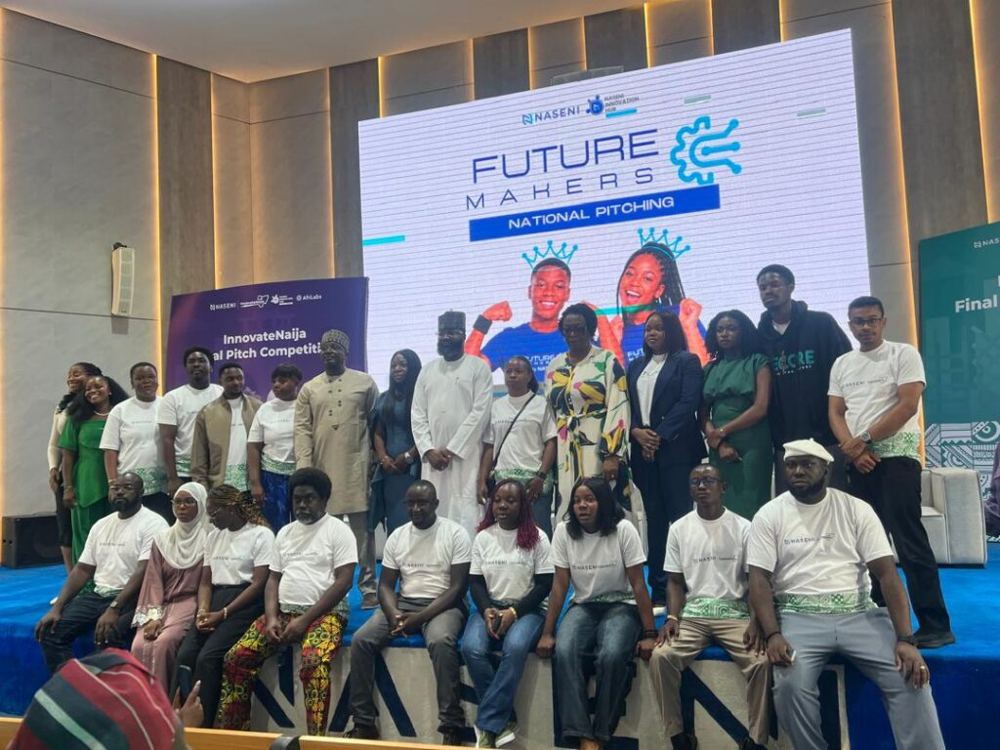
…N100m grand prize up for grabs as 15 finalists pitch solutions Young Nigerian innovators have showcased locally developed solutions targeting challenges in transportation, energy, agriculture, healthcare and education at the InnovateNaija 2026 Final Pitch Event organised by the National Agency for Science and Engineering Infrastructure (NASENI) in partnership with AfriLabs. The event brought together the top 15 finalists selected from more than 1,200 innovators who applied from the 36 states and the Federal Capital Territory, with the finalists competing for a N100 million grand prize. The innovations presented included locally fabricated electric vehicles and smart systems designed to improve the monitoring and safe use of liquefied petroleum gas (LPG), among other technology-driven solutions. Speaking at the event, Nanko Madu, director of programmes at AfriLabs, said the initiative was designed to encourage young Nigerians to identify pressing challenges within their communities and develop practical solutions to address them. She said the innovators were working across sectors including agriculture, energy, healthcare and education, reflecting the range of challenges that could be addressed through locally developed technologies. Madu said the programme attracted more than 1,200 applications from across Nigeria, from which 133 innovations were selected for the next stage before 36 state champions emerged. The selection process subsequently included public voting, which helped narrow the field to the 15 finalists competing at the final pitch. According to her, the winner of the InnovateNaija competition will receive ₦100 million to invest in the growth of the enterprise, while the second- and third-place winners will receive N30 million and N20 million respectively. Each state champion is also entitled to N2.5 million, while five state winners will receive N5 million following additional funding commitments from five state governors who matched the original prize. Madu said the support for the innovators would extend beyond the prize money, noting that AfriLabs had launched an acceleration programme to help participants strengthen their businesses and access further funding. “These young people are looking within their communities at the pressing challenges they face and coming up with innovative solutions to solve those challenges. They are solving challenges across agriculture, energy, healthcare and education, and many more sectors. “The winner of InnovateNaija will take home N100 million to invest in their enterprise and innovation, while the second and third-place winners will receive N30 million and N20 million, respectively. “The money is not where the support ends. We are not going to leave them; we are going to guide them. “We have an acceleration programme that will continue to support and guide them to invest and use the money properly, while also helping them access additional funding from other sources. “We are going to expose them to other stakeholders within the ecosystem, including investors, governments and corporates, and link them with those interested in their solutions,” Madu said. She explained that the acceleration programme would help beneficiaries deploy the funds effectively, develop their enterprises and connect with additional sources of capital. The programme would also link innovators with investors, government institutions and corporate organisations interested in supporting or adopting their solutions. Madu said the focus was to help innovators move beyond prototypes and early-stage ideas towards commercialisation and wider market adoption. “Most experiences we’ve gotten in this country is not actually about the ideas. It’s not about the prototypes. It’s actually scaling to commercial level that these prototypes go into the market and become solution for society,” she said. Madu also said the FutureMakers programme, which targets young innovators aged 10 to 16, attracted more than 2,000 applications from Nigeria’s six geopolitical zones. Sixty young innovators were selected for the next stage, with the top six proceeding to the final pitch for a N5 million grand prize. She said the programmes demonstrated the potential of young Nigerians to develop solutions to problems around them when provided with the opportunity and support to do so. Looking ahead, Madu expressed hope that InnovateNaija would lead to more initiatives supporting innovation at the local level, including greater involvement from government agencies and sector-specific institutions. She said sustained support for innovation in areas such as agriculture and healthcare could help move locally developed solutions from ideas and prototypes into products capable of addressing challenges across the country. One of the finalists, Elizabeth Chiketarauba, founder and chief executive officer of Elinovatech, showcased Tokunova, a locally fabricated electric vehicle designed specifically for the Nigerian market. Chiketarauba, a mechatronics engineer, said the innovation was developed to address the impact of high transportation and fuel costs while providing a locally designed alternative to imported electric vehicles. She said the adoption of locally manufactured electric vehicles could help reduce transportation costs and contribute to a cleaner environment. Another finalist, Chinyere Onwumelu, co-founder of ANSOP, presented a gas-level monitoring and community metering system designed to help households monitor LPG levels, detect leakages and better manage their cooking gas consumption. Onwumelu said the idea was inspired by the difficulty households face in knowing when their cooking gas is about to run out, often forcing users to rely on physically shaking gas cylinders or guessing their remaining fuel levels. The device provides users with information on the percentage of gas remaining and sends alerts when levels become critically low. It also detects gas leaks and enables users to monitor consumption and reduce waste. Onwumelu said funding remained a major barrier to launching the product at scale, adding that the team was targeting an initial 10,000 households within 30 months. She said the company had secured commitments from companies in the energy and real estate sectors to support the deployment of the technology once funding was secured. Opening the pitch event, Khalil Suleiman Halilu, executive vice chairman and chief executive officer of NASENI, said Nigeria needed stronger links between ideas, production and commercial opportunities. Halilu said InnovateNaija was established around three principles guiding NASENI’s work: creation, collaboration and commercialisation. “An idea is only the beginning. The real journey is turning that idea into something useful. Something people want. Something people will pay for. Something that can be manufactured. Something that can employ people,” he said. He urged the finalists to focus on clearly communicating the problems their innovations solve, demonstrating their effectiveness and explaining how the businesses could grow. Halilu said innovation should not be viewed as a linear process, noting that innovators would need to build, test, fail, learn and adjust their solutions as they developed. “Because sometimes the most valuable thing you leave a pitch room with is not the prize. It is clarity,” he said. He added that NASENI wanted to help build bridges between innovators and industry so that ideas could develop into enterprises and, ultimately, contribute to industrial growth. Related News Can Nigeria build a forest economy? Spiro bags sustainability award for driving e-mobility growth Police rescue suspected child abductor from mob in Kuje Share
Young Nigerian innovators have showcased locally developed solutions targeting challenges in transportation, energy, agriculture, healthcare and education at the InnovateNaija 2026 Final Pitch Event organised by the National Agency for Science and Engineering Infrastructure (NASENI) in partnership with AfriLabs. The event brought together the top 15 finalists selected from more than 1,200 innovators who applied from the 36 states and the Federal Capital Territory, with the finalists competing for a N100 million grand prize. The innovations presented included locally fabricated electric vehicles and smart systems designed to improve the monitoring and safe use of liquefied petroleum gas (LPG), among other technology-driven solutions. Speaking at the event, Nanko Madu, director of programmes at AfriLabs, said the initiative was designed to encourage young Nigerians to identify pressing challenges within their communities and develop practical solutions to address them. She said the innovators were working across sectors including agriculture, energy, healthcare and education, reflecting the range of challenges that could be addressed through locally developed technologies. Madu said the programme attracted more than 1,200 applications from across Nigeria, from which 133 innovations were selected for the next stage before 36 state champions emerged. The selection process subsequently included public voting, which helped narrow the field to the 15 finalists competing at the final pitch. According to her, the winner of the InnovateNaija competition will receive ₦100 million to invest in the growth of the enterprise, while the second- and third-place winners will receive N30 million and N20 million respectively. Each state champion is also entitled to N2.5 million, while five state winners will receive N5 million following additional funding commitments from five state governors who matched the original prize. Madu said the support for the innovators would extend beyond the prize money, noting that AfriLabs had launched an acceleration programme to help participants strengthen their businesses and access further funding. “These young people are looking within their communities at the pressing challenges they face and coming up with innovative solutions to solve those challenges. They are solving challenges across agriculture, energy, healthcare and education, and many more sectors. “The winner of InnovateNaija will take home N100 million to invest in their enterprise and innovation, while the second and third-place winners will receive N30 million and N20 million, respectively. “The money is not where the support ends. We are not going to leave them; we are going to guide them. “We have an acceleration programme that will continue to support and guide them to invest and use the money properly, while also helping them access additional funding from other sources. “We are going to expose them to other stakeholders within the ecosystem, including investors, governments and corporates, and link them with those interested in their solutions,” Madu said. She explained that the acceleration programme would help beneficiaries deploy the funds effectively, develop their enterprises and connect with additional sources of capital. The programme would also link innovators with investors, government institutions and corporate organisations interested in supporting or adopting their solutions. Madu said the focus was to help innovators move beyond prototypes and early-stage ideas towards commercialisation and wider market adoption. “Most experiences we’ve gotten in this country is not actually about the ideas. It’s not about the prototypes. It’s actually scaling to commercial level that these prototypes go into the market and become solution for society,” she said. Madu also said the FutureMakers programme, which targets young innovators aged 10 to 16, attracted more than 2,000 applications from Nigeria’s six geopolitical zones. Sixty young innovators were selected for the next stage, with the top six proceeding to the final pitch for a N5 million grand prize. She said the programmes demonstrated the potential of young Nigerians to develop solutions to problems around them when provided with the opportunity and support to do so. Looking ahead, Madu expressed hope that InnovateNaija would lead to more initiatives supporting innovation at the local level, including greater involvement from government agencies and sector-specific institutions. She said sustained support for innovation in areas such as agriculture and healthcare could help move locally developed solutions from ideas and prototypes into products capable of addressing challenges across the country. One of the finalists, Elizabeth Chiketarauba, founder and chief executive officer of Elinovatech, showcased Tokunova, a locally fabricated electric vehicle designed specifically for the Nigerian market. Chiketarauba, a mechatronics engineer, said the innovation was developed to address the impact of high transportation and fuel costs while providing a locally designed alternative to imported electric vehicles. She said the adoption of locally manufactured electric vehicles could help reduce transportation costs and contribute to a cleaner environment. Another finalist, Chinyere Onwumelu, co-founder of ANSOP, presented a gas-level monitoring and community metering system designed to help households monitor LPG levels, detect leakages and better manage their cooking gas consumption. Onwumelu said the idea was inspired by the difficulty households face in knowing when their cooking gas is about to run out, often forcing users to rely on physically shaking gas cylinders or guessing their remaining fuel levels. The device provides users with information on the percentage of gas remaining and sends alerts when levels become critically low. It also detects gas leaks and enables users to monitor consumption and reduce waste. Onwumelu said funding remained a major barrier to launching the product at scale, adding that the team was targeting an initial 10,000 households within 30 months. She said the company had secured commitments from companies in the energy and real estate sectors to support the deployment of the technology once funding was secured. Opening the pitch event, Khalil Suleiman Halilu, executive vice chairman and chief executive officer of NASENI, said Nigeria needed stronger links between ideas, production and commercial opportunities. Halilu said InnovateNaija was established around three principles guiding NASENI’s work: creation, collaboration and commercialisation. “An idea is only the beginning. The real journey is turning that idea into something useful. Something people want. Something people will pay for. Something that can be manufactured. Something that can employ people,” he said. He urged the finalists to focus on clearly communicating the problems their innovations solve, demonstrating their effectiveness and explaining how the businesses could grow. Halilu said innovation should not be viewed as a linear process, noting that innovators would need to build, test, fail, learn and adjust their solutions as they developed. “Because sometimes the most valuable thing you leave a pitch room with is not the prize. It is clarity,” he said. He added that NASENI wanted to help build bridges between innovators and industry so that ideas could develop into enterprises and, ultimately, contribute to industrial growth. Related News Can Nigeria build a forest economy? Spiro bags sustainability award for driving e-mobility growth Police rescue suspected child abductor from mob in Kuje Share
The event brought together the top 15 finalists selected from more than 1,200 innovators who applied from the 36 states and the Federal Capital Territory, with the finalists competing for a N100 million grand prize. The innovations presented included locally fabricated electric vehicles and smart systems designed to improve the monitoring and safe use of liquefied petroleum gas (LPG), among other technology-driven solutions. Speaking at the event, Nanko Madu, director of programmes at AfriLabs, said the initiative was designed to encourage young Nigerians to identify pressing challenges within their communities and develop practical solutions to address them. She said the innovators were working across sectors including agriculture, energy, healthcare and education, reflecting the range of challenges that could be addressed through locally developed technologies. Madu said the programme attracted more than 1,200 applications from across Nigeria, from which 133 innovations were selected for the next stage before 36 state champions emerged. The selection process subsequently included public voting, which helped narrow the field to the 15 finalists competing at the final pitch. According to her, the winner of the InnovateNaija competition will receive ₦100 million to invest in the growth of the enterprise, while the second- and third-place winners will receive N30 million and N20 million respectively. Each state champion is also entitled to N2.5 million, while five state winners will receive N5 million following additional funding commitments from five state governors who matched the original prize. Madu said the support for the innovators would extend beyond the prize money, noting that AfriLabs had launched an acceleration programme to help participants strengthen their businesses and access further funding. “These young people are looking within their communities at the pressing challenges they face and coming up with innovative solutions to solve those challenges. They are solving challenges across agriculture, energy, healthcare and education, and many more sectors. “The winner of InnovateNaija will take home N100 million to invest in their enterprise and innovation, while the second and third-place winners will receive N30 million and N20 million, respectively. “The money is not where the support ends. We are not going to leave them; we are going to guide them. “We have an acceleration programme that will continue to support and guide them to invest and use the money properly, while also helping them access additional funding from other sources. “We are going to expose them to other stakeholders within the ecosystem, including investors, governments and corporates, and link them with those interested in their solutions,” Madu said. She explained that the acceleration programme would help beneficiaries deploy the funds effectively, develop their enterprises and connect with additional sources of capital. The programme would also link innovators with investors, government institutions and corporate organisations interested in supporting or adopting their solutions. Madu said the focus was to help innovators move beyond prototypes and early-stage ideas towards commercialisation and wider market adoption. “Most experiences we’ve gotten in this country is not actually about the ideas. It’s not about the prototypes. It’s actually scaling to commercial level that these prototypes go into the market and become solution for society,” she said. Madu also said the FutureMakers programme, which targets young innovators aged 10 to 16, attracted more than 2,000 applications from Nigeria’s six geopolitical zones. Sixty young innovators were selected for the next stage, with the top six proceeding to the final pitch for a N5 million grand prize. She said the programmes demonstrated the potential of young Nigerians to develop solutions to problems around them when provided with the opportunity and support to do so. Looking ahead, Madu expressed hope that InnovateNaija would lead to more initiatives supporting innovation at the local level, including greater involvement from government agencies and sector-specific institutions. She said sustained support for innovation in areas such as agriculture and healthcare could help move locally developed solutions from ideas and prototypes into products capable of addressing challenges across the country. One of the finalists, Elizabeth Chiketarauba, founder and chief executive officer of Elinovatech, showcased Tokunova, a locally fabricated electric vehicle designed specifically for the Nigerian market. Chiketarauba, a mechatronics engineer, said the innovation was developed to address the impact of high transportation and fuel costs while providing a locally designed alternative to imported electric vehicles. She said the adoption of locally manufactured electric vehicles could help reduce transportation costs and contribute to a cleaner environment. Another finalist, Chinyere Onwumelu, co-founder of ANSOP, presented a gas-level monitoring and community metering system designed to help households monitor LPG levels, detect leakages and better manage their cooking gas consumption. Onwumelu said the idea was inspired by the difficulty households face in knowing when their cooking gas is about to run out, often forcing users to rely on physically shaking gas cylinders or guessing their remaining fuel levels. The device provides users with information on the percentage of gas remaining and sends alerts when levels become critically low. It also detects gas leaks and enables users to monitor consumption and reduce waste. Onwumelu said funding remained a major barrier to launching the product at scale, adding that the team was targeting an initial 10,000 households within 30 months. She said the company had secured commitments from companies in the energy and real estate sectors to support the deployment of the technology once funding was secured. Opening the pitch event, Khalil Suleiman Halilu, executive vice chairman and chief executive officer of NASENI, said Nigeria needed stronger links between ideas, production and commercial opportunities. Halilu said InnovateNaija was established around three principles guiding NASENI’s work: creation, collaboration and commercialisation. “An idea is only the beginning. The real journey is turning that idea into something useful. Something people want. Something people will pay for. Something that can be manufactured. Something that can employ people,” he said. He urged the finalists to focus on clearly communicating the problems their innovations solve, demonstrating their effectiveness and explaining how the businesses could grow. Halilu said innovation should not be viewed as a linear process, noting that innovators would need to build, test, fail, learn and adjust their solutions as they developed. “Because sometimes the most valuable thing you leave a pitch room with is not the prize. It is clarity,” he said. He added that NASENI wanted to help build bridges between innovators and industry so that ideas could develop into enterprises and, ultimately, contribute to industrial growth. Related News Can Nigeria build a forest economy? Spiro bags sustainability award for driving e-mobility growth Police rescue suspected child abductor from mob in Kuje Share
The innovations presented included locally fabricated electric vehicles and smart systems designed to improve the monitoring and safe use of liquefied petroleum gas (LPG), among other technology-driven solutions. Speaking at the event, Nanko Madu, director of programmes at AfriLabs, said the initiative was designed to encourage young Nigerians to identify pressing challenges within their communities and develop practical solutions to address them. She said the innovators were working across sectors including agriculture, energy, healthcare and education, reflecting the range of challenges that could be addressed through locally developed technologies. Madu said the programme attracted more than 1,200 applications from across Nigeria, from which 133 innovations were selected for the next stage before 36 state champions emerged. The selection process subsequently included public voting, which helped narrow the field to the 15 finalists competing at the final pitch. According to her, the winner of the InnovateNaija competition will receive ₦100 million to invest in the growth of the enterprise, while the second- and third-place winners will receive N30 million and N20 million respectively. Each state champion is also entitled to N2.5 million, while five state winners will receive N5 million following additional funding commitments from five state governors who matched the original prize. Madu said the support for the innovators would extend beyond the prize money, noting that AfriLabs had launched an acceleration programme to help participants strengthen their businesses and access further funding. “These young people are looking within their communities at the pressing challenges they face and coming up with innovative solutions to solve those challenges. They are solving challenges across agriculture, energy, healthcare and education, and many more sectors. “The winner of InnovateNaija will take home N100 million to invest in their enterprise and innovation, while the second and third-place winners will receive N30 million and N20 million, respectively. “The money is not where the support ends. We are not going to leave them; we are going to guide them. “We have an acceleration programme that will continue to support and guide them to invest and use the money properly, while also helping them access additional funding from other sources. “We are going to expose them to other stakeholders within the ecosystem, including investors, governments and corporates, and link them with those interested in their solutions,” Madu said. She explained that the acceleration programme would help beneficiaries deploy the funds effectively, develop their enterprises and connect with additional sources of capital. The programme would also link innovators with investors, government institutions and corporate organisations interested in supporting or adopting their solutions. Madu said the focus was to help innovators move beyond prototypes and early-stage ideas towards commercialisation and wider market adoption. “Most experiences we’ve gotten in this country is not actually about the ideas. It’s not about the prototypes. It’s actually scaling to commercial level that these prototypes go into the market and become solution for society,” she said. Madu also said the FutureMakers programme, which targets young innovators aged 10 to 16, attracted more than 2,000 applications from Nigeria’s six geopolitical zones. Sixty young innovators were selected for the next stage, with the top six proceeding to the final pitch for a N5 million grand prize. She said the programmes demonstrated the potential of young Nigerians to develop solutions to problems around them when provided with the opportunity and support to do so. Looking ahead, Madu expressed hope that InnovateNaija would lead to more initiatives supporting innovation at the local level, including greater involvement from government agencies and sector-specific institutions. She said sustained support for innovation in areas such as agriculture and healthcare could help move locally developed solutions from ideas and prototypes into products capable of addressing challenges across the country. One of the finalists, Elizabeth Chiketarauba, founder and chief executive officer of Elinovatech, showcased Tokunova, a locally fabricated electric vehicle designed specifically for the Nigerian market. Chiketarauba, a mechatronics engineer, said the innovation was developed to address the impact of high transportation and fuel costs while providing a locally designed alternative to imported electric vehicles. She said the adoption of locally manufactured electric vehicles could help reduce transportation costs and contribute to a cleaner environment. Another finalist, Chinyere Onwumelu, co-founder of ANSOP, presented a gas-level monitoring and community metering system designed to help households monitor LPG levels, detect leakages and better manage their cooking gas consumption. Onwumelu said the idea was inspired by the difficulty households face in knowing when their cooking gas is about to run out, often forcing users to rely on physically shaking gas cylinders or guessing their remaining fuel levels. The device provides users with information on the percentage of gas remaining and sends alerts when levels become critically low. It also detects gas leaks and enables users to monitor consumption and reduce waste. Onwumelu said funding remained a major barrier to launching the product at scale, adding that the team was targeting an initial 10,000 households within 30 months. She said the company had secured commitments from companies in the energy and real estate sectors to support the deployment of the technology once funding was secured. Opening the pitch event, Khalil Suleiman Halilu, executive vice chairman and chief executive officer of NASENI, said Nigeria needed stronger links between ideas, production and commercial opportunities. Halilu said InnovateNaija was established around three principles guiding NASENI’s work: creation, collaboration and commercialisation. “An idea is only the beginning. The real journey is turning that idea into something useful. Something people want. Something people will pay for. Something that can be manufactured. Something that can employ people,” he said. He urged the finalists to focus on clearly communicating the problems their innovations solve, demonstrating their effectiveness and explaining how the businesses could grow. Halilu said innovation should not be viewed as a linear process, noting that innovators would need to build, test, fail, learn and adjust their solutions as they developed. “Because sometimes the most valuable thing you leave a pitch room with is not the prize. It is clarity,” he said. He added that NASENI wanted to help build bridges between innovators and industry so that ideas could develop into enterprises and, ultimately, contribute to industrial growth. Related News Can Nigeria build a forest economy? Spiro bags sustainability award for driving e-mobility growth Police rescue suspected child abductor from mob in Kuje Share
Speaking at the event, Nanko Madu, director of programmes at AfriLabs, said the initiative was designed to encourage young Nigerians to identify pressing challenges within their communities and develop practical solutions to address them. She said the innovators were working across sectors including agriculture, energy, healthcare and education, reflecting the range of challenges that could be addressed through locally developed technologies. Madu said the programme attracted more than 1,200 applications from across Nigeria, from which 133 innovations were selected for the next stage before 36 state champions emerged. The selection process subsequently included public voting, which helped narrow the field to the 15 finalists competing at the final pitch. According to her, the winner of the InnovateNaija competition will receive ₦100 million to invest in the growth of the enterprise, while the second- and third-place winners will receive N30 million and N20 million respectively. Each state champion is also entitled to N2.5 million, while five state winners will receive N5 million following additional funding commitments from five state governors who matched the original prize. Madu said the support for the innovators would extend beyond the prize money, noting that AfriLabs had launched an acceleration programme to help participants strengthen their businesses and access further funding. “These young people are looking within their communities at the pressing challenges they face and coming up with innovative solutions to solve those challenges. They are solving challenges across agriculture, energy, healthcare and education, and many more sectors. “The winner of InnovateNaija will take home N100 million to invest in their enterprise and innovation, while the second and third-place winners will receive N30 million and N20 million, respectively. “The money is not where the support ends. We are not going to leave them; we are going to guide them. “We have an acceleration programme that will continue to support and guide them to invest and use the money properly, while also helping them access additional funding from other sources. “We are going to expose them to other stakeholders within the ecosystem, including investors, governments and corporates, and link them with those interested in their solutions,” Madu said. She explained that the acceleration programme would help beneficiaries deploy the funds effectively, develop their enterprises and connect with additional sources of capital. The programme would also link innovators with investors, government institutions and corporate organisations interested in supporting or adopting their solutions. Madu said the focus was to help innovators move beyond prototypes and early-stage ideas towards commercialisation and wider market adoption. “Most experiences we’ve gotten in this country is not actually about the ideas. It’s not about the prototypes. It’s actually scaling to commercial level that these prototypes go into the market and become solution for society,” she said. Madu also said the FutureMakers programme, which targets young innovators aged 10 to 16, attracted more than 2,000 applications from Nigeria’s six geopolitical zones. Sixty young innovators were selected for the next stage, with the top six proceeding to the final pitch for a N5 million grand prize. She said the programmes demonstrated the potential of young Nigerians to develop solutions to problems around them when provided with the opportunity and support to do so. Looking ahead, Madu expressed hope that InnovateNaija would lead to more initiatives supporting innovation at the local level, including greater involvement from government agencies and sector-specific institutions. She said sustained support for innovation in areas such as agriculture and healthcare could help move locally developed solutions from ideas and prototypes into products capable of addressing challenges across the country. One of the finalists, Elizabeth Chiketarauba, founder and chief executive officer of Elinovatech, showcased Tokunova, a locally fabricated electric vehicle designed specifically for the Nigerian market. Chiketarauba, a mechatronics engineer, said the innovation was developed to address the impact of high transportation and fuel costs while providing a locally designed alternative to imported electric vehicles. She said the adoption of locally manufactured electric vehicles could help reduce transportation costs and contribute to a cleaner environment. Another finalist, Chinyere Onwumelu, co-founder of ANSOP, presented a gas-level monitoring and community metering system designed to help households monitor LPG levels, detect leakages and better manage their cooking gas consumption. Onwumelu said the idea was inspired by the difficulty households face in knowing when their cooking gas is about to run out, often forcing users to rely on physically shaking gas cylinders or guessing their remaining fuel levels. The device provides users with information on the percentage of gas remaining and sends alerts when levels become critically low. It also detects gas leaks and enables users to monitor consumption and reduce waste. Onwumelu said funding remained a major barrier to launching the product at scale, adding that the team was targeting an initial 10,000 households within 30 months. She said the company had secured commitments from companies in the energy and real estate sectors to support the deployment of the technology once funding was secured. Opening the pitch event, Khalil Suleiman Halilu, executive vice chairman and chief executive officer of NASENI, said Nigeria needed stronger links between ideas, production and commercial opportunities. Halilu said InnovateNaija was established around three principles guiding NASENI’s work: creation, collaboration and commercialisation. “An idea is only the beginning. The real journey is turning that idea into something useful. Something people want. Something people will pay for. Something that can be manufactured. Something that can employ people,” he said. He urged the finalists to focus on clearly communicating the problems their innovations solve, demonstrating their effectiveness and explaining how the businesses could grow. Halilu said innovation should not be viewed as a linear process, noting that innovators would need to build, test, fail, learn and adjust their solutions as they developed. “Because sometimes the most valuable thing you leave a pitch room with is not the prize. It is clarity,” he said. He added that NASENI wanted to help build bridges between innovators and industry so that ideas could develop into enterprises and, ultimately, contribute to industrial growth. Related News Can Nigeria build a forest economy? Spiro bags sustainability award for driving e-mobility growth Police rescue suspected child abductor from mob in Kuje Share
She said the innovators were working across sectors including agriculture, energy, healthcare and education, reflecting the range of challenges that could be addressed through locally developed technologies. Madu said the programme attracted more than 1,200 applications from across Nigeria, from which 133 innovations were selected for the next stage before 36 state champions emerged. The selection process subsequently included public voting, which helped narrow the field to the 15 finalists competing at the final pitch. According to her, the winner of the InnovateNaija competition will receive ₦100 million to invest in the growth of the enterprise, while the second- and third-place winners will receive N30 million and N20 million respectively. Each state champion is also entitled to N2.5 million, while five state winners will receive N5 million following additional funding commitments from five state governors who matched the original prize. Madu said the support for the innovators would extend beyond the prize money, noting that AfriLabs had launched an acceleration programme to help participants strengthen their businesses and access further funding. “These young people are looking within their communities at the pressing challenges they face and coming up with innovative solutions to solve those challenges. They are solving challenges across agriculture, energy, healthcare and education, and many more sectors. “The winner of InnovateNaija will take home N100 million to invest in their enterprise and innovation, while the second and third-place winners will receive N30 million and N20 million, respectively. “The money is not where the support ends. We are not going to leave them; we are going to guide them. “We have an acceleration programme that will continue to support and guide them to invest and use the money properly, while also helping them access additional funding from other sources. “We are going to expose them to other stakeholders within the ecosystem, including investors, governments and corporates, and link them with those interested in their solutions,” Madu said. She explained that the acceleration programme would help beneficiaries deploy the funds effectively, develop their enterprises and connect with additional sources of capital. The programme would also link innovators with investors, government institutions and corporate organisations interested in supporting or adopting their solutions. Madu said the focus was to help innovators move beyond prototypes and early-stage ideas towards commercialisation and wider market adoption. “Most experiences we’ve gotten in this country is not actually about the ideas. It’s not about the prototypes. It’s actually scaling to commercial level that these prototypes go into the market and become solution for society,” she said. Madu also said the FutureMakers programme, which targets young innovators aged 10 to 16, attracted more than 2,000 applications from Nigeria’s six geopolitical zones. Sixty young innovators were selected for the next stage, with the top six proceeding to the final pitch for a N5 million grand prize. She said the programmes demonstrated the potential of young Nigerians to develop solutions to problems around them when provided with the opportunity and support to do so. Looking ahead, Madu expressed hope that InnovateNaija would lead to more initiatives supporting innovation at the local level, including greater involvement from government agencies and sector-specific institutions. She said sustained support for innovation in areas such as agriculture and healthcare could help move locally developed solutions from ideas and prototypes into products capable of addressing challenges across the country. One of the finalists, Elizabeth Chiketarauba, founder and chief executive officer of Elinovatech, showcased Tokunova, a locally fabricated electric vehicle designed specifically for the Nigerian market. Chiketarauba, a mechatronics engineer, said the innovation was developed to address the impact of high transportation and fuel costs while providing a locally designed alternative to imported electric vehicles. She said the adoption of locally manufactured electric vehicles could help reduce transportation costs and contribute to a cleaner environment. Another finalist, Chinyere Onwumelu, co-founder of ANSOP, presented a gas-level monitoring and community metering system designed to help households monitor LPG levels, detect leakages and better manage their cooking gas consumption. Onwumelu said the idea was inspired by the difficulty households face in knowing when their cooking gas is about to run out, often forcing users to rely on physically shaking gas cylinders or guessing their remaining fuel levels. The device provides users with information on the percentage of gas remaining and sends alerts when levels become critically low. It also detects gas leaks and enables users to monitor consumption and reduce waste. Onwumelu said funding remained a major barrier to launching the product at scale, adding that the team was targeting an initial 10,000 households within 30 months. She said the company had secured commitments from companies in the energy and real estate sectors to support the deployment of the technology once funding was secured. Opening the pitch event, Khalil Suleiman Halilu, executive vice chairman and chief executive officer of NASENI, said Nigeria needed stronger links between ideas, production and commercial opportunities. Halilu said InnovateNaija was established around three principles guiding NASENI’s work: creation, collaboration and commercialisation. “An idea is only the beginning. The real journey is turning that idea into something useful. Something people want. Something people will pay for. Something that can be manufactured. Something that can employ people,” he said. He urged the finalists to focus on clearly communicating the problems their innovations solve, demonstrating their effectiveness and explaining how the businesses could grow. Halilu said innovation should not be viewed as a linear process, noting that innovators would need to build, test, fail, learn and adjust their solutions as they developed. “Because sometimes the most valuable thing you leave a pitch room with is not the prize. It is clarity,” he said. He added that NASENI wanted to help build bridges between innovators and industry so that ideas could develop into enterprises and, ultimately, contribute to industrial growth. Related News Can Nigeria build a forest economy? Spiro bags sustainability award for driving e-mobility growth Police rescue suspected child abductor from mob in Kuje Share
Madu said the programme attracted more than 1,200 applications from across Nigeria, from which 133 innovations were selected for the next stage before 36 state champions emerged. The selection process subsequently included public voting, which helped narrow the field to the 15 finalists competing at the final pitch. According to her, the winner of the InnovateNaija competition will receive ₦100 million to invest in the growth of the enterprise, while the second- and third-place winners will receive N30 million and N20 million respectively. Each state champion is also entitled to N2.5 million, while five state winners will receive N5 million following additional funding commitments from five state governors who matched the original prize. Madu said the support for the innovators would extend beyond the prize money, noting that AfriLabs had launched an acceleration programme to help participants strengthen their businesses and access further funding. “These young people are looking within their communities at the pressing challenges they face and coming up with innovative solutions to solve those challenges. They are solving challenges across agriculture, energy, healthcare and education, and many more sectors. “The winner of InnovateNaija will take home N100 million to invest in their enterprise and innovation, while the second and third-place winners will receive N30 million and N20 million, respectively. “The money is not where the support ends. We are not going to leave them; we are going to guide them. “We have an acceleration programme that will continue to support and guide them to invest and use the money properly, while also helping them access additional funding from other sources. “We are going to expose them to other stakeholders within the ecosystem, including investors, governments and corporates, and link them with those interested in their solutions,” Madu said. She explained that the acceleration programme would help beneficiaries deploy the funds effectively, develop their enterprises and connect with additional sources of capital. The programme would also link innovators with investors, government institutions and corporate organisations interested in supporting or adopting their solutions. Madu said the focus was to help innovators move beyond prototypes and early-stage ideas towards commercialisation and wider market adoption. “Most experiences we’ve gotten in this country is not actually about the ideas. It’s not about the prototypes. It’s actually scaling to commercial level that these prototypes go into the market and become solution for society,” she said. Madu also said the FutureMakers programme, which targets young innovators aged 10 to 16, attracted more than 2,000 applications from Nigeria’s six geopolitical zones. Sixty young innovators were selected for the next stage, with the top six proceeding to the final pitch for a N5 million grand prize. She said the programmes demonstrated the potential of young Nigerians to develop solutions to problems around them when provided with the opportunity and support to do so. Looking ahead, Madu expressed hope that InnovateNaija would lead to more initiatives supporting innovation at the local level, including greater involvement from government agencies and sector-specific institutions. She said sustained support for innovation in areas such as agriculture and healthcare could help move locally developed solutions from ideas and prototypes into products capable of addressing challenges across the country. One of the finalists, Elizabeth Chiketarauba, founder and chief executive officer of Elinovatech, showcased Tokunova, a locally fabricated electric vehicle designed specifically for the Nigerian market. Chiketarauba, a mechatronics engineer, said the innovation was developed to address the impact of high transportation and fuel costs while providing a locally designed alternative to imported electric vehicles. She said the adoption of locally manufactured electric vehicles could help reduce transportation costs and contribute to a cleaner environment. Another finalist, Chinyere Onwumelu, co-founder of ANSOP, presented a gas-level monitoring and community metering system designed to help households monitor LPG levels, detect leakages and better manage their cooking gas consumption. Onwumelu said the idea was inspired by the difficulty households face in knowing when their cooking gas is about to run out, often forcing users to rely on physically shaking gas cylinders or guessing their remaining fuel levels. The device provides users with information on the percentage of gas remaining and sends alerts when levels become critically low. It also detects gas leaks and enables users to monitor consumption and reduce waste. Onwumelu said funding remained a major barrier to launching the product at scale, adding that the team was targeting an initial 10,000 households within 30 months. She said the company had secured commitments from companies in the energy and real estate sectors to support the deployment of the technology once funding was secured. Opening the pitch event, Khalil Suleiman Halilu, executive vice chairman and chief executive officer of NASENI, said Nigeria needed stronger links between ideas, production and commercial opportunities. Halilu said InnovateNaija was established around three principles guiding NASENI’s work: creation, collaboration and commercialisation. “An idea is only the beginning. The real journey is turning that idea into something useful. Something people want. Something people will pay for. Something that can be manufactured. Something that can employ people,” he said. He urged the finalists to focus on clearly communicating the problems their innovations solve, demonstrating their effectiveness and explaining how the businesses could grow. Halilu said innovation should not be viewed as a linear process, noting that innovators would need to build, test, fail, learn and adjust their solutions as they developed. “Because sometimes the most valuable thing you leave a pitch room with is not the prize. It is clarity,” he said. He added that NASENI wanted to help build bridges between innovators and industry so that ideas could develop into enterprises and, ultimately, contribute to industrial growth. Related News Can Nigeria build a forest economy? Spiro bags sustainability award for driving e-mobility growth Police rescue suspected child abductor from mob in Kuje Share
The selection process subsequently included public voting, which helped narrow the field to the 15 finalists competing at the final pitch. According to her, the winner of the InnovateNaija competition will receive ₦100 million to invest in the growth of the enterprise, while the second- and third-place winners will receive N30 million and N20 million respectively. Each state champion is also entitled to N2.5 million, while five state winners will receive N5 million following additional funding commitments from five state governors who matched the original prize. Madu said the support for the innovators would extend beyond the prize money, noting that AfriLabs had launched an acceleration programme to help participants strengthen their businesses and access further funding. “These young people are looking within their communities at the pressing challenges they face and coming up with innovative solutions to solve those challenges. They are solving challenges across agriculture, energy, healthcare and education, and many more sectors. “The winner of InnovateNaija will take home N100 million to invest in their enterprise and innovation, while the second and third-place winners will receive N30 million and N20 million, respectively. “The money is not where the support ends. We are not going to leave them; we are going to guide them. “We have an acceleration programme that will continue to support and guide them to invest and use the money properly, while also helping them access additional funding from other sources. “We are going to expose them to other stakeholders within the ecosystem, including investors, governments and corporates, and link them with those interested in their solutions,” Madu said. She explained that the acceleration programme would help beneficiaries deploy the funds effectively, develop their enterprises and connect with additional sources of capital. The programme would also link innovators with investors, government institutions and corporate organisations interested in supporting or adopting their solutions. Madu said the focus was to help innovators move beyond prototypes and early-stage ideas towards commercialisation and wider market adoption. “Most experiences we’ve gotten in this country is not actually about the ideas. It’s not about the prototypes. It’s actually scaling to commercial level that these prototypes go into the market and become solution for society,” she said. Madu also said the FutureMakers programme, which targets young innovators aged 10 to 16, attracted more than 2,000 applications from Nigeria’s six geopolitical zones. Sixty young innovators were selected for the next stage, with the top six proceeding to the final pitch for a N5 million grand prize. She said the programmes demonstrated the potential of young Nigerians to develop solutions to problems around them when provided with the opportunity and support to do so. Looking ahead, Madu expressed hope that InnovateNaija would lead to more initiatives supporting innovation at the local level, including greater involvement from government agencies and sector-specific institutions. She said sustained support for innovation in areas such as agriculture and healthcare could help move locally developed solutions from ideas and prototypes into products capable of addressing challenges across the country. One of the finalists, Elizabeth Chiketarauba, founder and chief executive officer of Elinovatech, showcased Tokunova, a locally fabricated electric vehicle designed specifically for the Nigerian market. Chiketarauba, a mechatronics engineer, said the innovation was developed to address the impact of high transportation and fuel costs while providing a locally designed alternative to imported electric vehicles. She said the adoption of locally manufactured electric vehicles could help reduce transportation costs and contribute to a cleaner environment. Another finalist, Chinyere Onwumelu, co-founder of ANSOP, presented a gas-level monitoring and community metering system designed to help households monitor LPG levels, detect leakages and better manage their cooking gas consumption. Onwumelu said the idea was inspired by the difficulty households face in knowing when their cooking gas is about to run out, often forcing users to rely on physically shaking gas cylinders or guessing their remaining fuel levels. The device provides users with information on the percentage of gas remaining and sends alerts when levels become critically low. It also detects gas leaks and enables users to monitor consumption and reduce waste. Onwumelu said funding remained a major barrier to launching the product at scale, adding that the team was targeting an initial 10,000 households within 30 months. She said the company had secured commitments from companies in the energy and real estate sectors to support the deployment of the technology once funding was secured. Opening the pitch event, Khalil Suleiman Halilu, executive vice chairman and chief executive officer of NASENI, said Nigeria needed stronger links between ideas, production and commercial opportunities. Halilu said InnovateNaija was established around three principles guiding NASENI’s work: creation, collaboration and commercialisation. “An idea is only the beginning. The real journey is turning that idea into something useful. Something people want. Something people will pay for. Something that can be manufactured. Something that can employ people,” he said. He urged the finalists to focus on clearly communicating the problems their innovations solve, demonstrating their effectiveness and explaining how the businesses could grow. Halilu said innovation should not be viewed as a linear process, noting that innovators would need to build, test, fail, learn and adjust their solutions as they developed. “Because sometimes the most valuable thing you leave a pitch room with is not the prize. It is clarity,” he said. He added that NASENI wanted to help build bridges between innovators and industry so that ideas could develop into enterprises and, ultimately, contribute to industrial growth. Related News Can Nigeria build a forest economy? Spiro bags sustainability award for driving e-mobility growth Police rescue suspected child abductor from mob in Kuje Share
According to her, the winner of the InnovateNaija competition will receive ₦100 million to invest in the growth of the enterprise, while the second- and third-place winners will receive N30 million and N20 million respectively. Each state champion is also entitled to N2.5 million, while five state winners will receive N5 million following additional funding commitments from five state governors who matched the original prize. Madu said the support for the innovators would extend beyond the prize money, noting that AfriLabs had launched an acceleration programme to help participants strengthen their businesses and access further funding. “These young people are looking within their communities at the pressing challenges they face and coming up with innovative solutions to solve those challenges. They are solving challenges across agriculture, energy, healthcare and education, and many more sectors. “The winner of InnovateNaija will take home N100 million to invest in their enterprise and innovation, while the second and third-place winners will receive N30 million and N20 million, respectively. “The money is not where the support ends. We are not going to leave them; we are going to guide them. “We have an acceleration programme that will continue to support and guide them to invest and use the money properly, while also helping them access additional funding from other sources. “We are going to expose them to other stakeholders within the ecosystem, including investors, governments and corporates, and link them with those interested in their solutions,” Madu said. She explained that the acceleration programme would help beneficiaries deploy the funds effectively, develop their enterprises and connect with additional sources of capital. The programme would also link innovators with investors, government institutions and corporate organisations interested in supporting or adopting their solutions. Madu said the focus was to help innovators move beyond prototypes and early-stage ideas towards commercialisation and wider market adoption. “Most experiences we’ve gotten in this country is not actually about the ideas. It’s not about the prototypes. It’s actually scaling to commercial level that these prototypes go into the market and become solution for society,” she said. Madu also said the FutureMakers programme, which targets young innovators aged 10 to 16, attracted more than 2,000 applications from Nigeria’s six geopolitical zones. Sixty young innovators were selected for the next stage, with the top six proceeding to the final pitch for a N5 million grand prize. She said the programmes demonstrated the potential of young Nigerians to develop solutions to problems around them when provided with the opportunity and support to do so. Looking ahead, Madu expressed hope that InnovateNaija would lead to more initiatives supporting innovation at the local level, including greater involvement from government agencies and sector-specific institutions. She said sustained support for innovation in areas such as agriculture and healthcare could help move locally developed solutions from ideas and prototypes into products capable of addressing challenges across the country. One of the finalists, Elizabeth Chiketarauba, founder and chief executive officer of Elinovatech, showcased Tokunova, a locally fabricated electric vehicle designed specifically for the Nigerian market. Chiketarauba, a mechatronics engineer, said the innovation was developed to address the impact of high transportation and fuel costs while providing a locally designed alternative to imported electric vehicles. She said the adoption of locally manufactured electric vehicles could help reduce transportation costs and contribute to a cleaner environment. Another finalist, Chinyere Onwumelu, co-founder of ANSOP, presented a gas-level monitoring and community metering system designed to help households monitor LPG levels, detect leakages and better manage their cooking gas consumption. Onwumelu said the idea was inspired by the difficulty households face in knowing when their cooking gas is about to run out, often forcing users to rely on physically shaking gas cylinders or guessing their remaining fuel levels. The device provides users with information on the percentage of gas remaining and sends alerts when levels become critically low. It also detects gas leaks and enables users to monitor consumption and reduce waste. Onwumelu said funding remained a major barrier to launching the product at scale, adding that the team was targeting an initial 10,000 households within 30 months. She said the company had secured commitments from companies in the energy and real estate sectors to support the deployment of the technology once funding was secured. Opening the pitch event, Khalil Suleiman Halilu, executive vice chairman and chief executive officer of NASENI, said Nigeria needed stronger links between ideas, production and commercial opportunities. Halilu said InnovateNaija was established around three principles guiding NASENI’s work: creation, collaboration and commercialisation. “An idea is only the beginning. The real journey is turning that idea into something useful. Something people want. Something people will pay for. Something that can be manufactured. Something that can employ people,” he said. He urged the finalists to focus on clearly communicating the problems their innovations solve, demonstrating their effectiveness and explaining how the businesses could grow. Halilu said innovation should not be viewed as a linear process, noting that innovators would need to build, test, fail, learn and adjust their solutions as they developed. “Because sometimes the most valuable thing you leave a pitch room with is not the prize. It is clarity,” he said. He added that NASENI wanted to help build bridges between innovators and industry so that ideas could develop into enterprises and, ultimately, contribute to industrial growth. Related News Can Nigeria build a forest economy? Spiro bags sustainability award for driving e-mobility growth Police rescue suspected child abductor from mob in Kuje Share
Each state champion is also entitled to N2.5 million, while five state winners will receive N5 million following additional funding commitments from five state governors who matched the original prize. Madu said the support for the innovators would extend beyond the prize money, noting that AfriLabs had launched an acceleration programme to help participants strengthen their businesses and access further funding. “These young people are looking within their communities at the pressing challenges they face and coming up with innovative solutions to solve those challenges. They are solving challenges across agriculture, energy, healthcare and education, and many more sectors. “The winner of InnovateNaija will take home N100 million to invest in their enterprise and innovation, while the second and third-place winners will receive N30 million and N20 million, respectively. “The money is not where the support ends. We are not going to leave them; we are going to guide them. “We have an acceleration programme that will continue to support and guide them to invest and use the money properly, while also helping them access additional funding from other sources. “We are going to expose them to other stakeholders within the ecosystem, including investors, governments and corporates, and link them with those interested in their solutions,” Madu said. She explained that the acceleration programme would help beneficiaries deploy the funds effectively, develop their enterprises and connect with additional sources of capital. The programme would also link innovators with investors, government institutions and corporate organisations interested in supporting or adopting their solutions. Madu said the focus was to help innovators move beyond prototypes and early-stage ideas towards commercialisation and wider market adoption. “Most experiences we’ve gotten in this country is not actually about the ideas. It’s not about the prototypes. It’s actually scaling to commercial level that these prototypes go into the market and become solution for society,” she said. Madu also said the FutureMakers programme, which targets young innovators aged 10 to 16, attracted more than 2,000 applications from Nigeria’s six geopolitical zones. Sixty young innovators were selected for the next stage, with the top six proceeding to the final pitch for a N5 million grand prize. She said the programmes demonstrated the potential of young Nigerians to develop solutions to problems around them when provided with the opportunity and support to do so. Looking ahead, Madu expressed hope that InnovateNaija would lead to more initiatives supporting innovation at the local level, including greater involvement from government agencies and sector-specific institutions. She said sustained support for innovation in areas such as agriculture and healthcare could help move locally developed solutions from ideas and prototypes into products capable of addressing challenges across the country. One of the finalists, Elizabeth Chiketarauba, founder and chief executive officer of Elinovatech, showcased Tokunova, a locally fabricated electric vehicle designed specifically for the Nigerian market. Chiketarauba, a mechatronics engineer, said the innovation was developed to address the impact of high transportation and fuel costs while providing a locally designed alternative to imported electric vehicles. She said the adoption of locally manufactured electric vehicles could help reduce transportation costs and contribute to a cleaner environment. Another finalist, Chinyere Onwumelu, co-founder of ANSOP, presented a gas-level monitoring and community metering system designed to help households monitor LPG levels, detect leakages and better manage their cooking gas consumption. Onwumelu said the idea was inspired by the difficulty households face in knowing when their cooking gas is about to run out, often forcing users to rely on physically shaking gas cylinders or guessing their remaining fuel levels. The device provides users with information on the percentage of gas remaining and sends alerts when levels become critically low. It also detects gas leaks and enables users to monitor consumption and reduce waste. Onwumelu said funding remained a major barrier to launching the product at scale, adding that the team was targeting an initial 10,000 households within 30 months. She said the company had secured commitments from companies in the energy and real estate sectors to support the deployment of the technology once funding was secured. Opening the pitch event, Khalil Suleiman Halilu, executive vice chairman and chief executive officer of NASENI, said Nigeria needed stronger links between ideas, production and commercial opportunities. Halilu said InnovateNaija was established around three principles guiding NASENI’s work: creation, collaboration and commercialisation. “An idea is only the beginning. The real journey is turning that idea into something useful. Something people want. Something people will pay for. Something that can be manufactured. Something that can employ people,” he said. He urged the finalists to focus on clearly communicating the problems their innovations solve, demonstrating their effectiveness and explaining how the businesses could grow. Halilu said innovation should not be viewed as a linear process, noting that innovators would need to build, test, fail, learn and adjust their solutions as they developed. “Because sometimes the most valuable thing you leave a pitch room with is not the prize. It is clarity,” he said. He added that NASENI wanted to help build bridges between innovators and industry so that ideas could develop into enterprises and, ultimately, contribute to industrial growth. Related News Can Nigeria build a forest economy? Spiro bags sustainability award for driving e-mobility growth Police rescue suspected child abductor from mob in Kuje Share
Madu said the support for the innovators would extend beyond the prize money, noting that AfriLabs had launched an acceleration programme to help participants strengthen their businesses and access further funding. “These young people are looking within their communities at the pressing challenges they face and coming up with innovative solutions to solve those challenges. They are solving challenges across agriculture, energy, healthcare and education, and many more sectors. “The winner of InnovateNaija will take home N100 million to invest in their enterprise and innovation, while the second and third-place winners will receive N30 million and N20 million, respectively. “The money is not where the support ends. We are not going to leave them; we are going to guide them. “We have an acceleration programme that will continue to support and guide them to invest and use the money properly, while also helping them access additional funding from other sources. “We are going to expose them to other stakeholders within the ecosystem, including investors, governments and corporates, and link them with those interested in their solutions,” Madu said. She explained that the acceleration programme would help beneficiaries deploy the funds effectively, develop their enterprises and connect with additional sources of capital. The programme would also link innovators with investors, government institutions and corporate organisations interested in supporting or adopting their solutions. Madu said the focus was to help innovators move beyond prototypes and early-stage ideas towards commercialisation and wider market adoption. “Most experiences we’ve gotten in this country is not actually about the ideas. It’s not about the prototypes. It’s actually scaling to commercial level that these prototypes go into the market and become solution for society,” she said. Madu also said the FutureMakers programme, which targets young innovators aged 10 to 16, attracted more than 2,000 applications from Nigeria’s six geopolitical zones. Sixty young innovators were selected for the next stage, with the top six proceeding to the final pitch for a N5 million grand prize. She said the programmes demonstrated the potential of young Nigerians to develop solutions to problems around them when provided with the opportunity and support to do so. Looking ahead, Madu expressed hope that InnovateNaija would lead to more initiatives supporting innovation at the local level, including greater involvement from government agencies and sector-specific institutions. She said sustained support for innovation in areas such as agriculture and healthcare could help move locally developed solutions from ideas and prototypes into products capable of addressing challenges across the country. One of the finalists, Elizabeth Chiketarauba, founder and chief executive officer of Elinovatech, showcased Tokunova, a locally fabricated electric vehicle designed specifically for the Nigerian market. Chiketarauba, a mechatronics engineer, said the innovation was developed to address the impact of high transportation and fuel costs while providing a locally designed alternative to imported electric vehicles. She said the adoption of locally manufactured electric vehicles could help reduce transportation costs and contribute to a cleaner environment. Another finalist, Chinyere Onwumelu, co-founder of ANSOP, presented a gas-level monitoring and community metering system designed to help households monitor LPG levels, detect leakages and better manage their cooking gas consumption. Onwumelu said the idea was inspired by the difficulty households face in knowing when their cooking gas is about to run out, often forcing users to rely on physically shaking gas cylinders or guessing their remaining fuel levels. The device provides users with information on the percentage of gas remaining and sends alerts when levels become critically low. It also detects gas leaks and enables users to monitor consumption and reduce waste. Onwumelu said funding remained a major barrier to launching the product at scale, adding that the team was targeting an initial 10,000 households within 30 months. She said the company had secured commitments from companies in the energy and real estate sectors to support the deployment of the technology once funding was secured. Opening the pitch event, Khalil Suleiman Halilu, executive vice chairman and chief executive officer of NASENI, said Nigeria needed stronger links between ideas, production and commercial opportunities. Halilu said InnovateNaija was established around three principles guiding NASENI’s work: creation, collaboration and commercialisation. “An idea is only the beginning. The real journey is turning that idea into something useful. Something people want. Something people will pay for. Something that can be manufactured. Something that can employ people,” he said. He urged the finalists to focus on clearly communicating the problems their innovations solve, demonstrating their effectiveness and explaining how the businesses could grow. Halilu said innovation should not be viewed as a linear process, noting that innovators would need to build, test, fail, learn and adjust their solutions as they developed. “Because sometimes the most valuable thing you leave a pitch room with is not the prize. It is clarity,” he said. He added that NASENI wanted to help build bridges between innovators and industry so that ideas could develop into enterprises and, ultimately, contribute to industrial growth. Related News Can Nigeria build a forest economy? Spiro bags sustainability award for driving e-mobility growth Police rescue suspected child abductor from mob in Kuje Share
“These young people are looking within their communities at the pressing challenges they face and coming up with innovative solutions to solve those challenges. They are solving challenges across agriculture, energy, healthcare and education, and many more sectors. “The winner of InnovateNaija will take home N100 million to invest in their enterprise and innovation, while the second and third-place winners will receive N30 million and N20 million, respectively. “The money is not where the support ends. We are not going to leave them; we are going to guide them. “We have an acceleration programme that will continue to support and guide them to invest and use the money properly, while also helping them access additional funding from other sources. “We are going to expose them to other stakeholders within the ecosystem, including investors, governments and corporates, and link them with those interested in their solutions,” Madu said. She explained that the acceleration programme would help beneficiaries deploy the funds effectively, develop their enterprises and connect with additional sources of capital. The programme would also link innovators with investors, government institutions and corporate organisations interested in supporting or adopting their solutions. Madu said the focus was to help innovators move beyond prototypes and early-stage ideas towards commercialisation and wider market adoption. “Most experiences we’ve gotten in this country is not actually about the ideas. It’s not about the prototypes. It’s actually scaling to commercial level that these prototypes go into the market and become solution for society,” she said. Madu also said the FutureMakers programme, which targets young innovators aged 10 to 16, attracted more than 2,000 applications from Nigeria’s six geopolitical zones. Sixty young innovators were selected for the next stage, with the top six proceeding to the final pitch for a N5 million grand prize. She said the programmes demonstrated the potential of young Nigerians to develop solutions to problems around them when provided with the opportunity and support to do so. Looking ahead, Madu expressed hope that InnovateNaija would lead to more initiatives supporting innovation at the local level, including greater involvement from government agencies and sector-specific institutions. She said sustained support for innovation in areas such as agriculture and healthcare could help move locally developed solutions from ideas and prototypes into products capable of addressing challenges across the country. One of the finalists, Elizabeth Chiketarauba, founder and chief executive officer of Elinovatech, showcased Tokunova, a locally fabricated electric vehicle designed specifically for the Nigerian market. Chiketarauba, a mechatronics engineer, said the innovation was developed to address the impact of high transportation and fuel costs while providing a locally designed alternative to imported electric vehicles. She said the adoption of locally manufactured electric vehicles could help reduce transportation costs and contribute to a cleaner environment. Another finalist, Chinyere Onwumelu, co-founder of ANSOP, presented a gas-level monitoring and community metering system designed to help households monitor LPG levels, detect leakages and better manage their cooking gas consumption. Onwumelu said the idea was inspired by the difficulty households face in knowing when their cooking gas is about to run out, often forcing users to rely on physically shaking gas cylinders or guessing their remaining fuel levels. The device provides users with information on the percentage of gas remaining and sends alerts when levels become critically low. It also detects gas leaks and enables users to monitor consumption and reduce waste. Onwumelu said funding remained a major barrier to launching the product at scale, adding that the team was targeting an initial 10,000 households within 30 months. She said the company had secured commitments from companies in the energy and real estate sectors to support the deployment of the technology once funding was secured. Opening the pitch event, Khalil Suleiman Halilu, executive vice chairman and chief executive officer of NASENI, said Nigeria needed stronger links between ideas, production and commercial opportunities. Halilu said InnovateNaija was established around three principles guiding NASENI’s work: creation, collaboration and commercialisation. “An idea is only the beginning. The real journey is turning that idea into something useful. Something people want. Something people will pay for. Something that can be manufactured. Something that can employ people,” he said. He urged the finalists to focus on clearly communicating the problems their innovations solve, demonstrating their effectiveness and explaining how the businesses could grow. Halilu said innovation should not be viewed as a linear process, noting that innovators would need to build, test, fail, learn and adjust their solutions as they developed. “Because sometimes the most valuable thing you leave a pitch room with is not the prize. It is clarity,” he said. He added that NASENI wanted to help build bridges between innovators and industry so that ideas could develop into enterprises and, ultimately, contribute to industrial growth. Related News Can Nigeria build a forest economy? Spiro bags sustainability award for driving e-mobility growth Police rescue suspected child abductor from mob in Kuje Share
“The winner of InnovateNaija will take home N100 million to invest in their enterprise and innovation, while the second and third-place winners will receive N30 million and N20 million, respectively. “The money is not where the support ends. We are not going to leave them; we are going to guide them. “We have an acceleration programme that will continue to support and guide them to invest and use the money properly, while also helping them access additional funding from other sources. “We are going to expose them to other stakeholders within the ecosystem, including investors, governments and corporates, and link them with those interested in their solutions,” Madu said. She explained that the acceleration programme would help beneficiaries deploy the funds effectively, develop their enterprises and connect with additional sources of capital. The programme would also link innovators with investors, government institutions and corporate organisations interested in supporting or adopting their solutions. Madu said the focus was to help innovators move beyond prototypes and early-stage ideas towards commercialisation and wider market adoption. “Most experiences we’ve gotten in this country is not actually about the ideas. It’s not about the prototypes. It’s actually scaling to commercial level that these prototypes go into the market and become solution for society,” she said. Madu also said the FutureMakers programme, which targets young innovators aged 10 to 16, attracted more than 2,000 applications from Nigeria’s six geopolitical zones. Sixty young innovators were selected for the next stage, with the top six proceeding to the final pitch for a N5 million grand prize. She said the programmes demonstrated the potential of young Nigerians to develop solutions to problems around them when provided with the opportunity and support to do so. Looking ahead, Madu expressed hope that InnovateNaija would lead to more initiatives supporting innovation at the local level, including greater involvement from government agencies and sector-specific institutions. She said sustained support for innovation in areas such as agriculture and healthcare could help move locally developed solutions from ideas and prototypes into products capable of addressing challenges across the country. One of the finalists, Elizabeth Chiketarauba, founder and chief executive officer of Elinovatech, showcased Tokunova, a locally fabricated electric vehicle designed specifically for the Nigerian market. Chiketarauba, a mechatronics engineer, said the innovation was developed to address the impact of high transportation and fuel costs while providing a locally designed alternative to imported electric vehicles. She said the adoption of locally manufactured electric vehicles could help reduce transportation costs and contribute to a cleaner environment. Another finalist, Chinyere Onwumelu, co-founder of ANSOP, presented a gas-level monitoring and community metering system designed to help households monitor LPG levels, detect leakages and better manage their cooking gas consumption. Onwumelu said the idea was inspired by the difficulty households face in knowing when their cooking gas is about to run out, often forcing users to rely on physically shaking gas cylinders or guessing their remaining fuel levels. The device provides users with information on the percentage of gas remaining and sends alerts when levels become critically low. It also detects gas leaks and enables users to monitor consumption and reduce waste. Onwumelu said funding remained a major barrier to launching the product at scale, adding that the team was targeting an initial 10,000 households within 30 months. She said the company had secured commitments from companies in the energy and real estate sectors to support the deployment of the technology once funding was secured. Opening the pitch event, Khalil Suleiman Halilu, executive vice chairman and chief executive officer of NASENI, said Nigeria needed stronger links between ideas, production and commercial opportunities. Halilu said InnovateNaija was established around three principles guiding NASENI’s work: creation, collaboration and commercialisation. “An idea is only the beginning. The real journey is turning that idea into something useful. Something people want. Something people will pay for. Something that can be manufactured. Something that can employ people,” he said. He urged the finalists to focus on clearly communicating the problems their innovations solve, demonstrating their effectiveness and explaining how the businesses could grow. Halilu said innovation should not be viewed as a linear process, noting that innovators would need to build, test, fail, learn and adjust their solutions as they developed. “Because sometimes the most valuable thing you leave a pitch room with is not the prize. It is clarity,” he said. He added that NASENI wanted to help build bridges between innovators and industry so that ideas could develop into enterprises and, ultimately, contribute to industrial growth. Related News Can Nigeria build a forest economy? Spiro bags sustainability award for driving e-mobility growth Police rescue suspected child abductor from mob in Kuje Share
“The money is not where the support ends. We are not going to leave them; we are going to guide them. “We have an acceleration programme that will continue to support and guide them to invest and use the money properly, while also helping them access additional funding from other sources. “We are going to expose them to other stakeholders within the ecosystem, including investors, governments and corporates, and link them with those interested in their solutions,” Madu said. She explained that the acceleration programme would help beneficiaries deploy the funds effectively, develop their enterprises and connect with additional sources of capital. The programme would also link innovators with investors, government institutions and corporate organisations interested in supporting or adopting their solutions. Madu said the focus was to help innovators move beyond prototypes and early-stage ideas towards commercialisation and wider market adoption. “Most experiences we’ve gotten in this country is not actually about the ideas. It’s not about the prototypes. It’s actually scaling to commercial level that these prototypes go into the market and become solution for society,” she said. Madu also said the FutureMakers programme, which targets young innovators aged 10 to 16, attracted more than 2,000 applications from Nigeria’s six geopolitical zones. Sixty young innovators were selected for the next stage, with the top six proceeding to the final pitch for a N5 million grand prize. She said the programmes demonstrated the potential of young Nigerians to develop solutions to problems around them when provided with the opportunity and support to do so. Looking ahead, Madu expressed hope that InnovateNaija would lead to more initiatives supporting innovation at the local level, including greater involvement from government agencies and sector-specific institutions. She said sustained support for innovation in areas such as agriculture and healthcare could help move locally developed solutions from ideas and prototypes into products capable of addressing challenges across the country. One of the finalists, Elizabeth Chiketarauba, founder and chief executive officer of Elinovatech, showcased Tokunova, a locally fabricated electric vehicle designed specifically for the Nigerian market. Chiketarauba, a mechatronics engineer, said the innovation was developed to address the impact of high transportation and fuel costs while providing a locally designed alternative to imported electric vehicles. She said the adoption of locally manufactured electric vehicles could help reduce transportation costs and contribute to a cleaner environment. Another finalist, Chinyere Onwumelu, co-founder of ANSOP, presented a gas-level monitoring and community metering system designed to help households monitor LPG levels, detect leakages and better manage their cooking gas consumption. Onwumelu said the idea was inspired by the difficulty households face in knowing when their cooking gas is about to run out, often forcing users to rely on physically shaking gas cylinders or guessing their remaining fuel levels. The device provides users with information on the percentage of gas remaining and sends alerts when levels become critically low. It also detects gas leaks and enables users to monitor consumption and reduce waste. Onwumelu said funding remained a major barrier to launching the product at scale, adding that the team was targeting an initial 10,000 households within 30 months. She said the company had secured commitments from companies in the energy and real estate sectors to support the deployment of the technology once funding was secured. Opening the pitch event, Khalil Suleiman Halilu, executive vice chairman and chief executive officer of NASENI, said Nigeria needed stronger links between ideas, production and commercial opportunities. Halilu said InnovateNaija was established around three principles guiding NASENI’s work: creation, collaboration and commercialisation. “An idea is only the beginning. The real journey is turning that idea into something useful. Something people want. Something people will pay for. Something that can be manufactured. Something that can employ people,” he said. He urged the finalists to focus on clearly communicating the problems their innovations solve, demonstrating their effectiveness and explaining how the businesses could grow. Halilu said innovation should not be viewed as a linear process, noting that innovators would need to build, test, fail, learn and adjust their solutions as they developed. “Because sometimes the most valuable thing you leave a pitch room with is not the prize. It is clarity,” he said. He added that NASENI wanted to help build bridges between innovators and industry so that ideas could develop into enterprises and, ultimately, contribute to industrial growth. Related News Can Nigeria build a forest economy? Spiro bags sustainability award for driving e-mobility growth Police rescue suspected child abductor from mob in Kuje Share
“We have an acceleration programme that will continue to support and guide them to invest and use the money properly, while also helping them access additional funding from other sources. “We are going to expose them to other stakeholders within the ecosystem, including investors, governments and corporates, and link them with those interested in their solutions,” Madu said. She explained that the acceleration programme would help beneficiaries deploy the funds effectively, develop their enterprises and connect with additional sources of capital. The programme would also link innovators with investors, government institutions and corporate organisations interested in supporting or adopting their solutions. Madu said the focus was to help innovators move beyond prototypes and early-stage ideas towards commercialisation and wider market adoption. “Most experiences we’ve gotten in this country is not actually about the ideas. It’s not about the prototypes. It’s actually scaling to commercial level that these prototypes go into the market and become solution for society,” she said. Madu also said the FutureMakers programme, which targets young innovators aged 10 to 16, attracted more than 2,000 applications from Nigeria’s six geopolitical zones. Sixty young innovators were selected for the next stage, with the top six proceeding to the final pitch for a N5 million grand prize. She said the programmes demonstrated the potential of young Nigerians to develop solutions to problems around them when provided with the opportunity and support to do so. Looking ahead, Madu expressed hope that InnovateNaija would lead to more initiatives supporting innovation at the local level, including greater involvement from government agencies and sector-specific institutions. She said sustained support for innovation in areas such as agriculture and healthcare could help move locally developed solutions from ideas and prototypes into products capable of addressing challenges across the country. One of the finalists, Elizabeth Chiketarauba, founder and chief executive officer of Elinovatech, showcased Tokunova, a locally fabricated electric vehicle designed specifically for the Nigerian market. Chiketarauba, a mechatronics engineer, said the innovation was developed to address the impact of high transportation and fuel costs while providing a locally designed alternative to imported electric vehicles. She said the adoption of locally manufactured electric vehicles could help reduce transportation costs and contribute to a cleaner environment. Another finalist, Chinyere Onwumelu, co-founder of ANSOP, presented a gas-level monitoring and community metering system designed to help households monitor LPG levels, detect leakages and better manage their cooking gas consumption. Onwumelu said the idea was inspired by the difficulty households face in knowing when their cooking gas is about to run out, often forcing users to rely on physically shaking gas cylinders or guessing their remaining fuel levels. The device provides users with information on the percentage of gas remaining and sends alerts when levels become critically low. It also detects gas leaks and enables users to monitor consumption and reduce waste. Onwumelu said funding remained a major barrier to launching the product at scale, adding that the team was targeting an initial 10,000 households within 30 months. She said the company had secured commitments from companies in the energy and real estate sectors to support the deployment of the technology once funding was secured. Opening the pitch event, Khalil Suleiman Halilu, executive vice chairman and chief executive officer of NASENI, said Nigeria needed stronger links between ideas, production and commercial opportunities. Halilu said InnovateNaija was established around three principles guiding NASENI’s work: creation, collaboration and commercialisation. “An idea is only the beginning. The real journey is turning that idea into something useful. Something people want. Something people will pay for. Something that can be manufactured. Something that can employ people,” he said. He urged the finalists to focus on clearly communicating the problems their innovations solve, demonstrating their effectiveness and explaining how the businesses could grow. Halilu said innovation should not be viewed as a linear process, noting that innovators would need to build, test, fail, learn and adjust their solutions as they developed. “Because sometimes the most valuable thing you leave a pitch room with is not the prize. It is clarity,” he said. He added that NASENI wanted to help build bridges between innovators and industry so that ideas could develop into enterprises and, ultimately, contribute to industrial growth. Related News Can Nigeria build a forest economy? Spiro bags sustainability award for driving e-mobility growth Police rescue suspected child abductor from mob in Kuje Share
“We are going to expose them to other stakeholders within the ecosystem, including investors, governments and corporates, and link them with those interested in their solutions,” Madu said. She explained that the acceleration programme would help beneficiaries deploy the funds effectively, develop their enterprises and connect with additional sources of capital. The programme would also link innovators with investors, government institutions and corporate organisations interested in supporting or adopting their solutions. Madu said the focus was to help innovators move beyond prototypes and early-stage ideas towards commercialisation and wider market adoption. “Most experiences we’ve gotten in this country is not actually about the ideas. It’s not about the prototypes. It’s actually scaling to commercial level that these prototypes go into the market and become solution for society,” she said. Madu also said the FutureMakers programme, which targets young innovators aged 10 to 16, attracted more than 2,000 applications from Nigeria’s six geopolitical zones. Sixty young innovators were selected for the next stage, with the top six proceeding to the final pitch for a N5 million grand prize. She said the programmes demonstrated the potential of young Nigerians to develop solutions to problems around them when provided with the opportunity and support to do so. Looking ahead, Madu expressed hope that InnovateNaija would lead to more initiatives supporting innovation at the local level, including greater involvement from government agencies and sector-specific institutions. She said sustained support for innovation in areas such as agriculture and healthcare could help move locally developed solutions from ideas and prototypes into products capable of addressing challenges across the country. One of the finalists, Elizabeth Chiketarauba, founder and chief executive officer of Elinovatech, showcased Tokunova, a locally fabricated electric vehicle designed specifically for the Nigerian market. Chiketarauba, a mechatronics engineer, said the innovation was developed to address the impact of high transportation and fuel costs while providing a locally designed alternative to imported electric vehicles. She said the adoption of locally manufactured electric vehicles could help reduce transportation costs and contribute to a cleaner environment. Another finalist, Chinyere Onwumelu, co-founder of ANSOP, presented a gas-level monitoring and community metering system designed to help households monitor LPG levels, detect leakages and better manage their cooking gas consumption. Onwumelu said the idea was inspired by the difficulty households face in knowing when their cooking gas is about to run out, often forcing users to rely on physically shaking gas cylinders or guessing their remaining fuel levels. The device provides users with information on the percentage of gas remaining and sends alerts when levels become critically low. It also detects gas leaks and enables users to monitor consumption and reduce waste. Onwumelu said funding remained a major barrier to launching the product at scale, adding that the team was targeting an initial 10,000 households within 30 months. She said the company had secured commitments from companies in the energy and real estate sectors to support the deployment of the technology once funding was secured. Opening the pitch event, Khalil Suleiman Halilu, executive vice chairman and chief executive officer of NASENI, said Nigeria needed stronger links between ideas, production and commercial opportunities. Halilu said InnovateNaija was established around three principles guiding NASENI’s work: creation, collaboration and commercialisation. “An idea is only the beginning. The real journey is turning that idea into something useful. Something people want. Something people will pay for. Something that can be manufactured. Something that can employ people,” he said. He urged the finalists to focus on clearly communicating the problems their innovations solve, demonstrating their effectiveness and explaining how the businesses could grow. Halilu said innovation should not be viewed as a linear process, noting that innovators would need to build, test, fail, learn and adjust their solutions as they developed. “Because sometimes the most valuable thing you leave a pitch room with is not the prize. It is clarity,” he said. He added that NASENI wanted to help build bridges between innovators and industry so that ideas could develop into enterprises and, ultimately, contribute to industrial growth. Related News Can Nigeria build a forest economy? Spiro bags sustainability award for driving e-mobility growth Police rescue suspected child abductor from mob in Kuje Share
She explained that the acceleration programme would help beneficiaries deploy the funds effectively, develop their enterprises and connect with additional sources of capital. The programme would also link innovators with investors, government institutions and corporate organisations interested in supporting or adopting their solutions. Madu said the focus was to help innovators move beyond prototypes and early-stage ideas towards commercialisation and wider market adoption. “Most experiences we’ve gotten in this country is not actually about the ideas. It’s not about the prototypes. It’s actually scaling to commercial level that these prototypes go into the market and become solution for society,” she said. Madu also said the FutureMakers programme, which targets young innovators aged 10 to 16, attracted more than 2,000 applications from Nigeria’s six geopolitical zones. Sixty young innovators were selected for the next stage, with the top six proceeding to the final pitch for a N5 million grand prize. She said the programmes demonstrated the potential of young Nigerians to develop solutions to problems around them when provided with the opportunity and support to do so. Looking ahead, Madu expressed hope that InnovateNaija would lead to more initiatives supporting innovation at the local level, including greater involvement from government agencies and sector-specific institutions. She said sustained support for innovation in areas such as agriculture and healthcare could help move locally developed solutions from ideas and prototypes into products capable of addressing challenges across the country. One of the finalists, Elizabeth Chiketarauba, founder and chief executive officer of Elinovatech, showcased Tokunova, a locally fabricated electric vehicle designed specifically for the Nigerian market. Chiketarauba, a mechatronics engineer, said the innovation was developed to address the impact of high transportation and fuel costs while providing a locally designed alternative to imported electric vehicles. She said the adoption of locally manufactured electric vehicles could help reduce transportation costs and contribute to a cleaner environment. Another finalist, Chinyere Onwumelu, co-founder of ANSOP, presented a gas-level monitoring and community metering system designed to help households monitor LPG levels, detect leakages and better manage their cooking gas consumption. Onwumelu said the idea was inspired by the difficulty households face in knowing when their cooking gas is about to run out, often forcing users to rely on physically shaking gas cylinders or guessing their remaining fuel levels. The device provides users with information on the percentage of gas remaining and sends alerts when levels become critically low. It also detects gas leaks and enables users to monitor consumption and reduce waste. Onwumelu said funding remained a major barrier to launching the product at scale, adding that the team was targeting an initial 10,000 households within 30 months. She said the company had secured commitments from companies in the energy and real estate sectors to support the deployment of the technology once funding was secured. Opening the pitch event, Khalil Suleiman Halilu, executive vice chairman and chief executive officer of NASENI, said Nigeria needed stronger links between ideas, production and commercial opportunities. Halilu said InnovateNaija was established around three principles guiding NASENI’s work: creation, collaboration and commercialisation. “An idea is only the beginning. The real journey is turning that idea into something useful. Something people want. Something people will pay for. Something that can be manufactured. Something that can employ people,” he said. He urged the finalists to focus on clearly communicating the problems their innovations solve, demonstrating their effectiveness and explaining how the businesses could grow. Halilu said innovation should not be viewed as a linear process, noting that innovators would need to build, test, fail, learn and adjust their solutions as they developed. “Because sometimes the most valuable thing you leave a pitch room with is not the prize. It is clarity,” he said. He added that NASENI wanted to help build bridges between innovators and industry so that ideas could develop into enterprises and, ultimately, contribute to industrial growth. Related News Can Nigeria build a forest economy? Spiro bags sustainability award for driving e-mobility growth Police rescue suspected child abductor from mob in Kuje Share
The programme would also link innovators with investors, government institutions and corporate organisations interested in supporting or adopting their solutions. Madu said the focus was to help innovators move beyond prototypes and early-stage ideas towards commercialisation and wider market adoption. “Most experiences we’ve gotten in this country is not actually about the ideas. It’s not about the prototypes. It’s actually scaling to commercial level that these prototypes go into the market and become solution for society,” she said. Madu also said the FutureMakers programme, which targets young innovators aged 10 to 16, attracted more than 2,000 applications from Nigeria’s six geopolitical zones. Sixty young innovators were selected for the next stage, with the top six proceeding to the final pitch for a N5 million grand prize. She said the programmes demonstrated the potential of young Nigerians to develop solutions to problems around them when provided with the opportunity and support to do so. Looking ahead, Madu expressed hope that InnovateNaija would lead to more initiatives supporting innovation at the local level, including greater involvement from government agencies and sector-specific institutions. She said sustained support for innovation in areas such as agriculture and healthcare could help move locally developed solutions from ideas and prototypes into products capable of addressing challenges across the country. One of the finalists, Elizabeth Chiketarauba, founder and chief executive officer of Elinovatech, showcased Tokunova, a locally fabricated electric vehicle designed specifically for the Nigerian market. Chiketarauba, a mechatronics engineer, said the innovation was developed to address the impact of high transportation and fuel costs while providing a locally designed alternative to imported electric vehicles. She said the adoption of locally manufactured electric vehicles could help reduce transportation costs and contribute to a cleaner environment. Another finalist, Chinyere Onwumelu, co-founder of ANSOP, presented a gas-level monitoring and community metering system designed to help households monitor LPG levels, detect leakages and better manage their cooking gas consumption. Onwumelu said the idea was inspired by the difficulty households face in knowing when their cooking gas is about to run out, often forcing users to rely on physically shaking gas cylinders or guessing their remaining fuel levels. The device provides users with information on the percentage of gas remaining and sends alerts when levels become critically low. It also detects gas leaks and enables users to monitor consumption and reduce waste. Onwumelu said funding remained a major barrier to launching the product at scale, adding that the team was targeting an initial 10,000 households within 30 months. She said the company had secured commitments from companies in the energy and real estate sectors to support the deployment of the technology once funding was secured. Opening the pitch event, Khalil Suleiman Halilu, executive vice chairman and chief executive officer of NASENI, said Nigeria needed stronger links between ideas, production and commercial opportunities. Halilu said InnovateNaija was established around three principles guiding NASENI’s work: creation, collaboration and commercialisation. “An idea is only the beginning. The real journey is turning that idea into something useful. Something people want. Something people will pay for. Something that can be manufactured. Something that can employ people,” he said. He urged the finalists to focus on clearly communicating the problems their innovations solve, demonstrating their effectiveness and explaining how the businesses could grow. Halilu said innovation should not be viewed as a linear process, noting that innovators would need to build, test, fail, learn and adjust their solutions as they developed. “Because sometimes the most valuable thing you leave a pitch room with is not the prize. It is clarity,” he said. He added that NASENI wanted to help build bridges between innovators and industry so that ideas could develop into enterprises and, ultimately, contribute to industrial growth. Related News Can Nigeria build a forest economy? Spiro bags sustainability award for driving e-mobility growth Police rescue suspected child abductor from mob in Kuje Share
Madu said the focus was to help innovators move beyond prototypes and early-stage ideas towards commercialisation and wider market adoption. “Most experiences we’ve gotten in this country is not actually about the ideas. It’s not about the prototypes. It’s actually scaling to commercial level that these prototypes go into the market and become solution for society,” she said. Madu also said the FutureMakers programme, which targets young innovators aged 10 to 16, attracted more than 2,000 applications from Nigeria’s six geopolitical zones. Sixty young innovators were selected for the next stage, with the top six proceeding to the final pitch for a N5 million grand prize. She said the programmes demonstrated the potential of young Nigerians to develop solutions to problems around them when provided with the opportunity and support to do so. Looking ahead, Madu expressed hope that InnovateNaija would lead to more initiatives supporting innovation at the local level, including greater involvement from government agencies and sector-specific institutions. She said sustained support for innovation in areas such as agriculture and healthcare could help move locally developed solutions from ideas and prototypes into products capable of addressing challenges across the country. One of the finalists, Elizabeth Chiketarauba, founder and chief executive officer of Elinovatech, showcased Tokunova, a locally fabricated electric vehicle designed specifically for the Nigerian market. Chiketarauba, a mechatronics engineer, said the innovation was developed to address the impact of high transportation and fuel costs while providing a locally designed alternative to imported electric vehicles. She said the adoption of locally manufactured electric vehicles could help reduce transportation costs and contribute to a cleaner environment. Another finalist, Chinyere Onwumelu, co-founder of ANSOP, presented a gas-level monitoring and community metering system designed to help households monitor LPG levels, detect leakages and better manage their cooking gas consumption. Onwumelu said the idea was inspired by the difficulty households face in knowing when their cooking gas is about to run out, often forcing users to rely on physically shaking gas cylinders or guessing their remaining fuel levels. The device provides users with information on the percentage of gas remaining and sends alerts when levels become critically low. It also detects gas leaks and enables users to monitor consumption and reduce waste. Onwumelu said funding remained a major barrier to launching the product at scale, adding that the team was targeting an initial 10,000 households within 30 months. She said the company had secured commitments from companies in the energy and real estate sectors to support the deployment of the technology once funding was secured. Opening the pitch event, Khalil Suleiman Halilu, executive vice chairman and chief executive officer of NASENI, said Nigeria needed stronger links between ideas, production and commercial opportunities. Halilu said InnovateNaija was established around three principles guiding NASENI’s work: creation, collaboration and commercialisation. “An idea is only the beginning. The real journey is turning that idea into something useful. Something people want. Something people will pay for. Something that can be manufactured. Something that can employ people,” he said. He urged the finalists to focus on clearly communicating the problems their innovations solve, demonstrating their effectiveness and explaining how the businesses could grow. Halilu said innovation should not be viewed as a linear process, noting that innovators would need to build, test, fail, learn and adjust their solutions as they developed. “Because sometimes the most valuable thing you leave a pitch room with is not the prize. It is clarity,” he said. He added that NASENI wanted to help build bridges between innovators and industry so that ideas could develop into enterprises and, ultimately, contribute to industrial growth. Related News Can Nigeria build a forest economy? Spiro bags sustainability award for driving e-mobility growth Police rescue suspected child abductor from mob in Kuje Share
“Most experiences we’ve gotten in this country is not actually about the ideas. It’s not about the prototypes. It’s actually scaling to commercial level that these prototypes go into the market and become solution for society,” she said. Madu also said the FutureMakers programme, which targets young innovators aged 10 to 16, attracted more than 2,000 applications from Nigeria’s six geopolitical zones. Sixty young innovators were selected for the next stage, with the top six proceeding to the final pitch for a N5 million grand prize. She said the programmes demonstrated the potential of young Nigerians to develop solutions to problems around them when provided with the opportunity and support to do so. Looking ahead, Madu expressed hope that InnovateNaija would lead to more initiatives supporting innovation at the local level, including greater involvement from government agencies and sector-specific institutions. She said sustained support for innovation in areas such as agriculture and healthcare could help move locally developed solutions from ideas and prototypes into products capable of addressing challenges across the country. One of the finalists, Elizabeth Chiketarauba, founder and chief executive officer of Elinovatech, showcased Tokunova, a locally fabricated electric vehicle designed specifically for the Nigerian market. Chiketarauba, a mechatronics engineer, said the innovation was developed to address the impact of high transportation and fuel costs while providing a locally designed alternative to imported electric vehicles. She said the adoption of locally manufactured electric vehicles could help reduce transportation costs and contribute to a cleaner environment. Another finalist, Chinyere Onwumelu, co-founder of ANSOP, presented a gas-level monitoring and community metering system designed to help households monitor LPG levels, detect leakages and better manage their cooking gas consumption. Onwumelu said the idea was inspired by the difficulty households face in knowing when their cooking gas is about to run out, often forcing users to rely on physically shaking gas cylinders or guessing their remaining fuel levels. The device provides users with information on the percentage of gas remaining and sends alerts when levels become critically low. It also detects gas leaks and enables users to monitor consumption and reduce waste. Onwumelu said funding remained a major barrier to launching the product at scale, adding that the team was targeting an initial 10,000 households within 30 months. She said the company had secured commitments from companies in the energy and real estate sectors to support the deployment of the technology once funding was secured. Opening the pitch event, Khalil Suleiman Halilu, executive vice chairman and chief executive officer of NASENI, said Nigeria needed stronger links between ideas, production and commercial opportunities. Halilu said InnovateNaija was established around three principles guiding NASENI’s work: creation, collaboration and commercialisation. “An idea is only the beginning. The real journey is turning that idea into something useful. Something people want. Something people will pay for. Something that can be manufactured. Something that can employ people,” he said. He urged the finalists to focus on clearly communicating the problems their innovations solve, demonstrating their effectiveness and explaining how the businesses could grow. Halilu said innovation should not be viewed as a linear process, noting that innovators would need to build, test, fail, learn and adjust their solutions as they developed. “Because sometimes the most valuable thing you leave a pitch room with is not the prize. It is clarity,” he said. He added that NASENI wanted to help build bridges between innovators and industry so that ideas could develop into enterprises and, ultimately, contribute to industrial growth. Related News Can Nigeria build a forest economy? Spiro bags sustainability award for driving e-mobility growth Police rescue suspected child abductor from mob in Kuje Share
Madu also said the FutureMakers programme, which targets young innovators aged 10 to 16, attracted more than 2,000 applications from Nigeria’s six geopolitical zones. Sixty young innovators were selected for the next stage, with the top six proceeding to the final pitch for a N5 million grand prize. She said the programmes demonstrated the potential of young Nigerians to develop solutions to problems around them when provided with the opportunity and support to do so. Looking ahead, Madu expressed hope that InnovateNaija would lead to more initiatives supporting innovation at the local level, including greater involvement from government agencies and sector-specific institutions. She said sustained support for innovation in areas such as agriculture and healthcare could help move locally developed solutions from ideas and prototypes into products capable of addressing challenges across the country. One of the finalists, Elizabeth Chiketarauba, founder and chief executive officer of Elinovatech, showcased Tokunova, a locally fabricated electric vehicle designed specifically for the Nigerian market. Chiketarauba, a mechatronics engineer, said the innovation was developed to address the impact of high transportation and fuel costs while providing a locally designed alternative to imported electric vehicles. She said the adoption of locally manufactured electric vehicles could help reduce transportation costs and contribute to a cleaner environment. Another finalist, Chinyere Onwumelu, co-founder of ANSOP, presented a gas-level monitoring and community metering system designed to help households monitor LPG levels, detect leakages and better manage their cooking gas consumption. Onwumelu said the idea was inspired by the difficulty households face in knowing when their cooking gas is about to run out, often forcing users to rely on physically shaking gas cylinders or guessing their remaining fuel levels. The device provides users with information on the percentage of gas remaining and sends alerts when levels become critically low. It also detects gas leaks and enables users to monitor consumption and reduce waste. Onwumelu said funding remained a major barrier to launching the product at scale, adding that the team was targeting an initial 10,000 households within 30 months. She said the company had secured commitments from companies in the energy and real estate sectors to support the deployment of the technology once funding was secured. Opening the pitch event, Khalil Suleiman Halilu, executive vice chairman and chief executive officer of NASENI, said Nigeria needed stronger links between ideas, production and commercial opportunities. Halilu said InnovateNaija was established around three principles guiding NASENI’s work: creation, collaboration and commercialisation. “An idea is only the beginning. The real journey is turning that idea into something useful. Something people want. Something people will pay for. Something that can be manufactured. Something that can employ people,” he said. He urged the finalists to focus on clearly communicating the problems their innovations solve, demonstrating their effectiveness and explaining how the businesses could grow. Halilu said innovation should not be viewed as a linear process, noting that innovators would need to build, test, fail, learn and adjust their solutions as they developed. “Because sometimes the most valuable thing you leave a pitch room with is not the prize. It is clarity,” he said. He added that NASENI wanted to help build bridges between innovators and industry so that ideas could develop into enterprises and, ultimately, contribute to industrial growth. Related News Can Nigeria build a forest economy? Spiro bags sustainability award for driving e-mobility growth Police rescue suspected child abductor from mob in Kuje Share
Sixty young innovators were selected for the next stage, with the top six proceeding to the final pitch for a N5 million grand prize. She said the programmes demonstrated the potential of young Nigerians to develop solutions to problems around them when provided with the opportunity and support to do so. Looking ahead, Madu expressed hope that InnovateNaija would lead to more initiatives supporting innovation at the local level, including greater involvement from government agencies and sector-specific institutions. She said sustained support for innovation in areas such as agriculture and healthcare could help move locally developed solutions from ideas and prototypes into products capable of addressing challenges across the country. One of the finalists, Elizabeth Chiketarauba, founder and chief executive officer of Elinovatech, showcased Tokunova, a locally fabricated electric vehicle designed specifically for the Nigerian market. Chiketarauba, a mechatronics engineer, said the innovation was developed to address the impact of high transportation and fuel costs while providing a locally designed alternative to imported electric vehicles. She said the adoption of locally manufactured electric vehicles could help reduce transportation costs and contribute to a cleaner environment. Another finalist, Chinyere Onwumelu, co-founder of ANSOP, presented a gas-level monitoring and community metering system designed to help households monitor LPG levels, detect leakages and better manage their cooking gas consumption. Onwumelu said the idea was inspired by the difficulty households face in knowing when their cooking gas is about to run out, often forcing users to rely on physically shaking gas cylinders or guessing their remaining fuel levels. The device provides users with information on the percentage of gas remaining and sends alerts when levels become critically low. It also detects gas leaks and enables users to monitor consumption and reduce waste. Onwumelu said funding remained a major barrier to launching the product at scale, adding that the team was targeting an initial 10,000 households within 30 months. She said the company had secured commitments from companies in the energy and real estate sectors to support the deployment of the technology once funding was secured. Opening the pitch event, Khalil Suleiman Halilu, executive vice chairman and chief executive officer of NASENI, said Nigeria needed stronger links between ideas, production and commercial opportunities. Halilu said InnovateNaija was established around three principles guiding NASENI’s work: creation, collaboration and commercialisation. “An idea is only the beginning. The real journey is turning that idea into something useful. Something people want. Something people will pay for. Something that can be manufactured. Something that can employ people,” he said. He urged the finalists to focus on clearly communicating the problems their innovations solve, demonstrating their effectiveness and explaining how the businesses could grow. Halilu said innovation should not be viewed as a linear process, noting that innovators would need to build, test, fail, learn and adjust their solutions as they developed. “Because sometimes the most valuable thing you leave a pitch room with is not the prize. It is clarity,” he said. He added that NASENI wanted to help build bridges between innovators and industry so that ideas could develop into enterprises and, ultimately, contribute to industrial growth. Related News Can Nigeria build a forest economy? Spiro bags sustainability award for driving e-mobility growth Police rescue suspected child abductor from mob in Kuje Share
She said the programmes demonstrated the potential of young Nigerians to develop solutions to problems around them when provided with the opportunity and support to do so. Looking ahead, Madu expressed hope that InnovateNaija would lead to more initiatives supporting innovation at the local level, including greater involvement from government agencies and sector-specific institutions. She said sustained support for innovation in areas such as agriculture and healthcare could help move locally developed solutions from ideas and prototypes into products capable of addressing challenges across the country. One of the finalists, Elizabeth Chiketarauba, founder and chief executive officer of Elinovatech, showcased Tokunova, a locally fabricated electric vehicle designed specifically for the Nigerian market. Chiketarauba, a mechatronics engineer, said the innovation was developed to address the impact of high transportation and fuel costs while providing a locally designed alternative to imported electric vehicles. She said the adoption of locally manufactured electric vehicles could help reduce transportation costs and contribute to a cleaner environment. Another finalist, Chinyere Onwumelu, co-founder of ANSOP, presented a gas-level monitoring and community metering system designed to help households monitor LPG levels, detect leakages and better manage their cooking gas consumption. Onwumelu said the idea was inspired by the difficulty households face in knowing when their cooking gas is about to run out, often forcing users to rely on physically shaking gas cylinders or guessing their remaining fuel levels. The device provides users with information on the percentage of gas remaining and sends alerts when levels become critically low. It also detects gas leaks and enables users to monitor consumption and reduce waste. Onwumelu said funding remained a major barrier to launching the product at scale, adding that the team was targeting an initial 10,000 households within 30 months. She said the company had secured commitments from companies in the energy and real estate sectors to support the deployment of the technology once funding was secured. Opening the pitch event, Khalil Suleiman Halilu, executive vice chairman and chief executive officer of NASENI, said Nigeria needed stronger links between ideas, production and commercial opportunities. Halilu said InnovateNaija was established around three principles guiding NASENI’s work: creation, collaboration and commercialisation. “An idea is only the beginning. The real journey is turning that idea into something useful. Something people want. Something people will pay for. Something that can be manufactured. Something that can employ people,” he said. He urged the finalists to focus on clearly communicating the problems their innovations solve, demonstrating their effectiveness and explaining how the businesses could grow. Halilu said innovation should not be viewed as a linear process, noting that innovators would need to build, test, fail, learn and adjust their solutions as they developed. “Because sometimes the most valuable thing you leave a pitch room with is not the prize. It is clarity,” he said. He added that NASENI wanted to help build bridges between innovators and industry so that ideas could develop into enterprises and, ultimately, contribute to industrial growth. Related News Can Nigeria build a forest economy? Spiro bags sustainability award for driving e-mobility growth Police rescue suspected child abductor from mob in Kuje Share
Looking ahead, Madu expressed hope that InnovateNaija would lead to more initiatives supporting innovation at the local level, including greater involvement from government agencies and sector-specific institutions. She said sustained support for innovation in areas such as agriculture and healthcare could help move locally developed solutions from ideas and prototypes into products capable of addressing challenges across the country. One of the finalists, Elizabeth Chiketarauba, founder and chief executive officer of Elinovatech, showcased Tokunova, a locally fabricated electric vehicle designed specifically for the Nigerian market. Chiketarauba, a mechatronics engineer, said the innovation was developed to address the impact of high transportation and fuel costs while providing a locally designed alternative to imported electric vehicles. She said the adoption of locally manufactured electric vehicles could help reduce transportation costs and contribute to a cleaner environment. Another finalist, Chinyere Onwumelu, co-founder of ANSOP, presented a gas-level monitoring and community metering system designed to help households monitor LPG levels, detect leakages and better manage their cooking gas consumption. Onwumelu said the idea was inspired by the difficulty households face in knowing when their cooking gas is about to run out, often forcing users to rely on physically shaking gas cylinders or guessing their remaining fuel levels. The device provides users with information on the percentage of gas remaining and sends alerts when levels become critically low. It also detects gas leaks and enables users to monitor consumption and reduce waste. Onwumelu said funding remained a major barrier to launching the product at scale, adding that the team was targeting an initial 10,000 households within 30 months. She said the company had secured commitments from companies in the energy and real estate sectors to support the deployment of the technology once funding was secured. Opening the pitch event, Khalil Suleiman Halilu, executive vice chairman and chief executive officer of NASENI, said Nigeria needed stronger links between ideas, production and commercial opportunities. Halilu said InnovateNaija was established around three principles guiding NASENI’s work: creation, collaboration and commercialisation. “An idea is only the beginning. The real journey is turning that idea into something useful. Something people want. Something people will pay for. Something that can be manufactured. Something that can employ people,” he said. He urged the finalists to focus on clearly communicating the problems their innovations solve, demonstrating their effectiveness and explaining how the businesses could grow. Halilu said innovation should not be viewed as a linear process, noting that innovators would need to build, test, fail, learn and adjust their solutions as they developed. “Because sometimes the most valuable thing you leave a pitch room with is not the prize. It is clarity,” he said. He added that NASENI wanted to help build bridges between innovators and industry so that ideas could develop into enterprises and, ultimately, contribute to industrial growth. Related News Can Nigeria build a forest economy? Spiro bags sustainability award for driving e-mobility growth Police rescue suspected child abductor from mob in Kuje Share
She said sustained support for innovation in areas such as agriculture and healthcare could help move locally developed solutions from ideas and prototypes into products capable of addressing challenges across the country. One of the finalists, Elizabeth Chiketarauba, founder and chief executive officer of Elinovatech, showcased Tokunova, a locally fabricated electric vehicle designed specifically for the Nigerian market. Chiketarauba, a mechatronics engineer, said the innovation was developed to address the impact of high transportation and fuel costs while providing a locally designed alternative to imported electric vehicles. She said the adoption of locally manufactured electric vehicles could help reduce transportation costs and contribute to a cleaner environment. Another finalist, Chinyere Onwumelu, co-founder of ANSOP, presented a gas-level monitoring and community metering system designed to help households monitor LPG levels, detect leakages and better manage their cooking gas consumption. Onwumelu said the idea was inspired by the difficulty households face in knowing when their cooking gas is about to run out, often forcing users to rely on physically shaking gas cylinders or guessing their remaining fuel levels. The device provides users with information on the percentage of gas remaining and sends alerts when levels become critically low. It also detects gas leaks and enables users to monitor consumption and reduce waste. Onwumelu said funding remained a major barrier to launching the product at scale, adding that the team was targeting an initial 10,000 households within 30 months. She said the company had secured commitments from companies in the energy and real estate sectors to support the deployment of the technology once funding was secured. Opening the pitch event, Khalil Suleiman Halilu, executive vice chairman and chief executive officer of NASENI, said Nigeria needed stronger links between ideas, production and commercial opportunities. Halilu said InnovateNaija was established around three principles guiding NASENI’s work: creation, collaboration and commercialisation. “An idea is only the beginning. The real journey is turning that idea into something useful. Something people want. Something people will pay for. Something that can be manufactured. Something that can employ people,” he said. He urged the finalists to focus on clearly communicating the problems their innovations solve, demonstrating their effectiveness and explaining how the businesses could grow. Halilu said innovation should not be viewed as a linear process, noting that innovators would need to build, test, fail, learn and adjust their solutions as they developed. “Because sometimes the most valuable thing you leave a pitch room with is not the prize. It is clarity,” he said. He added that NASENI wanted to help build bridges between innovators and industry so that ideas could develop into enterprises and, ultimately, contribute to industrial growth. Related News Can Nigeria build a forest economy? Spiro bags sustainability award for driving e-mobility growth Police rescue suspected child abductor from mob in Kuje Share
One of the finalists, Elizabeth Chiketarauba, founder and chief executive officer of Elinovatech, showcased Tokunova, a locally fabricated electric vehicle designed specifically for the Nigerian market. Chiketarauba, a mechatronics engineer, said the innovation was developed to address the impact of high transportation and fuel costs while providing a locally designed alternative to imported electric vehicles. She said the adoption of locally manufactured electric vehicles could help reduce transportation costs and contribute to a cleaner environment. Another finalist, Chinyere Onwumelu, co-founder of ANSOP, presented a gas-level monitoring and community metering system designed to help households monitor LPG levels, detect leakages and better manage their cooking gas consumption. Onwumelu said the idea was inspired by the difficulty households face in knowing when their cooking gas is about to run out, often forcing users to rely on physically shaking gas cylinders or guessing their remaining fuel levels. The device provides users with information on the percentage of gas remaining and sends alerts when levels become critically low. It also detects gas leaks and enables users to monitor consumption and reduce waste. Onwumelu said funding remained a major barrier to launching the product at scale, adding that the team was targeting an initial 10,000 households within 30 months. She said the company had secured commitments from companies in the energy and real estate sectors to support the deployment of the technology once funding was secured. Opening the pitch event, Khalil Suleiman Halilu, executive vice chairman and chief executive officer of NASENI, said Nigeria needed stronger links between ideas, production and commercial opportunities. Halilu said InnovateNaija was established around three principles guiding NASENI’s work: creation, collaboration and commercialisation. “An idea is only the beginning. The real journey is turning that idea into something useful. Something people want. Something people will pay for. Something that can be manufactured. Something that can employ people,” he said. He urged the finalists to focus on clearly communicating the problems their innovations solve, demonstrating their effectiveness and explaining how the businesses could grow. Halilu said innovation should not be viewed as a linear process, noting that innovators would need to build, test, fail, learn and adjust their solutions as they developed. “Because sometimes the most valuable thing you leave a pitch room with is not the prize. It is clarity,” he said. He added that NASENI wanted to help build bridges between innovators and industry so that ideas could develop into enterprises and, ultimately, contribute to industrial growth. Related News Can Nigeria build a forest economy? Spiro bags sustainability award for driving e-mobility growth Police rescue suspected child abductor from mob in Kuje Share
Chiketarauba, a mechatronics engineer, said the innovation was developed to address the impact of high transportation and fuel costs while providing a locally designed alternative to imported electric vehicles. She said the adoption of locally manufactured electric vehicles could help reduce transportation costs and contribute to a cleaner environment. Another finalist, Chinyere Onwumelu, co-founder of ANSOP, presented a gas-level monitoring and community metering system designed to help households monitor LPG levels, detect leakages and better manage their cooking gas consumption. Onwumelu said the idea was inspired by the difficulty households face in knowing when their cooking gas is about to run out, often forcing users to rely on physically shaking gas cylinders or guessing their remaining fuel levels. The device provides users with information on the percentage of gas remaining and sends alerts when levels become critically low. It also detects gas leaks and enables users to monitor consumption and reduce waste. Onwumelu said funding remained a major barrier to launching the product at scale, adding that the team was targeting an initial 10,000 households within 30 months. She said the company had secured commitments from companies in the energy and real estate sectors to support the deployment of the technology once funding was secured. Opening the pitch event, Khalil Suleiman Halilu, executive vice chairman and chief executive officer of NASENI, said Nigeria needed stronger links between ideas, production and commercial opportunities. Halilu said InnovateNaija was established around three principles guiding NASENI’s work: creation, collaboration and commercialisation. “An idea is only the beginning. The real journey is turning that idea into something useful. Something people want. Something people will pay for. Something that can be manufactured. Something that can employ people,” he said. He urged the finalists to focus on clearly communicating the problems their innovations solve, demonstrating their effectiveness and explaining how the businesses could grow. Halilu said innovation should not be viewed as a linear process, noting that innovators would need to build, test, fail, learn and adjust their solutions as they developed. “Because sometimes the most valuable thing you leave a pitch room with is not the prize. It is clarity,” he said. He added that NASENI wanted to help build bridges between innovators and industry so that ideas could develop into enterprises and, ultimately, contribute to industrial growth. Related News Can Nigeria build a forest economy? Spiro bags sustainability award for driving e-mobility growth Police rescue suspected child abductor from mob in Kuje Share
She said the adoption of locally manufactured electric vehicles could help reduce transportation costs and contribute to a cleaner environment. Another finalist, Chinyere Onwumelu, co-founder of ANSOP, presented a gas-level monitoring and community metering system designed to help households monitor LPG levels, detect leakages and better manage their cooking gas consumption. Onwumelu said the idea was inspired by the difficulty households face in knowing when their cooking gas is about to run out, often forcing users to rely on physically shaking gas cylinders or guessing their remaining fuel levels. The device provides users with information on the percentage of gas remaining and sends alerts when levels become critically low. It also detects gas leaks and enables users to monitor consumption and reduce waste. Onwumelu said funding remained a major barrier to launching the product at scale, adding that the team was targeting an initial 10,000 households within 30 months. She said the company had secured commitments from companies in the energy and real estate sectors to support the deployment of the technology once funding was secured. Opening the pitch event, Khalil Suleiman Halilu, executive vice chairman and chief executive officer of NASENI, said Nigeria needed stronger links between ideas, production and commercial opportunities. Halilu said InnovateNaija was established around three principles guiding NASENI’s work: creation, collaboration and commercialisation. “An idea is only the beginning. The real journey is turning that idea into something useful. Something people want. Something people will pay for. Something that can be manufactured. Something that can employ people,” he said. He urged the finalists to focus on clearly communicating the problems their innovations solve, demonstrating their effectiveness and explaining how the businesses could grow. Halilu said innovation should not be viewed as a linear process, noting that innovators would need to build, test, fail, learn and adjust their solutions as they developed. “Because sometimes the most valuable thing you leave a pitch room with is not the prize. It is clarity,” he said. He added that NASENI wanted to help build bridges between innovators and industry so that ideas could develop into enterprises and, ultimately, contribute to industrial growth. Related News Can Nigeria build a forest economy? Spiro bags sustainability award for driving e-mobility growth Police rescue suspected child abductor from mob in Kuje Share
Another finalist, Chinyere Onwumelu, co-founder of ANSOP, presented a gas-level monitoring and community metering system designed to help households monitor LPG levels, detect leakages and better manage their cooking gas consumption. Onwumelu said the idea was inspired by the difficulty households face in knowing when their cooking gas is about to run out, often forcing users to rely on physically shaking gas cylinders or guessing their remaining fuel levels. The device provides users with information on the percentage of gas remaining and sends alerts when levels become critically low. It also detects gas leaks and enables users to monitor consumption and reduce waste. Onwumelu said funding remained a major barrier to launching the product at scale, adding that the team was targeting an initial 10,000 households within 30 months. She said the company had secured commitments from companies in the energy and real estate sectors to support the deployment of the technology once funding was secured. Opening the pitch event, Khalil Suleiman Halilu, executive vice chairman and chief executive officer of NASENI, said Nigeria needed stronger links between ideas, production and commercial opportunities. Halilu said InnovateNaija was established around three principles guiding NASENI’s work: creation, collaboration and commercialisation. “An idea is only the beginning. The real journey is turning that idea into something useful. Something people want. Something people will pay for. Something that can be manufactured. Something that can employ people,” he said. He urged the finalists to focus on clearly communicating the problems their innovations solve, demonstrating their effectiveness and explaining how the businesses could grow. Halilu said innovation should not be viewed as a linear process, noting that innovators would need to build, test, fail, learn and adjust their solutions as they developed. “Because sometimes the most valuable thing you leave a pitch room with is not the prize. It is clarity,” he said. He added that NASENI wanted to help build bridges between innovators and industry so that ideas could develop into enterprises and, ultimately, contribute to industrial growth. Related News Can Nigeria build a forest economy? Spiro bags sustainability award for driving e-mobility growth Police rescue suspected child abductor from mob in Kuje Share
Onwumelu said the idea was inspired by the difficulty households face in knowing when their cooking gas is about to run out, often forcing users to rely on physically shaking gas cylinders or guessing their remaining fuel levels. The device provides users with information on the percentage of gas remaining and sends alerts when levels become critically low. It also detects gas leaks and enables users to monitor consumption and reduce waste. Onwumelu said funding remained a major barrier to launching the product at scale, adding that the team was targeting an initial 10,000 households within 30 months. She said the company had secured commitments from companies in the energy and real estate sectors to support the deployment of the technology once funding was secured. Opening the pitch event, Khalil Suleiman Halilu, executive vice chairman and chief executive officer of NASENI, said Nigeria needed stronger links between ideas, production and commercial opportunities. Halilu said InnovateNaija was established around three principles guiding NASENI’s work: creation, collaboration and commercialisation. “An idea is only the beginning. The real journey is turning that idea into something useful. Something people want. Something people will pay for. Something that can be manufactured. Something that can employ people,” he said. He urged the finalists to focus on clearly communicating the problems their innovations solve, demonstrating their effectiveness and explaining how the businesses could grow. Halilu said innovation should not be viewed as a linear process, noting that innovators would need to build, test, fail, learn and adjust their solutions as they developed. “Because sometimes the most valuable thing you leave a pitch room with is not the prize. It is clarity,” he said. He added that NASENI wanted to help build bridges between innovators and industry so that ideas could develop into enterprises and, ultimately, contribute to industrial growth. Related News Can Nigeria build a forest economy? Spiro bags sustainability award for driving e-mobility growth Police rescue suspected child abductor from mob in Kuje Share
The device provides users with information on the percentage of gas remaining and sends alerts when levels become critically low. It also detects gas leaks and enables users to monitor consumption and reduce waste. Onwumelu said funding remained a major barrier to launching the product at scale, adding that the team was targeting an initial 10,000 households within 30 months. She said the company had secured commitments from companies in the energy and real estate sectors to support the deployment of the technology once funding was secured. Opening the pitch event, Khalil Suleiman Halilu, executive vice chairman and chief executive officer of NASENI, said Nigeria needed stronger links between ideas, production and commercial opportunities. Halilu said InnovateNaija was established around three principles guiding NASENI’s work: creation, collaboration and commercialisation. “An idea is only the beginning. The real journey is turning that idea into something useful. Something people want. Something people will pay for. Something that can be manufactured. Something that can employ people,” he said. He urged the finalists to focus on clearly communicating the problems their innovations solve, demonstrating their effectiveness and explaining how the businesses could grow. Halilu said innovation should not be viewed as a linear process, noting that innovators would need to build, test, fail, learn and adjust their solutions as they developed. “Because sometimes the most valuable thing you leave a pitch room with is not the prize. It is clarity,” he said. He added that NASENI wanted to help build bridges between innovators and industry so that ideas could develop into enterprises and, ultimately, contribute to industrial growth. Related News Can Nigeria build a forest economy? Spiro bags sustainability award for driving e-mobility growth Police rescue suspected child abductor from mob in Kuje Share
Onwumelu said funding remained a major barrier to launching the product at scale, adding that the team was targeting an initial 10,000 households within 30 months. She said the company had secured commitments from companies in the energy and real estate sectors to support the deployment of the technology once funding was secured. Opening the pitch event, Khalil Suleiman Halilu, executive vice chairman and chief executive officer of NASENI, said Nigeria needed stronger links between ideas, production and commercial opportunities. Halilu said InnovateNaija was established around three principles guiding NASENI’s work: creation, collaboration and commercialisation. “An idea is only the beginning. The real journey is turning that idea into something useful. Something people want. Something people will pay for. Something that can be manufactured. Something that can employ people,” he said. He urged the finalists to focus on clearly communicating the problems their innovations solve, demonstrating their effectiveness and explaining how the businesses could grow. Halilu said innovation should not be viewed as a linear process, noting that innovators would need to build, test, fail, learn and adjust their solutions as they developed. “Because sometimes the most valuable thing you leave a pitch room with is not the prize. It is clarity,” he said. He added that NASENI wanted to help build bridges between innovators and industry so that ideas could develop into enterprises and, ultimately, contribute to industrial growth. Related News Can Nigeria build a forest economy? Spiro bags sustainability award for driving e-mobility growth Police rescue suspected child abductor from mob in Kuje Share
She said the company had secured commitments from companies in the energy and real estate sectors to support the deployment of the technology once funding was secured. Opening the pitch event, Khalil Suleiman Halilu, executive vice chairman and chief executive officer of NASENI, said Nigeria needed stronger links between ideas, production and commercial opportunities. Halilu said InnovateNaija was established around three principles guiding NASENI’s work: creation, collaboration and commercialisation. “An idea is only the beginning. The real journey is turning that idea into something useful. Something people want. Something people will pay for. Something that can be manufactured. Something that can employ people,” he said. He urged the finalists to focus on clearly communicating the problems their innovations solve, demonstrating their effectiveness and explaining how the businesses could grow. Halilu said innovation should not be viewed as a linear process, noting that innovators would need to build, test, fail, learn and adjust their solutions as they developed. “Because sometimes the most valuable thing you leave a pitch room with is not the prize. It is clarity,” he said. He added that NASENI wanted to help build bridges between innovators and industry so that ideas could develop into enterprises and, ultimately, contribute to industrial growth. Related News Can Nigeria build a forest economy? Spiro bags sustainability award for driving e-mobility growth Police rescue suspected child abductor from mob in Kuje Share
Opening the pitch event, Khalil Suleiman Halilu, executive vice chairman and chief executive officer of NASENI, said Nigeria needed stronger links between ideas, production and commercial opportunities. Halilu said InnovateNaija was established around three principles guiding NASENI’s work: creation, collaboration and commercialisation. “An idea is only the beginning. The real journey is turning that idea into something useful. Something people want. Something people will pay for. Something that can be manufactured. Something that can employ people,” he said. He urged the finalists to focus on clearly communicating the problems their innovations solve, demonstrating their effectiveness and explaining how the businesses could grow. Halilu said innovation should not be viewed as a linear process, noting that innovators would need to build, test, fail, learn and adjust their solutions as they developed. “Because sometimes the most valuable thing you leave a pitch room with is not the prize. It is clarity,” he said. He added that NASENI wanted to help build bridges between innovators and industry so that ideas could develop into enterprises and, ultimately, contribute to industrial growth. Related News Can Nigeria build a forest economy? Spiro bags sustainability award for driving e-mobility growth Police rescue suspected child abductor from mob in Kuje Share
Halilu said InnovateNaija was established around three principles guiding NASENI’s work: creation, collaboration and commercialisation. “An idea is only the beginning. The real journey is turning that idea into something useful. Something people want. Something people will pay for. Something that can be manufactured. Something that can employ people,” he said. He urged the finalists to focus on clearly communicating the problems their innovations solve, demonstrating their effectiveness and explaining how the businesses could grow. Halilu said innovation should not be viewed as a linear process, noting that innovators would need to build, test, fail, learn and adjust their solutions as they developed. “Because sometimes the most valuable thing you leave a pitch room with is not the prize. It is clarity,” he said. He added that NASENI wanted to help build bridges between innovators and industry so that ideas could develop into enterprises and, ultimately, contribute to industrial growth. Related News Can Nigeria build a forest economy? Spiro bags sustainability award for driving e-mobility growth Police rescue suspected child abductor from mob in Kuje Share
“An idea is only the beginning. The real journey is turning that idea into something useful. Something people want. Something people will pay for. Something that can be manufactured. Something that can employ people,” he said. He urged the finalists to focus on clearly communicating the problems their innovations solve, demonstrating their effectiveness and explaining how the businesses could grow. Halilu said innovation should not be viewed as a linear process, noting that innovators would need to build, test, fail, learn and adjust their solutions as they developed. “Because sometimes the most valuable thing you leave a pitch room with is not the prize. It is clarity,” he said. He added that NASENI wanted to help build bridges between innovators and industry so that ideas could develop into enterprises and, ultimately, contribute to industrial growth. Related News Can Nigeria build a forest economy? Spiro bags sustainability award for driving e-mobility growth Police rescue suspected child abductor from mob in Kuje Share
He urged the finalists to focus on clearly communicating the problems their innovations solve, demonstrating their effectiveness and explaining how the businesses could grow. Halilu said innovation should not be viewed as a linear process, noting that innovators would need to build, test, fail, learn and adjust their solutions as they developed. “Because sometimes the most valuable thing you leave a pitch room with is not the prize. It is clarity,” he said. He added that NASENI wanted to help build bridges between innovators and industry so that ideas could develop into enterprises and, ultimately, contribute to industrial growth. Related News Can Nigeria build a forest economy? Spiro bags sustainability award for driving e-mobility growth Police rescue suspected child abductor from mob in Kuje Share
Halilu said innovation should not be viewed as a linear process, noting that innovators would need to build, test, fail, learn and adjust their solutions as they developed. “Because sometimes the most valuable thing you leave a pitch room with is not the prize. It is clarity,” he said. He added that NASENI wanted to help build bridges between innovators and industry so that ideas could develop into enterprises and, ultimately, contribute to industrial growth. Related News Can Nigeria build a forest economy? Spiro bags sustainability award for driving e-mobility growth Police rescue suspected child abductor from mob in Kuje Share
“Because sometimes the most valuable thing you leave a pitch room with is not the prize. It is clarity,” he said. He added that NASENI wanted to help build bridges between innovators and industry so that ideas could develop into enterprises and, ultimately, contribute to industrial growth. Related News Can Nigeria build a forest economy? Spiro bags sustainability award for driving e-mobility growth Police rescue suspected child abductor from mob in Kuje Share
He added that NASENI wanted to help build bridges between innovators and industry so that ideas could develop into enterprises and, ultimately, contribute to industrial growth. Related News Can Nigeria build a forest economy? Spiro bags sustainability award for driving e-mobility growth Police rescue suspected child abductor from mob in Kuje Share