Lagos guber candidates put housing, jobs, transport at centre of youth town hall
Housing costs, transport fares, jobs and the cost of doing business dominated questions from young Lagosians as governorship candidates outlined read more Lagos guber candidates put housing, jobs, transport at centre of youth town hall
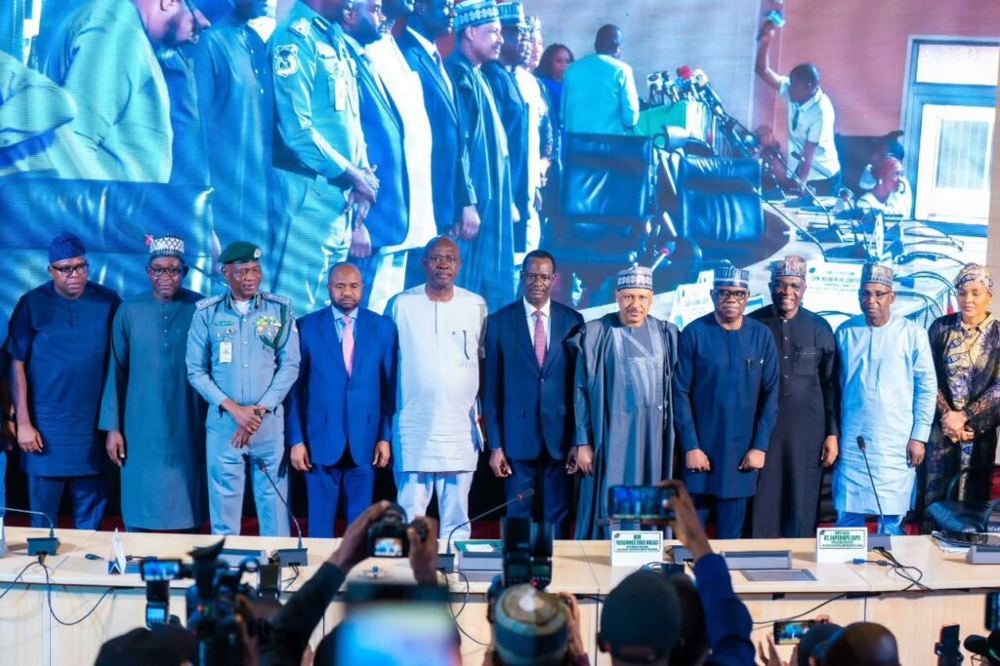
Housing costs, transport fares, jobs and the cost of doing business dominated questions from young Lagosians as governorship candidates outlined their plans to tackle some of the state’s biggest economic and social pressures ahead of the 2027 election. Funso Doherty, governorship candidate of the New Nigeria Democratic Congress (NDC), proposed delivering about 150,000 housing units in his first term at the town hall organised by The Covenant Nation on Thursday. He said government needed to play a larger role because housing supply had not kept pace with demand. Gbadebo Rhodes-Vivour, the African Democratic Congress (ADC) candidate, proposed 100,000 housing units within four years. He said the model would allow residents to make affordable monthly payments and move into homes that could accommodate changes in their needs and earning capacity. Obafemi Hamzat, the All Progressives Congress (APC) candidate, focused on expanding mortgage access. He proposed an arrangement where prospective homeowners would pay about 10 percent initially and spread the balance over as much as 20 years. He also said ongoing housing projects would be completed. Transport was another major concern, with candidates outlining different approaches to improving how residents move around Lagos. Rhodes-Vivour proposed greater private-sector participation in expanding the state’s rail network. He also linked transport and housing development to job creation and skills training at ward and local government levels. Doherty said government should take a more active role in transportation infrastructure, arguing that Lagos needs a transport system that is safe and reliable for residents. The candidates also addressed education and access to basic public services. Doherty pledged to make public education free, including books and examination fees. He also proposed one nutritious meal daily for children in public schools and free school transport for children who need it. He said maternal and child healthcare would also be free. Read also: Police arrest five over destruction of Tinubu, Abba billboards, posters in Kano For Hamzat, the cost of doing business was a major part of his response to young Lagosians. He promised to eliminate unauthorised and untraceable levies imposed on businesses and establish a State Economic Council to improve coordination between the state and local governments. “Businesses must know what I am going to pay,” Hamzat said, arguing that operators should not face multiple or unexplained charges from different government authorities. Adedeji Doherty, the Peoples Democratic Party (PDP) candidate, also focused on the business environment, promising to improve electricity supply and reduce what he described as frivolous charges and levies on businesses. Jobs and skills featured in the candidates’ housing and infrastructure proposals. Rhodes-Vivour proposed creating employment opportunities at ward and local government levels, including training young people to work on government projects. He said housing construction could also create jobs through skills training in areas such as tiling, bricklaying and POP installation. Beyond housing, transport and jobs, the candidates also outlined plans for waste management, flooding and the digital economy. Rhodes-Vivour proposed decentralising waste management and allowing local governments to develop waste-to-wealth businesses around plastics, organic waste and other recyclable materials. He also proposed protecting wetlands to reduce flooding and expanding access to artificial intelligence tools across Lagos. Hamzat spoke about transfer loading stations and waste-processing infrastructure. He also proposed establishing a Child Welfare Administration Agency within his first 100 days to ensure children under 18 are either in school or learning a trade. He said his “Amsa Compact” contains 100 measurable pledges covering areas including health, education and dignity. The town hall also touched on Lagos’ identity and culture after an audience member asked Rhodes-Vivour about preserving Yoruba language and culture. He said his administration would establish a ministry responsible for culture and examine the state’s history and cultural preservation more deeply. Across the questions, young Lagosians repeatedly returned to the practical pressures of living and working in the state, finding affordable housing, getting around, accessing public services and building sustainable livelihoods. The candidates responded with proposals ranging from increased housing supply and mortgage financing to expanded transport infrastructure, free public services, skills training and changes to the business environment. Related News Where to invest as Nigeria’s cheaper money reaches the real economy Man City faults commission ruling, appeals 114 Premier League charges Workplace confidence rebounds as workers turn to AI, skills, Report Share
Funso Doherty, governorship candidate of the New Nigeria Democratic Congress (NDC), proposed delivering about 150,000 housing units in his first term at the town hall organised by The Covenant Nation on Thursday. He said government needed to play a larger role because housing supply had not kept pace with demand. Gbadebo Rhodes-Vivour, the African Democratic Congress (ADC) candidate, proposed 100,000 housing units within four years. He said the model would allow residents to make affordable monthly payments and move into homes that could accommodate changes in their needs and earning capacity. Obafemi Hamzat, the All Progressives Congress (APC) candidate, focused on expanding mortgage access. He proposed an arrangement where prospective homeowners would pay about 10 percent initially and spread the balance over as much as 20 years. He also said ongoing housing projects would be completed. Transport was another major concern, with candidates outlining different approaches to improving how residents move around Lagos. Rhodes-Vivour proposed greater private-sector participation in expanding the state’s rail network. He also linked transport and housing development to job creation and skills training at ward and local government levels. Doherty said government should take a more active role in transportation infrastructure, arguing that Lagos needs a transport system that is safe and reliable for residents. The candidates also addressed education and access to basic public services. Doherty pledged to make public education free, including books and examination fees. He also proposed one nutritious meal daily for children in public schools and free school transport for children who need it. He said maternal and child healthcare would also be free. Read also: Police arrest five over destruction of Tinubu, Abba billboards, posters in Kano For Hamzat, the cost of doing business was a major part of his response to young Lagosians. He promised to eliminate unauthorised and untraceable levies imposed on businesses and establish a State Economic Council to improve coordination between the state and local governments. “Businesses must know what I am going to pay,” Hamzat said, arguing that operators should not face multiple or unexplained charges from different government authorities. Adedeji Doherty, the Peoples Democratic Party (PDP) candidate, also focused on the business environment, promising to improve electricity supply and reduce what he described as frivolous charges and levies on businesses. Jobs and skills featured in the candidates’ housing and infrastructure proposals. Rhodes-Vivour proposed creating employment opportunities at ward and local government levels, including training young people to work on government projects. He said housing construction could also create jobs through skills training in areas such as tiling, bricklaying and POP installation. Beyond housing, transport and jobs, the candidates also outlined plans for waste management, flooding and the digital economy. Rhodes-Vivour proposed decentralising waste management and allowing local governments to develop waste-to-wealth businesses around plastics, organic waste and other recyclable materials. He also proposed protecting wetlands to reduce flooding and expanding access to artificial intelligence tools across Lagos. Hamzat spoke about transfer loading stations and waste-processing infrastructure. He also proposed establishing a Child Welfare Administration Agency within his first 100 days to ensure children under 18 are either in school or learning a trade. He said his “Amsa Compact” contains 100 measurable pledges covering areas including health, education and dignity. The town hall also touched on Lagos’ identity and culture after an audience member asked Rhodes-Vivour about preserving Yoruba language and culture. He said his administration would establish a ministry responsible for culture and examine the state’s history and cultural preservation more deeply. Across the questions, young Lagosians repeatedly returned to the practical pressures of living and working in the state, finding affordable housing, getting around, accessing public services and building sustainable livelihoods. The candidates responded with proposals ranging from increased housing supply and mortgage financing to expanded transport infrastructure, free public services, skills training and changes to the business environment. Related News Where to invest as Nigeria’s cheaper money reaches the real economy Man City faults commission ruling, appeals 114 Premier League charges Workplace confidence rebounds as workers turn to AI, skills, Report Share
Gbadebo Rhodes-Vivour, the African Democratic Congress (ADC) candidate, proposed 100,000 housing units within four years. He said the model would allow residents to make affordable monthly payments and move into homes that could accommodate changes in their needs and earning capacity. Obafemi Hamzat, the All Progressives Congress (APC) candidate, focused on expanding mortgage access. He proposed an arrangement where prospective homeowners would pay about 10 percent initially and spread the balance over as much as 20 years. He also said ongoing housing projects would be completed. Transport was another major concern, with candidates outlining different approaches to improving how residents move around Lagos. Rhodes-Vivour proposed greater private-sector participation in expanding the state’s rail network. He also linked transport and housing development to job creation and skills training at ward and local government levels. Doherty said government should take a more active role in transportation infrastructure, arguing that Lagos needs a transport system that is safe and reliable for residents. The candidates also addressed education and access to basic public services. Doherty pledged to make public education free, including books and examination fees. He also proposed one nutritious meal daily for children in public schools and free school transport for children who need it. He said maternal and child healthcare would also be free. Read also: Police arrest five over destruction of Tinubu, Abba billboards, posters in Kano For Hamzat, the cost of doing business was a major part of his response to young Lagosians. He promised to eliminate unauthorised and untraceable levies imposed on businesses and establish a State Economic Council to improve coordination between the state and local governments. “Businesses must know what I am going to pay,” Hamzat said, arguing that operators should not face multiple or unexplained charges from different government authorities. Adedeji Doherty, the Peoples Democratic Party (PDP) candidate, also focused on the business environment, promising to improve electricity supply and reduce what he described as frivolous charges and levies on businesses. Jobs and skills featured in the candidates’ housing and infrastructure proposals. Rhodes-Vivour proposed creating employment opportunities at ward and local government levels, including training young people to work on government projects. He said housing construction could also create jobs through skills training in areas such as tiling, bricklaying and POP installation. Beyond housing, transport and jobs, the candidates also outlined plans for waste management, flooding and the digital economy. Rhodes-Vivour proposed decentralising waste management and allowing local governments to develop waste-to-wealth businesses around plastics, organic waste and other recyclable materials. He also proposed protecting wetlands to reduce flooding and expanding access to artificial intelligence tools across Lagos. Hamzat spoke about transfer loading stations and waste-processing infrastructure. He also proposed establishing a Child Welfare Administration Agency within his first 100 days to ensure children under 18 are either in school or learning a trade. He said his “Amsa Compact” contains 100 measurable pledges covering areas including health, education and dignity. The town hall also touched on Lagos’ identity and culture after an audience member asked Rhodes-Vivour about preserving Yoruba language and culture. He said his administration would establish a ministry responsible for culture and examine the state’s history and cultural preservation more deeply. Across the questions, young Lagosians repeatedly returned to the practical pressures of living and working in the state, finding affordable housing, getting around, accessing public services and building sustainable livelihoods. The candidates responded with proposals ranging from increased housing supply and mortgage financing to expanded transport infrastructure, free public services, skills training and changes to the business environment. Related News Where to invest as Nigeria’s cheaper money reaches the real economy Man City faults commission ruling, appeals 114 Premier League charges Workplace confidence rebounds as workers turn to AI, skills, Report Share
Obafemi Hamzat, the All Progressives Congress (APC) candidate, focused on expanding mortgage access. He proposed an arrangement where prospective homeowners would pay about 10 percent initially and spread the balance over as much as 20 years. He also said ongoing housing projects would be completed. Transport was another major concern, with candidates outlining different approaches to improving how residents move around Lagos. Rhodes-Vivour proposed greater private-sector participation in expanding the state’s rail network. He also linked transport and housing development to job creation and skills training at ward and local government levels. Doherty said government should take a more active role in transportation infrastructure, arguing that Lagos needs a transport system that is safe and reliable for residents. The candidates also addressed education and access to basic public services. Doherty pledged to make public education free, including books and examination fees. He also proposed one nutritious meal daily for children in public schools and free school transport for children who need it. He said maternal and child healthcare would also be free. Read also: Police arrest five over destruction of Tinubu, Abba billboards, posters in Kano For Hamzat, the cost of doing business was a major part of his response to young Lagosians. He promised to eliminate unauthorised and untraceable levies imposed on businesses and establish a State Economic Council to improve coordination between the state and local governments. “Businesses must know what I am going to pay,” Hamzat said, arguing that operators should not face multiple or unexplained charges from different government authorities. Adedeji Doherty, the Peoples Democratic Party (PDP) candidate, also focused on the business environment, promising to improve electricity supply and reduce what he described as frivolous charges and levies on businesses. Jobs and skills featured in the candidates’ housing and infrastructure proposals. Rhodes-Vivour proposed creating employment opportunities at ward and local government levels, including training young people to work on government projects. He said housing construction could also create jobs through skills training in areas such as tiling, bricklaying and POP installation. Beyond housing, transport and jobs, the candidates also outlined plans for waste management, flooding and the digital economy. Rhodes-Vivour proposed decentralising waste management and allowing local governments to develop waste-to-wealth businesses around plastics, organic waste and other recyclable materials. He also proposed protecting wetlands to reduce flooding and expanding access to artificial intelligence tools across Lagos. Hamzat spoke about transfer loading stations and waste-processing infrastructure. He also proposed establishing a Child Welfare Administration Agency within his first 100 days to ensure children under 18 are either in school or learning a trade. He said his “Amsa Compact” contains 100 measurable pledges covering areas including health, education and dignity. The town hall also touched on Lagos’ identity and culture after an audience member asked Rhodes-Vivour about preserving Yoruba language and culture. He said his administration would establish a ministry responsible for culture and examine the state’s history and cultural preservation more deeply. Across the questions, young Lagosians repeatedly returned to the practical pressures of living and working in the state, finding affordable housing, getting around, accessing public services and building sustainable livelihoods. The candidates responded with proposals ranging from increased housing supply and mortgage financing to expanded transport infrastructure, free public services, skills training and changes to the business environment. Related News Where to invest as Nigeria’s cheaper money reaches the real economy Man City faults commission ruling, appeals 114 Premier League charges Workplace confidence rebounds as workers turn to AI, skills, Report Share
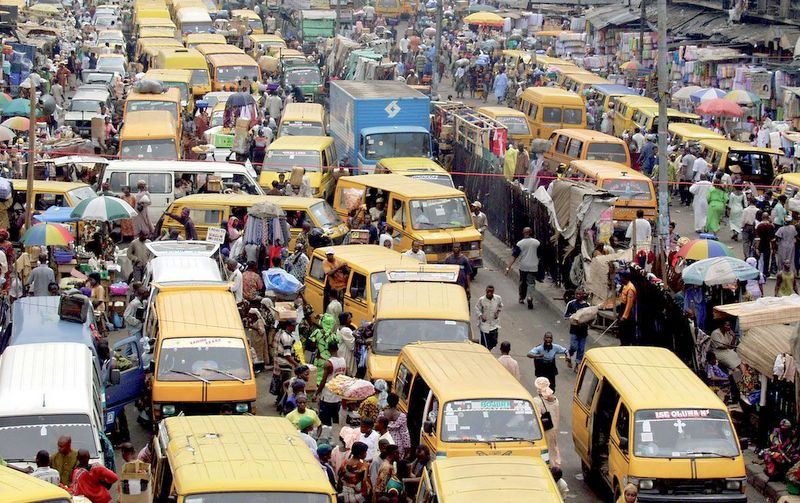
Transport was another major concern, with candidates outlining different approaches to improving how residents move around Lagos. Rhodes-Vivour proposed greater private-sector participation in expanding the state’s rail network. He also linked transport and housing development to job creation and skills training at ward and local government levels. Doherty said government should take a more active role in transportation infrastructure, arguing that Lagos needs a transport system that is safe and reliable for residents. The candidates also addressed education and access to basic public services. Doherty pledged to make public education free, including books and examination fees. He also proposed one nutritious meal daily for children in public schools and free school transport for children who need it. He said maternal and child healthcare would also be free. Read also: Police arrest five over destruction of Tinubu, Abba billboards, posters in Kano For Hamzat, the cost of doing business was a major part of his response to young Lagosians. He promised to eliminate unauthorised and untraceable levies imposed on businesses and establish a State Economic Council to improve coordination between the state and local governments. “Businesses must know what I am going to pay,” Hamzat said, arguing that operators should not face multiple or unexplained charges from different government authorities. Adedeji Doherty, the Peoples Democratic Party (PDP) candidate, also focused on the business environment, promising to improve electricity supply and reduce what he described as frivolous charges and levies on businesses. Jobs and skills featured in the candidates’ housing and infrastructure proposals. Rhodes-Vivour proposed creating employment opportunities at ward and local government levels, including training young people to work on government projects. He said housing construction could also create jobs through skills training in areas such as tiling, bricklaying and POP installation. Beyond housing, transport and jobs, the candidates also outlined plans for waste management, flooding and the digital economy. Rhodes-Vivour proposed decentralising waste management and allowing local governments to develop waste-to-wealth businesses around plastics, organic waste and other recyclable materials. He also proposed protecting wetlands to reduce flooding and expanding access to artificial intelligence tools across Lagos. Hamzat spoke about transfer loading stations and waste-processing infrastructure. He also proposed establishing a Child Welfare Administration Agency within his first 100 days to ensure children under 18 are either in school or learning a trade. He said his “Amsa Compact” contains 100 measurable pledges covering areas including health, education and dignity. The town hall also touched on Lagos’ identity and culture after an audience member asked Rhodes-Vivour about preserving Yoruba language and culture. He said his administration would establish a ministry responsible for culture and examine the state’s history and cultural preservation more deeply. Across the questions, young Lagosians repeatedly returned to the practical pressures of living and working in the state, finding affordable housing, getting around, accessing public services and building sustainable livelihoods. The candidates responded with proposals ranging from increased housing supply and mortgage financing to expanded transport infrastructure, free public services, skills training and changes to the business environment. Related News Where to invest as Nigeria’s cheaper money reaches the real economy Man City faults commission ruling, appeals 114 Premier League charges Workplace confidence rebounds as workers turn to AI, skills, Report Share
Rhodes-Vivour proposed greater private-sector participation in expanding the state’s rail network. He also linked transport and housing development to job creation and skills training at ward and local government levels. Doherty said government should take a more active role in transportation infrastructure, arguing that Lagos needs a transport system that is safe and reliable for residents. The candidates also addressed education and access to basic public services. Doherty pledged to make public education free, including books and examination fees. He also proposed one nutritious meal daily for children in public schools and free school transport for children who need it. He said maternal and child healthcare would also be free. Read also: Police arrest five over destruction of Tinubu, Abba billboards, posters in Kano For Hamzat, the cost of doing business was a major part of his response to young Lagosians. He promised to eliminate unauthorised and untraceable levies imposed on businesses and establish a State Economic Council to improve coordination between the state and local governments. “Businesses must know what I am going to pay,” Hamzat said, arguing that operators should not face multiple or unexplained charges from different government authorities. Adedeji Doherty, the Peoples Democratic Party (PDP) candidate, also focused on the business environment, promising to improve electricity supply and reduce what he described as frivolous charges and levies on businesses. Jobs and skills featured in the candidates’ housing and infrastructure proposals. Rhodes-Vivour proposed creating employment opportunities at ward and local government levels, including training young people to work on government projects. He said housing construction could also create jobs through skills training in areas such as tiling, bricklaying and POP installation. Beyond housing, transport and jobs, the candidates also outlined plans for waste management, flooding and the digital economy. Rhodes-Vivour proposed decentralising waste management and allowing local governments to develop waste-to-wealth businesses around plastics, organic waste and other recyclable materials. He also proposed protecting wetlands to reduce flooding and expanding access to artificial intelligence tools across Lagos. Hamzat spoke about transfer loading stations and waste-processing infrastructure. He also proposed establishing a Child Welfare Administration Agency within his first 100 days to ensure children under 18 are either in school or learning a trade. He said his “Amsa Compact” contains 100 measurable pledges covering areas including health, education and dignity. The town hall also touched on Lagos’ identity and culture after an audience member asked Rhodes-Vivour about preserving Yoruba language and culture. He said his administration would establish a ministry responsible for culture and examine the state’s history and cultural preservation more deeply. Across the questions, young Lagosians repeatedly returned to the practical pressures of living and working in the state, finding affordable housing, getting around, accessing public services and building sustainable livelihoods. The candidates responded with proposals ranging from increased housing supply and mortgage financing to expanded transport infrastructure, free public services, skills training and changes to the business environment. Related News Where to invest as Nigeria’s cheaper money reaches the real economy Man City faults commission ruling, appeals 114 Premier League charges Workplace confidence rebounds as workers turn to AI, skills, Report Share
Doherty said government should take a more active role in transportation infrastructure, arguing that Lagos needs a transport system that is safe and reliable for residents. The candidates also addressed education and access to basic public services. Doherty pledged to make public education free, including books and examination fees. He also proposed one nutritious meal daily for children in public schools and free school transport for children who need it. He said maternal and child healthcare would also be free. Read also: Police arrest five over destruction of Tinubu, Abba billboards, posters in Kano For Hamzat, the cost of doing business was a major part of his response to young Lagosians. He promised to eliminate unauthorised and untraceable levies imposed on businesses and establish a State Economic Council to improve coordination between the state and local governments. “Businesses must know what I am going to pay,” Hamzat said, arguing that operators should not face multiple or unexplained charges from different government authorities. Adedeji Doherty, the Peoples Democratic Party (PDP) candidate, also focused on the business environment, promising to improve electricity supply and reduce what he described as frivolous charges and levies on businesses. Jobs and skills featured in the candidates’ housing and infrastructure proposals. Rhodes-Vivour proposed creating employment opportunities at ward and local government levels, including training young people to work on government projects. He said housing construction could also create jobs through skills training in areas such as tiling, bricklaying and POP installation. Beyond housing, transport and jobs, the candidates also outlined plans for waste management, flooding and the digital economy. Rhodes-Vivour proposed decentralising waste management and allowing local governments to develop waste-to-wealth businesses around plastics, organic waste and other recyclable materials. He also proposed protecting wetlands to reduce flooding and expanding access to artificial intelligence tools across Lagos. Hamzat spoke about transfer loading stations and waste-processing infrastructure. He also proposed establishing a Child Welfare Administration Agency within his first 100 days to ensure children under 18 are either in school or learning a trade. He said his “Amsa Compact” contains 100 measurable pledges covering areas including health, education and dignity. The town hall also touched on Lagos’ identity and culture after an audience member asked Rhodes-Vivour about preserving Yoruba language and culture. He said his administration would establish a ministry responsible for culture and examine the state’s history and cultural preservation more deeply. Across the questions, young Lagosians repeatedly returned to the practical pressures of living and working in the state, finding affordable housing, getting around, accessing public services and building sustainable livelihoods. The candidates responded with proposals ranging from increased housing supply and mortgage financing to expanded transport infrastructure, free public services, skills training and changes to the business environment. Related News Where to invest as Nigeria’s cheaper money reaches the real economy Man City faults commission ruling, appeals 114 Premier League charges Workplace confidence rebounds as workers turn to AI, skills, Report Share
The candidates also addressed education and access to basic public services. Doherty pledged to make public education free, including books and examination fees. He also proposed one nutritious meal daily for children in public schools and free school transport for children who need it. He said maternal and child healthcare would also be free. Read also: Police arrest five over destruction of Tinubu, Abba billboards, posters in Kano For Hamzat, the cost of doing business was a major part of his response to young Lagosians. He promised to eliminate unauthorised and untraceable levies imposed on businesses and establish a State Economic Council to improve coordination between the state and local governments. “Businesses must know what I am going to pay,” Hamzat said, arguing that operators should not face multiple or unexplained charges from different government authorities. Adedeji Doherty, the Peoples Democratic Party (PDP) candidate, also focused on the business environment, promising to improve electricity supply and reduce what he described as frivolous charges and levies on businesses. Jobs and skills featured in the candidates’ housing and infrastructure proposals. Rhodes-Vivour proposed creating employment opportunities at ward and local government levels, including training young people to work on government projects. He said housing construction could also create jobs through skills training in areas such as tiling, bricklaying and POP installation. Beyond housing, transport and jobs, the candidates also outlined plans for waste management, flooding and the digital economy. Rhodes-Vivour proposed decentralising waste management and allowing local governments to develop waste-to-wealth businesses around plastics, organic waste and other recyclable materials. He also proposed protecting wetlands to reduce flooding and expanding access to artificial intelligence tools across Lagos. Hamzat spoke about transfer loading stations and waste-processing infrastructure. He also proposed establishing a Child Welfare Administration Agency within his first 100 days to ensure children under 18 are either in school or learning a trade. He said his “Amsa Compact” contains 100 measurable pledges covering areas including health, education and dignity. The town hall also touched on Lagos’ identity and culture after an audience member asked Rhodes-Vivour about preserving Yoruba language and culture. He said his administration would establish a ministry responsible for culture and examine the state’s history and cultural preservation more deeply. Across the questions, young Lagosians repeatedly returned to the practical pressures of living and working in the state, finding affordable housing, getting around, accessing public services and building sustainable livelihoods. The candidates responded with proposals ranging from increased housing supply and mortgage financing to expanded transport infrastructure, free public services, skills training and changes to the business environment. Related News Where to invest as Nigeria’s cheaper money reaches the real economy Man City faults commission ruling, appeals 114 Premier League charges Workplace confidence rebounds as workers turn to AI, skills, Report Share
Doherty pledged to make public education free, including books and examination fees. He also proposed one nutritious meal daily for children in public schools and free school transport for children who need it. He said maternal and child healthcare would also be free. Read also: Police arrest five over destruction of Tinubu, Abba billboards, posters in Kano For Hamzat, the cost of doing business was a major part of his response to young Lagosians. He promised to eliminate unauthorised and untraceable levies imposed on businesses and establish a State Economic Council to improve coordination between the state and local governments. “Businesses must know what I am going to pay,” Hamzat said, arguing that operators should not face multiple or unexplained charges from different government authorities. Adedeji Doherty, the Peoples Democratic Party (PDP) candidate, also focused on the business environment, promising to improve electricity supply and reduce what he described as frivolous charges and levies on businesses. Jobs and skills featured in the candidates’ housing and infrastructure proposals. Rhodes-Vivour proposed creating employment opportunities at ward and local government levels, including training young people to work on government projects. He said housing construction could also create jobs through skills training in areas such as tiling, bricklaying and POP installation. Beyond housing, transport and jobs, the candidates also outlined plans for waste management, flooding and the digital economy. Rhodes-Vivour proposed decentralising waste management and allowing local governments to develop waste-to-wealth businesses around plastics, organic waste and other recyclable materials. He also proposed protecting wetlands to reduce flooding and expanding access to artificial intelligence tools across Lagos. Hamzat spoke about transfer loading stations and waste-processing infrastructure. He also proposed establishing a Child Welfare Administration Agency within his first 100 days to ensure children under 18 are either in school or learning a trade. He said his “Amsa Compact” contains 100 measurable pledges covering areas including health, education and dignity. The town hall also touched on Lagos’ identity and culture after an audience member asked Rhodes-Vivour about preserving Yoruba language and culture. He said his administration would establish a ministry responsible for culture and examine the state’s history and cultural preservation more deeply. Across the questions, young Lagosians repeatedly returned to the practical pressures of living and working in the state, finding affordable housing, getting around, accessing public services and building sustainable livelihoods. The candidates responded with proposals ranging from increased housing supply and mortgage financing to expanded transport infrastructure, free public services, skills training and changes to the business environment. Related News Where to invest as Nigeria’s cheaper money reaches the real economy Man City faults commission ruling, appeals 114 Premier League charges Workplace confidence rebounds as workers turn to AI, skills, Report Share
Read also: Police arrest five over destruction of Tinubu, Abba billboards, posters in Kano For Hamzat, the cost of doing business was a major part of his response to young Lagosians. He promised to eliminate unauthorised and untraceable levies imposed on businesses and establish a State Economic Council to improve coordination between the state and local governments. “Businesses must know what I am going to pay,” Hamzat said, arguing that operators should not face multiple or unexplained charges from different government authorities. Adedeji Doherty, the Peoples Democratic Party (PDP) candidate, also focused on the business environment, promising to improve electricity supply and reduce what he described as frivolous charges and levies on businesses. Jobs and skills featured in the candidates’ housing and infrastructure proposals. Rhodes-Vivour proposed creating employment opportunities at ward and local government levels, including training young people to work on government projects. He said housing construction could also create jobs through skills training in areas such as tiling, bricklaying and POP installation. Beyond housing, transport and jobs, the candidates also outlined plans for waste management, flooding and the digital economy. Rhodes-Vivour proposed decentralising waste management and allowing local governments to develop waste-to-wealth businesses around plastics, organic waste and other recyclable materials. He also proposed protecting wetlands to reduce flooding and expanding access to artificial intelligence tools across Lagos. Hamzat spoke about transfer loading stations and waste-processing infrastructure. He also proposed establishing a Child Welfare Administration Agency within his first 100 days to ensure children under 18 are either in school or learning a trade. He said his “Amsa Compact” contains 100 measurable pledges covering areas including health, education and dignity. The town hall also touched on Lagos’ identity and culture after an audience member asked Rhodes-Vivour about preserving Yoruba language and culture. He said his administration would establish a ministry responsible for culture and examine the state’s history and cultural preservation more deeply. Across the questions, young Lagosians repeatedly returned to the practical pressures of living and working in the state, finding affordable housing, getting around, accessing public services and building sustainable livelihoods. The candidates responded with proposals ranging from increased housing supply and mortgage financing to expanded transport infrastructure, free public services, skills training and changes to the business environment. Related News Where to invest as Nigeria’s cheaper money reaches the real economy Man City faults commission ruling, appeals 114 Premier League charges Workplace confidence rebounds as workers turn to AI, skills, Report Share
For Hamzat, the cost of doing business was a major part of his response to young Lagosians. He promised to eliminate unauthorised and untraceable levies imposed on businesses and establish a State Economic Council to improve coordination between the state and local governments. “Businesses must know what I am going to pay,” Hamzat said, arguing that operators should not face multiple or unexplained charges from different government authorities. Adedeji Doherty, the Peoples Democratic Party (PDP) candidate, also focused on the business environment, promising to improve electricity supply and reduce what he described as frivolous charges and levies on businesses. Jobs and skills featured in the candidates’ housing and infrastructure proposals. Rhodes-Vivour proposed creating employment opportunities at ward and local government levels, including training young people to work on government projects. He said housing construction could also create jobs through skills training in areas such as tiling, bricklaying and POP installation. Beyond housing, transport and jobs, the candidates also outlined plans for waste management, flooding and the digital economy. Rhodes-Vivour proposed decentralising waste management and allowing local governments to develop waste-to-wealth businesses around plastics, organic waste and other recyclable materials. He also proposed protecting wetlands to reduce flooding and expanding access to artificial intelligence tools across Lagos. Hamzat spoke about transfer loading stations and waste-processing infrastructure. He also proposed establishing a Child Welfare Administration Agency within his first 100 days to ensure children under 18 are either in school or learning a trade. He said his “Amsa Compact” contains 100 measurable pledges covering areas including health, education and dignity. The town hall also touched on Lagos’ identity and culture after an audience member asked Rhodes-Vivour about preserving Yoruba language and culture. He said his administration would establish a ministry responsible for culture and examine the state’s history and cultural preservation more deeply. Across the questions, young Lagosians repeatedly returned to the practical pressures of living and working in the state, finding affordable housing, getting around, accessing public services and building sustainable livelihoods. The candidates responded with proposals ranging from increased housing supply and mortgage financing to expanded transport infrastructure, free public services, skills training and changes to the business environment. Related News Where to invest as Nigeria’s cheaper money reaches the real economy Man City faults commission ruling, appeals 114 Premier League charges Workplace confidence rebounds as workers turn to AI, skills, Report Share
He promised to eliminate unauthorised and untraceable levies imposed on businesses and establish a State Economic Council to improve coordination between the state and local governments. “Businesses must know what I am going to pay,” Hamzat said, arguing that operators should not face multiple or unexplained charges from different government authorities. Adedeji Doherty, the Peoples Democratic Party (PDP) candidate, also focused on the business environment, promising to improve electricity supply and reduce what he described as frivolous charges and levies on businesses. Jobs and skills featured in the candidates’ housing and infrastructure proposals. Rhodes-Vivour proposed creating employment opportunities at ward and local government levels, including training young people to work on government projects. He said housing construction could also create jobs through skills training in areas such as tiling, bricklaying and POP installation. Beyond housing, transport and jobs, the candidates also outlined plans for waste management, flooding and the digital economy. Rhodes-Vivour proposed decentralising waste management and allowing local governments to develop waste-to-wealth businesses around plastics, organic waste and other recyclable materials. He also proposed protecting wetlands to reduce flooding and expanding access to artificial intelligence tools across Lagos. Hamzat spoke about transfer loading stations and waste-processing infrastructure. He also proposed establishing a Child Welfare Administration Agency within his first 100 days to ensure children under 18 are either in school or learning a trade. He said his “Amsa Compact” contains 100 measurable pledges covering areas including health, education and dignity. The town hall also touched on Lagos’ identity and culture after an audience member asked Rhodes-Vivour about preserving Yoruba language and culture. He said his administration would establish a ministry responsible for culture and examine the state’s history and cultural preservation more deeply. Across the questions, young Lagosians repeatedly returned to the practical pressures of living and working in the state, finding affordable housing, getting around, accessing public services and building sustainable livelihoods. The candidates responded with proposals ranging from increased housing supply and mortgage financing to expanded transport infrastructure, free public services, skills training and changes to the business environment. Related News Where to invest as Nigeria’s cheaper money reaches the real economy Man City faults commission ruling, appeals 114 Premier League charges Workplace confidence rebounds as workers turn to AI, skills, Report Share
“Businesses must know what I am going to pay,” Hamzat said, arguing that operators should not face multiple or unexplained charges from different government authorities. Adedeji Doherty, the Peoples Democratic Party (PDP) candidate, also focused on the business environment, promising to improve electricity supply and reduce what he described as frivolous charges and levies on businesses. Jobs and skills featured in the candidates’ housing and infrastructure proposals. Rhodes-Vivour proposed creating employment opportunities at ward and local government levels, including training young people to work on government projects. He said housing construction could also create jobs through skills training in areas such as tiling, bricklaying and POP installation. Beyond housing, transport and jobs, the candidates also outlined plans for waste management, flooding and the digital economy. Rhodes-Vivour proposed decentralising waste management and allowing local governments to develop waste-to-wealth businesses around plastics, organic waste and other recyclable materials. He also proposed protecting wetlands to reduce flooding and expanding access to artificial intelligence tools across Lagos. Hamzat spoke about transfer loading stations and waste-processing infrastructure. He also proposed establishing a Child Welfare Administration Agency within his first 100 days to ensure children under 18 are either in school or learning a trade. He said his “Amsa Compact” contains 100 measurable pledges covering areas including health, education and dignity. The town hall also touched on Lagos’ identity and culture after an audience member asked Rhodes-Vivour about preserving Yoruba language and culture. He said his administration would establish a ministry responsible for culture and examine the state’s history and cultural preservation more deeply. Across the questions, young Lagosians repeatedly returned to the practical pressures of living and working in the state, finding affordable housing, getting around, accessing public services and building sustainable livelihoods. The candidates responded with proposals ranging from increased housing supply and mortgage financing to expanded transport infrastructure, free public services, skills training and changes to the business environment. Related News Where to invest as Nigeria’s cheaper money reaches the real economy Man City faults commission ruling, appeals 114 Premier League charges Workplace confidence rebounds as workers turn to AI, skills, Report Share
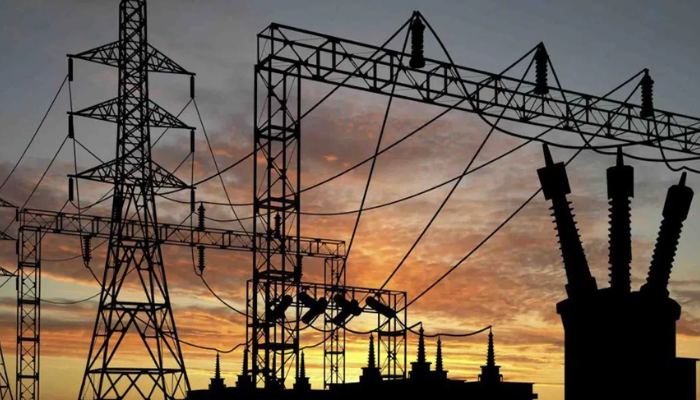
Adedeji Doherty, the Peoples Democratic Party (PDP) candidate, also focused on the business environment, promising to improve electricity supply and reduce what he described as frivolous charges and levies on businesses. Jobs and skills featured in the candidates’ housing and infrastructure proposals. Rhodes-Vivour proposed creating employment opportunities at ward and local government levels, including training young people to work on government projects. He said housing construction could also create jobs through skills training in areas such as tiling, bricklaying and POP installation. Beyond housing, transport and jobs, the candidates also outlined plans for waste management, flooding and the digital economy. Rhodes-Vivour proposed decentralising waste management and allowing local governments to develop waste-to-wealth businesses around plastics, organic waste and other recyclable materials. He also proposed protecting wetlands to reduce flooding and expanding access to artificial intelligence tools across Lagos. Hamzat spoke about transfer loading stations and waste-processing infrastructure. He also proposed establishing a Child Welfare Administration Agency within his first 100 days to ensure children under 18 are either in school or learning a trade. He said his “Amsa Compact” contains 100 measurable pledges covering areas including health, education and dignity. The town hall also touched on Lagos’ identity and culture after an audience member asked Rhodes-Vivour about preserving Yoruba language and culture. He said his administration would establish a ministry responsible for culture and examine the state’s history and cultural preservation more deeply. Across the questions, young Lagosians repeatedly returned to the practical pressures of living and working in the state, finding affordable housing, getting around, accessing public services and building sustainable livelihoods. The candidates responded with proposals ranging from increased housing supply and mortgage financing to expanded transport infrastructure, free public services, skills training and changes to the business environment. Related News Where to invest as Nigeria’s cheaper money reaches the real economy Man City faults commission ruling, appeals 114 Premier League charges Workplace confidence rebounds as workers turn to AI, skills, Report Share
Jobs and skills featured in the candidates’ housing and infrastructure proposals. Rhodes-Vivour proposed creating employment opportunities at ward and local government levels, including training young people to work on government projects. He said housing construction could also create jobs through skills training in areas such as tiling, bricklaying and POP installation. Beyond housing, transport and jobs, the candidates also outlined plans for waste management, flooding and the digital economy. Rhodes-Vivour proposed decentralising waste management and allowing local governments to develop waste-to-wealth businesses around plastics, organic waste and other recyclable materials. He also proposed protecting wetlands to reduce flooding and expanding access to artificial intelligence tools across Lagos. Hamzat spoke about transfer loading stations and waste-processing infrastructure. He also proposed establishing a Child Welfare Administration Agency within his first 100 days to ensure children under 18 are either in school or learning a trade. He said his “Amsa Compact” contains 100 measurable pledges covering areas including health, education and dignity. The town hall also touched on Lagos’ identity and culture after an audience member asked Rhodes-Vivour about preserving Yoruba language and culture. He said his administration would establish a ministry responsible for culture and examine the state’s history and cultural preservation more deeply. Across the questions, young Lagosians repeatedly returned to the practical pressures of living and working in the state, finding affordable housing, getting around, accessing public services and building sustainable livelihoods. The candidates responded with proposals ranging from increased housing supply and mortgage financing to expanded transport infrastructure, free public services, skills training and changes to the business environment. Related News Where to invest as Nigeria’s cheaper money reaches the real economy Man City faults commission ruling, appeals 114 Premier League charges Workplace confidence rebounds as workers turn to AI, skills, Report Share
Rhodes-Vivour proposed creating employment opportunities at ward and local government levels, including training young people to work on government projects. He said housing construction could also create jobs through skills training in areas such as tiling, bricklaying and POP installation. Beyond housing, transport and jobs, the candidates also outlined plans for waste management, flooding and the digital economy. Rhodes-Vivour proposed decentralising waste management and allowing local governments to develop waste-to-wealth businesses around plastics, organic waste and other recyclable materials. He also proposed protecting wetlands to reduce flooding and expanding access to artificial intelligence tools across Lagos. Hamzat spoke about transfer loading stations and waste-processing infrastructure. He also proposed establishing a Child Welfare Administration Agency within his first 100 days to ensure children under 18 are either in school or learning a trade. He said his “Amsa Compact” contains 100 measurable pledges covering areas including health, education and dignity. The town hall also touched on Lagos’ identity and culture after an audience member asked Rhodes-Vivour about preserving Yoruba language and culture. He said his administration would establish a ministry responsible for culture and examine the state’s history and cultural preservation more deeply. Across the questions, young Lagosians repeatedly returned to the practical pressures of living and working in the state, finding affordable housing, getting around, accessing public services and building sustainable livelihoods. The candidates responded with proposals ranging from increased housing supply and mortgage financing to expanded transport infrastructure, free public services, skills training and changes to the business environment. Related News Where to invest as Nigeria’s cheaper money reaches the real economy Man City faults commission ruling, appeals 114 Premier League charges Workplace confidence rebounds as workers turn to AI, skills, Report Share
He said housing construction could also create jobs through skills training in areas such as tiling, bricklaying and POP installation. Beyond housing, transport and jobs, the candidates also outlined plans for waste management, flooding and the digital economy. Rhodes-Vivour proposed decentralising waste management and allowing local governments to develop waste-to-wealth businesses around plastics, organic waste and other recyclable materials. He also proposed protecting wetlands to reduce flooding and expanding access to artificial intelligence tools across Lagos. Hamzat spoke about transfer loading stations and waste-processing infrastructure. He also proposed establishing a Child Welfare Administration Agency within his first 100 days to ensure children under 18 are either in school or learning a trade. He said his “Amsa Compact” contains 100 measurable pledges covering areas including health, education and dignity. The town hall also touched on Lagos’ identity and culture after an audience member asked Rhodes-Vivour about preserving Yoruba language and culture. He said his administration would establish a ministry responsible for culture and examine the state’s history and cultural preservation more deeply. Across the questions, young Lagosians repeatedly returned to the practical pressures of living and working in the state, finding affordable housing, getting around, accessing public services and building sustainable livelihoods. The candidates responded with proposals ranging from increased housing supply and mortgage financing to expanded transport infrastructure, free public services, skills training and changes to the business environment. Related News Where to invest as Nigeria’s cheaper money reaches the real economy Man City faults commission ruling, appeals 114 Premier League charges Workplace confidence rebounds as workers turn to AI, skills, Report Share
Beyond housing, transport and jobs, the candidates also outlined plans for waste management, flooding and the digital economy. Rhodes-Vivour proposed decentralising waste management and allowing local governments to develop waste-to-wealth businesses around plastics, organic waste and other recyclable materials. He also proposed protecting wetlands to reduce flooding and expanding access to artificial intelligence tools across Lagos. Hamzat spoke about transfer loading stations and waste-processing infrastructure. He also proposed establishing a Child Welfare Administration Agency within his first 100 days to ensure children under 18 are either in school or learning a trade. He said his “Amsa Compact” contains 100 measurable pledges covering areas including health, education and dignity. The town hall also touched on Lagos’ identity and culture after an audience member asked Rhodes-Vivour about preserving Yoruba language and culture. He said his administration would establish a ministry responsible for culture and examine the state’s history and cultural preservation more deeply. Across the questions, young Lagosians repeatedly returned to the practical pressures of living and working in the state, finding affordable housing, getting around, accessing public services and building sustainable livelihoods. The candidates responded with proposals ranging from increased housing supply and mortgage financing to expanded transport infrastructure, free public services, skills training and changes to the business environment. Related News Where to invest as Nigeria’s cheaper money reaches the real economy Man City faults commission ruling, appeals 114 Premier League charges Workplace confidence rebounds as workers turn to AI, skills, Report Share
Rhodes-Vivour proposed decentralising waste management and allowing local governments to develop waste-to-wealth businesses around plastics, organic waste and other recyclable materials. He also proposed protecting wetlands to reduce flooding and expanding access to artificial intelligence tools across Lagos. Hamzat spoke about transfer loading stations and waste-processing infrastructure. He also proposed establishing a Child Welfare Administration Agency within his first 100 days to ensure children under 18 are either in school or learning a trade. He said his “Amsa Compact” contains 100 measurable pledges covering areas including health, education and dignity. The town hall also touched on Lagos’ identity and culture after an audience member asked Rhodes-Vivour about preserving Yoruba language and culture. He said his administration would establish a ministry responsible for culture and examine the state’s history and cultural preservation more deeply. Across the questions, young Lagosians repeatedly returned to the practical pressures of living and working in the state, finding affordable housing, getting around, accessing public services and building sustainable livelihoods. The candidates responded with proposals ranging from increased housing supply and mortgage financing to expanded transport infrastructure, free public services, skills training and changes to the business environment. Related News Where to invest as Nigeria’s cheaper money reaches the real economy Man City faults commission ruling, appeals 114 Premier League charges Workplace confidence rebounds as workers turn to AI, skills, Report Share
He also proposed protecting wetlands to reduce flooding and expanding access to artificial intelligence tools across Lagos. Hamzat spoke about transfer loading stations and waste-processing infrastructure. He also proposed establishing a Child Welfare Administration Agency within his first 100 days to ensure children under 18 are either in school or learning a trade. He said his “Amsa Compact” contains 100 measurable pledges covering areas including health, education and dignity. The town hall also touched on Lagos’ identity and culture after an audience member asked Rhodes-Vivour about preserving Yoruba language and culture. He said his administration would establish a ministry responsible for culture and examine the state’s history and cultural preservation more deeply. Across the questions, young Lagosians repeatedly returned to the practical pressures of living and working in the state, finding affordable housing, getting around, accessing public services and building sustainable livelihoods. The candidates responded with proposals ranging from increased housing supply and mortgage financing to expanded transport infrastructure, free public services, skills training and changes to the business environment. Related News Where to invest as Nigeria’s cheaper money reaches the real economy Man City faults commission ruling, appeals 114 Premier League charges Workplace confidence rebounds as workers turn to AI, skills, Report Share
Hamzat spoke about transfer loading stations and waste-processing infrastructure. He also proposed establishing a Child Welfare Administration Agency within his first 100 days to ensure children under 18 are either in school or learning a trade. He said his “Amsa Compact” contains 100 measurable pledges covering areas including health, education and dignity. The town hall also touched on Lagos’ identity and culture after an audience member asked Rhodes-Vivour about preserving Yoruba language and culture. He said his administration would establish a ministry responsible for culture and examine the state’s history and cultural preservation more deeply. Across the questions, young Lagosians repeatedly returned to the practical pressures of living and working in the state, finding affordable housing, getting around, accessing public services and building sustainable livelihoods. The candidates responded with proposals ranging from increased housing supply and mortgage financing to expanded transport infrastructure, free public services, skills training and changes to the business environment. Related News Where to invest as Nigeria’s cheaper money reaches the real economy Man City faults commission ruling, appeals 114 Premier League charges Workplace confidence rebounds as workers turn to AI, skills, Report Share
He said his “Amsa Compact” contains 100 measurable pledges covering areas including health, education and dignity. The town hall also touched on Lagos’ identity and culture after an audience member asked Rhodes-Vivour about preserving Yoruba language and culture. He said his administration would establish a ministry responsible for culture and examine the state’s history and cultural preservation more deeply. Across the questions, young Lagosians repeatedly returned to the practical pressures of living and working in the state, finding affordable housing, getting around, accessing public services and building sustainable livelihoods. The candidates responded with proposals ranging from increased housing supply and mortgage financing to expanded transport infrastructure, free public services, skills training and changes to the business environment. Related News Where to invest as Nigeria’s cheaper money reaches the real economy Man City faults commission ruling, appeals 114 Premier League charges Workplace confidence rebounds as workers turn to AI, skills, Report Share
The town hall also touched on Lagos’ identity and culture after an audience member asked Rhodes-Vivour about preserving Yoruba language and culture. He said his administration would establish a ministry responsible for culture and examine the state’s history and cultural preservation more deeply. Across the questions, young Lagosians repeatedly returned to the practical pressures of living and working in the state, finding affordable housing, getting around, accessing public services and building sustainable livelihoods. The candidates responded with proposals ranging from increased housing supply and mortgage financing to expanded transport infrastructure, free public services, skills training and changes to the business environment. Related News Where to invest as Nigeria’s cheaper money reaches the real economy Man City faults commission ruling, appeals 114 Premier League charges Workplace confidence rebounds as workers turn to AI, skills, Report Share
He said his administration would establish a ministry responsible for culture and examine the state’s history and cultural preservation more deeply. Across the questions, young Lagosians repeatedly returned to the practical pressures of living and working in the state, finding affordable housing, getting around, accessing public services and building sustainable livelihoods. The candidates responded with proposals ranging from increased housing supply and mortgage financing to expanded transport infrastructure, free public services, skills training and changes to the business environment. Related News Where to invest as Nigeria’s cheaper money reaches the real economy Man City faults commission ruling, appeals 114 Premier League charges Workplace confidence rebounds as workers turn to AI, skills, Report Share
Across the questions, young Lagosians repeatedly returned to the practical pressures of living and working in the state, finding affordable housing, getting around, accessing public services and building sustainable livelihoods. The candidates responded with proposals ranging from increased housing supply and mortgage financing to expanded transport infrastructure, free public services, skills training and changes to the business environment. Related News Where to invest as Nigeria’s cheaper money reaches the real economy Man City faults commission ruling, appeals 114 Premier League charges Workplace confidence rebounds as workers turn to AI, skills, Report Share
The candidates responded with proposals ranging from increased housing supply and mortgage financing to expanded transport infrastructure, free public services, skills training and changes to the business environment. Related News Where to invest as Nigeria’s cheaper money reaches the real economy Man City faults commission ruling, appeals 114 Premier League charges Workplace confidence rebounds as workers turn to AI, skills, Report Share