Nigeria’s power sector: Fixing the chain, not just the links
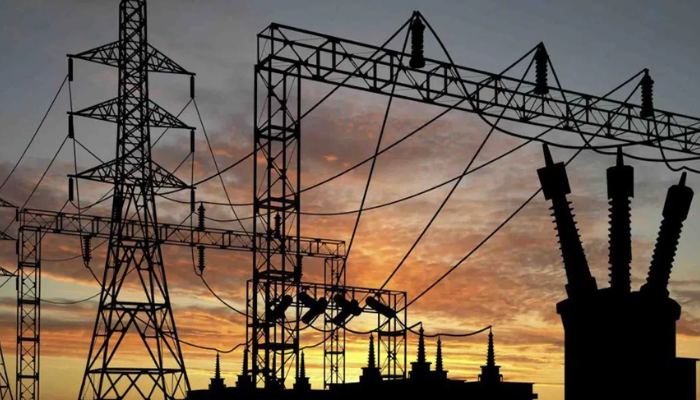
Why Nigeria needs a cohesive, whole-of-sector approach to solving its electricity crisis Nigeria’s electricity challenge has been discussed for decades.
Why Nigeria needs a cohesive, whole-of-sector approach to solving its electricity crisis Nigeria’s electricity challenge has been discussed for decades. Generation capacity, gas supply, transmission constraints, distribution losses, inadequate metering, energy theft, tariffs, liquidity, regulation and access to finance have all been identified as critical issues. However, the fundamental problem remains. Nigeria continues to have one of the world’s largest electricity access deficits. According to the World Bank’s Tracking SDG7: The Energy Progress Report 2025, 86.8 million Nigerians, roughly 39 percent of the population, lacked access to electricity. The World Bank also estimates that unreliable electricity costs the Nigerian economy approximately 5-7 percent of GDP annually, or about $25 billion. The question is therefore no longer whether we understand the problems. We do. The more important question is whether we are addressing them as parts of one interconnected system. The electricity value chain The Nigerian electricity sector is a chain: Gas, Generation, Transmission, Distribution, Metering, Billing, Collection, Payment, Investment, Improved Service. Each link matters, but too often these links are treated as separate problems. We ask how to increase generation without sufficiently addressing whether the additional electricity can be evacuated and distributed. We discuss distribution losses without adequately considering the quality and quantity of power supplied to distribution networks. We promote metering without fully resolving the commercial and liquidity challenges that affect collections. We debate tariffs without always connecting them to the level of investment and service customers should receive. At the same time, we seek private investment while investors continue to face uncertainty around tariffs, regulation, payment security and market liquidity. The result is that significant effort can be expended without producing a corresponding improvement across the system. We are fixing individual links when we need to fix the chain. Generation: More capacity is not enough Nigeria needs more electricity generation, but installed capacity alone is not the answer. The Nigerian Electricity Regulatory Commission (NERC) April 2026 operational performance factsheet puts Nigeria’s grid-connected installed capacity at 13,625MW, while average available capacity was only 4,286MW, an availability factor of just 31 percent. Meanwhile, estimated national demand is above 30,000MW. This illustrates the real challenge: the country needs reliable, available and dispatchable generation, not simply more installed megawatts. A generating plant must have fuel, operate reliably, receive payment and connect to a network capable of evacuating its output. For gas-fired generation, which accounts for roughly 70 percent of Nigeria’s electricity output, gas availability, pricing and payment security are therefore fundamental. The question should not simply be, “How many megawatts can we build?” It should be: “How many megawatts of reliable electricity can the entire system sustainably and economically deliver to the customer?” That is a fundamentally different question. Gas: The link behind generation Nigeria has significant natural gas resources, but gas supply remains a major constraint on power generation. The issue is not simply the availability of gas underground. It is the infrastructure and commercial framework required to bring that gas to generating plants at a viable price, including pipelines, processing, transportation, pricing, contracts and payment security. The consequences of failure are already visible. Ibom Power, a 190MW thermal plant in Akwa Ibom State, has reportedly produced no electricity since 2025 after its gas supplier suspended deliveries over unpaid bills. The gas-to-power chain must therefore be treated as one commercial ecosystem. Gas producers, suppliers, generators and electricity off-takers are not operating in isolation; the sustainability of one directly affects the others. Transmission and distribution: Moving power to the customer Even if Nigeria adds substantial generation, the problem will not be solved if electricity cannot be transmitted and distributed reliably. The national grid can reportedly transmit up to 8,500MW, while generation is often closer to 5,000MW. However, the network remains fragile. Nigeria experienced roughly a dozen grid collapses in 2024, four major collapses in 2025, and two collapses within one week in January 2026. Generation and transmission investment must therefore be coordinated. Where new generation is developed, the required transmission and evacuation infrastructure should be identified at the same time. The same principle applies to distribution. Distribution companies face technical and commercial losses, inadequate infrastructure, overloaded transformers and feeders, insufficient investment, customer non-payment and energy theft. Industry data for 2025 showed collection of around 80 percent of billed revenue in a typical quarter, while the market recorded a payment shortfall exceeding N600 billion against 2025 billings. An electricity distribution company (DisCo) cannot deliver electricity that it does not receive. Equally, it must collect sufficient revenue to maintain and expand its network. Again, the links converge. Metering and energy theft A credible electricity market requires accurate measurement. Nigeria has made progress, with the proportion of active customers who were metered rising to approximately 56 percent by October 2025, from about 46 percent in August 2024. However, almost half of active customers were still being billed on estimates. Metering should therefore not be viewed simply as a target for the number of meters installed. The more meaningful question is: How much electricity delivered through the network is accurately measured, billed and collected? Energy theft compounds the problem. Illegal connections and meter bypasses reduce revenue, weaken investment capacity and ultimately affect service quality. Addressing theft requires better metering and technology, customer education, community engagement, accurate billing, improved service and consistent enforcement. Customers have a legitimate expectation of reliable service and accurate bills. Equally, customers have a responsibility to pay for electricity consumed. Tariffs and financing: The difficult conversation Electricity has a cost. Someone must ultimately pay for gas, generation, transmission, distribution, metering, maintenance, financing and operations. Where tariffs remain below the sustainable cost of supply, the deficit does not disappear. It simply moves elsewhere in the chain, becoming unpaid obligations, deferred maintenance, accumulated debt and weaker service. Government-funded tariff shortfalls for 2025 were budgeted at close to N1.9 trillion, while only a fraction was reportedly paid. At the same time, estimates of amounts owed to generation companies have ranged from approximately N4 trillion to almost N7 trillion. However, tariff reform cannot simply mean increasing tariffs. It must be accompanied by improved service, transparent regulation, accurate metering, targeted support for vulnerable consumers and a credible path towards financial sustainability. The same principle applies to financing. The sector requires enormous capital across generation, gas, transmission, distribution, metering, digital systems, renewable energy and storage. Private capital will be essential, but capital is attracted to predictability. Investors need confidence in regulation, tariffs, contracts, payment mechanisms, foreign exchange arrangements, liquidity, enforcement and governance. Therefore, bankability must be designed into the sector from the beginning, not considered at the end of the process. Regulation and the Customer Regulation must provide clarity around tariffs, licensing, market participation, performance obligations and enforcement while protecting customers and enabling efficient operators to invest. Nigeria’s electricity market is also evolving. The Electricity Act 2023 has opened the way for state-level electricity markets, making regulatory coordination increasingly important. Ultimately, however, the customer must remain at the centre, and the customer wants three things: reliable electricity, a fair and understandable bill and responsive service. The industry, in turn, needs customers to pay for electricity consumed, avoid theft and illegal connections, provide accurate information and support the sustainability of the system. The relationship must therefore become one of mutual accountability. The real solution: Connect the links Imagine the chain: Gas supply, Reliable generation, Adequate transmission, Efficient distribution, Accurate metering, Transparent billing, Effective collection, Payment of market obligations, Improved cash flow, Investment, Better infrastructure and service, Greater customer confidence, Higher willingness to pay, Further investment. That is a virtuous cycle. The reverse is also true. Poor service leads to poor collections. Poor collections create liquidity problems. Liquidity problems result in unpaid obligations to generators and gas suppliers. This affects generation, which affects distribution and ultimately the customer. Poor customer experience can then further reduce willingness to pay. This is why fixing one part of the sector while ignoring the others will produce only limited results. The Nigerian electricity sector therefore needs a cohesive sector-wide compact involving government, regulators, gas suppliers, generators, transmission operators, distribution companies, financiers, technology providers and customers. Such a compact should align commitments around reliable generation, sustainable gas-to-power arrangements, coordinated transmission and distribution investment, universal and accurate metering, improved collections, reduced theft, sustainable tariffs, bankable financing structures, predictable regulation and mutual customer responsibility. Breaking the Silo Mentality Perhaps the biggest change required is institutional and behavioural. The generator focuses on getting paid. The gas supplier focuses on getting paid. Transmission focuses on the network. The DisCo focuses on collections. The regulator focuses on compliance. Government focuses on affordability. The customer focuses on the bill. Each perspective is understandable, but the electricity sector is bigger than any one participant. The question must move from “What is my problem?” to “What is preventing the entire chain from working?” That requires greater coordination, shared data, aligned incentives and a common definition of success. Conclusion: Fix the Chain Nigeria has the resources, technical expertise, entrepreneurial capability and investment opportunities required to build a much stronger electricity sector. What is required is a different approach. Generation, gas, transmission, distribution, metering, tariffs, regulation, financing and customer behaviour cannot be treated as independent problems. They are interconnected links in one chain. More generation requires transmission. Transmission requires investment. Distribution requires reliable power and capital. Metering requires effective commercial systems. Commercial systems require appropriate tariffs. Tariffs require customer confidence. Customer confidence requires better service. Better service requires investment. Investment requires bankability. Bankability requires regulatory and contractual certainty. The entire system also requires payment discipline. This is the chain. We cannot sustainably fix one link while leaving another broken. Nigeria’s next phase of power-sector reform should therefore be built around one simple principle: Stop fixing the links in isolation. Start fixing the chain. Only when all participants recognise that they are part of the same interconnected system, and align their policies, investments, incentives and responsibilities, accordingly, can Nigeria move from continually managing an electricity crisis to building a truly sustainable power sector. Lolu Akingbe is the COO of Fenchurch Group, a leading energy and infrastructure conglomerate operating across Nigeria and West Africa. With over 25 years’ experience in Infrastructure Development, he leads Strategy Planning, Operational Excellence, Portfolio Management, and Stakeholder Management. Martins Fowowe is a PMP-certified energy professional and Enterprise Project Lead at Fenchurch Group. His work spans energy infrastructure development, technical and commercial project delivery, and asset management. He focuses on turning energy concepts into viable projects that expand reliable energy access across Nigeria and Africa. Related News Nigeria’s astronaut dream stalls 10 years after 2016 target LASCOPA raises alarm over palm oil adulteration, urges consumers to be vigilant Kenya’s Shilling illusion and a currency on tight leash Share
Nigeria’s electricity challenge has been discussed for decades. Generation capacity, gas supply, transmission constraints, distribution losses, inadequate metering, energy theft, tariffs, liquidity, regulation and access to finance have all been identified as critical issues. However, the fundamental problem remains. Nigeria continues to have one of the world’s largest electricity access deficits. According to the World Bank’s Tracking SDG7: The Energy Progress Report 2025, 86.8 million Nigerians, roughly 39 percent of the population, lacked access to electricity. The World Bank also estimates that unreliable electricity costs the Nigerian economy approximately 5-7 percent of GDP annually, or about $25 billion. The question is therefore no longer whether we understand the problems. We do. The more important question is whether we are addressing them as parts of one interconnected system. The electricity value chain The Nigerian electricity sector is a chain: Gas, Generation, Transmission, Distribution, Metering, Billing, Collection, Payment, Investment, Improved Service. Each link matters, but too often these links are treated as separate problems. We ask how to increase generation without sufficiently addressing whether the additional electricity can be evacuated and distributed. We discuss distribution losses without adequately considering the quality and quantity of power supplied to distribution networks. We promote metering without fully resolving the commercial and liquidity challenges that affect collections. We debate tariffs without always connecting them to the level of investment and service customers should receive. At the same time, we seek private investment while investors continue to face uncertainty around tariffs, regulation, payment security and market liquidity. The result is that significant effort can be expended without producing a corresponding improvement across the system. We are fixing individual links when we need to fix the chain. Generation: More capacity is not enough Nigeria needs more electricity generation, but installed capacity alone is not the answer. The Nigerian Electricity Regulatory Commission (NERC) April 2026 operational performance factsheet puts Nigeria’s grid-connected installed capacity at 13,625MW, while average available capacity was only 4,286MW, an availability factor of just 31 percent. Meanwhile, estimated national demand is above 30,000MW. This illustrates the real challenge: the country needs reliable, available and dispatchable generation, not simply more installed megawatts. A generating plant must have fuel, operate reliably, receive payment and connect to a network capable of evacuating its output. For gas-fired generation, which accounts for roughly 70 percent of Nigeria’s electricity output, gas availability, pricing and payment security are therefore fundamental. The question should not simply be, “How many megawatts can we build?” It should be: “How many megawatts of reliable electricity can the entire system sustainably and economically deliver to the customer?” That is a fundamentally different question. Gas: The link behind generation Nigeria has significant natural gas resources, but gas supply remains a major constraint on power generation. The issue is not simply the availability of gas underground. It is the infrastructure and commercial framework required to bring that gas to generating plants at a viable price, including pipelines, processing, transportation, pricing, contracts and payment security. The consequences of failure are already visible. Ibom Power, a 190MW thermal plant in Akwa Ibom State, has reportedly produced no electricity since 2025 after its gas supplier suspended deliveries over unpaid bills. The gas-to-power chain must therefore be treated as one commercial ecosystem. Gas producers, suppliers, generators and electricity off-takers are not operating in isolation; the sustainability of one directly affects the others. Transmission and distribution: Moving power to the customer Even if Nigeria adds substantial generation, the problem will not be solved if electricity cannot be transmitted and distributed reliably. The national grid can reportedly transmit up to 8,500MW, while generation is often closer to 5,000MW. However, the network remains fragile. Nigeria experienced roughly a dozen grid collapses in 2024, four major collapses in 2025, and two collapses within one week in January 2026. Generation and transmission investment must therefore be coordinated. Where new generation is developed, the required transmission and evacuation infrastructure should be identified at the same time. The same principle applies to distribution. Distribution companies face technical and commercial losses, inadequate infrastructure, overloaded transformers and feeders, insufficient investment, customer non-payment and energy theft. Industry data for 2025 showed collection of around 80 percent of billed revenue in a typical quarter, while the market recorded a payment shortfall exceeding N600 billion against 2025 billings. An electricity distribution company (DisCo) cannot deliver electricity that it does not receive. Equally, it must collect sufficient revenue to maintain and expand its network. Again, the links converge. Metering and energy theft A credible electricity market requires accurate measurement. Nigeria has made progress, with the proportion of active customers who were metered rising to approximately 56 percent by October 2025, from about 46 percent in August 2024. However, almost half of active customers were still being billed on estimates. Metering should therefore not be viewed simply as a target for the number of meters installed. The more meaningful question is: How much electricity delivered through the network is accurately measured, billed and collected? Energy theft compounds the problem. Illegal connections and meter bypasses reduce revenue, weaken investment capacity and ultimately affect service quality. Addressing theft requires better metering and technology, customer education, community engagement, accurate billing, improved service and consistent enforcement. Customers have a legitimate expectation of reliable service and accurate bills. Equally, customers have a responsibility to pay for electricity consumed. Tariffs and financing: The difficult conversation Electricity has a cost. Someone must ultimately pay for gas, generation, transmission, distribution, metering, maintenance, financing and operations. Where tariffs remain below the sustainable cost of supply, the deficit does not disappear. It simply moves elsewhere in the chain, becoming unpaid obligations, deferred maintenance, accumulated debt and weaker service. Government-funded tariff shortfalls for 2025 were budgeted at close to N1.9 trillion, while only a fraction was reportedly paid. At the same time, estimates of amounts owed to generation companies have ranged from approximately N4 trillion to almost N7 trillion. However, tariff reform cannot simply mean increasing tariffs. It must be accompanied by improved service, transparent regulation, accurate metering, targeted support for vulnerable consumers and a credible path towards financial sustainability. The same principle applies to financing. The sector requires enormous capital across generation, gas, transmission, distribution, metering, digital systems, renewable energy and storage. Private capital will be essential, but capital is attracted to predictability. Investors need confidence in regulation, tariffs, contracts, payment mechanisms, foreign exchange arrangements, liquidity, enforcement and governance. Therefore, bankability must be designed into the sector from the beginning, not considered at the end of the process. Regulation and the Customer Regulation must provide clarity around tariffs, licensing, market participation, performance obligations and enforcement while protecting customers and enabling efficient operators to invest. Nigeria’s electricity market is also evolving. The Electricity Act 2023 has opened the way for state-level electricity markets, making regulatory coordination increasingly important. Ultimately, however, the customer must remain at the centre, and the customer wants three things: reliable electricity, a fair and understandable bill and responsive service. The industry, in turn, needs customers to pay for electricity consumed, avoid theft and illegal connections, provide accurate information and support the sustainability of the system. The relationship must therefore become one of mutual accountability. The real solution: Connect the links Imagine the chain: Gas supply, Reliable generation, Adequate transmission, Efficient distribution, Accurate metering, Transparent billing, Effective collection, Payment of market obligations, Improved cash flow, Investment, Better infrastructure and service, Greater customer confidence, Higher willingness to pay, Further investment. That is a virtuous cycle. The reverse is also true. Poor service leads to poor collections. Poor collections create liquidity problems. Liquidity problems result in unpaid obligations to generators and gas suppliers. This affects generation, which affects distribution and ultimately the customer. Poor customer experience can then further reduce willingness to pay. This is why fixing one part of the sector while ignoring the others will produce only limited results. The Nigerian electricity sector therefore needs a cohesive sector-wide compact involving government, regulators, gas suppliers, generators, transmission operators, distribution companies, financiers, technology providers and customers. Such a compact should align commitments around reliable generation, sustainable gas-to-power arrangements, coordinated transmission and distribution investment, universal and accurate metering, improved collections, reduced theft, sustainable tariffs, bankable financing structures, predictable regulation and mutual customer responsibility. Breaking the Silo Mentality Perhaps the biggest change required is institutional and behavioural. The generator focuses on getting paid. The gas supplier focuses on getting paid. Transmission focuses on the network. The DisCo focuses on collections. The regulator focuses on compliance. Government focuses on affordability. The customer focuses on the bill. Each perspective is understandable, but the electricity sector is bigger than any one participant. The question must move from “What is my problem?” to “What is preventing the entire chain from working?” That requires greater coordination, shared data, aligned incentives and a common definition of success. Conclusion: Fix the Chain Nigeria has the resources, technical expertise, entrepreneurial capability and investment opportunities required to build a much stronger electricity sector. What is required is a different approach. Generation, gas, transmission, distribution, metering, tariffs, regulation, financing and customer behaviour cannot be treated as independent problems. They are interconnected links in one chain. More generation requires transmission. Transmission requires investment. Distribution requires reliable power and capital. Metering requires effective commercial systems. Commercial systems require appropriate tariffs. Tariffs require customer confidence. Customer confidence requires better service. Better service requires investment. Investment requires bankability. Bankability requires regulatory and contractual certainty. The entire system also requires payment discipline. This is the chain. We cannot sustainably fix one link while leaving another broken. Nigeria’s next phase of power-sector reform should therefore be built around one simple principle: Stop fixing the links in isolation. Start fixing the chain. Only when all participants recognise that they are part of the same interconnected system, and align their policies, investments, incentives and responsibilities, accordingly, can Nigeria move from continually managing an electricity crisis to building a truly sustainable power sector. Lolu Akingbe is the COO of Fenchurch Group, a leading energy and infrastructure conglomerate operating across Nigeria and West Africa. With over 25 years’ experience in Infrastructure Development, he leads Strategy Planning, Operational Excellence, Portfolio Management, and Stakeholder Management. Martins Fowowe is a PMP-certified energy professional and Enterprise Project Lead at Fenchurch Group. His work spans energy infrastructure development, technical and commercial project delivery, and asset management. He focuses on turning energy concepts into viable projects that expand reliable energy access across Nigeria and Africa. Related News Nigeria’s astronaut dream stalls 10 years after 2016 target LASCOPA raises alarm over palm oil adulteration, urges consumers to be vigilant Kenya’s Shilling illusion and a currency on tight leash Share
Nigeria continues to have one of the world’s largest electricity access deficits. According to the World Bank’s Tracking SDG7: The Energy Progress Report 2025, 86.8 million Nigerians, roughly 39 percent of the population, lacked access to electricity. The World Bank also estimates that unreliable electricity costs the Nigerian economy approximately 5-7 percent of GDP annually, or about $25 billion. The question is therefore no longer whether we understand the problems. We do. The more important question is whether we are addressing them as parts of one interconnected system. The electricity value chain The Nigerian electricity sector is a chain: Gas, Generation, Transmission, Distribution, Metering, Billing, Collection, Payment, Investment, Improved Service. Each link matters, but too often these links are treated as separate problems. We ask how to increase generation without sufficiently addressing whether the additional electricity can be evacuated and distributed. We discuss distribution losses without adequately considering the quality and quantity of power supplied to distribution networks. We promote metering without fully resolving the commercial and liquidity challenges that affect collections. We debate tariffs without always connecting them to the level of investment and service customers should receive. At the same time, we seek private investment while investors continue to face uncertainty around tariffs, regulation, payment security and market liquidity. The result is that significant effort can be expended without producing a corresponding improvement across the system. We are fixing individual links when we need to fix the chain. Generation: More capacity is not enough Nigeria needs more electricity generation, but installed capacity alone is not the answer. The Nigerian Electricity Regulatory Commission (NERC) April 2026 operational performance factsheet puts Nigeria’s grid-connected installed capacity at 13,625MW, while average available capacity was only 4,286MW, an availability factor of just 31 percent. Meanwhile, estimated national demand is above 30,000MW. This illustrates the real challenge: the country needs reliable, available and dispatchable generation, not simply more installed megawatts. A generating plant must have fuel, operate reliably, receive payment and connect to a network capable of evacuating its output. For gas-fired generation, which accounts for roughly 70 percent of Nigeria’s electricity output, gas availability, pricing and payment security are therefore fundamental. The question should not simply be, “How many megawatts can we build?” It should be: “How many megawatts of reliable electricity can the entire system sustainably and economically deliver to the customer?” That is a fundamentally different question. Gas: The link behind generation Nigeria has significant natural gas resources, but gas supply remains a major constraint on power generation. The issue is not simply the availability of gas underground. It is the infrastructure and commercial framework required to bring that gas to generating plants at a viable price, including pipelines, processing, transportation, pricing, contracts and payment security. The consequences of failure are already visible. Ibom Power, a 190MW thermal plant in Akwa Ibom State, has reportedly produced no electricity since 2025 after its gas supplier suspended deliveries over unpaid bills. The gas-to-power chain must therefore be treated as one commercial ecosystem. Gas producers, suppliers, generators and electricity off-takers are not operating in isolation; the sustainability of one directly affects the others. Transmission and distribution: Moving power to the customer Even if Nigeria adds substantial generation, the problem will not be solved if electricity cannot be transmitted and distributed reliably. The national grid can reportedly transmit up to 8,500MW, while generation is often closer to 5,000MW. However, the network remains fragile. Nigeria experienced roughly a dozen grid collapses in 2024, four major collapses in 2025, and two collapses within one week in January 2026. Generation and transmission investment must therefore be coordinated. Where new generation is developed, the required transmission and evacuation infrastructure should be identified at the same time. The same principle applies to distribution. Distribution companies face technical and commercial losses, inadequate infrastructure, overloaded transformers and feeders, insufficient investment, customer non-payment and energy theft. Industry data for 2025 showed collection of around 80 percent of billed revenue in a typical quarter, while the market recorded a payment shortfall exceeding N600 billion against 2025 billings. An electricity distribution company (DisCo) cannot deliver electricity that it does not receive. Equally, it must collect sufficient revenue to maintain and expand its network. Again, the links converge. Metering and energy theft A credible electricity market requires accurate measurement. Nigeria has made progress, with the proportion of active customers who were metered rising to approximately 56 percent by October 2025, from about 46 percent in August 2024. However, almost half of active customers were still being billed on estimates. Metering should therefore not be viewed simply as a target for the number of meters installed. The more meaningful question is: How much electricity delivered through the network is accurately measured, billed and collected? Energy theft compounds the problem. Illegal connections and meter bypasses reduce revenue, weaken investment capacity and ultimately affect service quality. Addressing theft requires better metering and technology, customer education, community engagement, accurate billing, improved service and consistent enforcement. Customers have a legitimate expectation of reliable service and accurate bills. Equally, customers have a responsibility to pay for electricity consumed. Tariffs and financing: The difficult conversation Electricity has a cost. Someone must ultimately pay for gas, generation, transmission, distribution, metering, maintenance, financing and operations. Where tariffs remain below the sustainable cost of supply, the deficit does not disappear. It simply moves elsewhere in the chain, becoming unpaid obligations, deferred maintenance, accumulated debt and weaker service. Government-funded tariff shortfalls for 2025 were budgeted at close to N1.9 trillion, while only a fraction was reportedly paid. At the same time, estimates of amounts owed to generation companies have ranged from approximately N4 trillion to almost N7 trillion. However, tariff reform cannot simply mean increasing tariffs. It must be accompanied by improved service, transparent regulation, accurate metering, targeted support for vulnerable consumers and a credible path towards financial sustainability. The same principle applies to financing. The sector requires enormous capital across generation, gas, transmission, distribution, metering, digital systems, renewable energy and storage. Private capital will be essential, but capital is attracted to predictability. Investors need confidence in regulation, tariffs, contracts, payment mechanisms, foreign exchange arrangements, liquidity, enforcement and governance. Therefore, bankability must be designed into the sector from the beginning, not considered at the end of the process. Regulation and the Customer Regulation must provide clarity around tariffs, licensing, market participation, performance obligations and enforcement while protecting customers and enabling efficient operators to invest. Nigeria’s electricity market is also evolving. The Electricity Act 2023 has opened the way for state-level electricity markets, making regulatory coordination increasingly important. Ultimately, however, the customer must remain at the centre, and the customer wants three things: reliable electricity, a fair and understandable bill and responsive service. The industry, in turn, needs customers to pay for electricity consumed, avoid theft and illegal connections, provide accurate information and support the sustainability of the system. The relationship must therefore become one of mutual accountability. The real solution: Connect the links Imagine the chain: Gas supply, Reliable generation, Adequate transmission, Efficient distribution, Accurate metering, Transparent billing, Effective collection, Payment of market obligations, Improved cash flow, Investment, Better infrastructure and service, Greater customer confidence, Higher willingness to pay, Further investment. That is a virtuous cycle. The reverse is also true. Poor service leads to poor collections. Poor collections create liquidity problems. Liquidity problems result in unpaid obligations to generators and gas suppliers. This affects generation, which affects distribution and ultimately the customer. Poor customer experience can then further reduce willingness to pay. This is why fixing one part of the sector while ignoring the others will produce only limited results. The Nigerian electricity sector therefore needs a cohesive sector-wide compact involving government, regulators, gas suppliers, generators, transmission operators, distribution companies, financiers, technology providers and customers. Such a compact should align commitments around reliable generation, sustainable gas-to-power arrangements, coordinated transmission and distribution investment, universal and accurate metering, improved collections, reduced theft, sustainable tariffs, bankable financing structures, predictable regulation and mutual customer responsibility. Breaking the Silo Mentality Perhaps the biggest change required is institutional and behavioural. The generator focuses on getting paid. The gas supplier focuses on getting paid. Transmission focuses on the network. The DisCo focuses on collections. The regulator focuses on compliance. Government focuses on affordability. The customer focuses on the bill. Each perspective is understandable, but the electricity sector is bigger than any one participant. The question must move from “What is my problem?” to “What is preventing the entire chain from working?” That requires greater coordination, shared data, aligned incentives and a common definition of success. Conclusion: Fix the Chain Nigeria has the resources, technical expertise, entrepreneurial capability and investment opportunities required to build a much stronger electricity sector. What is required is a different approach. Generation, gas, transmission, distribution, metering, tariffs, regulation, financing and customer behaviour cannot be treated as independent problems. They are interconnected links in one chain. More generation requires transmission. Transmission requires investment. Distribution requires reliable power and capital. Metering requires effective commercial systems. Commercial systems require appropriate tariffs. Tariffs require customer confidence. Customer confidence requires better service. Better service requires investment. Investment requires bankability. Bankability requires regulatory and contractual certainty. The entire system also requires payment discipline. This is the chain. We cannot sustainably fix one link while leaving another broken. Nigeria’s next phase of power-sector reform should therefore be built around one simple principle: Stop fixing the links in isolation. Start fixing the chain. Only when all participants recognise that they are part of the same interconnected system, and align their policies, investments, incentives and responsibilities, accordingly, can Nigeria move from continually managing an electricity crisis to building a truly sustainable power sector. Lolu Akingbe is the COO of Fenchurch Group, a leading energy and infrastructure conglomerate operating across Nigeria and West Africa. With over 25 years’ experience in Infrastructure Development, he leads Strategy Planning, Operational Excellence, Portfolio Management, and Stakeholder Management. Martins Fowowe is a PMP-certified energy professional and Enterprise Project Lead at Fenchurch Group. His work spans energy infrastructure development, technical and commercial project delivery, and asset management. He focuses on turning energy concepts into viable projects that expand reliable energy access across Nigeria and Africa. Related News Nigeria’s astronaut dream stalls 10 years after 2016 target LASCOPA raises alarm over palm oil adulteration, urges consumers to be vigilant Kenya’s Shilling illusion and a currency on tight leash Share
The World Bank also estimates that unreliable electricity costs the Nigerian economy approximately 5-7 percent of GDP annually, or about $25 billion. The question is therefore no longer whether we understand the problems. We do. The more important question is whether we are addressing them as parts of one interconnected system. The electricity value chain The Nigerian electricity sector is a chain: Gas, Generation, Transmission, Distribution, Metering, Billing, Collection, Payment, Investment, Improved Service. Each link matters, but too often these links are treated as separate problems. We ask how to increase generation without sufficiently addressing whether the additional electricity can be evacuated and distributed. We discuss distribution losses without adequately considering the quality and quantity of power supplied to distribution networks. We promote metering without fully resolving the commercial and liquidity challenges that affect collections. We debate tariffs without always connecting them to the level of investment and service customers should receive. At the same time, we seek private investment while investors continue to face uncertainty around tariffs, regulation, payment security and market liquidity. The result is that significant effort can be expended without producing a corresponding improvement across the system. We are fixing individual links when we need to fix the chain. Generation: More capacity is not enough Nigeria needs more electricity generation, but installed capacity alone is not the answer. The Nigerian Electricity Regulatory Commission (NERC) April 2026 operational performance factsheet puts Nigeria’s grid-connected installed capacity at 13,625MW, while average available capacity was only 4,286MW, an availability factor of just 31 percent. Meanwhile, estimated national demand is above 30,000MW. This illustrates the real challenge: the country needs reliable, available and dispatchable generation, not simply more installed megawatts. A generating plant must have fuel, operate reliably, receive payment and connect to a network capable of evacuating its output. For gas-fired generation, which accounts for roughly 70 percent of Nigeria’s electricity output, gas availability, pricing and payment security are therefore fundamental. The question should not simply be, “How many megawatts can we build?” It should be: “How many megawatts of reliable electricity can the entire system sustainably and economically deliver to the customer?” That is a fundamentally different question. Gas: The link behind generation Nigeria has significant natural gas resources, but gas supply remains a major constraint on power generation. The issue is not simply the availability of gas underground. It is the infrastructure and commercial framework required to bring that gas to generating plants at a viable price, including pipelines, processing, transportation, pricing, contracts and payment security. The consequences of failure are already visible. Ibom Power, a 190MW thermal plant in Akwa Ibom State, has reportedly produced no electricity since 2025 after its gas supplier suspended deliveries over unpaid bills. The gas-to-power chain must therefore be treated as one commercial ecosystem. Gas producers, suppliers, generators and electricity off-takers are not operating in isolation; the sustainability of one directly affects the others. Transmission and distribution: Moving power to the customer Even if Nigeria adds substantial generation, the problem will not be solved if electricity cannot be transmitted and distributed reliably. The national grid can reportedly transmit up to 8,500MW, while generation is often closer to 5,000MW. However, the network remains fragile. Nigeria experienced roughly a dozen grid collapses in 2024, four major collapses in 2025, and two collapses within one week in January 2026. Generation and transmission investment must therefore be coordinated. Where new generation is developed, the required transmission and evacuation infrastructure should be identified at the same time. The same principle applies to distribution. Distribution companies face technical and commercial losses, inadequate infrastructure, overloaded transformers and feeders, insufficient investment, customer non-payment and energy theft. Industry data for 2025 showed collection of around 80 percent of billed revenue in a typical quarter, while the market recorded a payment shortfall exceeding N600 billion against 2025 billings. An electricity distribution company (DisCo) cannot deliver electricity that it does not receive. Equally, it must collect sufficient revenue to maintain and expand its network. Again, the links converge. Metering and energy theft A credible electricity market requires accurate measurement. Nigeria has made progress, with the proportion of active customers who were metered rising to approximately 56 percent by October 2025, from about 46 percent in August 2024. However, almost half of active customers were still being billed on estimates. Metering should therefore not be viewed simply as a target for the number of meters installed. The more meaningful question is: How much electricity delivered through the network is accurately measured, billed and collected? Energy theft compounds the problem. Illegal connections and meter bypasses reduce revenue, weaken investment capacity and ultimately affect service quality. Addressing theft requires better metering and technology, customer education, community engagement, accurate billing, improved service and consistent enforcement. Customers have a legitimate expectation of reliable service and accurate bills. Equally, customers have a responsibility to pay for electricity consumed. Tariffs and financing: The difficult conversation Electricity has a cost. Someone must ultimately pay for gas, generation, transmission, distribution, metering, maintenance, financing and operations. Where tariffs remain below the sustainable cost of supply, the deficit does not disappear. It simply moves elsewhere in the chain, becoming unpaid obligations, deferred maintenance, accumulated debt and weaker service. Government-funded tariff shortfalls for 2025 were budgeted at close to N1.9 trillion, while only a fraction was reportedly paid. At the same time, estimates of amounts owed to generation companies have ranged from approximately N4 trillion to almost N7 trillion. However, tariff reform cannot simply mean increasing tariffs. It must be accompanied by improved service, transparent regulation, accurate metering, targeted support for vulnerable consumers and a credible path towards financial sustainability. The same principle applies to financing. The sector requires enormous capital across generation, gas, transmission, distribution, metering, digital systems, renewable energy and storage. Private capital will be essential, but capital is attracted to predictability. Investors need confidence in regulation, tariffs, contracts, payment mechanisms, foreign exchange arrangements, liquidity, enforcement and governance. Therefore, bankability must be designed into the sector from the beginning, not considered at the end of the process. Regulation and the Customer Regulation must provide clarity around tariffs, licensing, market participation, performance obligations and enforcement while protecting customers and enabling efficient operators to invest. Nigeria’s electricity market is also evolving. The Electricity Act 2023 has opened the way for state-level electricity markets, making regulatory coordination increasingly important. Ultimately, however, the customer must remain at the centre, and the customer wants three things: reliable electricity, a fair and understandable bill and responsive service. The industry, in turn, needs customers to pay for electricity consumed, avoid theft and illegal connections, provide accurate information and support the sustainability of the system. The relationship must therefore become one of mutual accountability. The real solution: Connect the links Imagine the chain: Gas supply, Reliable generation, Adequate transmission, Efficient distribution, Accurate metering, Transparent billing, Effective collection, Payment of market obligations, Improved cash flow, Investment, Better infrastructure and service, Greater customer confidence, Higher willingness to pay, Further investment. That is a virtuous cycle. The reverse is also true. Poor service leads to poor collections. Poor collections create liquidity problems. Liquidity problems result in unpaid obligations to generators and gas suppliers. This affects generation, which affects distribution and ultimately the customer. Poor customer experience can then further reduce willingness to pay. This is why fixing one part of the sector while ignoring the others will produce only limited results. The Nigerian electricity sector therefore needs a cohesive sector-wide compact involving government, regulators, gas suppliers, generators, transmission operators, distribution companies, financiers, technology providers and customers. Such a compact should align commitments around reliable generation, sustainable gas-to-power arrangements, coordinated transmission and distribution investment, universal and accurate metering, improved collections, reduced theft, sustainable tariffs, bankable financing structures, predictable regulation and mutual customer responsibility. Breaking the Silo Mentality Perhaps the biggest change required is institutional and behavioural. The generator focuses on getting paid. The gas supplier focuses on getting paid. Transmission focuses on the network. The DisCo focuses on collections. The regulator focuses on compliance. Government focuses on affordability. The customer focuses on the bill. Each perspective is understandable, but the electricity sector is bigger than any one participant. The question must move from “What is my problem?” to “What is preventing the entire chain from working?” That requires greater coordination, shared data, aligned incentives and a common definition of success. Conclusion: Fix the Chain Nigeria has the resources, technical expertise, entrepreneurial capability and investment opportunities required to build a much stronger electricity sector. What is required is a different approach. Generation, gas, transmission, distribution, metering, tariffs, regulation, financing and customer behaviour cannot be treated as independent problems. They are interconnected links in one chain. More generation requires transmission. Transmission requires investment. Distribution requires reliable power and capital. Metering requires effective commercial systems. Commercial systems require appropriate tariffs. Tariffs require customer confidence. Customer confidence requires better service. Better service requires investment. Investment requires bankability. Bankability requires regulatory and contractual certainty. The entire system also requires payment discipline. This is the chain. We cannot sustainably fix one link while leaving another broken. Nigeria’s next phase of power-sector reform should therefore be built around one simple principle: Stop fixing the links in isolation. Start fixing the chain. Only when all participants recognise that they are part of the same interconnected system, and align their policies, investments, incentives and responsibilities, accordingly, can Nigeria move from continually managing an electricity crisis to building a truly sustainable power sector. Lolu Akingbe is the COO of Fenchurch Group, a leading energy and infrastructure conglomerate operating across Nigeria and West Africa. With over 25 years’ experience in Infrastructure Development, he leads Strategy Planning, Operational Excellence, Portfolio Management, and Stakeholder Management. Martins Fowowe is a PMP-certified energy professional and Enterprise Project Lead at Fenchurch Group. His work spans energy infrastructure development, technical and commercial project delivery, and asset management. He focuses on turning energy concepts into viable projects that expand reliable energy access across Nigeria and Africa. Related News Nigeria’s astronaut dream stalls 10 years after 2016 target LASCOPA raises alarm over palm oil adulteration, urges consumers to be vigilant Kenya’s Shilling illusion and a currency on tight leash Share
The Nigerian electricity sector is a chain: Gas, Generation, Transmission, Distribution, Metering, Billing, Collection, Payment, Investment, Improved Service. Each link matters, but too often these links are treated as separate problems. We ask how to increase generation without sufficiently addressing whether the additional electricity can be evacuated and distributed. We discuss distribution losses without adequately considering the quality and quantity of power supplied to distribution networks. We promote metering without fully resolving the commercial and liquidity challenges that affect collections. We debate tariffs without always connecting them to the level of investment and service customers should receive. At the same time, we seek private investment while investors continue to face uncertainty around tariffs, regulation, payment security and market liquidity. The result is that significant effort can be expended without producing a corresponding improvement across the system. We are fixing individual links when we need to fix the chain. Generation: More capacity is not enough Nigeria needs more electricity generation, but installed capacity alone is not the answer. The Nigerian Electricity Regulatory Commission (NERC) April 2026 operational performance factsheet puts Nigeria’s grid-connected installed capacity at 13,625MW, while average available capacity was only 4,286MW, an availability factor of just 31 percent. Meanwhile, estimated national demand is above 30,000MW. This illustrates the real challenge: the country needs reliable, available and dispatchable generation, not simply more installed megawatts. A generating plant must have fuel, operate reliably, receive payment and connect to a network capable of evacuating its output. For gas-fired generation, which accounts for roughly 70 percent of Nigeria’s electricity output, gas availability, pricing and payment security are therefore fundamental. The question should not simply be, “How many megawatts can we build?” It should be: “How many megawatts of reliable electricity can the entire system sustainably and economically deliver to the customer?” That is a fundamentally different question. Gas: The link behind generation Nigeria has significant natural gas resources, but gas supply remains a major constraint on power generation. The issue is not simply the availability of gas underground. It is the infrastructure and commercial framework required to bring that gas to generating plants at a viable price, including pipelines, processing, transportation, pricing, contracts and payment security. The consequences of failure are already visible. Ibom Power, a 190MW thermal plant in Akwa Ibom State, has reportedly produced no electricity since 2025 after its gas supplier suspended deliveries over unpaid bills. The gas-to-power chain must therefore be treated as one commercial ecosystem. Gas producers, suppliers, generators and electricity off-takers are not operating in isolation; the sustainability of one directly affects the others. Transmission and distribution: Moving power to the customer Even if Nigeria adds substantial generation, the problem will not be solved if electricity cannot be transmitted and distributed reliably. The national grid can reportedly transmit up to 8,500MW, while generation is often closer to 5,000MW. However, the network remains fragile. Nigeria experienced roughly a dozen grid collapses in 2024, four major collapses in 2025, and two collapses within one week in January 2026. Generation and transmission investment must therefore be coordinated. Where new generation is developed, the required transmission and evacuation infrastructure should be identified at the same time. The same principle applies to distribution. Distribution companies face technical and commercial losses, inadequate infrastructure, overloaded transformers and feeders, insufficient investment, customer non-payment and energy theft. Industry data for 2025 showed collection of around 80 percent of billed revenue in a typical quarter, while the market recorded a payment shortfall exceeding N600 billion against 2025 billings. An electricity distribution company (DisCo) cannot deliver electricity that it does not receive. Equally, it must collect sufficient revenue to maintain and expand its network. Again, the links converge. Metering and energy theft A credible electricity market requires accurate measurement. Nigeria has made progress, with the proportion of active customers who were metered rising to approximately 56 percent by October 2025, from about 46 percent in August 2024. However, almost half of active customers were still being billed on estimates. Metering should therefore not be viewed simply as a target for the number of meters installed. The more meaningful question is: How much electricity delivered through the network is accurately measured, billed and collected? Energy theft compounds the problem. Illegal connections and meter bypasses reduce revenue, weaken investment capacity and ultimately affect service quality. Addressing theft requires better metering and technology, customer education, community engagement, accurate billing, improved service and consistent enforcement. Customers have a legitimate expectation of reliable service and accurate bills. Equally, customers have a responsibility to pay for electricity consumed. Tariffs and financing: The difficult conversation Electricity has a cost. Someone must ultimately pay for gas, generation, transmission, distribution, metering, maintenance, financing and operations. Where tariffs remain below the sustainable cost of supply, the deficit does not disappear. It simply moves elsewhere in the chain, becoming unpaid obligations, deferred maintenance, accumulated debt and weaker service. Government-funded tariff shortfalls for 2025 were budgeted at close to N1.9 trillion, while only a fraction was reportedly paid. At the same time, estimates of amounts owed to generation companies have ranged from approximately N4 trillion to almost N7 trillion. However, tariff reform cannot simply mean increasing tariffs. It must be accompanied by improved service, transparent regulation, accurate metering, targeted support for vulnerable consumers and a credible path towards financial sustainability. The same principle applies to financing. The sector requires enormous capital across generation, gas, transmission, distribution, metering, digital systems, renewable energy and storage. Private capital will be essential, but capital is attracted to predictability. Investors need confidence in regulation, tariffs, contracts, payment mechanisms, foreign exchange arrangements, liquidity, enforcement and governance. Therefore, bankability must be designed into the sector from the beginning, not considered at the end of the process. Regulation and the Customer Regulation must provide clarity around tariffs, licensing, market participation, performance obligations and enforcement while protecting customers and enabling efficient operators to invest. Nigeria’s electricity market is also evolving. The Electricity Act 2023 has opened the way for state-level electricity markets, making regulatory coordination increasingly important. Ultimately, however, the customer must remain at the centre, and the customer wants three things: reliable electricity, a fair and understandable bill and responsive service. The industry, in turn, needs customers to pay for electricity consumed, avoid theft and illegal connections, provide accurate information and support the sustainability of the system. The relationship must therefore become one of mutual accountability. The real solution: Connect the links Imagine the chain: Gas supply, Reliable generation, Adequate transmission, Efficient distribution, Accurate metering, Transparent billing, Effective collection, Payment of market obligations, Improved cash flow, Investment, Better infrastructure and service, Greater customer confidence, Higher willingness to pay, Further investment. That is a virtuous cycle. The reverse is also true. Poor service leads to poor collections. Poor collections create liquidity problems. Liquidity problems result in unpaid obligations to generators and gas suppliers. This affects generation, which affects distribution and ultimately the customer. Poor customer experience can then further reduce willingness to pay. This is why fixing one part of the sector while ignoring the others will produce only limited results. The Nigerian electricity sector therefore needs a cohesive sector-wide compact involving government, regulators, gas suppliers, generators, transmission operators, distribution companies, financiers, technology providers and customers. Such a compact should align commitments around reliable generation, sustainable gas-to-power arrangements, coordinated transmission and distribution investment, universal and accurate metering, improved collections, reduced theft, sustainable tariffs, bankable financing structures, predictable regulation and mutual customer responsibility. Breaking the Silo Mentality Perhaps the biggest change required is institutional and behavioural. The generator focuses on getting paid. The gas supplier focuses on getting paid. Transmission focuses on the network. The DisCo focuses on collections. The regulator focuses on compliance. Government focuses on affordability. The customer focuses on the bill. Each perspective is understandable, but the electricity sector is bigger than any one participant. The question must move from “What is my problem?” to “What is preventing the entire chain from working?” That requires greater coordination, shared data, aligned incentives and a common definition of success. Conclusion: Fix the Chain Nigeria has the resources, technical expertise, entrepreneurial capability and investment opportunities required to build a much stronger electricity sector. What is required is a different approach. Generation, gas, transmission, distribution, metering, tariffs, regulation, financing and customer behaviour cannot be treated as independent problems. They are interconnected links in one chain. More generation requires transmission. Transmission requires investment. Distribution requires reliable power and capital. Metering requires effective commercial systems. Commercial systems require appropriate tariffs. Tariffs require customer confidence. Customer confidence requires better service. Better service requires investment. Investment requires bankability. Bankability requires regulatory and contractual certainty. The entire system also requires payment discipline. This is the chain. We cannot sustainably fix one link while leaving another broken. Nigeria’s next phase of power-sector reform should therefore be built around one simple principle: Stop fixing the links in isolation. Start fixing the chain. Only when all participants recognise that they are part of the same interconnected system, and align their policies, investments, incentives and responsibilities, accordingly, can Nigeria move from continually managing an electricity crisis to building a truly sustainable power sector. Lolu Akingbe is the COO of Fenchurch Group, a leading energy and infrastructure conglomerate operating across Nigeria and West Africa. With over 25 years’ experience in Infrastructure Development, he leads Strategy Planning, Operational Excellence, Portfolio Management, and Stakeholder Management. Martins Fowowe is a PMP-certified energy professional and Enterprise Project Lead at Fenchurch Group. His work spans energy infrastructure development, technical and commercial project delivery, and asset management. He focuses on turning energy concepts into viable projects that expand reliable energy access across Nigeria and Africa. Related News Nigeria’s astronaut dream stalls 10 years after 2016 target LASCOPA raises alarm over palm oil adulteration, urges consumers to be vigilant Kenya’s Shilling illusion and a currency on tight leash Share
Each link matters, but too often these links are treated as separate problems. We ask how to increase generation without sufficiently addressing whether the additional electricity can be evacuated and distributed. We discuss distribution losses without adequately considering the quality and quantity of power supplied to distribution networks. We promote metering without fully resolving the commercial and liquidity challenges that affect collections. We debate tariffs without always connecting them to the level of investment and service customers should receive. At the same time, we seek private investment while investors continue to face uncertainty around tariffs, regulation, payment security and market liquidity. The result is that significant effort can be expended without producing a corresponding improvement across the system. We are fixing individual links when we need to fix the chain. Generation: More capacity is not enough Nigeria needs more electricity generation, but installed capacity alone is not the answer. The Nigerian Electricity Regulatory Commission (NERC) April 2026 operational performance factsheet puts Nigeria’s grid-connected installed capacity at 13,625MW, while average available capacity was only 4,286MW, an availability factor of just 31 percent. Meanwhile, estimated national demand is above 30,000MW. This illustrates the real challenge: the country needs reliable, available and dispatchable generation, not simply more installed megawatts. A generating plant must have fuel, operate reliably, receive payment and connect to a network capable of evacuating its output. For gas-fired generation, which accounts for roughly 70 percent of Nigeria’s electricity output, gas availability, pricing and payment security are therefore fundamental. The question should not simply be, “How many megawatts can we build?” It should be: “How many megawatts of reliable electricity can the entire system sustainably and economically deliver to the customer?” That is a fundamentally different question. Gas: The link behind generation Nigeria has significant natural gas resources, but gas supply remains a major constraint on power generation. The issue is not simply the availability of gas underground. It is the infrastructure and commercial framework required to bring that gas to generating plants at a viable price, including pipelines, processing, transportation, pricing, contracts and payment security. The consequences of failure are already visible. Ibom Power, a 190MW thermal plant in Akwa Ibom State, has reportedly produced no electricity since 2025 after its gas supplier suspended deliveries over unpaid bills. The gas-to-power chain must therefore be treated as one commercial ecosystem. Gas producers, suppliers, generators and electricity off-takers are not operating in isolation; the sustainability of one directly affects the others. Transmission and distribution: Moving power to the customer Even if Nigeria adds substantial generation, the problem will not be solved if electricity cannot be transmitted and distributed reliably. The national grid can reportedly transmit up to 8,500MW, while generation is often closer to 5,000MW. However, the network remains fragile. Nigeria experienced roughly a dozen grid collapses in 2024, four major collapses in 2025, and two collapses within one week in January 2026. Generation and transmission investment must therefore be coordinated. Where new generation is developed, the required transmission and evacuation infrastructure should be identified at the same time. The same principle applies to distribution. Distribution companies face technical and commercial losses, inadequate infrastructure, overloaded transformers and feeders, insufficient investment, customer non-payment and energy theft. Industry data for 2025 showed collection of around 80 percent of billed revenue in a typical quarter, while the market recorded a payment shortfall exceeding N600 billion against 2025 billings. An electricity distribution company (DisCo) cannot deliver electricity that it does not receive. Equally, it must collect sufficient revenue to maintain and expand its network. Again, the links converge. Metering and energy theft A credible electricity market requires accurate measurement. Nigeria has made progress, with the proportion of active customers who were metered rising to approximately 56 percent by October 2025, from about 46 percent in August 2024. However, almost half of active customers were still being billed on estimates. Metering should therefore not be viewed simply as a target for the number of meters installed. The more meaningful question is: How much electricity delivered through the network is accurately measured, billed and collected? Energy theft compounds the problem. Illegal connections and meter bypasses reduce revenue, weaken investment capacity and ultimately affect service quality. Addressing theft requires better metering and technology, customer education, community engagement, accurate billing, improved service and consistent enforcement. Customers have a legitimate expectation of reliable service and accurate bills. Equally, customers have a responsibility to pay for electricity consumed. Tariffs and financing: The difficult conversation Electricity has a cost. Someone must ultimately pay for gas, generation, transmission, distribution, metering, maintenance, financing and operations. Where tariffs remain below the sustainable cost of supply, the deficit does not disappear. It simply moves elsewhere in the chain, becoming unpaid obligations, deferred maintenance, accumulated debt and weaker service. Government-funded tariff shortfalls for 2025 were budgeted at close to N1.9 trillion, while only a fraction was reportedly paid. At the same time, estimates of amounts owed to generation companies have ranged from approximately N4 trillion to almost N7 trillion. However, tariff reform cannot simply mean increasing tariffs. It must be accompanied by improved service, transparent regulation, accurate metering, targeted support for vulnerable consumers and a credible path towards financial sustainability. The same principle applies to financing. The sector requires enormous capital across generation, gas, transmission, distribution, metering, digital systems, renewable energy and storage. Private capital will be essential, but capital is attracted to predictability. Investors need confidence in regulation, tariffs, contracts, payment mechanisms, foreign exchange arrangements, liquidity, enforcement and governance. Therefore, bankability must be designed into the sector from the beginning, not considered at the end of the process. Regulation and the Customer Regulation must provide clarity around tariffs, licensing, market participation, performance obligations and enforcement while protecting customers and enabling efficient operators to invest. Nigeria’s electricity market is also evolving. The Electricity Act 2023 has opened the way for state-level electricity markets, making regulatory coordination increasingly important. Ultimately, however, the customer must remain at the centre, and the customer wants three things: reliable electricity, a fair and understandable bill and responsive service. The industry, in turn, needs customers to pay for electricity consumed, avoid theft and illegal connections, provide accurate information and support the sustainability of the system. The relationship must therefore become one of mutual accountability. The real solution: Connect the links Imagine the chain: Gas supply, Reliable generation, Adequate transmission, Efficient distribution, Accurate metering, Transparent billing, Effective collection, Payment of market obligations, Improved cash flow, Investment, Better infrastructure and service, Greater customer confidence, Higher willingness to pay, Further investment. That is a virtuous cycle. The reverse is also true. Poor service leads to poor collections. Poor collections create liquidity problems. Liquidity problems result in unpaid obligations to generators and gas suppliers. This affects generation, which affects distribution and ultimately the customer. Poor customer experience can then further reduce willingness to pay. This is why fixing one part of the sector while ignoring the others will produce only limited results. The Nigerian electricity sector therefore needs a cohesive sector-wide compact involving government, regulators, gas suppliers, generators, transmission operators, distribution companies, financiers, technology providers and customers. Such a compact should align commitments around reliable generation, sustainable gas-to-power arrangements, coordinated transmission and distribution investment, universal and accurate metering, improved collections, reduced theft, sustainable tariffs, bankable financing structures, predictable regulation and mutual customer responsibility. Breaking the Silo Mentality Perhaps the biggest change required is institutional and behavioural. The generator focuses on getting paid. The gas supplier focuses on getting paid. Transmission focuses on the network. The DisCo focuses on collections. The regulator focuses on compliance. Government focuses on affordability. The customer focuses on the bill. Each perspective is understandable, but the electricity sector is bigger than any one participant. The question must move from “What is my problem?” to “What is preventing the entire chain from working?” That requires greater coordination, shared data, aligned incentives and a common definition of success. Conclusion: Fix the Chain Nigeria has the resources, technical expertise, entrepreneurial capability and investment opportunities required to build a much stronger electricity sector. What is required is a different approach. Generation, gas, transmission, distribution, metering, tariffs, regulation, financing and customer behaviour cannot be treated as independent problems. They are interconnected links in one chain. More generation requires transmission. Transmission requires investment. Distribution requires reliable power and capital. Metering requires effective commercial systems. Commercial systems require appropriate tariffs. Tariffs require customer confidence. Customer confidence requires better service. Better service requires investment. Investment requires bankability. Bankability requires regulatory and contractual certainty. The entire system also requires payment discipline. This is the chain. We cannot sustainably fix one link while leaving another broken. Nigeria’s next phase of power-sector reform should therefore be built around one simple principle: Stop fixing the links in isolation. Start fixing the chain. Only when all participants recognise that they are part of the same interconnected system, and align their policies, investments, incentives and responsibilities, accordingly, can Nigeria move from continually managing an electricity crisis to building a truly sustainable power sector. Lolu Akingbe is the COO of Fenchurch Group, a leading energy and infrastructure conglomerate operating across Nigeria and West Africa. With over 25 years’ experience in Infrastructure Development, he leads Strategy Planning, Operational Excellence, Portfolio Management, and Stakeholder Management. Martins Fowowe is a PMP-certified energy professional and Enterprise Project Lead at Fenchurch Group. His work spans energy infrastructure development, technical and commercial project delivery, and asset management. He focuses on turning energy concepts into viable projects that expand reliable energy access across Nigeria and Africa. Related News Nigeria’s astronaut dream stalls 10 years after 2016 target LASCOPA raises alarm over palm oil adulteration, urges consumers to be vigilant Kenya’s Shilling illusion and a currency on tight leash Share
We discuss distribution losses without adequately considering the quality and quantity of power supplied to distribution networks. We promote metering without fully resolving the commercial and liquidity challenges that affect collections. We debate tariffs without always connecting them to the level of investment and service customers should receive. At the same time, we seek private investment while investors continue to face uncertainty around tariffs, regulation, payment security and market liquidity. The result is that significant effort can be expended without producing a corresponding improvement across the system. We are fixing individual links when we need to fix the chain. Generation: More capacity is not enough Nigeria needs more electricity generation, but installed capacity alone is not the answer. The Nigerian Electricity Regulatory Commission (NERC) April 2026 operational performance factsheet puts Nigeria’s grid-connected installed capacity at 13,625MW, while average available capacity was only 4,286MW, an availability factor of just 31 percent. Meanwhile, estimated national demand is above 30,000MW. This illustrates the real challenge: the country needs reliable, available and dispatchable generation, not simply more installed megawatts. A generating plant must have fuel, operate reliably, receive payment and connect to a network capable of evacuating its output. For gas-fired generation, which accounts for roughly 70 percent of Nigeria’s electricity output, gas availability, pricing and payment security are therefore fundamental. The question should not simply be, “How many megawatts can we build?” It should be: “How many megawatts of reliable electricity can the entire system sustainably and economically deliver to the customer?” That is a fundamentally different question. Gas: The link behind generation Nigeria has significant natural gas resources, but gas supply remains a major constraint on power generation. The issue is not simply the availability of gas underground. It is the infrastructure and commercial framework required to bring that gas to generating plants at a viable price, including pipelines, processing, transportation, pricing, contracts and payment security. The consequences of failure are already visible. Ibom Power, a 190MW thermal plant in Akwa Ibom State, has reportedly produced no electricity since 2025 after its gas supplier suspended deliveries over unpaid bills. The gas-to-power chain must therefore be treated as one commercial ecosystem. Gas producers, suppliers, generators and electricity off-takers are not operating in isolation; the sustainability of one directly affects the others. Transmission and distribution: Moving power to the customer Even if Nigeria adds substantial generation, the problem will not be solved if electricity cannot be transmitted and distributed reliably. The national grid can reportedly transmit up to 8,500MW, while generation is often closer to 5,000MW. However, the network remains fragile. Nigeria experienced roughly a dozen grid collapses in 2024, four major collapses in 2025, and two collapses within one week in January 2026. Generation and transmission investment must therefore be coordinated. Where new generation is developed, the required transmission and evacuation infrastructure should be identified at the same time. The same principle applies to distribution. Distribution companies face technical and commercial losses, inadequate infrastructure, overloaded transformers and feeders, insufficient investment, customer non-payment and energy theft. Industry data for 2025 showed collection of around 80 percent of billed revenue in a typical quarter, while the market recorded a payment shortfall exceeding N600 billion against 2025 billings. An electricity distribution company (DisCo) cannot deliver electricity that it does not receive. Equally, it must collect sufficient revenue to maintain and expand its network. Again, the links converge. Metering and energy theft A credible electricity market requires accurate measurement. Nigeria has made progress, with the proportion of active customers who were metered rising to approximately 56 percent by October 2025, from about 46 percent in August 2024. However, almost half of active customers were still being billed on estimates. Metering should therefore not be viewed simply as a target for the number of meters installed. The more meaningful question is: How much electricity delivered through the network is accurately measured, billed and collected? Energy theft compounds the problem. Illegal connections and meter bypasses reduce revenue, weaken investment capacity and ultimately affect service quality. Addressing theft requires better metering and technology, customer education, community engagement, accurate billing, improved service and consistent enforcement. Customers have a legitimate expectation of reliable service and accurate bills. Equally, customers have a responsibility to pay for electricity consumed. Tariffs and financing: The difficult conversation Electricity has a cost. Someone must ultimately pay for gas, generation, transmission, distribution, metering, maintenance, financing and operations. Where tariffs remain below the sustainable cost of supply, the deficit does not disappear. It simply moves elsewhere in the chain, becoming unpaid obligations, deferred maintenance, accumulated debt and weaker service. Government-funded tariff shortfalls for 2025 were budgeted at close to N1.9 trillion, while only a fraction was reportedly paid. At the same time, estimates of amounts owed to generation companies have ranged from approximately N4 trillion to almost N7 trillion. However, tariff reform cannot simply mean increasing tariffs. It must be accompanied by improved service, transparent regulation, accurate metering, targeted support for vulnerable consumers and a credible path towards financial sustainability. The same principle applies to financing. The sector requires enormous capital across generation, gas, transmission, distribution, metering, digital systems, renewable energy and storage. Private capital will be essential, but capital is attracted to predictability. Investors need confidence in regulation, tariffs, contracts, payment mechanisms, foreign exchange arrangements, liquidity, enforcement and governance. Therefore, bankability must be designed into the sector from the beginning, not considered at the end of the process. Regulation and the Customer Regulation must provide clarity around tariffs, licensing, market participation, performance obligations and enforcement while protecting customers and enabling efficient operators to invest. Nigeria’s electricity market is also evolving. The Electricity Act 2023 has opened the way for state-level electricity markets, making regulatory coordination increasingly important. Ultimately, however, the customer must remain at the centre, and the customer wants three things: reliable electricity, a fair and understandable bill and responsive service. The industry, in turn, needs customers to pay for electricity consumed, avoid theft and illegal connections, provide accurate information and support the sustainability of the system. The relationship must therefore become one of mutual accountability. The real solution: Connect the links Imagine the chain: Gas supply, Reliable generation, Adequate transmission, Efficient distribution, Accurate metering, Transparent billing, Effective collection, Payment of market obligations, Improved cash flow, Investment, Better infrastructure and service, Greater customer confidence, Higher willingness to pay, Further investment. That is a virtuous cycle. The reverse is also true. Poor service leads to poor collections. Poor collections create liquidity problems. Liquidity problems result in unpaid obligations to generators and gas suppliers. This affects generation, which affects distribution and ultimately the customer. Poor customer experience can then further reduce willingness to pay. This is why fixing one part of the sector while ignoring the others will produce only limited results. The Nigerian electricity sector therefore needs a cohesive sector-wide compact involving government, regulators, gas suppliers, generators, transmission operators, distribution companies, financiers, technology providers and customers. Such a compact should align commitments around reliable generation, sustainable gas-to-power arrangements, coordinated transmission and distribution investment, universal and accurate metering, improved collections, reduced theft, sustainable tariffs, bankable financing structures, predictable regulation and mutual customer responsibility. Breaking the Silo Mentality Perhaps the biggest change required is institutional and behavioural. The generator focuses on getting paid. The gas supplier focuses on getting paid. Transmission focuses on the network. The DisCo focuses on collections. The regulator focuses on compliance. Government focuses on affordability. The customer focuses on the bill. Each perspective is understandable, but the electricity sector is bigger than any one participant. The question must move from “What is my problem?” to “What is preventing the entire chain from working?” That requires greater coordination, shared data, aligned incentives and a common definition of success. Conclusion: Fix the Chain Nigeria has the resources, technical expertise, entrepreneurial capability and investment opportunities required to build a much stronger electricity sector. What is required is a different approach. Generation, gas, transmission, distribution, metering, tariffs, regulation, financing and customer behaviour cannot be treated as independent problems. They are interconnected links in one chain. More generation requires transmission. Transmission requires investment. Distribution requires reliable power and capital. Metering requires effective commercial systems. Commercial systems require appropriate tariffs. Tariffs require customer confidence. Customer confidence requires better service. Better service requires investment. Investment requires bankability. Bankability requires regulatory and contractual certainty. The entire system also requires payment discipline. This is the chain. We cannot sustainably fix one link while leaving another broken. Nigeria’s next phase of power-sector reform should therefore be built around one simple principle: Stop fixing the links in isolation. Start fixing the chain. Only when all participants recognise that they are part of the same interconnected system, and align their policies, investments, incentives and responsibilities, accordingly, can Nigeria move from continually managing an electricity crisis to building a truly sustainable power sector. Lolu Akingbe is the COO of Fenchurch Group, a leading energy and infrastructure conglomerate operating across Nigeria and West Africa. With over 25 years’ experience in Infrastructure Development, he leads Strategy Planning, Operational Excellence, Portfolio Management, and Stakeholder Management. Martins Fowowe is a PMP-certified energy professional and Enterprise Project Lead at Fenchurch Group. His work spans energy infrastructure development, technical and commercial project delivery, and asset management. He focuses on turning energy concepts into viable projects that expand reliable energy access across Nigeria and Africa. Related News Nigeria’s astronaut dream stalls 10 years after 2016 target LASCOPA raises alarm over palm oil adulteration, urges consumers to be vigilant Kenya’s Shilling illusion and a currency on tight leash Share
At the same time, we seek private investment while investors continue to face uncertainty around tariffs, regulation, payment security and market liquidity. The result is that significant effort can be expended without producing a corresponding improvement across the system. We are fixing individual links when we need to fix the chain. Generation: More capacity is not enough Nigeria needs more electricity generation, but installed capacity alone is not the answer. The Nigerian Electricity Regulatory Commission (NERC) April 2026 operational performance factsheet puts Nigeria’s grid-connected installed capacity at 13,625MW, while average available capacity was only 4,286MW, an availability factor of just 31 percent. Meanwhile, estimated national demand is above 30,000MW. This illustrates the real challenge: the country needs reliable, available and dispatchable generation, not simply more installed megawatts. A generating plant must have fuel, operate reliably, receive payment and connect to a network capable of evacuating its output. For gas-fired generation, which accounts for roughly 70 percent of Nigeria’s electricity output, gas availability, pricing and payment security are therefore fundamental. The question should not simply be, “How many megawatts can we build?” It should be: “How many megawatts of reliable electricity can the entire system sustainably and economically deliver to the customer?” That is a fundamentally different question. Gas: The link behind generation Nigeria has significant natural gas resources, but gas supply remains a major constraint on power generation. The issue is not simply the availability of gas underground. It is the infrastructure and commercial framework required to bring that gas to generating plants at a viable price, including pipelines, processing, transportation, pricing, contracts and payment security. The consequences of failure are already visible. Ibom Power, a 190MW thermal plant in Akwa Ibom State, has reportedly produced no electricity since 2025 after its gas supplier suspended deliveries over unpaid bills. The gas-to-power chain must therefore be treated as one commercial ecosystem. Gas producers, suppliers, generators and electricity off-takers are not operating in isolation; the sustainability of one directly affects the others. Transmission and distribution: Moving power to the customer Even if Nigeria adds substantial generation, the problem will not be solved if electricity cannot be transmitted and distributed reliably. The national grid can reportedly transmit up to 8,500MW, while generation is often closer to 5,000MW. However, the network remains fragile. Nigeria experienced roughly a dozen grid collapses in 2024, four major collapses in 2025, and two collapses within one week in January 2026. Generation and transmission investment must therefore be coordinated. Where new generation is developed, the required transmission and evacuation infrastructure should be identified at the same time. The same principle applies to distribution. Distribution companies face technical and commercial losses, inadequate infrastructure, overloaded transformers and feeders, insufficient investment, customer non-payment and energy theft. Industry data for 2025 showed collection of around 80 percent of billed revenue in a typical quarter, while the market recorded a payment shortfall exceeding N600 billion against 2025 billings. An electricity distribution company (DisCo) cannot deliver electricity that it does not receive. Equally, it must collect sufficient revenue to maintain and expand its network. Again, the links converge. Metering and energy theft A credible electricity market requires accurate measurement. Nigeria has made progress, with the proportion of active customers who were metered rising to approximately 56 percent by October 2025, from about 46 percent in August 2024. However, almost half of active customers were still being billed on estimates. Metering should therefore not be viewed simply as a target for the number of meters installed. The more meaningful question is: How much electricity delivered through the network is accurately measured, billed and collected? Energy theft compounds the problem. Illegal connections and meter bypasses reduce revenue, weaken investment capacity and ultimately affect service quality. Addressing theft requires better metering and technology, customer education, community engagement, accurate billing, improved service and consistent enforcement. Customers have a legitimate expectation of reliable service and accurate bills. Equally, customers have a responsibility to pay for electricity consumed. Tariffs and financing: The difficult conversation Electricity has a cost. Someone must ultimately pay for gas, generation, transmission, distribution, metering, maintenance, financing and operations. Where tariffs remain below the sustainable cost of supply, the deficit does not disappear. It simply moves elsewhere in the chain, becoming unpaid obligations, deferred maintenance, accumulated debt and weaker service. Government-funded tariff shortfalls for 2025 were budgeted at close to N1.9 trillion, while only a fraction was reportedly paid. At the same time, estimates of amounts owed to generation companies have ranged from approximately N4 trillion to almost N7 trillion. However, tariff reform cannot simply mean increasing tariffs. It must be accompanied by improved service, transparent regulation, accurate metering, targeted support for vulnerable consumers and a credible path towards financial sustainability. The same principle applies to financing. The sector requires enormous capital across generation, gas, transmission, distribution, metering, digital systems, renewable energy and storage. Private capital will be essential, but capital is attracted to predictability. Investors need confidence in regulation, tariffs, contracts, payment mechanisms, foreign exchange arrangements, liquidity, enforcement and governance. Therefore, bankability must be designed into the sector from the beginning, not considered at the end of the process. Regulation and the Customer Regulation must provide clarity around tariffs, licensing, market participation, performance obligations and enforcement while protecting customers and enabling efficient operators to invest. Nigeria’s electricity market is also evolving. The Electricity Act 2023 has opened the way for state-level electricity markets, making regulatory coordination increasingly important. Ultimately, however, the customer must remain at the centre, and the customer wants three things: reliable electricity, a fair and understandable bill and responsive service. The industry, in turn, needs customers to pay for electricity consumed, avoid theft and illegal connections, provide accurate information and support the sustainability of the system. The relationship must therefore become one of mutual accountability. The real solution: Connect the links Imagine the chain: Gas supply, Reliable generation, Adequate transmission, Efficient distribution, Accurate metering, Transparent billing, Effective collection, Payment of market obligations, Improved cash flow, Investment, Better infrastructure and service, Greater customer confidence, Higher willingness to pay, Further investment. That is a virtuous cycle. The reverse is also true. Poor service leads to poor collections. Poor collections create liquidity problems. Liquidity problems result in unpaid obligations to generators and gas suppliers. This affects generation, which affects distribution and ultimately the customer. Poor customer experience can then further reduce willingness to pay. This is why fixing one part of the sector while ignoring the others will produce only limited results. The Nigerian electricity sector therefore needs a cohesive sector-wide compact involving government, regulators, gas suppliers, generators, transmission operators, distribution companies, financiers, technology providers and customers. Such a compact should align commitments around reliable generation, sustainable gas-to-power arrangements, coordinated transmission and distribution investment, universal and accurate metering, improved collections, reduced theft, sustainable tariffs, bankable financing structures, predictable regulation and mutual customer responsibility. Breaking the Silo Mentality Perhaps the biggest change required is institutional and behavioural. The generator focuses on getting paid. The gas supplier focuses on getting paid. Transmission focuses on the network. The DisCo focuses on collections. The regulator focuses on compliance. Government focuses on affordability. The customer focuses on the bill. Each perspective is understandable, but the electricity sector is bigger than any one participant. The question must move from “What is my problem?” to “What is preventing the entire chain from working?” That requires greater coordination, shared data, aligned incentives and a common definition of success. Conclusion: Fix the Chain Nigeria has the resources, technical expertise, entrepreneurial capability and investment opportunities required to build a much stronger electricity sector. What is required is a different approach. Generation, gas, transmission, distribution, metering, tariffs, regulation, financing and customer behaviour cannot be treated as independent problems. They are interconnected links in one chain. More generation requires transmission. Transmission requires investment. Distribution requires reliable power and capital. Metering requires effective commercial systems. Commercial systems require appropriate tariffs. Tariffs require customer confidence. Customer confidence requires better service. Better service requires investment. Investment requires bankability. Bankability requires regulatory and contractual certainty. The entire system also requires payment discipline. This is the chain. We cannot sustainably fix one link while leaving another broken. Nigeria’s next phase of power-sector reform should therefore be built around one simple principle: Stop fixing the links in isolation. Start fixing the chain. Only when all participants recognise that they are part of the same interconnected system, and align their policies, investments, incentives and responsibilities, accordingly, can Nigeria move from continually managing an electricity crisis to building a truly sustainable power sector. Lolu Akingbe is the COO of Fenchurch Group, a leading energy and infrastructure conglomerate operating across Nigeria and West Africa. With over 25 years’ experience in Infrastructure Development, he leads Strategy Planning, Operational Excellence, Portfolio Management, and Stakeholder Management. Martins Fowowe is a PMP-certified energy professional and Enterprise Project Lead at Fenchurch Group. His work spans energy infrastructure development, technical and commercial project delivery, and asset management. He focuses on turning energy concepts into viable projects that expand reliable energy access across Nigeria and Africa. Related News Nigeria’s astronaut dream stalls 10 years after 2016 target LASCOPA raises alarm over palm oil adulteration, urges consumers to be vigilant Kenya’s Shilling illusion and a currency on tight leash Share
We are fixing individual links when we need to fix the chain. Generation: More capacity is not enough Nigeria needs more electricity generation, but installed capacity alone is not the answer. The Nigerian Electricity Regulatory Commission (NERC) April 2026 operational performance factsheet puts Nigeria’s grid-connected installed capacity at 13,625MW, while average available capacity was only 4,286MW, an availability factor of just 31 percent. Meanwhile, estimated national demand is above 30,000MW. This illustrates the real challenge: the country needs reliable, available and dispatchable generation, not simply more installed megawatts. A generating plant must have fuel, operate reliably, receive payment and connect to a network capable of evacuating its output. For gas-fired generation, which accounts for roughly 70 percent of Nigeria’s electricity output, gas availability, pricing and payment security are therefore fundamental. The question should not simply be, “How many megawatts can we build?” It should be: “How many megawatts of reliable electricity can the entire system sustainably and economically deliver to the customer?” That is a fundamentally different question. Gas: The link behind generation Nigeria has significant natural gas resources, but gas supply remains a major constraint on power generation. The issue is not simply the availability of gas underground. It is the infrastructure and commercial framework required to bring that gas to generating plants at a viable price, including pipelines, processing, transportation, pricing, contracts and payment security. The consequences of failure are already visible. Ibom Power, a 190MW thermal plant in Akwa Ibom State, has reportedly produced no electricity since 2025 after its gas supplier suspended deliveries over unpaid bills. The gas-to-power chain must therefore be treated as one commercial ecosystem. Gas producers, suppliers, generators and electricity off-takers are not operating in isolation; the sustainability of one directly affects the others. Transmission and distribution: Moving power to the customer Even if Nigeria adds substantial generation, the problem will not be solved if electricity cannot be transmitted and distributed reliably. The national grid can reportedly transmit up to 8,500MW, while generation is often closer to 5,000MW. However, the network remains fragile. Nigeria experienced roughly a dozen grid collapses in 2024, four major collapses in 2025, and two collapses within one week in January 2026. Generation and transmission investment must therefore be coordinated. Where new generation is developed, the required transmission and evacuation infrastructure should be identified at the same time. The same principle applies to distribution. Distribution companies face technical and commercial losses, inadequate infrastructure, overloaded transformers and feeders, insufficient investment, customer non-payment and energy theft. Industry data for 2025 showed collection of around 80 percent of billed revenue in a typical quarter, while the market recorded a payment shortfall exceeding N600 billion against 2025 billings. An electricity distribution company (DisCo) cannot deliver electricity that it does not receive. Equally, it must collect sufficient revenue to maintain and expand its network. Again, the links converge. Metering and energy theft A credible electricity market requires accurate measurement. Nigeria has made progress, with the proportion of active customers who were metered rising to approximately 56 percent by October 2025, from about 46 percent in August 2024. However, almost half of active customers were still being billed on estimates. Metering should therefore not be viewed simply as a target for the number of meters installed. The more meaningful question is: How much electricity delivered through the network is accurately measured, billed and collected? Energy theft compounds the problem. Illegal connections and meter bypasses reduce revenue, weaken investment capacity and ultimately affect service quality. Addressing theft requires better metering and technology, customer education, community engagement, accurate billing, improved service and consistent enforcement. Customers have a legitimate expectation of reliable service and accurate bills. Equally, customers have a responsibility to pay for electricity consumed. Tariffs and financing: The difficult conversation Electricity has a cost. Someone must ultimately pay for gas, generation, transmission, distribution, metering, maintenance, financing and operations. Where tariffs remain below the sustainable cost of supply, the deficit does not disappear. It simply moves elsewhere in the chain, becoming unpaid obligations, deferred maintenance, accumulated debt and weaker service. Government-funded tariff shortfalls for 2025 were budgeted at close to N1.9 trillion, while only a fraction was reportedly paid. At the same time, estimates of amounts owed to generation companies have ranged from approximately N4 trillion to almost N7 trillion. However, tariff reform cannot simply mean increasing tariffs. It must be accompanied by improved service, transparent regulation, accurate metering, targeted support for vulnerable consumers and a credible path towards financial sustainability. The same principle applies to financing. The sector requires enormous capital across generation, gas, transmission, distribution, metering, digital systems, renewable energy and storage. Private capital will be essential, but capital is attracted to predictability. Investors need confidence in regulation, tariffs, contracts, payment mechanisms, foreign exchange arrangements, liquidity, enforcement and governance. Therefore, bankability must be designed into the sector from the beginning, not considered at the end of the process. Regulation and the Customer Regulation must provide clarity around tariffs, licensing, market participation, performance obligations and enforcement while protecting customers and enabling efficient operators to invest. Nigeria’s electricity market is also evolving. The Electricity Act 2023 has opened the way for state-level electricity markets, making regulatory coordination increasingly important. Ultimately, however, the customer must remain at the centre, and the customer wants three things: reliable electricity, a fair and understandable bill and responsive service. The industry, in turn, needs customers to pay for electricity consumed, avoid theft and illegal connections, provide accurate information and support the sustainability of the system. The relationship must therefore become one of mutual accountability. The real solution: Connect the links Imagine the chain: Gas supply, Reliable generation, Adequate transmission, Efficient distribution, Accurate metering, Transparent billing, Effective collection, Payment of market obligations, Improved cash flow, Investment, Better infrastructure and service, Greater customer confidence, Higher willingness to pay, Further investment. That is a virtuous cycle. The reverse is also true. Poor service leads to poor collections. Poor collections create liquidity problems. Liquidity problems result in unpaid obligations to generators and gas suppliers. This affects generation, which affects distribution and ultimately the customer. Poor customer experience can then further reduce willingness to pay. This is why fixing one part of the sector while ignoring the others will produce only limited results. The Nigerian electricity sector therefore needs a cohesive sector-wide compact involving government, regulators, gas suppliers, generators, transmission operators, distribution companies, financiers, technology providers and customers. Such a compact should align commitments around reliable generation, sustainable gas-to-power arrangements, coordinated transmission and distribution investment, universal and accurate metering, improved collections, reduced theft, sustainable tariffs, bankable financing structures, predictable regulation and mutual customer responsibility. Breaking the Silo Mentality Perhaps the biggest change required is institutional and behavioural. The generator focuses on getting paid. The gas supplier focuses on getting paid. Transmission focuses on the network. The DisCo focuses on collections. The regulator focuses on compliance. Government focuses on affordability. The customer focuses on the bill. Each perspective is understandable, but the electricity sector is bigger than any one participant. The question must move from “What is my problem?” to “What is preventing the entire chain from working?” That requires greater coordination, shared data, aligned incentives and a common definition of success. Conclusion: Fix the Chain Nigeria has the resources, technical expertise, entrepreneurial capability and investment opportunities required to build a much stronger electricity sector. What is required is a different approach. Generation, gas, transmission, distribution, metering, tariffs, regulation, financing and customer behaviour cannot be treated as independent problems. They are interconnected links in one chain. More generation requires transmission. Transmission requires investment. Distribution requires reliable power and capital. Metering requires effective commercial systems. Commercial systems require appropriate tariffs. Tariffs require customer confidence. Customer confidence requires better service. Better service requires investment. Investment requires bankability. Bankability requires regulatory and contractual certainty. The entire system also requires payment discipline. This is the chain. We cannot sustainably fix one link while leaving another broken. Nigeria’s next phase of power-sector reform should therefore be built around one simple principle: Stop fixing the links in isolation. Start fixing the chain. Only when all participants recognise that they are part of the same interconnected system, and align their policies, investments, incentives and responsibilities, accordingly, can Nigeria move from continually managing an electricity crisis to building a truly sustainable power sector. Lolu Akingbe is the COO of Fenchurch Group, a leading energy and infrastructure conglomerate operating across Nigeria and West Africa. With over 25 years’ experience in Infrastructure Development, he leads Strategy Planning, Operational Excellence, Portfolio Management, and Stakeholder Management. Martins Fowowe is a PMP-certified energy professional and Enterprise Project Lead at Fenchurch Group. His work spans energy infrastructure development, technical and commercial project delivery, and asset management. He focuses on turning energy concepts into viable projects that expand reliable energy access across Nigeria and Africa. Related News Nigeria’s astronaut dream stalls 10 years after 2016 target LASCOPA raises alarm over palm oil adulteration, urges consumers to be vigilant Kenya’s Shilling illusion and a currency on tight leash Share
Nigeria needs more electricity generation, but installed capacity alone is not the answer. The Nigerian Electricity Regulatory Commission (NERC) April 2026 operational performance factsheet puts Nigeria’s grid-connected installed capacity at 13,625MW, while average available capacity was only 4,286MW, an availability factor of just 31 percent. Meanwhile, estimated national demand is above 30,000MW. This illustrates the real challenge: the country needs reliable, available and dispatchable generation, not simply more installed megawatts. A generating plant must have fuel, operate reliably, receive payment and connect to a network capable of evacuating its output. For gas-fired generation, which accounts for roughly 70 percent of Nigeria’s electricity output, gas availability, pricing and payment security are therefore fundamental. The question should not simply be, “How many megawatts can we build?” It should be: “How many megawatts of reliable electricity can the entire system sustainably and economically deliver to the customer?” That is a fundamentally different question. Gas: The link behind generation Nigeria has significant natural gas resources, but gas supply remains a major constraint on power generation. The issue is not simply the availability of gas underground. It is the infrastructure and commercial framework required to bring that gas to generating plants at a viable price, including pipelines, processing, transportation, pricing, contracts and payment security. The consequences of failure are already visible. Ibom Power, a 190MW thermal plant in Akwa Ibom State, has reportedly produced no electricity since 2025 after its gas supplier suspended deliveries over unpaid bills. The gas-to-power chain must therefore be treated as one commercial ecosystem. Gas producers, suppliers, generators and electricity off-takers are not operating in isolation; the sustainability of one directly affects the others. Transmission and distribution: Moving power to the customer Even if Nigeria adds substantial generation, the problem will not be solved if electricity cannot be transmitted and distributed reliably. The national grid can reportedly transmit up to 8,500MW, while generation is often closer to 5,000MW. However, the network remains fragile. Nigeria experienced roughly a dozen grid collapses in 2024, four major collapses in 2025, and two collapses within one week in January 2026. Generation and transmission investment must therefore be coordinated. Where new generation is developed, the required transmission and evacuation infrastructure should be identified at the same time. The same principle applies to distribution. Distribution companies face technical and commercial losses, inadequate infrastructure, overloaded transformers and feeders, insufficient investment, customer non-payment and energy theft. Industry data for 2025 showed collection of around 80 percent of billed revenue in a typical quarter, while the market recorded a payment shortfall exceeding N600 billion against 2025 billings. An electricity distribution company (DisCo) cannot deliver electricity that it does not receive. Equally, it must collect sufficient revenue to maintain and expand its network. Again, the links converge. Metering and energy theft A credible electricity market requires accurate measurement. Nigeria has made progress, with the proportion of active customers who were metered rising to approximately 56 percent by October 2025, from about 46 percent in August 2024. However, almost half of active customers were still being billed on estimates. Metering should therefore not be viewed simply as a target for the number of meters installed. The more meaningful question is: How much electricity delivered through the network is accurately measured, billed and collected? Energy theft compounds the problem. Illegal connections and meter bypasses reduce revenue, weaken investment capacity and ultimately affect service quality. Addressing theft requires better metering and technology, customer education, community engagement, accurate billing, improved service and consistent enforcement. Customers have a legitimate expectation of reliable service and accurate bills. Equally, customers have a responsibility to pay for electricity consumed. Tariffs and financing: The difficult conversation Electricity has a cost. Someone must ultimately pay for gas, generation, transmission, distribution, metering, maintenance, financing and operations. Where tariffs remain below the sustainable cost of supply, the deficit does not disappear. It simply moves elsewhere in the chain, becoming unpaid obligations, deferred maintenance, accumulated debt and weaker service. Government-funded tariff shortfalls for 2025 were budgeted at close to N1.9 trillion, while only a fraction was reportedly paid. At the same time, estimates of amounts owed to generation companies have ranged from approximately N4 trillion to almost N7 trillion. However, tariff reform cannot simply mean increasing tariffs. It must be accompanied by improved service, transparent regulation, accurate metering, targeted support for vulnerable consumers and a credible path towards financial sustainability. The same principle applies to financing. The sector requires enormous capital across generation, gas, transmission, distribution, metering, digital systems, renewable energy and storage. Private capital will be essential, but capital is attracted to predictability. Investors need confidence in regulation, tariffs, contracts, payment mechanisms, foreign exchange arrangements, liquidity, enforcement and governance. Therefore, bankability must be designed into the sector from the beginning, not considered at the end of the process. Regulation and the Customer Regulation must provide clarity around tariffs, licensing, market participation, performance obligations and enforcement while protecting customers and enabling efficient operators to invest. Nigeria’s electricity market is also evolving. The Electricity Act 2023 has opened the way for state-level electricity markets, making regulatory coordination increasingly important. Ultimately, however, the customer must remain at the centre, and the customer wants three things: reliable electricity, a fair and understandable bill and responsive service. The industry, in turn, needs customers to pay for electricity consumed, avoid theft and illegal connections, provide accurate information and support the sustainability of the system. The relationship must therefore become one of mutual accountability. The real solution: Connect the links Imagine the chain: Gas supply, Reliable generation, Adequate transmission, Efficient distribution, Accurate metering, Transparent billing, Effective collection, Payment of market obligations, Improved cash flow, Investment, Better infrastructure and service, Greater customer confidence, Higher willingness to pay, Further investment. That is a virtuous cycle. The reverse is also true. Poor service leads to poor collections. Poor collections create liquidity problems. Liquidity problems result in unpaid obligations to generators and gas suppliers. This affects generation, which affects distribution and ultimately the customer. Poor customer experience can then further reduce willingness to pay. This is why fixing one part of the sector while ignoring the others will produce only limited results. The Nigerian electricity sector therefore needs a cohesive sector-wide compact involving government, regulators, gas suppliers, generators, transmission operators, distribution companies, financiers, technology providers and customers. Such a compact should align commitments around reliable generation, sustainable gas-to-power arrangements, coordinated transmission and distribution investment, universal and accurate metering, improved collections, reduced theft, sustainable tariffs, bankable financing structures, predictable regulation and mutual customer responsibility. Breaking the Silo Mentality Perhaps the biggest change required is institutional and behavioural. The generator focuses on getting paid. The gas supplier focuses on getting paid. Transmission focuses on the network. The DisCo focuses on collections. The regulator focuses on compliance. Government focuses on affordability. The customer focuses on the bill. Each perspective is understandable, but the electricity sector is bigger than any one participant. The question must move from “What is my problem?” to “What is preventing the entire chain from working?” That requires greater coordination, shared data, aligned incentives and a common definition of success. Conclusion: Fix the Chain Nigeria has the resources, technical expertise, entrepreneurial capability and investment opportunities required to build a much stronger electricity sector. What is required is a different approach. Generation, gas, transmission, distribution, metering, tariffs, regulation, financing and customer behaviour cannot be treated as independent problems. They are interconnected links in one chain. More generation requires transmission. Transmission requires investment. Distribution requires reliable power and capital. Metering requires effective commercial systems. Commercial systems require appropriate tariffs. Tariffs require customer confidence. Customer confidence requires better service. Better service requires investment. Investment requires bankability. Bankability requires regulatory and contractual certainty. The entire system also requires payment discipline. This is the chain. We cannot sustainably fix one link while leaving another broken. Nigeria’s next phase of power-sector reform should therefore be built around one simple principle: Stop fixing the links in isolation. Start fixing the chain. Only when all participants recognise that they are part of the same interconnected system, and align their policies, investments, incentives and responsibilities, accordingly, can Nigeria move from continually managing an electricity crisis to building a truly sustainable power sector. Lolu Akingbe is the COO of Fenchurch Group, a leading energy and infrastructure conglomerate operating across Nigeria and West Africa. With over 25 years’ experience in Infrastructure Development, he leads Strategy Planning, Operational Excellence, Portfolio Management, and Stakeholder Management. Martins Fowowe is a PMP-certified energy professional and Enterprise Project Lead at Fenchurch Group. His work spans energy infrastructure development, technical and commercial project delivery, and asset management. He focuses on turning energy concepts into viable projects that expand reliable energy access across Nigeria and Africa. Related News Nigeria’s astronaut dream stalls 10 years after 2016 target LASCOPA raises alarm over palm oil adulteration, urges consumers to be vigilant Kenya’s Shilling illusion and a currency on tight leash Share
The Nigerian Electricity Regulatory Commission (NERC) April 2026 operational performance factsheet puts Nigeria’s grid-connected installed capacity at 13,625MW, while average available capacity was only 4,286MW, an availability factor of just 31 percent. Meanwhile, estimated national demand is above 30,000MW. This illustrates the real challenge: the country needs reliable, available and dispatchable generation, not simply more installed megawatts. A generating plant must have fuel, operate reliably, receive payment and connect to a network capable of evacuating its output. For gas-fired generation, which accounts for roughly 70 percent of Nigeria’s electricity output, gas availability, pricing and payment security are therefore fundamental. The question should not simply be, “How many megawatts can we build?” It should be: “How many megawatts of reliable electricity can the entire system sustainably and economically deliver to the customer?” That is a fundamentally different question. Gas: The link behind generation Nigeria has significant natural gas resources, but gas supply remains a major constraint on power generation. The issue is not simply the availability of gas underground. It is the infrastructure and commercial framework required to bring that gas to generating plants at a viable price, including pipelines, processing, transportation, pricing, contracts and payment security. The consequences of failure are already visible. Ibom Power, a 190MW thermal plant in Akwa Ibom State, has reportedly produced no electricity since 2025 after its gas supplier suspended deliveries over unpaid bills. The gas-to-power chain must therefore be treated as one commercial ecosystem. Gas producers, suppliers, generators and electricity off-takers are not operating in isolation; the sustainability of one directly affects the others. Transmission and distribution: Moving power to the customer Even if Nigeria adds substantial generation, the problem will not be solved if electricity cannot be transmitted and distributed reliably. The national grid can reportedly transmit up to 8,500MW, while generation is often closer to 5,000MW. However, the network remains fragile. Nigeria experienced roughly a dozen grid collapses in 2024, four major collapses in 2025, and two collapses within one week in January 2026. Generation and transmission investment must therefore be coordinated. Where new generation is developed, the required transmission and evacuation infrastructure should be identified at the same time. The same principle applies to distribution. Distribution companies face technical and commercial losses, inadequate infrastructure, overloaded transformers and feeders, insufficient investment, customer non-payment and energy theft. Industry data for 2025 showed collection of around 80 percent of billed revenue in a typical quarter, while the market recorded a payment shortfall exceeding N600 billion against 2025 billings. An electricity distribution company (DisCo) cannot deliver electricity that it does not receive. Equally, it must collect sufficient revenue to maintain and expand its network. Again, the links converge. Metering and energy theft A credible electricity market requires accurate measurement. Nigeria has made progress, with the proportion of active customers who were metered rising to approximately 56 percent by October 2025, from about 46 percent in August 2024. However, almost half of active customers were still being billed on estimates. Metering should therefore not be viewed simply as a target for the number of meters installed. The more meaningful question is: How much electricity delivered through the network is accurately measured, billed and collected? Energy theft compounds the problem. Illegal connections and meter bypasses reduce revenue, weaken investment capacity and ultimately affect service quality. Addressing theft requires better metering and technology, customer education, community engagement, accurate billing, improved service and consistent enforcement. Customers have a legitimate expectation of reliable service and accurate bills. Equally, customers have a responsibility to pay for electricity consumed. Tariffs and financing: The difficult conversation Electricity has a cost. Someone must ultimately pay for gas, generation, transmission, distribution, metering, maintenance, financing and operations. Where tariffs remain below the sustainable cost of supply, the deficit does not disappear. It simply moves elsewhere in the chain, becoming unpaid obligations, deferred maintenance, accumulated debt and weaker service. Government-funded tariff shortfalls for 2025 were budgeted at close to N1.9 trillion, while only a fraction was reportedly paid. At the same time, estimates of amounts owed to generation companies have ranged from approximately N4 trillion to almost N7 trillion. However, tariff reform cannot simply mean increasing tariffs. It must be accompanied by improved service, transparent regulation, accurate metering, targeted support for vulnerable consumers and a credible path towards financial sustainability. The same principle applies to financing. The sector requires enormous capital across generation, gas, transmission, distribution, metering, digital systems, renewable energy and storage. Private capital will be essential, but capital is attracted to predictability. Investors need confidence in regulation, tariffs, contracts, payment mechanisms, foreign exchange arrangements, liquidity, enforcement and governance. Therefore, bankability must be designed into the sector from the beginning, not considered at the end of the process. Regulation and the Customer Regulation must provide clarity around tariffs, licensing, market participation, performance obligations and enforcement while protecting customers and enabling efficient operators to invest. Nigeria’s electricity market is also evolving. The Electricity Act 2023 has opened the way for state-level electricity markets, making regulatory coordination increasingly important. Ultimately, however, the customer must remain at the centre, and the customer wants three things: reliable electricity, a fair and understandable bill and responsive service. The industry, in turn, needs customers to pay for electricity consumed, avoid theft and illegal connections, provide accurate information and support the sustainability of the system. The relationship must therefore become one of mutual accountability. The real solution: Connect the links Imagine the chain: Gas supply, Reliable generation, Adequate transmission, Efficient distribution, Accurate metering, Transparent billing, Effective collection, Payment of market obligations, Improved cash flow, Investment, Better infrastructure and service, Greater customer confidence, Higher willingness to pay, Further investment. That is a virtuous cycle. The reverse is also true. Poor service leads to poor collections. Poor collections create liquidity problems. Liquidity problems result in unpaid obligations to generators and gas suppliers. This affects generation, which affects distribution and ultimately the customer. Poor customer experience can then further reduce willingness to pay. This is why fixing one part of the sector while ignoring the others will produce only limited results. The Nigerian electricity sector therefore needs a cohesive sector-wide compact involving government, regulators, gas suppliers, generators, transmission operators, distribution companies, financiers, technology providers and customers. Such a compact should align commitments around reliable generation, sustainable gas-to-power arrangements, coordinated transmission and distribution investment, universal and accurate metering, improved collections, reduced theft, sustainable tariffs, bankable financing structures, predictable regulation and mutual customer responsibility. Breaking the Silo Mentality Perhaps the biggest change required is institutional and behavioural. The generator focuses on getting paid. The gas supplier focuses on getting paid. Transmission focuses on the network. The DisCo focuses on collections. The regulator focuses on compliance. Government focuses on affordability. The customer focuses on the bill. Each perspective is understandable, but the electricity sector is bigger than any one participant. The question must move from “What is my problem?” to “What is preventing the entire chain from working?” That requires greater coordination, shared data, aligned incentives and a common definition of success. Conclusion: Fix the Chain Nigeria has the resources, technical expertise, entrepreneurial capability and investment opportunities required to build a much stronger electricity sector. What is required is a different approach. Generation, gas, transmission, distribution, metering, tariffs, regulation, financing and customer behaviour cannot be treated as independent problems. They are interconnected links in one chain. More generation requires transmission. Transmission requires investment. Distribution requires reliable power and capital. Metering requires effective commercial systems. Commercial systems require appropriate tariffs. Tariffs require customer confidence. Customer confidence requires better service. Better service requires investment. Investment requires bankability. Bankability requires regulatory and contractual certainty. The entire system also requires payment discipline. This is the chain. We cannot sustainably fix one link while leaving another broken. Nigeria’s next phase of power-sector reform should therefore be built around one simple principle: Stop fixing the links in isolation. Start fixing the chain. Only when all participants recognise that they are part of the same interconnected system, and align their policies, investments, incentives and responsibilities, accordingly, can Nigeria move from continually managing an electricity crisis to building a truly sustainable power sector. Lolu Akingbe is the COO of Fenchurch Group, a leading energy and infrastructure conglomerate operating across Nigeria and West Africa. With over 25 years’ experience in Infrastructure Development, he leads Strategy Planning, Operational Excellence, Portfolio Management, and Stakeholder Management. Martins Fowowe is a PMP-certified energy professional and Enterprise Project Lead at Fenchurch Group. His work spans energy infrastructure development, technical and commercial project delivery, and asset management. He focuses on turning energy concepts into viable projects that expand reliable energy access across Nigeria and Africa. Related News Nigeria’s astronaut dream stalls 10 years after 2016 target LASCOPA raises alarm over palm oil adulteration, urges consumers to be vigilant Kenya’s Shilling illusion and a currency on tight leash Share
This illustrates the real challenge: the country needs reliable, available and dispatchable generation, not simply more installed megawatts. A generating plant must have fuel, operate reliably, receive payment and connect to a network capable of evacuating its output. For gas-fired generation, which accounts for roughly 70 percent of Nigeria’s electricity output, gas availability, pricing and payment security are therefore fundamental. The question should not simply be, “How many megawatts can we build?” It should be: “How many megawatts of reliable electricity can the entire system sustainably and economically deliver to the customer?” That is a fundamentally different question. Gas: The link behind generation Nigeria has significant natural gas resources, but gas supply remains a major constraint on power generation. The issue is not simply the availability of gas underground. It is the infrastructure and commercial framework required to bring that gas to generating plants at a viable price, including pipelines, processing, transportation, pricing, contracts and payment security. The consequences of failure are already visible. Ibom Power, a 190MW thermal plant in Akwa Ibom State, has reportedly produced no electricity since 2025 after its gas supplier suspended deliveries over unpaid bills. The gas-to-power chain must therefore be treated as one commercial ecosystem. Gas producers, suppliers, generators and electricity off-takers are not operating in isolation; the sustainability of one directly affects the others. Transmission and distribution: Moving power to the customer Even if Nigeria adds substantial generation, the problem will not be solved if electricity cannot be transmitted and distributed reliably. The national grid can reportedly transmit up to 8,500MW, while generation is often closer to 5,000MW. However, the network remains fragile. Nigeria experienced roughly a dozen grid collapses in 2024, four major collapses in 2025, and two collapses within one week in January 2026. Generation and transmission investment must therefore be coordinated. Where new generation is developed, the required transmission and evacuation infrastructure should be identified at the same time. The same principle applies to distribution. Distribution companies face technical and commercial losses, inadequate infrastructure, overloaded transformers and feeders, insufficient investment, customer non-payment and energy theft. Industry data for 2025 showed collection of around 80 percent of billed revenue in a typical quarter, while the market recorded a payment shortfall exceeding N600 billion against 2025 billings. An electricity distribution company (DisCo) cannot deliver electricity that it does not receive. Equally, it must collect sufficient revenue to maintain and expand its network. Again, the links converge. Metering and energy theft A credible electricity market requires accurate measurement. Nigeria has made progress, with the proportion of active customers who were metered rising to approximately 56 percent by October 2025, from about 46 percent in August 2024. However, almost half of active customers were still being billed on estimates. Metering should therefore not be viewed simply as a target for the number of meters installed. The more meaningful question is: How much electricity delivered through the network is accurately measured, billed and collected? Energy theft compounds the problem. Illegal connections and meter bypasses reduce revenue, weaken investment capacity and ultimately affect service quality. Addressing theft requires better metering and technology, customer education, community engagement, accurate billing, improved service and consistent enforcement. Customers have a legitimate expectation of reliable service and accurate bills. Equally, customers have a responsibility to pay for electricity consumed. Tariffs and financing: The difficult conversation Electricity has a cost. Someone must ultimately pay for gas, generation, transmission, distribution, metering, maintenance, financing and operations. Where tariffs remain below the sustainable cost of supply, the deficit does not disappear. It simply moves elsewhere in the chain, becoming unpaid obligations, deferred maintenance, accumulated debt and weaker service. Government-funded tariff shortfalls for 2025 were budgeted at close to N1.9 trillion, while only a fraction was reportedly paid. At the same time, estimates of amounts owed to generation companies have ranged from approximately N4 trillion to almost N7 trillion. However, tariff reform cannot simply mean increasing tariffs. It must be accompanied by improved service, transparent regulation, accurate metering, targeted support for vulnerable consumers and a credible path towards financial sustainability. The same principle applies to financing. The sector requires enormous capital across generation, gas, transmission, distribution, metering, digital systems, renewable energy and storage. Private capital will be essential, but capital is attracted to predictability. Investors need confidence in regulation, tariffs, contracts, payment mechanisms, foreign exchange arrangements, liquidity, enforcement and governance. Therefore, bankability must be designed into the sector from the beginning, not considered at the end of the process. Regulation and the Customer Regulation must provide clarity around tariffs, licensing, market participation, performance obligations and enforcement while protecting customers and enabling efficient operators to invest. Nigeria’s electricity market is also evolving. The Electricity Act 2023 has opened the way for state-level electricity markets, making regulatory coordination increasingly important. Ultimately, however, the customer must remain at the centre, and the customer wants three things: reliable electricity, a fair and understandable bill and responsive service. The industry, in turn, needs customers to pay for electricity consumed, avoid theft and illegal connections, provide accurate information and support the sustainability of the system. The relationship must therefore become one of mutual accountability. The real solution: Connect the links Imagine the chain: Gas supply, Reliable generation, Adequate transmission, Efficient distribution, Accurate metering, Transparent billing, Effective collection, Payment of market obligations, Improved cash flow, Investment, Better infrastructure and service, Greater customer confidence, Higher willingness to pay, Further investment. That is a virtuous cycle. The reverse is also true. Poor service leads to poor collections. Poor collections create liquidity problems. Liquidity problems result in unpaid obligations to generators and gas suppliers. This affects generation, which affects distribution and ultimately the customer. Poor customer experience can then further reduce willingness to pay. This is why fixing one part of the sector while ignoring the others will produce only limited results. The Nigerian electricity sector therefore needs a cohesive sector-wide compact involving government, regulators, gas suppliers, generators, transmission operators, distribution companies, financiers, technology providers and customers. Such a compact should align commitments around reliable generation, sustainable gas-to-power arrangements, coordinated transmission and distribution investment, universal and accurate metering, improved collections, reduced theft, sustainable tariffs, bankable financing structures, predictable regulation and mutual customer responsibility. Breaking the Silo Mentality Perhaps the biggest change required is institutional and behavioural. The generator focuses on getting paid. The gas supplier focuses on getting paid. Transmission focuses on the network. The DisCo focuses on collections. The regulator focuses on compliance. Government focuses on affordability. The customer focuses on the bill. Each perspective is understandable, but the electricity sector is bigger than any one participant. The question must move from “What is my problem?” to “What is preventing the entire chain from working?” That requires greater coordination, shared data, aligned incentives and a common definition of success. Conclusion: Fix the Chain Nigeria has the resources, technical expertise, entrepreneurial capability and investment opportunities required to build a much stronger electricity sector. What is required is a different approach. Generation, gas, transmission, distribution, metering, tariffs, regulation, financing and customer behaviour cannot be treated as independent problems. They are interconnected links in one chain. More generation requires transmission. Transmission requires investment. Distribution requires reliable power and capital. Metering requires effective commercial systems. Commercial systems require appropriate tariffs. Tariffs require customer confidence. Customer confidence requires better service. Better service requires investment. Investment requires bankability. Bankability requires regulatory and contractual certainty. The entire system also requires payment discipline. This is the chain. We cannot sustainably fix one link while leaving another broken. Nigeria’s next phase of power-sector reform should therefore be built around one simple principle: Stop fixing the links in isolation. Start fixing the chain. Only when all participants recognise that they are part of the same interconnected system, and align their policies, investments, incentives and responsibilities, accordingly, can Nigeria move from continually managing an electricity crisis to building a truly sustainable power sector. Lolu Akingbe is the COO of Fenchurch Group, a leading energy and infrastructure conglomerate operating across Nigeria and West Africa. With over 25 years’ experience in Infrastructure Development, he leads Strategy Planning, Operational Excellence, Portfolio Management, and Stakeholder Management. Martins Fowowe is a PMP-certified energy professional and Enterprise Project Lead at Fenchurch Group. His work spans energy infrastructure development, technical and commercial project delivery, and asset management. He focuses on turning energy concepts into viable projects that expand reliable energy access across Nigeria and Africa. Related News Nigeria’s astronaut dream stalls 10 years after 2016 target LASCOPA raises alarm over palm oil adulteration, urges consumers to be vigilant Kenya’s Shilling illusion and a currency on tight leash Share
A generating plant must have fuel, operate reliably, receive payment and connect to a network capable of evacuating its output. For gas-fired generation, which accounts for roughly 70 percent of Nigeria’s electricity output, gas availability, pricing and payment security are therefore fundamental. The question should not simply be, “How many megawatts can we build?” It should be: “How many megawatts of reliable electricity can the entire system sustainably and economically deliver to the customer?” That is a fundamentally different question. Gas: The link behind generation Nigeria has significant natural gas resources, but gas supply remains a major constraint on power generation. The issue is not simply the availability of gas underground. It is the infrastructure and commercial framework required to bring that gas to generating plants at a viable price, including pipelines, processing, transportation, pricing, contracts and payment security. The consequences of failure are already visible. Ibom Power, a 190MW thermal plant in Akwa Ibom State, has reportedly produced no electricity since 2025 after its gas supplier suspended deliveries over unpaid bills. The gas-to-power chain must therefore be treated as one commercial ecosystem. Gas producers, suppliers, generators and electricity off-takers are not operating in isolation; the sustainability of one directly affects the others. Transmission and distribution: Moving power to the customer Even if Nigeria adds substantial generation, the problem will not be solved if electricity cannot be transmitted and distributed reliably. The national grid can reportedly transmit up to 8,500MW, while generation is often closer to 5,000MW. However, the network remains fragile. Nigeria experienced roughly a dozen grid collapses in 2024, four major collapses in 2025, and two collapses within one week in January 2026. Generation and transmission investment must therefore be coordinated. Where new generation is developed, the required transmission and evacuation infrastructure should be identified at the same time. The same principle applies to distribution. Distribution companies face technical and commercial losses, inadequate infrastructure, overloaded transformers and feeders, insufficient investment, customer non-payment and energy theft. Industry data for 2025 showed collection of around 80 percent of billed revenue in a typical quarter, while the market recorded a payment shortfall exceeding N600 billion against 2025 billings. An electricity distribution company (DisCo) cannot deliver electricity that it does not receive. Equally, it must collect sufficient revenue to maintain and expand its network. Again, the links converge. Metering and energy theft A credible electricity market requires accurate measurement. Nigeria has made progress, with the proportion of active customers who were metered rising to approximately 56 percent by October 2025, from about 46 percent in August 2024. However, almost half of active customers were still being billed on estimates. Metering should therefore not be viewed simply as a target for the number of meters installed. The more meaningful question is: How much electricity delivered through the network is accurately measured, billed and collected? Energy theft compounds the problem. Illegal connections and meter bypasses reduce revenue, weaken investment capacity and ultimately affect service quality. Addressing theft requires better metering and technology, customer education, community engagement, accurate billing, improved service and consistent enforcement. Customers have a legitimate expectation of reliable service and accurate bills. Equally, customers have a responsibility to pay for electricity consumed. Tariffs and financing: The difficult conversation Electricity has a cost. Someone must ultimately pay for gas, generation, transmission, distribution, metering, maintenance, financing and operations. Where tariffs remain below the sustainable cost of supply, the deficit does not disappear. It simply moves elsewhere in the chain, becoming unpaid obligations, deferred maintenance, accumulated debt and weaker service. Government-funded tariff shortfalls for 2025 were budgeted at close to N1.9 trillion, while only a fraction was reportedly paid. At the same time, estimates of amounts owed to generation companies have ranged from approximately N4 trillion to almost N7 trillion. However, tariff reform cannot simply mean increasing tariffs. It must be accompanied by improved service, transparent regulation, accurate metering, targeted support for vulnerable consumers and a credible path towards financial sustainability. The same principle applies to financing. The sector requires enormous capital across generation, gas, transmission, distribution, metering, digital systems, renewable energy and storage. Private capital will be essential, but capital is attracted to predictability. Investors need confidence in regulation, tariffs, contracts, payment mechanisms, foreign exchange arrangements, liquidity, enforcement and governance. Therefore, bankability must be designed into the sector from the beginning, not considered at the end of the process. Regulation and the Customer Regulation must provide clarity around tariffs, licensing, market participation, performance obligations and enforcement while protecting customers and enabling efficient operators to invest. Nigeria’s electricity market is also evolving. The Electricity Act 2023 has opened the way for state-level electricity markets, making regulatory coordination increasingly important. Ultimately, however, the customer must remain at the centre, and the customer wants three things: reliable electricity, a fair and understandable bill and responsive service. The industry, in turn, needs customers to pay for electricity consumed, avoid theft and illegal connections, provide accurate information and support the sustainability of the system. The relationship must therefore become one of mutual accountability. The real solution: Connect the links Imagine the chain: Gas supply, Reliable generation, Adequate transmission, Efficient distribution, Accurate metering, Transparent billing, Effective collection, Payment of market obligations, Improved cash flow, Investment, Better infrastructure and service, Greater customer confidence, Higher willingness to pay, Further investment. That is a virtuous cycle. The reverse is also true. Poor service leads to poor collections. Poor collections create liquidity problems. Liquidity problems result in unpaid obligations to generators and gas suppliers. This affects generation, which affects distribution and ultimately the customer. Poor customer experience can then further reduce willingness to pay. This is why fixing one part of the sector while ignoring the others will produce only limited results. The Nigerian electricity sector therefore needs a cohesive sector-wide compact involving government, regulators, gas suppliers, generators, transmission operators, distribution companies, financiers, technology providers and customers. Such a compact should align commitments around reliable generation, sustainable gas-to-power arrangements, coordinated transmission and distribution investment, universal and accurate metering, improved collections, reduced theft, sustainable tariffs, bankable financing structures, predictable regulation and mutual customer responsibility. Breaking the Silo Mentality Perhaps the biggest change required is institutional and behavioural. The generator focuses on getting paid. The gas supplier focuses on getting paid. Transmission focuses on the network. The DisCo focuses on collections. The regulator focuses on compliance. Government focuses on affordability. The customer focuses on the bill. Each perspective is understandable, but the electricity sector is bigger than any one participant. The question must move from “What is my problem?” to “What is preventing the entire chain from working?” That requires greater coordination, shared data, aligned incentives and a common definition of success. Conclusion: Fix the Chain Nigeria has the resources, technical expertise, entrepreneurial capability and investment opportunities required to build a much stronger electricity sector. What is required is a different approach. Generation, gas, transmission, distribution, metering, tariffs, regulation, financing and customer behaviour cannot be treated as independent problems. They are interconnected links in one chain. More generation requires transmission. Transmission requires investment. Distribution requires reliable power and capital. Metering requires effective commercial systems. Commercial systems require appropriate tariffs. Tariffs require customer confidence. Customer confidence requires better service. Better service requires investment. Investment requires bankability. Bankability requires regulatory and contractual certainty. The entire system also requires payment discipline. This is the chain. We cannot sustainably fix one link while leaving another broken. Nigeria’s next phase of power-sector reform should therefore be built around one simple principle: Stop fixing the links in isolation. Start fixing the chain. Only when all participants recognise that they are part of the same interconnected system, and align their policies, investments, incentives and responsibilities, accordingly, can Nigeria move from continually managing an electricity crisis to building a truly sustainable power sector. Lolu Akingbe is the COO of Fenchurch Group, a leading energy and infrastructure conglomerate operating across Nigeria and West Africa. With over 25 years’ experience in Infrastructure Development, he leads Strategy Planning, Operational Excellence, Portfolio Management, and Stakeholder Management. Martins Fowowe is a PMP-certified energy professional and Enterprise Project Lead at Fenchurch Group. His work spans energy infrastructure development, technical and commercial project delivery, and asset management. He focuses on turning energy concepts into viable projects that expand reliable energy access across Nigeria and Africa. Related News Nigeria’s astronaut dream stalls 10 years after 2016 target LASCOPA raises alarm over palm oil adulteration, urges consumers to be vigilant Kenya’s Shilling illusion and a currency on tight leash Share
For gas-fired generation, which accounts for roughly 70 percent of Nigeria’s electricity output, gas availability, pricing and payment security are therefore fundamental. The question should not simply be, “How many megawatts can we build?” It should be: “How many megawatts of reliable electricity can the entire system sustainably and economically deliver to the customer?” That is a fundamentally different question. Gas: The link behind generation Nigeria has significant natural gas resources, but gas supply remains a major constraint on power generation. The issue is not simply the availability of gas underground. It is the infrastructure and commercial framework required to bring that gas to generating plants at a viable price, including pipelines, processing, transportation, pricing, contracts and payment security. The consequences of failure are already visible. Ibom Power, a 190MW thermal plant in Akwa Ibom State, has reportedly produced no electricity since 2025 after its gas supplier suspended deliveries over unpaid bills. The gas-to-power chain must therefore be treated as one commercial ecosystem. Gas producers, suppliers, generators and electricity off-takers are not operating in isolation; the sustainability of one directly affects the others. Transmission and distribution: Moving power to the customer Even if Nigeria adds substantial generation, the problem will not be solved if electricity cannot be transmitted and distributed reliably. The national grid can reportedly transmit up to 8,500MW, while generation is often closer to 5,000MW. However, the network remains fragile. Nigeria experienced roughly a dozen grid collapses in 2024, four major collapses in 2025, and two collapses within one week in January 2026. Generation and transmission investment must therefore be coordinated. Where new generation is developed, the required transmission and evacuation infrastructure should be identified at the same time. The same principle applies to distribution. Distribution companies face technical and commercial losses, inadequate infrastructure, overloaded transformers and feeders, insufficient investment, customer non-payment and energy theft. Industry data for 2025 showed collection of around 80 percent of billed revenue in a typical quarter, while the market recorded a payment shortfall exceeding N600 billion against 2025 billings. An electricity distribution company (DisCo) cannot deliver electricity that it does not receive. Equally, it must collect sufficient revenue to maintain and expand its network. Again, the links converge. Metering and energy theft A credible electricity market requires accurate measurement. Nigeria has made progress, with the proportion of active customers who were metered rising to approximately 56 percent by October 2025, from about 46 percent in August 2024. However, almost half of active customers were still being billed on estimates. Metering should therefore not be viewed simply as a target for the number of meters installed. The more meaningful question is: How much electricity delivered through the network is accurately measured, billed and collected? Energy theft compounds the problem. Illegal connections and meter bypasses reduce revenue, weaken investment capacity and ultimately affect service quality. Addressing theft requires better metering and technology, customer education, community engagement, accurate billing, improved service and consistent enforcement. Customers have a legitimate expectation of reliable service and accurate bills. Equally, customers have a responsibility to pay for electricity consumed. Tariffs and financing: The difficult conversation Electricity has a cost. Someone must ultimately pay for gas, generation, transmission, distribution, metering, maintenance, financing and operations. Where tariffs remain below the sustainable cost of supply, the deficit does not disappear. It simply moves elsewhere in the chain, becoming unpaid obligations, deferred maintenance, accumulated debt and weaker service. Government-funded tariff shortfalls for 2025 were budgeted at close to N1.9 trillion, while only a fraction was reportedly paid. At the same time, estimates of amounts owed to generation companies have ranged from approximately N4 trillion to almost N7 trillion. However, tariff reform cannot simply mean increasing tariffs. It must be accompanied by improved service, transparent regulation, accurate metering, targeted support for vulnerable consumers and a credible path towards financial sustainability. The same principle applies to financing. The sector requires enormous capital across generation, gas, transmission, distribution, metering, digital systems, renewable energy and storage. Private capital will be essential, but capital is attracted to predictability. Investors need confidence in regulation, tariffs, contracts, payment mechanisms, foreign exchange arrangements, liquidity, enforcement and governance. Therefore, bankability must be designed into the sector from the beginning, not considered at the end of the process. Regulation and the Customer Regulation must provide clarity around tariffs, licensing, market participation, performance obligations and enforcement while protecting customers and enabling efficient operators to invest. Nigeria’s electricity market is also evolving. The Electricity Act 2023 has opened the way for state-level electricity markets, making regulatory coordination increasingly important. Ultimately, however, the customer must remain at the centre, and the customer wants three things: reliable electricity, a fair and understandable bill and responsive service. The industry, in turn, needs customers to pay for electricity consumed, avoid theft and illegal connections, provide accurate information and support the sustainability of the system. The relationship must therefore become one of mutual accountability. The real solution: Connect the links Imagine the chain: Gas supply, Reliable generation, Adequate transmission, Efficient distribution, Accurate metering, Transparent billing, Effective collection, Payment of market obligations, Improved cash flow, Investment, Better infrastructure and service, Greater customer confidence, Higher willingness to pay, Further investment. That is a virtuous cycle. The reverse is also true. Poor service leads to poor collections. Poor collections create liquidity problems. Liquidity problems result in unpaid obligations to generators and gas suppliers. This affects generation, which affects distribution and ultimately the customer. Poor customer experience can then further reduce willingness to pay. This is why fixing one part of the sector while ignoring the others will produce only limited results. The Nigerian electricity sector therefore needs a cohesive sector-wide compact involving government, regulators, gas suppliers, generators, transmission operators, distribution companies, financiers, technology providers and customers. Such a compact should align commitments around reliable generation, sustainable gas-to-power arrangements, coordinated transmission and distribution investment, universal and accurate metering, improved collections, reduced theft, sustainable tariffs, bankable financing structures, predictable regulation and mutual customer responsibility. Breaking the Silo Mentality Perhaps the biggest change required is institutional and behavioural. The generator focuses on getting paid. The gas supplier focuses on getting paid. Transmission focuses on the network. The DisCo focuses on collections. The regulator focuses on compliance. Government focuses on affordability. The customer focuses on the bill. Each perspective is understandable, but the electricity sector is bigger than any one participant. The question must move from “What is my problem?” to “What is preventing the entire chain from working?” That requires greater coordination, shared data, aligned incentives and a common definition of success. Conclusion: Fix the Chain Nigeria has the resources, technical expertise, entrepreneurial capability and investment opportunities required to build a much stronger electricity sector. What is required is a different approach. Generation, gas, transmission, distribution, metering, tariffs, regulation, financing and customer behaviour cannot be treated as independent problems. They are interconnected links in one chain. More generation requires transmission. Transmission requires investment. Distribution requires reliable power and capital. Metering requires effective commercial systems. Commercial systems require appropriate tariffs. Tariffs require customer confidence. Customer confidence requires better service. Better service requires investment. Investment requires bankability. Bankability requires regulatory and contractual certainty. The entire system also requires payment discipline. This is the chain. We cannot sustainably fix one link while leaving another broken. Nigeria’s next phase of power-sector reform should therefore be built around one simple principle: Stop fixing the links in isolation. Start fixing the chain. Only when all participants recognise that they are part of the same interconnected system, and align their policies, investments, incentives and responsibilities, accordingly, can Nigeria move from continually managing an electricity crisis to building a truly sustainable power sector. Lolu Akingbe is the COO of Fenchurch Group, a leading energy and infrastructure conglomerate operating across Nigeria and West Africa. With over 25 years’ experience in Infrastructure Development, he leads Strategy Planning, Operational Excellence, Portfolio Management, and Stakeholder Management. Martins Fowowe is a PMP-certified energy professional and Enterprise Project Lead at Fenchurch Group. His work spans energy infrastructure development, technical and commercial project delivery, and asset management. He focuses on turning energy concepts into viable projects that expand reliable energy access across Nigeria and Africa. Related News Nigeria’s astronaut dream stalls 10 years after 2016 target LASCOPA raises alarm over palm oil adulteration, urges consumers to be vigilant Kenya’s Shilling illusion and a currency on tight leash Share
The question should not simply be, “How many megawatts can we build?” It should be: “How many megawatts of reliable electricity can the entire system sustainably and economically deliver to the customer?” That is a fundamentally different question. Gas: The link behind generation Nigeria has significant natural gas resources, but gas supply remains a major constraint on power generation. The issue is not simply the availability of gas underground. It is the infrastructure and commercial framework required to bring that gas to generating plants at a viable price, including pipelines, processing, transportation, pricing, contracts and payment security. The consequences of failure are already visible. Ibom Power, a 190MW thermal plant in Akwa Ibom State, has reportedly produced no electricity since 2025 after its gas supplier suspended deliveries over unpaid bills. The gas-to-power chain must therefore be treated as one commercial ecosystem. Gas producers, suppliers, generators and electricity off-takers are not operating in isolation; the sustainability of one directly affects the others. Transmission and distribution: Moving power to the customer Even if Nigeria adds substantial generation, the problem will not be solved if electricity cannot be transmitted and distributed reliably. The national grid can reportedly transmit up to 8,500MW, while generation is often closer to 5,000MW. However, the network remains fragile. Nigeria experienced roughly a dozen grid collapses in 2024, four major collapses in 2025, and two collapses within one week in January 2026. Generation and transmission investment must therefore be coordinated. Where new generation is developed, the required transmission and evacuation infrastructure should be identified at the same time. The same principle applies to distribution. Distribution companies face technical and commercial losses, inadequate infrastructure, overloaded transformers and feeders, insufficient investment, customer non-payment and energy theft. Industry data for 2025 showed collection of around 80 percent of billed revenue in a typical quarter, while the market recorded a payment shortfall exceeding N600 billion against 2025 billings. An electricity distribution company (DisCo) cannot deliver electricity that it does not receive. Equally, it must collect sufficient revenue to maintain and expand its network. Again, the links converge. Metering and energy theft A credible electricity market requires accurate measurement. Nigeria has made progress, with the proportion of active customers who were metered rising to approximately 56 percent by October 2025, from about 46 percent in August 2024. However, almost half of active customers were still being billed on estimates. Metering should therefore not be viewed simply as a target for the number of meters installed. The more meaningful question is: How much electricity delivered through the network is accurately measured, billed and collected? Energy theft compounds the problem. Illegal connections and meter bypasses reduce revenue, weaken investment capacity and ultimately affect service quality. Addressing theft requires better metering and technology, customer education, community engagement, accurate billing, improved service and consistent enforcement. Customers have a legitimate expectation of reliable service and accurate bills. Equally, customers have a responsibility to pay for electricity consumed. Tariffs and financing: The difficult conversation Electricity has a cost. Someone must ultimately pay for gas, generation, transmission, distribution, metering, maintenance, financing and operations. Where tariffs remain below the sustainable cost of supply, the deficit does not disappear. It simply moves elsewhere in the chain, becoming unpaid obligations, deferred maintenance, accumulated debt and weaker service. Government-funded tariff shortfalls for 2025 were budgeted at close to N1.9 trillion, while only a fraction was reportedly paid. At the same time, estimates of amounts owed to generation companies have ranged from approximately N4 trillion to almost N7 trillion. However, tariff reform cannot simply mean increasing tariffs. It must be accompanied by improved service, transparent regulation, accurate metering, targeted support for vulnerable consumers and a credible path towards financial sustainability. The same principle applies to financing. The sector requires enormous capital across generation, gas, transmission, distribution, metering, digital systems, renewable energy and storage. Private capital will be essential, but capital is attracted to predictability. Investors need confidence in regulation, tariffs, contracts, payment mechanisms, foreign exchange arrangements, liquidity, enforcement and governance. Therefore, bankability must be designed into the sector from the beginning, not considered at the end of the process. Regulation and the Customer Regulation must provide clarity around tariffs, licensing, market participation, performance obligations and enforcement while protecting customers and enabling efficient operators to invest. Nigeria’s electricity market is also evolving. The Electricity Act 2023 has opened the way for state-level electricity markets, making regulatory coordination increasingly important. Ultimately, however, the customer must remain at the centre, and the customer wants three things: reliable electricity, a fair and understandable bill and responsive service. The industry, in turn, needs customers to pay for electricity consumed, avoid theft and illegal connections, provide accurate information and support the sustainability of the system. The relationship must therefore become one of mutual accountability. The real solution: Connect the links Imagine the chain: Gas supply, Reliable generation, Adequate transmission, Efficient distribution, Accurate metering, Transparent billing, Effective collection, Payment of market obligations, Improved cash flow, Investment, Better infrastructure and service, Greater customer confidence, Higher willingness to pay, Further investment. That is a virtuous cycle. The reverse is also true. Poor service leads to poor collections. Poor collections create liquidity problems. Liquidity problems result in unpaid obligations to generators and gas suppliers. This affects generation, which affects distribution and ultimately the customer. Poor customer experience can then further reduce willingness to pay. This is why fixing one part of the sector while ignoring the others will produce only limited results. The Nigerian electricity sector therefore needs a cohesive sector-wide compact involving government, regulators, gas suppliers, generators, transmission operators, distribution companies, financiers, technology providers and customers. Such a compact should align commitments around reliable generation, sustainable gas-to-power arrangements, coordinated transmission and distribution investment, universal and accurate metering, improved collections, reduced theft, sustainable tariffs, bankable financing structures, predictable regulation and mutual customer responsibility. Breaking the Silo Mentality Perhaps the biggest change required is institutional and behavioural. The generator focuses on getting paid. The gas supplier focuses on getting paid. Transmission focuses on the network. The DisCo focuses on collections. The regulator focuses on compliance. Government focuses on affordability. The customer focuses on the bill. Each perspective is understandable, but the electricity sector is bigger than any one participant. The question must move from “What is my problem?” to “What is preventing the entire chain from working?” That requires greater coordination, shared data, aligned incentives and a common definition of success. Conclusion: Fix the Chain Nigeria has the resources, technical expertise, entrepreneurial capability and investment opportunities required to build a much stronger electricity sector. What is required is a different approach. Generation, gas, transmission, distribution, metering, tariffs, regulation, financing and customer behaviour cannot be treated as independent problems. They are interconnected links in one chain. More generation requires transmission. Transmission requires investment. Distribution requires reliable power and capital. Metering requires effective commercial systems. Commercial systems require appropriate tariffs. Tariffs require customer confidence. Customer confidence requires better service. Better service requires investment. Investment requires bankability. Bankability requires regulatory and contractual certainty. The entire system also requires payment discipline. This is the chain. We cannot sustainably fix one link while leaving another broken. Nigeria’s next phase of power-sector reform should therefore be built around one simple principle: Stop fixing the links in isolation. Start fixing the chain. Only when all participants recognise that they are part of the same interconnected system, and align their policies, investments, incentives and responsibilities, accordingly, can Nigeria move from continually managing an electricity crisis to building a truly sustainable power sector. Lolu Akingbe is the COO of Fenchurch Group, a leading energy and infrastructure conglomerate operating across Nigeria and West Africa. With over 25 years’ experience in Infrastructure Development, he leads Strategy Planning, Operational Excellence, Portfolio Management, and Stakeholder Management. Martins Fowowe is a PMP-certified energy professional and Enterprise Project Lead at Fenchurch Group. His work spans energy infrastructure development, technical and commercial project delivery, and asset management. He focuses on turning energy concepts into viable projects that expand reliable energy access across Nigeria and Africa. Related News Nigeria’s astronaut dream stalls 10 years after 2016 target LASCOPA raises alarm over palm oil adulteration, urges consumers to be vigilant Kenya’s Shilling illusion and a currency on tight leash Share
Nigeria has significant natural gas resources, but gas supply remains a major constraint on power generation. The issue is not simply the availability of gas underground. It is the infrastructure and commercial framework required to bring that gas to generating plants at a viable price, including pipelines, processing, transportation, pricing, contracts and payment security. The consequences of failure are already visible. Ibom Power, a 190MW thermal plant in Akwa Ibom State, has reportedly produced no electricity since 2025 after its gas supplier suspended deliveries over unpaid bills. The gas-to-power chain must therefore be treated as one commercial ecosystem. Gas producers, suppliers, generators and electricity off-takers are not operating in isolation; the sustainability of one directly affects the others. Transmission and distribution: Moving power to the customer Even if Nigeria adds substantial generation, the problem will not be solved if electricity cannot be transmitted and distributed reliably. The national grid can reportedly transmit up to 8,500MW, while generation is often closer to 5,000MW. However, the network remains fragile. Nigeria experienced roughly a dozen grid collapses in 2024, four major collapses in 2025, and two collapses within one week in January 2026. Generation and transmission investment must therefore be coordinated. Where new generation is developed, the required transmission and evacuation infrastructure should be identified at the same time. The same principle applies to distribution. Distribution companies face technical and commercial losses, inadequate infrastructure, overloaded transformers and feeders, insufficient investment, customer non-payment and energy theft. Industry data for 2025 showed collection of around 80 percent of billed revenue in a typical quarter, while the market recorded a payment shortfall exceeding N600 billion against 2025 billings. An electricity distribution company (DisCo) cannot deliver electricity that it does not receive. Equally, it must collect sufficient revenue to maintain and expand its network. Again, the links converge. Metering and energy theft A credible electricity market requires accurate measurement. Nigeria has made progress, with the proportion of active customers who were metered rising to approximately 56 percent by October 2025, from about 46 percent in August 2024. However, almost half of active customers were still being billed on estimates. Metering should therefore not be viewed simply as a target for the number of meters installed. The more meaningful question is: How much electricity delivered through the network is accurately measured, billed and collected? Energy theft compounds the problem. Illegal connections and meter bypasses reduce revenue, weaken investment capacity and ultimately affect service quality. Addressing theft requires better metering and technology, customer education, community engagement, accurate billing, improved service and consistent enforcement. Customers have a legitimate expectation of reliable service and accurate bills. Equally, customers have a responsibility to pay for electricity consumed. Tariffs and financing: The difficult conversation Electricity has a cost. Someone must ultimately pay for gas, generation, transmission, distribution, metering, maintenance, financing and operations. Where tariffs remain below the sustainable cost of supply, the deficit does not disappear. It simply moves elsewhere in the chain, becoming unpaid obligations, deferred maintenance, accumulated debt and weaker service. Government-funded tariff shortfalls for 2025 were budgeted at close to N1.9 trillion, while only a fraction was reportedly paid. At the same time, estimates of amounts owed to generation companies have ranged from approximately N4 trillion to almost N7 trillion. However, tariff reform cannot simply mean increasing tariffs. It must be accompanied by improved service, transparent regulation, accurate metering, targeted support for vulnerable consumers and a credible path towards financial sustainability. The same principle applies to financing. The sector requires enormous capital across generation, gas, transmission, distribution, metering, digital systems, renewable energy and storage. Private capital will be essential, but capital is attracted to predictability. Investors need confidence in regulation, tariffs, contracts, payment mechanisms, foreign exchange arrangements, liquidity, enforcement and governance. Therefore, bankability must be designed into the sector from the beginning, not considered at the end of the process. Regulation and the Customer Regulation must provide clarity around tariffs, licensing, market participation, performance obligations and enforcement while protecting customers and enabling efficient operators to invest. Nigeria’s electricity market is also evolving. The Electricity Act 2023 has opened the way for state-level electricity markets, making regulatory coordination increasingly important. Ultimately, however, the customer must remain at the centre, and the customer wants three things: reliable electricity, a fair and understandable bill and responsive service. The industry, in turn, needs customers to pay for electricity consumed, avoid theft and illegal connections, provide accurate information and support the sustainability of the system. The relationship must therefore become one of mutual accountability. The real solution: Connect the links Imagine the chain: Gas supply, Reliable generation, Adequate transmission, Efficient distribution, Accurate metering, Transparent billing, Effective collection, Payment of market obligations, Improved cash flow, Investment, Better infrastructure and service, Greater customer confidence, Higher willingness to pay, Further investment. That is a virtuous cycle. The reverse is also true. Poor service leads to poor collections. Poor collections create liquidity problems. Liquidity problems result in unpaid obligations to generators and gas suppliers. This affects generation, which affects distribution and ultimately the customer. Poor customer experience can then further reduce willingness to pay. This is why fixing one part of the sector while ignoring the others will produce only limited results. The Nigerian electricity sector therefore needs a cohesive sector-wide compact involving government, regulators, gas suppliers, generators, transmission operators, distribution companies, financiers, technology providers and customers. Such a compact should align commitments around reliable generation, sustainable gas-to-power arrangements, coordinated transmission and distribution investment, universal and accurate metering, improved collections, reduced theft, sustainable tariffs, bankable financing structures, predictable regulation and mutual customer responsibility. Breaking the Silo Mentality Perhaps the biggest change required is institutional and behavioural. The generator focuses on getting paid. The gas supplier focuses on getting paid. Transmission focuses on the network. The DisCo focuses on collections. The regulator focuses on compliance. Government focuses on affordability. The customer focuses on the bill. Each perspective is understandable, but the electricity sector is bigger than any one participant. The question must move from “What is my problem?” to “What is preventing the entire chain from working?” That requires greater coordination, shared data, aligned incentives and a common definition of success. Conclusion: Fix the Chain Nigeria has the resources, technical expertise, entrepreneurial capability and investment opportunities required to build a much stronger electricity sector. What is required is a different approach. Generation, gas, transmission, distribution, metering, tariffs, regulation, financing and customer behaviour cannot be treated as independent problems. They are interconnected links in one chain. More generation requires transmission. Transmission requires investment. Distribution requires reliable power and capital. Metering requires effective commercial systems. Commercial systems require appropriate tariffs. Tariffs require customer confidence. Customer confidence requires better service. Better service requires investment. Investment requires bankability. Bankability requires regulatory and contractual certainty. The entire system also requires payment discipline. This is the chain. We cannot sustainably fix one link while leaving another broken. Nigeria’s next phase of power-sector reform should therefore be built around one simple principle: Stop fixing the links in isolation. Start fixing the chain. Only when all participants recognise that they are part of the same interconnected system, and align their policies, investments, incentives and responsibilities, accordingly, can Nigeria move from continually managing an electricity crisis to building a truly sustainable power sector. Lolu Akingbe is the COO of Fenchurch Group, a leading energy and infrastructure conglomerate operating across Nigeria and West Africa. With over 25 years’ experience in Infrastructure Development, he leads Strategy Planning, Operational Excellence, Portfolio Management, and Stakeholder Management. Martins Fowowe is a PMP-certified energy professional and Enterprise Project Lead at Fenchurch Group. His work spans energy infrastructure development, technical and commercial project delivery, and asset management. He focuses on turning energy concepts into viable projects that expand reliable energy access across Nigeria and Africa. Related News Nigeria’s astronaut dream stalls 10 years after 2016 target LASCOPA raises alarm over palm oil adulteration, urges consumers to be vigilant Kenya’s Shilling illusion and a currency on tight leash Share
The consequences of failure are already visible. Ibom Power, a 190MW thermal plant in Akwa Ibom State, has reportedly produced no electricity since 2025 after its gas supplier suspended deliveries over unpaid bills. The gas-to-power chain must therefore be treated as one commercial ecosystem. Gas producers, suppliers, generators and electricity off-takers are not operating in isolation; the sustainability of one directly affects the others. Transmission and distribution: Moving power to the customer Even if Nigeria adds substantial generation, the problem will not be solved if electricity cannot be transmitted and distributed reliably. The national grid can reportedly transmit up to 8,500MW, while generation is often closer to 5,000MW. However, the network remains fragile. Nigeria experienced roughly a dozen grid collapses in 2024, four major collapses in 2025, and two collapses within one week in January 2026. Generation and transmission investment must therefore be coordinated. Where new generation is developed, the required transmission and evacuation infrastructure should be identified at the same time. The same principle applies to distribution. Distribution companies face technical and commercial losses, inadequate infrastructure, overloaded transformers and feeders, insufficient investment, customer non-payment and energy theft. Industry data for 2025 showed collection of around 80 percent of billed revenue in a typical quarter, while the market recorded a payment shortfall exceeding N600 billion against 2025 billings. An electricity distribution company (DisCo) cannot deliver electricity that it does not receive. Equally, it must collect sufficient revenue to maintain and expand its network. Again, the links converge. Metering and energy theft A credible electricity market requires accurate measurement. Nigeria has made progress, with the proportion of active customers who were metered rising to approximately 56 percent by October 2025, from about 46 percent in August 2024. However, almost half of active customers were still being billed on estimates. Metering should therefore not be viewed simply as a target for the number of meters installed. The more meaningful question is: How much electricity delivered through the network is accurately measured, billed and collected? Energy theft compounds the problem. Illegal connections and meter bypasses reduce revenue, weaken investment capacity and ultimately affect service quality. Addressing theft requires better metering and technology, customer education, community engagement, accurate billing, improved service and consistent enforcement. Customers have a legitimate expectation of reliable service and accurate bills. Equally, customers have a responsibility to pay for electricity consumed. Tariffs and financing: The difficult conversation Electricity has a cost. Someone must ultimately pay for gas, generation, transmission, distribution, metering, maintenance, financing and operations. Where tariffs remain below the sustainable cost of supply, the deficit does not disappear. It simply moves elsewhere in the chain, becoming unpaid obligations, deferred maintenance, accumulated debt and weaker service. Government-funded tariff shortfalls for 2025 were budgeted at close to N1.9 trillion, while only a fraction was reportedly paid. At the same time, estimates of amounts owed to generation companies have ranged from approximately N4 trillion to almost N7 trillion. However, tariff reform cannot simply mean increasing tariffs. It must be accompanied by improved service, transparent regulation, accurate metering, targeted support for vulnerable consumers and a credible path towards financial sustainability. The same principle applies to financing. The sector requires enormous capital across generation, gas, transmission, distribution, metering, digital systems, renewable energy and storage. Private capital will be essential, but capital is attracted to predictability. Investors need confidence in regulation, tariffs, contracts, payment mechanisms, foreign exchange arrangements, liquidity, enforcement and governance. Therefore, bankability must be designed into the sector from the beginning, not considered at the end of the process. Regulation and the Customer Regulation must provide clarity around tariffs, licensing, market participation, performance obligations and enforcement while protecting customers and enabling efficient operators to invest. Nigeria’s electricity market is also evolving. The Electricity Act 2023 has opened the way for state-level electricity markets, making regulatory coordination increasingly important. Ultimately, however, the customer must remain at the centre, and the customer wants three things: reliable electricity, a fair and understandable bill and responsive service. The industry, in turn, needs customers to pay for electricity consumed, avoid theft and illegal connections, provide accurate information and support the sustainability of the system. The relationship must therefore become one of mutual accountability. The real solution: Connect the links Imagine the chain: Gas supply, Reliable generation, Adequate transmission, Efficient distribution, Accurate metering, Transparent billing, Effective collection, Payment of market obligations, Improved cash flow, Investment, Better infrastructure and service, Greater customer confidence, Higher willingness to pay, Further investment. That is a virtuous cycle. The reverse is also true. Poor service leads to poor collections. Poor collections create liquidity problems. Liquidity problems result in unpaid obligations to generators and gas suppliers. This affects generation, which affects distribution and ultimately the customer. Poor customer experience can then further reduce willingness to pay. This is why fixing one part of the sector while ignoring the others will produce only limited results. The Nigerian electricity sector therefore needs a cohesive sector-wide compact involving government, regulators, gas suppliers, generators, transmission operators, distribution companies, financiers, technology providers and customers. Such a compact should align commitments around reliable generation, sustainable gas-to-power arrangements, coordinated transmission and distribution investment, universal and accurate metering, improved collections, reduced theft, sustainable tariffs, bankable financing structures, predictable regulation and mutual customer responsibility. Breaking the Silo Mentality Perhaps the biggest change required is institutional and behavioural. The generator focuses on getting paid. The gas supplier focuses on getting paid. Transmission focuses on the network. The DisCo focuses on collections. The regulator focuses on compliance. Government focuses on affordability. The customer focuses on the bill. Each perspective is understandable, but the electricity sector is bigger than any one participant. The question must move from “What is my problem?” to “What is preventing the entire chain from working?” That requires greater coordination, shared data, aligned incentives and a common definition of success. Conclusion: Fix the Chain Nigeria has the resources, technical expertise, entrepreneurial capability and investment opportunities required to build a much stronger electricity sector. What is required is a different approach. Generation, gas, transmission, distribution, metering, tariffs, regulation, financing and customer behaviour cannot be treated as independent problems. They are interconnected links in one chain. More generation requires transmission. Transmission requires investment. Distribution requires reliable power and capital. Metering requires effective commercial systems. Commercial systems require appropriate tariffs. Tariffs require customer confidence. Customer confidence requires better service. Better service requires investment. Investment requires bankability. Bankability requires regulatory and contractual certainty. The entire system also requires payment discipline. This is the chain. We cannot sustainably fix one link while leaving another broken. Nigeria’s next phase of power-sector reform should therefore be built around one simple principle: Stop fixing the links in isolation. Start fixing the chain. Only when all participants recognise that they are part of the same interconnected system, and align their policies, investments, incentives and responsibilities, accordingly, can Nigeria move from continually managing an electricity crisis to building a truly sustainable power sector. Lolu Akingbe is the COO of Fenchurch Group, a leading energy and infrastructure conglomerate operating across Nigeria and West Africa. With over 25 years’ experience in Infrastructure Development, he leads Strategy Planning, Operational Excellence, Portfolio Management, and Stakeholder Management. Martins Fowowe is a PMP-certified energy professional and Enterprise Project Lead at Fenchurch Group. His work spans energy infrastructure development, technical and commercial project delivery, and asset management. He focuses on turning energy concepts into viable projects that expand reliable energy access across Nigeria and Africa. Related News Nigeria’s astronaut dream stalls 10 years after 2016 target LASCOPA raises alarm over palm oil adulteration, urges consumers to be vigilant Kenya’s Shilling illusion and a currency on tight leash Share
The gas-to-power chain must therefore be treated as one commercial ecosystem. Gas producers, suppliers, generators and electricity off-takers are not operating in isolation; the sustainability of one directly affects the others. Transmission and distribution: Moving power to the customer Even if Nigeria adds substantial generation, the problem will not be solved if electricity cannot be transmitted and distributed reliably. The national grid can reportedly transmit up to 8,500MW, while generation is often closer to 5,000MW. However, the network remains fragile. Nigeria experienced roughly a dozen grid collapses in 2024, four major collapses in 2025, and two collapses within one week in January 2026. Generation and transmission investment must therefore be coordinated. Where new generation is developed, the required transmission and evacuation infrastructure should be identified at the same time. The same principle applies to distribution. Distribution companies face technical and commercial losses, inadequate infrastructure, overloaded transformers and feeders, insufficient investment, customer non-payment and energy theft. Industry data for 2025 showed collection of around 80 percent of billed revenue in a typical quarter, while the market recorded a payment shortfall exceeding N600 billion against 2025 billings. An electricity distribution company (DisCo) cannot deliver electricity that it does not receive. Equally, it must collect sufficient revenue to maintain and expand its network. Again, the links converge. Metering and energy theft A credible electricity market requires accurate measurement. Nigeria has made progress, with the proportion of active customers who were metered rising to approximately 56 percent by October 2025, from about 46 percent in August 2024. However, almost half of active customers were still being billed on estimates. Metering should therefore not be viewed simply as a target for the number of meters installed. The more meaningful question is: How much electricity delivered through the network is accurately measured, billed and collected? Energy theft compounds the problem. Illegal connections and meter bypasses reduce revenue, weaken investment capacity and ultimately affect service quality. Addressing theft requires better metering and technology, customer education, community engagement, accurate billing, improved service and consistent enforcement. Customers have a legitimate expectation of reliable service and accurate bills. Equally, customers have a responsibility to pay for electricity consumed. Tariffs and financing: The difficult conversation Electricity has a cost. Someone must ultimately pay for gas, generation, transmission, distribution, metering, maintenance, financing and operations. Where tariffs remain below the sustainable cost of supply, the deficit does not disappear. It simply moves elsewhere in the chain, becoming unpaid obligations, deferred maintenance, accumulated debt and weaker service. Government-funded tariff shortfalls for 2025 were budgeted at close to N1.9 trillion, while only a fraction was reportedly paid. At the same time, estimates of amounts owed to generation companies have ranged from approximately N4 trillion to almost N7 trillion. However, tariff reform cannot simply mean increasing tariffs. It must be accompanied by improved service, transparent regulation, accurate metering, targeted support for vulnerable consumers and a credible path towards financial sustainability. The same principle applies to financing. The sector requires enormous capital across generation, gas, transmission, distribution, metering, digital systems, renewable energy and storage. Private capital will be essential, but capital is attracted to predictability. Investors need confidence in regulation, tariffs, contracts, payment mechanisms, foreign exchange arrangements, liquidity, enforcement and governance. Therefore, bankability must be designed into the sector from the beginning, not considered at the end of the process. Regulation and the Customer Regulation must provide clarity around tariffs, licensing, market participation, performance obligations and enforcement while protecting customers and enabling efficient operators to invest. Nigeria’s electricity market is also evolving. The Electricity Act 2023 has opened the way for state-level electricity markets, making regulatory coordination increasingly important. Ultimately, however, the customer must remain at the centre, and the customer wants three things: reliable electricity, a fair and understandable bill and responsive service. The industry, in turn, needs customers to pay for electricity consumed, avoid theft and illegal connections, provide accurate information and support the sustainability of the system. The relationship must therefore become one of mutual accountability. The real solution: Connect the links Imagine the chain: Gas supply, Reliable generation, Adequate transmission, Efficient distribution, Accurate metering, Transparent billing, Effective collection, Payment of market obligations, Improved cash flow, Investment, Better infrastructure and service, Greater customer confidence, Higher willingness to pay, Further investment. That is a virtuous cycle. The reverse is also true. Poor service leads to poor collections. Poor collections create liquidity problems. Liquidity problems result in unpaid obligations to generators and gas suppliers. This affects generation, which affects distribution and ultimately the customer. Poor customer experience can then further reduce willingness to pay. This is why fixing one part of the sector while ignoring the others will produce only limited results. The Nigerian electricity sector therefore needs a cohesive sector-wide compact involving government, regulators, gas suppliers, generators, transmission operators, distribution companies, financiers, technology providers and customers. Such a compact should align commitments around reliable generation, sustainable gas-to-power arrangements, coordinated transmission and distribution investment, universal and accurate metering, improved collections, reduced theft, sustainable tariffs, bankable financing structures, predictable regulation and mutual customer responsibility. Breaking the Silo Mentality Perhaps the biggest change required is institutional and behavioural. The generator focuses on getting paid. The gas supplier focuses on getting paid. Transmission focuses on the network. The DisCo focuses on collections. The regulator focuses on compliance. Government focuses on affordability. The customer focuses on the bill. Each perspective is understandable, but the electricity sector is bigger than any one participant. The question must move from “What is my problem?” to “What is preventing the entire chain from working?” That requires greater coordination, shared data, aligned incentives and a common definition of success. Conclusion: Fix the Chain Nigeria has the resources, technical expertise, entrepreneurial capability and investment opportunities required to build a much stronger electricity sector. What is required is a different approach. Generation, gas, transmission, distribution, metering, tariffs, regulation, financing and customer behaviour cannot be treated as independent problems. They are interconnected links in one chain. More generation requires transmission. Transmission requires investment. Distribution requires reliable power and capital. Metering requires effective commercial systems. Commercial systems require appropriate tariffs. Tariffs require customer confidence. Customer confidence requires better service. Better service requires investment. Investment requires bankability. Bankability requires regulatory and contractual certainty. The entire system also requires payment discipline. This is the chain. We cannot sustainably fix one link while leaving another broken. Nigeria’s next phase of power-sector reform should therefore be built around one simple principle: Stop fixing the links in isolation. Start fixing the chain. Only when all participants recognise that they are part of the same interconnected system, and align their policies, investments, incentives and responsibilities, accordingly, can Nigeria move from continually managing an electricity crisis to building a truly sustainable power sector. Lolu Akingbe is the COO of Fenchurch Group, a leading energy and infrastructure conglomerate operating across Nigeria and West Africa. With over 25 years’ experience in Infrastructure Development, he leads Strategy Planning, Operational Excellence, Portfolio Management, and Stakeholder Management. Martins Fowowe is a PMP-certified energy professional and Enterprise Project Lead at Fenchurch Group. His work spans energy infrastructure development, technical and commercial project delivery, and asset management. He focuses on turning energy concepts into viable projects that expand reliable energy access across Nigeria and Africa. Related News Nigeria’s astronaut dream stalls 10 years after 2016 target LASCOPA raises alarm over palm oil adulteration, urges consumers to be vigilant Kenya’s Shilling illusion and a currency on tight leash Share
Even if Nigeria adds substantial generation, the problem will not be solved if electricity cannot be transmitted and distributed reliably. The national grid can reportedly transmit up to 8,500MW, while generation is often closer to 5,000MW. However, the network remains fragile. Nigeria experienced roughly a dozen grid collapses in 2024, four major collapses in 2025, and two collapses within one week in January 2026. Generation and transmission investment must therefore be coordinated. Where new generation is developed, the required transmission and evacuation infrastructure should be identified at the same time. The same principle applies to distribution. Distribution companies face technical and commercial losses, inadequate infrastructure, overloaded transformers and feeders, insufficient investment, customer non-payment and energy theft. Industry data for 2025 showed collection of around 80 percent of billed revenue in a typical quarter, while the market recorded a payment shortfall exceeding N600 billion against 2025 billings. An electricity distribution company (DisCo) cannot deliver electricity that it does not receive. Equally, it must collect sufficient revenue to maintain and expand its network. Again, the links converge. Metering and energy theft A credible electricity market requires accurate measurement. Nigeria has made progress, with the proportion of active customers who were metered rising to approximately 56 percent by October 2025, from about 46 percent in August 2024. However, almost half of active customers were still being billed on estimates. Metering should therefore not be viewed simply as a target for the number of meters installed. The more meaningful question is: How much electricity delivered through the network is accurately measured, billed and collected? Energy theft compounds the problem. Illegal connections and meter bypasses reduce revenue, weaken investment capacity and ultimately affect service quality. Addressing theft requires better metering and technology, customer education, community engagement, accurate billing, improved service and consistent enforcement. Customers have a legitimate expectation of reliable service and accurate bills. Equally, customers have a responsibility to pay for electricity consumed. Tariffs and financing: The difficult conversation Electricity has a cost. Someone must ultimately pay for gas, generation, transmission, distribution, metering, maintenance, financing and operations. Where tariffs remain below the sustainable cost of supply, the deficit does not disappear. It simply moves elsewhere in the chain, becoming unpaid obligations, deferred maintenance, accumulated debt and weaker service. Government-funded tariff shortfalls for 2025 were budgeted at close to N1.9 trillion, while only a fraction was reportedly paid. At the same time, estimates of amounts owed to generation companies have ranged from approximately N4 trillion to almost N7 trillion. However, tariff reform cannot simply mean increasing tariffs. It must be accompanied by improved service, transparent regulation, accurate metering, targeted support for vulnerable consumers and a credible path towards financial sustainability. The same principle applies to financing. The sector requires enormous capital across generation, gas, transmission, distribution, metering, digital systems, renewable energy and storage. Private capital will be essential, but capital is attracted to predictability. Investors need confidence in regulation, tariffs, contracts, payment mechanisms, foreign exchange arrangements, liquidity, enforcement and governance. Therefore, bankability must be designed into the sector from the beginning, not considered at the end of the process. Regulation and the Customer Regulation must provide clarity around tariffs, licensing, market participation, performance obligations and enforcement while protecting customers and enabling efficient operators to invest. Nigeria’s electricity market is also evolving. The Electricity Act 2023 has opened the way for state-level electricity markets, making regulatory coordination increasingly important. Ultimately, however, the customer must remain at the centre, and the customer wants three things: reliable electricity, a fair and understandable bill and responsive service. The industry, in turn, needs customers to pay for electricity consumed, avoid theft and illegal connections, provide accurate information and support the sustainability of the system. The relationship must therefore become one of mutual accountability. The real solution: Connect the links Imagine the chain: Gas supply, Reliable generation, Adequate transmission, Efficient distribution, Accurate metering, Transparent billing, Effective collection, Payment of market obligations, Improved cash flow, Investment, Better infrastructure and service, Greater customer confidence, Higher willingness to pay, Further investment. That is a virtuous cycle. The reverse is also true. Poor service leads to poor collections. Poor collections create liquidity problems. Liquidity problems result in unpaid obligations to generators and gas suppliers. This affects generation, which affects distribution and ultimately the customer. Poor customer experience can then further reduce willingness to pay. This is why fixing one part of the sector while ignoring the others will produce only limited results. The Nigerian electricity sector therefore needs a cohesive sector-wide compact involving government, regulators, gas suppliers, generators, transmission operators, distribution companies, financiers, technology providers and customers. Such a compact should align commitments around reliable generation, sustainable gas-to-power arrangements, coordinated transmission and distribution investment, universal and accurate metering, improved collections, reduced theft, sustainable tariffs, bankable financing structures, predictable regulation and mutual customer responsibility. Breaking the Silo Mentality Perhaps the biggest change required is institutional and behavioural. The generator focuses on getting paid. The gas supplier focuses on getting paid. Transmission focuses on the network. The DisCo focuses on collections. The regulator focuses on compliance. Government focuses on affordability. The customer focuses on the bill. Each perspective is understandable, but the electricity sector is bigger than any one participant. The question must move from “What is my problem?” to “What is preventing the entire chain from working?” That requires greater coordination, shared data, aligned incentives and a common definition of success. Conclusion: Fix the Chain Nigeria has the resources, technical expertise, entrepreneurial capability and investment opportunities required to build a much stronger electricity sector. What is required is a different approach. Generation, gas, transmission, distribution, metering, tariffs, regulation, financing and customer behaviour cannot be treated as independent problems. They are interconnected links in one chain. More generation requires transmission. Transmission requires investment. Distribution requires reliable power and capital. Metering requires effective commercial systems. Commercial systems require appropriate tariffs. Tariffs require customer confidence. Customer confidence requires better service. Better service requires investment. Investment requires bankability. Bankability requires regulatory and contractual certainty. The entire system also requires payment discipline. This is the chain. We cannot sustainably fix one link while leaving another broken. Nigeria’s next phase of power-sector reform should therefore be built around one simple principle: Stop fixing the links in isolation. Start fixing the chain. Only when all participants recognise that they are part of the same interconnected system, and align their policies, investments, incentives and responsibilities, accordingly, can Nigeria move from continually managing an electricity crisis to building a truly sustainable power sector. Lolu Akingbe is the COO of Fenchurch Group, a leading energy and infrastructure conglomerate operating across Nigeria and West Africa. With over 25 years’ experience in Infrastructure Development, he leads Strategy Planning, Operational Excellence, Portfolio Management, and Stakeholder Management. Martins Fowowe is a PMP-certified energy professional and Enterprise Project Lead at Fenchurch Group. His work spans energy infrastructure development, technical and commercial project delivery, and asset management. He focuses on turning energy concepts into viable projects that expand reliable energy access across Nigeria and Africa. Related News Nigeria’s astronaut dream stalls 10 years after 2016 target LASCOPA raises alarm over palm oil adulteration, urges consumers to be vigilant Kenya’s Shilling illusion and a currency on tight leash Share
However, the network remains fragile. Nigeria experienced roughly a dozen grid collapses in 2024, four major collapses in 2025, and two collapses within one week in January 2026. Generation and transmission investment must therefore be coordinated. Where new generation is developed, the required transmission and evacuation infrastructure should be identified at the same time. The same principle applies to distribution. Distribution companies face technical and commercial losses, inadequate infrastructure, overloaded transformers and feeders, insufficient investment, customer non-payment and energy theft. Industry data for 2025 showed collection of around 80 percent of billed revenue in a typical quarter, while the market recorded a payment shortfall exceeding N600 billion against 2025 billings. An electricity distribution company (DisCo) cannot deliver electricity that it does not receive. Equally, it must collect sufficient revenue to maintain and expand its network. Again, the links converge. Metering and energy theft A credible electricity market requires accurate measurement. Nigeria has made progress, with the proportion of active customers who were metered rising to approximately 56 percent by October 2025, from about 46 percent in August 2024. However, almost half of active customers were still being billed on estimates. Metering should therefore not be viewed simply as a target for the number of meters installed. The more meaningful question is: How much electricity delivered through the network is accurately measured, billed and collected? Energy theft compounds the problem. Illegal connections and meter bypasses reduce revenue, weaken investment capacity and ultimately affect service quality. Addressing theft requires better metering and technology, customer education, community engagement, accurate billing, improved service and consistent enforcement. Customers have a legitimate expectation of reliable service and accurate bills. Equally, customers have a responsibility to pay for electricity consumed. Tariffs and financing: The difficult conversation Electricity has a cost. Someone must ultimately pay for gas, generation, transmission, distribution, metering, maintenance, financing and operations. Where tariffs remain below the sustainable cost of supply, the deficit does not disappear. It simply moves elsewhere in the chain, becoming unpaid obligations, deferred maintenance, accumulated debt and weaker service. Government-funded tariff shortfalls for 2025 were budgeted at close to N1.9 trillion, while only a fraction was reportedly paid. At the same time, estimates of amounts owed to generation companies have ranged from approximately N4 trillion to almost N7 trillion. However, tariff reform cannot simply mean increasing tariffs. It must be accompanied by improved service, transparent regulation, accurate metering, targeted support for vulnerable consumers and a credible path towards financial sustainability. The same principle applies to financing. The sector requires enormous capital across generation, gas, transmission, distribution, metering, digital systems, renewable energy and storage. Private capital will be essential, but capital is attracted to predictability. Investors need confidence in regulation, tariffs, contracts, payment mechanisms, foreign exchange arrangements, liquidity, enforcement and governance. Therefore, bankability must be designed into the sector from the beginning, not considered at the end of the process. Regulation and the Customer Regulation must provide clarity around tariffs, licensing, market participation, performance obligations and enforcement while protecting customers and enabling efficient operators to invest. Nigeria’s electricity market is also evolving. The Electricity Act 2023 has opened the way for state-level electricity markets, making regulatory coordination increasingly important. Ultimately, however, the customer must remain at the centre, and the customer wants three things: reliable electricity, a fair and understandable bill and responsive service. The industry, in turn, needs customers to pay for electricity consumed, avoid theft and illegal connections, provide accurate information and support the sustainability of the system. The relationship must therefore become one of mutual accountability. The real solution: Connect the links Imagine the chain: Gas supply, Reliable generation, Adequate transmission, Efficient distribution, Accurate metering, Transparent billing, Effective collection, Payment of market obligations, Improved cash flow, Investment, Better infrastructure and service, Greater customer confidence, Higher willingness to pay, Further investment. That is a virtuous cycle. The reverse is also true. Poor service leads to poor collections. Poor collections create liquidity problems. Liquidity problems result in unpaid obligations to generators and gas suppliers. This affects generation, which affects distribution and ultimately the customer. Poor customer experience can then further reduce willingness to pay. This is why fixing one part of the sector while ignoring the others will produce only limited results. The Nigerian electricity sector therefore needs a cohesive sector-wide compact involving government, regulators, gas suppliers, generators, transmission operators, distribution companies, financiers, technology providers and customers. Such a compact should align commitments around reliable generation, sustainable gas-to-power arrangements, coordinated transmission and distribution investment, universal and accurate metering, improved collections, reduced theft, sustainable tariffs, bankable financing structures, predictable regulation and mutual customer responsibility. Breaking the Silo Mentality Perhaps the biggest change required is institutional and behavioural. The generator focuses on getting paid. The gas supplier focuses on getting paid. Transmission focuses on the network. The DisCo focuses on collections. The regulator focuses on compliance. Government focuses on affordability. The customer focuses on the bill. Each perspective is understandable, but the electricity sector is bigger than any one participant. The question must move from “What is my problem?” to “What is preventing the entire chain from working?” That requires greater coordination, shared data, aligned incentives and a common definition of success. Conclusion: Fix the Chain Nigeria has the resources, technical expertise, entrepreneurial capability and investment opportunities required to build a much stronger electricity sector. What is required is a different approach. Generation, gas, transmission, distribution, metering, tariffs, regulation, financing and customer behaviour cannot be treated as independent problems. They are interconnected links in one chain. More generation requires transmission. Transmission requires investment. Distribution requires reliable power and capital. Metering requires effective commercial systems. Commercial systems require appropriate tariffs. Tariffs require customer confidence. Customer confidence requires better service. Better service requires investment. Investment requires bankability. Bankability requires regulatory and contractual certainty. The entire system also requires payment discipline. This is the chain. We cannot sustainably fix one link while leaving another broken. Nigeria’s next phase of power-sector reform should therefore be built around one simple principle: Stop fixing the links in isolation. Start fixing the chain. Only when all participants recognise that they are part of the same interconnected system, and align their policies, investments, incentives and responsibilities, accordingly, can Nigeria move from continually managing an electricity crisis to building a truly sustainable power sector. Lolu Akingbe is the COO of Fenchurch Group, a leading energy and infrastructure conglomerate operating across Nigeria and West Africa. With over 25 years’ experience in Infrastructure Development, he leads Strategy Planning, Operational Excellence, Portfolio Management, and Stakeholder Management. Martins Fowowe is a PMP-certified energy professional and Enterprise Project Lead at Fenchurch Group. His work spans energy infrastructure development, technical and commercial project delivery, and asset management. He focuses on turning energy concepts into viable projects that expand reliable energy access across Nigeria and Africa. Related News Nigeria’s astronaut dream stalls 10 years after 2016 target LASCOPA raises alarm over palm oil adulteration, urges consumers to be vigilant Kenya’s Shilling illusion and a currency on tight leash Share
Generation and transmission investment must therefore be coordinated. Where new generation is developed, the required transmission and evacuation infrastructure should be identified at the same time. The same principle applies to distribution. Distribution companies face technical and commercial losses, inadequate infrastructure, overloaded transformers and feeders, insufficient investment, customer non-payment and energy theft. Industry data for 2025 showed collection of around 80 percent of billed revenue in a typical quarter, while the market recorded a payment shortfall exceeding N600 billion against 2025 billings. An electricity distribution company (DisCo) cannot deliver electricity that it does not receive. Equally, it must collect sufficient revenue to maintain and expand its network. Again, the links converge. Metering and energy theft A credible electricity market requires accurate measurement. Nigeria has made progress, with the proportion of active customers who were metered rising to approximately 56 percent by October 2025, from about 46 percent in August 2024. However, almost half of active customers were still being billed on estimates. Metering should therefore not be viewed simply as a target for the number of meters installed. The more meaningful question is: How much electricity delivered through the network is accurately measured, billed and collected? Energy theft compounds the problem. Illegal connections and meter bypasses reduce revenue, weaken investment capacity and ultimately affect service quality. Addressing theft requires better metering and technology, customer education, community engagement, accurate billing, improved service and consistent enforcement. Customers have a legitimate expectation of reliable service and accurate bills. Equally, customers have a responsibility to pay for electricity consumed. Tariffs and financing: The difficult conversation Electricity has a cost. Someone must ultimately pay for gas, generation, transmission, distribution, metering, maintenance, financing and operations. Where tariffs remain below the sustainable cost of supply, the deficit does not disappear. It simply moves elsewhere in the chain, becoming unpaid obligations, deferred maintenance, accumulated debt and weaker service. Government-funded tariff shortfalls for 2025 were budgeted at close to N1.9 trillion, while only a fraction was reportedly paid. At the same time, estimates of amounts owed to generation companies have ranged from approximately N4 trillion to almost N7 trillion. However, tariff reform cannot simply mean increasing tariffs. It must be accompanied by improved service, transparent regulation, accurate metering, targeted support for vulnerable consumers and a credible path towards financial sustainability. The same principle applies to financing. The sector requires enormous capital across generation, gas, transmission, distribution, metering, digital systems, renewable energy and storage. Private capital will be essential, but capital is attracted to predictability. Investors need confidence in regulation, tariffs, contracts, payment mechanisms, foreign exchange arrangements, liquidity, enforcement and governance. Therefore, bankability must be designed into the sector from the beginning, not considered at the end of the process. Regulation and the Customer Regulation must provide clarity around tariffs, licensing, market participation, performance obligations and enforcement while protecting customers and enabling efficient operators to invest. Nigeria’s electricity market is also evolving. The Electricity Act 2023 has opened the way for state-level electricity markets, making regulatory coordination increasingly important. Ultimately, however, the customer must remain at the centre, and the customer wants three things: reliable electricity, a fair and understandable bill and responsive service. The industry, in turn, needs customers to pay for electricity consumed, avoid theft and illegal connections, provide accurate information and support the sustainability of the system. The relationship must therefore become one of mutual accountability. The real solution: Connect the links Imagine the chain: Gas supply, Reliable generation, Adequate transmission, Efficient distribution, Accurate metering, Transparent billing, Effective collection, Payment of market obligations, Improved cash flow, Investment, Better infrastructure and service, Greater customer confidence, Higher willingness to pay, Further investment. That is a virtuous cycle. The reverse is also true. Poor service leads to poor collections. Poor collections create liquidity problems. Liquidity problems result in unpaid obligations to generators and gas suppliers. This affects generation, which affects distribution and ultimately the customer. Poor customer experience can then further reduce willingness to pay. This is why fixing one part of the sector while ignoring the others will produce only limited results. The Nigerian electricity sector therefore needs a cohesive sector-wide compact involving government, regulators, gas suppliers, generators, transmission operators, distribution companies, financiers, technology providers and customers. Such a compact should align commitments around reliable generation, sustainable gas-to-power arrangements, coordinated transmission and distribution investment, universal and accurate metering, improved collections, reduced theft, sustainable tariffs, bankable financing structures, predictable regulation and mutual customer responsibility. Breaking the Silo Mentality Perhaps the biggest change required is institutional and behavioural. The generator focuses on getting paid. The gas supplier focuses on getting paid. Transmission focuses on the network. The DisCo focuses on collections. The regulator focuses on compliance. Government focuses on affordability. The customer focuses on the bill. Each perspective is understandable, but the electricity sector is bigger than any one participant. The question must move from “What is my problem?” to “What is preventing the entire chain from working?” That requires greater coordination, shared data, aligned incentives and a common definition of success. Conclusion: Fix the Chain Nigeria has the resources, technical expertise, entrepreneurial capability and investment opportunities required to build a much stronger electricity sector. What is required is a different approach. Generation, gas, transmission, distribution, metering, tariffs, regulation, financing and customer behaviour cannot be treated as independent problems. They are interconnected links in one chain. More generation requires transmission. Transmission requires investment. Distribution requires reliable power and capital. Metering requires effective commercial systems. Commercial systems require appropriate tariffs. Tariffs require customer confidence. Customer confidence requires better service. Better service requires investment. Investment requires bankability. Bankability requires regulatory and contractual certainty. The entire system also requires payment discipline. This is the chain. We cannot sustainably fix one link while leaving another broken. Nigeria’s next phase of power-sector reform should therefore be built around one simple principle: Stop fixing the links in isolation. Start fixing the chain. Only when all participants recognise that they are part of the same interconnected system, and align their policies, investments, incentives and responsibilities, accordingly, can Nigeria move from continually managing an electricity crisis to building a truly sustainable power sector. Lolu Akingbe is the COO of Fenchurch Group, a leading energy and infrastructure conglomerate operating across Nigeria and West Africa. With over 25 years’ experience in Infrastructure Development, he leads Strategy Planning, Operational Excellence, Portfolio Management, and Stakeholder Management. Martins Fowowe is a PMP-certified energy professional and Enterprise Project Lead at Fenchurch Group. His work spans energy infrastructure development, technical and commercial project delivery, and asset management. He focuses on turning energy concepts into viable projects that expand reliable energy access across Nigeria and Africa. Related News Nigeria’s astronaut dream stalls 10 years after 2016 target LASCOPA raises alarm over palm oil adulteration, urges consumers to be vigilant Kenya’s Shilling illusion and a currency on tight leash Share
The same principle applies to distribution. Distribution companies face technical and commercial losses, inadequate infrastructure, overloaded transformers and feeders, insufficient investment, customer non-payment and energy theft. Industry data for 2025 showed collection of around 80 percent of billed revenue in a typical quarter, while the market recorded a payment shortfall exceeding N600 billion against 2025 billings. An electricity distribution company (DisCo) cannot deliver electricity that it does not receive. Equally, it must collect sufficient revenue to maintain and expand its network. Again, the links converge. Metering and energy theft A credible electricity market requires accurate measurement. Nigeria has made progress, with the proportion of active customers who were metered rising to approximately 56 percent by October 2025, from about 46 percent in August 2024. However, almost half of active customers were still being billed on estimates. Metering should therefore not be viewed simply as a target for the number of meters installed. The more meaningful question is: How much electricity delivered through the network is accurately measured, billed and collected? Energy theft compounds the problem. Illegal connections and meter bypasses reduce revenue, weaken investment capacity and ultimately affect service quality. Addressing theft requires better metering and technology, customer education, community engagement, accurate billing, improved service and consistent enforcement. Customers have a legitimate expectation of reliable service and accurate bills. Equally, customers have a responsibility to pay for electricity consumed. Tariffs and financing: The difficult conversation Electricity has a cost. Someone must ultimately pay for gas, generation, transmission, distribution, metering, maintenance, financing and operations. Where tariffs remain below the sustainable cost of supply, the deficit does not disappear. It simply moves elsewhere in the chain, becoming unpaid obligations, deferred maintenance, accumulated debt and weaker service. Government-funded tariff shortfalls for 2025 were budgeted at close to N1.9 trillion, while only a fraction was reportedly paid. At the same time, estimates of amounts owed to generation companies have ranged from approximately N4 trillion to almost N7 trillion. However, tariff reform cannot simply mean increasing tariffs. It must be accompanied by improved service, transparent regulation, accurate metering, targeted support for vulnerable consumers and a credible path towards financial sustainability. The same principle applies to financing. The sector requires enormous capital across generation, gas, transmission, distribution, metering, digital systems, renewable energy and storage. Private capital will be essential, but capital is attracted to predictability. Investors need confidence in regulation, tariffs, contracts, payment mechanisms, foreign exchange arrangements, liquidity, enforcement and governance. Therefore, bankability must be designed into the sector from the beginning, not considered at the end of the process. Regulation and the Customer Regulation must provide clarity around tariffs, licensing, market participation, performance obligations and enforcement while protecting customers and enabling efficient operators to invest. Nigeria’s electricity market is also evolving. The Electricity Act 2023 has opened the way for state-level electricity markets, making regulatory coordination increasingly important. Ultimately, however, the customer must remain at the centre, and the customer wants three things: reliable electricity, a fair and understandable bill and responsive service. The industry, in turn, needs customers to pay for electricity consumed, avoid theft and illegal connections, provide accurate information and support the sustainability of the system. The relationship must therefore become one of mutual accountability. The real solution: Connect the links Imagine the chain: Gas supply, Reliable generation, Adequate transmission, Efficient distribution, Accurate metering, Transparent billing, Effective collection, Payment of market obligations, Improved cash flow, Investment, Better infrastructure and service, Greater customer confidence, Higher willingness to pay, Further investment. That is a virtuous cycle. The reverse is also true. Poor service leads to poor collections. Poor collections create liquidity problems. Liquidity problems result in unpaid obligations to generators and gas suppliers. This affects generation, which affects distribution and ultimately the customer. Poor customer experience can then further reduce willingness to pay. This is why fixing one part of the sector while ignoring the others will produce only limited results. The Nigerian electricity sector therefore needs a cohesive sector-wide compact involving government, regulators, gas suppliers, generators, transmission operators, distribution companies, financiers, technology providers and customers. Such a compact should align commitments around reliable generation, sustainable gas-to-power arrangements, coordinated transmission and distribution investment, universal and accurate metering, improved collections, reduced theft, sustainable tariffs, bankable financing structures, predictable regulation and mutual customer responsibility. Breaking the Silo Mentality Perhaps the biggest change required is institutional and behavioural. The generator focuses on getting paid. The gas supplier focuses on getting paid. Transmission focuses on the network. The DisCo focuses on collections. The regulator focuses on compliance. Government focuses on affordability. The customer focuses on the bill. Each perspective is understandable, but the electricity sector is bigger than any one participant. The question must move from “What is my problem?” to “What is preventing the entire chain from working?” That requires greater coordination, shared data, aligned incentives and a common definition of success. Conclusion: Fix the Chain Nigeria has the resources, technical expertise, entrepreneurial capability and investment opportunities required to build a much stronger electricity sector. What is required is a different approach. Generation, gas, transmission, distribution, metering, tariffs, regulation, financing and customer behaviour cannot be treated as independent problems. They are interconnected links in one chain. More generation requires transmission. Transmission requires investment. Distribution requires reliable power and capital. Metering requires effective commercial systems. Commercial systems require appropriate tariffs. Tariffs require customer confidence. Customer confidence requires better service. Better service requires investment. Investment requires bankability. Bankability requires regulatory and contractual certainty. The entire system also requires payment discipline. This is the chain. We cannot sustainably fix one link while leaving another broken. Nigeria’s next phase of power-sector reform should therefore be built around one simple principle: Stop fixing the links in isolation. Start fixing the chain. Only when all participants recognise that they are part of the same interconnected system, and align their policies, investments, incentives and responsibilities, accordingly, can Nigeria move from continually managing an electricity crisis to building a truly sustainable power sector. Lolu Akingbe is the COO of Fenchurch Group, a leading energy and infrastructure conglomerate operating across Nigeria and West Africa. With over 25 years’ experience in Infrastructure Development, he leads Strategy Planning, Operational Excellence, Portfolio Management, and Stakeholder Management. Martins Fowowe is a PMP-certified energy professional and Enterprise Project Lead at Fenchurch Group. His work spans energy infrastructure development, technical and commercial project delivery, and asset management. He focuses on turning energy concepts into viable projects that expand reliable energy access across Nigeria and Africa. Related News Nigeria’s astronaut dream stalls 10 years after 2016 target LASCOPA raises alarm over palm oil adulteration, urges consumers to be vigilant Kenya’s Shilling illusion and a currency on tight leash Share
Industry data for 2025 showed collection of around 80 percent of billed revenue in a typical quarter, while the market recorded a payment shortfall exceeding N600 billion against 2025 billings. An electricity distribution company (DisCo) cannot deliver electricity that it does not receive. Equally, it must collect sufficient revenue to maintain and expand its network. Again, the links converge. Metering and energy theft A credible electricity market requires accurate measurement. Nigeria has made progress, with the proportion of active customers who were metered rising to approximately 56 percent by October 2025, from about 46 percent in August 2024. However, almost half of active customers were still being billed on estimates. Metering should therefore not be viewed simply as a target for the number of meters installed. The more meaningful question is: How much electricity delivered through the network is accurately measured, billed and collected? Energy theft compounds the problem. Illegal connections and meter bypasses reduce revenue, weaken investment capacity and ultimately affect service quality. Addressing theft requires better metering and technology, customer education, community engagement, accurate billing, improved service and consistent enforcement. Customers have a legitimate expectation of reliable service and accurate bills. Equally, customers have a responsibility to pay for electricity consumed. Tariffs and financing: The difficult conversation Electricity has a cost. Someone must ultimately pay for gas, generation, transmission, distribution, metering, maintenance, financing and operations. Where tariffs remain below the sustainable cost of supply, the deficit does not disappear. It simply moves elsewhere in the chain, becoming unpaid obligations, deferred maintenance, accumulated debt and weaker service. Government-funded tariff shortfalls for 2025 were budgeted at close to N1.9 trillion, while only a fraction was reportedly paid. At the same time, estimates of amounts owed to generation companies have ranged from approximately N4 trillion to almost N7 trillion. However, tariff reform cannot simply mean increasing tariffs. It must be accompanied by improved service, transparent regulation, accurate metering, targeted support for vulnerable consumers and a credible path towards financial sustainability. The same principle applies to financing. The sector requires enormous capital across generation, gas, transmission, distribution, metering, digital systems, renewable energy and storage. Private capital will be essential, but capital is attracted to predictability. Investors need confidence in regulation, tariffs, contracts, payment mechanisms, foreign exchange arrangements, liquidity, enforcement and governance. Therefore, bankability must be designed into the sector from the beginning, not considered at the end of the process. Regulation and the Customer Regulation must provide clarity around tariffs, licensing, market participation, performance obligations and enforcement while protecting customers and enabling efficient operators to invest. Nigeria’s electricity market is also evolving. The Electricity Act 2023 has opened the way for state-level electricity markets, making regulatory coordination increasingly important. Ultimately, however, the customer must remain at the centre, and the customer wants three things: reliable electricity, a fair and understandable bill and responsive service. The industry, in turn, needs customers to pay for electricity consumed, avoid theft and illegal connections, provide accurate information and support the sustainability of the system. The relationship must therefore become one of mutual accountability. The real solution: Connect the links Imagine the chain: Gas supply, Reliable generation, Adequate transmission, Efficient distribution, Accurate metering, Transparent billing, Effective collection, Payment of market obligations, Improved cash flow, Investment, Better infrastructure and service, Greater customer confidence, Higher willingness to pay, Further investment. That is a virtuous cycle. The reverse is also true. Poor service leads to poor collections. Poor collections create liquidity problems. Liquidity problems result in unpaid obligations to generators and gas suppliers. This affects generation, which affects distribution and ultimately the customer. Poor customer experience can then further reduce willingness to pay. This is why fixing one part of the sector while ignoring the others will produce only limited results. The Nigerian electricity sector therefore needs a cohesive sector-wide compact involving government, regulators, gas suppliers, generators, transmission operators, distribution companies, financiers, technology providers and customers. Such a compact should align commitments around reliable generation, sustainable gas-to-power arrangements, coordinated transmission and distribution investment, universal and accurate metering, improved collections, reduced theft, sustainable tariffs, bankable financing structures, predictable regulation and mutual customer responsibility. Breaking the Silo Mentality Perhaps the biggest change required is institutional and behavioural. The generator focuses on getting paid. The gas supplier focuses on getting paid. Transmission focuses on the network. The DisCo focuses on collections. The regulator focuses on compliance. Government focuses on affordability. The customer focuses on the bill. Each perspective is understandable, but the electricity sector is bigger than any one participant. The question must move from “What is my problem?” to “What is preventing the entire chain from working?” That requires greater coordination, shared data, aligned incentives and a common definition of success. Conclusion: Fix the Chain Nigeria has the resources, technical expertise, entrepreneurial capability and investment opportunities required to build a much stronger electricity sector. What is required is a different approach. Generation, gas, transmission, distribution, metering, tariffs, regulation, financing and customer behaviour cannot be treated as independent problems. They are interconnected links in one chain. More generation requires transmission. Transmission requires investment. Distribution requires reliable power and capital. Metering requires effective commercial systems. Commercial systems require appropriate tariffs. Tariffs require customer confidence. Customer confidence requires better service. Better service requires investment. Investment requires bankability. Bankability requires regulatory and contractual certainty. The entire system also requires payment discipline. This is the chain. We cannot sustainably fix one link while leaving another broken. Nigeria’s next phase of power-sector reform should therefore be built around one simple principle: Stop fixing the links in isolation. Start fixing the chain. Only when all participants recognise that they are part of the same interconnected system, and align their policies, investments, incentives and responsibilities, accordingly, can Nigeria move from continually managing an electricity crisis to building a truly sustainable power sector. Lolu Akingbe is the COO of Fenchurch Group, a leading energy and infrastructure conglomerate operating across Nigeria and West Africa. With over 25 years’ experience in Infrastructure Development, he leads Strategy Planning, Operational Excellence, Portfolio Management, and Stakeholder Management. Martins Fowowe is a PMP-certified energy professional and Enterprise Project Lead at Fenchurch Group. His work spans energy infrastructure development, technical and commercial project delivery, and asset management. He focuses on turning energy concepts into viable projects that expand reliable energy access across Nigeria and Africa. Related News Nigeria’s astronaut dream stalls 10 years after 2016 target LASCOPA raises alarm over palm oil adulteration, urges consumers to be vigilant Kenya’s Shilling illusion and a currency on tight leash Share
An electricity distribution company (DisCo) cannot deliver electricity that it does not receive. Equally, it must collect sufficient revenue to maintain and expand its network. Again, the links converge. Metering and energy theft A credible electricity market requires accurate measurement. Nigeria has made progress, with the proportion of active customers who were metered rising to approximately 56 percent by October 2025, from about 46 percent in August 2024. However, almost half of active customers were still being billed on estimates. Metering should therefore not be viewed simply as a target for the number of meters installed. The more meaningful question is: How much electricity delivered through the network is accurately measured, billed and collected? Energy theft compounds the problem. Illegal connections and meter bypasses reduce revenue, weaken investment capacity and ultimately affect service quality. Addressing theft requires better metering and technology, customer education, community engagement, accurate billing, improved service and consistent enforcement. Customers have a legitimate expectation of reliable service and accurate bills. Equally, customers have a responsibility to pay for electricity consumed. Tariffs and financing: The difficult conversation Electricity has a cost. Someone must ultimately pay for gas, generation, transmission, distribution, metering, maintenance, financing and operations. Where tariffs remain below the sustainable cost of supply, the deficit does not disappear. It simply moves elsewhere in the chain, becoming unpaid obligations, deferred maintenance, accumulated debt and weaker service. Government-funded tariff shortfalls for 2025 were budgeted at close to N1.9 trillion, while only a fraction was reportedly paid. At the same time, estimates of amounts owed to generation companies have ranged from approximately N4 trillion to almost N7 trillion. However, tariff reform cannot simply mean increasing tariffs. It must be accompanied by improved service, transparent regulation, accurate metering, targeted support for vulnerable consumers and a credible path towards financial sustainability. The same principle applies to financing. The sector requires enormous capital across generation, gas, transmission, distribution, metering, digital systems, renewable energy and storage. Private capital will be essential, but capital is attracted to predictability. Investors need confidence in regulation, tariffs, contracts, payment mechanisms, foreign exchange arrangements, liquidity, enforcement and governance. Therefore, bankability must be designed into the sector from the beginning, not considered at the end of the process. Regulation and the Customer Regulation must provide clarity around tariffs, licensing, market participation, performance obligations and enforcement while protecting customers and enabling efficient operators to invest. Nigeria’s electricity market is also evolving. The Electricity Act 2023 has opened the way for state-level electricity markets, making regulatory coordination increasingly important. Ultimately, however, the customer must remain at the centre, and the customer wants three things: reliable electricity, a fair and understandable bill and responsive service. The industry, in turn, needs customers to pay for electricity consumed, avoid theft and illegal connections, provide accurate information and support the sustainability of the system. The relationship must therefore become one of mutual accountability. The real solution: Connect the links Imagine the chain: Gas supply, Reliable generation, Adequate transmission, Efficient distribution, Accurate metering, Transparent billing, Effective collection, Payment of market obligations, Improved cash flow, Investment, Better infrastructure and service, Greater customer confidence, Higher willingness to pay, Further investment. That is a virtuous cycle. The reverse is also true. Poor service leads to poor collections. Poor collections create liquidity problems. Liquidity problems result in unpaid obligations to generators and gas suppliers. This affects generation, which affects distribution and ultimately the customer. Poor customer experience can then further reduce willingness to pay. This is why fixing one part of the sector while ignoring the others will produce only limited results. The Nigerian electricity sector therefore needs a cohesive sector-wide compact involving government, regulators, gas suppliers, generators, transmission operators, distribution companies, financiers, technology providers and customers. Such a compact should align commitments around reliable generation, sustainable gas-to-power arrangements, coordinated transmission and distribution investment, universal and accurate metering, improved collections, reduced theft, sustainable tariffs, bankable financing structures, predictable regulation and mutual customer responsibility. Breaking the Silo Mentality Perhaps the biggest change required is institutional and behavioural. The generator focuses on getting paid. The gas supplier focuses on getting paid. Transmission focuses on the network. The DisCo focuses on collections. The regulator focuses on compliance. Government focuses on affordability. The customer focuses on the bill. Each perspective is understandable, but the electricity sector is bigger than any one participant. The question must move from “What is my problem?” to “What is preventing the entire chain from working?” That requires greater coordination, shared data, aligned incentives and a common definition of success. Conclusion: Fix the Chain Nigeria has the resources, technical expertise, entrepreneurial capability and investment opportunities required to build a much stronger electricity sector. What is required is a different approach. Generation, gas, transmission, distribution, metering, tariffs, regulation, financing and customer behaviour cannot be treated as independent problems. They are interconnected links in one chain. More generation requires transmission. Transmission requires investment. Distribution requires reliable power and capital. Metering requires effective commercial systems. Commercial systems require appropriate tariffs. Tariffs require customer confidence. Customer confidence requires better service. Better service requires investment. Investment requires bankability. Bankability requires regulatory and contractual certainty. The entire system also requires payment discipline. This is the chain. We cannot sustainably fix one link while leaving another broken. Nigeria’s next phase of power-sector reform should therefore be built around one simple principle: Stop fixing the links in isolation. Start fixing the chain. Only when all participants recognise that they are part of the same interconnected system, and align their policies, investments, incentives and responsibilities, accordingly, can Nigeria move from continually managing an electricity crisis to building a truly sustainable power sector. Lolu Akingbe is the COO of Fenchurch Group, a leading energy and infrastructure conglomerate operating across Nigeria and West Africa. With over 25 years’ experience in Infrastructure Development, he leads Strategy Planning, Operational Excellence, Portfolio Management, and Stakeholder Management. Martins Fowowe is a PMP-certified energy professional and Enterprise Project Lead at Fenchurch Group. His work spans energy infrastructure development, technical and commercial project delivery, and asset management. He focuses on turning energy concepts into viable projects that expand reliable energy access across Nigeria and Africa. Related News Nigeria’s astronaut dream stalls 10 years after 2016 target LASCOPA raises alarm over palm oil adulteration, urges consumers to be vigilant Kenya’s Shilling illusion and a currency on tight leash Share
A credible electricity market requires accurate measurement. Nigeria has made progress, with the proportion of active customers who were metered rising to approximately 56 percent by October 2025, from about 46 percent in August 2024. However, almost half of active customers were still being billed on estimates. Metering should therefore not be viewed simply as a target for the number of meters installed. The more meaningful question is: How much electricity delivered through the network is accurately measured, billed and collected? Energy theft compounds the problem. Illegal connections and meter bypasses reduce revenue, weaken investment capacity and ultimately affect service quality. Addressing theft requires better metering and technology, customer education, community engagement, accurate billing, improved service and consistent enforcement. Customers have a legitimate expectation of reliable service and accurate bills. Equally, customers have a responsibility to pay for electricity consumed. Tariffs and financing: The difficult conversation Electricity has a cost. Someone must ultimately pay for gas, generation, transmission, distribution, metering, maintenance, financing and operations. Where tariffs remain below the sustainable cost of supply, the deficit does not disappear. It simply moves elsewhere in the chain, becoming unpaid obligations, deferred maintenance, accumulated debt and weaker service. Government-funded tariff shortfalls for 2025 were budgeted at close to N1.9 trillion, while only a fraction was reportedly paid. At the same time, estimates of amounts owed to generation companies have ranged from approximately N4 trillion to almost N7 trillion. However, tariff reform cannot simply mean increasing tariffs. It must be accompanied by improved service, transparent regulation, accurate metering, targeted support for vulnerable consumers and a credible path towards financial sustainability. The same principle applies to financing. The sector requires enormous capital across generation, gas, transmission, distribution, metering, digital systems, renewable energy and storage. Private capital will be essential, but capital is attracted to predictability. Investors need confidence in regulation, tariffs, contracts, payment mechanisms, foreign exchange arrangements, liquidity, enforcement and governance. Therefore, bankability must be designed into the sector from the beginning, not considered at the end of the process. Regulation and the Customer Regulation must provide clarity around tariffs, licensing, market participation, performance obligations and enforcement while protecting customers and enabling efficient operators to invest. Nigeria’s electricity market is also evolving. The Electricity Act 2023 has opened the way for state-level electricity markets, making regulatory coordination increasingly important. Ultimately, however, the customer must remain at the centre, and the customer wants three things: reliable electricity, a fair and understandable bill and responsive service. The industry, in turn, needs customers to pay for electricity consumed, avoid theft and illegal connections, provide accurate information and support the sustainability of the system. The relationship must therefore become one of mutual accountability. The real solution: Connect the links Imagine the chain: Gas supply, Reliable generation, Adequate transmission, Efficient distribution, Accurate metering, Transparent billing, Effective collection, Payment of market obligations, Improved cash flow, Investment, Better infrastructure and service, Greater customer confidence, Higher willingness to pay, Further investment. That is a virtuous cycle. The reverse is also true. Poor service leads to poor collections. Poor collections create liquidity problems. Liquidity problems result in unpaid obligations to generators and gas suppliers. This affects generation, which affects distribution and ultimately the customer. Poor customer experience can then further reduce willingness to pay. This is why fixing one part of the sector while ignoring the others will produce only limited results. The Nigerian electricity sector therefore needs a cohesive sector-wide compact involving government, regulators, gas suppliers, generators, transmission operators, distribution companies, financiers, technology providers and customers. Such a compact should align commitments around reliable generation, sustainable gas-to-power arrangements, coordinated transmission and distribution investment, universal and accurate metering, improved collections, reduced theft, sustainable tariffs, bankable financing structures, predictable regulation and mutual customer responsibility. Breaking the Silo Mentality Perhaps the biggest change required is institutional and behavioural. The generator focuses on getting paid. The gas supplier focuses on getting paid. Transmission focuses on the network. The DisCo focuses on collections. The regulator focuses on compliance. Government focuses on affordability. The customer focuses on the bill. Each perspective is understandable, but the electricity sector is bigger than any one participant. The question must move from “What is my problem?” to “What is preventing the entire chain from working?” That requires greater coordination, shared data, aligned incentives and a common definition of success. Conclusion: Fix the Chain Nigeria has the resources, technical expertise, entrepreneurial capability and investment opportunities required to build a much stronger electricity sector. What is required is a different approach. Generation, gas, transmission, distribution, metering, tariffs, regulation, financing and customer behaviour cannot be treated as independent problems. They are interconnected links in one chain. More generation requires transmission. Transmission requires investment. Distribution requires reliable power and capital. Metering requires effective commercial systems. Commercial systems require appropriate tariffs. Tariffs require customer confidence. Customer confidence requires better service. Better service requires investment. Investment requires bankability. Bankability requires regulatory and contractual certainty. The entire system also requires payment discipline. This is the chain. We cannot sustainably fix one link while leaving another broken. Nigeria’s next phase of power-sector reform should therefore be built around one simple principle: Stop fixing the links in isolation. Start fixing the chain. Only when all participants recognise that they are part of the same interconnected system, and align their policies, investments, incentives and responsibilities, accordingly, can Nigeria move from continually managing an electricity crisis to building a truly sustainable power sector. Lolu Akingbe is the COO of Fenchurch Group, a leading energy and infrastructure conglomerate operating across Nigeria and West Africa. With over 25 years’ experience in Infrastructure Development, he leads Strategy Planning, Operational Excellence, Portfolio Management, and Stakeholder Management. Martins Fowowe is a PMP-certified energy professional and Enterprise Project Lead at Fenchurch Group. His work spans energy infrastructure development, technical and commercial project delivery, and asset management. He focuses on turning energy concepts into viable projects that expand reliable energy access across Nigeria and Africa. Related News Nigeria’s astronaut dream stalls 10 years after 2016 target LASCOPA raises alarm over palm oil adulteration, urges consumers to be vigilant Kenya’s Shilling illusion and a currency on tight leash Share
Metering should therefore not be viewed simply as a target for the number of meters installed. The more meaningful question is: How much electricity delivered through the network is accurately measured, billed and collected? Energy theft compounds the problem. Illegal connections and meter bypasses reduce revenue, weaken investment capacity and ultimately affect service quality. Addressing theft requires better metering and technology, customer education, community engagement, accurate billing, improved service and consistent enforcement. Customers have a legitimate expectation of reliable service and accurate bills. Equally, customers have a responsibility to pay for electricity consumed. Tariffs and financing: The difficult conversation Electricity has a cost. Someone must ultimately pay for gas, generation, transmission, distribution, metering, maintenance, financing and operations. Where tariffs remain below the sustainable cost of supply, the deficit does not disappear. It simply moves elsewhere in the chain, becoming unpaid obligations, deferred maintenance, accumulated debt and weaker service. Government-funded tariff shortfalls for 2025 were budgeted at close to N1.9 trillion, while only a fraction was reportedly paid. At the same time, estimates of amounts owed to generation companies have ranged from approximately N4 trillion to almost N7 trillion. However, tariff reform cannot simply mean increasing tariffs. It must be accompanied by improved service, transparent regulation, accurate metering, targeted support for vulnerable consumers and a credible path towards financial sustainability. The same principle applies to financing. The sector requires enormous capital across generation, gas, transmission, distribution, metering, digital systems, renewable energy and storage. Private capital will be essential, but capital is attracted to predictability. Investors need confidence in regulation, tariffs, contracts, payment mechanisms, foreign exchange arrangements, liquidity, enforcement and governance. Therefore, bankability must be designed into the sector from the beginning, not considered at the end of the process. Regulation and the Customer Regulation must provide clarity around tariffs, licensing, market participation, performance obligations and enforcement while protecting customers and enabling efficient operators to invest. Nigeria’s electricity market is also evolving. The Electricity Act 2023 has opened the way for state-level electricity markets, making regulatory coordination increasingly important. Ultimately, however, the customer must remain at the centre, and the customer wants three things: reliable electricity, a fair and understandable bill and responsive service. The industry, in turn, needs customers to pay for electricity consumed, avoid theft and illegal connections, provide accurate information and support the sustainability of the system. The relationship must therefore become one of mutual accountability. The real solution: Connect the links Imagine the chain: Gas supply, Reliable generation, Adequate transmission, Efficient distribution, Accurate metering, Transparent billing, Effective collection, Payment of market obligations, Improved cash flow, Investment, Better infrastructure and service, Greater customer confidence, Higher willingness to pay, Further investment. That is a virtuous cycle. The reverse is also true. Poor service leads to poor collections. Poor collections create liquidity problems. Liquidity problems result in unpaid obligations to generators and gas suppliers. This affects generation, which affects distribution and ultimately the customer. Poor customer experience can then further reduce willingness to pay. This is why fixing one part of the sector while ignoring the others will produce only limited results. The Nigerian electricity sector therefore needs a cohesive sector-wide compact involving government, regulators, gas suppliers, generators, transmission operators, distribution companies, financiers, technology providers and customers. Such a compact should align commitments around reliable generation, sustainable gas-to-power arrangements, coordinated transmission and distribution investment, universal and accurate metering, improved collections, reduced theft, sustainable tariffs, bankable financing structures, predictable regulation and mutual customer responsibility. Breaking the Silo Mentality Perhaps the biggest change required is institutional and behavioural. The generator focuses on getting paid. The gas supplier focuses on getting paid. Transmission focuses on the network. The DisCo focuses on collections. The regulator focuses on compliance. Government focuses on affordability. The customer focuses on the bill. Each perspective is understandable, but the electricity sector is bigger than any one participant. The question must move from “What is my problem?” to “What is preventing the entire chain from working?” That requires greater coordination, shared data, aligned incentives and a common definition of success. Conclusion: Fix the Chain Nigeria has the resources, technical expertise, entrepreneurial capability and investment opportunities required to build a much stronger electricity sector. What is required is a different approach. Generation, gas, transmission, distribution, metering, tariffs, regulation, financing and customer behaviour cannot be treated as independent problems. They are interconnected links in one chain. More generation requires transmission. Transmission requires investment. Distribution requires reliable power and capital. Metering requires effective commercial systems. Commercial systems require appropriate tariffs. Tariffs require customer confidence. Customer confidence requires better service. Better service requires investment. Investment requires bankability. Bankability requires regulatory and contractual certainty. The entire system also requires payment discipline. This is the chain. We cannot sustainably fix one link while leaving another broken. Nigeria’s next phase of power-sector reform should therefore be built around one simple principle: Stop fixing the links in isolation. Start fixing the chain. Only when all participants recognise that they are part of the same interconnected system, and align their policies, investments, incentives and responsibilities, accordingly, can Nigeria move from continually managing an electricity crisis to building a truly sustainable power sector. Lolu Akingbe is the COO of Fenchurch Group, a leading energy and infrastructure conglomerate operating across Nigeria and West Africa. With over 25 years’ experience in Infrastructure Development, he leads Strategy Planning, Operational Excellence, Portfolio Management, and Stakeholder Management. Martins Fowowe is a PMP-certified energy professional and Enterprise Project Lead at Fenchurch Group. His work spans energy infrastructure development, technical and commercial project delivery, and asset management. He focuses on turning energy concepts into viable projects that expand reliable energy access across Nigeria and Africa. Related News Nigeria’s astronaut dream stalls 10 years after 2016 target LASCOPA raises alarm over palm oil adulteration, urges consumers to be vigilant Kenya’s Shilling illusion and a currency on tight leash Share
Energy theft compounds the problem. Illegal connections and meter bypasses reduce revenue, weaken investment capacity and ultimately affect service quality. Addressing theft requires better metering and technology, customer education, community engagement, accurate billing, improved service and consistent enforcement. Customers have a legitimate expectation of reliable service and accurate bills. Equally, customers have a responsibility to pay for electricity consumed. Tariffs and financing: The difficult conversation Electricity has a cost. Someone must ultimately pay for gas, generation, transmission, distribution, metering, maintenance, financing and operations. Where tariffs remain below the sustainable cost of supply, the deficit does not disappear. It simply moves elsewhere in the chain, becoming unpaid obligations, deferred maintenance, accumulated debt and weaker service. Government-funded tariff shortfalls for 2025 were budgeted at close to N1.9 trillion, while only a fraction was reportedly paid. At the same time, estimates of amounts owed to generation companies have ranged from approximately N4 trillion to almost N7 trillion. However, tariff reform cannot simply mean increasing tariffs. It must be accompanied by improved service, transparent regulation, accurate metering, targeted support for vulnerable consumers and a credible path towards financial sustainability. The same principle applies to financing. The sector requires enormous capital across generation, gas, transmission, distribution, metering, digital systems, renewable energy and storage. Private capital will be essential, but capital is attracted to predictability. Investors need confidence in regulation, tariffs, contracts, payment mechanisms, foreign exchange arrangements, liquidity, enforcement and governance. Therefore, bankability must be designed into the sector from the beginning, not considered at the end of the process. Regulation and the Customer Regulation must provide clarity around tariffs, licensing, market participation, performance obligations and enforcement while protecting customers and enabling efficient operators to invest. Nigeria’s electricity market is also evolving. The Electricity Act 2023 has opened the way for state-level electricity markets, making regulatory coordination increasingly important. Ultimately, however, the customer must remain at the centre, and the customer wants three things: reliable electricity, a fair and understandable bill and responsive service. The industry, in turn, needs customers to pay for electricity consumed, avoid theft and illegal connections, provide accurate information and support the sustainability of the system. The relationship must therefore become one of mutual accountability. The real solution: Connect the links Imagine the chain: Gas supply, Reliable generation, Adequate transmission, Efficient distribution, Accurate metering, Transparent billing, Effective collection, Payment of market obligations, Improved cash flow, Investment, Better infrastructure and service, Greater customer confidence, Higher willingness to pay, Further investment. That is a virtuous cycle. The reverse is also true. Poor service leads to poor collections. Poor collections create liquidity problems. Liquidity problems result in unpaid obligations to generators and gas suppliers. This affects generation, which affects distribution and ultimately the customer. Poor customer experience can then further reduce willingness to pay. This is why fixing one part of the sector while ignoring the others will produce only limited results. The Nigerian electricity sector therefore needs a cohesive sector-wide compact involving government, regulators, gas suppliers, generators, transmission operators, distribution companies, financiers, technology providers and customers. Such a compact should align commitments around reliable generation, sustainable gas-to-power arrangements, coordinated transmission and distribution investment, universal and accurate metering, improved collections, reduced theft, sustainable tariffs, bankable financing structures, predictable regulation and mutual customer responsibility. Breaking the Silo Mentality Perhaps the biggest change required is institutional and behavioural. The generator focuses on getting paid. The gas supplier focuses on getting paid. Transmission focuses on the network. The DisCo focuses on collections. The regulator focuses on compliance. Government focuses on affordability. The customer focuses on the bill. Each perspective is understandable, but the electricity sector is bigger than any one participant. The question must move from “What is my problem?” to “What is preventing the entire chain from working?” That requires greater coordination, shared data, aligned incentives and a common definition of success. Conclusion: Fix the Chain Nigeria has the resources, technical expertise, entrepreneurial capability and investment opportunities required to build a much stronger electricity sector. What is required is a different approach. Generation, gas, transmission, distribution, metering, tariffs, regulation, financing and customer behaviour cannot be treated as independent problems. They are interconnected links in one chain. More generation requires transmission. Transmission requires investment. Distribution requires reliable power and capital. Metering requires effective commercial systems. Commercial systems require appropriate tariffs. Tariffs require customer confidence. Customer confidence requires better service. Better service requires investment. Investment requires bankability. Bankability requires regulatory and contractual certainty. The entire system also requires payment discipline. This is the chain. We cannot sustainably fix one link while leaving another broken. Nigeria’s next phase of power-sector reform should therefore be built around one simple principle: Stop fixing the links in isolation. Start fixing the chain. Only when all participants recognise that they are part of the same interconnected system, and align their policies, investments, incentives and responsibilities, accordingly, can Nigeria move from continually managing an electricity crisis to building a truly sustainable power sector. Lolu Akingbe is the COO of Fenchurch Group, a leading energy and infrastructure conglomerate operating across Nigeria and West Africa. With over 25 years’ experience in Infrastructure Development, he leads Strategy Planning, Operational Excellence, Portfolio Management, and Stakeholder Management. Martins Fowowe is a PMP-certified energy professional and Enterprise Project Lead at Fenchurch Group. His work spans energy infrastructure development, technical and commercial project delivery, and asset management. He focuses on turning energy concepts into viable projects that expand reliable energy access across Nigeria and Africa. Related News Nigeria’s astronaut dream stalls 10 years after 2016 target LASCOPA raises alarm over palm oil adulteration, urges consumers to be vigilant Kenya’s Shilling illusion and a currency on tight leash Share
Customers have a legitimate expectation of reliable service and accurate bills. Equally, customers have a responsibility to pay for electricity consumed. Tariffs and financing: The difficult conversation Electricity has a cost. Someone must ultimately pay for gas, generation, transmission, distribution, metering, maintenance, financing and operations. Where tariffs remain below the sustainable cost of supply, the deficit does not disappear. It simply moves elsewhere in the chain, becoming unpaid obligations, deferred maintenance, accumulated debt and weaker service. Government-funded tariff shortfalls for 2025 were budgeted at close to N1.9 trillion, while only a fraction was reportedly paid. At the same time, estimates of amounts owed to generation companies have ranged from approximately N4 trillion to almost N7 trillion. However, tariff reform cannot simply mean increasing tariffs. It must be accompanied by improved service, transparent regulation, accurate metering, targeted support for vulnerable consumers and a credible path towards financial sustainability. The same principle applies to financing. The sector requires enormous capital across generation, gas, transmission, distribution, metering, digital systems, renewable energy and storage. Private capital will be essential, but capital is attracted to predictability. Investors need confidence in regulation, tariffs, contracts, payment mechanisms, foreign exchange arrangements, liquidity, enforcement and governance. Therefore, bankability must be designed into the sector from the beginning, not considered at the end of the process. Regulation and the Customer Regulation must provide clarity around tariffs, licensing, market participation, performance obligations and enforcement while protecting customers and enabling efficient operators to invest. Nigeria’s electricity market is also evolving. The Electricity Act 2023 has opened the way for state-level electricity markets, making regulatory coordination increasingly important. Ultimately, however, the customer must remain at the centre, and the customer wants three things: reliable electricity, a fair and understandable bill and responsive service. The industry, in turn, needs customers to pay for electricity consumed, avoid theft and illegal connections, provide accurate information and support the sustainability of the system. The relationship must therefore become one of mutual accountability. The real solution: Connect the links Imagine the chain: Gas supply, Reliable generation, Adequate transmission, Efficient distribution, Accurate metering, Transparent billing, Effective collection, Payment of market obligations, Improved cash flow, Investment, Better infrastructure and service, Greater customer confidence, Higher willingness to pay, Further investment. That is a virtuous cycle. The reverse is also true. Poor service leads to poor collections. Poor collections create liquidity problems. Liquidity problems result in unpaid obligations to generators and gas suppliers. This affects generation, which affects distribution and ultimately the customer. Poor customer experience can then further reduce willingness to pay. This is why fixing one part of the sector while ignoring the others will produce only limited results. The Nigerian electricity sector therefore needs a cohesive sector-wide compact involving government, regulators, gas suppliers, generators, transmission operators, distribution companies, financiers, technology providers and customers. Such a compact should align commitments around reliable generation, sustainable gas-to-power arrangements, coordinated transmission and distribution investment, universal and accurate metering, improved collections, reduced theft, sustainable tariffs, bankable financing structures, predictable regulation and mutual customer responsibility. Breaking the Silo Mentality Perhaps the biggest change required is institutional and behavioural. The generator focuses on getting paid. The gas supplier focuses on getting paid. Transmission focuses on the network. The DisCo focuses on collections. The regulator focuses on compliance. Government focuses on affordability. The customer focuses on the bill. Each perspective is understandable, but the electricity sector is bigger than any one participant. The question must move from “What is my problem?” to “What is preventing the entire chain from working?” That requires greater coordination, shared data, aligned incentives and a common definition of success. Conclusion: Fix the Chain Nigeria has the resources, technical expertise, entrepreneurial capability and investment opportunities required to build a much stronger electricity sector. What is required is a different approach. Generation, gas, transmission, distribution, metering, tariffs, regulation, financing and customer behaviour cannot be treated as independent problems. They are interconnected links in one chain. More generation requires transmission. Transmission requires investment. Distribution requires reliable power and capital. Metering requires effective commercial systems. Commercial systems require appropriate tariffs. Tariffs require customer confidence. Customer confidence requires better service. Better service requires investment. Investment requires bankability. Bankability requires regulatory and contractual certainty. The entire system also requires payment discipline. This is the chain. We cannot sustainably fix one link while leaving another broken. Nigeria’s next phase of power-sector reform should therefore be built around one simple principle: Stop fixing the links in isolation. Start fixing the chain. Only when all participants recognise that they are part of the same interconnected system, and align their policies, investments, incentives and responsibilities, accordingly, can Nigeria move from continually managing an electricity crisis to building a truly sustainable power sector. Lolu Akingbe is the COO of Fenchurch Group, a leading energy and infrastructure conglomerate operating across Nigeria and West Africa. With over 25 years’ experience in Infrastructure Development, he leads Strategy Planning, Operational Excellence, Portfolio Management, and Stakeholder Management. Martins Fowowe is a PMP-certified energy professional and Enterprise Project Lead at Fenchurch Group. His work spans energy infrastructure development, technical and commercial project delivery, and asset management. He focuses on turning energy concepts into viable projects that expand reliable energy access across Nigeria and Africa. Related News Nigeria’s astronaut dream stalls 10 years after 2016 target LASCOPA raises alarm over palm oil adulteration, urges consumers to be vigilant Kenya’s Shilling illusion and a currency on tight leash Share
Electricity has a cost. Someone must ultimately pay for gas, generation, transmission, distribution, metering, maintenance, financing and operations. Where tariffs remain below the sustainable cost of supply, the deficit does not disappear. It simply moves elsewhere in the chain, becoming unpaid obligations, deferred maintenance, accumulated debt and weaker service. Government-funded tariff shortfalls for 2025 were budgeted at close to N1.9 trillion, while only a fraction was reportedly paid. At the same time, estimates of amounts owed to generation companies have ranged from approximately N4 trillion to almost N7 trillion. However, tariff reform cannot simply mean increasing tariffs. It must be accompanied by improved service, transparent regulation, accurate metering, targeted support for vulnerable consumers and a credible path towards financial sustainability. The same principle applies to financing. The sector requires enormous capital across generation, gas, transmission, distribution, metering, digital systems, renewable energy and storage. Private capital will be essential, but capital is attracted to predictability. Investors need confidence in regulation, tariffs, contracts, payment mechanisms, foreign exchange arrangements, liquidity, enforcement and governance. Therefore, bankability must be designed into the sector from the beginning, not considered at the end of the process. Regulation and the Customer Regulation must provide clarity around tariffs, licensing, market participation, performance obligations and enforcement while protecting customers and enabling efficient operators to invest. Nigeria’s electricity market is also evolving. The Electricity Act 2023 has opened the way for state-level electricity markets, making regulatory coordination increasingly important. Ultimately, however, the customer must remain at the centre, and the customer wants three things: reliable electricity, a fair and understandable bill and responsive service. The industry, in turn, needs customers to pay for electricity consumed, avoid theft and illegal connections, provide accurate information and support the sustainability of the system. The relationship must therefore become one of mutual accountability. The real solution: Connect the links Imagine the chain: Gas supply, Reliable generation, Adequate transmission, Efficient distribution, Accurate metering, Transparent billing, Effective collection, Payment of market obligations, Improved cash flow, Investment, Better infrastructure and service, Greater customer confidence, Higher willingness to pay, Further investment. That is a virtuous cycle. The reverse is also true. Poor service leads to poor collections. Poor collections create liquidity problems. Liquidity problems result in unpaid obligations to generators and gas suppliers. This affects generation, which affects distribution and ultimately the customer. Poor customer experience can then further reduce willingness to pay. This is why fixing one part of the sector while ignoring the others will produce only limited results. The Nigerian electricity sector therefore needs a cohesive sector-wide compact involving government, regulators, gas suppliers, generators, transmission operators, distribution companies, financiers, technology providers and customers. Such a compact should align commitments around reliable generation, sustainable gas-to-power arrangements, coordinated transmission and distribution investment, universal and accurate metering, improved collections, reduced theft, sustainable tariffs, bankable financing structures, predictable regulation and mutual customer responsibility. Breaking the Silo Mentality Perhaps the biggest change required is institutional and behavioural. The generator focuses on getting paid. The gas supplier focuses on getting paid. Transmission focuses on the network. The DisCo focuses on collections. The regulator focuses on compliance. Government focuses on affordability. The customer focuses on the bill. Each perspective is understandable, but the electricity sector is bigger than any one participant. The question must move from “What is my problem?” to “What is preventing the entire chain from working?” That requires greater coordination, shared data, aligned incentives and a common definition of success. Conclusion: Fix the Chain Nigeria has the resources, technical expertise, entrepreneurial capability and investment opportunities required to build a much stronger electricity sector. What is required is a different approach. Generation, gas, transmission, distribution, metering, tariffs, regulation, financing and customer behaviour cannot be treated as independent problems. They are interconnected links in one chain. More generation requires transmission. Transmission requires investment. Distribution requires reliable power and capital. Metering requires effective commercial systems. Commercial systems require appropriate tariffs. Tariffs require customer confidence. Customer confidence requires better service. Better service requires investment. Investment requires bankability. Bankability requires regulatory and contractual certainty. The entire system also requires payment discipline. This is the chain. We cannot sustainably fix one link while leaving another broken. Nigeria’s next phase of power-sector reform should therefore be built around one simple principle: Stop fixing the links in isolation. Start fixing the chain. Only when all participants recognise that they are part of the same interconnected system, and align their policies, investments, incentives and responsibilities, accordingly, can Nigeria move from continually managing an electricity crisis to building a truly sustainable power sector. Lolu Akingbe is the COO of Fenchurch Group, a leading energy and infrastructure conglomerate operating across Nigeria and West Africa. With over 25 years’ experience in Infrastructure Development, he leads Strategy Planning, Operational Excellence, Portfolio Management, and Stakeholder Management. Martins Fowowe is a PMP-certified energy professional and Enterprise Project Lead at Fenchurch Group. His work spans energy infrastructure development, technical and commercial project delivery, and asset management. He focuses on turning energy concepts into viable projects that expand reliable energy access across Nigeria and Africa. Related News Nigeria’s astronaut dream stalls 10 years after 2016 target LASCOPA raises alarm over palm oil adulteration, urges consumers to be vigilant Kenya’s Shilling illusion and a currency on tight leash Share
Government-funded tariff shortfalls for 2025 were budgeted at close to N1.9 trillion, while only a fraction was reportedly paid. At the same time, estimates of amounts owed to generation companies have ranged from approximately N4 trillion to almost N7 trillion. However, tariff reform cannot simply mean increasing tariffs. It must be accompanied by improved service, transparent regulation, accurate metering, targeted support for vulnerable consumers and a credible path towards financial sustainability. The same principle applies to financing. The sector requires enormous capital across generation, gas, transmission, distribution, metering, digital systems, renewable energy and storage. Private capital will be essential, but capital is attracted to predictability. Investors need confidence in regulation, tariffs, contracts, payment mechanisms, foreign exchange arrangements, liquidity, enforcement and governance. Therefore, bankability must be designed into the sector from the beginning, not considered at the end of the process. Regulation and the Customer Regulation must provide clarity around tariffs, licensing, market participation, performance obligations and enforcement while protecting customers and enabling efficient operators to invest. Nigeria’s electricity market is also evolving. The Electricity Act 2023 has opened the way for state-level electricity markets, making regulatory coordination increasingly important. Ultimately, however, the customer must remain at the centre, and the customer wants three things: reliable electricity, a fair and understandable bill and responsive service. The industry, in turn, needs customers to pay for electricity consumed, avoid theft and illegal connections, provide accurate information and support the sustainability of the system. The relationship must therefore become one of mutual accountability. The real solution: Connect the links Imagine the chain: Gas supply, Reliable generation, Adequate transmission, Efficient distribution, Accurate metering, Transparent billing, Effective collection, Payment of market obligations, Improved cash flow, Investment, Better infrastructure and service, Greater customer confidence, Higher willingness to pay, Further investment. That is a virtuous cycle. The reverse is also true. Poor service leads to poor collections. Poor collections create liquidity problems. Liquidity problems result in unpaid obligations to generators and gas suppliers. This affects generation, which affects distribution and ultimately the customer. Poor customer experience can then further reduce willingness to pay. This is why fixing one part of the sector while ignoring the others will produce only limited results. The Nigerian electricity sector therefore needs a cohesive sector-wide compact involving government, regulators, gas suppliers, generators, transmission operators, distribution companies, financiers, technology providers and customers. Such a compact should align commitments around reliable generation, sustainable gas-to-power arrangements, coordinated transmission and distribution investment, universal and accurate metering, improved collections, reduced theft, sustainable tariffs, bankable financing structures, predictable regulation and mutual customer responsibility. Breaking the Silo Mentality Perhaps the biggest change required is institutional and behavioural. The generator focuses on getting paid. The gas supplier focuses on getting paid. Transmission focuses on the network. The DisCo focuses on collections. The regulator focuses on compliance. Government focuses on affordability. The customer focuses on the bill. Each perspective is understandable, but the electricity sector is bigger than any one participant. The question must move from “What is my problem?” to “What is preventing the entire chain from working?” That requires greater coordination, shared data, aligned incentives and a common definition of success. Conclusion: Fix the Chain Nigeria has the resources, technical expertise, entrepreneurial capability and investment opportunities required to build a much stronger electricity sector. What is required is a different approach. Generation, gas, transmission, distribution, metering, tariffs, regulation, financing and customer behaviour cannot be treated as independent problems. They are interconnected links in one chain. More generation requires transmission. Transmission requires investment. Distribution requires reliable power and capital. Metering requires effective commercial systems. Commercial systems require appropriate tariffs. Tariffs require customer confidence. Customer confidence requires better service. Better service requires investment. Investment requires bankability. Bankability requires regulatory and contractual certainty. The entire system also requires payment discipline. This is the chain. We cannot sustainably fix one link while leaving another broken. Nigeria’s next phase of power-sector reform should therefore be built around one simple principle: Stop fixing the links in isolation. Start fixing the chain. Only when all participants recognise that they are part of the same interconnected system, and align their policies, investments, incentives and responsibilities, accordingly, can Nigeria move from continually managing an electricity crisis to building a truly sustainable power sector. Lolu Akingbe is the COO of Fenchurch Group, a leading energy and infrastructure conglomerate operating across Nigeria and West Africa. With over 25 years’ experience in Infrastructure Development, he leads Strategy Planning, Operational Excellence, Portfolio Management, and Stakeholder Management. Martins Fowowe is a PMP-certified energy professional and Enterprise Project Lead at Fenchurch Group. His work spans energy infrastructure development, technical and commercial project delivery, and asset management. He focuses on turning energy concepts into viable projects that expand reliable energy access across Nigeria and Africa. Related News Nigeria’s astronaut dream stalls 10 years after 2016 target LASCOPA raises alarm over palm oil adulteration, urges consumers to be vigilant Kenya’s Shilling illusion and a currency on tight leash Share
However, tariff reform cannot simply mean increasing tariffs. It must be accompanied by improved service, transparent regulation, accurate metering, targeted support for vulnerable consumers and a credible path towards financial sustainability. The same principle applies to financing. The sector requires enormous capital across generation, gas, transmission, distribution, metering, digital systems, renewable energy and storage. Private capital will be essential, but capital is attracted to predictability. Investors need confidence in regulation, tariffs, contracts, payment mechanisms, foreign exchange arrangements, liquidity, enforcement and governance. Therefore, bankability must be designed into the sector from the beginning, not considered at the end of the process. Regulation and the Customer Regulation must provide clarity around tariffs, licensing, market participation, performance obligations and enforcement while protecting customers and enabling efficient operators to invest. Nigeria’s electricity market is also evolving. The Electricity Act 2023 has opened the way for state-level electricity markets, making regulatory coordination increasingly important. Ultimately, however, the customer must remain at the centre, and the customer wants three things: reliable electricity, a fair and understandable bill and responsive service. The industry, in turn, needs customers to pay for electricity consumed, avoid theft and illegal connections, provide accurate information and support the sustainability of the system. The relationship must therefore become one of mutual accountability. The real solution: Connect the links Imagine the chain: Gas supply, Reliable generation, Adequate transmission, Efficient distribution, Accurate metering, Transparent billing, Effective collection, Payment of market obligations, Improved cash flow, Investment, Better infrastructure and service, Greater customer confidence, Higher willingness to pay, Further investment. That is a virtuous cycle. The reverse is also true. Poor service leads to poor collections. Poor collections create liquidity problems. Liquidity problems result in unpaid obligations to generators and gas suppliers. This affects generation, which affects distribution and ultimately the customer. Poor customer experience can then further reduce willingness to pay. This is why fixing one part of the sector while ignoring the others will produce only limited results. The Nigerian electricity sector therefore needs a cohesive sector-wide compact involving government, regulators, gas suppliers, generators, transmission operators, distribution companies, financiers, technology providers and customers. Such a compact should align commitments around reliable generation, sustainable gas-to-power arrangements, coordinated transmission and distribution investment, universal and accurate metering, improved collections, reduced theft, sustainable tariffs, bankable financing structures, predictable regulation and mutual customer responsibility. Breaking the Silo Mentality Perhaps the biggest change required is institutional and behavioural. The generator focuses on getting paid. The gas supplier focuses on getting paid. Transmission focuses on the network. The DisCo focuses on collections. The regulator focuses on compliance. Government focuses on affordability. The customer focuses on the bill. Each perspective is understandable, but the electricity sector is bigger than any one participant. The question must move from “What is my problem?” to “What is preventing the entire chain from working?” That requires greater coordination, shared data, aligned incentives and a common definition of success. Conclusion: Fix the Chain Nigeria has the resources, technical expertise, entrepreneurial capability and investment opportunities required to build a much stronger electricity sector. What is required is a different approach. Generation, gas, transmission, distribution, metering, tariffs, regulation, financing and customer behaviour cannot be treated as independent problems. They are interconnected links in one chain. More generation requires transmission. Transmission requires investment. Distribution requires reliable power and capital. Metering requires effective commercial systems. Commercial systems require appropriate tariffs. Tariffs require customer confidence. Customer confidence requires better service. Better service requires investment. Investment requires bankability. Bankability requires regulatory and contractual certainty. The entire system also requires payment discipline. This is the chain. We cannot sustainably fix one link while leaving another broken. Nigeria’s next phase of power-sector reform should therefore be built around one simple principle: Stop fixing the links in isolation. Start fixing the chain. Only when all participants recognise that they are part of the same interconnected system, and align their policies, investments, incentives and responsibilities, accordingly, can Nigeria move from continually managing an electricity crisis to building a truly sustainable power sector. Lolu Akingbe is the COO of Fenchurch Group, a leading energy and infrastructure conglomerate operating across Nigeria and West Africa. With over 25 years’ experience in Infrastructure Development, he leads Strategy Planning, Operational Excellence, Portfolio Management, and Stakeholder Management. Martins Fowowe is a PMP-certified energy professional and Enterprise Project Lead at Fenchurch Group. His work spans energy infrastructure development, technical and commercial project delivery, and asset management. He focuses on turning energy concepts into viable projects that expand reliable energy access across Nigeria and Africa. Related News Nigeria’s astronaut dream stalls 10 years after 2016 target LASCOPA raises alarm over palm oil adulteration, urges consumers to be vigilant Kenya’s Shilling illusion and a currency on tight leash Share
The same principle applies to financing. The sector requires enormous capital across generation, gas, transmission, distribution, metering, digital systems, renewable energy and storage. Private capital will be essential, but capital is attracted to predictability. Investors need confidence in regulation, tariffs, contracts, payment mechanisms, foreign exchange arrangements, liquidity, enforcement and governance. Therefore, bankability must be designed into the sector from the beginning, not considered at the end of the process. Regulation and the Customer Regulation must provide clarity around tariffs, licensing, market participation, performance obligations and enforcement while protecting customers and enabling efficient operators to invest. Nigeria’s electricity market is also evolving. The Electricity Act 2023 has opened the way for state-level electricity markets, making regulatory coordination increasingly important. Ultimately, however, the customer must remain at the centre, and the customer wants three things: reliable electricity, a fair and understandable bill and responsive service. The industry, in turn, needs customers to pay for electricity consumed, avoid theft and illegal connections, provide accurate information and support the sustainability of the system. The relationship must therefore become one of mutual accountability. The real solution: Connect the links Imagine the chain: Gas supply, Reliable generation, Adequate transmission, Efficient distribution, Accurate metering, Transparent billing, Effective collection, Payment of market obligations, Improved cash flow, Investment, Better infrastructure and service, Greater customer confidence, Higher willingness to pay, Further investment. That is a virtuous cycle. The reverse is also true. Poor service leads to poor collections. Poor collections create liquidity problems. Liquidity problems result in unpaid obligations to generators and gas suppliers. This affects generation, which affects distribution and ultimately the customer. Poor customer experience can then further reduce willingness to pay. This is why fixing one part of the sector while ignoring the others will produce only limited results. The Nigerian electricity sector therefore needs a cohesive sector-wide compact involving government, regulators, gas suppliers, generators, transmission operators, distribution companies, financiers, technology providers and customers. Such a compact should align commitments around reliable generation, sustainable gas-to-power arrangements, coordinated transmission and distribution investment, universal and accurate metering, improved collections, reduced theft, sustainable tariffs, bankable financing structures, predictable regulation and mutual customer responsibility. Breaking the Silo Mentality Perhaps the biggest change required is institutional and behavioural. The generator focuses on getting paid. The gas supplier focuses on getting paid. Transmission focuses on the network. The DisCo focuses on collections. The regulator focuses on compliance. Government focuses on affordability. The customer focuses on the bill. Each perspective is understandable, but the electricity sector is bigger than any one participant. The question must move from “What is my problem?” to “What is preventing the entire chain from working?” That requires greater coordination, shared data, aligned incentives and a common definition of success. Conclusion: Fix the Chain Nigeria has the resources, technical expertise, entrepreneurial capability and investment opportunities required to build a much stronger electricity sector. What is required is a different approach. Generation, gas, transmission, distribution, metering, tariffs, regulation, financing and customer behaviour cannot be treated as independent problems. They are interconnected links in one chain. More generation requires transmission. Transmission requires investment. Distribution requires reliable power and capital. Metering requires effective commercial systems. Commercial systems require appropriate tariffs. Tariffs require customer confidence. Customer confidence requires better service. Better service requires investment. Investment requires bankability. Bankability requires regulatory and contractual certainty. The entire system also requires payment discipline. This is the chain. We cannot sustainably fix one link while leaving another broken. Nigeria’s next phase of power-sector reform should therefore be built around one simple principle: Stop fixing the links in isolation. Start fixing the chain. Only when all participants recognise that they are part of the same interconnected system, and align their policies, investments, incentives and responsibilities, accordingly, can Nigeria move from continually managing an electricity crisis to building a truly sustainable power sector. Lolu Akingbe is the COO of Fenchurch Group, a leading energy and infrastructure conglomerate operating across Nigeria and West Africa. With over 25 years’ experience in Infrastructure Development, he leads Strategy Planning, Operational Excellence, Portfolio Management, and Stakeholder Management. Martins Fowowe is a PMP-certified energy professional and Enterprise Project Lead at Fenchurch Group. His work spans energy infrastructure development, technical and commercial project delivery, and asset management. He focuses on turning energy concepts into viable projects that expand reliable energy access across Nigeria and Africa. Related News Nigeria’s astronaut dream stalls 10 years after 2016 target LASCOPA raises alarm over palm oil adulteration, urges consumers to be vigilant Kenya’s Shilling illusion and a currency on tight leash Share
Private capital will be essential, but capital is attracted to predictability. Investors need confidence in regulation, tariffs, contracts, payment mechanisms, foreign exchange arrangements, liquidity, enforcement and governance. Therefore, bankability must be designed into the sector from the beginning, not considered at the end of the process. Regulation and the Customer Regulation must provide clarity around tariffs, licensing, market participation, performance obligations and enforcement while protecting customers and enabling efficient operators to invest. Nigeria’s electricity market is also evolving. The Electricity Act 2023 has opened the way for state-level electricity markets, making regulatory coordination increasingly important. Ultimately, however, the customer must remain at the centre, and the customer wants three things: reliable electricity, a fair and understandable bill and responsive service. The industry, in turn, needs customers to pay for electricity consumed, avoid theft and illegal connections, provide accurate information and support the sustainability of the system. The relationship must therefore become one of mutual accountability. The real solution: Connect the links Imagine the chain: Gas supply, Reliable generation, Adequate transmission, Efficient distribution, Accurate metering, Transparent billing, Effective collection, Payment of market obligations, Improved cash flow, Investment, Better infrastructure and service, Greater customer confidence, Higher willingness to pay, Further investment. That is a virtuous cycle. The reverse is also true. Poor service leads to poor collections. Poor collections create liquidity problems. Liquidity problems result in unpaid obligations to generators and gas suppliers. This affects generation, which affects distribution and ultimately the customer. Poor customer experience can then further reduce willingness to pay. This is why fixing one part of the sector while ignoring the others will produce only limited results. The Nigerian electricity sector therefore needs a cohesive sector-wide compact involving government, regulators, gas suppliers, generators, transmission operators, distribution companies, financiers, technology providers and customers. Such a compact should align commitments around reliable generation, sustainable gas-to-power arrangements, coordinated transmission and distribution investment, universal and accurate metering, improved collections, reduced theft, sustainable tariffs, bankable financing structures, predictable regulation and mutual customer responsibility. Breaking the Silo Mentality Perhaps the biggest change required is institutional and behavioural. The generator focuses on getting paid. The gas supplier focuses on getting paid. Transmission focuses on the network. The DisCo focuses on collections. The regulator focuses on compliance. Government focuses on affordability. The customer focuses on the bill. Each perspective is understandable, but the electricity sector is bigger than any one participant. The question must move from “What is my problem?” to “What is preventing the entire chain from working?” That requires greater coordination, shared data, aligned incentives and a common definition of success. Conclusion: Fix the Chain Nigeria has the resources, technical expertise, entrepreneurial capability and investment opportunities required to build a much stronger electricity sector. What is required is a different approach. Generation, gas, transmission, distribution, metering, tariffs, regulation, financing and customer behaviour cannot be treated as independent problems. They are interconnected links in one chain. More generation requires transmission. Transmission requires investment. Distribution requires reliable power and capital. Metering requires effective commercial systems. Commercial systems require appropriate tariffs. Tariffs require customer confidence. Customer confidence requires better service. Better service requires investment. Investment requires bankability. Bankability requires regulatory and contractual certainty. The entire system also requires payment discipline. This is the chain. We cannot sustainably fix one link while leaving another broken. Nigeria’s next phase of power-sector reform should therefore be built around one simple principle: Stop fixing the links in isolation. Start fixing the chain. Only when all participants recognise that they are part of the same interconnected system, and align their policies, investments, incentives and responsibilities, accordingly, can Nigeria move from continually managing an electricity crisis to building a truly sustainable power sector. Lolu Akingbe is the COO of Fenchurch Group, a leading energy and infrastructure conglomerate operating across Nigeria and West Africa. With over 25 years’ experience in Infrastructure Development, he leads Strategy Planning, Operational Excellence, Portfolio Management, and Stakeholder Management. Martins Fowowe is a PMP-certified energy professional and Enterprise Project Lead at Fenchurch Group. His work spans energy infrastructure development, technical and commercial project delivery, and asset management. He focuses on turning energy concepts into viable projects that expand reliable energy access across Nigeria and Africa. Related News Nigeria’s astronaut dream stalls 10 years after 2016 target LASCOPA raises alarm over palm oil adulteration, urges consumers to be vigilant Kenya’s Shilling illusion and a currency on tight leash Share
Regulation must provide clarity around tariffs, licensing, market participation, performance obligations and enforcement while protecting customers and enabling efficient operators to invest. Nigeria’s electricity market is also evolving. The Electricity Act 2023 has opened the way for state-level electricity markets, making regulatory coordination increasingly important. Ultimately, however, the customer must remain at the centre, and the customer wants three things: reliable electricity, a fair and understandable bill and responsive service. The industry, in turn, needs customers to pay for electricity consumed, avoid theft and illegal connections, provide accurate information and support the sustainability of the system. The relationship must therefore become one of mutual accountability. The real solution: Connect the links Imagine the chain: Gas supply, Reliable generation, Adequate transmission, Efficient distribution, Accurate metering, Transparent billing, Effective collection, Payment of market obligations, Improved cash flow, Investment, Better infrastructure and service, Greater customer confidence, Higher willingness to pay, Further investment. That is a virtuous cycle. The reverse is also true. Poor service leads to poor collections. Poor collections create liquidity problems. Liquidity problems result in unpaid obligations to generators and gas suppliers. This affects generation, which affects distribution and ultimately the customer. Poor customer experience can then further reduce willingness to pay. This is why fixing one part of the sector while ignoring the others will produce only limited results. The Nigerian electricity sector therefore needs a cohesive sector-wide compact involving government, regulators, gas suppliers, generators, transmission operators, distribution companies, financiers, technology providers and customers. Such a compact should align commitments around reliable generation, sustainable gas-to-power arrangements, coordinated transmission and distribution investment, universal and accurate metering, improved collections, reduced theft, sustainable tariffs, bankable financing structures, predictable regulation and mutual customer responsibility. Breaking the Silo Mentality Perhaps the biggest change required is institutional and behavioural. The generator focuses on getting paid. The gas supplier focuses on getting paid. Transmission focuses on the network. The DisCo focuses on collections. The regulator focuses on compliance. Government focuses on affordability. The customer focuses on the bill. Each perspective is understandable, but the electricity sector is bigger than any one participant. The question must move from “What is my problem?” to “What is preventing the entire chain from working?” That requires greater coordination, shared data, aligned incentives and a common definition of success. Conclusion: Fix the Chain Nigeria has the resources, technical expertise, entrepreneurial capability and investment opportunities required to build a much stronger electricity sector. What is required is a different approach. Generation, gas, transmission, distribution, metering, tariffs, regulation, financing and customer behaviour cannot be treated as independent problems. They are interconnected links in one chain. More generation requires transmission. Transmission requires investment. Distribution requires reliable power and capital. Metering requires effective commercial systems. Commercial systems require appropriate tariffs. Tariffs require customer confidence. Customer confidence requires better service. Better service requires investment. Investment requires bankability. Bankability requires regulatory and contractual certainty. The entire system also requires payment discipline. This is the chain. We cannot sustainably fix one link while leaving another broken. Nigeria’s next phase of power-sector reform should therefore be built around one simple principle: Stop fixing the links in isolation. Start fixing the chain. Only when all participants recognise that they are part of the same interconnected system, and align their policies, investments, incentives and responsibilities, accordingly, can Nigeria move from continually managing an electricity crisis to building a truly sustainable power sector. Lolu Akingbe is the COO of Fenchurch Group, a leading energy and infrastructure conglomerate operating across Nigeria and West Africa. With over 25 years’ experience in Infrastructure Development, he leads Strategy Planning, Operational Excellence, Portfolio Management, and Stakeholder Management. Martins Fowowe is a PMP-certified energy professional and Enterprise Project Lead at Fenchurch Group. His work spans energy infrastructure development, technical and commercial project delivery, and asset management. He focuses on turning energy concepts into viable projects that expand reliable energy access across Nigeria and Africa. Related News Nigeria’s astronaut dream stalls 10 years after 2016 target LASCOPA raises alarm over palm oil adulteration, urges consumers to be vigilant Kenya’s Shilling illusion and a currency on tight leash Share
The Electricity Act 2023 has opened the way for state-level electricity markets, making regulatory coordination increasingly important. Ultimately, however, the customer must remain at the centre, and the customer wants three things: reliable electricity, a fair and understandable bill and responsive service. The industry, in turn, needs customers to pay for electricity consumed, avoid theft and illegal connections, provide accurate information and support the sustainability of the system. The relationship must therefore become one of mutual accountability. The real solution: Connect the links Imagine the chain: Gas supply, Reliable generation, Adequate transmission, Efficient distribution, Accurate metering, Transparent billing, Effective collection, Payment of market obligations, Improved cash flow, Investment, Better infrastructure and service, Greater customer confidence, Higher willingness to pay, Further investment. That is a virtuous cycle. The reverse is also true. Poor service leads to poor collections. Poor collections create liquidity problems. Liquidity problems result in unpaid obligations to generators and gas suppliers. This affects generation, which affects distribution and ultimately the customer. Poor customer experience can then further reduce willingness to pay. This is why fixing one part of the sector while ignoring the others will produce only limited results. The Nigerian electricity sector therefore needs a cohesive sector-wide compact involving government, regulators, gas suppliers, generators, transmission operators, distribution companies, financiers, technology providers and customers. Such a compact should align commitments around reliable generation, sustainable gas-to-power arrangements, coordinated transmission and distribution investment, universal and accurate metering, improved collections, reduced theft, sustainable tariffs, bankable financing structures, predictable regulation and mutual customer responsibility. Breaking the Silo Mentality Perhaps the biggest change required is institutional and behavioural. The generator focuses on getting paid. The gas supplier focuses on getting paid. Transmission focuses on the network. The DisCo focuses on collections. The regulator focuses on compliance. Government focuses on affordability. The customer focuses on the bill. Each perspective is understandable, but the electricity sector is bigger than any one participant. The question must move from “What is my problem?” to “What is preventing the entire chain from working?” That requires greater coordination, shared data, aligned incentives and a common definition of success. Conclusion: Fix the Chain Nigeria has the resources, technical expertise, entrepreneurial capability and investment opportunities required to build a much stronger electricity sector. What is required is a different approach. Generation, gas, transmission, distribution, metering, tariffs, regulation, financing and customer behaviour cannot be treated as independent problems. They are interconnected links in one chain. More generation requires transmission. Transmission requires investment. Distribution requires reliable power and capital. Metering requires effective commercial systems. Commercial systems require appropriate tariffs. Tariffs require customer confidence. Customer confidence requires better service. Better service requires investment. Investment requires bankability. Bankability requires regulatory and contractual certainty. The entire system also requires payment discipline. This is the chain. We cannot sustainably fix one link while leaving another broken. Nigeria’s next phase of power-sector reform should therefore be built around one simple principle: Stop fixing the links in isolation. Start fixing the chain. Only when all participants recognise that they are part of the same interconnected system, and align their policies, investments, incentives and responsibilities, accordingly, can Nigeria move from continually managing an electricity crisis to building a truly sustainable power sector. Lolu Akingbe is the COO of Fenchurch Group, a leading energy and infrastructure conglomerate operating across Nigeria and West Africa. With over 25 years’ experience in Infrastructure Development, he leads Strategy Planning, Operational Excellence, Portfolio Management, and Stakeholder Management. Martins Fowowe is a PMP-certified energy professional and Enterprise Project Lead at Fenchurch Group. His work spans energy infrastructure development, technical and commercial project delivery, and asset management. He focuses on turning energy concepts into viable projects that expand reliable energy access across Nigeria and Africa. Related News Nigeria’s astronaut dream stalls 10 years after 2016 target LASCOPA raises alarm over palm oil adulteration, urges consumers to be vigilant Kenya’s Shilling illusion and a currency on tight leash Share
The industry, in turn, needs customers to pay for electricity consumed, avoid theft and illegal connections, provide accurate information and support the sustainability of the system. The relationship must therefore become one of mutual accountability. The real solution: Connect the links Imagine the chain: Gas supply, Reliable generation, Adequate transmission, Efficient distribution, Accurate metering, Transparent billing, Effective collection, Payment of market obligations, Improved cash flow, Investment, Better infrastructure and service, Greater customer confidence, Higher willingness to pay, Further investment. That is a virtuous cycle. The reverse is also true. Poor service leads to poor collections. Poor collections create liquidity problems. Liquidity problems result in unpaid obligations to generators and gas suppliers. This affects generation, which affects distribution and ultimately the customer. Poor customer experience can then further reduce willingness to pay. This is why fixing one part of the sector while ignoring the others will produce only limited results. The Nigerian electricity sector therefore needs a cohesive sector-wide compact involving government, regulators, gas suppliers, generators, transmission operators, distribution companies, financiers, technology providers and customers. Such a compact should align commitments around reliable generation, sustainable gas-to-power arrangements, coordinated transmission and distribution investment, universal and accurate metering, improved collections, reduced theft, sustainable tariffs, bankable financing structures, predictable regulation and mutual customer responsibility. Breaking the Silo Mentality Perhaps the biggest change required is institutional and behavioural. The generator focuses on getting paid. The gas supplier focuses on getting paid. Transmission focuses on the network. The DisCo focuses on collections. The regulator focuses on compliance. Government focuses on affordability. The customer focuses on the bill. Each perspective is understandable, but the electricity sector is bigger than any one participant. The question must move from “What is my problem?” to “What is preventing the entire chain from working?” That requires greater coordination, shared data, aligned incentives and a common definition of success. Conclusion: Fix the Chain Nigeria has the resources, technical expertise, entrepreneurial capability and investment opportunities required to build a much stronger electricity sector. What is required is a different approach. Generation, gas, transmission, distribution, metering, tariffs, regulation, financing and customer behaviour cannot be treated as independent problems. They are interconnected links in one chain. More generation requires transmission. Transmission requires investment. Distribution requires reliable power and capital. Metering requires effective commercial systems. Commercial systems require appropriate tariffs. Tariffs require customer confidence. Customer confidence requires better service. Better service requires investment. Investment requires bankability. Bankability requires regulatory and contractual certainty. The entire system also requires payment discipline. This is the chain. We cannot sustainably fix one link while leaving another broken. Nigeria’s next phase of power-sector reform should therefore be built around one simple principle: Stop fixing the links in isolation. Start fixing the chain. Only when all participants recognise that they are part of the same interconnected system, and align their policies, investments, incentives and responsibilities, accordingly, can Nigeria move from continually managing an electricity crisis to building a truly sustainable power sector. Lolu Akingbe is the COO of Fenchurch Group, a leading energy and infrastructure conglomerate operating across Nigeria and West Africa. With over 25 years’ experience in Infrastructure Development, he leads Strategy Planning, Operational Excellence, Portfolio Management, and Stakeholder Management. Martins Fowowe is a PMP-certified energy professional and Enterprise Project Lead at Fenchurch Group. His work spans energy infrastructure development, technical and commercial project delivery, and asset management. He focuses on turning energy concepts into viable projects that expand reliable energy access across Nigeria and Africa. Related News Nigeria’s astronaut dream stalls 10 years after 2016 target LASCOPA raises alarm over palm oil adulteration, urges consumers to be vigilant Kenya’s Shilling illusion and a currency on tight leash Share
Imagine the chain: Gas supply, Reliable generation, Adequate transmission, Efficient distribution, Accurate metering, Transparent billing, Effective collection, Payment of market obligations, Improved cash flow, Investment, Better infrastructure and service, Greater customer confidence, Higher willingness to pay, Further investment. That is a virtuous cycle. The reverse is also true. Poor service leads to poor collections. Poor collections create liquidity problems. Liquidity problems result in unpaid obligations to generators and gas suppliers. This affects generation, which affects distribution and ultimately the customer. Poor customer experience can then further reduce willingness to pay. This is why fixing one part of the sector while ignoring the others will produce only limited results. The Nigerian electricity sector therefore needs a cohesive sector-wide compact involving government, regulators, gas suppliers, generators, transmission operators, distribution companies, financiers, technology providers and customers. Such a compact should align commitments around reliable generation, sustainable gas-to-power arrangements, coordinated transmission and distribution investment, universal and accurate metering, improved collections, reduced theft, sustainable tariffs, bankable financing structures, predictable regulation and mutual customer responsibility. Breaking the Silo Mentality Perhaps the biggest change required is institutional and behavioural. The generator focuses on getting paid. The gas supplier focuses on getting paid. Transmission focuses on the network. The DisCo focuses on collections. The regulator focuses on compliance. Government focuses on affordability. The customer focuses on the bill. Each perspective is understandable, but the electricity sector is bigger than any one participant. The question must move from “What is my problem?” to “What is preventing the entire chain from working?” That requires greater coordination, shared data, aligned incentives and a common definition of success. Conclusion: Fix the Chain Nigeria has the resources, technical expertise, entrepreneurial capability and investment opportunities required to build a much stronger electricity sector. What is required is a different approach. Generation, gas, transmission, distribution, metering, tariffs, regulation, financing and customer behaviour cannot be treated as independent problems. They are interconnected links in one chain. More generation requires transmission. Transmission requires investment. Distribution requires reliable power and capital. Metering requires effective commercial systems. Commercial systems require appropriate tariffs. Tariffs require customer confidence. Customer confidence requires better service. Better service requires investment. Investment requires bankability. Bankability requires regulatory and contractual certainty. The entire system also requires payment discipline. This is the chain. We cannot sustainably fix one link while leaving another broken. Nigeria’s next phase of power-sector reform should therefore be built around one simple principle: Stop fixing the links in isolation. Start fixing the chain. Only when all participants recognise that they are part of the same interconnected system, and align their policies, investments, incentives and responsibilities, accordingly, can Nigeria move from continually managing an electricity crisis to building a truly sustainable power sector. Lolu Akingbe is the COO of Fenchurch Group, a leading energy and infrastructure conglomerate operating across Nigeria and West Africa. With over 25 years’ experience in Infrastructure Development, he leads Strategy Planning, Operational Excellence, Portfolio Management, and Stakeholder Management. Martins Fowowe is a PMP-certified energy professional and Enterprise Project Lead at Fenchurch Group. His work spans energy infrastructure development, technical and commercial project delivery, and asset management. He focuses on turning energy concepts into viable projects that expand reliable energy access across Nigeria and Africa. Related News Nigeria’s astronaut dream stalls 10 years after 2016 target LASCOPA raises alarm over palm oil adulteration, urges consumers to be vigilant Kenya’s Shilling illusion and a currency on tight leash Share
That is a virtuous cycle. The reverse is also true. Poor service leads to poor collections. Poor collections create liquidity problems. Liquidity problems result in unpaid obligations to generators and gas suppliers. This affects generation, which affects distribution and ultimately the customer. Poor customer experience can then further reduce willingness to pay. This is why fixing one part of the sector while ignoring the others will produce only limited results. The Nigerian electricity sector therefore needs a cohesive sector-wide compact involving government, regulators, gas suppliers, generators, transmission operators, distribution companies, financiers, technology providers and customers. Such a compact should align commitments around reliable generation, sustainable gas-to-power arrangements, coordinated transmission and distribution investment, universal and accurate metering, improved collections, reduced theft, sustainable tariffs, bankable financing structures, predictable regulation and mutual customer responsibility. Breaking the Silo Mentality Perhaps the biggest change required is institutional and behavioural. The generator focuses on getting paid. The gas supplier focuses on getting paid. Transmission focuses on the network. The DisCo focuses on collections. The regulator focuses on compliance. Government focuses on affordability. The customer focuses on the bill. Each perspective is understandable, but the electricity sector is bigger than any one participant. The question must move from “What is my problem?” to “What is preventing the entire chain from working?” That requires greater coordination, shared data, aligned incentives and a common definition of success. Conclusion: Fix the Chain Nigeria has the resources, technical expertise, entrepreneurial capability and investment opportunities required to build a much stronger electricity sector. What is required is a different approach. Generation, gas, transmission, distribution, metering, tariffs, regulation, financing and customer behaviour cannot be treated as independent problems. They are interconnected links in one chain. More generation requires transmission. Transmission requires investment. Distribution requires reliable power and capital. Metering requires effective commercial systems. Commercial systems require appropriate tariffs. Tariffs require customer confidence. Customer confidence requires better service. Better service requires investment. Investment requires bankability. Bankability requires regulatory and contractual certainty. The entire system also requires payment discipline. This is the chain. We cannot sustainably fix one link while leaving another broken. Nigeria’s next phase of power-sector reform should therefore be built around one simple principle: Stop fixing the links in isolation. Start fixing the chain. Only when all participants recognise that they are part of the same interconnected system, and align their policies, investments, incentives and responsibilities, accordingly, can Nigeria move from continually managing an electricity crisis to building a truly sustainable power sector. Lolu Akingbe is the COO of Fenchurch Group, a leading energy and infrastructure conglomerate operating across Nigeria and West Africa. With over 25 years’ experience in Infrastructure Development, he leads Strategy Planning, Operational Excellence, Portfolio Management, and Stakeholder Management. Martins Fowowe is a PMP-certified energy professional and Enterprise Project Lead at Fenchurch Group. His work spans energy infrastructure development, technical and commercial project delivery, and asset management. He focuses on turning energy concepts into viable projects that expand reliable energy access across Nigeria and Africa. Related News Nigeria’s astronaut dream stalls 10 years after 2016 target LASCOPA raises alarm over palm oil adulteration, urges consumers to be vigilant Kenya’s Shilling illusion and a currency on tight leash Share
The Nigerian electricity sector therefore needs a cohesive sector-wide compact involving government, regulators, gas suppliers, generators, transmission operators, distribution companies, financiers, technology providers and customers. Such a compact should align commitments around reliable generation, sustainable gas-to-power arrangements, coordinated transmission and distribution investment, universal and accurate metering, improved collections, reduced theft, sustainable tariffs, bankable financing structures, predictable regulation and mutual customer responsibility. Breaking the Silo Mentality Perhaps the biggest change required is institutional and behavioural. The generator focuses on getting paid. The gas supplier focuses on getting paid. Transmission focuses on the network. The DisCo focuses on collections. The regulator focuses on compliance. Government focuses on affordability. The customer focuses on the bill. Each perspective is understandable, but the electricity sector is bigger than any one participant. The question must move from “What is my problem?” to “What is preventing the entire chain from working?” That requires greater coordination, shared data, aligned incentives and a common definition of success. Conclusion: Fix the Chain Nigeria has the resources, technical expertise, entrepreneurial capability and investment opportunities required to build a much stronger electricity sector. What is required is a different approach. Generation, gas, transmission, distribution, metering, tariffs, regulation, financing and customer behaviour cannot be treated as independent problems. They are interconnected links in one chain. More generation requires transmission. Transmission requires investment. Distribution requires reliable power and capital. Metering requires effective commercial systems. Commercial systems require appropriate tariffs. Tariffs require customer confidence. Customer confidence requires better service. Better service requires investment. Investment requires bankability. Bankability requires regulatory and contractual certainty. The entire system also requires payment discipline. This is the chain. We cannot sustainably fix one link while leaving another broken. Nigeria’s next phase of power-sector reform should therefore be built around one simple principle: Stop fixing the links in isolation. Start fixing the chain. Only when all participants recognise that they are part of the same interconnected system, and align their policies, investments, incentives and responsibilities, accordingly, can Nigeria move from continually managing an electricity crisis to building a truly sustainable power sector. Lolu Akingbe is the COO of Fenchurch Group, a leading energy and infrastructure conglomerate operating across Nigeria and West Africa. With over 25 years’ experience in Infrastructure Development, he leads Strategy Planning, Operational Excellence, Portfolio Management, and Stakeholder Management. Martins Fowowe is a PMP-certified energy professional and Enterprise Project Lead at Fenchurch Group. His work spans energy infrastructure development, technical and commercial project delivery, and asset management. He focuses on turning energy concepts into viable projects that expand reliable energy access across Nigeria and Africa. Related News Nigeria’s astronaut dream stalls 10 years after 2016 target LASCOPA raises alarm over palm oil adulteration, urges consumers to be vigilant Kenya’s Shilling illusion and a currency on tight leash Share
Such a compact should align commitments around reliable generation, sustainable gas-to-power arrangements, coordinated transmission and distribution investment, universal and accurate metering, improved collections, reduced theft, sustainable tariffs, bankable financing structures, predictable regulation and mutual customer responsibility. Breaking the Silo Mentality Perhaps the biggest change required is institutional and behavioural. The generator focuses on getting paid. The gas supplier focuses on getting paid. Transmission focuses on the network. The DisCo focuses on collections. The regulator focuses on compliance. Government focuses on affordability. The customer focuses on the bill. Each perspective is understandable, but the electricity sector is bigger than any one participant. The question must move from “What is my problem?” to “What is preventing the entire chain from working?” That requires greater coordination, shared data, aligned incentives and a common definition of success. Conclusion: Fix the Chain Nigeria has the resources, technical expertise, entrepreneurial capability and investment opportunities required to build a much stronger electricity sector. What is required is a different approach. Generation, gas, transmission, distribution, metering, tariffs, regulation, financing and customer behaviour cannot be treated as independent problems. They are interconnected links in one chain. More generation requires transmission. Transmission requires investment. Distribution requires reliable power and capital. Metering requires effective commercial systems. Commercial systems require appropriate tariffs. Tariffs require customer confidence. Customer confidence requires better service. Better service requires investment. Investment requires bankability. Bankability requires regulatory and contractual certainty. The entire system also requires payment discipline. This is the chain. We cannot sustainably fix one link while leaving another broken. Nigeria’s next phase of power-sector reform should therefore be built around one simple principle: Stop fixing the links in isolation. Start fixing the chain. Only when all participants recognise that they are part of the same interconnected system, and align their policies, investments, incentives and responsibilities, accordingly, can Nigeria move from continually managing an electricity crisis to building a truly sustainable power sector. Lolu Akingbe is the COO of Fenchurch Group, a leading energy and infrastructure conglomerate operating across Nigeria and West Africa. With over 25 years’ experience in Infrastructure Development, he leads Strategy Planning, Operational Excellence, Portfolio Management, and Stakeholder Management. Martins Fowowe is a PMP-certified energy professional and Enterprise Project Lead at Fenchurch Group. His work spans energy infrastructure development, technical and commercial project delivery, and asset management. He focuses on turning energy concepts into viable projects that expand reliable energy access across Nigeria and Africa. Related News Nigeria’s astronaut dream stalls 10 years after 2016 target LASCOPA raises alarm over palm oil adulteration, urges consumers to be vigilant Kenya’s Shilling illusion and a currency on tight leash Share