Naira trades flat as net reserves rise 15-fold after reforms
The naira traded mixed across foreign exchange (FX) market segments on Friday as Nigeria’s net foreign reserves rose to $46
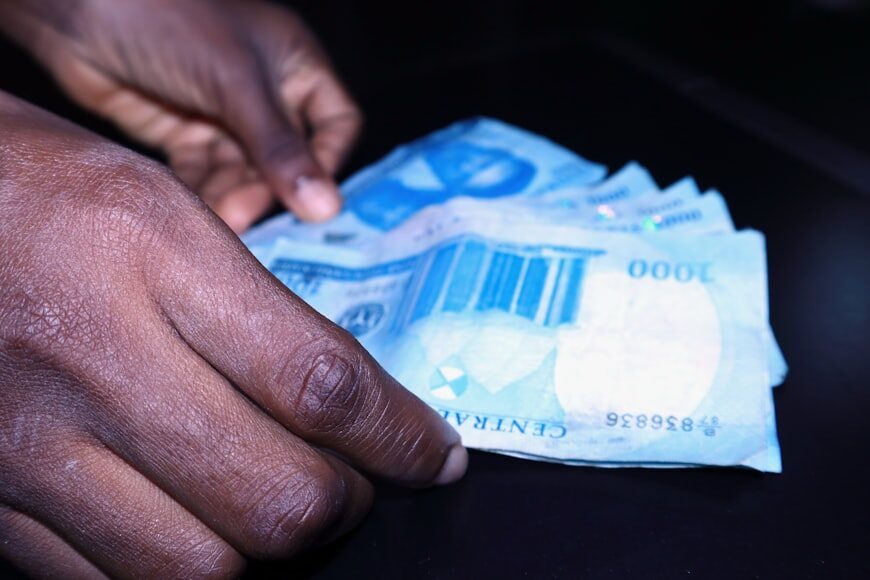
The naira traded mixed across foreign exchange (FX) market segments on Friday as Nigeria’s net foreign reserves rose to $46 billion, from $3 billion before the foreign exchange reforms in 2023, strengthening the country’s external buffers and potentially boosting investor confidence. Nigeria’s net foreign reserves have climbed to a three-year high of $46 billion, representing a more than 15-fold increase from the $3 billion recorded before the reforms, according to Olayemi Cardoso, governor of the Central Bank of Nigeria (CBN). Data published by the CBN showed that the naira depreciated marginally by 33 kobo, with the dollar quoted at N1,332.10 on Thursday, compared with N1,331.77 on Wednesday at the Nigerian Foreign Exchange Market (NFEM). In the parallel market, also known as the black market, the local currency weakened by N5 to trade at N1,375 per dollar on Friday, compared with N1,370 previously. Read also: Naira shakes off rate-cut fears, hits two-year high Consequently, the gap between the official and parallel market exchange rates widened to N43, or 3.23 percent, on Friday, from N39, or 2.93 percent, previously. Activity in the official FX market improved significantly, with total turnover at the NFEM window surging by 290.31 percent to $1.21 billion on Thursday, from $311.13 million on Wednesday. The number of deals also increased by 46.92 percent, rising from 260 to 382. In the interbank segment of the FX market, total turnover jumped by 349.93 percent to $326.11 million on Thursday, from $72.48 million recorded on Wednesday. The number of deals also rose by 131.33 percent, from 83 to 192. Meanwhile, Nigeria’s gross external reserves, which provide the CBN with resources to support the naira and meet the country’s external obligations, continued to rise, reaching $55.05 billion as of October 7, 2026. This represented a 29.32 percent increase from the $42.57 billion recorded in the corresponding period of 2025, according to data published on the CBN website. Read also: Naira ends week broadly stable after MPR reset Speaking at the Nigeria, Asia Financial Connectivity Dialogue on Thursday, Cardoso said Nigeria’s net foreign reserves had grown to $46 billion from $3 billion before the reforms, reflecting improvements in the country’s external position. The development comes as the CBN seeks to deepen investment links with Asia, with recent foreign exchange market reforms and broader financial-sector changes aimed at restoring investor confidence and attracting longer-term capital into Nigeria. Cardoso said Nigeria’s engagement with Asia was designed to strengthen relationships among financial institutions, markets, businesses and people, while positioning the country’s reforms as a foundation for deeper and more liquid financial markets. Net foreign reserves represent the CBN’s foreign exchange holdings after deducting near-term liabilities, including obligations arising from foreign exchange swaps and forward contracts. The measure is considered a more useful indicator of the foreign exchange buffers available to meet immediate external obligations than gross reserves alone. Related News Meet the 2026 Nobel Prize winners and the work that earned them global recognition Nigeria’s industrial policy needs factories, not paper, Ex-UNIDO chief Everton owners consider sale two years after takeover Hope Moses-Ashike Hope Moses-Ashike is an Associate Editor, Banking and Finance, with more than a decade of experience reporting on Nigeria’s financial system and broader economy. She closely tracks market movements, monetary policy decisions, company disclosures, regulatory actions, economic indicators, and global developments, and interprets what they mean for businesses, investors, policymakers, and households. Her reporting helps readers understand complex issues such as inflation trends, foreign exchange market dynamics, interest rate decisions, bank performance, and investment risks. She also covers major international events and periodically travels to Washington, D.C., to report on the World Bank/IMF Spring and Annual Meetings. Her dedication to financial journalism has earned her multiple recognitions and invitations to high-level professional development programmes. She is an alumna of the International Visitors Leadership Programme (IVLP) in the United States and holds an Advanced Financial Journalism Certificate from the Press Association Training in London, UK. Her other notable achievements include completing the Lagos Business School CMC Programme, the Bloomberg Media Africa Initiative Programme, and a Master Class in Journalism at Rhodes University in South Africa. Share
Nigeria’s net foreign reserves have climbed to a three-year high of $46 billion, representing a more than 15-fold increase from the $3 billion recorded before the reforms, according to Olayemi Cardoso, governor of the Central Bank of Nigeria (CBN). Data published by the CBN showed that the naira depreciated marginally by 33 kobo, with the dollar quoted at N1,332.10 on Thursday, compared with N1,331.77 on Wednesday at the Nigerian Foreign Exchange Market (NFEM). In the parallel market, also known as the black market, the local currency weakened by N5 to trade at N1,375 per dollar on Friday, compared with N1,370 previously. Read also: Naira shakes off rate-cut fears, hits two-year high Consequently, the gap between the official and parallel market exchange rates widened to N43, or 3.23 percent, on Friday, from N39, or 2.93 percent, previously. Activity in the official FX market improved significantly, with total turnover at the NFEM window surging by 290.31 percent to $1.21 billion on Thursday, from $311.13 million on Wednesday. The number of deals also increased by 46.92 percent, rising from 260 to 382. In the interbank segment of the FX market, total turnover jumped by 349.93 percent to $326.11 million on Thursday, from $72.48 million recorded on Wednesday. The number of deals also rose by 131.33 percent, from 83 to 192. Meanwhile, Nigeria’s gross external reserves, which provide the CBN with resources to support the naira and meet the country’s external obligations, continued to rise, reaching $55.05 billion as of October 7, 2026. This represented a 29.32 percent increase from the $42.57 billion recorded in the corresponding period of 2025, according to data published on the CBN website. Read also: Naira ends week broadly stable after MPR reset Speaking at the Nigeria, Asia Financial Connectivity Dialogue on Thursday, Cardoso said Nigeria’s net foreign reserves had grown to $46 billion from $3 billion before the reforms, reflecting improvements in the country’s external position. The development comes as the CBN seeks to deepen investment links with Asia, with recent foreign exchange market reforms and broader financial-sector changes aimed at restoring investor confidence and attracting longer-term capital into Nigeria. Cardoso said Nigeria’s engagement with Asia was designed to strengthen relationships among financial institutions, markets, businesses and people, while positioning the country’s reforms as a foundation for deeper and more liquid financial markets. Net foreign reserves represent the CBN’s foreign exchange holdings after deducting near-term liabilities, including obligations arising from foreign exchange swaps and forward contracts. The measure is considered a more useful indicator of the foreign exchange buffers available to meet immediate external obligations than gross reserves alone. Related News Meet the 2026 Nobel Prize winners and the work that earned them global recognition Nigeria’s industrial policy needs factories, not paper, Ex-UNIDO chief Everton owners consider sale two years after takeover Hope Moses-Ashike Hope Moses-Ashike is an Associate Editor, Banking and Finance, with more than a decade of experience reporting on Nigeria’s financial system and broader economy. She closely tracks market movements, monetary policy decisions, company disclosures, regulatory actions, economic indicators, and global developments, and interprets what they mean for businesses, investors, policymakers, and households. Her reporting helps readers understand complex issues such as inflation trends, foreign exchange market dynamics, interest rate decisions, bank performance, and investment risks. She also covers major international events and periodically travels to Washington, D.C., to report on the World Bank/IMF Spring and Annual Meetings. Her dedication to financial journalism has earned her multiple recognitions and invitations to high-level professional development programmes. She is an alumna of the International Visitors Leadership Programme (IVLP) in the United States and holds an Advanced Financial Journalism Certificate from the Press Association Training in London, UK. Her other notable achievements include completing the Lagos Business School CMC Programme, the Bloomberg Media Africa Initiative Programme, and a Master Class in Journalism at Rhodes University in South Africa. Share
Data published by the CBN showed that the naira depreciated marginally by 33 kobo, with the dollar quoted at N1,332.10 on Thursday, compared with N1,331.77 on Wednesday at the Nigerian Foreign Exchange Market (NFEM). In the parallel market, also known as the black market, the local currency weakened by N5 to trade at N1,375 per dollar on Friday, compared with N1,370 previously. Read also: Naira shakes off rate-cut fears, hits two-year high Consequently, the gap between the official and parallel market exchange rates widened to N43, or 3.23 percent, on Friday, from N39, or 2.93 percent, previously. Activity in the official FX market improved significantly, with total turnover at the NFEM window surging by 290.31 percent to $1.21 billion on Thursday, from $311.13 million on Wednesday. The number of deals also increased by 46.92 percent, rising from 260 to 382. In the interbank segment of the FX market, total turnover jumped by 349.93 percent to $326.11 million on Thursday, from $72.48 million recorded on Wednesday. The number of deals also rose by 131.33 percent, from 83 to 192. Meanwhile, Nigeria’s gross external reserves, which provide the CBN with resources to support the naira and meet the country’s external obligations, continued to rise, reaching $55.05 billion as of October 7, 2026. This represented a 29.32 percent increase from the $42.57 billion recorded in the corresponding period of 2025, according to data published on the CBN website. Read also: Naira ends week broadly stable after MPR reset Speaking at the Nigeria, Asia Financial Connectivity Dialogue on Thursday, Cardoso said Nigeria’s net foreign reserves had grown to $46 billion from $3 billion before the reforms, reflecting improvements in the country’s external position. The development comes as the CBN seeks to deepen investment links with Asia, with recent foreign exchange market reforms and broader financial-sector changes aimed at restoring investor confidence and attracting longer-term capital into Nigeria. Cardoso said Nigeria’s engagement with Asia was designed to strengthen relationships among financial institutions, markets, businesses and people, while positioning the country’s reforms as a foundation for deeper and more liquid financial markets. Net foreign reserves represent the CBN’s foreign exchange holdings after deducting near-term liabilities, including obligations arising from foreign exchange swaps and forward contracts. The measure is considered a more useful indicator of the foreign exchange buffers available to meet immediate external obligations than gross reserves alone. Related News Meet the 2026 Nobel Prize winners and the work that earned them global recognition Nigeria’s industrial policy needs factories, not paper, Ex-UNIDO chief Everton owners consider sale two years after takeover Hope Moses-Ashike Hope Moses-Ashike is an Associate Editor, Banking and Finance, with more than a decade of experience reporting on Nigeria’s financial system and broader economy. She closely tracks market movements, monetary policy decisions, company disclosures, regulatory actions, economic indicators, and global developments, and interprets what they mean for businesses, investors, policymakers, and households. Her reporting helps readers understand complex issues such as inflation trends, foreign exchange market dynamics, interest rate decisions, bank performance, and investment risks. She also covers major international events and periodically travels to Washington, D.C., to report on the World Bank/IMF Spring and Annual Meetings. Her dedication to financial journalism has earned her multiple recognitions and invitations to high-level professional development programmes. She is an alumna of the International Visitors Leadership Programme (IVLP) in the United States and holds an Advanced Financial Journalism Certificate from the Press Association Training in London, UK. Her other notable achievements include completing the Lagos Business School CMC Programme, the Bloomberg Media Africa Initiative Programme, and a Master Class in Journalism at Rhodes University in South Africa. Share
In the parallel market, also known as the black market, the local currency weakened by N5 to trade at N1,375 per dollar on Friday, compared with N1,370 previously. Read also: Naira shakes off rate-cut fears, hits two-year high Consequently, the gap between the official and parallel market exchange rates widened to N43, or 3.23 percent, on Friday, from N39, or 2.93 percent, previously. Activity in the official FX market improved significantly, with total turnover at the NFEM window surging by 290.31 percent to $1.21 billion on Thursday, from $311.13 million on Wednesday. The number of deals also increased by 46.92 percent, rising from 260 to 382. In the interbank segment of the FX market, total turnover jumped by 349.93 percent to $326.11 million on Thursday, from $72.48 million recorded on Wednesday. The number of deals also rose by 131.33 percent, from 83 to 192. Meanwhile, Nigeria’s gross external reserves, which provide the CBN with resources to support the naira and meet the country’s external obligations, continued to rise, reaching $55.05 billion as of October 7, 2026. This represented a 29.32 percent increase from the $42.57 billion recorded in the corresponding period of 2025, according to data published on the CBN website. Read also: Naira ends week broadly stable after MPR reset Speaking at the Nigeria, Asia Financial Connectivity Dialogue on Thursday, Cardoso said Nigeria’s net foreign reserves had grown to $46 billion from $3 billion before the reforms, reflecting improvements in the country’s external position. The development comes as the CBN seeks to deepen investment links with Asia, with recent foreign exchange market reforms and broader financial-sector changes aimed at restoring investor confidence and attracting longer-term capital into Nigeria. Cardoso said Nigeria’s engagement with Asia was designed to strengthen relationships among financial institutions, markets, businesses and people, while positioning the country’s reforms as a foundation for deeper and more liquid financial markets. Net foreign reserves represent the CBN’s foreign exchange holdings after deducting near-term liabilities, including obligations arising from foreign exchange swaps and forward contracts. The measure is considered a more useful indicator of the foreign exchange buffers available to meet immediate external obligations than gross reserves alone. Related News Meet the 2026 Nobel Prize winners and the work that earned them global recognition Nigeria’s industrial policy needs factories, not paper, Ex-UNIDO chief Everton owners consider sale two years after takeover Hope Moses-Ashike Hope Moses-Ashike is an Associate Editor, Banking and Finance, with more than a decade of experience reporting on Nigeria’s financial system and broader economy. She closely tracks market movements, monetary policy decisions, company disclosures, regulatory actions, economic indicators, and global developments, and interprets what they mean for businesses, investors, policymakers, and households. Her reporting helps readers understand complex issues such as inflation trends, foreign exchange market dynamics, interest rate decisions, bank performance, and investment risks. She also covers major international events and periodically travels to Washington, D.C., to report on the World Bank/IMF Spring and Annual Meetings. Her dedication to financial journalism has earned her multiple recognitions and invitations to high-level professional development programmes. She is an alumna of the International Visitors Leadership Programme (IVLP) in the United States and holds an Advanced Financial Journalism Certificate from the Press Association Training in London, UK. Her other notable achievements include completing the Lagos Business School CMC Programme, the Bloomberg Media Africa Initiative Programme, and a Master Class in Journalism at Rhodes University in South Africa. Share
Read also: Naira shakes off rate-cut fears, hits two-year high Consequently, the gap between the official and parallel market exchange rates widened to N43, or 3.23 percent, on Friday, from N39, or 2.93 percent, previously. Activity in the official FX market improved significantly, with total turnover at the NFEM window surging by 290.31 percent to $1.21 billion on Thursday, from $311.13 million on Wednesday. The number of deals also increased by 46.92 percent, rising from 260 to 382. In the interbank segment of the FX market, total turnover jumped by 349.93 percent to $326.11 million on Thursday, from $72.48 million recorded on Wednesday. The number of deals also rose by 131.33 percent, from 83 to 192. Meanwhile, Nigeria’s gross external reserves, which provide the CBN with resources to support the naira and meet the country’s external obligations, continued to rise, reaching $55.05 billion as of October 7, 2026. This represented a 29.32 percent increase from the $42.57 billion recorded in the corresponding period of 2025, according to data published on the CBN website. Read also: Naira ends week broadly stable after MPR reset Speaking at the Nigeria, Asia Financial Connectivity Dialogue on Thursday, Cardoso said Nigeria’s net foreign reserves had grown to $46 billion from $3 billion before the reforms, reflecting improvements in the country’s external position. The development comes as the CBN seeks to deepen investment links with Asia, with recent foreign exchange market reforms and broader financial-sector changes aimed at restoring investor confidence and attracting longer-term capital into Nigeria. Cardoso said Nigeria’s engagement with Asia was designed to strengthen relationships among financial institutions, markets, businesses and people, while positioning the country’s reforms as a foundation for deeper and more liquid financial markets. Net foreign reserves represent the CBN’s foreign exchange holdings after deducting near-term liabilities, including obligations arising from foreign exchange swaps and forward contracts. The measure is considered a more useful indicator of the foreign exchange buffers available to meet immediate external obligations than gross reserves alone. Related News Meet the 2026 Nobel Prize winners and the work that earned them global recognition Nigeria’s industrial policy needs factories, not paper, Ex-UNIDO chief Everton owners consider sale two years after takeover Hope Moses-Ashike Hope Moses-Ashike is an Associate Editor, Banking and Finance, with more than a decade of experience reporting on Nigeria’s financial system and broader economy. She closely tracks market movements, monetary policy decisions, company disclosures, regulatory actions, economic indicators, and global developments, and interprets what they mean for businesses, investors, policymakers, and households. Her reporting helps readers understand complex issues such as inflation trends, foreign exchange market dynamics, interest rate decisions, bank performance, and investment risks. She also covers major international events and periodically travels to Washington, D.C., to report on the World Bank/IMF Spring and Annual Meetings. Her dedication to financial journalism has earned her multiple recognitions and invitations to high-level professional development programmes. She is an alumna of the International Visitors Leadership Programme (IVLP) in the United States and holds an Advanced Financial Journalism Certificate from the Press Association Training in London, UK. Her other notable achievements include completing the Lagos Business School CMC Programme, the Bloomberg Media Africa Initiative Programme, and a Master Class in Journalism at Rhodes University in South Africa. Share
Consequently, the gap between the official and parallel market exchange rates widened to N43, or 3.23 percent, on Friday, from N39, or 2.93 percent, previously. Activity in the official FX market improved significantly, with total turnover at the NFEM window surging by 290.31 percent to $1.21 billion on Thursday, from $311.13 million on Wednesday. The number of deals also increased by 46.92 percent, rising from 260 to 382. In the interbank segment of the FX market, total turnover jumped by 349.93 percent to $326.11 million on Thursday, from $72.48 million recorded on Wednesday. The number of deals also rose by 131.33 percent, from 83 to 192. Meanwhile, Nigeria’s gross external reserves, which provide the CBN with resources to support the naira and meet the country’s external obligations, continued to rise, reaching $55.05 billion as of October 7, 2026. This represented a 29.32 percent increase from the $42.57 billion recorded in the corresponding period of 2025, according to data published on the CBN website. Read also: Naira ends week broadly stable after MPR reset Speaking at the Nigeria, Asia Financial Connectivity Dialogue on Thursday, Cardoso said Nigeria’s net foreign reserves had grown to $46 billion from $3 billion before the reforms, reflecting improvements in the country’s external position. The development comes as the CBN seeks to deepen investment links with Asia, with recent foreign exchange market reforms and broader financial-sector changes aimed at restoring investor confidence and attracting longer-term capital into Nigeria. Cardoso said Nigeria’s engagement with Asia was designed to strengthen relationships among financial institutions, markets, businesses and people, while positioning the country’s reforms as a foundation for deeper and more liquid financial markets. Net foreign reserves represent the CBN’s foreign exchange holdings after deducting near-term liabilities, including obligations arising from foreign exchange swaps and forward contracts. The measure is considered a more useful indicator of the foreign exchange buffers available to meet immediate external obligations than gross reserves alone. Related News Meet the 2026 Nobel Prize winners and the work that earned them global recognition Nigeria’s industrial policy needs factories, not paper, Ex-UNIDO chief Everton owners consider sale two years after takeover Hope Moses-Ashike Hope Moses-Ashike is an Associate Editor, Banking and Finance, with more than a decade of experience reporting on Nigeria’s financial system and broader economy. She closely tracks market movements, monetary policy decisions, company disclosures, regulatory actions, economic indicators, and global developments, and interprets what they mean for businesses, investors, policymakers, and households. Her reporting helps readers understand complex issues such as inflation trends, foreign exchange market dynamics, interest rate decisions, bank performance, and investment risks. She also covers major international events and periodically travels to Washington, D.C., to report on the World Bank/IMF Spring and Annual Meetings. Her dedication to financial journalism has earned her multiple recognitions and invitations to high-level professional development programmes. She is an alumna of the International Visitors Leadership Programme (IVLP) in the United States and holds an Advanced Financial Journalism Certificate from the Press Association Training in London, UK. Her other notable achievements include completing the Lagos Business School CMC Programme, the Bloomberg Media Africa Initiative Programme, and a Master Class in Journalism at Rhodes University in South Africa. Share
Activity in the official FX market improved significantly, with total turnover at the NFEM window surging by 290.31 percent to $1.21 billion on Thursday, from $311.13 million on Wednesday. The number of deals also increased by 46.92 percent, rising from 260 to 382. In the interbank segment of the FX market, total turnover jumped by 349.93 percent to $326.11 million on Thursday, from $72.48 million recorded on Wednesday. The number of deals also rose by 131.33 percent, from 83 to 192. Meanwhile, Nigeria’s gross external reserves, which provide the CBN with resources to support the naira and meet the country’s external obligations, continued to rise, reaching $55.05 billion as of October 7, 2026. This represented a 29.32 percent increase from the $42.57 billion recorded in the corresponding period of 2025, according to data published on the CBN website. Read also: Naira ends week broadly stable after MPR reset Speaking at the Nigeria, Asia Financial Connectivity Dialogue on Thursday, Cardoso said Nigeria’s net foreign reserves had grown to $46 billion from $3 billion before the reforms, reflecting improvements in the country’s external position. The development comes as the CBN seeks to deepen investment links with Asia, with recent foreign exchange market reforms and broader financial-sector changes aimed at restoring investor confidence and attracting longer-term capital into Nigeria. Cardoso said Nigeria’s engagement with Asia was designed to strengthen relationships among financial institutions, markets, businesses and people, while positioning the country’s reforms as a foundation for deeper and more liquid financial markets. Net foreign reserves represent the CBN’s foreign exchange holdings after deducting near-term liabilities, including obligations arising from foreign exchange swaps and forward contracts. The measure is considered a more useful indicator of the foreign exchange buffers available to meet immediate external obligations than gross reserves alone. Related News Meet the 2026 Nobel Prize winners and the work that earned them global recognition Nigeria’s industrial policy needs factories, not paper, Ex-UNIDO chief Everton owners consider sale two years after takeover Hope Moses-Ashike Hope Moses-Ashike is an Associate Editor, Banking and Finance, with more than a decade of experience reporting on Nigeria’s financial system and broader economy. She closely tracks market movements, monetary policy decisions, company disclosures, regulatory actions, economic indicators, and global developments, and interprets what they mean for businesses, investors, policymakers, and households. Her reporting helps readers understand complex issues such as inflation trends, foreign exchange market dynamics, interest rate decisions, bank performance, and investment risks. She also covers major international events and periodically travels to Washington, D.C., to report on the World Bank/IMF Spring and Annual Meetings. Her dedication to financial journalism has earned her multiple recognitions and invitations to high-level professional development programmes. She is an alumna of the International Visitors Leadership Programme (IVLP) in the United States and holds an Advanced Financial Journalism Certificate from the Press Association Training in London, UK. Her other notable achievements include completing the Lagos Business School CMC Programme, the Bloomberg Media Africa Initiative Programme, and a Master Class in Journalism at Rhodes University in South Africa. Share
In the interbank segment of the FX market, total turnover jumped by 349.93 percent to $326.11 million on Thursday, from $72.48 million recorded on Wednesday. The number of deals also rose by 131.33 percent, from 83 to 192. Meanwhile, Nigeria’s gross external reserves, which provide the CBN with resources to support the naira and meet the country’s external obligations, continued to rise, reaching $55.05 billion as of October 7, 2026. This represented a 29.32 percent increase from the $42.57 billion recorded in the corresponding period of 2025, according to data published on the CBN website. Read also: Naira ends week broadly stable after MPR reset Speaking at the Nigeria, Asia Financial Connectivity Dialogue on Thursday, Cardoso said Nigeria’s net foreign reserves had grown to $46 billion from $3 billion before the reforms, reflecting improvements in the country’s external position. The development comes as the CBN seeks to deepen investment links with Asia, with recent foreign exchange market reforms and broader financial-sector changes aimed at restoring investor confidence and attracting longer-term capital into Nigeria. Cardoso said Nigeria’s engagement with Asia was designed to strengthen relationships among financial institutions, markets, businesses and people, while positioning the country’s reforms as a foundation for deeper and more liquid financial markets. Net foreign reserves represent the CBN’s foreign exchange holdings after deducting near-term liabilities, including obligations arising from foreign exchange swaps and forward contracts. The measure is considered a more useful indicator of the foreign exchange buffers available to meet immediate external obligations than gross reserves alone. Related News Meet the 2026 Nobel Prize winners and the work that earned them global recognition Nigeria’s industrial policy needs factories, not paper, Ex-UNIDO chief Everton owners consider sale two years after takeover Hope Moses-Ashike Hope Moses-Ashike is an Associate Editor, Banking and Finance, with more than a decade of experience reporting on Nigeria’s financial system and broader economy. She closely tracks market movements, monetary policy decisions, company disclosures, regulatory actions, economic indicators, and global developments, and interprets what they mean for businesses, investors, policymakers, and households. Her reporting helps readers understand complex issues such as inflation trends, foreign exchange market dynamics, interest rate decisions, bank performance, and investment risks. She also covers major international events and periodically travels to Washington, D.C., to report on the World Bank/IMF Spring and Annual Meetings. Her dedication to financial journalism has earned her multiple recognitions and invitations to high-level professional development programmes. She is an alumna of the International Visitors Leadership Programme (IVLP) in the United States and holds an Advanced Financial Journalism Certificate from the Press Association Training in London, UK. Her other notable achievements include completing the Lagos Business School CMC Programme, the Bloomberg Media Africa Initiative Programme, and a Master Class in Journalism at Rhodes University in South Africa. Share
Meanwhile, Nigeria’s gross external reserves, which provide the CBN with resources to support the naira and meet the country’s external obligations, continued to rise, reaching $55.05 billion as of October 7, 2026. This represented a 29.32 percent increase from the $42.57 billion recorded in the corresponding period of 2025, according to data published on the CBN website. Read also: Naira ends week broadly stable after MPR reset Speaking at the Nigeria, Asia Financial Connectivity Dialogue on Thursday, Cardoso said Nigeria’s net foreign reserves had grown to $46 billion from $3 billion before the reforms, reflecting improvements in the country’s external position. The development comes as the CBN seeks to deepen investment links with Asia, with recent foreign exchange market reforms and broader financial-sector changes aimed at restoring investor confidence and attracting longer-term capital into Nigeria. Cardoso said Nigeria’s engagement with Asia was designed to strengthen relationships among financial institutions, markets, businesses and people, while positioning the country’s reforms as a foundation for deeper and more liquid financial markets. Net foreign reserves represent the CBN’s foreign exchange holdings after deducting near-term liabilities, including obligations arising from foreign exchange swaps and forward contracts. The measure is considered a more useful indicator of the foreign exchange buffers available to meet immediate external obligations than gross reserves alone. Related News Meet the 2026 Nobel Prize winners and the work that earned them global recognition Nigeria’s industrial policy needs factories, not paper, Ex-UNIDO chief Everton owners consider sale two years after takeover Hope Moses-Ashike Hope Moses-Ashike is an Associate Editor, Banking and Finance, with more than a decade of experience reporting on Nigeria’s financial system and broader economy. She closely tracks market movements, monetary policy decisions, company disclosures, regulatory actions, economic indicators, and global developments, and interprets what they mean for businesses, investors, policymakers, and households. Her reporting helps readers understand complex issues such as inflation trends, foreign exchange market dynamics, interest rate decisions, bank performance, and investment risks. She also covers major international events and periodically travels to Washington, D.C., to report on the World Bank/IMF Spring and Annual Meetings. Her dedication to financial journalism has earned her multiple recognitions and invitations to high-level professional development programmes. She is an alumna of the International Visitors Leadership Programme (IVLP) in the United States and holds an Advanced Financial Journalism Certificate from the Press Association Training in London, UK. Her other notable achievements include completing the Lagos Business School CMC Programme, the Bloomberg Media Africa Initiative Programme, and a Master Class in Journalism at Rhodes University in South Africa. Share
This represented a 29.32 percent increase from the $42.57 billion recorded in the corresponding period of 2025, according to data published on the CBN website. Read also: Naira ends week broadly stable after MPR reset Speaking at the Nigeria, Asia Financial Connectivity Dialogue on Thursday, Cardoso said Nigeria’s net foreign reserves had grown to $46 billion from $3 billion before the reforms, reflecting improvements in the country’s external position. The development comes as the CBN seeks to deepen investment links with Asia, with recent foreign exchange market reforms and broader financial-sector changes aimed at restoring investor confidence and attracting longer-term capital into Nigeria. Cardoso said Nigeria’s engagement with Asia was designed to strengthen relationships among financial institutions, markets, businesses and people, while positioning the country’s reforms as a foundation for deeper and more liquid financial markets. Net foreign reserves represent the CBN’s foreign exchange holdings after deducting near-term liabilities, including obligations arising from foreign exchange swaps and forward contracts. The measure is considered a more useful indicator of the foreign exchange buffers available to meet immediate external obligations than gross reserves alone. Related News Meet the 2026 Nobel Prize winners and the work that earned them global recognition Nigeria’s industrial policy needs factories, not paper, Ex-UNIDO chief Everton owners consider sale two years after takeover Hope Moses-Ashike Hope Moses-Ashike is an Associate Editor, Banking and Finance, with more than a decade of experience reporting on Nigeria’s financial system and broader economy. She closely tracks market movements, monetary policy decisions, company disclosures, regulatory actions, economic indicators, and global developments, and interprets what they mean for businesses, investors, policymakers, and households. Her reporting helps readers understand complex issues such as inflation trends, foreign exchange market dynamics, interest rate decisions, bank performance, and investment risks. She also covers major international events and periodically travels to Washington, D.C., to report on the World Bank/IMF Spring and Annual Meetings. Her dedication to financial journalism has earned her multiple recognitions and invitations to high-level professional development programmes. She is an alumna of the International Visitors Leadership Programme (IVLP) in the United States and holds an Advanced Financial Journalism Certificate from the Press Association Training in London, UK. Her other notable achievements include completing the Lagos Business School CMC Programme, the Bloomberg Media Africa Initiative Programme, and a Master Class in Journalism at Rhodes University in South Africa. Share
Read also: Naira ends week broadly stable after MPR reset Speaking at the Nigeria, Asia Financial Connectivity Dialogue on Thursday, Cardoso said Nigeria’s net foreign reserves had grown to $46 billion from $3 billion before the reforms, reflecting improvements in the country’s external position. The development comes as the CBN seeks to deepen investment links with Asia, with recent foreign exchange market reforms and broader financial-sector changes aimed at restoring investor confidence and attracting longer-term capital into Nigeria. Cardoso said Nigeria’s engagement with Asia was designed to strengthen relationships among financial institutions, markets, businesses and people, while positioning the country’s reforms as a foundation for deeper and more liquid financial markets. Net foreign reserves represent the CBN’s foreign exchange holdings after deducting near-term liabilities, including obligations arising from foreign exchange swaps and forward contracts. The measure is considered a more useful indicator of the foreign exchange buffers available to meet immediate external obligations than gross reserves alone. Related News Meet the 2026 Nobel Prize winners and the work that earned them global recognition Nigeria’s industrial policy needs factories, not paper, Ex-UNIDO chief Everton owners consider sale two years after takeover Hope Moses-Ashike Hope Moses-Ashike is an Associate Editor, Banking and Finance, with more than a decade of experience reporting on Nigeria’s financial system and broader economy. She closely tracks market movements, monetary policy decisions, company disclosures, regulatory actions, economic indicators, and global developments, and interprets what they mean for businesses, investors, policymakers, and households. Her reporting helps readers understand complex issues such as inflation trends, foreign exchange market dynamics, interest rate decisions, bank performance, and investment risks. She also covers major international events and periodically travels to Washington, D.C., to report on the World Bank/IMF Spring and Annual Meetings. Her dedication to financial journalism has earned her multiple recognitions and invitations to high-level professional development programmes. She is an alumna of the International Visitors Leadership Programme (IVLP) in the United States and holds an Advanced Financial Journalism Certificate from the Press Association Training in London, UK. Her other notable achievements include completing the Lagos Business School CMC Programme, the Bloomberg Media Africa Initiative Programme, and a Master Class in Journalism at Rhodes University in South Africa. Share
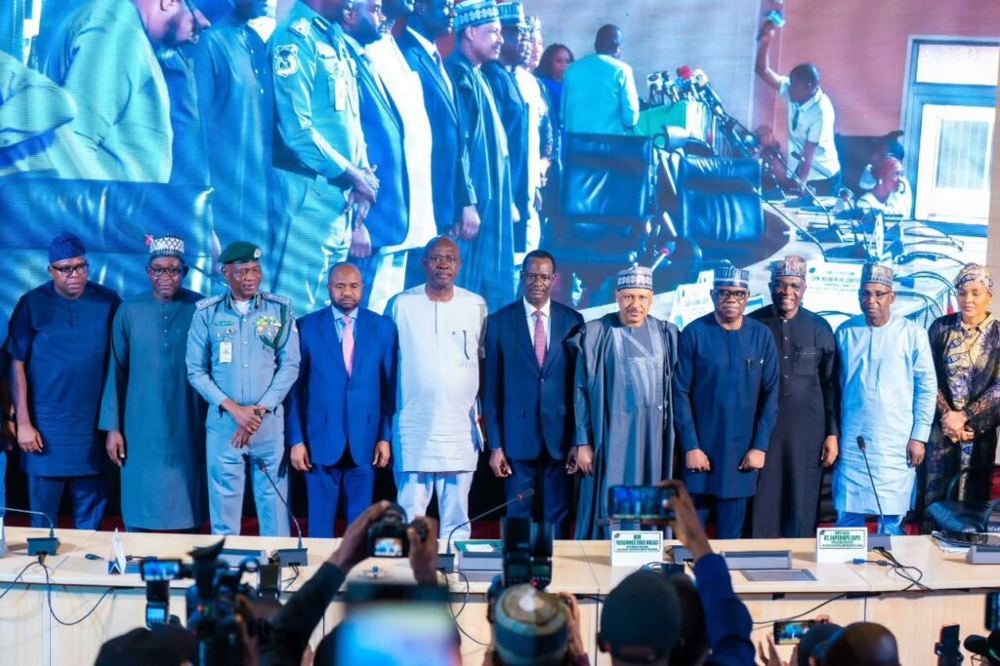
Speaking at the Nigeria, Asia Financial Connectivity Dialogue on Thursday, Cardoso said Nigeria’s net foreign reserves had grown to $46 billion from $3 billion before the reforms, reflecting improvements in the country’s external position. The development comes as the CBN seeks to deepen investment links with Asia, with recent foreign exchange market reforms and broader financial-sector changes aimed at restoring investor confidence and attracting longer-term capital into Nigeria. Cardoso said Nigeria’s engagement with Asia was designed to strengthen relationships among financial institutions, markets, businesses and people, while positioning the country’s reforms as a foundation for deeper and more liquid financial markets. Net foreign reserves represent the CBN’s foreign exchange holdings after deducting near-term liabilities, including obligations arising from foreign exchange swaps and forward contracts. The measure is considered a more useful indicator of the foreign exchange buffers available to meet immediate external obligations than gross reserves alone. Related News Meet the 2026 Nobel Prize winners and the work that earned them global recognition Nigeria’s industrial policy needs factories, not paper, Ex-UNIDO chief Everton owners consider sale two years after takeover Hope Moses-Ashike Hope Moses-Ashike is an Associate Editor, Banking and Finance, with more than a decade of experience reporting on Nigeria’s financial system and broader economy. She closely tracks market movements, monetary policy decisions, company disclosures, regulatory actions, economic indicators, and global developments, and interprets what they mean for businesses, investors, policymakers, and households. Her reporting helps readers understand complex issues such as inflation trends, foreign exchange market dynamics, interest rate decisions, bank performance, and investment risks. She also covers major international events and periodically travels to Washington, D.C., to report on the World Bank/IMF Spring and Annual Meetings. Her dedication to financial journalism has earned her multiple recognitions and invitations to high-level professional development programmes. She is an alumna of the International Visitors Leadership Programme (IVLP) in the United States and holds an Advanced Financial Journalism Certificate from the Press Association Training in London, UK. Her other notable achievements include completing the Lagos Business School CMC Programme, the Bloomberg Media Africa Initiative Programme, and a Master Class in Journalism at Rhodes University in South Africa. Share
The development comes as the CBN seeks to deepen investment links with Asia, with recent foreign exchange market reforms and broader financial-sector changes aimed at restoring investor confidence and attracting longer-term capital into Nigeria. Cardoso said Nigeria’s engagement with Asia was designed to strengthen relationships among financial institutions, markets, businesses and people, while positioning the country’s reforms as a foundation for deeper and more liquid financial markets. Net foreign reserves represent the CBN’s foreign exchange holdings after deducting near-term liabilities, including obligations arising from foreign exchange swaps and forward contracts. The measure is considered a more useful indicator of the foreign exchange buffers available to meet immediate external obligations than gross reserves alone. Related News Meet the 2026 Nobel Prize winners and the work that earned them global recognition Nigeria’s industrial policy needs factories, not paper, Ex-UNIDO chief Everton owners consider sale two years after takeover Hope Moses-Ashike Hope Moses-Ashike is an Associate Editor, Banking and Finance, with more than a decade of experience reporting on Nigeria’s financial system and broader economy. She closely tracks market movements, monetary policy decisions, company disclosures, regulatory actions, economic indicators, and global developments, and interprets what they mean for businesses, investors, policymakers, and households. Her reporting helps readers understand complex issues such as inflation trends, foreign exchange market dynamics, interest rate decisions, bank performance, and investment risks. She also covers major international events and periodically travels to Washington, D.C., to report on the World Bank/IMF Spring and Annual Meetings. Her dedication to financial journalism has earned her multiple recognitions and invitations to high-level professional development programmes. She is an alumna of the International Visitors Leadership Programme (IVLP) in the United States and holds an Advanced Financial Journalism Certificate from the Press Association Training in London, UK. Her other notable achievements include completing the Lagos Business School CMC Programme, the Bloomberg Media Africa Initiative Programme, and a Master Class in Journalism at Rhodes University in South Africa. Share
Cardoso said Nigeria’s engagement with Asia was designed to strengthen relationships among financial institutions, markets, businesses and people, while positioning the country’s reforms as a foundation for deeper and more liquid financial markets. Net foreign reserves represent the CBN’s foreign exchange holdings after deducting near-term liabilities, including obligations arising from foreign exchange swaps and forward contracts. The measure is considered a more useful indicator of the foreign exchange buffers available to meet immediate external obligations than gross reserves alone. Related News Meet the 2026 Nobel Prize winners and the work that earned them global recognition Nigeria’s industrial policy needs factories, not paper, Ex-UNIDO chief Everton owners consider sale two years after takeover Hope Moses-Ashike Hope Moses-Ashike is an Associate Editor, Banking and Finance, with more than a decade of experience reporting on Nigeria’s financial system and broader economy. She closely tracks market movements, monetary policy decisions, company disclosures, regulatory actions, economic indicators, and global developments, and interprets what they mean for businesses, investors, policymakers, and households. Her reporting helps readers understand complex issues such as inflation trends, foreign exchange market dynamics, interest rate decisions, bank performance, and investment risks. She also covers major international events and periodically travels to Washington, D.C., to report on the World Bank/IMF Spring and Annual Meetings. Her dedication to financial journalism has earned her multiple recognitions and invitations to high-level professional development programmes. She is an alumna of the International Visitors Leadership Programme (IVLP) in the United States and holds an Advanced Financial Journalism Certificate from the Press Association Training in London, UK. Her other notable achievements include completing the Lagos Business School CMC Programme, the Bloomberg Media Africa Initiative Programme, and a Master Class in Journalism at Rhodes University in South Africa. Share
Net foreign reserves represent the CBN’s foreign exchange holdings after deducting near-term liabilities, including obligations arising from foreign exchange swaps and forward contracts. The measure is considered a more useful indicator of the foreign exchange buffers available to meet immediate external obligations than gross reserves alone. Related News Meet the 2026 Nobel Prize winners and the work that earned them global recognition Nigeria’s industrial policy needs factories, not paper, Ex-UNIDO chief Everton owners consider sale two years after takeover Hope Moses-Ashike Hope Moses-Ashike is an Associate Editor, Banking and Finance, with more than a decade of experience reporting on Nigeria’s financial system and broader economy. She closely tracks market movements, monetary policy decisions, company disclosures, regulatory actions, economic indicators, and global developments, and interprets what they mean for businesses, investors, policymakers, and households. Her reporting helps readers understand complex issues such as inflation trends, foreign exchange market dynamics, interest rate decisions, bank performance, and investment risks. She also covers major international events and periodically travels to Washington, D.C., to report on the World Bank/IMF Spring and Annual Meetings. Her dedication to financial journalism has earned her multiple recognitions and invitations to high-level professional development programmes. She is an alumna of the International Visitors Leadership Programme (IVLP) in the United States and holds an Advanced Financial Journalism Certificate from the Press Association Training in London, UK. Her other notable achievements include completing the Lagos Business School CMC Programme, the Bloomberg Media Africa Initiative Programme, and a Master Class in Journalism at Rhodes University in South Africa. Share
Hope Moses-Ashike is an Associate Editor, Banking and Finance, with more than a decade of experience reporting on Nigeria’s financial system and broader economy. She closely tracks market movements, monetary policy decisions, company disclosures, regulatory actions, economic indicators, and global developments, and interprets what they mean for businesses, investors, policymakers, and households. Her reporting helps readers understand complex issues such as inflation trends, foreign exchange market dynamics, interest rate decisions, bank performance, and investment risks. She also covers major international events and periodically travels to Washington, D.C., to report on the World Bank/IMF Spring and Annual Meetings. Her dedication to financial journalism has earned her multiple recognitions and invitations to high-level professional development programmes. She is an alumna of the International Visitors Leadership Programme (IVLP) in the United States and holds an Advanced Financial Journalism Certificate from the Press Association Training in London, UK. Her other notable achievements include completing the Lagos Business School CMC Programme, the Bloomberg Media Africa Initiative Programme, and a Master Class in Journalism at Rhodes University in South Africa.