AfDB to help African countries improve credit ratings, cut borrowing costs
The African Development Bank will launch an initiative to help African countries improve their credit ratings by strengthening data, transparency read more AfDB to help African countries improve credit ratings, cut borrowing costs
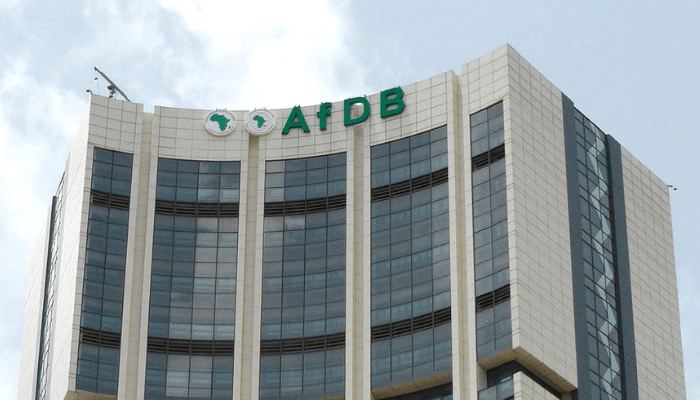
The African Development Bank will launch an initiative to help African countries improve their credit ratings by strengthening data, transparency and the systems used to assess their economies, its president Sidi Ould Tah said. Read also: PIC assets fall R300bn after nearing R4trn mark before Middle East war Tah said weak data and limited market information were contributing to perceptions of higher risk in African economies, increasing the cost of borrowing for governments across the continent. “What is missed in Africa is the data and the infrastructure… the opacity in some markets creates this notion of high risk, which leads to high cost of borrowing,” Tah said at the S&P emerging markets conference in London on Thursday. African governments have long argued that the continent faces disproportionately high borrowing costs, while the major international ratings agencies maintain that they apply the same rating methodology across markets. Read also: AfDB unveils $5.1bn emergency plan to shield Africa from energy, fertiliser shocks Under the planned initiative, the AfDB will work through its African Legal Support Facility to help countries prepare for credit ratings by improving the quality of economic data and increasing transparency, Tah said. He said improving sovereign credit ratings was a shared priority across Africa, with only three of the continent’s 54 countries currently classified as investment grade. The initiative comes as African institutions pursue other efforts to address the cost of financing. The African Peer Review Mechanism, an African Union backed initiative, plans to launch a continent wide ratings agency this month, also with the aim of addressing concerns over high borrowing costs. Tah said the AfDB was also working to deepen local financing across Africa by supporting the development of stronger domestic capital markets and increasing the mobilisation of local savings. Read also: Nigeria, AfDB seek regional mineral processing to lift value addition as Africa’s intra-trade remains 16% The bank has held discussions with pension funds, banks and other stakeholders to identify barriers to developing domestic financial markets and increasing the use of local resources for investment. For African governments, improving the quality of economic information and strengthening domestic financial systems could help address some of the factors that investors and ratings agencies consider when assessing sovereign risk. Related News Sowore demands institutional reforms to unlock economic wealth FG urged to deepen private sector role to boost cancer fight Lagos state, LASU offers 50% tuition scholarship on Diaspora studies program Faith Omoboye Faith Omoboye is a foreign affairs correspondent with background in History and International relations. Her work focuses on African politics, diplomacy, and global governance. Share
Read also: PIC assets fall R300bn after nearing R4trn mark before Middle East war Tah said weak data and limited market information were contributing to perceptions of higher risk in African economies, increasing the cost of borrowing for governments across the continent. “What is missed in Africa is the data and the infrastructure… the opacity in some markets creates this notion of high risk, which leads to high cost of borrowing,” Tah said at the S&P emerging markets conference in London on Thursday. African governments have long argued that the continent faces disproportionately high borrowing costs, while the major international ratings agencies maintain that they apply the same rating methodology across markets. Read also: AfDB unveils $5.1bn emergency plan to shield Africa from energy, fertiliser shocks Under the planned initiative, the AfDB will work through its African Legal Support Facility to help countries prepare for credit ratings by improving the quality of economic data and increasing transparency, Tah said. He said improving sovereign credit ratings was a shared priority across Africa, with only three of the continent’s 54 countries currently classified as investment grade. The initiative comes as African institutions pursue other efforts to address the cost of financing. The African Peer Review Mechanism, an African Union backed initiative, plans to launch a continent wide ratings agency this month, also with the aim of addressing concerns over high borrowing costs. Tah said the AfDB was also working to deepen local financing across Africa by supporting the development of stronger domestic capital markets and increasing the mobilisation of local savings. Read also: Nigeria, AfDB seek regional mineral processing to lift value addition as Africa’s intra-trade remains 16% The bank has held discussions with pension funds, banks and other stakeholders to identify barriers to developing domestic financial markets and increasing the use of local resources for investment. For African governments, improving the quality of economic information and strengthening domestic financial systems could help address some of the factors that investors and ratings agencies consider when assessing sovereign risk. Related News Sowore demands institutional reforms to unlock economic wealth FG urged to deepen private sector role to boost cancer fight Lagos state, LASU offers 50% tuition scholarship on Diaspora studies program Faith Omoboye Faith Omoboye is a foreign affairs correspondent with background in History and International relations. Her work focuses on African politics, diplomacy, and global governance. Share
Tah said weak data and limited market information were contributing to perceptions of higher risk in African economies, increasing the cost of borrowing for governments across the continent. “What is missed in Africa is the data and the infrastructure… the opacity in some markets creates this notion of high risk, which leads to high cost of borrowing,” Tah said at the S&P emerging markets conference in London on Thursday. African governments have long argued that the continent faces disproportionately high borrowing costs, while the major international ratings agencies maintain that they apply the same rating methodology across markets. Read also: AfDB unveils $5.1bn emergency plan to shield Africa from energy, fertiliser shocks Under the planned initiative, the AfDB will work through its African Legal Support Facility to help countries prepare for credit ratings by improving the quality of economic data and increasing transparency, Tah said. He said improving sovereign credit ratings was a shared priority across Africa, with only three of the continent’s 54 countries currently classified as investment grade. The initiative comes as African institutions pursue other efforts to address the cost of financing. The African Peer Review Mechanism, an African Union backed initiative, plans to launch a continent wide ratings agency this month, also with the aim of addressing concerns over high borrowing costs. Tah said the AfDB was also working to deepen local financing across Africa by supporting the development of stronger domestic capital markets and increasing the mobilisation of local savings. Read also: Nigeria, AfDB seek regional mineral processing to lift value addition as Africa’s intra-trade remains 16% The bank has held discussions with pension funds, banks and other stakeholders to identify barriers to developing domestic financial markets and increasing the use of local resources for investment. For African governments, improving the quality of economic information and strengthening domestic financial systems could help address some of the factors that investors and ratings agencies consider when assessing sovereign risk. Related News Sowore demands institutional reforms to unlock economic wealth FG urged to deepen private sector role to boost cancer fight Lagos state, LASU offers 50% tuition scholarship on Diaspora studies program Faith Omoboye Faith Omoboye is a foreign affairs correspondent with background in History and International relations. Her work focuses on African politics, diplomacy, and global governance. Share
“What is missed in Africa is the data and the infrastructure… the opacity in some markets creates this notion of high risk, which leads to high cost of borrowing,” Tah said at the S&P emerging markets conference in London on Thursday. African governments have long argued that the continent faces disproportionately high borrowing costs, while the major international ratings agencies maintain that they apply the same rating methodology across markets. Read also: AfDB unveils $5.1bn emergency plan to shield Africa from energy, fertiliser shocks Under the planned initiative, the AfDB will work through its African Legal Support Facility to help countries prepare for credit ratings by improving the quality of economic data and increasing transparency, Tah said. He said improving sovereign credit ratings was a shared priority across Africa, with only three of the continent’s 54 countries currently classified as investment grade. The initiative comes as African institutions pursue other efforts to address the cost of financing. The African Peer Review Mechanism, an African Union backed initiative, plans to launch a continent wide ratings agency this month, also with the aim of addressing concerns over high borrowing costs. Tah said the AfDB was also working to deepen local financing across Africa by supporting the development of stronger domestic capital markets and increasing the mobilisation of local savings. Read also: Nigeria, AfDB seek regional mineral processing to lift value addition as Africa’s intra-trade remains 16% The bank has held discussions with pension funds, banks and other stakeholders to identify barriers to developing domestic financial markets and increasing the use of local resources for investment. For African governments, improving the quality of economic information and strengthening domestic financial systems could help address some of the factors that investors and ratings agencies consider when assessing sovereign risk. Related News Sowore demands institutional reforms to unlock economic wealth FG urged to deepen private sector role to boost cancer fight Lagos state, LASU offers 50% tuition scholarship on Diaspora studies program Faith Omoboye Faith Omoboye is a foreign affairs correspondent with background in History and International relations. Her work focuses on African politics, diplomacy, and global governance. Share
African governments have long argued that the continent faces disproportionately high borrowing costs, while the major international ratings agencies maintain that they apply the same rating methodology across markets. Read also: AfDB unveils $5.1bn emergency plan to shield Africa from energy, fertiliser shocks Under the planned initiative, the AfDB will work through its African Legal Support Facility to help countries prepare for credit ratings by improving the quality of economic data and increasing transparency, Tah said. He said improving sovereign credit ratings was a shared priority across Africa, with only three of the continent’s 54 countries currently classified as investment grade. The initiative comes as African institutions pursue other efforts to address the cost of financing. The African Peer Review Mechanism, an African Union backed initiative, plans to launch a continent wide ratings agency this month, also with the aim of addressing concerns over high borrowing costs. Tah said the AfDB was also working to deepen local financing across Africa by supporting the development of stronger domestic capital markets and increasing the mobilisation of local savings. Read also: Nigeria, AfDB seek regional mineral processing to lift value addition as Africa’s intra-trade remains 16% The bank has held discussions with pension funds, banks and other stakeholders to identify barriers to developing domestic financial markets and increasing the use of local resources for investment. For African governments, improving the quality of economic information and strengthening domestic financial systems could help address some of the factors that investors and ratings agencies consider when assessing sovereign risk. Related News Sowore demands institutional reforms to unlock economic wealth FG urged to deepen private sector role to boost cancer fight Lagos state, LASU offers 50% tuition scholarship on Diaspora studies program Faith Omoboye Faith Omoboye is a foreign affairs correspondent with background in History and International relations. Her work focuses on African politics, diplomacy, and global governance. Share
Read also: AfDB unveils $5.1bn emergency plan to shield Africa from energy, fertiliser shocks Under the planned initiative, the AfDB will work through its African Legal Support Facility to help countries prepare for credit ratings by improving the quality of economic data and increasing transparency, Tah said. He said improving sovereign credit ratings was a shared priority across Africa, with only three of the continent’s 54 countries currently classified as investment grade. The initiative comes as African institutions pursue other efforts to address the cost of financing. The African Peer Review Mechanism, an African Union backed initiative, plans to launch a continent wide ratings agency this month, also with the aim of addressing concerns over high borrowing costs. Tah said the AfDB was also working to deepen local financing across Africa by supporting the development of stronger domestic capital markets and increasing the mobilisation of local savings. Read also: Nigeria, AfDB seek regional mineral processing to lift value addition as Africa’s intra-trade remains 16% The bank has held discussions with pension funds, banks and other stakeholders to identify barriers to developing domestic financial markets and increasing the use of local resources for investment. For African governments, improving the quality of economic information and strengthening domestic financial systems could help address some of the factors that investors and ratings agencies consider when assessing sovereign risk. Related News Sowore demands institutional reforms to unlock economic wealth FG urged to deepen private sector role to boost cancer fight Lagos state, LASU offers 50% tuition scholarship on Diaspora studies program Faith Omoboye Faith Omoboye is a foreign affairs correspondent with background in History and International relations. Her work focuses on African politics, diplomacy, and global governance. Share
Under the planned initiative, the AfDB will work through its African Legal Support Facility to help countries prepare for credit ratings by improving the quality of economic data and increasing transparency, Tah said. He said improving sovereign credit ratings was a shared priority across Africa, with only three of the continent’s 54 countries currently classified as investment grade. The initiative comes as African institutions pursue other efforts to address the cost of financing. The African Peer Review Mechanism, an African Union backed initiative, plans to launch a continent wide ratings agency this month, also with the aim of addressing concerns over high borrowing costs. Tah said the AfDB was also working to deepen local financing across Africa by supporting the development of stronger domestic capital markets and increasing the mobilisation of local savings. Read also: Nigeria, AfDB seek regional mineral processing to lift value addition as Africa’s intra-trade remains 16% The bank has held discussions with pension funds, banks and other stakeholders to identify barriers to developing domestic financial markets and increasing the use of local resources for investment. For African governments, improving the quality of economic information and strengthening domestic financial systems could help address some of the factors that investors and ratings agencies consider when assessing sovereign risk. Related News Sowore demands institutional reforms to unlock economic wealth FG urged to deepen private sector role to boost cancer fight Lagos state, LASU offers 50% tuition scholarship on Diaspora studies program Faith Omoboye Faith Omoboye is a foreign affairs correspondent with background in History and International relations. Her work focuses on African politics, diplomacy, and global governance. Share
He said improving sovereign credit ratings was a shared priority across Africa, with only three of the continent’s 54 countries currently classified as investment grade. The initiative comes as African institutions pursue other efforts to address the cost of financing. The African Peer Review Mechanism, an African Union backed initiative, plans to launch a continent wide ratings agency this month, also with the aim of addressing concerns over high borrowing costs. Tah said the AfDB was also working to deepen local financing across Africa by supporting the development of stronger domestic capital markets and increasing the mobilisation of local savings. Read also: Nigeria, AfDB seek regional mineral processing to lift value addition as Africa’s intra-trade remains 16% The bank has held discussions with pension funds, banks and other stakeholders to identify barriers to developing domestic financial markets and increasing the use of local resources for investment. For African governments, improving the quality of economic information and strengthening domestic financial systems could help address some of the factors that investors and ratings agencies consider when assessing sovereign risk. Related News Sowore demands institutional reforms to unlock economic wealth FG urged to deepen private sector role to boost cancer fight Lagos state, LASU offers 50% tuition scholarship on Diaspora studies program Faith Omoboye Faith Omoboye is a foreign affairs correspondent with background in History and International relations. Her work focuses on African politics, diplomacy, and global governance. Share
The initiative comes as African institutions pursue other efforts to address the cost of financing. The African Peer Review Mechanism, an African Union backed initiative, plans to launch a continent wide ratings agency this month, also with the aim of addressing concerns over high borrowing costs. Tah said the AfDB was also working to deepen local financing across Africa by supporting the development of stronger domestic capital markets and increasing the mobilisation of local savings. Read also: Nigeria, AfDB seek regional mineral processing to lift value addition as Africa’s intra-trade remains 16% The bank has held discussions with pension funds, banks and other stakeholders to identify barriers to developing domestic financial markets and increasing the use of local resources for investment. For African governments, improving the quality of economic information and strengthening domestic financial systems could help address some of the factors that investors and ratings agencies consider when assessing sovereign risk. Related News Sowore demands institutional reforms to unlock economic wealth FG urged to deepen private sector role to boost cancer fight Lagos state, LASU offers 50% tuition scholarship on Diaspora studies program Faith Omoboye Faith Omoboye is a foreign affairs correspondent with background in History and International relations. Her work focuses on African politics, diplomacy, and global governance. Share
Tah said the AfDB was also working to deepen local financing across Africa by supporting the development of stronger domestic capital markets and increasing the mobilisation of local savings. Read also: Nigeria, AfDB seek regional mineral processing to lift value addition as Africa’s intra-trade remains 16% The bank has held discussions with pension funds, banks and other stakeholders to identify barriers to developing domestic financial markets and increasing the use of local resources for investment. For African governments, improving the quality of economic information and strengthening domestic financial systems could help address some of the factors that investors and ratings agencies consider when assessing sovereign risk. Related News Sowore demands institutional reforms to unlock economic wealth FG urged to deepen private sector role to boost cancer fight Lagos state, LASU offers 50% tuition scholarship on Diaspora studies program Faith Omoboye Faith Omoboye is a foreign affairs correspondent with background in History and International relations. Her work focuses on African politics, diplomacy, and global governance. Share
Read also: Nigeria, AfDB seek regional mineral processing to lift value addition as Africa’s intra-trade remains 16% The bank has held discussions with pension funds, banks and other stakeholders to identify barriers to developing domestic financial markets and increasing the use of local resources for investment. For African governments, improving the quality of economic information and strengthening domestic financial systems could help address some of the factors that investors and ratings agencies consider when assessing sovereign risk. Related News Sowore demands institutional reforms to unlock economic wealth FG urged to deepen private sector role to boost cancer fight Lagos state, LASU offers 50% tuition scholarship on Diaspora studies program Faith Omoboye Faith Omoboye is a foreign affairs correspondent with background in History and International relations. Her work focuses on African politics, diplomacy, and global governance. Share
The bank has held discussions with pension funds, banks and other stakeholders to identify barriers to developing domestic financial markets and increasing the use of local resources for investment. For African governments, improving the quality of economic information and strengthening domestic financial systems could help address some of the factors that investors and ratings agencies consider when assessing sovereign risk. Related News Sowore demands institutional reforms to unlock economic wealth FG urged to deepen private sector role to boost cancer fight Lagos state, LASU offers 50% tuition scholarship on Diaspora studies program Faith Omoboye Faith Omoboye is a foreign affairs correspondent with background in History and International relations. Her work focuses on African politics, diplomacy, and global governance. Share
For African governments, improving the quality of economic information and strengthening domestic financial systems could help address some of the factors that investors and ratings agencies consider when assessing sovereign risk. Related News Sowore demands institutional reforms to unlock economic wealth FG urged to deepen private sector role to boost cancer fight Lagos state, LASU offers 50% tuition scholarship on Diaspora studies program Faith Omoboye Faith Omoboye is a foreign affairs correspondent with background in History and International relations. Her work focuses on African politics, diplomacy, and global governance. Share
Faith Omoboye is a foreign affairs correspondent with background in History and International relations. Her work focuses on African politics, diplomacy, and global governance.