Business leaders bridge gap to seed funds, provide mentorship for startups in Lagos
Access to capital, business support and mentorship is a critical factor in helping Nigeria’s growing pool of entrepreneurs move from read more Business leaders bridge gap to seed funds, provide mentorship for startups in Lagos
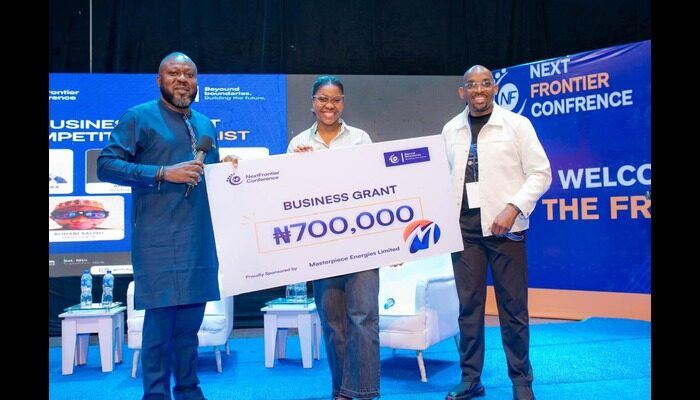
With the new funding, Tame said the immediate focus would be on strengthening the business’s capacity to serve more customers and expand its reach. “The grant will help us get more machines so we can increase our operational capacity and marketing to get more users,” she said. Asides the winner, Adelani Adeyinka Adelaja, founder of DelayFree, a courier delivery aggregator and delivery cost comparison platform emerged as second runner-up with a grant of N300,000 to expand his customer acquisition efforts. Other finalists who pitched high-potential ventures included Future Ahiate of Cafers, Buhari Salisu of Vision Link AI, and Yusuf Oladejo of DSGlobal Elevare. Read also: Nigeria’s startup ecosystem draws Canada as both seek deeper business ties Providing guidance and mentorship The conference further provided emerging founders with access to experienced business leaders through a speed mentoring session, reinforcing the importance of guidance, networks and institutional support in shortening the learning curve for entrepreneurs. Discussions focused on practical strategies for building sustainable businesses, developing relevant skills, leveraging technology and accessing capital in Nigeria’s changing economic environment. Adora Ikwuemesi, PhD, founder and director of Kendor Consulting, said the country was moving towards a skills economy where earning capacity increasingly depends on specialised knowledge and the ability to solve specific problems. “We are in a skills economy, not in the job market. A good part of work and earning a living comes directly from your skill set, knowledge and ability to solve specific problems. The conference also examined the challenges confronting early-stage businesses, including premature expansion, weak financial controls, inadequate customer validation and poor risk management. Read also: Africa’s weak IPO market leaves startups with fewer exit options Sola Oladunjoye, CEO of Aigle Limited, urged entrepreneurs to master their core business before expanding into new verticals, noting that sustainable growth requires operational discipline. Technology was another major focus, with business and technology experts demonstrating how artificial intelligence can help small businesses automate repetitive processes, improve productivity and reduce operating costs. Oludaisi Joseph, CEO of Kapacity Innovative Concepts, described AI as an amplifier of human expertise rather than a substitute for critical thinking, while Nigel Newman, co-founder and managing director of Big Five Assessment, highlighted the financial benefits his organisation had achieved through practical AI adoption. For Okeke, the objective is ultimately to help build a generation of Nigerian businesses and professionals equipped to create value, compete effectively and contribute to the country’s economic future. The conference aims to evolve beyond an annual event into a platform that continuously connects eeearly-stage startups grants, mentors and opportunities. Related News Nigeria’s deal rooms are full but small businesses still can’t get credit Autotech platforms take the wheel in Nigeria’s startup ecosystem Qualcomm taps Nigerian startups, others for elite Africa deep-tech cohort as IP race intensifies Ngozi Ekugo Ngozi Ekugo holds an MSc in Management from the University of Hertfordshire. She is also an alumna of University of Lagos, Queen’s College, and an Associate Member of CIPM. Her experience includes a brief exposure in the Human Capital Management division of Goldman Sachs in London. She draws on her cross-sector experience to cover employment trends, career opportunities and international mobility. Share
“The grant will help us get more machines so we can increase our operational capacity and marketing to get more users,” she said. Asides the winner, Adelani Adeyinka Adelaja, founder of DelayFree, a courier delivery aggregator and delivery cost comparison platform emerged as second runner-up with a grant of N300,000 to expand his customer acquisition efforts. Other finalists who pitched high-potential ventures included Future Ahiate of Cafers, Buhari Salisu of Vision Link AI, and Yusuf Oladejo of DSGlobal Elevare. Read also: Nigeria’s startup ecosystem draws Canada as both seek deeper business ties Providing guidance and mentorship The conference further provided emerging founders with access to experienced business leaders through a speed mentoring session, reinforcing the importance of guidance, networks and institutional support in shortening the learning curve for entrepreneurs. Discussions focused on practical strategies for building sustainable businesses, developing relevant skills, leveraging technology and accessing capital in Nigeria’s changing economic environment. Adora Ikwuemesi, PhD, founder and director of Kendor Consulting, said the country was moving towards a skills economy where earning capacity increasingly depends on specialised knowledge and the ability to solve specific problems. “We are in a skills economy, not in the job market. A good part of work and earning a living comes directly from your skill set, knowledge and ability to solve specific problems. The conference also examined the challenges confronting early-stage businesses, including premature expansion, weak financial controls, inadequate customer validation and poor risk management. Read also: Africa’s weak IPO market leaves startups with fewer exit options Sola Oladunjoye, CEO of Aigle Limited, urged entrepreneurs to master their core business before expanding into new verticals, noting that sustainable growth requires operational discipline. Technology was another major focus, with business and technology experts demonstrating how artificial intelligence can help small businesses automate repetitive processes, improve productivity and reduce operating costs. Oludaisi Joseph, CEO of Kapacity Innovative Concepts, described AI as an amplifier of human expertise rather than a substitute for critical thinking, while Nigel Newman, co-founder and managing director of Big Five Assessment, highlighted the financial benefits his organisation had achieved through practical AI adoption. For Okeke, the objective is ultimately to help build a generation of Nigerian businesses and professionals equipped to create value, compete effectively and contribute to the country’s economic future. The conference aims to evolve beyond an annual event into a platform that continuously connects eeearly-stage startups grants, mentors and opportunities. Related News Nigeria’s deal rooms are full but small businesses still can’t get credit Autotech platforms take the wheel in Nigeria’s startup ecosystem Qualcomm taps Nigerian startups, others for elite Africa deep-tech cohort as IP race intensifies Ngozi Ekugo Ngozi Ekugo holds an MSc in Management from the University of Hertfordshire. She is also an alumna of University of Lagos, Queen’s College, and an Associate Member of CIPM. Her experience includes a brief exposure in the Human Capital Management division of Goldman Sachs in London. She draws on her cross-sector experience to cover employment trends, career opportunities and international mobility. Share
Asides the winner, Adelani Adeyinka Adelaja, founder of DelayFree, a courier delivery aggregator and delivery cost comparison platform emerged as second runner-up with a grant of N300,000 to expand his customer acquisition efforts. Other finalists who pitched high-potential ventures included Future Ahiate of Cafers, Buhari Salisu of Vision Link AI, and Yusuf Oladejo of DSGlobal Elevare. Read also: Nigeria’s startup ecosystem draws Canada as both seek deeper business ties Providing guidance and mentorship The conference further provided emerging founders with access to experienced business leaders through a speed mentoring session, reinforcing the importance of guidance, networks and institutional support in shortening the learning curve for entrepreneurs. Discussions focused on practical strategies for building sustainable businesses, developing relevant skills, leveraging technology and accessing capital in Nigeria’s changing economic environment. Adora Ikwuemesi, PhD, founder and director of Kendor Consulting, said the country was moving towards a skills economy where earning capacity increasingly depends on specialised knowledge and the ability to solve specific problems. “We are in a skills economy, not in the job market. A good part of work and earning a living comes directly from your skill set, knowledge and ability to solve specific problems. The conference also examined the challenges confronting early-stage businesses, including premature expansion, weak financial controls, inadequate customer validation and poor risk management. Read also: Africa’s weak IPO market leaves startups with fewer exit options Sola Oladunjoye, CEO of Aigle Limited, urged entrepreneurs to master their core business before expanding into new verticals, noting that sustainable growth requires operational discipline. Technology was another major focus, with business and technology experts demonstrating how artificial intelligence can help small businesses automate repetitive processes, improve productivity and reduce operating costs. Oludaisi Joseph, CEO of Kapacity Innovative Concepts, described AI as an amplifier of human expertise rather than a substitute for critical thinking, while Nigel Newman, co-founder and managing director of Big Five Assessment, highlighted the financial benefits his organisation had achieved through practical AI adoption. For Okeke, the objective is ultimately to help build a generation of Nigerian businesses and professionals equipped to create value, compete effectively and contribute to the country’s economic future. The conference aims to evolve beyond an annual event into a platform that continuously connects eeearly-stage startups grants, mentors and opportunities. Related News Nigeria’s deal rooms are full but small businesses still can’t get credit Autotech platforms take the wheel in Nigeria’s startup ecosystem Qualcomm taps Nigerian startups, others for elite Africa deep-tech cohort as IP race intensifies Ngozi Ekugo Ngozi Ekugo holds an MSc in Management from the University of Hertfordshire. She is also an alumna of University of Lagos, Queen’s College, and an Associate Member of CIPM. Her experience includes a brief exposure in the Human Capital Management division of Goldman Sachs in London. She draws on her cross-sector experience to cover employment trends, career opportunities and international mobility. Share
Other finalists who pitched high-potential ventures included Future Ahiate of Cafers, Buhari Salisu of Vision Link AI, and Yusuf Oladejo of DSGlobal Elevare. Read also: Nigeria’s startup ecosystem draws Canada as both seek deeper business ties Providing guidance and mentorship The conference further provided emerging founders with access to experienced business leaders through a speed mentoring session, reinforcing the importance of guidance, networks and institutional support in shortening the learning curve for entrepreneurs. Discussions focused on practical strategies for building sustainable businesses, developing relevant skills, leveraging technology and accessing capital in Nigeria’s changing economic environment. Adora Ikwuemesi, PhD, founder and director of Kendor Consulting, said the country was moving towards a skills economy where earning capacity increasingly depends on specialised knowledge and the ability to solve specific problems. “We are in a skills economy, not in the job market. A good part of work and earning a living comes directly from your skill set, knowledge and ability to solve specific problems. The conference also examined the challenges confronting early-stage businesses, including premature expansion, weak financial controls, inadequate customer validation and poor risk management. Read also: Africa’s weak IPO market leaves startups with fewer exit options Sola Oladunjoye, CEO of Aigle Limited, urged entrepreneurs to master their core business before expanding into new verticals, noting that sustainable growth requires operational discipline. Technology was another major focus, with business and technology experts demonstrating how artificial intelligence can help small businesses automate repetitive processes, improve productivity and reduce operating costs. Oludaisi Joseph, CEO of Kapacity Innovative Concepts, described AI as an amplifier of human expertise rather than a substitute for critical thinking, while Nigel Newman, co-founder and managing director of Big Five Assessment, highlighted the financial benefits his organisation had achieved through practical AI adoption. For Okeke, the objective is ultimately to help build a generation of Nigerian businesses and professionals equipped to create value, compete effectively and contribute to the country’s economic future. The conference aims to evolve beyond an annual event into a platform that continuously connects eeearly-stage startups grants, mentors and opportunities. Related News Nigeria’s deal rooms are full but small businesses still can’t get credit Autotech platforms take the wheel in Nigeria’s startup ecosystem Qualcomm taps Nigerian startups, others for elite Africa deep-tech cohort as IP race intensifies Ngozi Ekugo Ngozi Ekugo holds an MSc in Management from the University of Hertfordshire. She is also an alumna of University of Lagos, Queen’s College, and an Associate Member of CIPM. Her experience includes a brief exposure in the Human Capital Management division of Goldman Sachs in London. She draws on her cross-sector experience to cover employment trends, career opportunities and international mobility. Share
Read also: Nigeria’s startup ecosystem draws Canada as both seek deeper business ties Providing guidance and mentorship The conference further provided emerging founders with access to experienced business leaders through a speed mentoring session, reinforcing the importance of guidance, networks and institutional support in shortening the learning curve for entrepreneurs. Discussions focused on practical strategies for building sustainable businesses, developing relevant skills, leveraging technology and accessing capital in Nigeria’s changing economic environment. Adora Ikwuemesi, PhD, founder and director of Kendor Consulting, said the country was moving towards a skills economy where earning capacity increasingly depends on specialised knowledge and the ability to solve specific problems. “We are in a skills economy, not in the job market. A good part of work and earning a living comes directly from your skill set, knowledge and ability to solve specific problems. The conference also examined the challenges confronting early-stage businesses, including premature expansion, weak financial controls, inadequate customer validation and poor risk management. Read also: Africa’s weak IPO market leaves startups with fewer exit options Sola Oladunjoye, CEO of Aigle Limited, urged entrepreneurs to master their core business before expanding into new verticals, noting that sustainable growth requires operational discipline. Technology was another major focus, with business and technology experts demonstrating how artificial intelligence can help small businesses automate repetitive processes, improve productivity and reduce operating costs. Oludaisi Joseph, CEO of Kapacity Innovative Concepts, described AI as an amplifier of human expertise rather than a substitute for critical thinking, while Nigel Newman, co-founder and managing director of Big Five Assessment, highlighted the financial benefits his organisation had achieved through practical AI adoption. For Okeke, the objective is ultimately to help build a generation of Nigerian businesses and professionals equipped to create value, compete effectively and contribute to the country’s economic future. The conference aims to evolve beyond an annual event into a platform that continuously connects eeearly-stage startups grants, mentors and opportunities. Related News Nigeria’s deal rooms are full but small businesses still can’t get credit Autotech platforms take the wheel in Nigeria’s startup ecosystem Qualcomm taps Nigerian startups, others for elite Africa deep-tech cohort as IP race intensifies Ngozi Ekugo Ngozi Ekugo holds an MSc in Management from the University of Hertfordshire. She is also an alumna of University of Lagos, Queen’s College, and an Associate Member of CIPM. Her experience includes a brief exposure in the Human Capital Management division of Goldman Sachs in London. She draws on her cross-sector experience to cover employment trends, career opportunities and international mobility. Share
The conference further provided emerging founders with access to experienced business leaders through a speed mentoring session, reinforcing the importance of guidance, networks and institutional support in shortening the learning curve for entrepreneurs. Discussions focused on practical strategies for building sustainable businesses, developing relevant skills, leveraging technology and accessing capital in Nigeria’s changing economic environment. Adora Ikwuemesi, PhD, founder and director of Kendor Consulting, said the country was moving towards a skills economy where earning capacity increasingly depends on specialised knowledge and the ability to solve specific problems. “We are in a skills economy, not in the job market. A good part of work and earning a living comes directly from your skill set, knowledge and ability to solve specific problems. The conference also examined the challenges confronting early-stage businesses, including premature expansion, weak financial controls, inadequate customer validation and poor risk management. Read also: Africa’s weak IPO market leaves startups with fewer exit options Sola Oladunjoye, CEO of Aigle Limited, urged entrepreneurs to master their core business before expanding into new verticals, noting that sustainable growth requires operational discipline. Technology was another major focus, with business and technology experts demonstrating how artificial intelligence can help small businesses automate repetitive processes, improve productivity and reduce operating costs. Oludaisi Joseph, CEO of Kapacity Innovative Concepts, described AI as an amplifier of human expertise rather than a substitute for critical thinking, while Nigel Newman, co-founder and managing director of Big Five Assessment, highlighted the financial benefits his organisation had achieved through practical AI adoption. For Okeke, the objective is ultimately to help build a generation of Nigerian businesses and professionals equipped to create value, compete effectively and contribute to the country’s economic future. The conference aims to evolve beyond an annual event into a platform that continuously connects eeearly-stage startups grants, mentors and opportunities. Related News Nigeria’s deal rooms are full but small businesses still can’t get credit Autotech platforms take the wheel in Nigeria’s startup ecosystem Qualcomm taps Nigerian startups, others for elite Africa deep-tech cohort as IP race intensifies Ngozi Ekugo Ngozi Ekugo holds an MSc in Management from the University of Hertfordshire. She is also an alumna of University of Lagos, Queen’s College, and an Associate Member of CIPM. Her experience includes a brief exposure in the Human Capital Management division of Goldman Sachs in London. She draws on her cross-sector experience to cover employment trends, career opportunities and international mobility. Share
Discussions focused on practical strategies for building sustainable businesses, developing relevant skills, leveraging technology and accessing capital in Nigeria’s changing economic environment. Adora Ikwuemesi, PhD, founder and director of Kendor Consulting, said the country was moving towards a skills economy where earning capacity increasingly depends on specialised knowledge and the ability to solve specific problems. “We are in a skills economy, not in the job market. A good part of work and earning a living comes directly from your skill set, knowledge and ability to solve specific problems. The conference also examined the challenges confronting early-stage businesses, including premature expansion, weak financial controls, inadequate customer validation and poor risk management. Read also: Africa’s weak IPO market leaves startups with fewer exit options Sola Oladunjoye, CEO of Aigle Limited, urged entrepreneurs to master their core business before expanding into new verticals, noting that sustainable growth requires operational discipline. Technology was another major focus, with business and technology experts demonstrating how artificial intelligence can help small businesses automate repetitive processes, improve productivity and reduce operating costs. Oludaisi Joseph, CEO of Kapacity Innovative Concepts, described AI as an amplifier of human expertise rather than a substitute for critical thinking, while Nigel Newman, co-founder and managing director of Big Five Assessment, highlighted the financial benefits his organisation had achieved through practical AI adoption. For Okeke, the objective is ultimately to help build a generation of Nigerian businesses and professionals equipped to create value, compete effectively and contribute to the country’s economic future. The conference aims to evolve beyond an annual event into a platform that continuously connects eeearly-stage startups grants, mentors and opportunities. Related News Nigeria’s deal rooms are full but small businesses still can’t get credit Autotech platforms take the wheel in Nigeria’s startup ecosystem Qualcomm taps Nigerian startups, others for elite Africa deep-tech cohort as IP race intensifies Ngozi Ekugo Ngozi Ekugo holds an MSc in Management from the University of Hertfordshire. She is also an alumna of University of Lagos, Queen’s College, and an Associate Member of CIPM. Her experience includes a brief exposure in the Human Capital Management division of Goldman Sachs in London. She draws on her cross-sector experience to cover employment trends, career opportunities and international mobility. Share
Adora Ikwuemesi, PhD, founder and director of Kendor Consulting, said the country was moving towards a skills economy where earning capacity increasingly depends on specialised knowledge and the ability to solve specific problems. “We are in a skills economy, not in the job market. A good part of work and earning a living comes directly from your skill set, knowledge and ability to solve specific problems. The conference also examined the challenges confronting early-stage businesses, including premature expansion, weak financial controls, inadequate customer validation and poor risk management. Read also: Africa’s weak IPO market leaves startups with fewer exit options Sola Oladunjoye, CEO of Aigle Limited, urged entrepreneurs to master their core business before expanding into new verticals, noting that sustainable growth requires operational discipline. Technology was another major focus, with business and technology experts demonstrating how artificial intelligence can help small businesses automate repetitive processes, improve productivity and reduce operating costs. Oludaisi Joseph, CEO of Kapacity Innovative Concepts, described AI as an amplifier of human expertise rather than a substitute for critical thinking, while Nigel Newman, co-founder and managing director of Big Five Assessment, highlighted the financial benefits his organisation had achieved through practical AI adoption. For Okeke, the objective is ultimately to help build a generation of Nigerian businesses and professionals equipped to create value, compete effectively and contribute to the country’s economic future. The conference aims to evolve beyond an annual event into a platform that continuously connects eeearly-stage startups grants, mentors and opportunities. Related News Nigeria’s deal rooms are full but small businesses still can’t get credit Autotech platforms take the wheel in Nigeria’s startup ecosystem Qualcomm taps Nigerian startups, others for elite Africa deep-tech cohort as IP race intensifies Ngozi Ekugo Ngozi Ekugo holds an MSc in Management from the University of Hertfordshire. She is also an alumna of University of Lagos, Queen’s College, and an Associate Member of CIPM. Her experience includes a brief exposure in the Human Capital Management division of Goldman Sachs in London. She draws on her cross-sector experience to cover employment trends, career opportunities and international mobility. Share
“We are in a skills economy, not in the job market. A good part of work and earning a living comes directly from your skill set, knowledge and ability to solve specific problems. The conference also examined the challenges confronting early-stage businesses, including premature expansion, weak financial controls, inadequate customer validation and poor risk management. Read also: Africa’s weak IPO market leaves startups with fewer exit options Sola Oladunjoye, CEO of Aigle Limited, urged entrepreneurs to master their core business before expanding into new verticals, noting that sustainable growth requires operational discipline. Technology was another major focus, with business and technology experts demonstrating how artificial intelligence can help small businesses automate repetitive processes, improve productivity and reduce operating costs. Oludaisi Joseph, CEO of Kapacity Innovative Concepts, described AI as an amplifier of human expertise rather than a substitute for critical thinking, while Nigel Newman, co-founder and managing director of Big Five Assessment, highlighted the financial benefits his organisation had achieved through practical AI adoption. For Okeke, the objective is ultimately to help build a generation of Nigerian businesses and professionals equipped to create value, compete effectively and contribute to the country’s economic future. The conference aims to evolve beyond an annual event into a platform that continuously connects eeearly-stage startups grants, mentors and opportunities. Related News Nigeria’s deal rooms are full but small businesses still can’t get credit Autotech platforms take the wheel in Nigeria’s startup ecosystem Qualcomm taps Nigerian startups, others for elite Africa deep-tech cohort as IP race intensifies Ngozi Ekugo Ngozi Ekugo holds an MSc in Management from the University of Hertfordshire. She is also an alumna of University of Lagos, Queen’s College, and an Associate Member of CIPM. Her experience includes a brief exposure in the Human Capital Management division of Goldman Sachs in London. She draws on her cross-sector experience to cover employment trends, career opportunities and international mobility. Share
The conference also examined the challenges confronting early-stage businesses, including premature expansion, weak financial controls, inadequate customer validation and poor risk management. Read also: Africa’s weak IPO market leaves startups with fewer exit options Sola Oladunjoye, CEO of Aigle Limited, urged entrepreneurs to master their core business before expanding into new verticals, noting that sustainable growth requires operational discipline. Technology was another major focus, with business and technology experts demonstrating how artificial intelligence can help small businesses automate repetitive processes, improve productivity and reduce operating costs. Oludaisi Joseph, CEO of Kapacity Innovative Concepts, described AI as an amplifier of human expertise rather than a substitute for critical thinking, while Nigel Newman, co-founder and managing director of Big Five Assessment, highlighted the financial benefits his organisation had achieved through practical AI adoption. For Okeke, the objective is ultimately to help build a generation of Nigerian businesses and professionals equipped to create value, compete effectively and contribute to the country’s economic future. The conference aims to evolve beyond an annual event into a platform that continuously connects eeearly-stage startups grants, mentors and opportunities. Related News Nigeria’s deal rooms are full but small businesses still can’t get credit Autotech platforms take the wheel in Nigeria’s startup ecosystem Qualcomm taps Nigerian startups, others for elite Africa deep-tech cohort as IP race intensifies Ngozi Ekugo Ngozi Ekugo holds an MSc in Management from the University of Hertfordshire. She is also an alumna of University of Lagos, Queen’s College, and an Associate Member of CIPM. Her experience includes a brief exposure in the Human Capital Management division of Goldman Sachs in London. She draws on her cross-sector experience to cover employment trends, career opportunities and international mobility. Share
Read also: Africa’s weak IPO market leaves startups with fewer exit options Sola Oladunjoye, CEO of Aigle Limited, urged entrepreneurs to master their core business before expanding into new verticals, noting that sustainable growth requires operational discipline. Technology was another major focus, with business and technology experts demonstrating how artificial intelligence can help small businesses automate repetitive processes, improve productivity and reduce operating costs. Oludaisi Joseph, CEO of Kapacity Innovative Concepts, described AI as an amplifier of human expertise rather than a substitute for critical thinking, while Nigel Newman, co-founder and managing director of Big Five Assessment, highlighted the financial benefits his organisation had achieved through practical AI adoption. For Okeke, the objective is ultimately to help build a generation of Nigerian businesses and professionals equipped to create value, compete effectively and contribute to the country’s economic future. The conference aims to evolve beyond an annual event into a platform that continuously connects eeearly-stage startups grants, mentors and opportunities. Related News Nigeria’s deal rooms are full but small businesses still can’t get credit Autotech platforms take the wheel in Nigeria’s startup ecosystem Qualcomm taps Nigerian startups, others for elite Africa deep-tech cohort as IP race intensifies Ngozi Ekugo Ngozi Ekugo holds an MSc in Management from the University of Hertfordshire. She is also an alumna of University of Lagos, Queen’s College, and an Associate Member of CIPM. Her experience includes a brief exposure in the Human Capital Management division of Goldman Sachs in London. She draws on her cross-sector experience to cover employment trends, career opportunities and international mobility. Share
Sola Oladunjoye, CEO of Aigle Limited, urged entrepreneurs to master their core business before expanding into new verticals, noting that sustainable growth requires operational discipline. Technology was another major focus, with business and technology experts demonstrating how artificial intelligence can help small businesses automate repetitive processes, improve productivity and reduce operating costs. Oludaisi Joseph, CEO of Kapacity Innovative Concepts, described AI as an amplifier of human expertise rather than a substitute for critical thinking, while Nigel Newman, co-founder and managing director of Big Five Assessment, highlighted the financial benefits his organisation had achieved through practical AI adoption. For Okeke, the objective is ultimately to help build a generation of Nigerian businesses and professionals equipped to create value, compete effectively and contribute to the country’s economic future. The conference aims to evolve beyond an annual event into a platform that continuously connects eeearly-stage startups grants, mentors and opportunities. Related News Nigeria’s deal rooms are full but small businesses still can’t get credit Autotech platforms take the wheel in Nigeria’s startup ecosystem Qualcomm taps Nigerian startups, others for elite Africa deep-tech cohort as IP race intensifies Ngozi Ekugo Ngozi Ekugo holds an MSc in Management from the University of Hertfordshire. She is also an alumna of University of Lagos, Queen’s College, and an Associate Member of CIPM. Her experience includes a brief exposure in the Human Capital Management division of Goldman Sachs in London. She draws on her cross-sector experience to cover employment trends, career opportunities and international mobility. Share
Oludaisi Joseph, CEO of Kapacity Innovative Concepts, described AI as an amplifier of human expertise rather than a substitute for critical thinking, while Nigel Newman, co-founder and managing director of Big Five Assessment, highlighted the financial benefits his organisation had achieved through practical AI adoption. For Okeke, the objective is ultimately to help build a generation of Nigerian businesses and professionals equipped to create value, compete effectively and contribute to the country’s economic future. The conference aims to evolve beyond an annual event into a platform that continuously connects eeearly-stage startups grants, mentors and opportunities. Related News Nigeria’s deal rooms are full but small businesses still can’t get credit Autotech platforms take the wheel in Nigeria’s startup ecosystem Qualcomm taps Nigerian startups, others for elite Africa deep-tech cohort as IP race intensifies Ngozi Ekugo Ngozi Ekugo holds an MSc in Management from the University of Hertfordshire. She is also an alumna of University of Lagos, Queen’s College, and an Associate Member of CIPM. Her experience includes a brief exposure in the Human Capital Management division of Goldman Sachs in London. She draws on her cross-sector experience to cover employment trends, career opportunities and international mobility. Share
For Okeke, the objective is ultimately to help build a generation of Nigerian businesses and professionals equipped to create value, compete effectively and contribute to the country’s economic future. The conference aims to evolve beyond an annual event into a platform that continuously connects eeearly-stage startups grants, mentors and opportunities. Related News Nigeria’s deal rooms are full but small businesses still can’t get credit Autotech platforms take the wheel in Nigeria’s startup ecosystem Qualcomm taps Nigerian startups, others for elite Africa deep-tech cohort as IP race intensifies Ngozi Ekugo Ngozi Ekugo holds an MSc in Management from the University of Hertfordshire. She is also an alumna of University of Lagos, Queen’s College, and an Associate Member of CIPM. Her experience includes a brief exposure in the Human Capital Management division of Goldman Sachs in London. She draws on her cross-sector experience to cover employment trends, career opportunities and international mobility. Share
The conference aims to evolve beyond an annual event into a platform that continuously connects eeearly-stage startups grants, mentors and opportunities. Related News Nigeria’s deal rooms are full but small businesses still can’t get credit Autotech platforms take the wheel in Nigeria’s startup ecosystem Qualcomm taps Nigerian startups, others for elite Africa deep-tech cohort as IP race intensifies Ngozi Ekugo Ngozi Ekugo holds an MSc in Management from the University of Hertfordshire. She is also an alumna of University of Lagos, Queen’s College, and an Associate Member of CIPM. Her experience includes a brief exposure in the Human Capital Management division of Goldman Sachs in London. She draws on her cross-sector experience to cover employment trends, career opportunities and international mobility. Share
Ngozi Ekugo holds an MSc in Management from the University of Hertfordshire. She is also an alumna of University of Lagos, Queen’s College, and an Associate Member of CIPM. Her experience includes a brief exposure in the Human Capital Management division of Goldman Sachs in London. She draws on her cross-sector experience to cover employment trends, career opportunities and international mobility.