Dangote’s 700,000bpd Kenya Refinery to generate 1,000mw for operations
Kenya broke ground Wednesday on a $16 billion refinery and petrochemicals complex designed to process 700,000 barrels of crude oil read more Dangote’s 700,000bpd Kenya Refinery to generate 1,000mw for operations
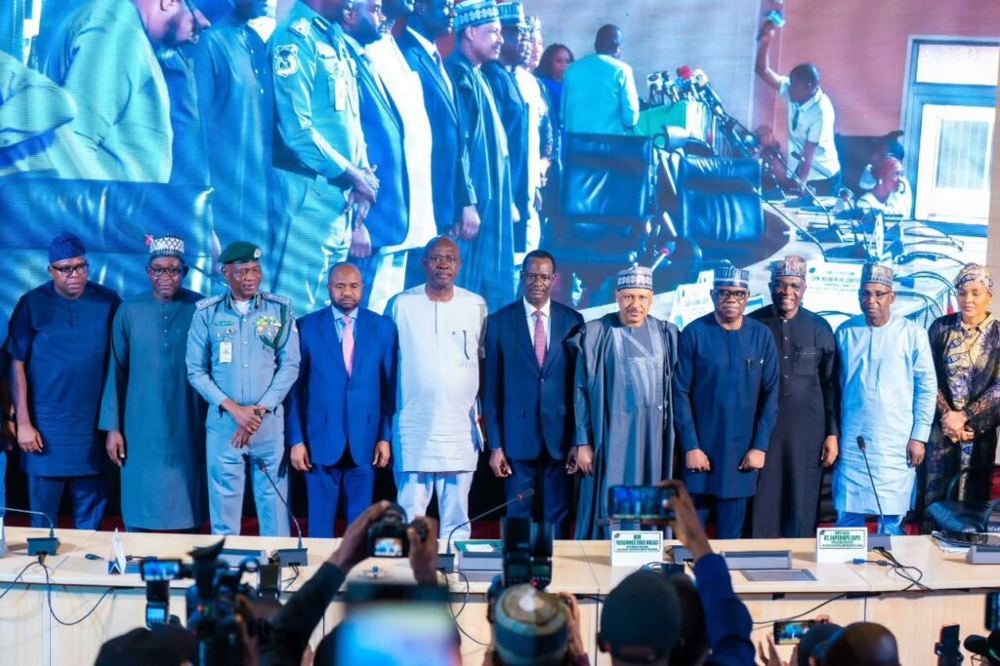
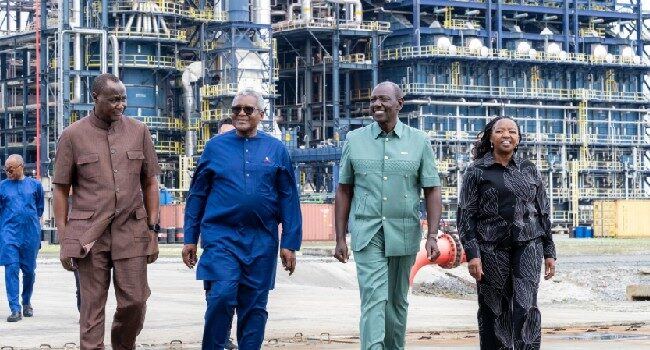
Kenya broke ground Wednesday on a $16 billion refinery and petrochemicals complex designed to process 700,000 barrels of crude oil a day and generate as much as 1,000 megawatts of electricity, in one of the largest industrial investments ever undertaken in East Africa. President William Ruto and Aliko Dangote, president and chief executive of Dangote Industries Limited, were joined by African heads of state at the coastal county of Lamu to launch construction of the Dangote East Africa Petroleum Refinery & Petrochemicals complex, which will also produce polypropylene and base oils alongside refined fuels. Dangote said the facility would be completed within 40 months, a timeline he described as among the fastest for a project of its scale, pointing to lessons drawn from his group’s refinery in Lagos, Nigeria, currently Africa’s largest, with a capacity of 650,000 barrels a day. “We want young Kenyans and East Africans with skills here. We want local businesses to become suppliers. We want entrepreneurs around this project,” Dangote told the gathering. “For me, the true measure of this project will not be the height of these towers or the number of barrels it processes.” In a move aimed at deepening East African buy-in, Dangote said 30 percent of the refinery’s equity would be opened to governments in the region, with Kenya and Rwanda already moving to take up stakes. He framed the offer as part of a broader push to shift Africa from a continent that exports raw commodities toward one that owns and profits from processing them. “This refinery is therefore not simply about one country. It is about a region,” Dangote said, listing Uganda, Tanzania, Ethiopia, South Sudan and the Democratic Republic of Congo among the markets the plant is intended to serve. “Africa cannot build lasting prosperity by exporting what it has and importing what it needs,” he said. “We must refine more of what we produce. We must process more of what we produce. We must retain more value here at home in Africa.” Read also: Dangote breaks ground on $16bn East African oil refinery in Kenya Jobs and Training Ruto put the project’s value at roughly 2 trillion Kenyan shillings and called it a “generational undertaking” that would extend benefits well beyond Kenya’s borders. He said current projections point to about 60,000 direct and indirect jobs, and directed the country’s technical colleges and universities to begin preparing welders, technicians, engineers and managers for the roles. Dangote said the group would open a dedicated training school in Lamu, with more than 1,000 young people from the county slated to receive technical and vocational instruction, while qualified local graduates would be offered construction-phase positions. Ruto added that wages during the build-out alone were expected to inject more than 2 billion shillings a month into the local economy, flowing into shops, transport, housing and hospitality businesses nearby. “Industrialisation must have a human face,” Dangote said. “It must create dignity. It must create jobs. It must create opportunities. It must create hope.” The project has faced legal challenges, which Lamu Governor Issa Timamy addressed directly at the ceremony, telling residents in a mix of English and Swahili that those pursuing litigation did not speak for the county. He said the refinery was an opportunity for a region he described as long rich in history and culture but overlooked in Kenya’s development, while also calling for safeguards for Lamu’s mangroves, fisheries, coastline and cultural sites as construction proceeds. Former Nigerian President Olusegun Obasanjo, who attended the ceremony, pointed to Dangote’s shift from trading into large-scale manufacturing as evidence of what African entrepreneurs can achieve when governments create supportive conditions, calling the Lamu plant an extension of that model into East Africa. Ugandan President Yoweri Museveni endorsed the equity offer to regional governments, calling it a way for East African states to become owners of the project rather than customers alone. Ethiopian Prime Minister Abiy Ahmed said the refinery would bolster the region’s energy security and reduce its exposure to swings in global fuel markets. “East Africa is not only a market,” Abiy said. “It is a place to produce, to build and to create value.” The Lamu complex adds to Dangote’s expanding footprint in African heavy industry, which already spans cement, fertiliser and petroleum refining in Nigeria. Construction mobilisation is already underway, according to the company, which said it intends to draw on its Lagos refinery build as a template for delivery speed. Related News Nigeria leads sub-saharan Africa with 29 universities in THE 2027 rankings Elumelu buys extra 6 million Seplat shares, expanding stake to 21% Chevron renews Nigeria bet with exploration, deepwater projects Oladehinde Oladipo Dipo Oladehinde is a skilled energy analyst with experience across Nigeria's energy sector alongside relevant know-how about Nigeria’s macro economy. He provides a blend of market intelligence, financial analysis, industry insight, micro and macro-level analysis of a wide range of local and international issues as well as informed technical rudiments for policy-making and private directions. Share
President William Ruto and Aliko Dangote, president and chief executive of Dangote Industries Limited, were joined by African heads of state at the coastal county of Lamu to launch construction of the Dangote East Africa Petroleum Refinery & Petrochemicals complex, which will also produce polypropylene and base oils alongside refined fuels. Dangote said the facility would be completed within 40 months, a timeline he described as among the fastest for a project of its scale, pointing to lessons drawn from his group’s refinery in Lagos, Nigeria, currently Africa’s largest, with a capacity of 650,000 barrels a day. “We want young Kenyans and East Africans with skills here. We want local businesses to become suppliers. We want entrepreneurs around this project,” Dangote told the gathering. “For me, the true measure of this project will not be the height of these towers or the number of barrels it processes.” In a move aimed at deepening East African buy-in, Dangote said 30 percent of the refinery’s equity would be opened to governments in the region, with Kenya and Rwanda already moving to take up stakes. He framed the offer as part of a broader push to shift Africa from a continent that exports raw commodities toward one that owns and profits from processing them. “This refinery is therefore not simply about one country. It is about a region,” Dangote said, listing Uganda, Tanzania, Ethiopia, South Sudan and the Democratic Republic of Congo among the markets the plant is intended to serve. “Africa cannot build lasting prosperity by exporting what it has and importing what it needs,” he said. “We must refine more of what we produce. We must process more of what we produce. We must retain more value here at home in Africa.” Read also: Dangote breaks ground on $16bn East African oil refinery in Kenya Jobs and Training Ruto put the project’s value at roughly 2 trillion Kenyan shillings and called it a “generational undertaking” that would extend benefits well beyond Kenya’s borders. He said current projections point to about 60,000 direct and indirect jobs, and directed the country’s technical colleges and universities to begin preparing welders, technicians, engineers and managers for the roles. Dangote said the group would open a dedicated training school in Lamu, with more than 1,000 young people from the county slated to receive technical and vocational instruction, while qualified local graduates would be offered construction-phase positions. Ruto added that wages during the build-out alone were expected to inject more than 2 billion shillings a month into the local economy, flowing into shops, transport, housing and hospitality businesses nearby. “Industrialisation must have a human face,” Dangote said. “It must create dignity. It must create jobs. It must create opportunities. It must create hope.” The project has faced legal challenges, which Lamu Governor Issa Timamy addressed directly at the ceremony, telling residents in a mix of English and Swahili that those pursuing litigation did not speak for the county. He said the refinery was an opportunity for a region he described as long rich in history and culture but overlooked in Kenya’s development, while also calling for safeguards for Lamu’s mangroves, fisheries, coastline and cultural sites as construction proceeds. Former Nigerian President Olusegun Obasanjo, who attended the ceremony, pointed to Dangote’s shift from trading into large-scale manufacturing as evidence of what African entrepreneurs can achieve when governments create supportive conditions, calling the Lamu plant an extension of that model into East Africa. Ugandan President Yoweri Museveni endorsed the equity offer to regional governments, calling it a way for East African states to become owners of the project rather than customers alone. Ethiopian Prime Minister Abiy Ahmed said the refinery would bolster the region’s energy security and reduce its exposure to swings in global fuel markets. “East Africa is not only a market,” Abiy said. “It is a place to produce, to build and to create value.” The Lamu complex adds to Dangote’s expanding footprint in African heavy industry, which already spans cement, fertiliser and petroleum refining in Nigeria. Construction mobilisation is already underway, according to the company, which said it intends to draw on its Lagos refinery build as a template for delivery speed. Related News Nigeria leads sub-saharan Africa with 29 universities in THE 2027 rankings Elumelu buys extra 6 million Seplat shares, expanding stake to 21% Chevron renews Nigeria bet with exploration, deepwater projects Oladehinde Oladipo Dipo Oladehinde is a skilled energy analyst with experience across Nigeria's energy sector alongside relevant know-how about Nigeria’s macro economy. He provides a blend of market intelligence, financial analysis, industry insight, micro and macro-level analysis of a wide range of local and international issues as well as informed technical rudiments for policy-making and private directions. Share
Dangote said the facility would be completed within 40 months, a timeline he described as among the fastest for a project of its scale, pointing to lessons drawn from his group’s refinery in Lagos, Nigeria, currently Africa’s largest, with a capacity of 650,000 barrels a day. “We want young Kenyans and East Africans with skills here. We want local businesses to become suppliers. We want entrepreneurs around this project,” Dangote told the gathering. “For me, the true measure of this project will not be the height of these towers or the number of barrels it processes.” In a move aimed at deepening East African buy-in, Dangote said 30 percent of the refinery’s equity would be opened to governments in the region, with Kenya and Rwanda already moving to take up stakes. He framed the offer as part of a broader push to shift Africa from a continent that exports raw commodities toward one that owns and profits from processing them. “This refinery is therefore not simply about one country. It is about a region,” Dangote said, listing Uganda, Tanzania, Ethiopia, South Sudan and the Democratic Republic of Congo among the markets the plant is intended to serve. “Africa cannot build lasting prosperity by exporting what it has and importing what it needs,” he said. “We must refine more of what we produce. We must process more of what we produce. We must retain more value here at home in Africa.” Read also: Dangote breaks ground on $16bn East African oil refinery in Kenya Jobs and Training Ruto put the project’s value at roughly 2 trillion Kenyan shillings and called it a “generational undertaking” that would extend benefits well beyond Kenya’s borders. He said current projections point to about 60,000 direct and indirect jobs, and directed the country’s technical colleges and universities to begin preparing welders, technicians, engineers and managers for the roles. Dangote said the group would open a dedicated training school in Lamu, with more than 1,000 young people from the county slated to receive technical and vocational instruction, while qualified local graduates would be offered construction-phase positions. Ruto added that wages during the build-out alone were expected to inject more than 2 billion shillings a month into the local economy, flowing into shops, transport, housing and hospitality businesses nearby. “Industrialisation must have a human face,” Dangote said. “It must create dignity. It must create jobs. It must create opportunities. It must create hope.” The project has faced legal challenges, which Lamu Governor Issa Timamy addressed directly at the ceremony, telling residents in a mix of English and Swahili that those pursuing litigation did not speak for the county. He said the refinery was an opportunity for a region he described as long rich in history and culture but overlooked in Kenya’s development, while also calling for safeguards for Lamu’s mangroves, fisheries, coastline and cultural sites as construction proceeds. Former Nigerian President Olusegun Obasanjo, who attended the ceremony, pointed to Dangote’s shift from trading into large-scale manufacturing as evidence of what African entrepreneurs can achieve when governments create supportive conditions, calling the Lamu plant an extension of that model into East Africa. Ugandan President Yoweri Museveni endorsed the equity offer to regional governments, calling it a way for East African states to become owners of the project rather than customers alone. Ethiopian Prime Minister Abiy Ahmed said the refinery would bolster the region’s energy security and reduce its exposure to swings in global fuel markets. “East Africa is not only a market,” Abiy said. “It is a place to produce, to build and to create value.” The Lamu complex adds to Dangote’s expanding footprint in African heavy industry, which already spans cement, fertiliser and petroleum refining in Nigeria. Construction mobilisation is already underway, according to the company, which said it intends to draw on its Lagos refinery build as a template for delivery speed. Related News Nigeria leads sub-saharan Africa with 29 universities in THE 2027 rankings Elumelu buys extra 6 million Seplat shares, expanding stake to 21% Chevron renews Nigeria bet with exploration, deepwater projects Oladehinde Oladipo Dipo Oladehinde is a skilled energy analyst with experience across Nigeria's energy sector alongside relevant know-how about Nigeria’s macro economy. He provides a blend of market intelligence, financial analysis, industry insight, micro and macro-level analysis of a wide range of local and international issues as well as informed technical rudiments for policy-making and private directions. Share
“We want young Kenyans and East Africans with skills here. We want local businesses to become suppliers. We want entrepreneurs around this project,” Dangote told the gathering. “For me, the true measure of this project will not be the height of these towers or the number of barrels it processes.” In a move aimed at deepening East African buy-in, Dangote said 30 percent of the refinery’s equity would be opened to governments in the region, with Kenya and Rwanda already moving to take up stakes. He framed the offer as part of a broader push to shift Africa from a continent that exports raw commodities toward one that owns and profits from processing them. “This refinery is therefore not simply about one country. It is about a region,” Dangote said, listing Uganda, Tanzania, Ethiopia, South Sudan and the Democratic Republic of Congo among the markets the plant is intended to serve. “Africa cannot build lasting prosperity by exporting what it has and importing what it needs,” he said. “We must refine more of what we produce. We must process more of what we produce. We must retain more value here at home in Africa.” Read also: Dangote breaks ground on $16bn East African oil refinery in Kenya Jobs and Training Ruto put the project’s value at roughly 2 trillion Kenyan shillings and called it a “generational undertaking” that would extend benefits well beyond Kenya’s borders. He said current projections point to about 60,000 direct and indirect jobs, and directed the country’s technical colleges and universities to begin preparing welders, technicians, engineers and managers for the roles. Dangote said the group would open a dedicated training school in Lamu, with more than 1,000 young people from the county slated to receive technical and vocational instruction, while qualified local graduates would be offered construction-phase positions. Ruto added that wages during the build-out alone were expected to inject more than 2 billion shillings a month into the local economy, flowing into shops, transport, housing and hospitality businesses nearby. “Industrialisation must have a human face,” Dangote said. “It must create dignity. It must create jobs. It must create opportunities. It must create hope.” The project has faced legal challenges, which Lamu Governor Issa Timamy addressed directly at the ceremony, telling residents in a mix of English and Swahili that those pursuing litigation did not speak for the county. He said the refinery was an opportunity for a region he described as long rich in history and culture but overlooked in Kenya’s development, while also calling for safeguards for Lamu’s mangroves, fisheries, coastline and cultural sites as construction proceeds. Former Nigerian President Olusegun Obasanjo, who attended the ceremony, pointed to Dangote’s shift from trading into large-scale manufacturing as evidence of what African entrepreneurs can achieve when governments create supportive conditions, calling the Lamu plant an extension of that model into East Africa. Ugandan President Yoweri Museveni endorsed the equity offer to regional governments, calling it a way for East African states to become owners of the project rather than customers alone. Ethiopian Prime Minister Abiy Ahmed said the refinery would bolster the region’s energy security and reduce its exposure to swings in global fuel markets. “East Africa is not only a market,” Abiy said. “It is a place to produce, to build and to create value.” The Lamu complex adds to Dangote’s expanding footprint in African heavy industry, which already spans cement, fertiliser and petroleum refining in Nigeria. Construction mobilisation is already underway, according to the company, which said it intends to draw on its Lagos refinery build as a template for delivery speed. Related News Nigeria leads sub-saharan Africa with 29 universities in THE 2027 rankings Elumelu buys extra 6 million Seplat shares, expanding stake to 21% Chevron renews Nigeria bet with exploration, deepwater projects Oladehinde Oladipo Dipo Oladehinde is a skilled energy analyst with experience across Nigeria's energy sector alongside relevant know-how about Nigeria’s macro economy. He provides a blend of market intelligence, financial analysis, industry insight, micro and macro-level analysis of a wide range of local and international issues as well as informed technical rudiments for policy-making and private directions. Share
In a move aimed at deepening East African buy-in, Dangote said 30 percent of the refinery’s equity would be opened to governments in the region, with Kenya and Rwanda already moving to take up stakes. He framed the offer as part of a broader push to shift Africa from a continent that exports raw commodities toward one that owns and profits from processing them. “This refinery is therefore not simply about one country. It is about a region,” Dangote said, listing Uganda, Tanzania, Ethiopia, South Sudan and the Democratic Republic of Congo among the markets the plant is intended to serve. “Africa cannot build lasting prosperity by exporting what it has and importing what it needs,” he said. “We must refine more of what we produce. We must process more of what we produce. We must retain more value here at home in Africa.” Read also: Dangote breaks ground on $16bn East African oil refinery in Kenya Jobs and Training Ruto put the project’s value at roughly 2 trillion Kenyan shillings and called it a “generational undertaking” that would extend benefits well beyond Kenya’s borders. He said current projections point to about 60,000 direct and indirect jobs, and directed the country’s technical colleges and universities to begin preparing welders, technicians, engineers and managers for the roles. Dangote said the group would open a dedicated training school in Lamu, with more than 1,000 young people from the county slated to receive technical and vocational instruction, while qualified local graduates would be offered construction-phase positions. Ruto added that wages during the build-out alone were expected to inject more than 2 billion shillings a month into the local economy, flowing into shops, transport, housing and hospitality businesses nearby. “Industrialisation must have a human face,” Dangote said. “It must create dignity. It must create jobs. It must create opportunities. It must create hope.” The project has faced legal challenges, which Lamu Governor Issa Timamy addressed directly at the ceremony, telling residents in a mix of English and Swahili that those pursuing litigation did not speak for the county. He said the refinery was an opportunity for a region he described as long rich in history and culture but overlooked in Kenya’s development, while also calling for safeguards for Lamu’s mangroves, fisheries, coastline and cultural sites as construction proceeds. Former Nigerian President Olusegun Obasanjo, who attended the ceremony, pointed to Dangote’s shift from trading into large-scale manufacturing as evidence of what African entrepreneurs can achieve when governments create supportive conditions, calling the Lamu plant an extension of that model into East Africa. Ugandan President Yoweri Museveni endorsed the equity offer to regional governments, calling it a way for East African states to become owners of the project rather than customers alone. Ethiopian Prime Minister Abiy Ahmed said the refinery would bolster the region’s energy security and reduce its exposure to swings in global fuel markets. “East Africa is not only a market,” Abiy said. “It is a place to produce, to build and to create value.” The Lamu complex adds to Dangote’s expanding footprint in African heavy industry, which already spans cement, fertiliser and petroleum refining in Nigeria. Construction mobilisation is already underway, according to the company, which said it intends to draw on its Lagos refinery build as a template for delivery speed. Related News Nigeria leads sub-saharan Africa with 29 universities in THE 2027 rankings Elumelu buys extra 6 million Seplat shares, expanding stake to 21% Chevron renews Nigeria bet with exploration, deepwater projects Oladehinde Oladipo Dipo Oladehinde is a skilled energy analyst with experience across Nigeria's energy sector alongside relevant know-how about Nigeria’s macro economy. He provides a blend of market intelligence, financial analysis, industry insight, micro and macro-level analysis of a wide range of local and international issues as well as informed technical rudiments for policy-making and private directions. Share
“This refinery is therefore not simply about one country. It is about a region,” Dangote said, listing Uganda, Tanzania, Ethiopia, South Sudan and the Democratic Republic of Congo among the markets the plant is intended to serve. “Africa cannot build lasting prosperity by exporting what it has and importing what it needs,” he said. “We must refine more of what we produce. We must process more of what we produce. We must retain more value here at home in Africa.” Read also: Dangote breaks ground on $16bn East African oil refinery in Kenya Jobs and Training Ruto put the project’s value at roughly 2 trillion Kenyan shillings and called it a “generational undertaking” that would extend benefits well beyond Kenya’s borders. He said current projections point to about 60,000 direct and indirect jobs, and directed the country’s technical colleges and universities to begin preparing welders, technicians, engineers and managers for the roles. Dangote said the group would open a dedicated training school in Lamu, with more than 1,000 young people from the county slated to receive technical and vocational instruction, while qualified local graduates would be offered construction-phase positions. Ruto added that wages during the build-out alone were expected to inject more than 2 billion shillings a month into the local economy, flowing into shops, transport, housing and hospitality businesses nearby. “Industrialisation must have a human face,” Dangote said. “It must create dignity. It must create jobs. It must create opportunities. It must create hope.” The project has faced legal challenges, which Lamu Governor Issa Timamy addressed directly at the ceremony, telling residents in a mix of English and Swahili that those pursuing litigation did not speak for the county. He said the refinery was an opportunity for a region he described as long rich in history and culture but overlooked in Kenya’s development, while also calling for safeguards for Lamu’s mangroves, fisheries, coastline and cultural sites as construction proceeds. Former Nigerian President Olusegun Obasanjo, who attended the ceremony, pointed to Dangote’s shift from trading into large-scale manufacturing as evidence of what African entrepreneurs can achieve when governments create supportive conditions, calling the Lamu plant an extension of that model into East Africa. Ugandan President Yoweri Museveni endorsed the equity offer to regional governments, calling it a way for East African states to become owners of the project rather than customers alone. Ethiopian Prime Minister Abiy Ahmed said the refinery would bolster the region’s energy security and reduce its exposure to swings in global fuel markets. “East Africa is not only a market,” Abiy said. “It is a place to produce, to build and to create value.” The Lamu complex adds to Dangote’s expanding footprint in African heavy industry, which already spans cement, fertiliser and petroleum refining in Nigeria. Construction mobilisation is already underway, according to the company, which said it intends to draw on its Lagos refinery build as a template for delivery speed. Related News Nigeria leads sub-saharan Africa with 29 universities in THE 2027 rankings Elumelu buys extra 6 million Seplat shares, expanding stake to 21% Chevron renews Nigeria bet with exploration, deepwater projects Oladehinde Oladipo Dipo Oladehinde is a skilled energy analyst with experience across Nigeria's energy sector alongside relevant know-how about Nigeria’s macro economy. He provides a blend of market intelligence, financial analysis, industry insight, micro and macro-level analysis of a wide range of local and international issues as well as informed technical rudiments for policy-making and private directions. Share
“Africa cannot build lasting prosperity by exporting what it has and importing what it needs,” he said. “We must refine more of what we produce. We must process more of what we produce. We must retain more value here at home in Africa.” Read also: Dangote breaks ground on $16bn East African oil refinery in Kenya Jobs and Training Ruto put the project’s value at roughly 2 trillion Kenyan shillings and called it a “generational undertaking” that would extend benefits well beyond Kenya’s borders. He said current projections point to about 60,000 direct and indirect jobs, and directed the country’s technical colleges and universities to begin preparing welders, technicians, engineers and managers for the roles. Dangote said the group would open a dedicated training school in Lamu, with more than 1,000 young people from the county slated to receive technical and vocational instruction, while qualified local graduates would be offered construction-phase positions. Ruto added that wages during the build-out alone were expected to inject more than 2 billion shillings a month into the local economy, flowing into shops, transport, housing and hospitality businesses nearby. “Industrialisation must have a human face,” Dangote said. “It must create dignity. It must create jobs. It must create opportunities. It must create hope.” The project has faced legal challenges, which Lamu Governor Issa Timamy addressed directly at the ceremony, telling residents in a mix of English and Swahili that those pursuing litigation did not speak for the county. He said the refinery was an opportunity for a region he described as long rich in history and culture but overlooked in Kenya’s development, while also calling for safeguards for Lamu’s mangroves, fisheries, coastline and cultural sites as construction proceeds. Former Nigerian President Olusegun Obasanjo, who attended the ceremony, pointed to Dangote’s shift from trading into large-scale manufacturing as evidence of what African entrepreneurs can achieve when governments create supportive conditions, calling the Lamu plant an extension of that model into East Africa. Ugandan President Yoweri Museveni endorsed the equity offer to regional governments, calling it a way for East African states to become owners of the project rather than customers alone. Ethiopian Prime Minister Abiy Ahmed said the refinery would bolster the region’s energy security and reduce its exposure to swings in global fuel markets. “East Africa is not only a market,” Abiy said. “It is a place to produce, to build and to create value.” The Lamu complex adds to Dangote’s expanding footprint in African heavy industry, which already spans cement, fertiliser and petroleum refining in Nigeria. Construction mobilisation is already underway, according to the company, which said it intends to draw on its Lagos refinery build as a template for delivery speed. Related News Nigeria leads sub-saharan Africa with 29 universities in THE 2027 rankings Elumelu buys extra 6 million Seplat shares, expanding stake to 21% Chevron renews Nigeria bet with exploration, deepwater projects Oladehinde Oladipo Dipo Oladehinde is a skilled energy analyst with experience across Nigeria's energy sector alongside relevant know-how about Nigeria’s macro economy. He provides a blend of market intelligence, financial analysis, industry insight, micro and macro-level analysis of a wide range of local and international issues as well as informed technical rudiments for policy-making and private directions. Share
Read also: Dangote breaks ground on $16bn East African oil refinery in Kenya Jobs and Training Ruto put the project’s value at roughly 2 trillion Kenyan shillings and called it a “generational undertaking” that would extend benefits well beyond Kenya’s borders. He said current projections point to about 60,000 direct and indirect jobs, and directed the country’s technical colleges and universities to begin preparing welders, technicians, engineers and managers for the roles. Dangote said the group would open a dedicated training school in Lamu, with more than 1,000 young people from the county slated to receive technical and vocational instruction, while qualified local graduates would be offered construction-phase positions. Ruto added that wages during the build-out alone were expected to inject more than 2 billion shillings a month into the local economy, flowing into shops, transport, housing and hospitality businesses nearby. “Industrialisation must have a human face,” Dangote said. “It must create dignity. It must create jobs. It must create opportunities. It must create hope.” The project has faced legal challenges, which Lamu Governor Issa Timamy addressed directly at the ceremony, telling residents in a mix of English and Swahili that those pursuing litigation did not speak for the county. He said the refinery was an opportunity for a region he described as long rich in history and culture but overlooked in Kenya’s development, while also calling for safeguards for Lamu’s mangroves, fisheries, coastline and cultural sites as construction proceeds. Former Nigerian President Olusegun Obasanjo, who attended the ceremony, pointed to Dangote’s shift from trading into large-scale manufacturing as evidence of what African entrepreneurs can achieve when governments create supportive conditions, calling the Lamu plant an extension of that model into East Africa. Ugandan President Yoweri Museveni endorsed the equity offer to regional governments, calling it a way for East African states to become owners of the project rather than customers alone. Ethiopian Prime Minister Abiy Ahmed said the refinery would bolster the region’s energy security and reduce its exposure to swings in global fuel markets. “East Africa is not only a market,” Abiy said. “It is a place to produce, to build and to create value.” The Lamu complex adds to Dangote’s expanding footprint in African heavy industry, which already spans cement, fertiliser and petroleum refining in Nigeria. Construction mobilisation is already underway, according to the company, which said it intends to draw on its Lagos refinery build as a template for delivery speed. Related News Nigeria leads sub-saharan Africa with 29 universities in THE 2027 rankings Elumelu buys extra 6 million Seplat shares, expanding stake to 21% Chevron renews Nigeria bet with exploration, deepwater projects Oladehinde Oladipo Dipo Oladehinde is a skilled energy analyst with experience across Nigeria's energy sector alongside relevant know-how about Nigeria’s macro economy. He provides a blend of market intelligence, financial analysis, industry insight, micro and macro-level analysis of a wide range of local and international issues as well as informed technical rudiments for policy-making and private directions. Share
Jobs and Training Ruto put the project’s value at roughly 2 trillion Kenyan shillings and called it a “generational undertaking” that would extend benefits well beyond Kenya’s borders. He said current projections point to about 60,000 direct and indirect jobs, and directed the country’s technical colleges and universities to begin preparing welders, technicians, engineers and managers for the roles. Dangote said the group would open a dedicated training school in Lamu, with more than 1,000 young people from the county slated to receive technical and vocational instruction, while qualified local graduates would be offered construction-phase positions. Ruto added that wages during the build-out alone were expected to inject more than 2 billion shillings a month into the local economy, flowing into shops, transport, housing and hospitality businesses nearby. “Industrialisation must have a human face,” Dangote said. “It must create dignity. It must create jobs. It must create opportunities. It must create hope.” The project has faced legal challenges, which Lamu Governor Issa Timamy addressed directly at the ceremony, telling residents in a mix of English and Swahili that those pursuing litigation did not speak for the county. He said the refinery was an opportunity for a region he described as long rich in history and culture but overlooked in Kenya’s development, while also calling for safeguards for Lamu’s mangroves, fisheries, coastline and cultural sites as construction proceeds. Former Nigerian President Olusegun Obasanjo, who attended the ceremony, pointed to Dangote’s shift from trading into large-scale manufacturing as evidence of what African entrepreneurs can achieve when governments create supportive conditions, calling the Lamu plant an extension of that model into East Africa. Ugandan President Yoweri Museveni endorsed the equity offer to regional governments, calling it a way for East African states to become owners of the project rather than customers alone. Ethiopian Prime Minister Abiy Ahmed said the refinery would bolster the region’s energy security and reduce its exposure to swings in global fuel markets. “East Africa is not only a market,” Abiy said. “It is a place to produce, to build and to create value.” The Lamu complex adds to Dangote’s expanding footprint in African heavy industry, which already spans cement, fertiliser and petroleum refining in Nigeria. Construction mobilisation is already underway, according to the company, which said it intends to draw on its Lagos refinery build as a template for delivery speed. Related News Nigeria leads sub-saharan Africa with 29 universities in THE 2027 rankings Elumelu buys extra 6 million Seplat shares, expanding stake to 21% Chevron renews Nigeria bet with exploration, deepwater projects Oladehinde Oladipo Dipo Oladehinde is a skilled energy analyst with experience across Nigeria's energy sector alongside relevant know-how about Nigeria’s macro economy. He provides a blend of market intelligence, financial analysis, industry insight, micro and macro-level analysis of a wide range of local and international issues as well as informed technical rudiments for policy-making and private directions. Share
Ruto put the project’s value at roughly 2 trillion Kenyan shillings and called it a “generational undertaking” that would extend benefits well beyond Kenya’s borders. He said current projections point to about 60,000 direct and indirect jobs, and directed the country’s technical colleges and universities to begin preparing welders, technicians, engineers and managers for the roles. Dangote said the group would open a dedicated training school in Lamu, with more than 1,000 young people from the county slated to receive technical and vocational instruction, while qualified local graduates would be offered construction-phase positions. Ruto added that wages during the build-out alone were expected to inject more than 2 billion shillings a month into the local economy, flowing into shops, transport, housing and hospitality businesses nearby. “Industrialisation must have a human face,” Dangote said. “It must create dignity. It must create jobs. It must create opportunities. It must create hope.” The project has faced legal challenges, which Lamu Governor Issa Timamy addressed directly at the ceremony, telling residents in a mix of English and Swahili that those pursuing litigation did not speak for the county. He said the refinery was an opportunity for a region he described as long rich in history and culture but overlooked in Kenya’s development, while also calling for safeguards for Lamu’s mangroves, fisheries, coastline and cultural sites as construction proceeds. Former Nigerian President Olusegun Obasanjo, who attended the ceremony, pointed to Dangote’s shift from trading into large-scale manufacturing as evidence of what African entrepreneurs can achieve when governments create supportive conditions, calling the Lamu plant an extension of that model into East Africa. Ugandan President Yoweri Museveni endorsed the equity offer to regional governments, calling it a way for East African states to become owners of the project rather than customers alone. Ethiopian Prime Minister Abiy Ahmed said the refinery would bolster the region’s energy security and reduce its exposure to swings in global fuel markets. “East Africa is not only a market,” Abiy said. “It is a place to produce, to build and to create value.” The Lamu complex adds to Dangote’s expanding footprint in African heavy industry, which already spans cement, fertiliser and petroleum refining in Nigeria. Construction mobilisation is already underway, according to the company, which said it intends to draw on its Lagos refinery build as a template for delivery speed. Related News Nigeria leads sub-saharan Africa with 29 universities in THE 2027 rankings Elumelu buys extra 6 million Seplat shares, expanding stake to 21% Chevron renews Nigeria bet with exploration, deepwater projects Oladehinde Oladipo Dipo Oladehinde is a skilled energy analyst with experience across Nigeria's energy sector alongside relevant know-how about Nigeria’s macro economy. He provides a blend of market intelligence, financial analysis, industry insight, micro and macro-level analysis of a wide range of local and international issues as well as informed technical rudiments for policy-making and private directions. Share
He said current projections point to about 60,000 direct and indirect jobs, and directed the country’s technical colleges and universities to begin preparing welders, technicians, engineers and managers for the roles. Dangote said the group would open a dedicated training school in Lamu, with more than 1,000 young people from the county slated to receive technical and vocational instruction, while qualified local graduates would be offered construction-phase positions. Ruto added that wages during the build-out alone were expected to inject more than 2 billion shillings a month into the local economy, flowing into shops, transport, housing and hospitality businesses nearby. “Industrialisation must have a human face,” Dangote said. “It must create dignity. It must create jobs. It must create opportunities. It must create hope.” The project has faced legal challenges, which Lamu Governor Issa Timamy addressed directly at the ceremony, telling residents in a mix of English and Swahili that those pursuing litigation did not speak for the county. He said the refinery was an opportunity for a region he described as long rich in history and culture but overlooked in Kenya’s development, while also calling for safeguards for Lamu’s mangroves, fisheries, coastline and cultural sites as construction proceeds. Former Nigerian President Olusegun Obasanjo, who attended the ceremony, pointed to Dangote’s shift from trading into large-scale manufacturing as evidence of what African entrepreneurs can achieve when governments create supportive conditions, calling the Lamu plant an extension of that model into East Africa. Ugandan President Yoweri Museveni endorsed the equity offer to regional governments, calling it a way for East African states to become owners of the project rather than customers alone. Ethiopian Prime Minister Abiy Ahmed said the refinery would bolster the region’s energy security and reduce its exposure to swings in global fuel markets. “East Africa is not only a market,” Abiy said. “It is a place to produce, to build and to create value.” The Lamu complex adds to Dangote’s expanding footprint in African heavy industry, which already spans cement, fertiliser and petroleum refining in Nigeria. Construction mobilisation is already underway, according to the company, which said it intends to draw on its Lagos refinery build as a template for delivery speed. Related News Nigeria leads sub-saharan Africa with 29 universities in THE 2027 rankings Elumelu buys extra 6 million Seplat shares, expanding stake to 21% Chevron renews Nigeria bet with exploration, deepwater projects Oladehinde Oladipo Dipo Oladehinde is a skilled energy analyst with experience across Nigeria's energy sector alongside relevant know-how about Nigeria’s macro economy. He provides a blend of market intelligence, financial analysis, industry insight, micro and macro-level analysis of a wide range of local and international issues as well as informed technical rudiments for policy-making and private directions. Share
Dangote said the group would open a dedicated training school in Lamu, with more than 1,000 young people from the county slated to receive technical and vocational instruction, while qualified local graduates would be offered construction-phase positions. Ruto added that wages during the build-out alone were expected to inject more than 2 billion shillings a month into the local economy, flowing into shops, transport, housing and hospitality businesses nearby. “Industrialisation must have a human face,” Dangote said. “It must create dignity. It must create jobs. It must create opportunities. It must create hope.” The project has faced legal challenges, which Lamu Governor Issa Timamy addressed directly at the ceremony, telling residents in a mix of English and Swahili that those pursuing litigation did not speak for the county. He said the refinery was an opportunity for a region he described as long rich in history and culture but overlooked in Kenya’s development, while also calling for safeguards for Lamu’s mangroves, fisheries, coastline and cultural sites as construction proceeds. Former Nigerian President Olusegun Obasanjo, who attended the ceremony, pointed to Dangote’s shift from trading into large-scale manufacturing as evidence of what African entrepreneurs can achieve when governments create supportive conditions, calling the Lamu plant an extension of that model into East Africa. Ugandan President Yoweri Museveni endorsed the equity offer to regional governments, calling it a way for East African states to become owners of the project rather than customers alone. Ethiopian Prime Minister Abiy Ahmed said the refinery would bolster the region’s energy security and reduce its exposure to swings in global fuel markets. “East Africa is not only a market,” Abiy said. “It is a place to produce, to build and to create value.” The Lamu complex adds to Dangote’s expanding footprint in African heavy industry, which already spans cement, fertiliser and petroleum refining in Nigeria. Construction mobilisation is already underway, according to the company, which said it intends to draw on its Lagos refinery build as a template for delivery speed. Related News Nigeria leads sub-saharan Africa with 29 universities in THE 2027 rankings Elumelu buys extra 6 million Seplat shares, expanding stake to 21% Chevron renews Nigeria bet with exploration, deepwater projects Oladehinde Oladipo Dipo Oladehinde is a skilled energy analyst with experience across Nigeria's energy sector alongside relevant know-how about Nigeria’s macro economy. He provides a blend of market intelligence, financial analysis, industry insight, micro and macro-level analysis of a wide range of local and international issues as well as informed technical rudiments for policy-making and private directions. Share
Ruto added that wages during the build-out alone were expected to inject more than 2 billion shillings a month into the local economy, flowing into shops, transport, housing and hospitality businesses nearby. “Industrialisation must have a human face,” Dangote said. “It must create dignity. It must create jobs. It must create opportunities. It must create hope.” The project has faced legal challenges, which Lamu Governor Issa Timamy addressed directly at the ceremony, telling residents in a mix of English and Swahili that those pursuing litigation did not speak for the county. He said the refinery was an opportunity for a region he described as long rich in history and culture but overlooked in Kenya’s development, while also calling for safeguards for Lamu’s mangroves, fisheries, coastline and cultural sites as construction proceeds. Former Nigerian President Olusegun Obasanjo, who attended the ceremony, pointed to Dangote’s shift from trading into large-scale manufacturing as evidence of what African entrepreneurs can achieve when governments create supportive conditions, calling the Lamu plant an extension of that model into East Africa. Ugandan President Yoweri Museveni endorsed the equity offer to regional governments, calling it a way for East African states to become owners of the project rather than customers alone. Ethiopian Prime Minister Abiy Ahmed said the refinery would bolster the region’s energy security and reduce its exposure to swings in global fuel markets. “East Africa is not only a market,” Abiy said. “It is a place to produce, to build and to create value.” The Lamu complex adds to Dangote’s expanding footprint in African heavy industry, which already spans cement, fertiliser and petroleum refining in Nigeria. Construction mobilisation is already underway, according to the company, which said it intends to draw on its Lagos refinery build as a template for delivery speed. Related News Nigeria leads sub-saharan Africa with 29 universities in THE 2027 rankings Elumelu buys extra 6 million Seplat shares, expanding stake to 21% Chevron renews Nigeria bet with exploration, deepwater projects Oladehinde Oladipo Dipo Oladehinde is a skilled energy analyst with experience across Nigeria's energy sector alongside relevant know-how about Nigeria’s macro economy. He provides a blend of market intelligence, financial analysis, industry insight, micro and macro-level analysis of a wide range of local and international issues as well as informed technical rudiments for policy-making and private directions. Share
“Industrialisation must have a human face,” Dangote said. “It must create dignity. It must create jobs. It must create opportunities. It must create hope.” The project has faced legal challenges, which Lamu Governor Issa Timamy addressed directly at the ceremony, telling residents in a mix of English and Swahili that those pursuing litigation did not speak for the county. He said the refinery was an opportunity for a region he described as long rich in history and culture but overlooked in Kenya’s development, while also calling for safeguards for Lamu’s mangroves, fisheries, coastline and cultural sites as construction proceeds. Former Nigerian President Olusegun Obasanjo, who attended the ceremony, pointed to Dangote’s shift from trading into large-scale manufacturing as evidence of what African entrepreneurs can achieve when governments create supportive conditions, calling the Lamu plant an extension of that model into East Africa. Ugandan President Yoweri Museveni endorsed the equity offer to regional governments, calling it a way for East African states to become owners of the project rather than customers alone. Ethiopian Prime Minister Abiy Ahmed said the refinery would bolster the region’s energy security and reduce its exposure to swings in global fuel markets. “East Africa is not only a market,” Abiy said. “It is a place to produce, to build and to create value.” The Lamu complex adds to Dangote’s expanding footprint in African heavy industry, which already spans cement, fertiliser and petroleum refining in Nigeria. Construction mobilisation is already underway, according to the company, which said it intends to draw on its Lagos refinery build as a template for delivery speed. Related News Nigeria leads sub-saharan Africa with 29 universities in THE 2027 rankings Elumelu buys extra 6 million Seplat shares, expanding stake to 21% Chevron renews Nigeria bet with exploration, deepwater projects Oladehinde Oladipo Dipo Oladehinde is a skilled energy analyst with experience across Nigeria's energy sector alongside relevant know-how about Nigeria’s macro economy. He provides a blend of market intelligence, financial analysis, industry insight, micro and macro-level analysis of a wide range of local and international issues as well as informed technical rudiments for policy-making and private directions. Share
The project has faced legal challenges, which Lamu Governor Issa Timamy addressed directly at the ceremony, telling residents in a mix of English and Swahili that those pursuing litigation did not speak for the county. He said the refinery was an opportunity for a region he described as long rich in history and culture but overlooked in Kenya’s development, while also calling for safeguards for Lamu’s mangroves, fisheries, coastline and cultural sites as construction proceeds. Former Nigerian President Olusegun Obasanjo, who attended the ceremony, pointed to Dangote’s shift from trading into large-scale manufacturing as evidence of what African entrepreneurs can achieve when governments create supportive conditions, calling the Lamu plant an extension of that model into East Africa. Ugandan President Yoweri Museveni endorsed the equity offer to regional governments, calling it a way for East African states to become owners of the project rather than customers alone. Ethiopian Prime Minister Abiy Ahmed said the refinery would bolster the region’s energy security and reduce its exposure to swings in global fuel markets. “East Africa is not only a market,” Abiy said. “It is a place to produce, to build and to create value.” The Lamu complex adds to Dangote’s expanding footprint in African heavy industry, which already spans cement, fertiliser and petroleum refining in Nigeria. Construction mobilisation is already underway, according to the company, which said it intends to draw on its Lagos refinery build as a template for delivery speed. Related News Nigeria leads sub-saharan Africa with 29 universities in THE 2027 rankings Elumelu buys extra 6 million Seplat shares, expanding stake to 21% Chevron renews Nigeria bet with exploration, deepwater projects Oladehinde Oladipo Dipo Oladehinde is a skilled energy analyst with experience across Nigeria's energy sector alongside relevant know-how about Nigeria’s macro economy. He provides a blend of market intelligence, financial analysis, industry insight, micro and macro-level analysis of a wide range of local and international issues as well as informed technical rudiments for policy-making and private directions. Share
Former Nigerian President Olusegun Obasanjo, who attended the ceremony, pointed to Dangote’s shift from trading into large-scale manufacturing as evidence of what African entrepreneurs can achieve when governments create supportive conditions, calling the Lamu plant an extension of that model into East Africa. Ugandan President Yoweri Museveni endorsed the equity offer to regional governments, calling it a way for East African states to become owners of the project rather than customers alone. Ethiopian Prime Minister Abiy Ahmed said the refinery would bolster the region’s energy security and reduce its exposure to swings in global fuel markets. “East Africa is not only a market,” Abiy said. “It is a place to produce, to build and to create value.” The Lamu complex adds to Dangote’s expanding footprint in African heavy industry, which already spans cement, fertiliser and petroleum refining in Nigeria. Construction mobilisation is already underway, according to the company, which said it intends to draw on its Lagos refinery build as a template for delivery speed. Related News Nigeria leads sub-saharan Africa with 29 universities in THE 2027 rankings Elumelu buys extra 6 million Seplat shares, expanding stake to 21% Chevron renews Nigeria bet with exploration, deepwater projects Oladehinde Oladipo Dipo Oladehinde is a skilled energy analyst with experience across Nigeria's energy sector alongside relevant know-how about Nigeria’s macro economy. He provides a blend of market intelligence, financial analysis, industry insight, micro and macro-level analysis of a wide range of local and international issues as well as informed technical rudiments for policy-making and private directions. Share
Ugandan President Yoweri Museveni endorsed the equity offer to regional governments, calling it a way for East African states to become owners of the project rather than customers alone. Ethiopian Prime Minister Abiy Ahmed said the refinery would bolster the region’s energy security and reduce its exposure to swings in global fuel markets. “East Africa is not only a market,” Abiy said. “It is a place to produce, to build and to create value.” The Lamu complex adds to Dangote’s expanding footprint in African heavy industry, which already spans cement, fertiliser and petroleum refining in Nigeria. Construction mobilisation is already underway, according to the company, which said it intends to draw on its Lagos refinery build as a template for delivery speed. Related News Nigeria leads sub-saharan Africa with 29 universities in THE 2027 rankings Elumelu buys extra 6 million Seplat shares, expanding stake to 21% Chevron renews Nigeria bet with exploration, deepwater projects Oladehinde Oladipo Dipo Oladehinde is a skilled energy analyst with experience across Nigeria's energy sector alongside relevant know-how about Nigeria’s macro economy. He provides a blend of market intelligence, financial analysis, industry insight, micro and macro-level analysis of a wide range of local and international issues as well as informed technical rudiments for policy-making and private directions. Share
“East Africa is not only a market,” Abiy said. “It is a place to produce, to build and to create value.” The Lamu complex adds to Dangote’s expanding footprint in African heavy industry, which already spans cement, fertiliser and petroleum refining in Nigeria. Construction mobilisation is already underway, according to the company, which said it intends to draw on its Lagos refinery build as a template for delivery speed. Related News Nigeria leads sub-saharan Africa with 29 universities in THE 2027 rankings Elumelu buys extra 6 million Seplat shares, expanding stake to 21% Chevron renews Nigeria bet with exploration, deepwater projects Oladehinde Oladipo Dipo Oladehinde is a skilled energy analyst with experience across Nigeria's energy sector alongside relevant know-how about Nigeria’s macro economy. He provides a blend of market intelligence, financial analysis, industry insight, micro and macro-level analysis of a wide range of local and international issues as well as informed technical rudiments for policy-making and private directions. Share
The Lamu complex adds to Dangote’s expanding footprint in African heavy industry, which already spans cement, fertiliser and petroleum refining in Nigeria. Construction mobilisation is already underway, according to the company, which said it intends to draw on its Lagos refinery build as a template for delivery speed. Related News Nigeria leads sub-saharan Africa with 29 universities in THE 2027 rankings Elumelu buys extra 6 million Seplat shares, expanding stake to 21% Chevron renews Nigeria bet with exploration, deepwater projects Oladehinde Oladipo Dipo Oladehinde is a skilled energy analyst with experience across Nigeria's energy sector alongside relevant know-how about Nigeria’s macro economy. He provides a blend of market intelligence, financial analysis, industry insight, micro and macro-level analysis of a wide range of local and international issues as well as informed technical rudiments for policy-making and private directions. Share
Dipo Oladehinde is a skilled energy analyst with experience across Nigeria's energy sector alongside relevant know-how about Nigeria’s macro economy. He provides a blend of market intelligence, financial analysis, industry insight, micro and macro-level analysis of a wide range of local and international issues as well as informed technical rudiments for policy-making and private directions.