Flooding deepens Edo’s socio-economic losses as homes, businesses, farms suffer
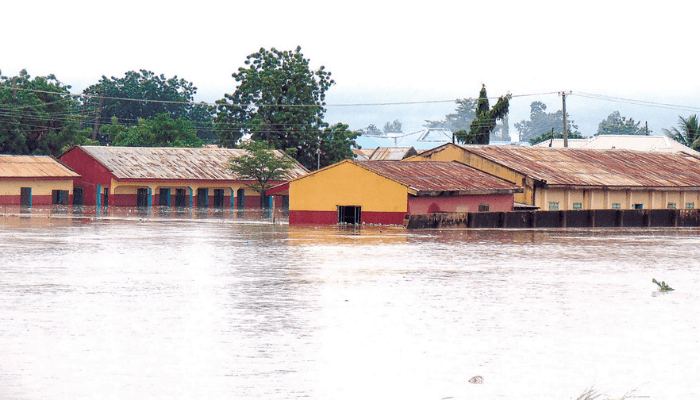
Flooding is deepening socio-economic losses across vulnerable communities in Edo State, disrupting businesses, destroying farms and household property, and cutting read more Flooding deepens Edo’s socio-economic losses as homes, businesses, farms suffer
Flooding is deepening socio-economic losses across vulnerable communities in Edo State, disrupting businesses, destroying farms and household property, and cutting residents off from schools, markets and other essential services. The latest incident in Enwan, Akoko-Edo Local Government Area, where the overflow of the Ojirami Dam flooded homes, businesses and roads, has again exposed the economic vulnerability of communities located around waterways and flood-prone areas. The flooding disrupted farming and commercial activities, while pupils were unable to attend school and motorists were prevented from using affected roads. An oil mill was destroyed, while poultry farmer Monday John said floodwaters killed 1,400 of his birds. John said the disaster had destroyed his means of livelihood and appealed to the government for assistance. Another resident, John Omaze, also reported the destruction of his palm oil mill and property, saying the flooding prevented residents from accessing their farms and disrupted children’s access to school. The Executive Secretary of the Edo State Emergency Management Agency (EDOSEMA), Jerry Idahosa, however, said the immediate threat posed by the overflowing dam had been curtailed after intervention. For traders and small business owners, the losses go beyond damaged goods. Flooded shops mean lost trading days, reduced customer traffic and additional spending on repairs, replacement of equipment and movement of goods. Osasu Kelly, a trader affected by the flooding, said the disaster had destroyed his business and appealed to the government for assistance. Another trader, Anayor Amos, also called for government intervention over the losses he suffered. The impact is equally severe for farmers, whose livelihoods depend on uninterrupted access to their farms and markets. Edosa Unity Henry, a farmer and youth leader of the All Farmers Association of Nigeria (AFAN), Edo State, said flooding could wipe out months of investment in crops and make it difficult for farmers to transport their produce to markets. “As a farmer in Edo State, flooding affects us in many ways. When the rain and flood come, we can lose crops, farmland and money that we have invested for months,” he said. Henry said the effect extended to farmers’ families because agricultural income was used to meet household needs, including school fees. “When the harvest is destroyed, we are left struggling financially. It also affects businesses because when farmers produce less, food becomes more expensive and traders and consumers are affected,” he said. The economic consequences are also being felt in Illushi, Esan South-East Local Government Area, where residents have appealed for assistance as rising water levels threaten the community. Residents said flooding had submerged large parts of the community and displaced some residents, with the traditional ruler, Christopher Ike Ikebodi, appealing to the federal and state governments to provide safer locations for affected residents to relocate. Ikebodi said about three-quarters of the community had been submerged, according to a report by The Sun. He appealed for government assistance to relocate residents to safer areas as the River Niger rises. For households, recurring flooding means repeated expenditure on damaged furniture, electrical appliances, buildings and other possessions. For transport operators, flooded roads increase the risk of vehicle damage, delays and higher operating costs. The burden is not limited to residents and businesses. Government also has to deploy resources for emergency response, evacuation, drainage rehabilitation, road repairs, relief materials and reconstruction when flooding damages public infrastructure. This makes flooding an increasingly important economic issue for Edo, particularly where the same communities and infrastructure are repeatedly exposed to flood risks. Read also: Anambra awards N398m presidential lodge remodel contract amid limited flood spending Prevention remains a challenge The Edo State Flood, Erosion and Watershed Management Agency (EdoFEWMA) has called for early intervention in erosion-prone areas, warning that smaller erosion sites could develop into major disasters if they are not addressed. Its Chief Executive Officer, Mohammed Okoyomoh, said the agency had identified major gullies across the state’s three senatorial districts and was working with experts and stakeholders to develop practical solutions to erosion and flooding. Okoyomoh said EDOFEWMA had completed more than 35 erosion-control designs across the state and was awaiting the end of the rains before commencing civil works on some of the projects. The state emergency management authorities have also continued to advise residents in vulnerable communities to take precautionary measures, while government agencies have identified blocked drainage channels, indiscriminate waste disposal and development on waterways among factors capable of worsening flooding. But environmental experts say the challenge requires more than emergency response. Godwin Uyi Ojo, executive director of the Sustainable Earth Development Foundation, said the recurring flooding was consistent with the growing impacts of climate change and warned that vulnerable communities would face greater risks without stronger adaptation and mitigation measures. Ojo described the situation as a failure of institutions to develop comprehensive plans capable of protecting lives, property and livelihoods from the effects of increasingly extreme weather. “What you are seeing right there is a failure of institutions, a failure of governance in putting in place a comprehensive plan to address the flooding which has devastated the environment and the people,” he said. He said poorly maintained drainage and sewage systems could further worsen the impact of flooding on homes, businesses and farmlands, while many small-scale farmers lack insurance protection against flood-related losses. “When people lose their homes, often there are no insurance. When farmers lose their farmlands, there is no insurance for them. It is like sentencing them to death when their farmlands come under inundation,” he said. For Edo, the recurring flooding is therefore becoming more than an environmental emergency. It is increasingly a threat to household incomes, agricultural production, business continuity, food security and private investment. The challenge for the government is not only to provide relief after floods occur, but to strengthen drainage, land-use planning, environmental enforcement and early-warning systems capable of reducing the economic losses suffered by communities each rainy season. Related News Kenya inflation rises for third month, clouding rate cut outlook Meet Fatima Ezzahra El Mansouri, the lawyer who rose from Marrakesh politics to Morocco’s top government post NDC raises alarm over alleged destruction of campaign billboards in Edo Share
The latest incident in Enwan, Akoko-Edo Local Government Area, where the overflow of the Ojirami Dam flooded homes, businesses and roads, has again exposed the economic vulnerability of communities located around waterways and flood-prone areas. The flooding disrupted farming and commercial activities, while pupils were unable to attend school and motorists were prevented from using affected roads. An oil mill was destroyed, while poultry farmer Monday John said floodwaters killed 1,400 of his birds. John said the disaster had destroyed his means of livelihood and appealed to the government for assistance. Another resident, John Omaze, also reported the destruction of his palm oil mill and property, saying the flooding prevented residents from accessing their farms and disrupted children’s access to school. The Executive Secretary of the Edo State Emergency Management Agency (EDOSEMA), Jerry Idahosa, however, said the immediate threat posed by the overflowing dam had been curtailed after intervention. For traders and small business owners, the losses go beyond damaged goods. Flooded shops mean lost trading days, reduced customer traffic and additional spending on repairs, replacement of equipment and movement of goods. Osasu Kelly, a trader affected by the flooding, said the disaster had destroyed his business and appealed to the government for assistance. Another trader, Anayor Amos, also called for government intervention over the losses he suffered. The impact is equally severe for farmers, whose livelihoods depend on uninterrupted access to their farms and markets. Edosa Unity Henry, a farmer and youth leader of the All Farmers Association of Nigeria (AFAN), Edo State, said flooding could wipe out months of investment in crops and make it difficult for farmers to transport their produce to markets. “As a farmer in Edo State, flooding affects us in many ways. When the rain and flood come, we can lose crops, farmland and money that we have invested for months,” he said. Henry said the effect extended to farmers’ families because agricultural income was used to meet household needs, including school fees. “When the harvest is destroyed, we are left struggling financially. It also affects businesses because when farmers produce less, food becomes more expensive and traders and consumers are affected,” he said. The economic consequences are also being felt in Illushi, Esan South-East Local Government Area, where residents have appealed for assistance as rising water levels threaten the community. Residents said flooding had submerged large parts of the community and displaced some residents, with the traditional ruler, Christopher Ike Ikebodi, appealing to the federal and state governments to provide safer locations for affected residents to relocate. Ikebodi said about three-quarters of the community had been submerged, according to a report by The Sun. He appealed for government assistance to relocate residents to safer areas as the River Niger rises. For households, recurring flooding means repeated expenditure on damaged furniture, electrical appliances, buildings and other possessions. For transport operators, flooded roads increase the risk of vehicle damage, delays and higher operating costs. The burden is not limited to residents and businesses. Government also has to deploy resources for emergency response, evacuation, drainage rehabilitation, road repairs, relief materials and reconstruction when flooding damages public infrastructure. This makes flooding an increasingly important economic issue for Edo, particularly where the same communities and infrastructure are repeatedly exposed to flood risks. Read also: Anambra awards N398m presidential lodge remodel contract amid limited flood spending Prevention remains a challenge The Edo State Flood, Erosion and Watershed Management Agency (EdoFEWMA) has called for early intervention in erosion-prone areas, warning that smaller erosion sites could develop into major disasters if they are not addressed. Its Chief Executive Officer, Mohammed Okoyomoh, said the agency had identified major gullies across the state’s three senatorial districts and was working with experts and stakeholders to develop practical solutions to erosion and flooding. Okoyomoh said EDOFEWMA had completed more than 35 erosion-control designs across the state and was awaiting the end of the rains before commencing civil works on some of the projects. The state emergency management authorities have also continued to advise residents in vulnerable communities to take precautionary measures, while government agencies have identified blocked drainage channels, indiscriminate waste disposal and development on waterways among factors capable of worsening flooding. But environmental experts say the challenge requires more than emergency response. Godwin Uyi Ojo, executive director of the Sustainable Earth Development Foundation, said the recurring flooding was consistent with the growing impacts of climate change and warned that vulnerable communities would face greater risks without stronger adaptation and mitigation measures. Ojo described the situation as a failure of institutions to develop comprehensive plans capable of protecting lives, property and livelihoods from the effects of increasingly extreme weather. “What you are seeing right there is a failure of institutions, a failure of governance in putting in place a comprehensive plan to address the flooding which has devastated the environment and the people,” he said. He said poorly maintained drainage and sewage systems could further worsen the impact of flooding on homes, businesses and farmlands, while many small-scale farmers lack insurance protection against flood-related losses. “When people lose their homes, often there are no insurance. When farmers lose their farmlands, there is no insurance for them. It is like sentencing them to death when their farmlands come under inundation,” he said. For Edo, the recurring flooding is therefore becoming more than an environmental emergency. It is increasingly a threat to household incomes, agricultural production, business continuity, food security and private investment. The challenge for the government is not only to provide relief after floods occur, but to strengthen drainage, land-use planning, environmental enforcement and early-warning systems capable of reducing the economic losses suffered by communities each rainy season. Related News Kenya inflation rises for third month, clouding rate cut outlook Meet Fatima Ezzahra El Mansouri, the lawyer who rose from Marrakesh politics to Morocco’s top government post NDC raises alarm over alleged destruction of campaign billboards in Edo Share
The flooding disrupted farming and commercial activities, while pupils were unable to attend school and motorists were prevented from using affected roads. An oil mill was destroyed, while poultry farmer Monday John said floodwaters killed 1,400 of his birds. John said the disaster had destroyed his means of livelihood and appealed to the government for assistance. Another resident, John Omaze, also reported the destruction of his palm oil mill and property, saying the flooding prevented residents from accessing their farms and disrupted children’s access to school. The Executive Secretary of the Edo State Emergency Management Agency (EDOSEMA), Jerry Idahosa, however, said the immediate threat posed by the overflowing dam had been curtailed after intervention. For traders and small business owners, the losses go beyond damaged goods. Flooded shops mean lost trading days, reduced customer traffic and additional spending on repairs, replacement of equipment and movement of goods. Osasu Kelly, a trader affected by the flooding, said the disaster had destroyed his business and appealed to the government for assistance. Another trader, Anayor Amos, also called for government intervention over the losses he suffered. The impact is equally severe for farmers, whose livelihoods depend on uninterrupted access to their farms and markets. Edosa Unity Henry, a farmer and youth leader of the All Farmers Association of Nigeria (AFAN), Edo State, said flooding could wipe out months of investment in crops and make it difficult for farmers to transport their produce to markets. “As a farmer in Edo State, flooding affects us in many ways. When the rain and flood come, we can lose crops, farmland and money that we have invested for months,” he said. Henry said the effect extended to farmers’ families because agricultural income was used to meet household needs, including school fees. “When the harvest is destroyed, we are left struggling financially. It also affects businesses because when farmers produce less, food becomes more expensive and traders and consumers are affected,” he said. The economic consequences are also being felt in Illushi, Esan South-East Local Government Area, where residents have appealed for assistance as rising water levels threaten the community. Residents said flooding had submerged large parts of the community and displaced some residents, with the traditional ruler, Christopher Ike Ikebodi, appealing to the federal and state governments to provide safer locations for affected residents to relocate. Ikebodi said about three-quarters of the community had been submerged, according to a report by The Sun. He appealed for government assistance to relocate residents to safer areas as the River Niger rises. For households, recurring flooding means repeated expenditure on damaged furniture, electrical appliances, buildings and other possessions. For transport operators, flooded roads increase the risk of vehicle damage, delays and higher operating costs. The burden is not limited to residents and businesses. Government also has to deploy resources for emergency response, evacuation, drainage rehabilitation, road repairs, relief materials and reconstruction when flooding damages public infrastructure. This makes flooding an increasingly important economic issue for Edo, particularly where the same communities and infrastructure are repeatedly exposed to flood risks. Read also: Anambra awards N398m presidential lodge remodel contract amid limited flood spending Prevention remains a challenge The Edo State Flood, Erosion and Watershed Management Agency (EdoFEWMA) has called for early intervention in erosion-prone areas, warning that smaller erosion sites could develop into major disasters if they are not addressed. Its Chief Executive Officer, Mohammed Okoyomoh, said the agency had identified major gullies across the state’s three senatorial districts and was working with experts and stakeholders to develop practical solutions to erosion and flooding. Okoyomoh said EDOFEWMA had completed more than 35 erosion-control designs across the state and was awaiting the end of the rains before commencing civil works on some of the projects. The state emergency management authorities have also continued to advise residents in vulnerable communities to take precautionary measures, while government agencies have identified blocked drainage channels, indiscriminate waste disposal and development on waterways among factors capable of worsening flooding. But environmental experts say the challenge requires more than emergency response. Godwin Uyi Ojo, executive director of the Sustainable Earth Development Foundation, said the recurring flooding was consistent with the growing impacts of climate change and warned that vulnerable communities would face greater risks without stronger adaptation and mitigation measures. Ojo described the situation as a failure of institutions to develop comprehensive plans capable of protecting lives, property and livelihoods from the effects of increasingly extreme weather. “What you are seeing right there is a failure of institutions, a failure of governance in putting in place a comprehensive plan to address the flooding which has devastated the environment and the people,” he said. He said poorly maintained drainage and sewage systems could further worsen the impact of flooding on homes, businesses and farmlands, while many small-scale farmers lack insurance protection against flood-related losses. “When people lose their homes, often there are no insurance. When farmers lose their farmlands, there is no insurance for them. It is like sentencing them to death when their farmlands come under inundation,” he said. For Edo, the recurring flooding is therefore becoming more than an environmental emergency. It is increasingly a threat to household incomes, agricultural production, business continuity, food security and private investment. The challenge for the government is not only to provide relief after floods occur, but to strengthen drainage, land-use planning, environmental enforcement and early-warning systems capable of reducing the economic losses suffered by communities each rainy season. Related News Kenya inflation rises for third month, clouding rate cut outlook Meet Fatima Ezzahra El Mansouri, the lawyer who rose from Marrakesh politics to Morocco’s top government post NDC raises alarm over alleged destruction of campaign billboards in Edo Share
John said the disaster had destroyed his means of livelihood and appealed to the government for assistance. Another resident, John Omaze, also reported the destruction of his palm oil mill and property, saying the flooding prevented residents from accessing their farms and disrupted children’s access to school. The Executive Secretary of the Edo State Emergency Management Agency (EDOSEMA), Jerry Idahosa, however, said the immediate threat posed by the overflowing dam had been curtailed after intervention. For traders and small business owners, the losses go beyond damaged goods. Flooded shops mean lost trading days, reduced customer traffic and additional spending on repairs, replacement of equipment and movement of goods. Osasu Kelly, a trader affected by the flooding, said the disaster had destroyed his business and appealed to the government for assistance. Another trader, Anayor Amos, also called for government intervention over the losses he suffered. The impact is equally severe for farmers, whose livelihoods depend on uninterrupted access to their farms and markets. Edosa Unity Henry, a farmer and youth leader of the All Farmers Association of Nigeria (AFAN), Edo State, said flooding could wipe out months of investment in crops and make it difficult for farmers to transport their produce to markets. “As a farmer in Edo State, flooding affects us in many ways. When the rain and flood come, we can lose crops, farmland and money that we have invested for months,” he said. Henry said the effect extended to farmers’ families because agricultural income was used to meet household needs, including school fees. “When the harvest is destroyed, we are left struggling financially. It also affects businesses because when farmers produce less, food becomes more expensive and traders and consumers are affected,” he said. The economic consequences are also being felt in Illushi, Esan South-East Local Government Area, where residents have appealed for assistance as rising water levels threaten the community. Residents said flooding had submerged large parts of the community and displaced some residents, with the traditional ruler, Christopher Ike Ikebodi, appealing to the federal and state governments to provide safer locations for affected residents to relocate. Ikebodi said about three-quarters of the community had been submerged, according to a report by The Sun. He appealed for government assistance to relocate residents to safer areas as the River Niger rises. For households, recurring flooding means repeated expenditure on damaged furniture, electrical appliances, buildings and other possessions. For transport operators, flooded roads increase the risk of vehicle damage, delays and higher operating costs. The burden is not limited to residents and businesses. Government also has to deploy resources for emergency response, evacuation, drainage rehabilitation, road repairs, relief materials and reconstruction when flooding damages public infrastructure. This makes flooding an increasingly important economic issue for Edo, particularly where the same communities and infrastructure are repeatedly exposed to flood risks. Read also: Anambra awards N398m presidential lodge remodel contract amid limited flood spending Prevention remains a challenge The Edo State Flood, Erosion and Watershed Management Agency (EdoFEWMA) has called for early intervention in erosion-prone areas, warning that smaller erosion sites could develop into major disasters if they are not addressed. Its Chief Executive Officer, Mohammed Okoyomoh, said the agency had identified major gullies across the state’s three senatorial districts and was working with experts and stakeholders to develop practical solutions to erosion and flooding. Okoyomoh said EDOFEWMA had completed more than 35 erosion-control designs across the state and was awaiting the end of the rains before commencing civil works on some of the projects. The state emergency management authorities have also continued to advise residents in vulnerable communities to take precautionary measures, while government agencies have identified blocked drainage channels, indiscriminate waste disposal and development on waterways among factors capable of worsening flooding. But environmental experts say the challenge requires more than emergency response. Godwin Uyi Ojo, executive director of the Sustainable Earth Development Foundation, said the recurring flooding was consistent with the growing impacts of climate change and warned that vulnerable communities would face greater risks without stronger adaptation and mitigation measures. Ojo described the situation as a failure of institutions to develop comprehensive plans capable of protecting lives, property and livelihoods from the effects of increasingly extreme weather. “What you are seeing right there is a failure of institutions, a failure of governance in putting in place a comprehensive plan to address the flooding which has devastated the environment and the people,” he said. He said poorly maintained drainage and sewage systems could further worsen the impact of flooding on homes, businesses and farmlands, while many small-scale farmers lack insurance protection against flood-related losses. “When people lose their homes, often there are no insurance. When farmers lose their farmlands, there is no insurance for them. It is like sentencing them to death when their farmlands come under inundation,” he said. For Edo, the recurring flooding is therefore becoming more than an environmental emergency. It is increasingly a threat to household incomes, agricultural production, business continuity, food security and private investment. The challenge for the government is not only to provide relief after floods occur, but to strengthen drainage, land-use planning, environmental enforcement and early-warning systems capable of reducing the economic losses suffered by communities each rainy season. Related News Kenya inflation rises for third month, clouding rate cut outlook Meet Fatima Ezzahra El Mansouri, the lawyer who rose from Marrakesh politics to Morocco’s top government post NDC raises alarm over alleged destruction of campaign billboards in Edo Share
Another resident, John Omaze, also reported the destruction of his palm oil mill and property, saying the flooding prevented residents from accessing their farms and disrupted children’s access to school. The Executive Secretary of the Edo State Emergency Management Agency (EDOSEMA), Jerry Idahosa, however, said the immediate threat posed by the overflowing dam had been curtailed after intervention. For traders and small business owners, the losses go beyond damaged goods. Flooded shops mean lost trading days, reduced customer traffic and additional spending on repairs, replacement of equipment and movement of goods. Osasu Kelly, a trader affected by the flooding, said the disaster had destroyed his business and appealed to the government for assistance. Another trader, Anayor Amos, also called for government intervention over the losses he suffered. The impact is equally severe for farmers, whose livelihoods depend on uninterrupted access to their farms and markets. Edosa Unity Henry, a farmer and youth leader of the All Farmers Association of Nigeria (AFAN), Edo State, said flooding could wipe out months of investment in crops and make it difficult for farmers to transport their produce to markets. “As a farmer in Edo State, flooding affects us in many ways. When the rain and flood come, we can lose crops, farmland and money that we have invested for months,” he said. Henry said the effect extended to farmers’ families because agricultural income was used to meet household needs, including school fees. “When the harvest is destroyed, we are left struggling financially. It also affects businesses because when farmers produce less, food becomes more expensive and traders and consumers are affected,” he said. The economic consequences are also being felt in Illushi, Esan South-East Local Government Area, where residents have appealed for assistance as rising water levels threaten the community. Residents said flooding had submerged large parts of the community and displaced some residents, with the traditional ruler, Christopher Ike Ikebodi, appealing to the federal and state governments to provide safer locations for affected residents to relocate. Ikebodi said about three-quarters of the community had been submerged, according to a report by The Sun. He appealed for government assistance to relocate residents to safer areas as the River Niger rises. For households, recurring flooding means repeated expenditure on damaged furniture, electrical appliances, buildings and other possessions. For transport operators, flooded roads increase the risk of vehicle damage, delays and higher operating costs. The burden is not limited to residents and businesses. Government also has to deploy resources for emergency response, evacuation, drainage rehabilitation, road repairs, relief materials and reconstruction when flooding damages public infrastructure. This makes flooding an increasingly important economic issue for Edo, particularly where the same communities and infrastructure are repeatedly exposed to flood risks. Read also: Anambra awards N398m presidential lodge remodel contract amid limited flood spending Prevention remains a challenge The Edo State Flood, Erosion and Watershed Management Agency (EdoFEWMA) has called for early intervention in erosion-prone areas, warning that smaller erosion sites could develop into major disasters if they are not addressed. Its Chief Executive Officer, Mohammed Okoyomoh, said the agency had identified major gullies across the state’s three senatorial districts and was working with experts and stakeholders to develop practical solutions to erosion and flooding. Okoyomoh said EDOFEWMA had completed more than 35 erosion-control designs across the state and was awaiting the end of the rains before commencing civil works on some of the projects. The state emergency management authorities have also continued to advise residents in vulnerable communities to take precautionary measures, while government agencies have identified blocked drainage channels, indiscriminate waste disposal and development on waterways among factors capable of worsening flooding. But environmental experts say the challenge requires more than emergency response. Godwin Uyi Ojo, executive director of the Sustainable Earth Development Foundation, said the recurring flooding was consistent with the growing impacts of climate change and warned that vulnerable communities would face greater risks without stronger adaptation and mitigation measures. Ojo described the situation as a failure of institutions to develop comprehensive plans capable of protecting lives, property and livelihoods from the effects of increasingly extreme weather. “What you are seeing right there is a failure of institutions, a failure of governance in putting in place a comprehensive plan to address the flooding which has devastated the environment and the people,” he said. He said poorly maintained drainage and sewage systems could further worsen the impact of flooding on homes, businesses and farmlands, while many small-scale farmers lack insurance protection against flood-related losses. “When people lose their homes, often there are no insurance. When farmers lose their farmlands, there is no insurance for them. It is like sentencing them to death when their farmlands come under inundation,” he said. For Edo, the recurring flooding is therefore becoming more than an environmental emergency. It is increasingly a threat to household incomes, agricultural production, business continuity, food security and private investment. The challenge for the government is not only to provide relief after floods occur, but to strengthen drainage, land-use planning, environmental enforcement and early-warning systems capable of reducing the economic losses suffered by communities each rainy season. Related News Kenya inflation rises for third month, clouding rate cut outlook Meet Fatima Ezzahra El Mansouri, the lawyer who rose from Marrakesh politics to Morocco’s top government post NDC raises alarm over alleged destruction of campaign billboards in Edo Share
The Executive Secretary of the Edo State Emergency Management Agency (EDOSEMA), Jerry Idahosa, however, said the immediate threat posed by the overflowing dam had been curtailed after intervention. For traders and small business owners, the losses go beyond damaged goods. Flooded shops mean lost trading days, reduced customer traffic and additional spending on repairs, replacement of equipment and movement of goods. Osasu Kelly, a trader affected by the flooding, said the disaster had destroyed his business and appealed to the government for assistance. Another trader, Anayor Amos, also called for government intervention over the losses he suffered. The impact is equally severe for farmers, whose livelihoods depend on uninterrupted access to their farms and markets. Edosa Unity Henry, a farmer and youth leader of the All Farmers Association of Nigeria (AFAN), Edo State, said flooding could wipe out months of investment in crops and make it difficult for farmers to transport their produce to markets. “As a farmer in Edo State, flooding affects us in many ways. When the rain and flood come, we can lose crops, farmland and money that we have invested for months,” he said. Henry said the effect extended to farmers’ families because agricultural income was used to meet household needs, including school fees. “When the harvest is destroyed, we are left struggling financially. It also affects businesses because when farmers produce less, food becomes more expensive and traders and consumers are affected,” he said. The economic consequences are also being felt in Illushi, Esan South-East Local Government Area, where residents have appealed for assistance as rising water levels threaten the community. Residents said flooding had submerged large parts of the community and displaced some residents, with the traditional ruler, Christopher Ike Ikebodi, appealing to the federal and state governments to provide safer locations for affected residents to relocate. Ikebodi said about three-quarters of the community had been submerged, according to a report by The Sun. He appealed for government assistance to relocate residents to safer areas as the River Niger rises. For households, recurring flooding means repeated expenditure on damaged furniture, electrical appliances, buildings and other possessions. For transport operators, flooded roads increase the risk of vehicle damage, delays and higher operating costs. The burden is not limited to residents and businesses. Government also has to deploy resources for emergency response, evacuation, drainage rehabilitation, road repairs, relief materials and reconstruction when flooding damages public infrastructure. This makes flooding an increasingly important economic issue for Edo, particularly where the same communities and infrastructure are repeatedly exposed to flood risks. Read also: Anambra awards N398m presidential lodge remodel contract amid limited flood spending Prevention remains a challenge The Edo State Flood, Erosion and Watershed Management Agency (EdoFEWMA) has called for early intervention in erosion-prone areas, warning that smaller erosion sites could develop into major disasters if they are not addressed. Its Chief Executive Officer, Mohammed Okoyomoh, said the agency had identified major gullies across the state’s three senatorial districts and was working with experts and stakeholders to develop practical solutions to erosion and flooding. Okoyomoh said EDOFEWMA had completed more than 35 erosion-control designs across the state and was awaiting the end of the rains before commencing civil works on some of the projects. The state emergency management authorities have also continued to advise residents in vulnerable communities to take precautionary measures, while government agencies have identified blocked drainage channels, indiscriminate waste disposal and development on waterways among factors capable of worsening flooding. But environmental experts say the challenge requires more than emergency response. Godwin Uyi Ojo, executive director of the Sustainable Earth Development Foundation, said the recurring flooding was consistent with the growing impacts of climate change and warned that vulnerable communities would face greater risks without stronger adaptation and mitigation measures. Ojo described the situation as a failure of institutions to develop comprehensive plans capable of protecting lives, property and livelihoods from the effects of increasingly extreme weather. “What you are seeing right there is a failure of institutions, a failure of governance in putting in place a comprehensive plan to address the flooding which has devastated the environment and the people,” he said. He said poorly maintained drainage and sewage systems could further worsen the impact of flooding on homes, businesses and farmlands, while many small-scale farmers lack insurance protection against flood-related losses. “When people lose their homes, often there are no insurance. When farmers lose their farmlands, there is no insurance for them. It is like sentencing them to death when their farmlands come under inundation,” he said. For Edo, the recurring flooding is therefore becoming more than an environmental emergency. It is increasingly a threat to household incomes, agricultural production, business continuity, food security and private investment. The challenge for the government is not only to provide relief after floods occur, but to strengthen drainage, land-use planning, environmental enforcement and early-warning systems capable of reducing the economic losses suffered by communities each rainy season. Related News Kenya inflation rises for third month, clouding rate cut outlook Meet Fatima Ezzahra El Mansouri, the lawyer who rose from Marrakesh politics to Morocco’s top government post NDC raises alarm over alleged destruction of campaign billboards in Edo Share
For traders and small business owners, the losses go beyond damaged goods. Flooded shops mean lost trading days, reduced customer traffic and additional spending on repairs, replacement of equipment and movement of goods. Osasu Kelly, a trader affected by the flooding, said the disaster had destroyed his business and appealed to the government for assistance. Another trader, Anayor Amos, also called for government intervention over the losses he suffered. The impact is equally severe for farmers, whose livelihoods depend on uninterrupted access to their farms and markets. Edosa Unity Henry, a farmer and youth leader of the All Farmers Association of Nigeria (AFAN), Edo State, said flooding could wipe out months of investment in crops and make it difficult for farmers to transport their produce to markets. “As a farmer in Edo State, flooding affects us in many ways. When the rain and flood come, we can lose crops, farmland and money that we have invested for months,” he said. Henry said the effect extended to farmers’ families because agricultural income was used to meet household needs, including school fees. “When the harvest is destroyed, we are left struggling financially. It also affects businesses because when farmers produce less, food becomes more expensive and traders and consumers are affected,” he said. The economic consequences are also being felt in Illushi, Esan South-East Local Government Area, where residents have appealed for assistance as rising water levels threaten the community. Residents said flooding had submerged large parts of the community and displaced some residents, with the traditional ruler, Christopher Ike Ikebodi, appealing to the federal and state governments to provide safer locations for affected residents to relocate. Ikebodi said about three-quarters of the community had been submerged, according to a report by The Sun. He appealed for government assistance to relocate residents to safer areas as the River Niger rises. For households, recurring flooding means repeated expenditure on damaged furniture, electrical appliances, buildings and other possessions. For transport operators, flooded roads increase the risk of vehicle damage, delays and higher operating costs. The burden is not limited to residents and businesses. Government also has to deploy resources for emergency response, evacuation, drainage rehabilitation, road repairs, relief materials and reconstruction when flooding damages public infrastructure. This makes flooding an increasingly important economic issue for Edo, particularly where the same communities and infrastructure are repeatedly exposed to flood risks. Read also: Anambra awards N398m presidential lodge remodel contract amid limited flood spending Prevention remains a challenge The Edo State Flood, Erosion and Watershed Management Agency (EdoFEWMA) has called for early intervention in erosion-prone areas, warning that smaller erosion sites could develop into major disasters if they are not addressed. Its Chief Executive Officer, Mohammed Okoyomoh, said the agency had identified major gullies across the state’s three senatorial districts and was working with experts and stakeholders to develop practical solutions to erosion and flooding. Okoyomoh said EDOFEWMA had completed more than 35 erosion-control designs across the state and was awaiting the end of the rains before commencing civil works on some of the projects. The state emergency management authorities have also continued to advise residents in vulnerable communities to take precautionary measures, while government agencies have identified blocked drainage channels, indiscriminate waste disposal and development on waterways among factors capable of worsening flooding. But environmental experts say the challenge requires more than emergency response. Godwin Uyi Ojo, executive director of the Sustainable Earth Development Foundation, said the recurring flooding was consistent with the growing impacts of climate change and warned that vulnerable communities would face greater risks without stronger adaptation and mitigation measures. Ojo described the situation as a failure of institutions to develop comprehensive plans capable of protecting lives, property and livelihoods from the effects of increasingly extreme weather. “What you are seeing right there is a failure of institutions, a failure of governance in putting in place a comprehensive plan to address the flooding which has devastated the environment and the people,” he said. He said poorly maintained drainage and sewage systems could further worsen the impact of flooding on homes, businesses and farmlands, while many small-scale farmers lack insurance protection against flood-related losses. “When people lose their homes, often there are no insurance. When farmers lose their farmlands, there is no insurance for them. It is like sentencing them to death when their farmlands come under inundation,” he said. For Edo, the recurring flooding is therefore becoming more than an environmental emergency. It is increasingly a threat to household incomes, agricultural production, business continuity, food security and private investment. The challenge for the government is not only to provide relief after floods occur, but to strengthen drainage, land-use planning, environmental enforcement and early-warning systems capable of reducing the economic losses suffered by communities each rainy season. Related News Kenya inflation rises for third month, clouding rate cut outlook Meet Fatima Ezzahra El Mansouri, the lawyer who rose from Marrakesh politics to Morocco’s top government post NDC raises alarm over alleged destruction of campaign billboards in Edo Share
Osasu Kelly, a trader affected by the flooding, said the disaster had destroyed his business and appealed to the government for assistance. Another trader, Anayor Amos, also called for government intervention over the losses he suffered. The impact is equally severe for farmers, whose livelihoods depend on uninterrupted access to their farms and markets. Edosa Unity Henry, a farmer and youth leader of the All Farmers Association of Nigeria (AFAN), Edo State, said flooding could wipe out months of investment in crops and make it difficult for farmers to transport their produce to markets. “As a farmer in Edo State, flooding affects us in many ways. When the rain and flood come, we can lose crops, farmland and money that we have invested for months,” he said. Henry said the effect extended to farmers’ families because agricultural income was used to meet household needs, including school fees. “When the harvest is destroyed, we are left struggling financially. It also affects businesses because when farmers produce less, food becomes more expensive and traders and consumers are affected,” he said. The economic consequences are also being felt in Illushi, Esan South-East Local Government Area, where residents have appealed for assistance as rising water levels threaten the community. Residents said flooding had submerged large parts of the community and displaced some residents, with the traditional ruler, Christopher Ike Ikebodi, appealing to the federal and state governments to provide safer locations for affected residents to relocate. Ikebodi said about three-quarters of the community had been submerged, according to a report by The Sun. He appealed for government assistance to relocate residents to safer areas as the River Niger rises. For households, recurring flooding means repeated expenditure on damaged furniture, electrical appliances, buildings and other possessions. For transport operators, flooded roads increase the risk of vehicle damage, delays and higher operating costs. The burden is not limited to residents and businesses. Government also has to deploy resources for emergency response, evacuation, drainage rehabilitation, road repairs, relief materials and reconstruction when flooding damages public infrastructure. This makes flooding an increasingly important economic issue for Edo, particularly where the same communities and infrastructure are repeatedly exposed to flood risks. Read also: Anambra awards N398m presidential lodge remodel contract amid limited flood spending Prevention remains a challenge The Edo State Flood, Erosion and Watershed Management Agency (EdoFEWMA) has called for early intervention in erosion-prone areas, warning that smaller erosion sites could develop into major disasters if they are not addressed. Its Chief Executive Officer, Mohammed Okoyomoh, said the agency had identified major gullies across the state’s three senatorial districts and was working with experts and stakeholders to develop practical solutions to erosion and flooding. Okoyomoh said EDOFEWMA had completed more than 35 erosion-control designs across the state and was awaiting the end of the rains before commencing civil works on some of the projects. The state emergency management authorities have also continued to advise residents in vulnerable communities to take precautionary measures, while government agencies have identified blocked drainage channels, indiscriminate waste disposal and development on waterways among factors capable of worsening flooding. But environmental experts say the challenge requires more than emergency response. Godwin Uyi Ojo, executive director of the Sustainable Earth Development Foundation, said the recurring flooding was consistent with the growing impacts of climate change and warned that vulnerable communities would face greater risks without stronger adaptation and mitigation measures. Ojo described the situation as a failure of institutions to develop comprehensive plans capable of protecting lives, property and livelihoods from the effects of increasingly extreme weather. “What you are seeing right there is a failure of institutions, a failure of governance in putting in place a comprehensive plan to address the flooding which has devastated the environment and the people,” he said. He said poorly maintained drainage and sewage systems could further worsen the impact of flooding on homes, businesses and farmlands, while many small-scale farmers lack insurance protection against flood-related losses. “When people lose their homes, often there are no insurance. When farmers lose their farmlands, there is no insurance for them. It is like sentencing them to death when their farmlands come under inundation,” he said. For Edo, the recurring flooding is therefore becoming more than an environmental emergency. It is increasingly a threat to household incomes, agricultural production, business continuity, food security and private investment. The challenge for the government is not only to provide relief after floods occur, but to strengthen drainage, land-use planning, environmental enforcement and early-warning systems capable of reducing the economic losses suffered by communities each rainy season. Related News Kenya inflation rises for third month, clouding rate cut outlook Meet Fatima Ezzahra El Mansouri, the lawyer who rose from Marrakesh politics to Morocco’s top government post NDC raises alarm over alleged destruction of campaign billboards in Edo Share
The impact is equally severe for farmers, whose livelihoods depend on uninterrupted access to their farms and markets. Edosa Unity Henry, a farmer and youth leader of the All Farmers Association of Nigeria (AFAN), Edo State, said flooding could wipe out months of investment in crops and make it difficult for farmers to transport their produce to markets. “As a farmer in Edo State, flooding affects us in many ways. When the rain and flood come, we can lose crops, farmland and money that we have invested for months,” he said. Henry said the effect extended to farmers’ families because agricultural income was used to meet household needs, including school fees. “When the harvest is destroyed, we are left struggling financially. It also affects businesses because when farmers produce less, food becomes more expensive and traders and consumers are affected,” he said. The economic consequences are also being felt in Illushi, Esan South-East Local Government Area, where residents have appealed for assistance as rising water levels threaten the community. Residents said flooding had submerged large parts of the community and displaced some residents, with the traditional ruler, Christopher Ike Ikebodi, appealing to the federal and state governments to provide safer locations for affected residents to relocate. Ikebodi said about three-quarters of the community had been submerged, according to a report by The Sun. He appealed for government assistance to relocate residents to safer areas as the River Niger rises. For households, recurring flooding means repeated expenditure on damaged furniture, electrical appliances, buildings and other possessions. For transport operators, flooded roads increase the risk of vehicle damage, delays and higher operating costs. The burden is not limited to residents and businesses. Government also has to deploy resources for emergency response, evacuation, drainage rehabilitation, road repairs, relief materials and reconstruction when flooding damages public infrastructure. This makes flooding an increasingly important economic issue for Edo, particularly where the same communities and infrastructure are repeatedly exposed to flood risks. Read also: Anambra awards N398m presidential lodge remodel contract amid limited flood spending Prevention remains a challenge The Edo State Flood, Erosion and Watershed Management Agency (EdoFEWMA) has called for early intervention in erosion-prone areas, warning that smaller erosion sites could develop into major disasters if they are not addressed. Its Chief Executive Officer, Mohammed Okoyomoh, said the agency had identified major gullies across the state’s three senatorial districts and was working with experts and stakeholders to develop practical solutions to erosion and flooding. Okoyomoh said EDOFEWMA had completed more than 35 erosion-control designs across the state and was awaiting the end of the rains before commencing civil works on some of the projects. The state emergency management authorities have also continued to advise residents in vulnerable communities to take precautionary measures, while government agencies have identified blocked drainage channels, indiscriminate waste disposal and development on waterways among factors capable of worsening flooding. But environmental experts say the challenge requires more than emergency response. Godwin Uyi Ojo, executive director of the Sustainable Earth Development Foundation, said the recurring flooding was consistent with the growing impacts of climate change and warned that vulnerable communities would face greater risks without stronger adaptation and mitigation measures. Ojo described the situation as a failure of institutions to develop comprehensive plans capable of protecting lives, property and livelihoods from the effects of increasingly extreme weather. “What you are seeing right there is a failure of institutions, a failure of governance in putting in place a comprehensive plan to address the flooding which has devastated the environment and the people,” he said. He said poorly maintained drainage and sewage systems could further worsen the impact of flooding on homes, businesses and farmlands, while many small-scale farmers lack insurance protection against flood-related losses. “When people lose their homes, often there are no insurance. When farmers lose their farmlands, there is no insurance for them. It is like sentencing them to death when their farmlands come under inundation,” he said. For Edo, the recurring flooding is therefore becoming more than an environmental emergency. It is increasingly a threat to household incomes, agricultural production, business continuity, food security and private investment. The challenge for the government is not only to provide relief after floods occur, but to strengthen drainage, land-use planning, environmental enforcement and early-warning systems capable of reducing the economic losses suffered by communities each rainy season. Related News Kenya inflation rises for third month, clouding rate cut outlook Meet Fatima Ezzahra El Mansouri, the lawyer who rose from Marrakesh politics to Morocco’s top government post NDC raises alarm over alleged destruction of campaign billboards in Edo Share
Edosa Unity Henry, a farmer and youth leader of the All Farmers Association of Nigeria (AFAN), Edo State, said flooding could wipe out months of investment in crops and make it difficult for farmers to transport their produce to markets. “As a farmer in Edo State, flooding affects us in many ways. When the rain and flood come, we can lose crops, farmland and money that we have invested for months,” he said. Henry said the effect extended to farmers’ families because agricultural income was used to meet household needs, including school fees. “When the harvest is destroyed, we are left struggling financially. It also affects businesses because when farmers produce less, food becomes more expensive and traders and consumers are affected,” he said. The economic consequences are also being felt in Illushi, Esan South-East Local Government Area, where residents have appealed for assistance as rising water levels threaten the community. Residents said flooding had submerged large parts of the community and displaced some residents, with the traditional ruler, Christopher Ike Ikebodi, appealing to the federal and state governments to provide safer locations for affected residents to relocate. Ikebodi said about three-quarters of the community had been submerged, according to a report by The Sun. He appealed for government assistance to relocate residents to safer areas as the River Niger rises. For households, recurring flooding means repeated expenditure on damaged furniture, electrical appliances, buildings and other possessions. For transport operators, flooded roads increase the risk of vehicle damage, delays and higher operating costs. The burden is not limited to residents and businesses. Government also has to deploy resources for emergency response, evacuation, drainage rehabilitation, road repairs, relief materials and reconstruction when flooding damages public infrastructure. This makes flooding an increasingly important economic issue for Edo, particularly where the same communities and infrastructure are repeatedly exposed to flood risks. Read also: Anambra awards N398m presidential lodge remodel contract amid limited flood spending Prevention remains a challenge The Edo State Flood, Erosion and Watershed Management Agency (EdoFEWMA) has called for early intervention in erosion-prone areas, warning that smaller erosion sites could develop into major disasters if they are not addressed. Its Chief Executive Officer, Mohammed Okoyomoh, said the agency had identified major gullies across the state’s three senatorial districts and was working with experts and stakeholders to develop practical solutions to erosion and flooding. Okoyomoh said EDOFEWMA had completed more than 35 erosion-control designs across the state and was awaiting the end of the rains before commencing civil works on some of the projects. The state emergency management authorities have also continued to advise residents in vulnerable communities to take precautionary measures, while government agencies have identified blocked drainage channels, indiscriminate waste disposal and development on waterways among factors capable of worsening flooding. But environmental experts say the challenge requires more than emergency response. Godwin Uyi Ojo, executive director of the Sustainable Earth Development Foundation, said the recurring flooding was consistent with the growing impacts of climate change and warned that vulnerable communities would face greater risks without stronger adaptation and mitigation measures. Ojo described the situation as a failure of institutions to develop comprehensive plans capable of protecting lives, property and livelihoods from the effects of increasingly extreme weather. “What you are seeing right there is a failure of institutions, a failure of governance in putting in place a comprehensive plan to address the flooding which has devastated the environment and the people,” he said. He said poorly maintained drainage and sewage systems could further worsen the impact of flooding on homes, businesses and farmlands, while many small-scale farmers lack insurance protection against flood-related losses. “When people lose their homes, often there are no insurance. When farmers lose their farmlands, there is no insurance for them. It is like sentencing them to death when their farmlands come under inundation,” he said. For Edo, the recurring flooding is therefore becoming more than an environmental emergency. It is increasingly a threat to household incomes, agricultural production, business continuity, food security and private investment. The challenge for the government is not only to provide relief after floods occur, but to strengthen drainage, land-use planning, environmental enforcement and early-warning systems capable of reducing the economic losses suffered by communities each rainy season. Related News Kenya inflation rises for third month, clouding rate cut outlook Meet Fatima Ezzahra El Mansouri, the lawyer who rose from Marrakesh politics to Morocco’s top government post NDC raises alarm over alleged destruction of campaign billboards in Edo Share
“As a farmer in Edo State, flooding affects us in many ways. When the rain and flood come, we can lose crops, farmland and money that we have invested for months,” he said. Henry said the effect extended to farmers’ families because agricultural income was used to meet household needs, including school fees. “When the harvest is destroyed, we are left struggling financially. It also affects businesses because when farmers produce less, food becomes more expensive and traders and consumers are affected,” he said. The economic consequences are also being felt in Illushi, Esan South-East Local Government Area, where residents have appealed for assistance as rising water levels threaten the community. Residents said flooding had submerged large parts of the community and displaced some residents, with the traditional ruler, Christopher Ike Ikebodi, appealing to the federal and state governments to provide safer locations for affected residents to relocate. Ikebodi said about three-quarters of the community had been submerged, according to a report by The Sun. He appealed for government assistance to relocate residents to safer areas as the River Niger rises. For households, recurring flooding means repeated expenditure on damaged furniture, electrical appliances, buildings and other possessions. For transport operators, flooded roads increase the risk of vehicle damage, delays and higher operating costs. The burden is not limited to residents and businesses. Government also has to deploy resources for emergency response, evacuation, drainage rehabilitation, road repairs, relief materials and reconstruction when flooding damages public infrastructure. This makes flooding an increasingly important economic issue for Edo, particularly where the same communities and infrastructure are repeatedly exposed to flood risks. Read also: Anambra awards N398m presidential lodge remodel contract amid limited flood spending Prevention remains a challenge The Edo State Flood, Erosion and Watershed Management Agency (EdoFEWMA) has called for early intervention in erosion-prone areas, warning that smaller erosion sites could develop into major disasters if they are not addressed. Its Chief Executive Officer, Mohammed Okoyomoh, said the agency had identified major gullies across the state’s three senatorial districts and was working with experts and stakeholders to develop practical solutions to erosion and flooding. Okoyomoh said EDOFEWMA had completed more than 35 erosion-control designs across the state and was awaiting the end of the rains before commencing civil works on some of the projects. The state emergency management authorities have also continued to advise residents in vulnerable communities to take precautionary measures, while government agencies have identified blocked drainage channels, indiscriminate waste disposal and development on waterways among factors capable of worsening flooding. But environmental experts say the challenge requires more than emergency response. Godwin Uyi Ojo, executive director of the Sustainable Earth Development Foundation, said the recurring flooding was consistent with the growing impacts of climate change and warned that vulnerable communities would face greater risks without stronger adaptation and mitigation measures. Ojo described the situation as a failure of institutions to develop comprehensive plans capable of protecting lives, property and livelihoods from the effects of increasingly extreme weather. “What you are seeing right there is a failure of institutions, a failure of governance in putting in place a comprehensive plan to address the flooding which has devastated the environment and the people,” he said. He said poorly maintained drainage and sewage systems could further worsen the impact of flooding on homes, businesses and farmlands, while many small-scale farmers lack insurance protection against flood-related losses. “When people lose their homes, often there are no insurance. When farmers lose their farmlands, there is no insurance for them. It is like sentencing them to death when their farmlands come under inundation,” he said. For Edo, the recurring flooding is therefore becoming more than an environmental emergency. It is increasingly a threat to household incomes, agricultural production, business continuity, food security and private investment. The challenge for the government is not only to provide relief after floods occur, but to strengthen drainage, land-use planning, environmental enforcement and early-warning systems capable of reducing the economic losses suffered by communities each rainy season. Related News Kenya inflation rises for third month, clouding rate cut outlook Meet Fatima Ezzahra El Mansouri, the lawyer who rose from Marrakesh politics to Morocco’s top government post NDC raises alarm over alleged destruction of campaign billboards in Edo Share
Henry said the effect extended to farmers’ families because agricultural income was used to meet household needs, including school fees. “When the harvest is destroyed, we are left struggling financially. It also affects businesses because when farmers produce less, food becomes more expensive and traders and consumers are affected,” he said. The economic consequences are also being felt in Illushi, Esan South-East Local Government Area, where residents have appealed for assistance as rising water levels threaten the community. Residents said flooding had submerged large parts of the community and displaced some residents, with the traditional ruler, Christopher Ike Ikebodi, appealing to the federal and state governments to provide safer locations for affected residents to relocate. Ikebodi said about three-quarters of the community had been submerged, according to a report by The Sun. He appealed for government assistance to relocate residents to safer areas as the River Niger rises. For households, recurring flooding means repeated expenditure on damaged furniture, electrical appliances, buildings and other possessions. For transport operators, flooded roads increase the risk of vehicle damage, delays and higher operating costs. The burden is not limited to residents and businesses. Government also has to deploy resources for emergency response, evacuation, drainage rehabilitation, road repairs, relief materials and reconstruction when flooding damages public infrastructure. This makes flooding an increasingly important economic issue for Edo, particularly where the same communities and infrastructure are repeatedly exposed to flood risks. Read also: Anambra awards N398m presidential lodge remodel contract amid limited flood spending Prevention remains a challenge The Edo State Flood, Erosion and Watershed Management Agency (EdoFEWMA) has called for early intervention in erosion-prone areas, warning that smaller erosion sites could develop into major disasters if they are not addressed. Its Chief Executive Officer, Mohammed Okoyomoh, said the agency had identified major gullies across the state’s three senatorial districts and was working with experts and stakeholders to develop practical solutions to erosion and flooding. Okoyomoh said EDOFEWMA had completed more than 35 erosion-control designs across the state and was awaiting the end of the rains before commencing civil works on some of the projects. The state emergency management authorities have also continued to advise residents in vulnerable communities to take precautionary measures, while government agencies have identified blocked drainage channels, indiscriminate waste disposal and development on waterways among factors capable of worsening flooding. But environmental experts say the challenge requires more than emergency response. Godwin Uyi Ojo, executive director of the Sustainable Earth Development Foundation, said the recurring flooding was consistent with the growing impacts of climate change and warned that vulnerable communities would face greater risks without stronger adaptation and mitigation measures. Ojo described the situation as a failure of institutions to develop comprehensive plans capable of protecting lives, property and livelihoods from the effects of increasingly extreme weather. “What you are seeing right there is a failure of institutions, a failure of governance in putting in place a comprehensive plan to address the flooding which has devastated the environment and the people,” he said. He said poorly maintained drainage and sewage systems could further worsen the impact of flooding on homes, businesses and farmlands, while many small-scale farmers lack insurance protection against flood-related losses. “When people lose their homes, often there are no insurance. When farmers lose their farmlands, there is no insurance for them. It is like sentencing them to death when their farmlands come under inundation,” he said. For Edo, the recurring flooding is therefore becoming more than an environmental emergency. It is increasingly a threat to household incomes, agricultural production, business continuity, food security and private investment. The challenge for the government is not only to provide relief after floods occur, but to strengthen drainage, land-use planning, environmental enforcement and early-warning systems capable of reducing the economic losses suffered by communities each rainy season. Related News Kenya inflation rises for third month, clouding rate cut outlook Meet Fatima Ezzahra El Mansouri, the lawyer who rose from Marrakesh politics to Morocco’s top government post NDC raises alarm over alleged destruction of campaign billboards in Edo Share
“When the harvest is destroyed, we are left struggling financially. It also affects businesses because when farmers produce less, food becomes more expensive and traders and consumers are affected,” he said. The economic consequences are also being felt in Illushi, Esan South-East Local Government Area, where residents have appealed for assistance as rising water levels threaten the community. Residents said flooding had submerged large parts of the community and displaced some residents, with the traditional ruler, Christopher Ike Ikebodi, appealing to the federal and state governments to provide safer locations for affected residents to relocate. Ikebodi said about three-quarters of the community had been submerged, according to a report by The Sun. He appealed for government assistance to relocate residents to safer areas as the River Niger rises. For households, recurring flooding means repeated expenditure on damaged furniture, electrical appliances, buildings and other possessions. For transport operators, flooded roads increase the risk of vehicle damage, delays and higher operating costs. The burden is not limited to residents and businesses. Government also has to deploy resources for emergency response, evacuation, drainage rehabilitation, road repairs, relief materials and reconstruction when flooding damages public infrastructure. This makes flooding an increasingly important economic issue for Edo, particularly where the same communities and infrastructure are repeatedly exposed to flood risks. Read also: Anambra awards N398m presidential lodge remodel contract amid limited flood spending Prevention remains a challenge The Edo State Flood, Erosion and Watershed Management Agency (EdoFEWMA) has called for early intervention in erosion-prone areas, warning that smaller erosion sites could develop into major disasters if they are not addressed. Its Chief Executive Officer, Mohammed Okoyomoh, said the agency had identified major gullies across the state’s three senatorial districts and was working with experts and stakeholders to develop practical solutions to erosion and flooding. Okoyomoh said EDOFEWMA had completed more than 35 erosion-control designs across the state and was awaiting the end of the rains before commencing civil works on some of the projects. The state emergency management authorities have also continued to advise residents in vulnerable communities to take precautionary measures, while government agencies have identified blocked drainage channels, indiscriminate waste disposal and development on waterways among factors capable of worsening flooding. But environmental experts say the challenge requires more than emergency response. Godwin Uyi Ojo, executive director of the Sustainable Earth Development Foundation, said the recurring flooding was consistent with the growing impacts of climate change and warned that vulnerable communities would face greater risks without stronger adaptation and mitigation measures. Ojo described the situation as a failure of institutions to develop comprehensive plans capable of protecting lives, property and livelihoods from the effects of increasingly extreme weather. “What you are seeing right there is a failure of institutions, a failure of governance in putting in place a comprehensive plan to address the flooding which has devastated the environment and the people,” he said. He said poorly maintained drainage and sewage systems could further worsen the impact of flooding on homes, businesses and farmlands, while many small-scale farmers lack insurance protection against flood-related losses. “When people lose their homes, often there are no insurance. When farmers lose their farmlands, there is no insurance for them. It is like sentencing them to death when their farmlands come under inundation,” he said. For Edo, the recurring flooding is therefore becoming more than an environmental emergency. It is increasingly a threat to household incomes, agricultural production, business continuity, food security and private investment. The challenge for the government is not only to provide relief after floods occur, but to strengthen drainage, land-use planning, environmental enforcement and early-warning systems capable of reducing the economic losses suffered by communities each rainy season. Related News Kenya inflation rises for third month, clouding rate cut outlook Meet Fatima Ezzahra El Mansouri, the lawyer who rose from Marrakesh politics to Morocco’s top government post NDC raises alarm over alleged destruction of campaign billboards in Edo Share
The economic consequences are also being felt in Illushi, Esan South-East Local Government Area, where residents have appealed for assistance as rising water levels threaten the community. Residents said flooding had submerged large parts of the community and displaced some residents, with the traditional ruler, Christopher Ike Ikebodi, appealing to the federal and state governments to provide safer locations for affected residents to relocate. Ikebodi said about three-quarters of the community had been submerged, according to a report by The Sun. He appealed for government assistance to relocate residents to safer areas as the River Niger rises. For households, recurring flooding means repeated expenditure on damaged furniture, electrical appliances, buildings and other possessions. For transport operators, flooded roads increase the risk of vehicle damage, delays and higher operating costs. The burden is not limited to residents and businesses. Government also has to deploy resources for emergency response, evacuation, drainage rehabilitation, road repairs, relief materials and reconstruction when flooding damages public infrastructure. This makes flooding an increasingly important economic issue for Edo, particularly where the same communities and infrastructure are repeatedly exposed to flood risks. Read also: Anambra awards N398m presidential lodge remodel contract amid limited flood spending Prevention remains a challenge The Edo State Flood, Erosion and Watershed Management Agency (EdoFEWMA) has called for early intervention in erosion-prone areas, warning that smaller erosion sites could develop into major disasters if they are not addressed. Its Chief Executive Officer, Mohammed Okoyomoh, said the agency had identified major gullies across the state’s three senatorial districts and was working with experts and stakeholders to develop practical solutions to erosion and flooding. Okoyomoh said EDOFEWMA had completed more than 35 erosion-control designs across the state and was awaiting the end of the rains before commencing civil works on some of the projects. The state emergency management authorities have also continued to advise residents in vulnerable communities to take precautionary measures, while government agencies have identified blocked drainage channels, indiscriminate waste disposal and development on waterways among factors capable of worsening flooding. But environmental experts say the challenge requires more than emergency response. Godwin Uyi Ojo, executive director of the Sustainable Earth Development Foundation, said the recurring flooding was consistent with the growing impacts of climate change and warned that vulnerable communities would face greater risks without stronger adaptation and mitigation measures. Ojo described the situation as a failure of institutions to develop comprehensive plans capable of protecting lives, property and livelihoods from the effects of increasingly extreme weather. “What you are seeing right there is a failure of institutions, a failure of governance in putting in place a comprehensive plan to address the flooding which has devastated the environment and the people,” he said. He said poorly maintained drainage and sewage systems could further worsen the impact of flooding on homes, businesses and farmlands, while many small-scale farmers lack insurance protection against flood-related losses. “When people lose their homes, often there are no insurance. When farmers lose their farmlands, there is no insurance for them. It is like sentencing them to death when their farmlands come under inundation,” he said. For Edo, the recurring flooding is therefore becoming more than an environmental emergency. It is increasingly a threat to household incomes, agricultural production, business continuity, food security and private investment. The challenge for the government is not only to provide relief after floods occur, but to strengthen drainage, land-use planning, environmental enforcement and early-warning systems capable of reducing the economic losses suffered by communities each rainy season. Related News Kenya inflation rises for third month, clouding rate cut outlook Meet Fatima Ezzahra El Mansouri, the lawyer who rose from Marrakesh politics to Morocco’s top government post NDC raises alarm over alleged destruction of campaign billboards in Edo Share
Residents said flooding had submerged large parts of the community and displaced some residents, with the traditional ruler, Christopher Ike Ikebodi, appealing to the federal and state governments to provide safer locations for affected residents to relocate. Ikebodi said about three-quarters of the community had been submerged, according to a report by The Sun. He appealed for government assistance to relocate residents to safer areas as the River Niger rises. For households, recurring flooding means repeated expenditure on damaged furniture, electrical appliances, buildings and other possessions. For transport operators, flooded roads increase the risk of vehicle damage, delays and higher operating costs. The burden is not limited to residents and businesses. Government also has to deploy resources for emergency response, evacuation, drainage rehabilitation, road repairs, relief materials and reconstruction when flooding damages public infrastructure. This makes flooding an increasingly important economic issue for Edo, particularly where the same communities and infrastructure are repeatedly exposed to flood risks. Read also: Anambra awards N398m presidential lodge remodel contract amid limited flood spending Prevention remains a challenge The Edo State Flood, Erosion and Watershed Management Agency (EdoFEWMA) has called for early intervention in erosion-prone areas, warning that smaller erosion sites could develop into major disasters if they are not addressed. Its Chief Executive Officer, Mohammed Okoyomoh, said the agency had identified major gullies across the state’s three senatorial districts and was working with experts and stakeholders to develop practical solutions to erosion and flooding. Okoyomoh said EDOFEWMA had completed more than 35 erosion-control designs across the state and was awaiting the end of the rains before commencing civil works on some of the projects. The state emergency management authorities have also continued to advise residents in vulnerable communities to take precautionary measures, while government agencies have identified blocked drainage channels, indiscriminate waste disposal and development on waterways among factors capable of worsening flooding. But environmental experts say the challenge requires more than emergency response. Godwin Uyi Ojo, executive director of the Sustainable Earth Development Foundation, said the recurring flooding was consistent with the growing impacts of climate change and warned that vulnerable communities would face greater risks without stronger adaptation and mitigation measures. Ojo described the situation as a failure of institutions to develop comprehensive plans capable of protecting lives, property and livelihoods from the effects of increasingly extreme weather. “What you are seeing right there is a failure of institutions, a failure of governance in putting in place a comprehensive plan to address the flooding which has devastated the environment and the people,” he said. He said poorly maintained drainage and sewage systems could further worsen the impact of flooding on homes, businesses and farmlands, while many small-scale farmers lack insurance protection against flood-related losses. “When people lose their homes, often there are no insurance. When farmers lose their farmlands, there is no insurance for them. It is like sentencing them to death when their farmlands come under inundation,” he said. For Edo, the recurring flooding is therefore becoming more than an environmental emergency. It is increasingly a threat to household incomes, agricultural production, business continuity, food security and private investment. The challenge for the government is not only to provide relief after floods occur, but to strengthen drainage, land-use planning, environmental enforcement and early-warning systems capable of reducing the economic losses suffered by communities each rainy season. Related News Kenya inflation rises for third month, clouding rate cut outlook Meet Fatima Ezzahra El Mansouri, the lawyer who rose from Marrakesh politics to Morocco’s top government post NDC raises alarm over alleged destruction of campaign billboards in Edo Share
Ikebodi said about three-quarters of the community had been submerged, according to a report by The Sun. He appealed for government assistance to relocate residents to safer areas as the River Niger rises. For households, recurring flooding means repeated expenditure on damaged furniture, electrical appliances, buildings and other possessions. For transport operators, flooded roads increase the risk of vehicle damage, delays and higher operating costs. The burden is not limited to residents and businesses. Government also has to deploy resources for emergency response, evacuation, drainage rehabilitation, road repairs, relief materials and reconstruction when flooding damages public infrastructure. This makes flooding an increasingly important economic issue for Edo, particularly where the same communities and infrastructure are repeatedly exposed to flood risks. Read also: Anambra awards N398m presidential lodge remodel contract amid limited flood spending Prevention remains a challenge The Edo State Flood, Erosion and Watershed Management Agency (EdoFEWMA) has called for early intervention in erosion-prone areas, warning that smaller erosion sites could develop into major disasters if they are not addressed. Its Chief Executive Officer, Mohammed Okoyomoh, said the agency had identified major gullies across the state’s three senatorial districts and was working with experts and stakeholders to develop practical solutions to erosion and flooding. Okoyomoh said EDOFEWMA had completed more than 35 erosion-control designs across the state and was awaiting the end of the rains before commencing civil works on some of the projects. The state emergency management authorities have also continued to advise residents in vulnerable communities to take precautionary measures, while government agencies have identified blocked drainage channels, indiscriminate waste disposal and development on waterways among factors capable of worsening flooding. But environmental experts say the challenge requires more than emergency response. Godwin Uyi Ojo, executive director of the Sustainable Earth Development Foundation, said the recurring flooding was consistent with the growing impacts of climate change and warned that vulnerable communities would face greater risks without stronger adaptation and mitigation measures. Ojo described the situation as a failure of institutions to develop comprehensive plans capable of protecting lives, property and livelihoods from the effects of increasingly extreme weather. “What you are seeing right there is a failure of institutions, a failure of governance in putting in place a comprehensive plan to address the flooding which has devastated the environment and the people,” he said. He said poorly maintained drainage and sewage systems could further worsen the impact of flooding on homes, businesses and farmlands, while many small-scale farmers lack insurance protection against flood-related losses. “When people lose their homes, often there are no insurance. When farmers lose their farmlands, there is no insurance for them. It is like sentencing them to death when their farmlands come under inundation,” he said. For Edo, the recurring flooding is therefore becoming more than an environmental emergency. It is increasingly a threat to household incomes, agricultural production, business continuity, food security and private investment. The challenge for the government is not only to provide relief after floods occur, but to strengthen drainage, land-use planning, environmental enforcement and early-warning systems capable of reducing the economic losses suffered by communities each rainy season. Related News Kenya inflation rises for third month, clouding rate cut outlook Meet Fatima Ezzahra El Mansouri, the lawyer who rose from Marrakesh politics to Morocco’s top government post NDC raises alarm over alleged destruction of campaign billboards in Edo Share
For households, recurring flooding means repeated expenditure on damaged furniture, electrical appliances, buildings and other possessions. For transport operators, flooded roads increase the risk of vehicle damage, delays and higher operating costs. The burden is not limited to residents and businesses. Government also has to deploy resources for emergency response, evacuation, drainage rehabilitation, road repairs, relief materials and reconstruction when flooding damages public infrastructure. This makes flooding an increasingly important economic issue for Edo, particularly where the same communities and infrastructure are repeatedly exposed to flood risks. Read also: Anambra awards N398m presidential lodge remodel contract amid limited flood spending Prevention remains a challenge The Edo State Flood, Erosion and Watershed Management Agency (EdoFEWMA) has called for early intervention in erosion-prone areas, warning that smaller erosion sites could develop into major disasters if they are not addressed. Its Chief Executive Officer, Mohammed Okoyomoh, said the agency had identified major gullies across the state’s three senatorial districts and was working with experts and stakeholders to develop practical solutions to erosion and flooding. Okoyomoh said EDOFEWMA had completed more than 35 erosion-control designs across the state and was awaiting the end of the rains before commencing civil works on some of the projects. The state emergency management authorities have also continued to advise residents in vulnerable communities to take precautionary measures, while government agencies have identified blocked drainage channels, indiscriminate waste disposal and development on waterways among factors capable of worsening flooding. But environmental experts say the challenge requires more than emergency response. Godwin Uyi Ojo, executive director of the Sustainable Earth Development Foundation, said the recurring flooding was consistent with the growing impacts of climate change and warned that vulnerable communities would face greater risks without stronger adaptation and mitigation measures. Ojo described the situation as a failure of institutions to develop comprehensive plans capable of protecting lives, property and livelihoods from the effects of increasingly extreme weather. “What you are seeing right there is a failure of institutions, a failure of governance in putting in place a comprehensive plan to address the flooding which has devastated the environment and the people,” he said. He said poorly maintained drainage and sewage systems could further worsen the impact of flooding on homes, businesses and farmlands, while many small-scale farmers lack insurance protection against flood-related losses. “When people lose their homes, often there are no insurance. When farmers lose their farmlands, there is no insurance for them. It is like sentencing them to death when their farmlands come under inundation,” he said. For Edo, the recurring flooding is therefore becoming more than an environmental emergency. It is increasingly a threat to household incomes, agricultural production, business continuity, food security and private investment. The challenge for the government is not only to provide relief after floods occur, but to strengthen drainage, land-use planning, environmental enforcement and early-warning systems capable of reducing the economic losses suffered by communities each rainy season. Related News Kenya inflation rises for third month, clouding rate cut outlook Meet Fatima Ezzahra El Mansouri, the lawyer who rose from Marrakesh politics to Morocco’s top government post NDC raises alarm over alleged destruction of campaign billboards in Edo Share
The burden is not limited to residents and businesses. Government also has to deploy resources for emergency response, evacuation, drainage rehabilitation, road repairs, relief materials and reconstruction when flooding damages public infrastructure. This makes flooding an increasingly important economic issue for Edo, particularly where the same communities and infrastructure are repeatedly exposed to flood risks. Read also: Anambra awards N398m presidential lodge remodel contract amid limited flood spending Prevention remains a challenge The Edo State Flood, Erosion and Watershed Management Agency (EdoFEWMA) has called for early intervention in erosion-prone areas, warning that smaller erosion sites could develop into major disasters if they are not addressed. Its Chief Executive Officer, Mohammed Okoyomoh, said the agency had identified major gullies across the state’s three senatorial districts and was working with experts and stakeholders to develop practical solutions to erosion and flooding. Okoyomoh said EDOFEWMA had completed more than 35 erosion-control designs across the state and was awaiting the end of the rains before commencing civil works on some of the projects. The state emergency management authorities have also continued to advise residents in vulnerable communities to take precautionary measures, while government agencies have identified blocked drainage channels, indiscriminate waste disposal and development on waterways among factors capable of worsening flooding. But environmental experts say the challenge requires more than emergency response. Godwin Uyi Ojo, executive director of the Sustainable Earth Development Foundation, said the recurring flooding was consistent with the growing impacts of climate change and warned that vulnerable communities would face greater risks without stronger adaptation and mitigation measures. Ojo described the situation as a failure of institutions to develop comprehensive plans capable of protecting lives, property and livelihoods from the effects of increasingly extreme weather. “What you are seeing right there is a failure of institutions, a failure of governance in putting in place a comprehensive plan to address the flooding which has devastated the environment and the people,” he said. He said poorly maintained drainage and sewage systems could further worsen the impact of flooding on homes, businesses and farmlands, while many small-scale farmers lack insurance protection against flood-related losses. “When people lose their homes, often there are no insurance. When farmers lose their farmlands, there is no insurance for them. It is like sentencing them to death when their farmlands come under inundation,” he said. For Edo, the recurring flooding is therefore becoming more than an environmental emergency. It is increasingly a threat to household incomes, agricultural production, business continuity, food security and private investment. The challenge for the government is not only to provide relief after floods occur, but to strengthen drainage, land-use planning, environmental enforcement and early-warning systems capable of reducing the economic losses suffered by communities each rainy season. Related News Kenya inflation rises for third month, clouding rate cut outlook Meet Fatima Ezzahra El Mansouri, the lawyer who rose from Marrakesh politics to Morocco’s top government post NDC raises alarm over alleged destruction of campaign billboards in Edo Share
This makes flooding an increasingly important economic issue for Edo, particularly where the same communities and infrastructure are repeatedly exposed to flood risks. Read also: Anambra awards N398m presidential lodge remodel contract amid limited flood spending Prevention remains a challenge The Edo State Flood, Erosion and Watershed Management Agency (EdoFEWMA) has called for early intervention in erosion-prone areas, warning that smaller erosion sites could develop into major disasters if they are not addressed. Its Chief Executive Officer, Mohammed Okoyomoh, said the agency had identified major gullies across the state’s three senatorial districts and was working with experts and stakeholders to develop practical solutions to erosion and flooding. Okoyomoh said EDOFEWMA had completed more than 35 erosion-control designs across the state and was awaiting the end of the rains before commencing civil works on some of the projects. The state emergency management authorities have also continued to advise residents in vulnerable communities to take precautionary measures, while government agencies have identified blocked drainage channels, indiscriminate waste disposal and development on waterways among factors capable of worsening flooding. But environmental experts say the challenge requires more than emergency response. Godwin Uyi Ojo, executive director of the Sustainable Earth Development Foundation, said the recurring flooding was consistent with the growing impacts of climate change and warned that vulnerable communities would face greater risks without stronger adaptation and mitigation measures. Ojo described the situation as a failure of institutions to develop comprehensive plans capable of protecting lives, property and livelihoods from the effects of increasingly extreme weather. “What you are seeing right there is a failure of institutions, a failure of governance in putting in place a comprehensive plan to address the flooding which has devastated the environment and the people,” he said. He said poorly maintained drainage and sewage systems could further worsen the impact of flooding on homes, businesses and farmlands, while many small-scale farmers lack insurance protection against flood-related losses. “When people lose their homes, often there are no insurance. When farmers lose their farmlands, there is no insurance for them. It is like sentencing them to death when their farmlands come under inundation,” he said. For Edo, the recurring flooding is therefore becoming more than an environmental emergency. It is increasingly a threat to household incomes, agricultural production, business continuity, food security and private investment. The challenge for the government is not only to provide relief after floods occur, but to strengthen drainage, land-use planning, environmental enforcement and early-warning systems capable of reducing the economic losses suffered by communities each rainy season. Related News Kenya inflation rises for third month, clouding rate cut outlook Meet Fatima Ezzahra El Mansouri, the lawyer who rose from Marrakesh politics to Morocco’s top government post NDC raises alarm over alleged destruction of campaign billboards in Edo Share
Read also: Anambra awards N398m presidential lodge remodel contract amid limited flood spending Prevention remains a challenge The Edo State Flood, Erosion and Watershed Management Agency (EdoFEWMA) has called for early intervention in erosion-prone areas, warning that smaller erosion sites could develop into major disasters if they are not addressed. Its Chief Executive Officer, Mohammed Okoyomoh, said the agency had identified major gullies across the state’s three senatorial districts and was working with experts and stakeholders to develop practical solutions to erosion and flooding. Okoyomoh said EDOFEWMA had completed more than 35 erosion-control designs across the state and was awaiting the end of the rains before commencing civil works on some of the projects. The state emergency management authorities have also continued to advise residents in vulnerable communities to take precautionary measures, while government agencies have identified blocked drainage channels, indiscriminate waste disposal and development on waterways among factors capable of worsening flooding. But environmental experts say the challenge requires more than emergency response. Godwin Uyi Ojo, executive director of the Sustainable Earth Development Foundation, said the recurring flooding was consistent with the growing impacts of climate change and warned that vulnerable communities would face greater risks without stronger adaptation and mitigation measures. Ojo described the situation as a failure of institutions to develop comprehensive plans capable of protecting lives, property and livelihoods from the effects of increasingly extreme weather. “What you are seeing right there is a failure of institutions, a failure of governance in putting in place a comprehensive plan to address the flooding which has devastated the environment and the people,” he said. He said poorly maintained drainage and sewage systems could further worsen the impact of flooding on homes, businesses and farmlands, while many small-scale farmers lack insurance protection against flood-related losses. “When people lose their homes, often there are no insurance. When farmers lose their farmlands, there is no insurance for them. It is like sentencing them to death when their farmlands come under inundation,” he said. For Edo, the recurring flooding is therefore becoming more than an environmental emergency. It is increasingly a threat to household incomes, agricultural production, business continuity, food security and private investment. The challenge for the government is not only to provide relief after floods occur, but to strengthen drainage, land-use planning, environmental enforcement and early-warning systems capable of reducing the economic losses suffered by communities each rainy season. Related News Kenya inflation rises for third month, clouding rate cut outlook Meet Fatima Ezzahra El Mansouri, the lawyer who rose from Marrakesh politics to Morocco’s top government post NDC raises alarm over alleged destruction of campaign billboards in Edo Share
Prevention remains a challenge The Edo State Flood, Erosion and Watershed Management Agency (EdoFEWMA) has called for early intervention in erosion-prone areas, warning that smaller erosion sites could develop into major disasters if they are not addressed. Its Chief Executive Officer, Mohammed Okoyomoh, said the agency had identified major gullies across the state’s three senatorial districts and was working with experts and stakeholders to develop practical solutions to erosion and flooding. Okoyomoh said EDOFEWMA had completed more than 35 erosion-control designs across the state and was awaiting the end of the rains before commencing civil works on some of the projects. The state emergency management authorities have also continued to advise residents in vulnerable communities to take precautionary measures, while government agencies have identified blocked drainage channels, indiscriminate waste disposal and development on waterways among factors capable of worsening flooding. But environmental experts say the challenge requires more than emergency response. Godwin Uyi Ojo, executive director of the Sustainable Earth Development Foundation, said the recurring flooding was consistent with the growing impacts of climate change and warned that vulnerable communities would face greater risks without stronger adaptation and mitigation measures. Ojo described the situation as a failure of institutions to develop comprehensive plans capable of protecting lives, property and livelihoods from the effects of increasingly extreme weather. “What you are seeing right there is a failure of institutions, a failure of governance in putting in place a comprehensive plan to address the flooding which has devastated the environment and the people,” he said. He said poorly maintained drainage and sewage systems could further worsen the impact of flooding on homes, businesses and farmlands, while many small-scale farmers lack insurance protection against flood-related losses. “When people lose their homes, often there are no insurance. When farmers lose their farmlands, there is no insurance for them. It is like sentencing them to death when their farmlands come under inundation,” he said. For Edo, the recurring flooding is therefore becoming more than an environmental emergency. It is increasingly a threat to household incomes, agricultural production, business continuity, food security and private investment. The challenge for the government is not only to provide relief after floods occur, but to strengthen drainage, land-use planning, environmental enforcement and early-warning systems capable of reducing the economic losses suffered by communities each rainy season. Related News Kenya inflation rises for third month, clouding rate cut outlook Meet Fatima Ezzahra El Mansouri, the lawyer who rose from Marrakesh politics to Morocco’s top government post NDC raises alarm over alleged destruction of campaign billboards in Edo Share
The Edo State Flood, Erosion and Watershed Management Agency (EdoFEWMA) has called for early intervention in erosion-prone areas, warning that smaller erosion sites could develop into major disasters if they are not addressed. Its Chief Executive Officer, Mohammed Okoyomoh, said the agency had identified major gullies across the state’s three senatorial districts and was working with experts and stakeholders to develop practical solutions to erosion and flooding. Okoyomoh said EDOFEWMA had completed more than 35 erosion-control designs across the state and was awaiting the end of the rains before commencing civil works on some of the projects. The state emergency management authorities have also continued to advise residents in vulnerable communities to take precautionary measures, while government agencies have identified blocked drainage channels, indiscriminate waste disposal and development on waterways among factors capable of worsening flooding. But environmental experts say the challenge requires more than emergency response. Godwin Uyi Ojo, executive director of the Sustainable Earth Development Foundation, said the recurring flooding was consistent with the growing impacts of climate change and warned that vulnerable communities would face greater risks without stronger adaptation and mitigation measures. Ojo described the situation as a failure of institutions to develop comprehensive plans capable of protecting lives, property and livelihoods from the effects of increasingly extreme weather. “What you are seeing right there is a failure of institutions, a failure of governance in putting in place a comprehensive plan to address the flooding which has devastated the environment and the people,” he said. He said poorly maintained drainage and sewage systems could further worsen the impact of flooding on homes, businesses and farmlands, while many small-scale farmers lack insurance protection against flood-related losses. “When people lose their homes, often there are no insurance. When farmers lose their farmlands, there is no insurance for them. It is like sentencing them to death when their farmlands come under inundation,” he said. For Edo, the recurring flooding is therefore becoming more than an environmental emergency. It is increasingly a threat to household incomes, agricultural production, business continuity, food security and private investment. The challenge for the government is not only to provide relief after floods occur, but to strengthen drainage, land-use planning, environmental enforcement and early-warning systems capable of reducing the economic losses suffered by communities each rainy season. Related News Kenya inflation rises for third month, clouding rate cut outlook Meet Fatima Ezzahra El Mansouri, the lawyer who rose from Marrakesh politics to Morocco’s top government post NDC raises alarm over alleged destruction of campaign billboards in Edo Share
Its Chief Executive Officer, Mohammed Okoyomoh, said the agency had identified major gullies across the state’s three senatorial districts and was working with experts and stakeholders to develop practical solutions to erosion and flooding. Okoyomoh said EDOFEWMA had completed more than 35 erosion-control designs across the state and was awaiting the end of the rains before commencing civil works on some of the projects. The state emergency management authorities have also continued to advise residents in vulnerable communities to take precautionary measures, while government agencies have identified blocked drainage channels, indiscriminate waste disposal and development on waterways among factors capable of worsening flooding. But environmental experts say the challenge requires more than emergency response. Godwin Uyi Ojo, executive director of the Sustainable Earth Development Foundation, said the recurring flooding was consistent with the growing impacts of climate change and warned that vulnerable communities would face greater risks without stronger adaptation and mitigation measures. Ojo described the situation as a failure of institutions to develop comprehensive plans capable of protecting lives, property and livelihoods from the effects of increasingly extreme weather. “What you are seeing right there is a failure of institutions, a failure of governance in putting in place a comprehensive plan to address the flooding which has devastated the environment and the people,” he said. He said poorly maintained drainage and sewage systems could further worsen the impact of flooding on homes, businesses and farmlands, while many small-scale farmers lack insurance protection against flood-related losses. “When people lose their homes, often there are no insurance. When farmers lose their farmlands, there is no insurance for them. It is like sentencing them to death when their farmlands come under inundation,” he said. For Edo, the recurring flooding is therefore becoming more than an environmental emergency. It is increasingly a threat to household incomes, agricultural production, business continuity, food security and private investment. The challenge for the government is not only to provide relief after floods occur, but to strengthen drainage, land-use planning, environmental enforcement and early-warning systems capable of reducing the economic losses suffered by communities each rainy season. Related News Kenya inflation rises for third month, clouding rate cut outlook Meet Fatima Ezzahra El Mansouri, the lawyer who rose from Marrakesh politics to Morocco’s top government post NDC raises alarm over alleged destruction of campaign billboards in Edo Share
Okoyomoh said EDOFEWMA had completed more than 35 erosion-control designs across the state and was awaiting the end of the rains before commencing civil works on some of the projects. The state emergency management authorities have also continued to advise residents in vulnerable communities to take precautionary measures, while government agencies have identified blocked drainage channels, indiscriminate waste disposal and development on waterways among factors capable of worsening flooding. But environmental experts say the challenge requires more than emergency response. Godwin Uyi Ojo, executive director of the Sustainable Earth Development Foundation, said the recurring flooding was consistent with the growing impacts of climate change and warned that vulnerable communities would face greater risks without stronger adaptation and mitigation measures. Ojo described the situation as a failure of institutions to develop comprehensive plans capable of protecting lives, property and livelihoods from the effects of increasingly extreme weather. “What you are seeing right there is a failure of institutions, a failure of governance in putting in place a comprehensive plan to address the flooding which has devastated the environment and the people,” he said. He said poorly maintained drainage and sewage systems could further worsen the impact of flooding on homes, businesses and farmlands, while many small-scale farmers lack insurance protection against flood-related losses. “When people lose their homes, often there are no insurance. When farmers lose their farmlands, there is no insurance for them. It is like sentencing them to death when their farmlands come under inundation,” he said. For Edo, the recurring flooding is therefore becoming more than an environmental emergency. It is increasingly a threat to household incomes, agricultural production, business continuity, food security and private investment. The challenge for the government is not only to provide relief after floods occur, but to strengthen drainage, land-use planning, environmental enforcement and early-warning systems capable of reducing the economic losses suffered by communities each rainy season. Related News Kenya inflation rises for third month, clouding rate cut outlook Meet Fatima Ezzahra El Mansouri, the lawyer who rose from Marrakesh politics to Morocco’s top government post NDC raises alarm over alleged destruction of campaign billboards in Edo Share
The state emergency management authorities have also continued to advise residents in vulnerable communities to take precautionary measures, while government agencies have identified blocked drainage channels, indiscriminate waste disposal and development on waterways among factors capable of worsening flooding. But environmental experts say the challenge requires more than emergency response. Godwin Uyi Ojo, executive director of the Sustainable Earth Development Foundation, said the recurring flooding was consistent with the growing impacts of climate change and warned that vulnerable communities would face greater risks without stronger adaptation and mitigation measures. Ojo described the situation as a failure of institutions to develop comprehensive plans capable of protecting lives, property and livelihoods from the effects of increasingly extreme weather. “What you are seeing right there is a failure of institutions, a failure of governance in putting in place a comprehensive plan to address the flooding which has devastated the environment and the people,” he said. He said poorly maintained drainage and sewage systems could further worsen the impact of flooding on homes, businesses and farmlands, while many small-scale farmers lack insurance protection against flood-related losses. “When people lose their homes, often there are no insurance. When farmers lose their farmlands, there is no insurance for them. It is like sentencing them to death when their farmlands come under inundation,” he said. For Edo, the recurring flooding is therefore becoming more than an environmental emergency. It is increasingly a threat to household incomes, agricultural production, business continuity, food security and private investment. The challenge for the government is not only to provide relief after floods occur, but to strengthen drainage, land-use planning, environmental enforcement and early-warning systems capable of reducing the economic losses suffered by communities each rainy season. Related News Kenya inflation rises for third month, clouding rate cut outlook Meet Fatima Ezzahra El Mansouri, the lawyer who rose from Marrakesh politics to Morocco’s top government post NDC raises alarm over alleged destruction of campaign billboards in Edo Share
But environmental experts say the challenge requires more than emergency response. Godwin Uyi Ojo, executive director of the Sustainable Earth Development Foundation, said the recurring flooding was consistent with the growing impacts of climate change and warned that vulnerable communities would face greater risks without stronger adaptation and mitigation measures. Ojo described the situation as a failure of institutions to develop comprehensive plans capable of protecting lives, property and livelihoods from the effects of increasingly extreme weather. “What you are seeing right there is a failure of institutions, a failure of governance in putting in place a comprehensive plan to address the flooding which has devastated the environment and the people,” he said. He said poorly maintained drainage and sewage systems could further worsen the impact of flooding on homes, businesses and farmlands, while many small-scale farmers lack insurance protection against flood-related losses. “When people lose their homes, often there are no insurance. When farmers lose their farmlands, there is no insurance for them. It is like sentencing them to death when their farmlands come under inundation,” he said. For Edo, the recurring flooding is therefore becoming more than an environmental emergency. It is increasingly a threat to household incomes, agricultural production, business continuity, food security and private investment. The challenge for the government is not only to provide relief after floods occur, but to strengthen drainage, land-use planning, environmental enforcement and early-warning systems capable of reducing the economic losses suffered by communities each rainy season. Related News Kenya inflation rises for third month, clouding rate cut outlook Meet Fatima Ezzahra El Mansouri, the lawyer who rose from Marrakesh politics to Morocco’s top government post NDC raises alarm over alleged destruction of campaign billboards in Edo Share
Godwin Uyi Ojo, executive director of the Sustainable Earth Development Foundation, said the recurring flooding was consistent with the growing impacts of climate change and warned that vulnerable communities would face greater risks without stronger adaptation and mitigation measures. Ojo described the situation as a failure of institutions to develop comprehensive plans capable of protecting lives, property and livelihoods from the effects of increasingly extreme weather. “What you are seeing right there is a failure of institutions, a failure of governance in putting in place a comprehensive plan to address the flooding which has devastated the environment and the people,” he said. He said poorly maintained drainage and sewage systems could further worsen the impact of flooding on homes, businesses and farmlands, while many small-scale farmers lack insurance protection against flood-related losses. “When people lose their homes, often there are no insurance. When farmers lose their farmlands, there is no insurance for them. It is like sentencing them to death when their farmlands come under inundation,” he said. For Edo, the recurring flooding is therefore becoming more than an environmental emergency. It is increasingly a threat to household incomes, agricultural production, business continuity, food security and private investment. The challenge for the government is not only to provide relief after floods occur, but to strengthen drainage, land-use planning, environmental enforcement and early-warning systems capable of reducing the economic losses suffered by communities each rainy season. Related News Kenya inflation rises for third month, clouding rate cut outlook Meet Fatima Ezzahra El Mansouri, the lawyer who rose from Marrakesh politics to Morocco’s top government post NDC raises alarm over alleged destruction of campaign billboards in Edo Share
Ojo described the situation as a failure of institutions to develop comprehensive plans capable of protecting lives, property and livelihoods from the effects of increasingly extreme weather. “What you are seeing right there is a failure of institutions, a failure of governance in putting in place a comprehensive plan to address the flooding which has devastated the environment and the people,” he said. He said poorly maintained drainage and sewage systems could further worsen the impact of flooding on homes, businesses and farmlands, while many small-scale farmers lack insurance protection against flood-related losses. “When people lose their homes, often there are no insurance. When farmers lose their farmlands, there is no insurance for them. It is like sentencing them to death when their farmlands come under inundation,” he said. For Edo, the recurring flooding is therefore becoming more than an environmental emergency. It is increasingly a threat to household incomes, agricultural production, business continuity, food security and private investment. The challenge for the government is not only to provide relief after floods occur, but to strengthen drainage, land-use planning, environmental enforcement and early-warning systems capable of reducing the economic losses suffered by communities each rainy season. Related News Kenya inflation rises for third month, clouding rate cut outlook Meet Fatima Ezzahra El Mansouri, the lawyer who rose from Marrakesh politics to Morocco’s top government post NDC raises alarm over alleged destruction of campaign billboards in Edo Share
“What you are seeing right there is a failure of institutions, a failure of governance in putting in place a comprehensive plan to address the flooding which has devastated the environment and the people,” he said. He said poorly maintained drainage and sewage systems could further worsen the impact of flooding on homes, businesses and farmlands, while many small-scale farmers lack insurance protection against flood-related losses. “When people lose their homes, often there are no insurance. When farmers lose their farmlands, there is no insurance for them. It is like sentencing them to death when their farmlands come under inundation,” he said. For Edo, the recurring flooding is therefore becoming more than an environmental emergency. It is increasingly a threat to household incomes, agricultural production, business continuity, food security and private investment. The challenge for the government is not only to provide relief after floods occur, but to strengthen drainage, land-use planning, environmental enforcement and early-warning systems capable of reducing the economic losses suffered by communities each rainy season. Related News Kenya inflation rises for third month, clouding rate cut outlook Meet Fatima Ezzahra El Mansouri, the lawyer who rose from Marrakesh politics to Morocco’s top government post NDC raises alarm over alleged destruction of campaign billboards in Edo Share
He said poorly maintained drainage and sewage systems could further worsen the impact of flooding on homes, businesses and farmlands, while many small-scale farmers lack insurance protection against flood-related losses. “When people lose their homes, often there are no insurance. When farmers lose their farmlands, there is no insurance for them. It is like sentencing them to death when their farmlands come under inundation,” he said. For Edo, the recurring flooding is therefore becoming more than an environmental emergency. It is increasingly a threat to household incomes, agricultural production, business continuity, food security and private investment. The challenge for the government is not only to provide relief after floods occur, but to strengthen drainage, land-use planning, environmental enforcement and early-warning systems capable of reducing the economic losses suffered by communities each rainy season. Related News Kenya inflation rises for third month, clouding rate cut outlook Meet Fatima Ezzahra El Mansouri, the lawyer who rose from Marrakesh politics to Morocco’s top government post NDC raises alarm over alleged destruction of campaign billboards in Edo Share
“When people lose their homes, often there are no insurance. When farmers lose their farmlands, there is no insurance for them. It is like sentencing them to death when their farmlands come under inundation,” he said. For Edo, the recurring flooding is therefore becoming more than an environmental emergency. It is increasingly a threat to household incomes, agricultural production, business continuity, food security and private investment. The challenge for the government is not only to provide relief after floods occur, but to strengthen drainage, land-use planning, environmental enforcement and early-warning systems capable of reducing the economic losses suffered by communities each rainy season. Related News Kenya inflation rises for third month, clouding rate cut outlook Meet Fatima Ezzahra El Mansouri, the lawyer who rose from Marrakesh politics to Morocco’s top government post NDC raises alarm over alleged destruction of campaign billboards in Edo Share
For Edo, the recurring flooding is therefore becoming more than an environmental emergency. It is increasingly a threat to household incomes, agricultural production, business continuity, food security and private investment. The challenge for the government is not only to provide relief after floods occur, but to strengthen drainage, land-use planning, environmental enforcement and early-warning systems capable of reducing the economic losses suffered by communities each rainy season. Related News Kenya inflation rises for third month, clouding rate cut outlook Meet Fatima Ezzahra El Mansouri, the lawyer who rose from Marrakesh politics to Morocco’s top government post NDC raises alarm over alleged destruction of campaign billboards in Edo Share
The challenge for the government is not only to provide relief after floods occur, but to strengthen drainage, land-use planning, environmental enforcement and early-warning systems capable of reducing the economic losses suffered by communities each rainy season. Related News Kenya inflation rises for third month, clouding rate cut outlook Meet Fatima Ezzahra El Mansouri, the lawyer who rose from Marrakesh politics to Morocco’s top government post NDC raises alarm over alleged destruction of campaign billboards in Edo Share



