Zambia cuts interest rate to 10.75% as inflation eases
Zambia’s central bank has delivered its biggest interest rate cut in more than a decade, lowering its benchmark rate by read more Zambia cuts interest rate to 10.75% as inflation eases
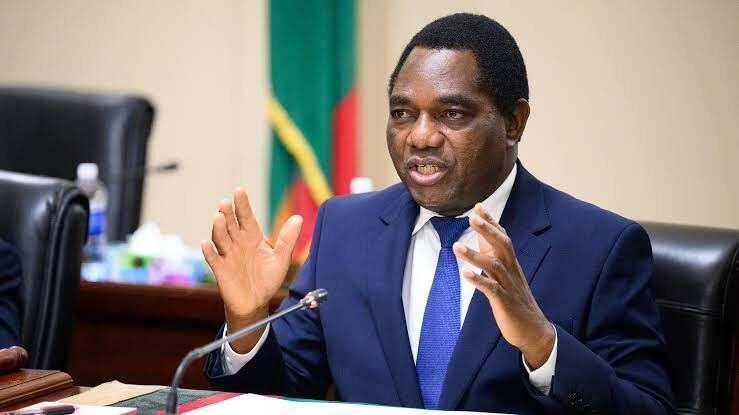
Zambia’s central bank has delivered its biggest interest rate cut in more than a decade, lowering its benchmark rate by 250 basis points to 10.75 percent as falling inflation, a stronger kwacha and improved food supplies give policymakers room to support economic growth. Read also: zambias-eight-year-low-inflation-raises-hope-for-fourth-rate-cut The Bank of Zambia announced the cut on Wednesday after its September 28-29 Monetary Policy Committee meeting, marking the fourth consecutive reduction in the policy rate. The decision was significantly larger than the 25 basis point cut economists polled by Reuters had expected. Denny Kalyalya said the decision reflected a better inflation outlook and was intended to bring the monetary policy stance in line with improving economic conditions. “The decision also reflects the need to align the monetary policy stance with the improved inflation outlook and is supportive of the national growth agenda,” the central bank said in its statement. Read also: election-uncertainty-weak-demand-push-zambia-to-africas-weakest-business-activity Inflation fell to 6.1 percent in September from 6.2 percent in August, keeping it within Zambia’s 6-8 percent target range and close to its lower boundary. The latest reading represents a substantial improvement from the double digit inflation recorded during the earlier phase of the country’s economic adjustment. The decline has been supported by cheaper maize, the appreciation of the kwacha and tighter monetary and fiscal policies. Zambia harvested a record 4.9 million tonnes of maize during the 2025/26 farming season, increasing domestic supplies and helping to ease pressure on food prices. The kwacha has also strengthened against major currencies, supported by higher export earnings, particularly from the mining sector, and improved foreign exchange liquidity following changes to the country’s currency market rules. Read also: Zambia exchange to launch first gold ETF in October, targets five new listings The combination has given the central bank greater room to reduce borrowing costs without immediately risking a return to high inflation. The Bank of Zambia now expects inflation to average 6.7 percent in 2026, slightly below its previous forecast of 6.8 percent. It expects inflation to moderate further to 6 percent in 2027 before rising to 6.3 percent in the first half of 2028. The rate reduction could gradually lower the cost of borrowing for businesses and households, although the effect on commercial lending rates will depend on how banks respond. Lower interest rates can also support investment and consumption by making credit cheaper, but they can weaken demand for the kwacha if the reduction in domestic returns becomes too large. For Zambia, the decision also comes as the economy seeks to build on stronger mining earnings and progress in restructuring its debt. The government has set a target of averaging 7 percent economic growth over the next three years. But the central bank is not treating the improvement in inflation as permanent. It warned that an expected strong El Niño could disrupt agricultural production and electricity generation, pushing up food and energy prices. Higher international oil prices also remain a risk. The prolonged conflict in the Middle East could increase fuel costs and put pressure on inflation across economies that depend on imported energy. The central bank also pointed to tighter global financial conditions as a risk. Higher interest rates abroad could reduce capital flows into emerging markets and put renewed pressure on the kwacha. Read also: The rate cut therefore marks a significant shift in Zambia’s monetary policy, but not the end of the inflation fight. For now, the central bank is betting that lower inflation and stronger domestic conditions have created enough room to move from containing price pressures towards supporting growth. Related News AFCON 2027: Guinea-Bissau defeat revives Nigeria’s 2026 World Cup fears Kogi targets global investment in landmark Kuwaiti infrastructure talks Tegbe targets 24-hour supply with new energy zone scheme Faith Omoboye Faith Omoboye is a foreign affairs correspondent with background in History and International relations. Her work focuses on African politics, diplomacy, and global governance. Share
Read also: zambias-eight-year-low-inflation-raises-hope-for-fourth-rate-cut The Bank of Zambia announced the cut on Wednesday after its September 28-29 Monetary Policy Committee meeting, marking the fourth consecutive reduction in the policy rate. The decision was significantly larger than the 25 basis point cut economists polled by Reuters had expected. Denny Kalyalya said the decision reflected a better inflation outlook and was intended to bring the monetary policy stance in line with improving economic conditions. “The decision also reflects the need to align the monetary policy stance with the improved inflation outlook and is supportive of the national growth agenda,” the central bank said in its statement. Read also: election-uncertainty-weak-demand-push-zambia-to-africas-weakest-business-activity Inflation fell to 6.1 percent in September from 6.2 percent in August, keeping it within Zambia’s 6-8 percent target range and close to its lower boundary. The latest reading represents a substantial improvement from the double digit inflation recorded during the earlier phase of the country’s economic adjustment. The decline has been supported by cheaper maize, the appreciation of the kwacha and tighter monetary and fiscal policies. Zambia harvested a record 4.9 million tonnes of maize during the 2025/26 farming season, increasing domestic supplies and helping to ease pressure on food prices. The kwacha has also strengthened against major currencies, supported by higher export earnings, particularly from the mining sector, and improved foreign exchange liquidity following changes to the country’s currency market rules. Read also: Zambia exchange to launch first gold ETF in October, targets five new listings The combination has given the central bank greater room to reduce borrowing costs without immediately risking a return to high inflation. The Bank of Zambia now expects inflation to average 6.7 percent in 2026, slightly below its previous forecast of 6.8 percent. It expects inflation to moderate further to 6 percent in 2027 before rising to 6.3 percent in the first half of 2028. The rate reduction could gradually lower the cost of borrowing for businesses and households, although the effect on commercial lending rates will depend on how banks respond. Lower interest rates can also support investment and consumption by making credit cheaper, but they can weaken demand for the kwacha if the reduction in domestic returns becomes too large. For Zambia, the decision also comes as the economy seeks to build on stronger mining earnings and progress in restructuring its debt. The government has set a target of averaging 7 percent economic growth over the next three years. But the central bank is not treating the improvement in inflation as permanent. It warned that an expected strong El Niño could disrupt agricultural production and electricity generation, pushing up food and energy prices. Higher international oil prices also remain a risk. The prolonged conflict in the Middle East could increase fuel costs and put pressure on inflation across economies that depend on imported energy. The central bank also pointed to tighter global financial conditions as a risk. Higher interest rates abroad could reduce capital flows into emerging markets and put renewed pressure on the kwacha. Read also: The rate cut therefore marks a significant shift in Zambia’s monetary policy, but not the end of the inflation fight. For now, the central bank is betting that lower inflation and stronger domestic conditions have created enough room to move from containing price pressures towards supporting growth. Related News AFCON 2027: Guinea-Bissau defeat revives Nigeria’s 2026 World Cup fears Kogi targets global investment in landmark Kuwaiti infrastructure talks Tegbe targets 24-hour supply with new energy zone scheme Faith Omoboye Faith Omoboye is a foreign affairs correspondent with background in History and International relations. Her work focuses on African politics, diplomacy, and global governance. Share
The Bank of Zambia announced the cut on Wednesday after its September 28-29 Monetary Policy Committee meeting, marking the fourth consecutive reduction in the policy rate. The decision was significantly larger than the 25 basis point cut economists polled by Reuters had expected. Denny Kalyalya said the decision reflected a better inflation outlook and was intended to bring the monetary policy stance in line with improving economic conditions. “The decision also reflects the need to align the monetary policy stance with the improved inflation outlook and is supportive of the national growth agenda,” the central bank said in its statement. Read also: election-uncertainty-weak-demand-push-zambia-to-africas-weakest-business-activity Inflation fell to 6.1 percent in September from 6.2 percent in August, keeping it within Zambia’s 6-8 percent target range and close to its lower boundary. The latest reading represents a substantial improvement from the double digit inflation recorded during the earlier phase of the country’s economic adjustment. The decline has been supported by cheaper maize, the appreciation of the kwacha and tighter monetary and fiscal policies. Zambia harvested a record 4.9 million tonnes of maize during the 2025/26 farming season, increasing domestic supplies and helping to ease pressure on food prices. The kwacha has also strengthened against major currencies, supported by higher export earnings, particularly from the mining sector, and improved foreign exchange liquidity following changes to the country’s currency market rules. Read also: Zambia exchange to launch first gold ETF in October, targets five new listings The combination has given the central bank greater room to reduce borrowing costs without immediately risking a return to high inflation. The Bank of Zambia now expects inflation to average 6.7 percent in 2026, slightly below its previous forecast of 6.8 percent. It expects inflation to moderate further to 6 percent in 2027 before rising to 6.3 percent in the first half of 2028. The rate reduction could gradually lower the cost of borrowing for businesses and households, although the effect on commercial lending rates will depend on how banks respond. Lower interest rates can also support investment and consumption by making credit cheaper, but they can weaken demand for the kwacha if the reduction in domestic returns becomes too large. For Zambia, the decision also comes as the economy seeks to build on stronger mining earnings and progress in restructuring its debt. The government has set a target of averaging 7 percent economic growth over the next three years. But the central bank is not treating the improvement in inflation as permanent. It warned that an expected strong El Niño could disrupt agricultural production and electricity generation, pushing up food and energy prices. Higher international oil prices also remain a risk. The prolonged conflict in the Middle East could increase fuel costs and put pressure on inflation across economies that depend on imported energy. The central bank also pointed to tighter global financial conditions as a risk. Higher interest rates abroad could reduce capital flows into emerging markets and put renewed pressure on the kwacha. Read also: The rate cut therefore marks a significant shift in Zambia’s monetary policy, but not the end of the inflation fight. For now, the central bank is betting that lower inflation and stronger domestic conditions have created enough room to move from containing price pressures towards supporting growth. Related News AFCON 2027: Guinea-Bissau defeat revives Nigeria’s 2026 World Cup fears Kogi targets global investment in landmark Kuwaiti infrastructure talks Tegbe targets 24-hour supply with new energy zone scheme Faith Omoboye Faith Omoboye is a foreign affairs correspondent with background in History and International relations. Her work focuses on African politics, diplomacy, and global governance. Share
Denny Kalyalya said the decision reflected a better inflation outlook and was intended to bring the monetary policy stance in line with improving economic conditions. “The decision also reflects the need to align the monetary policy stance with the improved inflation outlook and is supportive of the national growth agenda,” the central bank said in its statement. Read also: election-uncertainty-weak-demand-push-zambia-to-africas-weakest-business-activity Inflation fell to 6.1 percent in September from 6.2 percent in August, keeping it within Zambia’s 6-8 percent target range and close to its lower boundary. The latest reading represents a substantial improvement from the double digit inflation recorded during the earlier phase of the country’s economic adjustment. The decline has been supported by cheaper maize, the appreciation of the kwacha and tighter monetary and fiscal policies. Zambia harvested a record 4.9 million tonnes of maize during the 2025/26 farming season, increasing domestic supplies and helping to ease pressure on food prices. The kwacha has also strengthened against major currencies, supported by higher export earnings, particularly from the mining sector, and improved foreign exchange liquidity following changes to the country’s currency market rules. Read also: Zambia exchange to launch first gold ETF in October, targets five new listings The combination has given the central bank greater room to reduce borrowing costs without immediately risking a return to high inflation. The Bank of Zambia now expects inflation to average 6.7 percent in 2026, slightly below its previous forecast of 6.8 percent. It expects inflation to moderate further to 6 percent in 2027 before rising to 6.3 percent in the first half of 2028. The rate reduction could gradually lower the cost of borrowing for businesses and households, although the effect on commercial lending rates will depend on how banks respond. Lower interest rates can also support investment and consumption by making credit cheaper, but they can weaken demand for the kwacha if the reduction in domestic returns becomes too large. For Zambia, the decision also comes as the economy seeks to build on stronger mining earnings and progress in restructuring its debt. The government has set a target of averaging 7 percent economic growth over the next three years. But the central bank is not treating the improvement in inflation as permanent. It warned that an expected strong El Niño could disrupt agricultural production and electricity generation, pushing up food and energy prices. Higher international oil prices also remain a risk. The prolonged conflict in the Middle East could increase fuel costs and put pressure on inflation across economies that depend on imported energy. The central bank also pointed to tighter global financial conditions as a risk. Higher interest rates abroad could reduce capital flows into emerging markets and put renewed pressure on the kwacha. Read also: The rate cut therefore marks a significant shift in Zambia’s monetary policy, but not the end of the inflation fight. For now, the central bank is betting that lower inflation and stronger domestic conditions have created enough room to move from containing price pressures towards supporting growth. Related News AFCON 2027: Guinea-Bissau defeat revives Nigeria’s 2026 World Cup fears Kogi targets global investment in landmark Kuwaiti infrastructure talks Tegbe targets 24-hour supply with new energy zone scheme Faith Omoboye Faith Omoboye is a foreign affairs correspondent with background in History and International relations. Her work focuses on African politics, diplomacy, and global governance. Share
“The decision also reflects the need to align the monetary policy stance with the improved inflation outlook and is supportive of the national growth agenda,” the central bank said in its statement. Read also: election-uncertainty-weak-demand-push-zambia-to-africas-weakest-business-activity Inflation fell to 6.1 percent in September from 6.2 percent in August, keeping it within Zambia’s 6-8 percent target range and close to its lower boundary. The latest reading represents a substantial improvement from the double digit inflation recorded during the earlier phase of the country’s economic adjustment. The decline has been supported by cheaper maize, the appreciation of the kwacha and tighter monetary and fiscal policies. Zambia harvested a record 4.9 million tonnes of maize during the 2025/26 farming season, increasing domestic supplies and helping to ease pressure on food prices. The kwacha has also strengthened against major currencies, supported by higher export earnings, particularly from the mining sector, and improved foreign exchange liquidity following changes to the country’s currency market rules. Read also: Zambia exchange to launch first gold ETF in October, targets five new listings The combination has given the central bank greater room to reduce borrowing costs without immediately risking a return to high inflation. The Bank of Zambia now expects inflation to average 6.7 percent in 2026, slightly below its previous forecast of 6.8 percent. It expects inflation to moderate further to 6 percent in 2027 before rising to 6.3 percent in the first half of 2028. The rate reduction could gradually lower the cost of borrowing for businesses and households, although the effect on commercial lending rates will depend on how banks respond. Lower interest rates can also support investment and consumption by making credit cheaper, but they can weaken demand for the kwacha if the reduction in domestic returns becomes too large. For Zambia, the decision also comes as the economy seeks to build on stronger mining earnings and progress in restructuring its debt. The government has set a target of averaging 7 percent economic growth over the next three years. But the central bank is not treating the improvement in inflation as permanent. It warned that an expected strong El Niño could disrupt agricultural production and electricity generation, pushing up food and energy prices. Higher international oil prices also remain a risk. The prolonged conflict in the Middle East could increase fuel costs and put pressure on inflation across economies that depend on imported energy. The central bank also pointed to tighter global financial conditions as a risk. Higher interest rates abroad could reduce capital flows into emerging markets and put renewed pressure on the kwacha. Read also: The rate cut therefore marks a significant shift in Zambia’s monetary policy, but not the end of the inflation fight. For now, the central bank is betting that lower inflation and stronger domestic conditions have created enough room to move from containing price pressures towards supporting growth. Related News AFCON 2027: Guinea-Bissau defeat revives Nigeria’s 2026 World Cup fears Kogi targets global investment in landmark Kuwaiti infrastructure talks Tegbe targets 24-hour supply with new energy zone scheme Faith Omoboye Faith Omoboye is a foreign affairs correspondent with background in History and International relations. Her work focuses on African politics, diplomacy, and global governance. Share
Read also: election-uncertainty-weak-demand-push-zambia-to-africas-weakest-business-activity Inflation fell to 6.1 percent in September from 6.2 percent in August, keeping it within Zambia’s 6-8 percent target range and close to its lower boundary. The latest reading represents a substantial improvement from the double digit inflation recorded during the earlier phase of the country’s economic adjustment. The decline has been supported by cheaper maize, the appreciation of the kwacha and tighter monetary and fiscal policies. Zambia harvested a record 4.9 million tonnes of maize during the 2025/26 farming season, increasing domestic supplies and helping to ease pressure on food prices. The kwacha has also strengthened against major currencies, supported by higher export earnings, particularly from the mining sector, and improved foreign exchange liquidity following changes to the country’s currency market rules. Read also: Zambia exchange to launch first gold ETF in October, targets five new listings The combination has given the central bank greater room to reduce borrowing costs without immediately risking a return to high inflation. The Bank of Zambia now expects inflation to average 6.7 percent in 2026, slightly below its previous forecast of 6.8 percent. It expects inflation to moderate further to 6 percent in 2027 before rising to 6.3 percent in the first half of 2028. The rate reduction could gradually lower the cost of borrowing for businesses and households, although the effect on commercial lending rates will depend on how banks respond. Lower interest rates can also support investment and consumption by making credit cheaper, but they can weaken demand for the kwacha if the reduction in domestic returns becomes too large. For Zambia, the decision also comes as the economy seeks to build on stronger mining earnings and progress in restructuring its debt. The government has set a target of averaging 7 percent economic growth over the next three years. But the central bank is not treating the improvement in inflation as permanent. It warned that an expected strong El Niño could disrupt agricultural production and electricity generation, pushing up food and energy prices. Higher international oil prices also remain a risk. The prolonged conflict in the Middle East could increase fuel costs and put pressure on inflation across economies that depend on imported energy. The central bank also pointed to tighter global financial conditions as a risk. Higher interest rates abroad could reduce capital flows into emerging markets and put renewed pressure on the kwacha. Read also: The rate cut therefore marks a significant shift in Zambia’s monetary policy, but not the end of the inflation fight. For now, the central bank is betting that lower inflation and stronger domestic conditions have created enough room to move from containing price pressures towards supporting growth. Related News AFCON 2027: Guinea-Bissau defeat revives Nigeria’s 2026 World Cup fears Kogi targets global investment in landmark Kuwaiti infrastructure talks Tegbe targets 24-hour supply with new energy zone scheme Faith Omoboye Faith Omoboye is a foreign affairs correspondent with background in History and International relations. Her work focuses on African politics, diplomacy, and global governance. Share
Inflation fell to 6.1 percent in September from 6.2 percent in August, keeping it within Zambia’s 6-8 percent target range and close to its lower boundary. The latest reading represents a substantial improvement from the double digit inflation recorded during the earlier phase of the country’s economic adjustment. The decline has been supported by cheaper maize, the appreciation of the kwacha and tighter monetary and fiscal policies. Zambia harvested a record 4.9 million tonnes of maize during the 2025/26 farming season, increasing domestic supplies and helping to ease pressure on food prices. The kwacha has also strengthened against major currencies, supported by higher export earnings, particularly from the mining sector, and improved foreign exchange liquidity following changes to the country’s currency market rules. Read also: Zambia exchange to launch first gold ETF in October, targets five new listings The combination has given the central bank greater room to reduce borrowing costs without immediately risking a return to high inflation. The Bank of Zambia now expects inflation to average 6.7 percent in 2026, slightly below its previous forecast of 6.8 percent. It expects inflation to moderate further to 6 percent in 2027 before rising to 6.3 percent in the first half of 2028. The rate reduction could gradually lower the cost of borrowing for businesses and households, although the effect on commercial lending rates will depend on how banks respond. Lower interest rates can also support investment and consumption by making credit cheaper, but they can weaken demand for the kwacha if the reduction in domestic returns becomes too large. For Zambia, the decision also comes as the economy seeks to build on stronger mining earnings and progress in restructuring its debt. The government has set a target of averaging 7 percent economic growth over the next three years. But the central bank is not treating the improvement in inflation as permanent. It warned that an expected strong El Niño could disrupt agricultural production and electricity generation, pushing up food and energy prices. Higher international oil prices also remain a risk. The prolonged conflict in the Middle East could increase fuel costs and put pressure on inflation across economies that depend on imported energy. The central bank also pointed to tighter global financial conditions as a risk. Higher interest rates abroad could reduce capital flows into emerging markets and put renewed pressure on the kwacha. Read also: The rate cut therefore marks a significant shift in Zambia’s monetary policy, but not the end of the inflation fight. For now, the central bank is betting that lower inflation and stronger domestic conditions have created enough room to move from containing price pressures towards supporting growth. Related News AFCON 2027: Guinea-Bissau defeat revives Nigeria’s 2026 World Cup fears Kogi targets global investment in landmark Kuwaiti infrastructure talks Tegbe targets 24-hour supply with new energy zone scheme Faith Omoboye Faith Omoboye is a foreign affairs correspondent with background in History and International relations. Her work focuses on African politics, diplomacy, and global governance. Share
The decline has been supported by cheaper maize, the appreciation of the kwacha and tighter monetary and fiscal policies. Zambia harvested a record 4.9 million tonnes of maize during the 2025/26 farming season, increasing domestic supplies and helping to ease pressure on food prices. The kwacha has also strengthened against major currencies, supported by higher export earnings, particularly from the mining sector, and improved foreign exchange liquidity following changes to the country’s currency market rules. Read also: Zambia exchange to launch first gold ETF in October, targets five new listings The combination has given the central bank greater room to reduce borrowing costs without immediately risking a return to high inflation. The Bank of Zambia now expects inflation to average 6.7 percent in 2026, slightly below its previous forecast of 6.8 percent. It expects inflation to moderate further to 6 percent in 2027 before rising to 6.3 percent in the first half of 2028. The rate reduction could gradually lower the cost of borrowing for businesses and households, although the effect on commercial lending rates will depend on how banks respond. Lower interest rates can also support investment and consumption by making credit cheaper, but they can weaken demand for the kwacha if the reduction in domestic returns becomes too large. For Zambia, the decision also comes as the economy seeks to build on stronger mining earnings and progress in restructuring its debt. The government has set a target of averaging 7 percent economic growth over the next three years. But the central bank is not treating the improvement in inflation as permanent. It warned that an expected strong El Niño could disrupt agricultural production and electricity generation, pushing up food and energy prices. Higher international oil prices also remain a risk. The prolonged conflict in the Middle East could increase fuel costs and put pressure on inflation across economies that depend on imported energy. The central bank also pointed to tighter global financial conditions as a risk. Higher interest rates abroad could reduce capital flows into emerging markets and put renewed pressure on the kwacha. Read also: The rate cut therefore marks a significant shift in Zambia’s monetary policy, but not the end of the inflation fight. For now, the central bank is betting that lower inflation and stronger domestic conditions have created enough room to move from containing price pressures towards supporting growth. Related News AFCON 2027: Guinea-Bissau defeat revives Nigeria’s 2026 World Cup fears Kogi targets global investment in landmark Kuwaiti infrastructure talks Tegbe targets 24-hour supply with new energy zone scheme Faith Omoboye Faith Omoboye is a foreign affairs correspondent with background in History and International relations. Her work focuses on African politics, diplomacy, and global governance. Share
The kwacha has also strengthened against major currencies, supported by higher export earnings, particularly from the mining sector, and improved foreign exchange liquidity following changes to the country’s currency market rules. Read also: Zambia exchange to launch first gold ETF in October, targets five new listings The combination has given the central bank greater room to reduce borrowing costs without immediately risking a return to high inflation. The Bank of Zambia now expects inflation to average 6.7 percent in 2026, slightly below its previous forecast of 6.8 percent. It expects inflation to moderate further to 6 percent in 2027 before rising to 6.3 percent in the first half of 2028. The rate reduction could gradually lower the cost of borrowing for businesses and households, although the effect on commercial lending rates will depend on how banks respond. Lower interest rates can also support investment and consumption by making credit cheaper, but they can weaken demand for the kwacha if the reduction in domestic returns becomes too large. For Zambia, the decision also comes as the economy seeks to build on stronger mining earnings and progress in restructuring its debt. The government has set a target of averaging 7 percent economic growth over the next three years. But the central bank is not treating the improvement in inflation as permanent. It warned that an expected strong El Niño could disrupt agricultural production and electricity generation, pushing up food and energy prices. Higher international oil prices also remain a risk. The prolonged conflict in the Middle East could increase fuel costs and put pressure on inflation across economies that depend on imported energy. The central bank also pointed to tighter global financial conditions as a risk. Higher interest rates abroad could reduce capital flows into emerging markets and put renewed pressure on the kwacha. Read also: The rate cut therefore marks a significant shift in Zambia’s monetary policy, but not the end of the inflation fight. For now, the central bank is betting that lower inflation and stronger domestic conditions have created enough room to move from containing price pressures towards supporting growth. Related News AFCON 2027: Guinea-Bissau defeat revives Nigeria’s 2026 World Cup fears Kogi targets global investment in landmark Kuwaiti infrastructure talks Tegbe targets 24-hour supply with new energy zone scheme Faith Omoboye Faith Omoboye is a foreign affairs correspondent with background in History and International relations. Her work focuses on African politics, diplomacy, and global governance. Share
Read also: Zambia exchange to launch first gold ETF in October, targets five new listings The combination has given the central bank greater room to reduce borrowing costs without immediately risking a return to high inflation. The Bank of Zambia now expects inflation to average 6.7 percent in 2026, slightly below its previous forecast of 6.8 percent. It expects inflation to moderate further to 6 percent in 2027 before rising to 6.3 percent in the first half of 2028. The rate reduction could gradually lower the cost of borrowing for businesses and households, although the effect on commercial lending rates will depend on how banks respond. Lower interest rates can also support investment and consumption by making credit cheaper, but they can weaken demand for the kwacha if the reduction in domestic returns becomes too large. For Zambia, the decision also comes as the economy seeks to build on stronger mining earnings and progress in restructuring its debt. The government has set a target of averaging 7 percent economic growth over the next three years. But the central bank is not treating the improvement in inflation as permanent. It warned that an expected strong El Niño could disrupt agricultural production and electricity generation, pushing up food and energy prices. Higher international oil prices also remain a risk. The prolonged conflict in the Middle East could increase fuel costs and put pressure on inflation across economies that depend on imported energy. The central bank also pointed to tighter global financial conditions as a risk. Higher interest rates abroad could reduce capital flows into emerging markets and put renewed pressure on the kwacha. Read also: The rate cut therefore marks a significant shift in Zambia’s monetary policy, but not the end of the inflation fight. For now, the central bank is betting that lower inflation and stronger domestic conditions have created enough room to move from containing price pressures towards supporting growth. Related News AFCON 2027: Guinea-Bissau defeat revives Nigeria’s 2026 World Cup fears Kogi targets global investment in landmark Kuwaiti infrastructure talks Tegbe targets 24-hour supply with new energy zone scheme Faith Omoboye Faith Omoboye is a foreign affairs correspondent with background in History and International relations. Her work focuses on African politics, diplomacy, and global governance. Share
The combination has given the central bank greater room to reduce borrowing costs without immediately risking a return to high inflation. The Bank of Zambia now expects inflation to average 6.7 percent in 2026, slightly below its previous forecast of 6.8 percent. It expects inflation to moderate further to 6 percent in 2027 before rising to 6.3 percent in the first half of 2028. The rate reduction could gradually lower the cost of borrowing for businesses and households, although the effect on commercial lending rates will depend on how banks respond. Lower interest rates can also support investment and consumption by making credit cheaper, but they can weaken demand for the kwacha if the reduction in domestic returns becomes too large. For Zambia, the decision also comes as the economy seeks to build on stronger mining earnings and progress in restructuring its debt. The government has set a target of averaging 7 percent economic growth over the next three years. But the central bank is not treating the improvement in inflation as permanent. It warned that an expected strong El Niño could disrupt agricultural production and electricity generation, pushing up food and energy prices. Higher international oil prices also remain a risk. The prolonged conflict in the Middle East could increase fuel costs and put pressure on inflation across economies that depend on imported energy. The central bank also pointed to tighter global financial conditions as a risk. Higher interest rates abroad could reduce capital flows into emerging markets and put renewed pressure on the kwacha. Read also: The rate cut therefore marks a significant shift in Zambia’s monetary policy, but not the end of the inflation fight. For now, the central bank is betting that lower inflation and stronger domestic conditions have created enough room to move from containing price pressures towards supporting growth. Related News AFCON 2027: Guinea-Bissau defeat revives Nigeria’s 2026 World Cup fears Kogi targets global investment in landmark Kuwaiti infrastructure talks Tegbe targets 24-hour supply with new energy zone scheme Faith Omoboye Faith Omoboye is a foreign affairs correspondent with background in History and International relations. Her work focuses on African politics, diplomacy, and global governance. Share
The Bank of Zambia now expects inflation to average 6.7 percent in 2026, slightly below its previous forecast of 6.8 percent. It expects inflation to moderate further to 6 percent in 2027 before rising to 6.3 percent in the first half of 2028. The rate reduction could gradually lower the cost of borrowing for businesses and households, although the effect on commercial lending rates will depend on how banks respond. Lower interest rates can also support investment and consumption by making credit cheaper, but they can weaken demand for the kwacha if the reduction in domestic returns becomes too large. For Zambia, the decision also comes as the economy seeks to build on stronger mining earnings and progress in restructuring its debt. The government has set a target of averaging 7 percent economic growth over the next three years. But the central bank is not treating the improvement in inflation as permanent. It warned that an expected strong El Niño could disrupt agricultural production and electricity generation, pushing up food and energy prices. Higher international oil prices also remain a risk. The prolonged conflict in the Middle East could increase fuel costs and put pressure on inflation across economies that depend on imported energy. The central bank also pointed to tighter global financial conditions as a risk. Higher interest rates abroad could reduce capital flows into emerging markets and put renewed pressure on the kwacha. Read also: The rate cut therefore marks a significant shift in Zambia’s monetary policy, but not the end of the inflation fight. For now, the central bank is betting that lower inflation and stronger domestic conditions have created enough room to move from containing price pressures towards supporting growth. Related News AFCON 2027: Guinea-Bissau defeat revives Nigeria’s 2026 World Cup fears Kogi targets global investment in landmark Kuwaiti infrastructure talks Tegbe targets 24-hour supply with new energy zone scheme Faith Omoboye Faith Omoboye is a foreign affairs correspondent with background in History and International relations. Her work focuses on African politics, diplomacy, and global governance. Share
The rate reduction could gradually lower the cost of borrowing for businesses and households, although the effect on commercial lending rates will depend on how banks respond. Lower interest rates can also support investment and consumption by making credit cheaper, but they can weaken demand for the kwacha if the reduction in domestic returns becomes too large. For Zambia, the decision also comes as the economy seeks to build on stronger mining earnings and progress in restructuring its debt. The government has set a target of averaging 7 percent economic growth over the next three years. But the central bank is not treating the improvement in inflation as permanent. It warned that an expected strong El Niño could disrupt agricultural production and electricity generation, pushing up food and energy prices. Higher international oil prices also remain a risk. The prolonged conflict in the Middle East could increase fuel costs and put pressure on inflation across economies that depend on imported energy. The central bank also pointed to tighter global financial conditions as a risk. Higher interest rates abroad could reduce capital flows into emerging markets and put renewed pressure on the kwacha. Read also: The rate cut therefore marks a significant shift in Zambia’s monetary policy, but not the end of the inflation fight. For now, the central bank is betting that lower inflation and stronger domestic conditions have created enough room to move from containing price pressures towards supporting growth. Related News AFCON 2027: Guinea-Bissau defeat revives Nigeria’s 2026 World Cup fears Kogi targets global investment in landmark Kuwaiti infrastructure talks Tegbe targets 24-hour supply with new energy zone scheme Faith Omoboye Faith Omoboye is a foreign affairs correspondent with background in History and International relations. Her work focuses on African politics, diplomacy, and global governance. Share
For Zambia, the decision also comes as the economy seeks to build on stronger mining earnings and progress in restructuring its debt. The government has set a target of averaging 7 percent economic growth over the next three years. But the central bank is not treating the improvement in inflation as permanent. It warned that an expected strong El Niño could disrupt agricultural production and electricity generation, pushing up food and energy prices. Higher international oil prices also remain a risk. The prolonged conflict in the Middle East could increase fuel costs and put pressure on inflation across economies that depend on imported energy. The central bank also pointed to tighter global financial conditions as a risk. Higher interest rates abroad could reduce capital flows into emerging markets and put renewed pressure on the kwacha. Read also: The rate cut therefore marks a significant shift in Zambia’s monetary policy, but not the end of the inflation fight. For now, the central bank is betting that lower inflation and stronger domestic conditions have created enough room to move from containing price pressures towards supporting growth. Related News AFCON 2027: Guinea-Bissau defeat revives Nigeria’s 2026 World Cup fears Kogi targets global investment in landmark Kuwaiti infrastructure talks Tegbe targets 24-hour supply with new energy zone scheme Faith Omoboye Faith Omoboye is a foreign affairs correspondent with background in History and International relations. Her work focuses on African politics, diplomacy, and global governance. Share
But the central bank is not treating the improvement in inflation as permanent. It warned that an expected strong El Niño could disrupt agricultural production and electricity generation, pushing up food and energy prices. Higher international oil prices also remain a risk. The prolonged conflict in the Middle East could increase fuel costs and put pressure on inflation across economies that depend on imported energy. The central bank also pointed to tighter global financial conditions as a risk. Higher interest rates abroad could reduce capital flows into emerging markets and put renewed pressure on the kwacha. Read also: The rate cut therefore marks a significant shift in Zambia’s monetary policy, but not the end of the inflation fight. For now, the central bank is betting that lower inflation and stronger domestic conditions have created enough room to move from containing price pressures towards supporting growth. Related News AFCON 2027: Guinea-Bissau defeat revives Nigeria’s 2026 World Cup fears Kogi targets global investment in landmark Kuwaiti infrastructure talks Tegbe targets 24-hour supply with new energy zone scheme Faith Omoboye Faith Omoboye is a foreign affairs correspondent with background in History and International relations. Her work focuses on African politics, diplomacy, and global governance. Share
Higher international oil prices also remain a risk. The prolonged conflict in the Middle East could increase fuel costs and put pressure on inflation across economies that depend on imported energy. The central bank also pointed to tighter global financial conditions as a risk. Higher interest rates abroad could reduce capital flows into emerging markets and put renewed pressure on the kwacha. Read also: The rate cut therefore marks a significant shift in Zambia’s monetary policy, but not the end of the inflation fight. For now, the central bank is betting that lower inflation and stronger domestic conditions have created enough room to move from containing price pressures towards supporting growth. Related News AFCON 2027: Guinea-Bissau defeat revives Nigeria’s 2026 World Cup fears Kogi targets global investment in landmark Kuwaiti infrastructure talks Tegbe targets 24-hour supply with new energy zone scheme Faith Omoboye Faith Omoboye is a foreign affairs correspondent with background in History and International relations. Her work focuses on African politics, diplomacy, and global governance. Share
The central bank also pointed to tighter global financial conditions as a risk. Higher interest rates abroad could reduce capital flows into emerging markets and put renewed pressure on the kwacha. Read also: The rate cut therefore marks a significant shift in Zambia’s monetary policy, but not the end of the inflation fight. For now, the central bank is betting that lower inflation and stronger domestic conditions have created enough room to move from containing price pressures towards supporting growth. Related News AFCON 2027: Guinea-Bissau defeat revives Nigeria’s 2026 World Cup fears Kogi targets global investment in landmark Kuwaiti infrastructure talks Tegbe targets 24-hour supply with new energy zone scheme Faith Omoboye Faith Omoboye is a foreign affairs correspondent with background in History and International relations. Her work focuses on African politics, diplomacy, and global governance. Share
Read also: The rate cut therefore marks a significant shift in Zambia’s monetary policy, but not the end of the inflation fight. For now, the central bank is betting that lower inflation and stronger domestic conditions have created enough room to move from containing price pressures towards supporting growth. Related News AFCON 2027: Guinea-Bissau defeat revives Nigeria’s 2026 World Cup fears Kogi targets global investment in landmark Kuwaiti infrastructure talks Tegbe targets 24-hour supply with new energy zone scheme Faith Omoboye Faith Omoboye is a foreign affairs correspondent with background in History and International relations. Her work focuses on African politics, diplomacy, and global governance. Share
The rate cut therefore marks a significant shift in Zambia’s monetary policy, but not the end of the inflation fight. For now, the central bank is betting that lower inflation and stronger domestic conditions have created enough room to move from containing price pressures towards supporting growth. Related News AFCON 2027: Guinea-Bissau defeat revives Nigeria’s 2026 World Cup fears Kogi targets global investment in landmark Kuwaiti infrastructure talks Tegbe targets 24-hour supply with new energy zone scheme Faith Omoboye Faith Omoboye is a foreign affairs correspondent with background in History and International relations. Her work focuses on African politics, diplomacy, and global governance. Share
Faith Omoboye is a foreign affairs correspondent with background in History and International relations. Her work focuses on African politics, diplomacy, and global governance.



