Tegbe targets 24-hour supply with new energy zone scheme
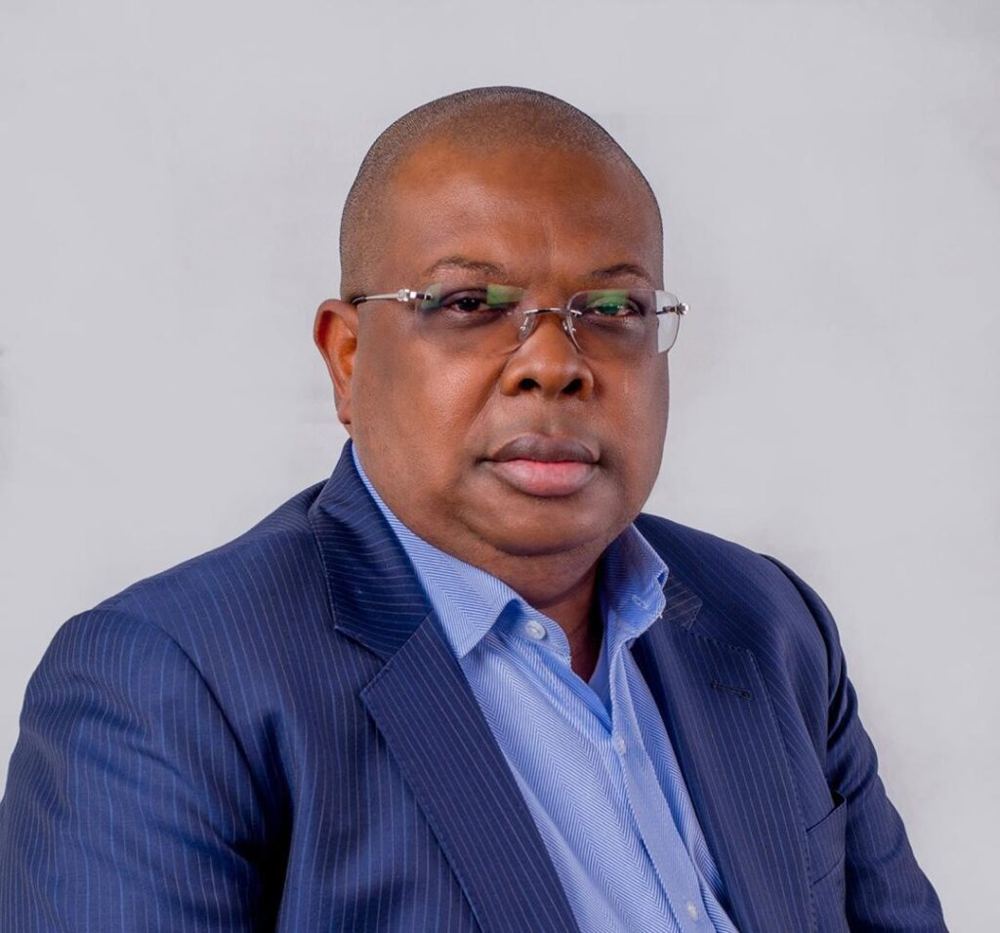
In a bid to expand power supply and address chronic distribution bottlenecks, Joseph Tegbe, Nigeria’s Minister of Power is partnering read more Tegbe targets 24-hour supply with new energy zone scheme
In a bid to expand power supply and address chronic distribution bottlenecks, Joseph Tegbe, Nigeria’s Minister of Power is partnering with executives of distribution companies (DisCos) to roll out a strategy for proposed energy zones. The scheme aims to guarantee uninterrupted, 24-hour electricity supply to commercial, industrial, and residential hubs in three primary corridors: the Lagos axis, Abuja-Kaduna-Kano, and Enugu-Port Harcourt. Speaking during the strategy session with top executives of selected DisCos on Wednesday, Tegbe highlighted that the primary constraint facing Nigeria’s power market extends beyond generation and transmission capacities to off-take and delivery efficiency at the retail distribution level. According to him, the Energy Zones framework is structured to eliminate structural distribution gaps, unlock latent industrial demand, and significantly improve DisCo collection efficiencies and revenues. He added that the Federal Government will prioritize targeted grid and asset upgrades within these high-density areas to ensure infrastructure keeps pace with economic growth. Read also: Can Nigeria’s $300 million fund close its electricity access gap? The engagement reflects the ministry’s shift toward a sequenced, demand-driven strategy under President Bola Tinubu’s Renewed Hope Agenda, which positions stable power supply as a prerequisite for industrial development and job creation. Executives in attendance included representatives from Abuja Electricity Distribution Company (AEDC), Ikeja Electric, Eko Electricity Distribution Company, Ibadan Electricity Distribution Company (IBEDC), and Sahara Energy Group. This follows the recent assertion by the minister that many Nigerians are still without reliable power. “I understand the frustration of hearing about progress you haven’t personally felt yet. I’m not going to pretend that away. Fixing this sector properly takes time, & I will not promise a quick fix that doesn’t hold.” The minister had explained that his earliest days in office were focused on diagnosing the problems across the electricity value chain, stabilising existing infrastructure and restoring market discipline. He explained that the challenges in the sector, reinforced one another, creating a cycle in which unpaid electricity bills weakened gas supply and plant maintenance, unreliable electricity reduced collections, and poor collections increased sector debts. He emphasized that ensuring sustainable improvement in the sector requires fixing the physical system and the commercial relationships that keep it functioning. “When President Bola Ahmed Tinubu entrusted me with the responsibility of serving as Minister of Power, I made four promises to Nigerians. I promised a disciplined approach to solving the sector’s problems. I promised to pursue grid stability through structured, strategic reforms. I promised visible incremental improvements. “Upon assuming office, the diagnosis we undertook at the onset revealed constraints at every segment of the electricity value chain. Gas supply to power stations was limited by damaged pipelines and commercial terms that discouraged investment. “Our generation fleet was heavily dependent on thermal plants, with ageing equipment, deferred maintenance, stalled projects and capacity unable to reach consumers. The sector diagnosis revealed payment of only 27 per cent of generation companies’ bills, undermining their ability to maintain plants and pay gas suppliers,” Tegbe stated. Related News Kaduna BRT targets Q1 2027 take-off, 20,000 jobs, lower fares Kano to get 40m more litres of water as Yusuf revives Goron Dutse facility Covenant, UI, UNILAG top Nigeria’s varsities in 2027 global ranking Share
The scheme aims to guarantee uninterrupted, 24-hour electricity supply to commercial, industrial, and residential hubs in three primary corridors: the Lagos axis, Abuja-Kaduna-Kano, and Enugu-Port Harcourt. Speaking during the strategy session with top executives of selected DisCos on Wednesday, Tegbe highlighted that the primary constraint facing Nigeria’s power market extends beyond generation and transmission capacities to off-take and delivery efficiency at the retail distribution level. According to him, the Energy Zones framework is structured to eliminate structural distribution gaps, unlock latent industrial demand, and significantly improve DisCo collection efficiencies and revenues. He added that the Federal Government will prioritize targeted grid and asset upgrades within these high-density areas to ensure infrastructure keeps pace with economic growth. Read also: Can Nigeria’s $300 million fund close its electricity access gap? The engagement reflects the ministry’s shift toward a sequenced, demand-driven strategy under President Bola Tinubu’s Renewed Hope Agenda, which positions stable power supply as a prerequisite for industrial development and job creation. Executives in attendance included representatives from Abuja Electricity Distribution Company (AEDC), Ikeja Electric, Eko Electricity Distribution Company, Ibadan Electricity Distribution Company (IBEDC), and Sahara Energy Group. This follows the recent assertion by the minister that many Nigerians are still without reliable power. “I understand the frustration of hearing about progress you haven’t personally felt yet. I’m not going to pretend that away. Fixing this sector properly takes time, & I will not promise a quick fix that doesn’t hold.” The minister had explained that his earliest days in office were focused on diagnosing the problems across the electricity value chain, stabilising existing infrastructure and restoring market discipline. He explained that the challenges in the sector, reinforced one another, creating a cycle in which unpaid electricity bills weakened gas supply and plant maintenance, unreliable electricity reduced collections, and poor collections increased sector debts. He emphasized that ensuring sustainable improvement in the sector requires fixing the physical system and the commercial relationships that keep it functioning. “When President Bola Ahmed Tinubu entrusted me with the responsibility of serving as Minister of Power, I made four promises to Nigerians. I promised a disciplined approach to solving the sector’s problems. I promised to pursue grid stability through structured, strategic reforms. I promised visible incremental improvements. “Upon assuming office, the diagnosis we undertook at the onset revealed constraints at every segment of the electricity value chain. Gas supply to power stations was limited by damaged pipelines and commercial terms that discouraged investment. “Our generation fleet was heavily dependent on thermal plants, with ageing equipment, deferred maintenance, stalled projects and capacity unable to reach consumers. The sector diagnosis revealed payment of only 27 per cent of generation companies’ bills, undermining their ability to maintain plants and pay gas suppliers,” Tegbe stated. Related News Kaduna BRT targets Q1 2027 take-off, 20,000 jobs, lower fares Kano to get 40m more litres of water as Yusuf revives Goron Dutse facility Covenant, UI, UNILAG top Nigeria’s varsities in 2027 global ranking Share
Speaking during the strategy session with top executives of selected DisCos on Wednesday, Tegbe highlighted that the primary constraint facing Nigeria’s power market extends beyond generation and transmission capacities to off-take and delivery efficiency at the retail distribution level. According to him, the Energy Zones framework is structured to eliminate structural distribution gaps, unlock latent industrial demand, and significantly improve DisCo collection efficiencies and revenues. He added that the Federal Government will prioritize targeted grid and asset upgrades within these high-density areas to ensure infrastructure keeps pace with economic growth. Read also: Can Nigeria’s $300 million fund close its electricity access gap? The engagement reflects the ministry’s shift toward a sequenced, demand-driven strategy under President Bola Tinubu’s Renewed Hope Agenda, which positions stable power supply as a prerequisite for industrial development and job creation. Executives in attendance included representatives from Abuja Electricity Distribution Company (AEDC), Ikeja Electric, Eko Electricity Distribution Company, Ibadan Electricity Distribution Company (IBEDC), and Sahara Energy Group. This follows the recent assertion by the minister that many Nigerians are still without reliable power. “I understand the frustration of hearing about progress you haven’t personally felt yet. I’m not going to pretend that away. Fixing this sector properly takes time, & I will not promise a quick fix that doesn’t hold.” The minister had explained that his earliest days in office were focused on diagnosing the problems across the electricity value chain, stabilising existing infrastructure and restoring market discipline. He explained that the challenges in the sector, reinforced one another, creating a cycle in which unpaid electricity bills weakened gas supply and plant maintenance, unreliable electricity reduced collections, and poor collections increased sector debts. He emphasized that ensuring sustainable improvement in the sector requires fixing the physical system and the commercial relationships that keep it functioning. “When President Bola Ahmed Tinubu entrusted me with the responsibility of serving as Minister of Power, I made four promises to Nigerians. I promised a disciplined approach to solving the sector’s problems. I promised to pursue grid stability through structured, strategic reforms. I promised visible incremental improvements. “Upon assuming office, the diagnosis we undertook at the onset revealed constraints at every segment of the electricity value chain. Gas supply to power stations was limited by damaged pipelines and commercial terms that discouraged investment. “Our generation fleet was heavily dependent on thermal plants, with ageing equipment, deferred maintenance, stalled projects and capacity unable to reach consumers. The sector diagnosis revealed payment of only 27 per cent of generation companies’ bills, undermining their ability to maintain plants and pay gas suppliers,” Tegbe stated. Related News Kaduna BRT targets Q1 2027 take-off, 20,000 jobs, lower fares Kano to get 40m more litres of water as Yusuf revives Goron Dutse facility Covenant, UI, UNILAG top Nigeria’s varsities in 2027 global ranking Share
According to him, the Energy Zones framework is structured to eliminate structural distribution gaps, unlock latent industrial demand, and significantly improve DisCo collection efficiencies and revenues. He added that the Federal Government will prioritize targeted grid and asset upgrades within these high-density areas to ensure infrastructure keeps pace with economic growth. Read also: Can Nigeria’s $300 million fund close its electricity access gap? The engagement reflects the ministry’s shift toward a sequenced, demand-driven strategy under President Bola Tinubu’s Renewed Hope Agenda, which positions stable power supply as a prerequisite for industrial development and job creation. Executives in attendance included representatives from Abuja Electricity Distribution Company (AEDC), Ikeja Electric, Eko Electricity Distribution Company, Ibadan Electricity Distribution Company (IBEDC), and Sahara Energy Group. This follows the recent assertion by the minister that many Nigerians are still without reliable power. “I understand the frustration of hearing about progress you haven’t personally felt yet. I’m not going to pretend that away. Fixing this sector properly takes time, & I will not promise a quick fix that doesn’t hold.” The minister had explained that his earliest days in office were focused on diagnosing the problems across the electricity value chain, stabilising existing infrastructure and restoring market discipline. He explained that the challenges in the sector, reinforced one another, creating a cycle in which unpaid electricity bills weakened gas supply and plant maintenance, unreliable electricity reduced collections, and poor collections increased sector debts. He emphasized that ensuring sustainable improvement in the sector requires fixing the physical system and the commercial relationships that keep it functioning. “When President Bola Ahmed Tinubu entrusted me with the responsibility of serving as Minister of Power, I made four promises to Nigerians. I promised a disciplined approach to solving the sector’s problems. I promised to pursue grid stability through structured, strategic reforms. I promised visible incremental improvements. “Upon assuming office, the diagnosis we undertook at the onset revealed constraints at every segment of the electricity value chain. Gas supply to power stations was limited by damaged pipelines and commercial terms that discouraged investment. “Our generation fleet was heavily dependent on thermal plants, with ageing equipment, deferred maintenance, stalled projects and capacity unable to reach consumers. The sector diagnosis revealed payment of only 27 per cent of generation companies’ bills, undermining their ability to maintain plants and pay gas suppliers,” Tegbe stated. Related News Kaduna BRT targets Q1 2027 take-off, 20,000 jobs, lower fares Kano to get 40m more litres of water as Yusuf revives Goron Dutse facility Covenant, UI, UNILAG top Nigeria’s varsities in 2027 global ranking Share
He added that the Federal Government will prioritize targeted grid and asset upgrades within these high-density areas to ensure infrastructure keeps pace with economic growth. Read also: Can Nigeria’s $300 million fund close its electricity access gap? The engagement reflects the ministry’s shift toward a sequenced, demand-driven strategy under President Bola Tinubu’s Renewed Hope Agenda, which positions stable power supply as a prerequisite for industrial development and job creation. Executives in attendance included representatives from Abuja Electricity Distribution Company (AEDC), Ikeja Electric, Eko Electricity Distribution Company, Ibadan Electricity Distribution Company (IBEDC), and Sahara Energy Group. This follows the recent assertion by the minister that many Nigerians are still without reliable power. “I understand the frustration of hearing about progress you haven’t personally felt yet. I’m not going to pretend that away. Fixing this sector properly takes time, & I will not promise a quick fix that doesn’t hold.” The minister had explained that his earliest days in office were focused on diagnosing the problems across the electricity value chain, stabilising existing infrastructure and restoring market discipline. He explained that the challenges in the sector, reinforced one another, creating a cycle in which unpaid electricity bills weakened gas supply and plant maintenance, unreliable electricity reduced collections, and poor collections increased sector debts. He emphasized that ensuring sustainable improvement in the sector requires fixing the physical system and the commercial relationships that keep it functioning. “When President Bola Ahmed Tinubu entrusted me with the responsibility of serving as Minister of Power, I made four promises to Nigerians. I promised a disciplined approach to solving the sector’s problems. I promised to pursue grid stability through structured, strategic reforms. I promised visible incremental improvements. “Upon assuming office, the diagnosis we undertook at the onset revealed constraints at every segment of the electricity value chain. Gas supply to power stations was limited by damaged pipelines and commercial terms that discouraged investment. “Our generation fleet was heavily dependent on thermal plants, with ageing equipment, deferred maintenance, stalled projects and capacity unable to reach consumers. The sector diagnosis revealed payment of only 27 per cent of generation companies’ bills, undermining their ability to maintain plants and pay gas suppliers,” Tegbe stated. Related News Kaduna BRT targets Q1 2027 take-off, 20,000 jobs, lower fares Kano to get 40m more litres of water as Yusuf revives Goron Dutse facility Covenant, UI, UNILAG top Nigeria’s varsities in 2027 global ranking Share
Read also: Can Nigeria’s $300 million fund close its electricity access gap? The engagement reflects the ministry’s shift toward a sequenced, demand-driven strategy under President Bola Tinubu’s Renewed Hope Agenda, which positions stable power supply as a prerequisite for industrial development and job creation. Executives in attendance included representatives from Abuja Electricity Distribution Company (AEDC), Ikeja Electric, Eko Electricity Distribution Company, Ibadan Electricity Distribution Company (IBEDC), and Sahara Energy Group. This follows the recent assertion by the minister that many Nigerians are still without reliable power. “I understand the frustration of hearing about progress you haven’t personally felt yet. I’m not going to pretend that away. Fixing this sector properly takes time, & I will not promise a quick fix that doesn’t hold.” The minister had explained that his earliest days in office were focused on diagnosing the problems across the electricity value chain, stabilising existing infrastructure and restoring market discipline. He explained that the challenges in the sector, reinforced one another, creating a cycle in which unpaid electricity bills weakened gas supply and plant maintenance, unreliable electricity reduced collections, and poor collections increased sector debts. He emphasized that ensuring sustainable improvement in the sector requires fixing the physical system and the commercial relationships that keep it functioning. “When President Bola Ahmed Tinubu entrusted me with the responsibility of serving as Minister of Power, I made four promises to Nigerians. I promised a disciplined approach to solving the sector’s problems. I promised to pursue grid stability through structured, strategic reforms. I promised visible incremental improvements. “Upon assuming office, the diagnosis we undertook at the onset revealed constraints at every segment of the electricity value chain. Gas supply to power stations was limited by damaged pipelines and commercial terms that discouraged investment. “Our generation fleet was heavily dependent on thermal plants, with ageing equipment, deferred maintenance, stalled projects and capacity unable to reach consumers. The sector diagnosis revealed payment of only 27 per cent of generation companies’ bills, undermining their ability to maintain plants and pay gas suppliers,” Tegbe stated. Related News Kaduna BRT targets Q1 2027 take-off, 20,000 jobs, lower fares Kano to get 40m more litres of water as Yusuf revives Goron Dutse facility Covenant, UI, UNILAG top Nigeria’s varsities in 2027 global ranking Share
The engagement reflects the ministry’s shift toward a sequenced, demand-driven strategy under President Bola Tinubu’s Renewed Hope Agenda, which positions stable power supply as a prerequisite for industrial development and job creation. Executives in attendance included representatives from Abuja Electricity Distribution Company (AEDC), Ikeja Electric, Eko Electricity Distribution Company, Ibadan Electricity Distribution Company (IBEDC), and Sahara Energy Group. This follows the recent assertion by the minister that many Nigerians are still without reliable power. “I understand the frustration of hearing about progress you haven’t personally felt yet. I’m not going to pretend that away. Fixing this sector properly takes time, & I will not promise a quick fix that doesn’t hold.” The minister had explained that his earliest days in office were focused on diagnosing the problems across the electricity value chain, stabilising existing infrastructure and restoring market discipline. He explained that the challenges in the sector, reinforced one another, creating a cycle in which unpaid electricity bills weakened gas supply and plant maintenance, unreliable electricity reduced collections, and poor collections increased sector debts. He emphasized that ensuring sustainable improvement in the sector requires fixing the physical system and the commercial relationships that keep it functioning. “When President Bola Ahmed Tinubu entrusted me with the responsibility of serving as Minister of Power, I made four promises to Nigerians. I promised a disciplined approach to solving the sector’s problems. I promised to pursue grid stability through structured, strategic reforms. I promised visible incremental improvements. “Upon assuming office, the diagnosis we undertook at the onset revealed constraints at every segment of the electricity value chain. Gas supply to power stations was limited by damaged pipelines and commercial terms that discouraged investment. “Our generation fleet was heavily dependent on thermal plants, with ageing equipment, deferred maintenance, stalled projects and capacity unable to reach consumers. The sector diagnosis revealed payment of only 27 per cent of generation companies’ bills, undermining their ability to maintain plants and pay gas suppliers,” Tegbe stated. Related News Kaduna BRT targets Q1 2027 take-off, 20,000 jobs, lower fares Kano to get 40m more litres of water as Yusuf revives Goron Dutse facility Covenant, UI, UNILAG top Nigeria’s varsities in 2027 global ranking Share
Executives in attendance included representatives from Abuja Electricity Distribution Company (AEDC), Ikeja Electric, Eko Electricity Distribution Company, Ibadan Electricity Distribution Company (IBEDC), and Sahara Energy Group. This follows the recent assertion by the minister that many Nigerians are still without reliable power. “I understand the frustration of hearing about progress you haven’t personally felt yet. I’m not going to pretend that away. Fixing this sector properly takes time, & I will not promise a quick fix that doesn’t hold.” The minister had explained that his earliest days in office were focused on diagnosing the problems across the electricity value chain, stabilising existing infrastructure and restoring market discipline. He explained that the challenges in the sector, reinforced one another, creating a cycle in which unpaid electricity bills weakened gas supply and plant maintenance, unreliable electricity reduced collections, and poor collections increased sector debts. He emphasized that ensuring sustainable improvement in the sector requires fixing the physical system and the commercial relationships that keep it functioning. “When President Bola Ahmed Tinubu entrusted me with the responsibility of serving as Minister of Power, I made four promises to Nigerians. I promised a disciplined approach to solving the sector’s problems. I promised to pursue grid stability through structured, strategic reforms. I promised visible incremental improvements. “Upon assuming office, the diagnosis we undertook at the onset revealed constraints at every segment of the electricity value chain. Gas supply to power stations was limited by damaged pipelines and commercial terms that discouraged investment. “Our generation fleet was heavily dependent on thermal plants, with ageing equipment, deferred maintenance, stalled projects and capacity unable to reach consumers. The sector diagnosis revealed payment of only 27 per cent of generation companies’ bills, undermining their ability to maintain plants and pay gas suppliers,” Tegbe stated. Related News Kaduna BRT targets Q1 2027 take-off, 20,000 jobs, lower fares Kano to get 40m more litres of water as Yusuf revives Goron Dutse facility Covenant, UI, UNILAG top Nigeria’s varsities in 2027 global ranking Share
This follows the recent assertion by the minister that many Nigerians are still without reliable power. “I understand the frustration of hearing about progress you haven’t personally felt yet. I’m not going to pretend that away. Fixing this sector properly takes time, & I will not promise a quick fix that doesn’t hold.” The minister had explained that his earliest days in office were focused on diagnosing the problems across the electricity value chain, stabilising existing infrastructure and restoring market discipline. He explained that the challenges in the sector, reinforced one another, creating a cycle in which unpaid electricity bills weakened gas supply and plant maintenance, unreliable electricity reduced collections, and poor collections increased sector debts. He emphasized that ensuring sustainable improvement in the sector requires fixing the physical system and the commercial relationships that keep it functioning. “When President Bola Ahmed Tinubu entrusted me with the responsibility of serving as Minister of Power, I made four promises to Nigerians. I promised a disciplined approach to solving the sector’s problems. I promised to pursue grid stability through structured, strategic reforms. I promised visible incremental improvements. “Upon assuming office, the diagnosis we undertook at the onset revealed constraints at every segment of the electricity value chain. Gas supply to power stations was limited by damaged pipelines and commercial terms that discouraged investment. “Our generation fleet was heavily dependent on thermal plants, with ageing equipment, deferred maintenance, stalled projects and capacity unable to reach consumers. The sector diagnosis revealed payment of only 27 per cent of generation companies’ bills, undermining their ability to maintain plants and pay gas suppliers,” Tegbe stated. Related News Kaduna BRT targets Q1 2027 take-off, 20,000 jobs, lower fares Kano to get 40m more litres of water as Yusuf revives Goron Dutse facility Covenant, UI, UNILAG top Nigeria’s varsities in 2027 global ranking Share
The minister had explained that his earliest days in office were focused on diagnosing the problems across the electricity value chain, stabilising existing infrastructure and restoring market discipline. He explained that the challenges in the sector, reinforced one another, creating a cycle in which unpaid electricity bills weakened gas supply and plant maintenance, unreliable electricity reduced collections, and poor collections increased sector debts. He emphasized that ensuring sustainable improvement in the sector requires fixing the physical system and the commercial relationships that keep it functioning. “When President Bola Ahmed Tinubu entrusted me with the responsibility of serving as Minister of Power, I made four promises to Nigerians. I promised a disciplined approach to solving the sector’s problems. I promised to pursue grid stability through structured, strategic reforms. I promised visible incremental improvements. “Upon assuming office, the diagnosis we undertook at the onset revealed constraints at every segment of the electricity value chain. Gas supply to power stations was limited by damaged pipelines and commercial terms that discouraged investment. “Our generation fleet was heavily dependent on thermal plants, with ageing equipment, deferred maintenance, stalled projects and capacity unable to reach consumers. The sector diagnosis revealed payment of only 27 per cent of generation companies’ bills, undermining their ability to maintain plants and pay gas suppliers,” Tegbe stated. Related News Kaduna BRT targets Q1 2027 take-off, 20,000 jobs, lower fares Kano to get 40m more litres of water as Yusuf revives Goron Dutse facility Covenant, UI, UNILAG top Nigeria’s varsities in 2027 global ranking Share
He explained that the challenges in the sector, reinforced one another, creating a cycle in which unpaid electricity bills weakened gas supply and plant maintenance, unreliable electricity reduced collections, and poor collections increased sector debts. He emphasized that ensuring sustainable improvement in the sector requires fixing the physical system and the commercial relationships that keep it functioning. “When President Bola Ahmed Tinubu entrusted me with the responsibility of serving as Minister of Power, I made four promises to Nigerians. I promised a disciplined approach to solving the sector’s problems. I promised to pursue grid stability through structured, strategic reforms. I promised visible incremental improvements. “Upon assuming office, the diagnosis we undertook at the onset revealed constraints at every segment of the electricity value chain. Gas supply to power stations was limited by damaged pipelines and commercial terms that discouraged investment. “Our generation fleet was heavily dependent on thermal plants, with ageing equipment, deferred maintenance, stalled projects and capacity unable to reach consumers. The sector diagnosis revealed payment of only 27 per cent of generation companies’ bills, undermining their ability to maintain plants and pay gas suppliers,” Tegbe stated. Related News Kaduna BRT targets Q1 2027 take-off, 20,000 jobs, lower fares Kano to get 40m more litres of water as Yusuf revives Goron Dutse facility Covenant, UI, UNILAG top Nigeria’s varsities in 2027 global ranking Share
He emphasized that ensuring sustainable improvement in the sector requires fixing the physical system and the commercial relationships that keep it functioning. “When President Bola Ahmed Tinubu entrusted me with the responsibility of serving as Minister of Power, I made four promises to Nigerians. I promised a disciplined approach to solving the sector’s problems. I promised to pursue grid stability through structured, strategic reforms. I promised visible incremental improvements. “Upon assuming office, the diagnosis we undertook at the onset revealed constraints at every segment of the electricity value chain. Gas supply to power stations was limited by damaged pipelines and commercial terms that discouraged investment. “Our generation fleet was heavily dependent on thermal plants, with ageing equipment, deferred maintenance, stalled projects and capacity unable to reach consumers. The sector diagnosis revealed payment of only 27 per cent of generation companies’ bills, undermining their ability to maintain plants and pay gas suppliers,” Tegbe stated. Related News Kaduna BRT targets Q1 2027 take-off, 20,000 jobs, lower fares Kano to get 40m more litres of water as Yusuf revives Goron Dutse facility Covenant, UI, UNILAG top Nigeria’s varsities in 2027 global ranking Share
“When President Bola Ahmed Tinubu entrusted me with the responsibility of serving as Minister of Power, I made four promises to Nigerians. I promised a disciplined approach to solving the sector’s problems. I promised to pursue grid stability through structured, strategic reforms. I promised visible incremental improvements. “Upon assuming office, the diagnosis we undertook at the onset revealed constraints at every segment of the electricity value chain. Gas supply to power stations was limited by damaged pipelines and commercial terms that discouraged investment. “Our generation fleet was heavily dependent on thermal plants, with ageing equipment, deferred maintenance, stalled projects and capacity unable to reach consumers. The sector diagnosis revealed payment of only 27 per cent of generation companies’ bills, undermining their ability to maintain plants and pay gas suppliers,” Tegbe stated. Related News Kaduna BRT targets Q1 2027 take-off, 20,000 jobs, lower fares Kano to get 40m more litres of water as Yusuf revives Goron Dutse facility Covenant, UI, UNILAG top Nigeria’s varsities in 2027 global ranking Share
“Upon assuming office, the diagnosis we undertook at the onset revealed constraints at every segment of the electricity value chain. Gas supply to power stations was limited by damaged pipelines and commercial terms that discouraged investment. “Our generation fleet was heavily dependent on thermal plants, with ageing equipment, deferred maintenance, stalled projects and capacity unable to reach consumers. The sector diagnosis revealed payment of only 27 per cent of generation companies’ bills, undermining their ability to maintain plants and pay gas suppliers,” Tegbe stated. Related News Kaduna BRT targets Q1 2027 take-off, 20,000 jobs, lower fares Kano to get 40m more litres of water as Yusuf revives Goron Dutse facility Covenant, UI, UNILAG top Nigeria’s varsities in 2027 global ranking Share
“Our generation fleet was heavily dependent on thermal plants, with ageing equipment, deferred maintenance, stalled projects and capacity unable to reach consumers. The sector diagnosis revealed payment of only 27 per cent of generation companies’ bills, undermining their ability to maintain plants and pay gas suppliers,” Tegbe stated. Related News Kaduna BRT targets Q1 2027 take-off, 20,000 jobs, lower fares Kano to get 40m more litres of water as Yusuf revives Goron Dutse facility Covenant, UI, UNILAG top Nigeria’s varsities in 2027 global ranking Share



