Chile Central Bank Flags BancoEstado Conflicts in US$2 Billion Housing Fund
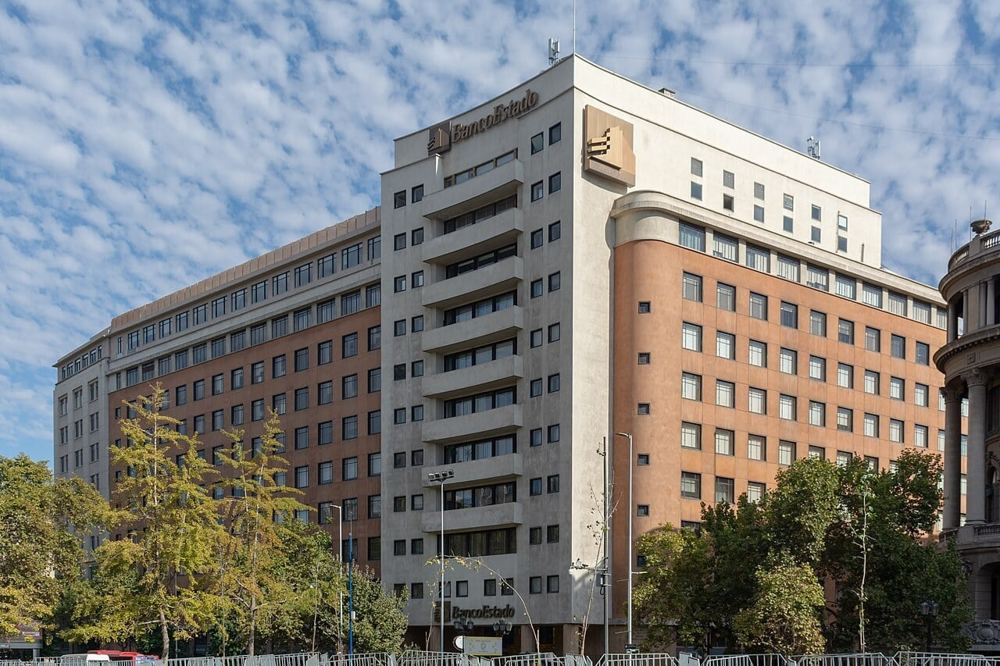
Chile's central bank chief Rosanna Costa warned of BancoEstado conflicts of interest in the new Fonavi fund, which could reach a quarter of all home loans. The post Chile Central Bank Flags BancoEstado Conflicts in US$2 Billion Housing Fund appeared first on The Rio Times .
Rosanna Costa backed the new Fonavi housing fund but wants Chile’s regulator to police BancoEstado conflicts of interest.
Chile’s central bank president, Rosanna Costa, warned on Tuesday 29 September of possible BancoEstado conflicts of interest in a new housing fund. The state bank would write the fund’s rules and could also bid in its auctions, she told a congressional committee.
Costa has led the Central Bank of Chile, the country’s independent monetary authority, since January 2022. She spoke to the committee as it studies a wide reform of the capital markets.
The bill says BancoEstado “will simultaneously be administrator” of the fund, because it will issue the regulations, Costa said. It would also be a “possible participant in the auctions,” which “could generate potential conflicts of interest,” she added.
She did not ask lawmakers to drop the fund. She asked them to define its governance, meaning who decides and who checks, before it starts work.
Fonavi, the National Housing Fund, is the centrepiece of the capital markets reform known as MK4. President José Antonio Kast and Finance Minister Jorge Quiroz sent it to Congress on 9 September with priority status.
The fund would not lend directly to families. It would buy mortgage portfolios that banks and other lenders have already granted, choosing them through auctions.
That gives lenders fresh room on their balance sheets to write new loans. The government says the goal is 30-year mortgages with smaller down payments and lower interest rates.
The state would contribute up to US$2 billion over 36 months, starting with US$500 million. Officials expect the fund to finance about 150,000 homes worth up to 6,000 UF each.
The UF is Chile’s inflation-indexed unit of account, worth 41,049 pesos on 29 September. That puts the price cap at about US$253,000 at that day’s rate of 973 pesos per dollar.
BancoEstado is Chile’s state-owned bank and a large mortgage lender in its own right. Its president, Mario Farren, told the same committee on 22 September that it holds almost 7 million housing savings accounts.
Farren also said about 90,000 mortgages were granted in Chile last year. That figure shows how large a 150,000-home fund would be against the normal yearly flow.
As fund manager, BancoEstado would set the auction rules. As a lender, it could sell its own loans into the same auctions and compete with private banks.
The bill already includes safeguards. It separates the Fonavi unit from the bank’s lending units, adds an internal supervisory committee and requires six-monthly reports.
Costa said an internal committee “cannot substitute” for the Financial Market Commission (CMF), Chile’s banking and securities regulator. She said the CMF should decide what the fund’s six-monthly report contains.
She also asked that the law require the fund to send that report to the central bank. The bank would then track the fund’s effect on credit, financial stability and the wider economy.
Costa said Fonavi could reach about US$22 billion in assets at full size. That would equal almost 25% of Chile’s current market for home mortgages.
Size brings a second risk. A lender that can sell a loan to the fund passes the default risk on, and may check borrowers less carefully.
The bill answers this with a deductible, a first slice of any loss that the selling lender keeps. Costa said the size of that slice will decide whether the scheme works.
“A deductible that is too low would not align incentives properly,” she said. One that is too high would discourage banks from bidding and defeat the aim of freeing capital.
Costa welcomed the fund as a step towards a secondary mortgage market, where existing home loans are bought and sold. She said smaller lenders could benefit most.
She named mortgage lending companies, credit cooperatives and the “cajas de compensación”, non-profit welfare funds that lend to workers. Many of them cannot easily issue bonds or keep long loans on their books.
Quiroz has called Fonavi “a kind of Chilean Fannie Mae, without the distortions of the American Fannie Mae”. The two US mortgage agencies, Fannie Mae and Freddie Mac, were central to the 2008 subprime crisis.
CMF president Catherine Tornel rejected that comparison before the committee. Costa asked lawmakers to watch whether the state fund crowds out private mortgage finance and how it moves house prices.
For families, nothing changes yet. The bill is still in its first chamber, and the CMF must write detailed rules after any law passes.
For banks and investors, the open questions are the auction rules and the size of the first-loss share. Chile’s pension regulator has said Fonavi bonds could draw strong demand from pension fund managers.
The debate now turns on design rather than on whether Chile should have the fund at all.
Fonavi is a planned National Housing Fund in Chile’s MK4 capital markets reform. It would buy existing mortgage portfolios from lenders so they can grant more long-term home loans. The state would put in up to US$2 billion over 36 months.
Under the bill, BancoEstado would both issue the fund’s rules and possibly take part in its auctions. Central bank president Rosanna Costa said on 29 September 2026 that this could create conflicts of interest. She asked that the financial regulator, the CMF, keep final oversight.
No. The bill is still before the Chamber of Deputies and has no vote date. After any approval, the CMF and the fund must still set detailed rules and auction terms.



