CBN challenges recapitalised banks to expand productive lending
The Central Bank of Nigeria (CBN) has challenged recapitalised banks to translate their stronger capital positions into increased financing for read more CBN challenges recapitalised banks to expand productive lending
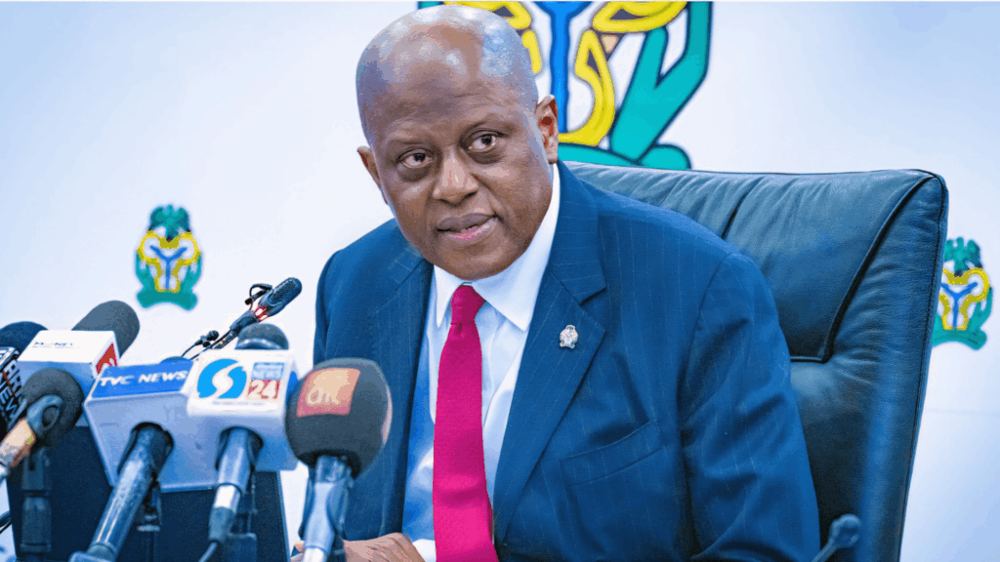
The Central Bank of Nigeria (CBN) has challenged recapitalised banks to translate their stronger capital positions into increased financing for productive sectors of the economy, including agriculture, manufacturing, infrastructure and services. Muhammad Sani Abdullahi, deputy governor, Corporate Services, CBN, said the success of the banking sector recapitalisation should ultimately be measured not only by the amount of capital raised but also by the quality of banking services and productive lending it supports. Abdullahi spoke on Tuesday at the 38th Seminar for Finance Correspondents and Business Editors organised by the Finance Correspondents Association of Nigeria (FICAN) in Abuja. He said 33 banks had met the revised minimum capital requirements by the end of the two-year recapitalisation programme announced in March 2024, raising a combined N4.65 trillion. According to him, the stronger capital base gives banks greater capacity to support larger financing needs as the Nigerian economy expands. “Nigeria’s aspiration to build a one-trillion-dollar economy by 2030 requires banks capable of mobilising and allocating capital on a much larger scale,” Abdullahi said. Read also: Nigerian equities lose N468.6bn as banks, industrial stocks drive sell-off He said stronger capital buffers should enable banks to finance long-term infrastructure, support industrial expansion, facilitate international trade and compete more effectively in regional and global markets. He added that stronger capital positions would also give banks greater capacity to absorb losses during periods of economic stress while sustaining investment in innovation and digital transformation. However, the deputy governor stressed that recapitalisation alone would not guarantee a more resilient banking sector, saying capital must be supported by sound governance, effective risk management and responsible lending. “Capital, however, is a starting point. Boards and management must maintain sound controls, recognise risks early and lend on the strength of viable projects,” he said. Abdullahi urged banks to strengthen corporate governance, internal controls and risk-management frameworks while guarding against excessive risk-taking. He said risk management should extend beyond credit risk to market, liquidity and operational risks, as well as cybersecurity, third-party dependencies and climate-related financial risks. The CBN, he said, would continue to pay close attention to governance, asset quality, liquidity and large exposures as banks operate with their stronger capital bases. He also said banks would be expected to protect customer data, maintain reliable payment services and recover quickly from disruptions. According to him, the wider economy should benefit from the recapitalisation over time, particularly as agriculture, manufacturing, services and infrastructure require financing suited to their cash flows and investment horizons. “Smaller firms and households need dependable payments, appropriate products and fair treatment. We should assess recapitalisation by the quality of banking services and productive lending it supports, as well as by the amount of capital raised,” he said. Abdullahi also urged banks to ensure that the benefits of stronger balance sheets reach rural communities, women and young entrepreneurs, describing consumer protection and financial inclusion as integral to financial-system resilience. He encouraged businesses to engage more closely with banks and improve their corporate transparency, governance and sustainability, which he said increasingly inform credit assessments. “Greater financing capacity can support productive investment in technology, energy, transportation and power, alongside agriculture, manufacturing and other services,” he said. The CBN deputy governor said innovation, higher productivity and long-term planning would help businesses make effective use of the opportunities provided by stronger banks. He noted that the banking sector was entering the post-recapitalisation phase in an increasingly interconnected environment, where geopolitical uncertainty, climate-related risks, cyber threats and rapid technological change could transmit shocks across borders. He therefore said the resilience of banks would depend not only on adequate capital but also on their ability to anticipate emerging risks, absorb shocks, adapt and recover. Abdullahi said the CBN’s supervisory approach would continue to emphasise risk-based supervision, macroprudential surveillance and enhanced stress testing, alongside consumer protection, fintech regulation, responsible innovation and crisis preparedness. Read also: How Nigeria’s rural electricity agency is engineering a sustainable energy revolution through asset management The recapitalisation programme was announced by the CBN in March 2024, with banks given two years to raise capital appropriate to their respective licences. Related News NSCDC deploys 3,000 personnel across FCT for independence anniversary Tanzania lifts visa restrictions on Nigerian travellers NNPC committed N11.2 trn to securing oil, gas assets in 2025 Hope Moses-Ashike Hope Moses-Ashike is an Associate Editor, Banking and Finance, with more than a decade of experience reporting on Nigeria’s financial system and broader economy. She closely tracks market movements, monetary policy decisions, company disclosures, regulatory actions, economic indicators, and global developments, and interprets what they mean for businesses, investors, policymakers, and households. Her reporting helps readers understand complex issues such as inflation trends, foreign exchange market dynamics, interest rate decisions, bank performance, and investment risks. She also covers major international events and periodically travels to Washington, D.C., to report on the World Bank/IMF Spring and Annual Meetings. Her dedication to financial journalism has earned her multiple recognitions and invitations to high-level professional development programmes. She is an alumna of the International Visitors Leadership Programme (IVLP) in the United States and holds an Advanced Financial Journalism Certificate from the Press Association Training in London, UK. Her other notable achievements include completing the Lagos Business School CMC Programme, the Bloomberg Media Africa Initiative Programme, and a Master Class in Journalism at Rhodes University in South Africa. Share
Muhammad Sani Abdullahi, deputy governor, Corporate Services, CBN, said the success of the banking sector recapitalisation should ultimately be measured not only by the amount of capital raised but also by the quality of banking services and productive lending it supports. Abdullahi spoke on Tuesday at the 38th Seminar for Finance Correspondents and Business Editors organised by the Finance Correspondents Association of Nigeria (FICAN) in Abuja. He said 33 banks had met the revised minimum capital requirements by the end of the two-year recapitalisation programme announced in March 2024, raising a combined N4.65 trillion. According to him, the stronger capital base gives banks greater capacity to support larger financing needs as the Nigerian economy expands. “Nigeria’s aspiration to build a one-trillion-dollar economy by 2030 requires banks capable of mobilising and allocating capital on a much larger scale,” Abdullahi said. Read also: Nigerian equities lose N468.6bn as banks, industrial stocks drive sell-off He said stronger capital buffers should enable banks to finance long-term infrastructure, support industrial expansion, facilitate international trade and compete more effectively in regional and global markets. He added that stronger capital positions would also give banks greater capacity to absorb losses during periods of economic stress while sustaining investment in innovation and digital transformation. However, the deputy governor stressed that recapitalisation alone would not guarantee a more resilient banking sector, saying capital must be supported by sound governance, effective risk management and responsible lending. “Capital, however, is a starting point. Boards and management must maintain sound controls, recognise risks early and lend on the strength of viable projects,” he said. Abdullahi urged banks to strengthen corporate governance, internal controls and risk-management frameworks while guarding against excessive risk-taking. He said risk management should extend beyond credit risk to market, liquidity and operational risks, as well as cybersecurity, third-party dependencies and climate-related financial risks. The CBN, he said, would continue to pay close attention to governance, asset quality, liquidity and large exposures as banks operate with their stronger capital bases. He also said banks would be expected to protect customer data, maintain reliable payment services and recover quickly from disruptions. According to him, the wider economy should benefit from the recapitalisation over time, particularly as agriculture, manufacturing, services and infrastructure require financing suited to their cash flows and investment horizons. “Smaller firms and households need dependable payments, appropriate products and fair treatment. We should assess recapitalisation by the quality of banking services and productive lending it supports, as well as by the amount of capital raised,” he said. Abdullahi also urged banks to ensure that the benefits of stronger balance sheets reach rural communities, women and young entrepreneurs, describing consumer protection and financial inclusion as integral to financial-system resilience. He encouraged businesses to engage more closely with banks and improve their corporate transparency, governance and sustainability, which he said increasingly inform credit assessments. “Greater financing capacity can support productive investment in technology, energy, transportation and power, alongside agriculture, manufacturing and other services,” he said. The CBN deputy governor said innovation, higher productivity and long-term planning would help businesses make effective use of the opportunities provided by stronger banks. He noted that the banking sector was entering the post-recapitalisation phase in an increasingly interconnected environment, where geopolitical uncertainty, climate-related risks, cyber threats and rapid technological change could transmit shocks across borders. He therefore said the resilience of banks would depend not only on adequate capital but also on their ability to anticipate emerging risks, absorb shocks, adapt and recover. Abdullahi said the CBN’s supervisory approach would continue to emphasise risk-based supervision, macroprudential surveillance and enhanced stress testing, alongside consumer protection, fintech regulation, responsible innovation and crisis preparedness. Read also: How Nigeria’s rural electricity agency is engineering a sustainable energy revolution through asset management The recapitalisation programme was announced by the CBN in March 2024, with banks given two years to raise capital appropriate to their respective licences. Related News NSCDC deploys 3,000 personnel across FCT for independence anniversary Tanzania lifts visa restrictions on Nigerian travellers NNPC committed N11.2 trn to securing oil, gas assets in 2025 Hope Moses-Ashike Hope Moses-Ashike is an Associate Editor, Banking and Finance, with more than a decade of experience reporting on Nigeria’s financial system and broader economy. She closely tracks market movements, monetary policy decisions, company disclosures, regulatory actions, economic indicators, and global developments, and interprets what they mean for businesses, investors, policymakers, and households. Her reporting helps readers understand complex issues such as inflation trends, foreign exchange market dynamics, interest rate decisions, bank performance, and investment risks. She also covers major international events and periodically travels to Washington, D.C., to report on the World Bank/IMF Spring and Annual Meetings. Her dedication to financial journalism has earned her multiple recognitions and invitations to high-level professional development programmes. She is an alumna of the International Visitors Leadership Programme (IVLP) in the United States and holds an Advanced Financial Journalism Certificate from the Press Association Training in London, UK. Her other notable achievements include completing the Lagos Business School CMC Programme, the Bloomberg Media Africa Initiative Programme, and a Master Class in Journalism at Rhodes University in South Africa. Share
Abdullahi spoke on Tuesday at the 38th Seminar for Finance Correspondents and Business Editors organised by the Finance Correspondents Association of Nigeria (FICAN) in Abuja. He said 33 banks had met the revised minimum capital requirements by the end of the two-year recapitalisation programme announced in March 2024, raising a combined N4.65 trillion. According to him, the stronger capital base gives banks greater capacity to support larger financing needs as the Nigerian economy expands. “Nigeria’s aspiration to build a one-trillion-dollar economy by 2030 requires banks capable of mobilising and allocating capital on a much larger scale,” Abdullahi said. Read also: Nigerian equities lose N468.6bn as banks, industrial stocks drive sell-off He said stronger capital buffers should enable banks to finance long-term infrastructure, support industrial expansion, facilitate international trade and compete more effectively in regional and global markets. He added that stronger capital positions would also give banks greater capacity to absorb losses during periods of economic stress while sustaining investment in innovation and digital transformation. However, the deputy governor stressed that recapitalisation alone would not guarantee a more resilient banking sector, saying capital must be supported by sound governance, effective risk management and responsible lending. “Capital, however, is a starting point. Boards and management must maintain sound controls, recognise risks early and lend on the strength of viable projects,” he said. Abdullahi urged banks to strengthen corporate governance, internal controls and risk-management frameworks while guarding against excessive risk-taking. He said risk management should extend beyond credit risk to market, liquidity and operational risks, as well as cybersecurity, third-party dependencies and climate-related financial risks. The CBN, he said, would continue to pay close attention to governance, asset quality, liquidity and large exposures as banks operate with their stronger capital bases. He also said banks would be expected to protect customer data, maintain reliable payment services and recover quickly from disruptions. According to him, the wider economy should benefit from the recapitalisation over time, particularly as agriculture, manufacturing, services and infrastructure require financing suited to their cash flows and investment horizons. “Smaller firms and households need dependable payments, appropriate products and fair treatment. We should assess recapitalisation by the quality of banking services and productive lending it supports, as well as by the amount of capital raised,” he said. Abdullahi also urged banks to ensure that the benefits of stronger balance sheets reach rural communities, women and young entrepreneurs, describing consumer protection and financial inclusion as integral to financial-system resilience. He encouraged businesses to engage more closely with banks and improve their corporate transparency, governance and sustainability, which he said increasingly inform credit assessments. “Greater financing capacity can support productive investment in technology, energy, transportation and power, alongside agriculture, manufacturing and other services,” he said. The CBN deputy governor said innovation, higher productivity and long-term planning would help businesses make effective use of the opportunities provided by stronger banks. He noted that the banking sector was entering the post-recapitalisation phase in an increasingly interconnected environment, where geopolitical uncertainty, climate-related risks, cyber threats and rapid technological change could transmit shocks across borders. He therefore said the resilience of banks would depend not only on adequate capital but also on their ability to anticipate emerging risks, absorb shocks, adapt and recover. Abdullahi said the CBN’s supervisory approach would continue to emphasise risk-based supervision, macroprudential surveillance and enhanced stress testing, alongside consumer protection, fintech regulation, responsible innovation and crisis preparedness. Read also: How Nigeria’s rural electricity agency is engineering a sustainable energy revolution through asset management The recapitalisation programme was announced by the CBN in March 2024, with banks given two years to raise capital appropriate to their respective licences. Related News NSCDC deploys 3,000 personnel across FCT for independence anniversary Tanzania lifts visa restrictions on Nigerian travellers NNPC committed N11.2 trn to securing oil, gas assets in 2025 Hope Moses-Ashike Hope Moses-Ashike is an Associate Editor, Banking and Finance, with more than a decade of experience reporting on Nigeria’s financial system and broader economy. She closely tracks market movements, monetary policy decisions, company disclosures, regulatory actions, economic indicators, and global developments, and interprets what they mean for businesses, investors, policymakers, and households. Her reporting helps readers understand complex issues such as inflation trends, foreign exchange market dynamics, interest rate decisions, bank performance, and investment risks. She also covers major international events and periodically travels to Washington, D.C., to report on the World Bank/IMF Spring and Annual Meetings. Her dedication to financial journalism has earned her multiple recognitions and invitations to high-level professional development programmes. She is an alumna of the International Visitors Leadership Programme (IVLP) in the United States and holds an Advanced Financial Journalism Certificate from the Press Association Training in London, UK. Her other notable achievements include completing the Lagos Business School CMC Programme, the Bloomberg Media Africa Initiative Programme, and a Master Class in Journalism at Rhodes University in South Africa. Share
He said 33 banks had met the revised minimum capital requirements by the end of the two-year recapitalisation programme announced in March 2024, raising a combined N4.65 trillion. According to him, the stronger capital base gives banks greater capacity to support larger financing needs as the Nigerian economy expands. “Nigeria’s aspiration to build a one-trillion-dollar economy by 2030 requires banks capable of mobilising and allocating capital on a much larger scale,” Abdullahi said. Read also: Nigerian equities lose N468.6bn as banks, industrial stocks drive sell-off He said stronger capital buffers should enable banks to finance long-term infrastructure, support industrial expansion, facilitate international trade and compete more effectively in regional and global markets. He added that stronger capital positions would also give banks greater capacity to absorb losses during periods of economic stress while sustaining investment in innovation and digital transformation. However, the deputy governor stressed that recapitalisation alone would not guarantee a more resilient banking sector, saying capital must be supported by sound governance, effective risk management and responsible lending. “Capital, however, is a starting point. Boards and management must maintain sound controls, recognise risks early and lend on the strength of viable projects,” he said. Abdullahi urged banks to strengthen corporate governance, internal controls and risk-management frameworks while guarding against excessive risk-taking. He said risk management should extend beyond credit risk to market, liquidity and operational risks, as well as cybersecurity, third-party dependencies and climate-related financial risks. The CBN, he said, would continue to pay close attention to governance, asset quality, liquidity and large exposures as banks operate with their stronger capital bases. He also said banks would be expected to protect customer data, maintain reliable payment services and recover quickly from disruptions. According to him, the wider economy should benefit from the recapitalisation over time, particularly as agriculture, manufacturing, services and infrastructure require financing suited to their cash flows and investment horizons. “Smaller firms and households need dependable payments, appropriate products and fair treatment. We should assess recapitalisation by the quality of banking services and productive lending it supports, as well as by the amount of capital raised,” he said. Abdullahi also urged banks to ensure that the benefits of stronger balance sheets reach rural communities, women and young entrepreneurs, describing consumer protection and financial inclusion as integral to financial-system resilience. He encouraged businesses to engage more closely with banks and improve their corporate transparency, governance and sustainability, which he said increasingly inform credit assessments. “Greater financing capacity can support productive investment in technology, energy, transportation and power, alongside agriculture, manufacturing and other services,” he said. The CBN deputy governor said innovation, higher productivity and long-term planning would help businesses make effective use of the opportunities provided by stronger banks. He noted that the banking sector was entering the post-recapitalisation phase in an increasingly interconnected environment, where geopolitical uncertainty, climate-related risks, cyber threats and rapid technological change could transmit shocks across borders. He therefore said the resilience of banks would depend not only on adequate capital but also on their ability to anticipate emerging risks, absorb shocks, adapt and recover. Abdullahi said the CBN’s supervisory approach would continue to emphasise risk-based supervision, macroprudential surveillance and enhanced stress testing, alongside consumer protection, fintech regulation, responsible innovation and crisis preparedness. Read also: How Nigeria’s rural electricity agency is engineering a sustainable energy revolution through asset management The recapitalisation programme was announced by the CBN in March 2024, with banks given two years to raise capital appropriate to their respective licences. Related News NSCDC deploys 3,000 personnel across FCT for independence anniversary Tanzania lifts visa restrictions on Nigerian travellers NNPC committed N11.2 trn to securing oil, gas assets in 2025 Hope Moses-Ashike Hope Moses-Ashike is an Associate Editor, Banking and Finance, with more than a decade of experience reporting on Nigeria’s financial system and broader economy. She closely tracks market movements, monetary policy decisions, company disclosures, regulatory actions, economic indicators, and global developments, and interprets what they mean for businesses, investors, policymakers, and households. Her reporting helps readers understand complex issues such as inflation trends, foreign exchange market dynamics, interest rate decisions, bank performance, and investment risks. She also covers major international events and periodically travels to Washington, D.C., to report on the World Bank/IMF Spring and Annual Meetings. Her dedication to financial journalism has earned her multiple recognitions and invitations to high-level professional development programmes. She is an alumna of the International Visitors Leadership Programme (IVLP) in the United States and holds an Advanced Financial Journalism Certificate from the Press Association Training in London, UK. Her other notable achievements include completing the Lagos Business School CMC Programme, the Bloomberg Media Africa Initiative Programme, and a Master Class in Journalism at Rhodes University in South Africa. Share
According to him, the stronger capital base gives banks greater capacity to support larger financing needs as the Nigerian economy expands. “Nigeria’s aspiration to build a one-trillion-dollar economy by 2030 requires banks capable of mobilising and allocating capital on a much larger scale,” Abdullahi said. Read also: Nigerian equities lose N468.6bn as banks, industrial stocks drive sell-off He said stronger capital buffers should enable banks to finance long-term infrastructure, support industrial expansion, facilitate international trade and compete more effectively in regional and global markets. He added that stronger capital positions would also give banks greater capacity to absorb losses during periods of economic stress while sustaining investment in innovation and digital transformation. However, the deputy governor stressed that recapitalisation alone would not guarantee a more resilient banking sector, saying capital must be supported by sound governance, effective risk management and responsible lending. “Capital, however, is a starting point. Boards and management must maintain sound controls, recognise risks early and lend on the strength of viable projects,” he said. Abdullahi urged banks to strengthen corporate governance, internal controls and risk-management frameworks while guarding against excessive risk-taking. He said risk management should extend beyond credit risk to market, liquidity and operational risks, as well as cybersecurity, third-party dependencies and climate-related financial risks. The CBN, he said, would continue to pay close attention to governance, asset quality, liquidity and large exposures as banks operate with their stronger capital bases. He also said banks would be expected to protect customer data, maintain reliable payment services and recover quickly from disruptions. According to him, the wider economy should benefit from the recapitalisation over time, particularly as agriculture, manufacturing, services and infrastructure require financing suited to their cash flows and investment horizons. “Smaller firms and households need dependable payments, appropriate products and fair treatment. We should assess recapitalisation by the quality of banking services and productive lending it supports, as well as by the amount of capital raised,” he said. Abdullahi also urged banks to ensure that the benefits of stronger balance sheets reach rural communities, women and young entrepreneurs, describing consumer protection and financial inclusion as integral to financial-system resilience. He encouraged businesses to engage more closely with banks and improve their corporate transparency, governance and sustainability, which he said increasingly inform credit assessments. “Greater financing capacity can support productive investment in technology, energy, transportation and power, alongside agriculture, manufacturing and other services,” he said. The CBN deputy governor said innovation, higher productivity and long-term planning would help businesses make effective use of the opportunities provided by stronger banks. He noted that the banking sector was entering the post-recapitalisation phase in an increasingly interconnected environment, where geopolitical uncertainty, climate-related risks, cyber threats and rapid technological change could transmit shocks across borders. He therefore said the resilience of banks would depend not only on adequate capital but also on their ability to anticipate emerging risks, absorb shocks, adapt and recover. Abdullahi said the CBN’s supervisory approach would continue to emphasise risk-based supervision, macroprudential surveillance and enhanced stress testing, alongside consumer protection, fintech regulation, responsible innovation and crisis preparedness. Read also: How Nigeria’s rural electricity agency is engineering a sustainable energy revolution through asset management The recapitalisation programme was announced by the CBN in March 2024, with banks given two years to raise capital appropriate to their respective licences. Related News NSCDC deploys 3,000 personnel across FCT for independence anniversary Tanzania lifts visa restrictions on Nigerian travellers NNPC committed N11.2 trn to securing oil, gas assets in 2025 Hope Moses-Ashike Hope Moses-Ashike is an Associate Editor, Banking and Finance, with more than a decade of experience reporting on Nigeria’s financial system and broader economy. She closely tracks market movements, monetary policy decisions, company disclosures, regulatory actions, economic indicators, and global developments, and interprets what they mean for businesses, investors, policymakers, and households. Her reporting helps readers understand complex issues such as inflation trends, foreign exchange market dynamics, interest rate decisions, bank performance, and investment risks. She also covers major international events and periodically travels to Washington, D.C., to report on the World Bank/IMF Spring and Annual Meetings. Her dedication to financial journalism has earned her multiple recognitions and invitations to high-level professional development programmes. She is an alumna of the International Visitors Leadership Programme (IVLP) in the United States and holds an Advanced Financial Journalism Certificate from the Press Association Training in London, UK. Her other notable achievements include completing the Lagos Business School CMC Programme, the Bloomberg Media Africa Initiative Programme, and a Master Class in Journalism at Rhodes University in South Africa. Share
“Nigeria’s aspiration to build a one-trillion-dollar economy by 2030 requires banks capable of mobilising and allocating capital on a much larger scale,” Abdullahi said. Read also: Nigerian equities lose N468.6bn as banks, industrial stocks drive sell-off He said stronger capital buffers should enable banks to finance long-term infrastructure, support industrial expansion, facilitate international trade and compete more effectively in regional and global markets. He added that stronger capital positions would also give banks greater capacity to absorb losses during periods of economic stress while sustaining investment in innovation and digital transformation. However, the deputy governor stressed that recapitalisation alone would not guarantee a more resilient banking sector, saying capital must be supported by sound governance, effective risk management and responsible lending. “Capital, however, is a starting point. Boards and management must maintain sound controls, recognise risks early and lend on the strength of viable projects,” he said. Abdullahi urged banks to strengthen corporate governance, internal controls and risk-management frameworks while guarding against excessive risk-taking. He said risk management should extend beyond credit risk to market, liquidity and operational risks, as well as cybersecurity, third-party dependencies and climate-related financial risks. The CBN, he said, would continue to pay close attention to governance, asset quality, liquidity and large exposures as banks operate with their stronger capital bases. He also said banks would be expected to protect customer data, maintain reliable payment services and recover quickly from disruptions. According to him, the wider economy should benefit from the recapitalisation over time, particularly as agriculture, manufacturing, services and infrastructure require financing suited to their cash flows and investment horizons. “Smaller firms and households need dependable payments, appropriate products and fair treatment. We should assess recapitalisation by the quality of banking services and productive lending it supports, as well as by the amount of capital raised,” he said. Abdullahi also urged banks to ensure that the benefits of stronger balance sheets reach rural communities, women and young entrepreneurs, describing consumer protection and financial inclusion as integral to financial-system resilience. He encouraged businesses to engage more closely with banks and improve their corporate transparency, governance and sustainability, which he said increasingly inform credit assessments. “Greater financing capacity can support productive investment in technology, energy, transportation and power, alongside agriculture, manufacturing and other services,” he said. The CBN deputy governor said innovation, higher productivity and long-term planning would help businesses make effective use of the opportunities provided by stronger banks. He noted that the banking sector was entering the post-recapitalisation phase in an increasingly interconnected environment, where geopolitical uncertainty, climate-related risks, cyber threats and rapid technological change could transmit shocks across borders. He therefore said the resilience of banks would depend not only on adequate capital but also on their ability to anticipate emerging risks, absorb shocks, adapt and recover. Abdullahi said the CBN’s supervisory approach would continue to emphasise risk-based supervision, macroprudential surveillance and enhanced stress testing, alongside consumer protection, fintech regulation, responsible innovation and crisis preparedness. Read also: How Nigeria’s rural electricity agency is engineering a sustainable energy revolution through asset management The recapitalisation programme was announced by the CBN in March 2024, with banks given two years to raise capital appropriate to their respective licences. Related News NSCDC deploys 3,000 personnel across FCT for independence anniversary Tanzania lifts visa restrictions on Nigerian travellers NNPC committed N11.2 trn to securing oil, gas assets in 2025 Hope Moses-Ashike Hope Moses-Ashike is an Associate Editor, Banking and Finance, with more than a decade of experience reporting on Nigeria’s financial system and broader economy. She closely tracks market movements, monetary policy decisions, company disclosures, regulatory actions, economic indicators, and global developments, and interprets what they mean for businesses, investors, policymakers, and households. Her reporting helps readers understand complex issues such as inflation trends, foreign exchange market dynamics, interest rate decisions, bank performance, and investment risks. She also covers major international events and periodically travels to Washington, D.C., to report on the World Bank/IMF Spring and Annual Meetings. Her dedication to financial journalism has earned her multiple recognitions and invitations to high-level professional development programmes. She is an alumna of the International Visitors Leadership Programme (IVLP) in the United States and holds an Advanced Financial Journalism Certificate from the Press Association Training in London, UK. Her other notable achievements include completing the Lagos Business School CMC Programme, the Bloomberg Media Africa Initiative Programme, and a Master Class in Journalism at Rhodes University in South Africa. Share
Read also: Nigerian equities lose N468.6bn as banks, industrial stocks drive sell-off He said stronger capital buffers should enable banks to finance long-term infrastructure, support industrial expansion, facilitate international trade and compete more effectively in regional and global markets. He added that stronger capital positions would also give banks greater capacity to absorb losses during periods of economic stress while sustaining investment in innovation and digital transformation. However, the deputy governor stressed that recapitalisation alone would not guarantee a more resilient banking sector, saying capital must be supported by sound governance, effective risk management and responsible lending. “Capital, however, is a starting point. Boards and management must maintain sound controls, recognise risks early and lend on the strength of viable projects,” he said. Abdullahi urged banks to strengthen corporate governance, internal controls and risk-management frameworks while guarding against excessive risk-taking. He said risk management should extend beyond credit risk to market, liquidity and operational risks, as well as cybersecurity, third-party dependencies and climate-related financial risks. The CBN, he said, would continue to pay close attention to governance, asset quality, liquidity and large exposures as banks operate with their stronger capital bases. He also said banks would be expected to protect customer data, maintain reliable payment services and recover quickly from disruptions. According to him, the wider economy should benefit from the recapitalisation over time, particularly as agriculture, manufacturing, services and infrastructure require financing suited to their cash flows and investment horizons. “Smaller firms and households need dependable payments, appropriate products and fair treatment. We should assess recapitalisation by the quality of banking services and productive lending it supports, as well as by the amount of capital raised,” he said. Abdullahi also urged banks to ensure that the benefits of stronger balance sheets reach rural communities, women and young entrepreneurs, describing consumer protection and financial inclusion as integral to financial-system resilience. He encouraged businesses to engage more closely with banks and improve their corporate transparency, governance and sustainability, which he said increasingly inform credit assessments. “Greater financing capacity can support productive investment in technology, energy, transportation and power, alongside agriculture, manufacturing and other services,” he said. The CBN deputy governor said innovation, higher productivity and long-term planning would help businesses make effective use of the opportunities provided by stronger banks. He noted that the banking sector was entering the post-recapitalisation phase in an increasingly interconnected environment, where geopolitical uncertainty, climate-related risks, cyber threats and rapid technological change could transmit shocks across borders. He therefore said the resilience of banks would depend not only on adequate capital but also on their ability to anticipate emerging risks, absorb shocks, adapt and recover. Abdullahi said the CBN’s supervisory approach would continue to emphasise risk-based supervision, macroprudential surveillance and enhanced stress testing, alongside consumer protection, fintech regulation, responsible innovation and crisis preparedness. Read also: How Nigeria’s rural electricity agency is engineering a sustainable energy revolution through asset management The recapitalisation programme was announced by the CBN in March 2024, with banks given two years to raise capital appropriate to their respective licences. Related News NSCDC deploys 3,000 personnel across FCT for independence anniversary Tanzania lifts visa restrictions on Nigerian travellers NNPC committed N11.2 trn to securing oil, gas assets in 2025 Hope Moses-Ashike Hope Moses-Ashike is an Associate Editor, Banking and Finance, with more than a decade of experience reporting on Nigeria’s financial system and broader economy. She closely tracks market movements, monetary policy decisions, company disclosures, regulatory actions, economic indicators, and global developments, and interprets what they mean for businesses, investors, policymakers, and households. Her reporting helps readers understand complex issues such as inflation trends, foreign exchange market dynamics, interest rate decisions, bank performance, and investment risks. She also covers major international events and periodically travels to Washington, D.C., to report on the World Bank/IMF Spring and Annual Meetings. Her dedication to financial journalism has earned her multiple recognitions and invitations to high-level professional development programmes. She is an alumna of the International Visitors Leadership Programme (IVLP) in the United States and holds an Advanced Financial Journalism Certificate from the Press Association Training in London, UK. Her other notable achievements include completing the Lagos Business School CMC Programme, the Bloomberg Media Africa Initiative Programme, and a Master Class in Journalism at Rhodes University in South Africa. Share
He said stronger capital buffers should enable banks to finance long-term infrastructure, support industrial expansion, facilitate international trade and compete more effectively in regional and global markets. He added that stronger capital positions would also give banks greater capacity to absorb losses during periods of economic stress while sustaining investment in innovation and digital transformation. However, the deputy governor stressed that recapitalisation alone would not guarantee a more resilient banking sector, saying capital must be supported by sound governance, effective risk management and responsible lending. “Capital, however, is a starting point. Boards and management must maintain sound controls, recognise risks early and lend on the strength of viable projects,” he said. Abdullahi urged banks to strengthen corporate governance, internal controls and risk-management frameworks while guarding against excessive risk-taking. He said risk management should extend beyond credit risk to market, liquidity and operational risks, as well as cybersecurity, third-party dependencies and climate-related financial risks. The CBN, he said, would continue to pay close attention to governance, asset quality, liquidity and large exposures as banks operate with their stronger capital bases. He also said banks would be expected to protect customer data, maintain reliable payment services and recover quickly from disruptions. According to him, the wider economy should benefit from the recapitalisation over time, particularly as agriculture, manufacturing, services and infrastructure require financing suited to their cash flows and investment horizons. “Smaller firms and households need dependable payments, appropriate products and fair treatment. We should assess recapitalisation by the quality of banking services and productive lending it supports, as well as by the amount of capital raised,” he said. Abdullahi also urged banks to ensure that the benefits of stronger balance sheets reach rural communities, women and young entrepreneurs, describing consumer protection and financial inclusion as integral to financial-system resilience. He encouraged businesses to engage more closely with banks and improve their corporate transparency, governance and sustainability, which he said increasingly inform credit assessments. “Greater financing capacity can support productive investment in technology, energy, transportation and power, alongside agriculture, manufacturing and other services,” he said. The CBN deputy governor said innovation, higher productivity and long-term planning would help businesses make effective use of the opportunities provided by stronger banks. He noted that the banking sector was entering the post-recapitalisation phase in an increasingly interconnected environment, where geopolitical uncertainty, climate-related risks, cyber threats and rapid technological change could transmit shocks across borders. He therefore said the resilience of banks would depend not only on adequate capital but also on their ability to anticipate emerging risks, absorb shocks, adapt and recover. Abdullahi said the CBN’s supervisory approach would continue to emphasise risk-based supervision, macroprudential surveillance and enhanced stress testing, alongside consumer protection, fintech regulation, responsible innovation and crisis preparedness. Read also: How Nigeria’s rural electricity agency is engineering a sustainable energy revolution through asset management The recapitalisation programme was announced by the CBN in March 2024, with banks given two years to raise capital appropriate to their respective licences. Related News NSCDC deploys 3,000 personnel across FCT for independence anniversary Tanzania lifts visa restrictions on Nigerian travellers NNPC committed N11.2 trn to securing oil, gas assets in 2025 Hope Moses-Ashike Hope Moses-Ashike is an Associate Editor, Banking and Finance, with more than a decade of experience reporting on Nigeria’s financial system and broader economy. She closely tracks market movements, monetary policy decisions, company disclosures, regulatory actions, economic indicators, and global developments, and interprets what they mean for businesses, investors, policymakers, and households. Her reporting helps readers understand complex issues such as inflation trends, foreign exchange market dynamics, interest rate decisions, bank performance, and investment risks. She also covers major international events and periodically travels to Washington, D.C., to report on the World Bank/IMF Spring and Annual Meetings. Her dedication to financial journalism has earned her multiple recognitions and invitations to high-level professional development programmes. She is an alumna of the International Visitors Leadership Programme (IVLP) in the United States and holds an Advanced Financial Journalism Certificate from the Press Association Training in London, UK. Her other notable achievements include completing the Lagos Business School CMC Programme, the Bloomberg Media Africa Initiative Programme, and a Master Class in Journalism at Rhodes University in South Africa. Share
He added that stronger capital positions would also give banks greater capacity to absorb losses during periods of economic stress while sustaining investment in innovation and digital transformation. However, the deputy governor stressed that recapitalisation alone would not guarantee a more resilient banking sector, saying capital must be supported by sound governance, effective risk management and responsible lending. “Capital, however, is a starting point. Boards and management must maintain sound controls, recognise risks early and lend on the strength of viable projects,” he said. Abdullahi urged banks to strengthen corporate governance, internal controls and risk-management frameworks while guarding against excessive risk-taking. He said risk management should extend beyond credit risk to market, liquidity and operational risks, as well as cybersecurity, third-party dependencies and climate-related financial risks. The CBN, he said, would continue to pay close attention to governance, asset quality, liquidity and large exposures as banks operate with their stronger capital bases. He also said banks would be expected to protect customer data, maintain reliable payment services and recover quickly from disruptions. According to him, the wider economy should benefit from the recapitalisation over time, particularly as agriculture, manufacturing, services and infrastructure require financing suited to their cash flows and investment horizons. “Smaller firms and households need dependable payments, appropriate products and fair treatment. We should assess recapitalisation by the quality of banking services and productive lending it supports, as well as by the amount of capital raised,” he said. Abdullahi also urged banks to ensure that the benefits of stronger balance sheets reach rural communities, women and young entrepreneurs, describing consumer protection and financial inclusion as integral to financial-system resilience. He encouraged businesses to engage more closely with banks and improve their corporate transparency, governance and sustainability, which he said increasingly inform credit assessments. “Greater financing capacity can support productive investment in technology, energy, transportation and power, alongside agriculture, manufacturing and other services,” he said. The CBN deputy governor said innovation, higher productivity and long-term planning would help businesses make effective use of the opportunities provided by stronger banks. He noted that the banking sector was entering the post-recapitalisation phase in an increasingly interconnected environment, where geopolitical uncertainty, climate-related risks, cyber threats and rapid technological change could transmit shocks across borders. He therefore said the resilience of banks would depend not only on adequate capital but also on their ability to anticipate emerging risks, absorb shocks, adapt and recover. Abdullahi said the CBN’s supervisory approach would continue to emphasise risk-based supervision, macroprudential surveillance and enhanced stress testing, alongside consumer protection, fintech regulation, responsible innovation and crisis preparedness. Read also: How Nigeria’s rural electricity agency is engineering a sustainable energy revolution through asset management The recapitalisation programme was announced by the CBN in March 2024, with banks given two years to raise capital appropriate to their respective licences. Related News NSCDC deploys 3,000 personnel across FCT for independence anniversary Tanzania lifts visa restrictions on Nigerian travellers NNPC committed N11.2 trn to securing oil, gas assets in 2025 Hope Moses-Ashike Hope Moses-Ashike is an Associate Editor, Banking and Finance, with more than a decade of experience reporting on Nigeria’s financial system and broader economy. She closely tracks market movements, monetary policy decisions, company disclosures, regulatory actions, economic indicators, and global developments, and interprets what they mean for businesses, investors, policymakers, and households. Her reporting helps readers understand complex issues such as inflation trends, foreign exchange market dynamics, interest rate decisions, bank performance, and investment risks. She also covers major international events and periodically travels to Washington, D.C., to report on the World Bank/IMF Spring and Annual Meetings. Her dedication to financial journalism has earned her multiple recognitions and invitations to high-level professional development programmes. She is an alumna of the International Visitors Leadership Programme (IVLP) in the United States and holds an Advanced Financial Journalism Certificate from the Press Association Training in London, UK. Her other notable achievements include completing the Lagos Business School CMC Programme, the Bloomberg Media Africa Initiative Programme, and a Master Class in Journalism at Rhodes University in South Africa. Share
However, the deputy governor stressed that recapitalisation alone would not guarantee a more resilient banking sector, saying capital must be supported by sound governance, effective risk management and responsible lending. “Capital, however, is a starting point. Boards and management must maintain sound controls, recognise risks early and lend on the strength of viable projects,” he said. Abdullahi urged banks to strengthen corporate governance, internal controls and risk-management frameworks while guarding against excessive risk-taking. He said risk management should extend beyond credit risk to market, liquidity and operational risks, as well as cybersecurity, third-party dependencies and climate-related financial risks. The CBN, he said, would continue to pay close attention to governance, asset quality, liquidity and large exposures as banks operate with their stronger capital bases. He also said banks would be expected to protect customer data, maintain reliable payment services and recover quickly from disruptions. According to him, the wider economy should benefit from the recapitalisation over time, particularly as agriculture, manufacturing, services and infrastructure require financing suited to their cash flows and investment horizons. “Smaller firms and households need dependable payments, appropriate products and fair treatment. We should assess recapitalisation by the quality of banking services and productive lending it supports, as well as by the amount of capital raised,” he said. Abdullahi also urged banks to ensure that the benefits of stronger balance sheets reach rural communities, women and young entrepreneurs, describing consumer protection and financial inclusion as integral to financial-system resilience. He encouraged businesses to engage more closely with banks and improve their corporate transparency, governance and sustainability, which he said increasingly inform credit assessments. “Greater financing capacity can support productive investment in technology, energy, transportation and power, alongside agriculture, manufacturing and other services,” he said. The CBN deputy governor said innovation, higher productivity and long-term planning would help businesses make effective use of the opportunities provided by stronger banks. He noted that the banking sector was entering the post-recapitalisation phase in an increasingly interconnected environment, where geopolitical uncertainty, climate-related risks, cyber threats and rapid technological change could transmit shocks across borders. He therefore said the resilience of banks would depend not only on adequate capital but also on their ability to anticipate emerging risks, absorb shocks, adapt and recover. Abdullahi said the CBN’s supervisory approach would continue to emphasise risk-based supervision, macroprudential surveillance and enhanced stress testing, alongside consumer protection, fintech regulation, responsible innovation and crisis preparedness. Read also: How Nigeria’s rural electricity agency is engineering a sustainable energy revolution through asset management The recapitalisation programme was announced by the CBN in March 2024, with banks given two years to raise capital appropriate to their respective licences. Related News NSCDC deploys 3,000 personnel across FCT for independence anniversary Tanzania lifts visa restrictions on Nigerian travellers NNPC committed N11.2 trn to securing oil, gas assets in 2025 Hope Moses-Ashike Hope Moses-Ashike is an Associate Editor, Banking and Finance, with more than a decade of experience reporting on Nigeria’s financial system and broader economy. She closely tracks market movements, monetary policy decisions, company disclosures, regulatory actions, economic indicators, and global developments, and interprets what they mean for businesses, investors, policymakers, and households. Her reporting helps readers understand complex issues such as inflation trends, foreign exchange market dynamics, interest rate decisions, bank performance, and investment risks. She also covers major international events and periodically travels to Washington, D.C., to report on the World Bank/IMF Spring and Annual Meetings. Her dedication to financial journalism has earned her multiple recognitions and invitations to high-level professional development programmes. She is an alumna of the International Visitors Leadership Programme (IVLP) in the United States and holds an Advanced Financial Journalism Certificate from the Press Association Training in London, UK. Her other notable achievements include completing the Lagos Business School CMC Programme, the Bloomberg Media Africa Initiative Programme, and a Master Class in Journalism at Rhodes University in South Africa. Share
“Capital, however, is a starting point. Boards and management must maintain sound controls, recognise risks early and lend on the strength of viable projects,” he said. Abdullahi urged banks to strengthen corporate governance, internal controls and risk-management frameworks while guarding against excessive risk-taking. He said risk management should extend beyond credit risk to market, liquidity and operational risks, as well as cybersecurity, third-party dependencies and climate-related financial risks. The CBN, he said, would continue to pay close attention to governance, asset quality, liquidity and large exposures as banks operate with their stronger capital bases. He also said banks would be expected to protect customer data, maintain reliable payment services and recover quickly from disruptions. According to him, the wider economy should benefit from the recapitalisation over time, particularly as agriculture, manufacturing, services and infrastructure require financing suited to their cash flows and investment horizons. “Smaller firms and households need dependable payments, appropriate products and fair treatment. We should assess recapitalisation by the quality of banking services and productive lending it supports, as well as by the amount of capital raised,” he said. Abdullahi also urged banks to ensure that the benefits of stronger balance sheets reach rural communities, women and young entrepreneurs, describing consumer protection and financial inclusion as integral to financial-system resilience. He encouraged businesses to engage more closely with banks and improve their corporate transparency, governance and sustainability, which he said increasingly inform credit assessments. “Greater financing capacity can support productive investment in technology, energy, transportation and power, alongside agriculture, manufacturing and other services,” he said. The CBN deputy governor said innovation, higher productivity and long-term planning would help businesses make effective use of the opportunities provided by stronger banks. He noted that the banking sector was entering the post-recapitalisation phase in an increasingly interconnected environment, where geopolitical uncertainty, climate-related risks, cyber threats and rapid technological change could transmit shocks across borders. He therefore said the resilience of banks would depend not only on adequate capital but also on their ability to anticipate emerging risks, absorb shocks, adapt and recover. Abdullahi said the CBN’s supervisory approach would continue to emphasise risk-based supervision, macroprudential surveillance and enhanced stress testing, alongside consumer protection, fintech regulation, responsible innovation and crisis preparedness. Read also: How Nigeria’s rural electricity agency is engineering a sustainable energy revolution through asset management The recapitalisation programme was announced by the CBN in March 2024, with banks given two years to raise capital appropriate to their respective licences. Related News NSCDC deploys 3,000 personnel across FCT for independence anniversary Tanzania lifts visa restrictions on Nigerian travellers NNPC committed N11.2 trn to securing oil, gas assets in 2025 Hope Moses-Ashike Hope Moses-Ashike is an Associate Editor, Banking and Finance, with more than a decade of experience reporting on Nigeria’s financial system and broader economy. She closely tracks market movements, monetary policy decisions, company disclosures, regulatory actions, economic indicators, and global developments, and interprets what they mean for businesses, investors, policymakers, and households. Her reporting helps readers understand complex issues such as inflation trends, foreign exchange market dynamics, interest rate decisions, bank performance, and investment risks. She also covers major international events and periodically travels to Washington, D.C., to report on the World Bank/IMF Spring and Annual Meetings. Her dedication to financial journalism has earned her multiple recognitions and invitations to high-level professional development programmes. She is an alumna of the International Visitors Leadership Programme (IVLP) in the United States and holds an Advanced Financial Journalism Certificate from the Press Association Training in London, UK. Her other notable achievements include completing the Lagos Business School CMC Programme, the Bloomberg Media Africa Initiative Programme, and a Master Class in Journalism at Rhodes University in South Africa. Share
Abdullahi urged banks to strengthen corporate governance, internal controls and risk-management frameworks while guarding against excessive risk-taking. He said risk management should extend beyond credit risk to market, liquidity and operational risks, as well as cybersecurity, third-party dependencies and climate-related financial risks. The CBN, he said, would continue to pay close attention to governance, asset quality, liquidity and large exposures as banks operate with their stronger capital bases. He also said banks would be expected to protect customer data, maintain reliable payment services and recover quickly from disruptions. According to him, the wider economy should benefit from the recapitalisation over time, particularly as agriculture, manufacturing, services and infrastructure require financing suited to their cash flows and investment horizons. “Smaller firms and households need dependable payments, appropriate products and fair treatment. We should assess recapitalisation by the quality of banking services and productive lending it supports, as well as by the amount of capital raised,” he said. Abdullahi also urged banks to ensure that the benefits of stronger balance sheets reach rural communities, women and young entrepreneurs, describing consumer protection and financial inclusion as integral to financial-system resilience. He encouraged businesses to engage more closely with banks and improve their corporate transparency, governance and sustainability, which he said increasingly inform credit assessments. “Greater financing capacity can support productive investment in technology, energy, transportation and power, alongside agriculture, manufacturing and other services,” he said. The CBN deputy governor said innovation, higher productivity and long-term planning would help businesses make effective use of the opportunities provided by stronger banks. He noted that the banking sector was entering the post-recapitalisation phase in an increasingly interconnected environment, where geopolitical uncertainty, climate-related risks, cyber threats and rapid technological change could transmit shocks across borders. He therefore said the resilience of banks would depend not only on adequate capital but also on their ability to anticipate emerging risks, absorb shocks, adapt and recover. Abdullahi said the CBN’s supervisory approach would continue to emphasise risk-based supervision, macroprudential surveillance and enhanced stress testing, alongside consumer protection, fintech regulation, responsible innovation and crisis preparedness. Read also: How Nigeria’s rural electricity agency is engineering a sustainable energy revolution through asset management The recapitalisation programme was announced by the CBN in March 2024, with banks given two years to raise capital appropriate to their respective licences. Related News NSCDC deploys 3,000 personnel across FCT for independence anniversary Tanzania lifts visa restrictions on Nigerian travellers NNPC committed N11.2 trn to securing oil, gas assets in 2025 Hope Moses-Ashike Hope Moses-Ashike is an Associate Editor, Banking and Finance, with more than a decade of experience reporting on Nigeria’s financial system and broader economy. She closely tracks market movements, monetary policy decisions, company disclosures, regulatory actions, economic indicators, and global developments, and interprets what they mean for businesses, investors, policymakers, and households. Her reporting helps readers understand complex issues such as inflation trends, foreign exchange market dynamics, interest rate decisions, bank performance, and investment risks. She also covers major international events and periodically travels to Washington, D.C., to report on the World Bank/IMF Spring and Annual Meetings. Her dedication to financial journalism has earned her multiple recognitions and invitations to high-level professional development programmes. She is an alumna of the International Visitors Leadership Programme (IVLP) in the United States and holds an Advanced Financial Journalism Certificate from the Press Association Training in London, UK. Her other notable achievements include completing the Lagos Business School CMC Programme, the Bloomberg Media Africa Initiative Programme, and a Master Class in Journalism at Rhodes University in South Africa. Share
He said risk management should extend beyond credit risk to market, liquidity and operational risks, as well as cybersecurity, third-party dependencies and climate-related financial risks. The CBN, he said, would continue to pay close attention to governance, asset quality, liquidity and large exposures as banks operate with their stronger capital bases. He also said banks would be expected to protect customer data, maintain reliable payment services and recover quickly from disruptions. According to him, the wider economy should benefit from the recapitalisation over time, particularly as agriculture, manufacturing, services and infrastructure require financing suited to their cash flows and investment horizons. “Smaller firms and households need dependable payments, appropriate products and fair treatment. We should assess recapitalisation by the quality of banking services and productive lending it supports, as well as by the amount of capital raised,” he said. Abdullahi also urged banks to ensure that the benefits of stronger balance sheets reach rural communities, women and young entrepreneurs, describing consumer protection and financial inclusion as integral to financial-system resilience. He encouraged businesses to engage more closely with banks and improve their corporate transparency, governance and sustainability, which he said increasingly inform credit assessments. “Greater financing capacity can support productive investment in technology, energy, transportation and power, alongside agriculture, manufacturing and other services,” he said. The CBN deputy governor said innovation, higher productivity and long-term planning would help businesses make effective use of the opportunities provided by stronger banks. He noted that the banking sector was entering the post-recapitalisation phase in an increasingly interconnected environment, where geopolitical uncertainty, climate-related risks, cyber threats and rapid technological change could transmit shocks across borders. He therefore said the resilience of banks would depend not only on adequate capital but also on their ability to anticipate emerging risks, absorb shocks, adapt and recover. Abdullahi said the CBN’s supervisory approach would continue to emphasise risk-based supervision, macroprudential surveillance and enhanced stress testing, alongside consumer protection, fintech regulation, responsible innovation and crisis preparedness. Read also: How Nigeria’s rural electricity agency is engineering a sustainable energy revolution through asset management The recapitalisation programme was announced by the CBN in March 2024, with banks given two years to raise capital appropriate to their respective licences. Related News NSCDC deploys 3,000 personnel across FCT for independence anniversary Tanzania lifts visa restrictions on Nigerian travellers NNPC committed N11.2 trn to securing oil, gas assets in 2025 Hope Moses-Ashike Hope Moses-Ashike is an Associate Editor, Banking and Finance, with more than a decade of experience reporting on Nigeria’s financial system and broader economy. She closely tracks market movements, monetary policy decisions, company disclosures, regulatory actions, economic indicators, and global developments, and interprets what they mean for businesses, investors, policymakers, and households. Her reporting helps readers understand complex issues such as inflation trends, foreign exchange market dynamics, interest rate decisions, bank performance, and investment risks. She also covers major international events and periodically travels to Washington, D.C., to report on the World Bank/IMF Spring and Annual Meetings. Her dedication to financial journalism has earned her multiple recognitions and invitations to high-level professional development programmes. She is an alumna of the International Visitors Leadership Programme (IVLP) in the United States and holds an Advanced Financial Journalism Certificate from the Press Association Training in London, UK. Her other notable achievements include completing the Lagos Business School CMC Programme, the Bloomberg Media Africa Initiative Programme, and a Master Class in Journalism at Rhodes University in South Africa. Share
The CBN, he said, would continue to pay close attention to governance, asset quality, liquidity and large exposures as banks operate with their stronger capital bases. He also said banks would be expected to protect customer data, maintain reliable payment services and recover quickly from disruptions. According to him, the wider economy should benefit from the recapitalisation over time, particularly as agriculture, manufacturing, services and infrastructure require financing suited to their cash flows and investment horizons. “Smaller firms and households need dependable payments, appropriate products and fair treatment. We should assess recapitalisation by the quality of banking services and productive lending it supports, as well as by the amount of capital raised,” he said. Abdullahi also urged banks to ensure that the benefits of stronger balance sheets reach rural communities, women and young entrepreneurs, describing consumer protection and financial inclusion as integral to financial-system resilience. He encouraged businesses to engage more closely with banks and improve their corporate transparency, governance and sustainability, which he said increasingly inform credit assessments. “Greater financing capacity can support productive investment in technology, energy, transportation and power, alongside agriculture, manufacturing and other services,” he said. The CBN deputy governor said innovation, higher productivity and long-term planning would help businesses make effective use of the opportunities provided by stronger banks. He noted that the banking sector was entering the post-recapitalisation phase in an increasingly interconnected environment, where geopolitical uncertainty, climate-related risks, cyber threats and rapid technological change could transmit shocks across borders. He therefore said the resilience of banks would depend not only on adequate capital but also on their ability to anticipate emerging risks, absorb shocks, adapt and recover. Abdullahi said the CBN’s supervisory approach would continue to emphasise risk-based supervision, macroprudential surveillance and enhanced stress testing, alongside consumer protection, fintech regulation, responsible innovation and crisis preparedness. Read also: How Nigeria’s rural electricity agency is engineering a sustainable energy revolution through asset management The recapitalisation programme was announced by the CBN in March 2024, with banks given two years to raise capital appropriate to their respective licences. Related News NSCDC deploys 3,000 personnel across FCT for independence anniversary Tanzania lifts visa restrictions on Nigerian travellers NNPC committed N11.2 trn to securing oil, gas assets in 2025 Hope Moses-Ashike Hope Moses-Ashike is an Associate Editor, Banking and Finance, with more than a decade of experience reporting on Nigeria’s financial system and broader economy. She closely tracks market movements, monetary policy decisions, company disclosures, regulatory actions, economic indicators, and global developments, and interprets what they mean for businesses, investors, policymakers, and households. Her reporting helps readers understand complex issues such as inflation trends, foreign exchange market dynamics, interest rate decisions, bank performance, and investment risks. She also covers major international events and periodically travels to Washington, D.C., to report on the World Bank/IMF Spring and Annual Meetings. Her dedication to financial journalism has earned her multiple recognitions and invitations to high-level professional development programmes. She is an alumna of the International Visitors Leadership Programme (IVLP) in the United States and holds an Advanced Financial Journalism Certificate from the Press Association Training in London, UK. Her other notable achievements include completing the Lagos Business School CMC Programme, the Bloomberg Media Africa Initiative Programme, and a Master Class in Journalism at Rhodes University in South Africa. Share
He also said banks would be expected to protect customer data, maintain reliable payment services and recover quickly from disruptions. According to him, the wider economy should benefit from the recapitalisation over time, particularly as agriculture, manufacturing, services and infrastructure require financing suited to their cash flows and investment horizons. “Smaller firms and households need dependable payments, appropriate products and fair treatment. We should assess recapitalisation by the quality of banking services and productive lending it supports, as well as by the amount of capital raised,” he said. Abdullahi also urged banks to ensure that the benefits of stronger balance sheets reach rural communities, women and young entrepreneurs, describing consumer protection and financial inclusion as integral to financial-system resilience. He encouraged businesses to engage more closely with banks and improve their corporate transparency, governance and sustainability, which he said increasingly inform credit assessments. “Greater financing capacity can support productive investment in technology, energy, transportation and power, alongside agriculture, manufacturing and other services,” he said. The CBN deputy governor said innovation, higher productivity and long-term planning would help businesses make effective use of the opportunities provided by stronger banks. He noted that the banking sector was entering the post-recapitalisation phase in an increasingly interconnected environment, where geopolitical uncertainty, climate-related risks, cyber threats and rapid technological change could transmit shocks across borders. He therefore said the resilience of banks would depend not only on adequate capital but also on their ability to anticipate emerging risks, absorb shocks, adapt and recover. Abdullahi said the CBN’s supervisory approach would continue to emphasise risk-based supervision, macroprudential surveillance and enhanced stress testing, alongside consumer protection, fintech regulation, responsible innovation and crisis preparedness. Read also: How Nigeria’s rural electricity agency is engineering a sustainable energy revolution through asset management The recapitalisation programme was announced by the CBN in March 2024, with banks given two years to raise capital appropriate to their respective licences. Related News NSCDC deploys 3,000 personnel across FCT for independence anniversary Tanzania lifts visa restrictions on Nigerian travellers NNPC committed N11.2 trn to securing oil, gas assets in 2025 Hope Moses-Ashike Hope Moses-Ashike is an Associate Editor, Banking and Finance, with more than a decade of experience reporting on Nigeria’s financial system and broader economy. She closely tracks market movements, monetary policy decisions, company disclosures, regulatory actions, economic indicators, and global developments, and interprets what they mean for businesses, investors, policymakers, and households. Her reporting helps readers understand complex issues such as inflation trends, foreign exchange market dynamics, interest rate decisions, bank performance, and investment risks. She also covers major international events and periodically travels to Washington, D.C., to report on the World Bank/IMF Spring and Annual Meetings. Her dedication to financial journalism has earned her multiple recognitions and invitations to high-level professional development programmes. She is an alumna of the International Visitors Leadership Programme (IVLP) in the United States and holds an Advanced Financial Journalism Certificate from the Press Association Training in London, UK. Her other notable achievements include completing the Lagos Business School CMC Programme, the Bloomberg Media Africa Initiative Programme, and a Master Class in Journalism at Rhodes University in South Africa. Share
According to him, the wider economy should benefit from the recapitalisation over time, particularly as agriculture, manufacturing, services and infrastructure require financing suited to their cash flows and investment horizons. “Smaller firms and households need dependable payments, appropriate products and fair treatment. We should assess recapitalisation by the quality of banking services and productive lending it supports, as well as by the amount of capital raised,” he said. Abdullahi also urged banks to ensure that the benefits of stronger balance sheets reach rural communities, women and young entrepreneurs, describing consumer protection and financial inclusion as integral to financial-system resilience. He encouraged businesses to engage more closely with banks and improve their corporate transparency, governance and sustainability, which he said increasingly inform credit assessments. “Greater financing capacity can support productive investment in technology, energy, transportation and power, alongside agriculture, manufacturing and other services,” he said. The CBN deputy governor said innovation, higher productivity and long-term planning would help businesses make effective use of the opportunities provided by stronger banks. He noted that the banking sector was entering the post-recapitalisation phase in an increasingly interconnected environment, where geopolitical uncertainty, climate-related risks, cyber threats and rapid technological change could transmit shocks across borders. He therefore said the resilience of banks would depend not only on adequate capital but also on their ability to anticipate emerging risks, absorb shocks, adapt and recover. Abdullahi said the CBN’s supervisory approach would continue to emphasise risk-based supervision, macroprudential surveillance and enhanced stress testing, alongside consumer protection, fintech regulation, responsible innovation and crisis preparedness. Read also: How Nigeria’s rural electricity agency is engineering a sustainable energy revolution through asset management The recapitalisation programme was announced by the CBN in March 2024, with banks given two years to raise capital appropriate to their respective licences. Related News NSCDC deploys 3,000 personnel across FCT for independence anniversary Tanzania lifts visa restrictions on Nigerian travellers NNPC committed N11.2 trn to securing oil, gas assets in 2025 Hope Moses-Ashike Hope Moses-Ashike is an Associate Editor, Banking and Finance, with more than a decade of experience reporting on Nigeria’s financial system and broader economy. She closely tracks market movements, monetary policy decisions, company disclosures, regulatory actions, economic indicators, and global developments, and interprets what they mean for businesses, investors, policymakers, and households. Her reporting helps readers understand complex issues such as inflation trends, foreign exchange market dynamics, interest rate decisions, bank performance, and investment risks. She also covers major international events and periodically travels to Washington, D.C., to report on the World Bank/IMF Spring and Annual Meetings. Her dedication to financial journalism has earned her multiple recognitions and invitations to high-level professional development programmes. She is an alumna of the International Visitors Leadership Programme (IVLP) in the United States and holds an Advanced Financial Journalism Certificate from the Press Association Training in London, UK. Her other notable achievements include completing the Lagos Business School CMC Programme, the Bloomberg Media Africa Initiative Programme, and a Master Class in Journalism at Rhodes University in South Africa. Share
“Smaller firms and households need dependable payments, appropriate products and fair treatment. We should assess recapitalisation by the quality of banking services and productive lending it supports, as well as by the amount of capital raised,” he said. Abdullahi also urged banks to ensure that the benefits of stronger balance sheets reach rural communities, women and young entrepreneurs, describing consumer protection and financial inclusion as integral to financial-system resilience. He encouraged businesses to engage more closely with banks and improve their corporate transparency, governance and sustainability, which he said increasingly inform credit assessments. “Greater financing capacity can support productive investment in technology, energy, transportation and power, alongside agriculture, manufacturing and other services,” he said. The CBN deputy governor said innovation, higher productivity and long-term planning would help businesses make effective use of the opportunities provided by stronger banks. He noted that the banking sector was entering the post-recapitalisation phase in an increasingly interconnected environment, where geopolitical uncertainty, climate-related risks, cyber threats and rapid technological change could transmit shocks across borders. He therefore said the resilience of banks would depend not only on adequate capital but also on their ability to anticipate emerging risks, absorb shocks, adapt and recover. Abdullahi said the CBN’s supervisory approach would continue to emphasise risk-based supervision, macroprudential surveillance and enhanced stress testing, alongside consumer protection, fintech regulation, responsible innovation and crisis preparedness. Read also: How Nigeria’s rural electricity agency is engineering a sustainable energy revolution through asset management The recapitalisation programme was announced by the CBN in March 2024, with banks given two years to raise capital appropriate to their respective licences. Related News NSCDC deploys 3,000 personnel across FCT for independence anniversary Tanzania lifts visa restrictions on Nigerian travellers NNPC committed N11.2 trn to securing oil, gas assets in 2025 Hope Moses-Ashike Hope Moses-Ashike is an Associate Editor, Banking and Finance, with more than a decade of experience reporting on Nigeria’s financial system and broader economy. She closely tracks market movements, monetary policy decisions, company disclosures, regulatory actions, economic indicators, and global developments, and interprets what they mean for businesses, investors, policymakers, and households. Her reporting helps readers understand complex issues such as inflation trends, foreign exchange market dynamics, interest rate decisions, bank performance, and investment risks. She also covers major international events and periodically travels to Washington, D.C., to report on the World Bank/IMF Spring and Annual Meetings. Her dedication to financial journalism has earned her multiple recognitions and invitations to high-level professional development programmes. She is an alumna of the International Visitors Leadership Programme (IVLP) in the United States and holds an Advanced Financial Journalism Certificate from the Press Association Training in London, UK. Her other notable achievements include completing the Lagos Business School CMC Programme, the Bloomberg Media Africa Initiative Programme, and a Master Class in Journalism at Rhodes University in South Africa. Share
Abdullahi also urged banks to ensure that the benefits of stronger balance sheets reach rural communities, women and young entrepreneurs, describing consumer protection and financial inclusion as integral to financial-system resilience. He encouraged businesses to engage more closely with banks and improve their corporate transparency, governance and sustainability, which he said increasingly inform credit assessments. “Greater financing capacity can support productive investment in technology, energy, transportation and power, alongside agriculture, manufacturing and other services,” he said. The CBN deputy governor said innovation, higher productivity and long-term planning would help businesses make effective use of the opportunities provided by stronger banks. He noted that the banking sector was entering the post-recapitalisation phase in an increasingly interconnected environment, where geopolitical uncertainty, climate-related risks, cyber threats and rapid technological change could transmit shocks across borders. He therefore said the resilience of banks would depend not only on adequate capital but also on their ability to anticipate emerging risks, absorb shocks, adapt and recover. Abdullahi said the CBN’s supervisory approach would continue to emphasise risk-based supervision, macroprudential surveillance and enhanced stress testing, alongside consumer protection, fintech regulation, responsible innovation and crisis preparedness. Read also: How Nigeria’s rural electricity agency is engineering a sustainable energy revolution through asset management The recapitalisation programme was announced by the CBN in March 2024, with banks given two years to raise capital appropriate to their respective licences. Related News NSCDC deploys 3,000 personnel across FCT for independence anniversary Tanzania lifts visa restrictions on Nigerian travellers NNPC committed N11.2 trn to securing oil, gas assets in 2025 Hope Moses-Ashike Hope Moses-Ashike is an Associate Editor, Banking and Finance, with more than a decade of experience reporting on Nigeria’s financial system and broader economy. She closely tracks market movements, monetary policy decisions, company disclosures, regulatory actions, economic indicators, and global developments, and interprets what they mean for businesses, investors, policymakers, and households. Her reporting helps readers understand complex issues such as inflation trends, foreign exchange market dynamics, interest rate decisions, bank performance, and investment risks. She also covers major international events and periodically travels to Washington, D.C., to report on the World Bank/IMF Spring and Annual Meetings. Her dedication to financial journalism has earned her multiple recognitions and invitations to high-level professional development programmes. She is an alumna of the International Visitors Leadership Programme (IVLP) in the United States and holds an Advanced Financial Journalism Certificate from the Press Association Training in London, UK. Her other notable achievements include completing the Lagos Business School CMC Programme, the Bloomberg Media Africa Initiative Programme, and a Master Class in Journalism at Rhodes University in South Africa. Share
He encouraged businesses to engage more closely with banks and improve their corporate transparency, governance and sustainability, which he said increasingly inform credit assessments. “Greater financing capacity can support productive investment in technology, energy, transportation and power, alongside agriculture, manufacturing and other services,” he said. The CBN deputy governor said innovation, higher productivity and long-term planning would help businesses make effective use of the opportunities provided by stronger banks. He noted that the banking sector was entering the post-recapitalisation phase in an increasingly interconnected environment, where geopolitical uncertainty, climate-related risks, cyber threats and rapid technological change could transmit shocks across borders. He therefore said the resilience of banks would depend not only on adequate capital but also on their ability to anticipate emerging risks, absorb shocks, adapt and recover. Abdullahi said the CBN’s supervisory approach would continue to emphasise risk-based supervision, macroprudential surveillance and enhanced stress testing, alongside consumer protection, fintech regulation, responsible innovation and crisis preparedness. Read also: How Nigeria’s rural electricity agency is engineering a sustainable energy revolution through asset management The recapitalisation programme was announced by the CBN in March 2024, with banks given two years to raise capital appropriate to their respective licences. Related News NSCDC deploys 3,000 personnel across FCT for independence anniversary Tanzania lifts visa restrictions on Nigerian travellers NNPC committed N11.2 trn to securing oil, gas assets in 2025 Hope Moses-Ashike Hope Moses-Ashike is an Associate Editor, Banking and Finance, with more than a decade of experience reporting on Nigeria’s financial system and broader economy. She closely tracks market movements, monetary policy decisions, company disclosures, regulatory actions, economic indicators, and global developments, and interprets what they mean for businesses, investors, policymakers, and households. Her reporting helps readers understand complex issues such as inflation trends, foreign exchange market dynamics, interest rate decisions, bank performance, and investment risks. She also covers major international events and periodically travels to Washington, D.C., to report on the World Bank/IMF Spring and Annual Meetings. Her dedication to financial journalism has earned her multiple recognitions and invitations to high-level professional development programmes. She is an alumna of the International Visitors Leadership Programme (IVLP) in the United States and holds an Advanced Financial Journalism Certificate from the Press Association Training in London, UK. Her other notable achievements include completing the Lagos Business School CMC Programme, the Bloomberg Media Africa Initiative Programme, and a Master Class in Journalism at Rhodes University in South Africa. Share
“Greater financing capacity can support productive investment in technology, energy, transportation and power, alongside agriculture, manufacturing and other services,” he said. The CBN deputy governor said innovation, higher productivity and long-term planning would help businesses make effective use of the opportunities provided by stronger banks. He noted that the banking sector was entering the post-recapitalisation phase in an increasingly interconnected environment, where geopolitical uncertainty, climate-related risks, cyber threats and rapid technological change could transmit shocks across borders. He therefore said the resilience of banks would depend not only on adequate capital but also on their ability to anticipate emerging risks, absorb shocks, adapt and recover. Abdullahi said the CBN’s supervisory approach would continue to emphasise risk-based supervision, macroprudential surveillance and enhanced stress testing, alongside consumer protection, fintech regulation, responsible innovation and crisis preparedness. Read also: How Nigeria’s rural electricity agency is engineering a sustainable energy revolution through asset management The recapitalisation programme was announced by the CBN in March 2024, with banks given two years to raise capital appropriate to their respective licences. Related News NSCDC deploys 3,000 personnel across FCT for independence anniversary Tanzania lifts visa restrictions on Nigerian travellers NNPC committed N11.2 trn to securing oil, gas assets in 2025 Hope Moses-Ashike Hope Moses-Ashike is an Associate Editor, Banking and Finance, with more than a decade of experience reporting on Nigeria’s financial system and broader economy. She closely tracks market movements, monetary policy decisions, company disclosures, regulatory actions, economic indicators, and global developments, and interprets what they mean for businesses, investors, policymakers, and households. Her reporting helps readers understand complex issues such as inflation trends, foreign exchange market dynamics, interest rate decisions, bank performance, and investment risks. She also covers major international events and periodically travels to Washington, D.C., to report on the World Bank/IMF Spring and Annual Meetings. Her dedication to financial journalism has earned her multiple recognitions and invitations to high-level professional development programmes. She is an alumna of the International Visitors Leadership Programme (IVLP) in the United States and holds an Advanced Financial Journalism Certificate from the Press Association Training in London, UK. Her other notable achievements include completing the Lagos Business School CMC Programme, the Bloomberg Media Africa Initiative Programme, and a Master Class in Journalism at Rhodes University in South Africa. Share
The CBN deputy governor said innovation, higher productivity and long-term planning would help businesses make effective use of the opportunities provided by stronger banks. He noted that the banking sector was entering the post-recapitalisation phase in an increasingly interconnected environment, where geopolitical uncertainty, climate-related risks, cyber threats and rapid technological change could transmit shocks across borders. He therefore said the resilience of banks would depend not only on adequate capital but also on their ability to anticipate emerging risks, absorb shocks, adapt and recover. Abdullahi said the CBN’s supervisory approach would continue to emphasise risk-based supervision, macroprudential surveillance and enhanced stress testing, alongside consumer protection, fintech regulation, responsible innovation and crisis preparedness. Read also: How Nigeria’s rural electricity agency is engineering a sustainable energy revolution through asset management The recapitalisation programme was announced by the CBN in March 2024, with banks given two years to raise capital appropriate to their respective licences. Related News NSCDC deploys 3,000 personnel across FCT for independence anniversary Tanzania lifts visa restrictions on Nigerian travellers NNPC committed N11.2 trn to securing oil, gas assets in 2025 Hope Moses-Ashike Hope Moses-Ashike is an Associate Editor, Banking and Finance, with more than a decade of experience reporting on Nigeria’s financial system and broader economy. She closely tracks market movements, monetary policy decisions, company disclosures, regulatory actions, economic indicators, and global developments, and interprets what they mean for businesses, investors, policymakers, and households. Her reporting helps readers understand complex issues such as inflation trends, foreign exchange market dynamics, interest rate decisions, bank performance, and investment risks. She also covers major international events and periodically travels to Washington, D.C., to report on the World Bank/IMF Spring and Annual Meetings. Her dedication to financial journalism has earned her multiple recognitions and invitations to high-level professional development programmes. She is an alumna of the International Visitors Leadership Programme (IVLP) in the United States and holds an Advanced Financial Journalism Certificate from the Press Association Training in London, UK. Her other notable achievements include completing the Lagos Business School CMC Programme, the Bloomberg Media Africa Initiative Programme, and a Master Class in Journalism at Rhodes University in South Africa. Share
He noted that the banking sector was entering the post-recapitalisation phase in an increasingly interconnected environment, where geopolitical uncertainty, climate-related risks, cyber threats and rapid technological change could transmit shocks across borders. He therefore said the resilience of banks would depend not only on adequate capital but also on their ability to anticipate emerging risks, absorb shocks, adapt and recover. Abdullahi said the CBN’s supervisory approach would continue to emphasise risk-based supervision, macroprudential surveillance and enhanced stress testing, alongside consumer protection, fintech regulation, responsible innovation and crisis preparedness. Read also: How Nigeria’s rural electricity agency is engineering a sustainable energy revolution through asset management The recapitalisation programme was announced by the CBN in March 2024, with banks given two years to raise capital appropriate to their respective licences. Related News NSCDC deploys 3,000 personnel across FCT for independence anniversary Tanzania lifts visa restrictions on Nigerian travellers NNPC committed N11.2 trn to securing oil, gas assets in 2025 Hope Moses-Ashike Hope Moses-Ashike is an Associate Editor, Banking and Finance, with more than a decade of experience reporting on Nigeria’s financial system and broader economy. She closely tracks market movements, monetary policy decisions, company disclosures, regulatory actions, economic indicators, and global developments, and interprets what they mean for businesses, investors, policymakers, and households. Her reporting helps readers understand complex issues such as inflation trends, foreign exchange market dynamics, interest rate decisions, bank performance, and investment risks. She also covers major international events and periodically travels to Washington, D.C., to report on the World Bank/IMF Spring and Annual Meetings. Her dedication to financial journalism has earned her multiple recognitions and invitations to high-level professional development programmes. She is an alumna of the International Visitors Leadership Programme (IVLP) in the United States and holds an Advanced Financial Journalism Certificate from the Press Association Training in London, UK. Her other notable achievements include completing the Lagos Business School CMC Programme, the Bloomberg Media Africa Initiative Programme, and a Master Class in Journalism at Rhodes University in South Africa. Share
He therefore said the resilience of banks would depend not only on adequate capital but also on their ability to anticipate emerging risks, absorb shocks, adapt and recover. Abdullahi said the CBN’s supervisory approach would continue to emphasise risk-based supervision, macroprudential surveillance and enhanced stress testing, alongside consumer protection, fintech regulation, responsible innovation and crisis preparedness. Read also: How Nigeria’s rural electricity agency is engineering a sustainable energy revolution through asset management The recapitalisation programme was announced by the CBN in March 2024, with banks given two years to raise capital appropriate to their respective licences. Related News NSCDC deploys 3,000 personnel across FCT for independence anniversary Tanzania lifts visa restrictions on Nigerian travellers NNPC committed N11.2 trn to securing oil, gas assets in 2025 Hope Moses-Ashike Hope Moses-Ashike is an Associate Editor, Banking and Finance, with more than a decade of experience reporting on Nigeria’s financial system and broader economy. She closely tracks market movements, monetary policy decisions, company disclosures, regulatory actions, economic indicators, and global developments, and interprets what they mean for businesses, investors, policymakers, and households. Her reporting helps readers understand complex issues such as inflation trends, foreign exchange market dynamics, interest rate decisions, bank performance, and investment risks. She also covers major international events and periodically travels to Washington, D.C., to report on the World Bank/IMF Spring and Annual Meetings. Her dedication to financial journalism has earned her multiple recognitions and invitations to high-level professional development programmes. She is an alumna of the International Visitors Leadership Programme (IVLP) in the United States and holds an Advanced Financial Journalism Certificate from the Press Association Training in London, UK. Her other notable achievements include completing the Lagos Business School CMC Programme, the Bloomberg Media Africa Initiative Programme, and a Master Class in Journalism at Rhodes University in South Africa. Share
Abdullahi said the CBN’s supervisory approach would continue to emphasise risk-based supervision, macroprudential surveillance and enhanced stress testing, alongside consumer protection, fintech regulation, responsible innovation and crisis preparedness. Read also: How Nigeria’s rural electricity agency is engineering a sustainable energy revolution through asset management The recapitalisation programme was announced by the CBN in March 2024, with banks given two years to raise capital appropriate to their respective licences. Related News NSCDC deploys 3,000 personnel across FCT for independence anniversary Tanzania lifts visa restrictions on Nigerian travellers NNPC committed N11.2 trn to securing oil, gas assets in 2025 Hope Moses-Ashike Hope Moses-Ashike is an Associate Editor, Banking and Finance, with more than a decade of experience reporting on Nigeria’s financial system and broader economy. She closely tracks market movements, monetary policy decisions, company disclosures, regulatory actions, economic indicators, and global developments, and interprets what they mean for businesses, investors, policymakers, and households. Her reporting helps readers understand complex issues such as inflation trends, foreign exchange market dynamics, interest rate decisions, bank performance, and investment risks. She also covers major international events and periodically travels to Washington, D.C., to report on the World Bank/IMF Spring and Annual Meetings. Her dedication to financial journalism has earned her multiple recognitions and invitations to high-level professional development programmes. She is an alumna of the International Visitors Leadership Programme (IVLP) in the United States and holds an Advanced Financial Journalism Certificate from the Press Association Training in London, UK. Her other notable achievements include completing the Lagos Business School CMC Programme, the Bloomberg Media Africa Initiative Programme, and a Master Class in Journalism at Rhodes University in South Africa. Share
Read also: How Nigeria’s rural electricity agency is engineering a sustainable energy revolution through asset management The recapitalisation programme was announced by the CBN in March 2024, with banks given two years to raise capital appropriate to their respective licences. Related News NSCDC deploys 3,000 personnel across FCT for independence anniversary Tanzania lifts visa restrictions on Nigerian travellers NNPC committed N11.2 trn to securing oil, gas assets in 2025 Hope Moses-Ashike Hope Moses-Ashike is an Associate Editor, Banking and Finance, with more than a decade of experience reporting on Nigeria’s financial system and broader economy. She closely tracks market movements, monetary policy decisions, company disclosures, regulatory actions, economic indicators, and global developments, and interprets what they mean for businesses, investors, policymakers, and households. Her reporting helps readers understand complex issues such as inflation trends, foreign exchange market dynamics, interest rate decisions, bank performance, and investment risks. She also covers major international events and periodically travels to Washington, D.C., to report on the World Bank/IMF Spring and Annual Meetings. Her dedication to financial journalism has earned her multiple recognitions and invitations to high-level professional development programmes. She is an alumna of the International Visitors Leadership Programme (IVLP) in the United States and holds an Advanced Financial Journalism Certificate from the Press Association Training in London, UK. Her other notable achievements include completing the Lagos Business School CMC Programme, the Bloomberg Media Africa Initiative Programme, and a Master Class in Journalism at Rhodes University in South Africa. Share
The recapitalisation programme was announced by the CBN in March 2024, with banks given two years to raise capital appropriate to their respective licences. Related News NSCDC deploys 3,000 personnel across FCT for independence anniversary Tanzania lifts visa restrictions on Nigerian travellers NNPC committed N11.2 trn to securing oil, gas assets in 2025 Hope Moses-Ashike Hope Moses-Ashike is an Associate Editor, Banking and Finance, with more than a decade of experience reporting on Nigeria’s financial system and broader economy. She closely tracks market movements, monetary policy decisions, company disclosures, regulatory actions, economic indicators, and global developments, and interprets what they mean for businesses, investors, policymakers, and households. Her reporting helps readers understand complex issues such as inflation trends, foreign exchange market dynamics, interest rate decisions, bank performance, and investment risks. She also covers major international events and periodically travels to Washington, D.C., to report on the World Bank/IMF Spring and Annual Meetings. Her dedication to financial journalism has earned her multiple recognitions and invitations to high-level professional development programmes. She is an alumna of the International Visitors Leadership Programme (IVLP) in the United States and holds an Advanced Financial Journalism Certificate from the Press Association Training in London, UK. Her other notable achievements include completing the Lagos Business School CMC Programme, the Bloomberg Media Africa Initiative Programme, and a Master Class in Journalism at Rhodes University in South Africa. Share
Hope Moses-Ashike is an Associate Editor, Banking and Finance, with more than a decade of experience reporting on Nigeria’s financial system and broader economy. She closely tracks market movements, monetary policy decisions, company disclosures, regulatory actions, economic indicators, and global developments, and interprets what they mean for businesses, investors, policymakers, and households. Her reporting helps readers understand complex issues such as inflation trends, foreign exchange market dynamics, interest rate decisions, bank performance, and investment risks. She also covers major international events and periodically travels to Washington, D.C., to report on the World Bank/IMF Spring and Annual Meetings. Her dedication to financial journalism has earned her multiple recognitions and invitations to high-level professional development programmes. She is an alumna of the International Visitors Leadership Programme (IVLP) in the United States and holds an Advanced Financial Journalism Certificate from the Press Association Training in London, UK. Her other notable achievements include completing the Lagos Business School CMC Programme, the Bloomberg Media Africa Initiative Programme, and a Master Class in Journalism at Rhodes University in South Africa.