AI is here: Are Nigerian universities ready
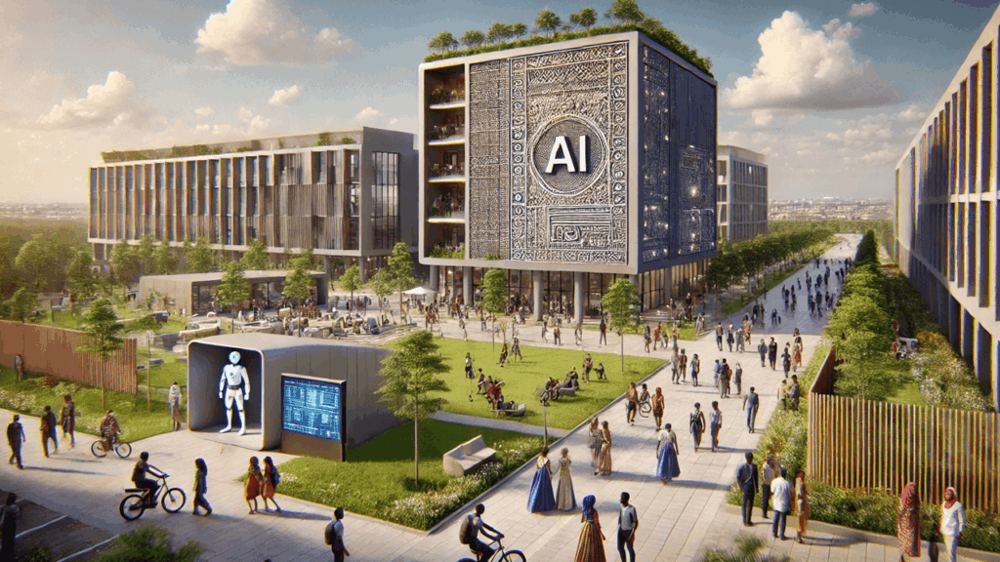
Artificial intelligence (AI) is rapidly reshaping education, work and the global economy, and Nigerian universities now face a critical question:
Artificial intelligence (AI) is rapidly reshaping education, work and the global economy, and Nigerian universities now face a critical question: are they equipped to teach the skills needed for an AI-driven future? Nigerian tertiary institutions are seemingly not yet equipped to teach AI at the scale needed, and this is not unique to Nigeria, most universities globally are struggling with the same pipeline problem. As demand for AI courses and expertise grows, institutions across the country are under increasing pressure to update their curricula, train lecturers and provide the technology needed to prepare students for the emerging digital economy. Study has shown that only a few forward-thinking institutions, such as the University of Ibadan (UI), University of Lagos (UNILAG), and the University of Nigeria, Nsukka (UNN), among others, have embedded AI, machine learning, and data science into their computer science and engineering faculties. Some other institutions such as Adekunle Ajasin University (AAUA), Nile University, and Nasarawa State University have set up dedicated AI laboratories or literacy courses. Experts believe that Nigerian universities should evolve into innovation ecosystems, rather than merely functioning as centres of instruction, in order to leverage the transformative power of Artificial Intelligence (AI) and drive national development. “The rapid growth of AI presents both opportunities and challenges for Nigerian universities. Institutions that embrace research and digital innovation will lead national progress in the AI era,” they say. Stanley Alaubi, senior lecturer at the University of Port Harcourt, said Nigerian universities are still crawling and not at speed with AI, even when the world is already moving to super intelligence. “We are far from being ready, we’ve not yet embraced electronic teaching. Most universities are still using markers and white board manually. How can we say we are ready for AI when the purpose of it is to make teaching and learning easier? “I will advise every lecturer to self-develop rather than wait on the government because the natural thing would have been to modify the Nigeria curriculum to adapt to global standards not discarding our peculiar academic needs caused by our environment,” he said. Jessica Osuere, chief executive officer at RubiesHub Educational Services, said Nigerian universities are sadly not equipped yet to prepare graduates adequately for an AI-driven world. “Even though there are pockets of expertise and innovation, significant gaps still remain in digital infrastructure, curriculum relevance, lecturers’ capacity, research funding, and university, industry collaboration,” she noted. Nubi Achebo, director of academic planning at Nigerian University of Technology and Management (NUTM), sees the core problems with Nigerian universities in the face of AI, as faculty shortage and ‘japa’ waves, curriculum lag, compute and data, and lack of industry pipeline. “The few PhDs with AI/ML expertise are being absorbed by global industry and foreign universities. Local pay and research funding cannot compete. “Many CS departments still teach AI as one elective under third year, focused on old expert systems, not modern ML, deep learning, MLOps, data engineering. Besides, in the US/UK/China, universities co-teach with industry, but in Nigeria, that link is weak,” he said. Stanford University, for instance, offers AI courses such as From Languages to Information, Applied Machine Learning, Human-Centred AI, Computational Logic, and Continuous Mathematical Methods with an Emphasis on Machine Learning, among others, to prepare students for the future of work. As early as 2018, one of the birthplaces of artificial intelligence, MIT, announced a bold plan to reshape its academic programme around the technology. With $1 billion in funding, MIT will create a new college that combines AI, machine learning, and data science with other academic disciplines. It is the largest financial investment in AI by any US academic institution to date. Meanwhile, Nigerian universities faced with crumbling lecture halls, outdated laboratories, overcrowded classrooms, and inadequate student accommodations, continue to undermine the country’s higher education goals. These structural deficits, both physical and institutional, cast long shadows over efforts to improve academic quality, research output, and graduate employability, leaving students and educators caught in a system struggling to sustain itself. Widespread shortages of stable electricity, reliable internet connectivity, and modern computing labs limit hands-on training, particularly outside major urban centres. Osuere believes the way forward is to integrate AI and digital skills across various disciplines not just in computer science and other related courses alone, provide continuous AI training for lecturers, strengthen partnerships between universities and industries, and invest in reliable internet, computing infrastructure and research. “Universities must also promote practical, problem-solving and entrepreneurial learning, alongside responsible and ethical use of AI,” she said. Achebo believes if Nigerian universities would move to a hub-and-spoke model, few strong research hubs, shared curriculum and compute, heavy use of diaspora and industry for teaching, and rapid upskilling of existing lecturers for AI literacy, they can build a pipeline that actually serves institutions and industry by 2030-31. Related News Nigeria’s creative economy lacks structure, not talent, NBCC boss says SKOT Academy breaks borders, launches in Kenya, UK Closet full of clothes, nothing to wear? Why buying more isn’t the answer Charles Ogwo Charles Ogwo is a proactive journalist, driving education, and business innovations for over 10 years. He leads initiatives leveraging tech to enhance storytelling and build topnotch performing team. Charles is passionate about harnessing technology to inform, engage and empower communities. Share
Nigerian tertiary institutions are seemingly not yet equipped to teach AI at the scale needed, and this is not unique to Nigeria, most universities globally are struggling with the same pipeline problem. As demand for AI courses and expertise grows, institutions across the country are under increasing pressure to update their curricula, train lecturers and provide the technology needed to prepare students for the emerging digital economy. Study has shown that only a few forward-thinking institutions, such as the University of Ibadan (UI), University of Lagos (UNILAG), and the University of Nigeria, Nsukka (UNN), among others, have embedded AI, machine learning, and data science into their computer science and engineering faculties. Some other institutions such as Adekunle Ajasin University (AAUA), Nile University, and Nasarawa State University have set up dedicated AI laboratories or literacy courses. Experts believe that Nigerian universities should evolve into innovation ecosystems, rather than merely functioning as centres of instruction, in order to leverage the transformative power of Artificial Intelligence (AI) and drive national development. “The rapid growth of AI presents both opportunities and challenges for Nigerian universities. Institutions that embrace research and digital innovation will lead national progress in the AI era,” they say. Stanley Alaubi, senior lecturer at the University of Port Harcourt, said Nigerian universities are still crawling and not at speed with AI, even when the world is already moving to super intelligence. “We are far from being ready, we’ve not yet embraced electronic teaching. Most universities are still using markers and white board manually. How can we say we are ready for AI when the purpose of it is to make teaching and learning easier? “I will advise every lecturer to self-develop rather than wait on the government because the natural thing would have been to modify the Nigeria curriculum to adapt to global standards not discarding our peculiar academic needs caused by our environment,” he said. Jessica Osuere, chief executive officer at RubiesHub Educational Services, said Nigerian universities are sadly not equipped yet to prepare graduates adequately for an AI-driven world. “Even though there are pockets of expertise and innovation, significant gaps still remain in digital infrastructure, curriculum relevance, lecturers’ capacity, research funding, and university, industry collaboration,” she noted. Nubi Achebo, director of academic planning at Nigerian University of Technology and Management (NUTM), sees the core problems with Nigerian universities in the face of AI, as faculty shortage and ‘japa’ waves, curriculum lag, compute and data, and lack of industry pipeline. “The few PhDs with AI/ML expertise are being absorbed by global industry and foreign universities. Local pay and research funding cannot compete. “Many CS departments still teach AI as one elective under third year, focused on old expert systems, not modern ML, deep learning, MLOps, data engineering. Besides, in the US/UK/China, universities co-teach with industry, but in Nigeria, that link is weak,” he said. Stanford University, for instance, offers AI courses such as From Languages to Information, Applied Machine Learning, Human-Centred AI, Computational Logic, and Continuous Mathematical Methods with an Emphasis on Machine Learning, among others, to prepare students for the future of work. As early as 2018, one of the birthplaces of artificial intelligence, MIT, announced a bold plan to reshape its academic programme around the technology. With $1 billion in funding, MIT will create a new college that combines AI, machine learning, and data science with other academic disciplines. It is the largest financial investment in AI by any US academic institution to date. Meanwhile, Nigerian universities faced with crumbling lecture halls, outdated laboratories, overcrowded classrooms, and inadequate student accommodations, continue to undermine the country’s higher education goals. These structural deficits, both physical and institutional, cast long shadows over efforts to improve academic quality, research output, and graduate employability, leaving students and educators caught in a system struggling to sustain itself. Widespread shortages of stable electricity, reliable internet connectivity, and modern computing labs limit hands-on training, particularly outside major urban centres. Osuere believes the way forward is to integrate AI and digital skills across various disciplines not just in computer science and other related courses alone, provide continuous AI training for lecturers, strengthen partnerships between universities and industries, and invest in reliable internet, computing infrastructure and research. “Universities must also promote practical, problem-solving and entrepreneurial learning, alongside responsible and ethical use of AI,” she said. Achebo believes if Nigerian universities would move to a hub-and-spoke model, few strong research hubs, shared curriculum and compute, heavy use of diaspora and industry for teaching, and rapid upskilling of existing lecturers for AI literacy, they can build a pipeline that actually serves institutions and industry by 2030-31. Related News Nigeria’s creative economy lacks structure, not talent, NBCC boss says SKOT Academy breaks borders, launches in Kenya, UK Closet full of clothes, nothing to wear? Why buying more isn’t the answer Charles Ogwo Charles Ogwo is a proactive journalist, driving education, and business innovations for over 10 years. He leads initiatives leveraging tech to enhance storytelling and build topnotch performing team. Charles is passionate about harnessing technology to inform, engage and empower communities. Share
As demand for AI courses and expertise grows, institutions across the country are under increasing pressure to update their curricula, train lecturers and provide the technology needed to prepare students for the emerging digital economy. Study has shown that only a few forward-thinking institutions, such as the University of Ibadan (UI), University of Lagos (UNILAG), and the University of Nigeria, Nsukka (UNN), among others, have embedded AI, machine learning, and data science into their computer science and engineering faculties. Some other institutions such as Adekunle Ajasin University (AAUA), Nile University, and Nasarawa State University have set up dedicated AI laboratories or literacy courses. Experts believe that Nigerian universities should evolve into innovation ecosystems, rather than merely functioning as centres of instruction, in order to leverage the transformative power of Artificial Intelligence (AI) and drive national development. “The rapid growth of AI presents both opportunities and challenges for Nigerian universities. Institutions that embrace research and digital innovation will lead national progress in the AI era,” they say. Stanley Alaubi, senior lecturer at the University of Port Harcourt, said Nigerian universities are still crawling and not at speed with AI, even when the world is already moving to super intelligence. “We are far from being ready, we’ve not yet embraced electronic teaching. Most universities are still using markers and white board manually. How can we say we are ready for AI when the purpose of it is to make teaching and learning easier? “I will advise every lecturer to self-develop rather than wait on the government because the natural thing would have been to modify the Nigeria curriculum to adapt to global standards not discarding our peculiar academic needs caused by our environment,” he said. Jessica Osuere, chief executive officer at RubiesHub Educational Services, said Nigerian universities are sadly not equipped yet to prepare graduates adequately for an AI-driven world. “Even though there are pockets of expertise and innovation, significant gaps still remain in digital infrastructure, curriculum relevance, lecturers’ capacity, research funding, and university, industry collaboration,” she noted. Nubi Achebo, director of academic planning at Nigerian University of Technology and Management (NUTM), sees the core problems with Nigerian universities in the face of AI, as faculty shortage and ‘japa’ waves, curriculum lag, compute and data, and lack of industry pipeline. “The few PhDs with AI/ML expertise are being absorbed by global industry and foreign universities. Local pay and research funding cannot compete. “Many CS departments still teach AI as one elective under third year, focused on old expert systems, not modern ML, deep learning, MLOps, data engineering. Besides, in the US/UK/China, universities co-teach with industry, but in Nigeria, that link is weak,” he said. Stanford University, for instance, offers AI courses such as From Languages to Information, Applied Machine Learning, Human-Centred AI, Computational Logic, and Continuous Mathematical Methods with an Emphasis on Machine Learning, among others, to prepare students for the future of work. As early as 2018, one of the birthplaces of artificial intelligence, MIT, announced a bold plan to reshape its academic programme around the technology. With $1 billion in funding, MIT will create a new college that combines AI, machine learning, and data science with other academic disciplines. It is the largest financial investment in AI by any US academic institution to date. Meanwhile, Nigerian universities faced with crumbling lecture halls, outdated laboratories, overcrowded classrooms, and inadequate student accommodations, continue to undermine the country’s higher education goals. These structural deficits, both physical and institutional, cast long shadows over efforts to improve academic quality, research output, and graduate employability, leaving students and educators caught in a system struggling to sustain itself. Widespread shortages of stable electricity, reliable internet connectivity, and modern computing labs limit hands-on training, particularly outside major urban centres. Osuere believes the way forward is to integrate AI and digital skills across various disciplines not just in computer science and other related courses alone, provide continuous AI training for lecturers, strengthen partnerships between universities and industries, and invest in reliable internet, computing infrastructure and research. “Universities must also promote practical, problem-solving and entrepreneurial learning, alongside responsible and ethical use of AI,” she said. Achebo believes if Nigerian universities would move to a hub-and-spoke model, few strong research hubs, shared curriculum and compute, heavy use of diaspora and industry for teaching, and rapid upskilling of existing lecturers for AI literacy, they can build a pipeline that actually serves institutions and industry by 2030-31. Related News Nigeria’s creative economy lacks structure, not talent, NBCC boss says SKOT Academy breaks borders, launches in Kenya, UK Closet full of clothes, nothing to wear? Why buying more isn’t the answer Charles Ogwo Charles Ogwo is a proactive journalist, driving education, and business innovations for over 10 years. He leads initiatives leveraging tech to enhance storytelling and build topnotch performing team. Charles is passionate about harnessing technology to inform, engage and empower communities. Share
Study has shown that only a few forward-thinking institutions, such as the University of Ibadan (UI), University of Lagos (UNILAG), and the University of Nigeria, Nsukka (UNN), among others, have embedded AI, machine learning, and data science into their computer science and engineering faculties. Some other institutions such as Adekunle Ajasin University (AAUA), Nile University, and Nasarawa State University have set up dedicated AI laboratories or literacy courses. Experts believe that Nigerian universities should evolve into innovation ecosystems, rather than merely functioning as centres of instruction, in order to leverage the transformative power of Artificial Intelligence (AI) and drive national development. “The rapid growth of AI presents both opportunities and challenges for Nigerian universities. Institutions that embrace research and digital innovation will lead national progress in the AI era,” they say. Stanley Alaubi, senior lecturer at the University of Port Harcourt, said Nigerian universities are still crawling and not at speed with AI, even when the world is already moving to super intelligence. “We are far from being ready, we’ve not yet embraced electronic teaching. Most universities are still using markers and white board manually. How can we say we are ready for AI when the purpose of it is to make teaching and learning easier? “I will advise every lecturer to self-develop rather than wait on the government because the natural thing would have been to modify the Nigeria curriculum to adapt to global standards not discarding our peculiar academic needs caused by our environment,” he said. Jessica Osuere, chief executive officer at RubiesHub Educational Services, said Nigerian universities are sadly not equipped yet to prepare graduates adequately for an AI-driven world. “Even though there are pockets of expertise and innovation, significant gaps still remain in digital infrastructure, curriculum relevance, lecturers’ capacity, research funding, and university, industry collaboration,” she noted. Nubi Achebo, director of academic planning at Nigerian University of Technology and Management (NUTM), sees the core problems with Nigerian universities in the face of AI, as faculty shortage and ‘japa’ waves, curriculum lag, compute and data, and lack of industry pipeline. “The few PhDs with AI/ML expertise are being absorbed by global industry and foreign universities. Local pay and research funding cannot compete. “Many CS departments still teach AI as one elective under third year, focused on old expert systems, not modern ML, deep learning, MLOps, data engineering. Besides, in the US/UK/China, universities co-teach with industry, but in Nigeria, that link is weak,” he said. Stanford University, for instance, offers AI courses such as From Languages to Information, Applied Machine Learning, Human-Centred AI, Computational Logic, and Continuous Mathematical Methods with an Emphasis on Machine Learning, among others, to prepare students for the future of work. As early as 2018, one of the birthplaces of artificial intelligence, MIT, announced a bold plan to reshape its academic programme around the technology. With $1 billion in funding, MIT will create a new college that combines AI, machine learning, and data science with other academic disciplines. It is the largest financial investment in AI by any US academic institution to date. Meanwhile, Nigerian universities faced with crumbling lecture halls, outdated laboratories, overcrowded classrooms, and inadequate student accommodations, continue to undermine the country’s higher education goals. These structural deficits, both physical and institutional, cast long shadows over efforts to improve academic quality, research output, and graduate employability, leaving students and educators caught in a system struggling to sustain itself. Widespread shortages of stable electricity, reliable internet connectivity, and modern computing labs limit hands-on training, particularly outside major urban centres. Osuere believes the way forward is to integrate AI and digital skills across various disciplines not just in computer science and other related courses alone, provide continuous AI training for lecturers, strengthen partnerships between universities and industries, and invest in reliable internet, computing infrastructure and research. “Universities must also promote practical, problem-solving and entrepreneurial learning, alongside responsible and ethical use of AI,” she said. Achebo believes if Nigerian universities would move to a hub-and-spoke model, few strong research hubs, shared curriculum and compute, heavy use of diaspora and industry for teaching, and rapid upskilling of existing lecturers for AI literacy, they can build a pipeline that actually serves institutions and industry by 2030-31. Related News Nigeria’s creative economy lacks structure, not talent, NBCC boss says SKOT Academy breaks borders, launches in Kenya, UK Closet full of clothes, nothing to wear? Why buying more isn’t the answer Charles Ogwo Charles Ogwo is a proactive journalist, driving education, and business innovations for over 10 years. He leads initiatives leveraging tech to enhance storytelling and build topnotch performing team. Charles is passionate about harnessing technology to inform, engage and empower communities. Share
Some other institutions such as Adekunle Ajasin University (AAUA), Nile University, and Nasarawa State University have set up dedicated AI laboratories or literacy courses. Experts believe that Nigerian universities should evolve into innovation ecosystems, rather than merely functioning as centres of instruction, in order to leverage the transformative power of Artificial Intelligence (AI) and drive national development. “The rapid growth of AI presents both opportunities and challenges for Nigerian universities. Institutions that embrace research and digital innovation will lead national progress in the AI era,” they say. Stanley Alaubi, senior lecturer at the University of Port Harcourt, said Nigerian universities are still crawling and not at speed with AI, even when the world is already moving to super intelligence. “We are far from being ready, we’ve not yet embraced electronic teaching. Most universities are still using markers and white board manually. How can we say we are ready for AI when the purpose of it is to make teaching and learning easier? “I will advise every lecturer to self-develop rather than wait on the government because the natural thing would have been to modify the Nigeria curriculum to adapt to global standards not discarding our peculiar academic needs caused by our environment,” he said. Jessica Osuere, chief executive officer at RubiesHub Educational Services, said Nigerian universities are sadly not equipped yet to prepare graduates adequately for an AI-driven world. “Even though there are pockets of expertise and innovation, significant gaps still remain in digital infrastructure, curriculum relevance, lecturers’ capacity, research funding, and university, industry collaboration,” she noted. Nubi Achebo, director of academic planning at Nigerian University of Technology and Management (NUTM), sees the core problems with Nigerian universities in the face of AI, as faculty shortage and ‘japa’ waves, curriculum lag, compute and data, and lack of industry pipeline. “The few PhDs with AI/ML expertise are being absorbed by global industry and foreign universities. Local pay and research funding cannot compete. “Many CS departments still teach AI as one elective under third year, focused on old expert systems, not modern ML, deep learning, MLOps, data engineering. Besides, in the US/UK/China, universities co-teach with industry, but in Nigeria, that link is weak,” he said. Stanford University, for instance, offers AI courses such as From Languages to Information, Applied Machine Learning, Human-Centred AI, Computational Logic, and Continuous Mathematical Methods with an Emphasis on Machine Learning, among others, to prepare students for the future of work. As early as 2018, one of the birthplaces of artificial intelligence, MIT, announced a bold plan to reshape its academic programme around the technology. With $1 billion in funding, MIT will create a new college that combines AI, machine learning, and data science with other academic disciplines. It is the largest financial investment in AI by any US academic institution to date. Meanwhile, Nigerian universities faced with crumbling lecture halls, outdated laboratories, overcrowded classrooms, and inadequate student accommodations, continue to undermine the country’s higher education goals. These structural deficits, both physical and institutional, cast long shadows over efforts to improve academic quality, research output, and graduate employability, leaving students and educators caught in a system struggling to sustain itself. Widespread shortages of stable electricity, reliable internet connectivity, and modern computing labs limit hands-on training, particularly outside major urban centres. Osuere believes the way forward is to integrate AI and digital skills across various disciplines not just in computer science and other related courses alone, provide continuous AI training for lecturers, strengthen partnerships between universities and industries, and invest in reliable internet, computing infrastructure and research. “Universities must also promote practical, problem-solving and entrepreneurial learning, alongside responsible and ethical use of AI,” she said. Achebo believes if Nigerian universities would move to a hub-and-spoke model, few strong research hubs, shared curriculum and compute, heavy use of diaspora and industry for teaching, and rapid upskilling of existing lecturers for AI literacy, they can build a pipeline that actually serves institutions and industry by 2030-31. Related News Nigeria’s creative economy lacks structure, not talent, NBCC boss says SKOT Academy breaks borders, launches in Kenya, UK Closet full of clothes, nothing to wear? Why buying more isn’t the answer Charles Ogwo Charles Ogwo is a proactive journalist, driving education, and business innovations for over 10 years. He leads initiatives leveraging tech to enhance storytelling and build topnotch performing team. Charles is passionate about harnessing technology to inform, engage and empower communities. Share
Experts believe that Nigerian universities should evolve into innovation ecosystems, rather than merely functioning as centres of instruction, in order to leverage the transformative power of Artificial Intelligence (AI) and drive national development. “The rapid growth of AI presents both opportunities and challenges for Nigerian universities. Institutions that embrace research and digital innovation will lead national progress in the AI era,” they say. Stanley Alaubi, senior lecturer at the University of Port Harcourt, said Nigerian universities are still crawling and not at speed with AI, even when the world is already moving to super intelligence. “We are far from being ready, we’ve not yet embraced electronic teaching. Most universities are still using markers and white board manually. How can we say we are ready for AI when the purpose of it is to make teaching and learning easier? “I will advise every lecturer to self-develop rather than wait on the government because the natural thing would have been to modify the Nigeria curriculum to adapt to global standards not discarding our peculiar academic needs caused by our environment,” he said. Jessica Osuere, chief executive officer at RubiesHub Educational Services, said Nigerian universities are sadly not equipped yet to prepare graduates adequately for an AI-driven world. “Even though there are pockets of expertise and innovation, significant gaps still remain in digital infrastructure, curriculum relevance, lecturers’ capacity, research funding, and university, industry collaboration,” she noted. Nubi Achebo, director of academic planning at Nigerian University of Technology and Management (NUTM), sees the core problems with Nigerian universities in the face of AI, as faculty shortage and ‘japa’ waves, curriculum lag, compute and data, and lack of industry pipeline. “The few PhDs with AI/ML expertise are being absorbed by global industry and foreign universities. Local pay and research funding cannot compete. “Many CS departments still teach AI as one elective under third year, focused on old expert systems, not modern ML, deep learning, MLOps, data engineering. Besides, in the US/UK/China, universities co-teach with industry, but in Nigeria, that link is weak,” he said. Stanford University, for instance, offers AI courses such as From Languages to Information, Applied Machine Learning, Human-Centred AI, Computational Logic, and Continuous Mathematical Methods with an Emphasis on Machine Learning, among others, to prepare students for the future of work. As early as 2018, one of the birthplaces of artificial intelligence, MIT, announced a bold plan to reshape its academic programme around the technology. With $1 billion in funding, MIT will create a new college that combines AI, machine learning, and data science with other academic disciplines. It is the largest financial investment in AI by any US academic institution to date. Meanwhile, Nigerian universities faced with crumbling lecture halls, outdated laboratories, overcrowded classrooms, and inadequate student accommodations, continue to undermine the country’s higher education goals. These structural deficits, both physical and institutional, cast long shadows over efforts to improve academic quality, research output, and graduate employability, leaving students and educators caught in a system struggling to sustain itself. Widespread shortages of stable electricity, reliable internet connectivity, and modern computing labs limit hands-on training, particularly outside major urban centres. Osuere believes the way forward is to integrate AI and digital skills across various disciplines not just in computer science and other related courses alone, provide continuous AI training for lecturers, strengthen partnerships between universities and industries, and invest in reliable internet, computing infrastructure and research. “Universities must also promote practical, problem-solving and entrepreneurial learning, alongside responsible and ethical use of AI,” she said. Achebo believes if Nigerian universities would move to a hub-and-spoke model, few strong research hubs, shared curriculum and compute, heavy use of diaspora and industry for teaching, and rapid upskilling of existing lecturers for AI literacy, they can build a pipeline that actually serves institutions and industry by 2030-31. Related News Nigeria’s creative economy lacks structure, not talent, NBCC boss says SKOT Academy breaks borders, launches in Kenya, UK Closet full of clothes, nothing to wear? Why buying more isn’t the answer Charles Ogwo Charles Ogwo is a proactive journalist, driving education, and business innovations for over 10 years. He leads initiatives leveraging tech to enhance storytelling and build topnotch performing team. Charles is passionate about harnessing technology to inform, engage and empower communities. Share
“The rapid growth of AI presents both opportunities and challenges for Nigerian universities. Institutions that embrace research and digital innovation will lead national progress in the AI era,” they say. Stanley Alaubi, senior lecturer at the University of Port Harcourt, said Nigerian universities are still crawling and not at speed with AI, even when the world is already moving to super intelligence. “We are far from being ready, we’ve not yet embraced electronic teaching. Most universities are still using markers and white board manually. How can we say we are ready for AI when the purpose of it is to make teaching and learning easier? “I will advise every lecturer to self-develop rather than wait on the government because the natural thing would have been to modify the Nigeria curriculum to adapt to global standards not discarding our peculiar academic needs caused by our environment,” he said. Jessica Osuere, chief executive officer at RubiesHub Educational Services, said Nigerian universities are sadly not equipped yet to prepare graduates adequately for an AI-driven world. “Even though there are pockets of expertise and innovation, significant gaps still remain in digital infrastructure, curriculum relevance, lecturers’ capacity, research funding, and university, industry collaboration,” she noted. Nubi Achebo, director of academic planning at Nigerian University of Technology and Management (NUTM), sees the core problems with Nigerian universities in the face of AI, as faculty shortage and ‘japa’ waves, curriculum lag, compute and data, and lack of industry pipeline. “The few PhDs with AI/ML expertise are being absorbed by global industry and foreign universities. Local pay and research funding cannot compete. “Many CS departments still teach AI as one elective under third year, focused on old expert systems, not modern ML, deep learning, MLOps, data engineering. Besides, in the US/UK/China, universities co-teach with industry, but in Nigeria, that link is weak,” he said. Stanford University, for instance, offers AI courses such as From Languages to Information, Applied Machine Learning, Human-Centred AI, Computational Logic, and Continuous Mathematical Methods with an Emphasis on Machine Learning, among others, to prepare students for the future of work. As early as 2018, one of the birthplaces of artificial intelligence, MIT, announced a bold plan to reshape its academic programme around the technology. With $1 billion in funding, MIT will create a new college that combines AI, machine learning, and data science with other academic disciplines. It is the largest financial investment in AI by any US academic institution to date. Meanwhile, Nigerian universities faced with crumbling lecture halls, outdated laboratories, overcrowded classrooms, and inadequate student accommodations, continue to undermine the country’s higher education goals. These structural deficits, both physical and institutional, cast long shadows over efforts to improve academic quality, research output, and graduate employability, leaving students and educators caught in a system struggling to sustain itself. Widespread shortages of stable electricity, reliable internet connectivity, and modern computing labs limit hands-on training, particularly outside major urban centres. Osuere believes the way forward is to integrate AI and digital skills across various disciplines not just in computer science and other related courses alone, provide continuous AI training for lecturers, strengthen partnerships between universities and industries, and invest in reliable internet, computing infrastructure and research. “Universities must also promote practical, problem-solving and entrepreneurial learning, alongside responsible and ethical use of AI,” she said. Achebo believes if Nigerian universities would move to a hub-and-spoke model, few strong research hubs, shared curriculum and compute, heavy use of diaspora and industry for teaching, and rapid upskilling of existing lecturers for AI literacy, they can build a pipeline that actually serves institutions and industry by 2030-31. Related News Nigeria’s creative economy lacks structure, not talent, NBCC boss says SKOT Academy breaks borders, launches in Kenya, UK Closet full of clothes, nothing to wear? Why buying more isn’t the answer Charles Ogwo Charles Ogwo is a proactive journalist, driving education, and business innovations for over 10 years. He leads initiatives leveraging tech to enhance storytelling and build topnotch performing team. Charles is passionate about harnessing technology to inform, engage and empower communities. Share
Stanley Alaubi, senior lecturer at the University of Port Harcourt, said Nigerian universities are still crawling and not at speed with AI, even when the world is already moving to super intelligence. “We are far from being ready, we’ve not yet embraced electronic teaching. Most universities are still using markers and white board manually. How can we say we are ready for AI when the purpose of it is to make teaching and learning easier? “I will advise every lecturer to self-develop rather than wait on the government because the natural thing would have been to modify the Nigeria curriculum to adapt to global standards not discarding our peculiar academic needs caused by our environment,” he said. Jessica Osuere, chief executive officer at RubiesHub Educational Services, said Nigerian universities are sadly not equipped yet to prepare graduates adequately for an AI-driven world. “Even though there are pockets of expertise and innovation, significant gaps still remain in digital infrastructure, curriculum relevance, lecturers’ capacity, research funding, and university, industry collaboration,” she noted. Nubi Achebo, director of academic planning at Nigerian University of Technology and Management (NUTM), sees the core problems with Nigerian universities in the face of AI, as faculty shortage and ‘japa’ waves, curriculum lag, compute and data, and lack of industry pipeline. “The few PhDs with AI/ML expertise are being absorbed by global industry and foreign universities. Local pay and research funding cannot compete. “Many CS departments still teach AI as one elective under third year, focused on old expert systems, not modern ML, deep learning, MLOps, data engineering. Besides, in the US/UK/China, universities co-teach with industry, but in Nigeria, that link is weak,” he said. Stanford University, for instance, offers AI courses such as From Languages to Information, Applied Machine Learning, Human-Centred AI, Computational Logic, and Continuous Mathematical Methods with an Emphasis on Machine Learning, among others, to prepare students for the future of work. As early as 2018, one of the birthplaces of artificial intelligence, MIT, announced a bold plan to reshape its academic programme around the technology. With $1 billion in funding, MIT will create a new college that combines AI, machine learning, and data science with other academic disciplines. It is the largest financial investment in AI by any US academic institution to date. Meanwhile, Nigerian universities faced with crumbling lecture halls, outdated laboratories, overcrowded classrooms, and inadequate student accommodations, continue to undermine the country’s higher education goals. These structural deficits, both physical and institutional, cast long shadows over efforts to improve academic quality, research output, and graduate employability, leaving students and educators caught in a system struggling to sustain itself. Widespread shortages of stable electricity, reliable internet connectivity, and modern computing labs limit hands-on training, particularly outside major urban centres. Osuere believes the way forward is to integrate AI and digital skills across various disciplines not just in computer science and other related courses alone, provide continuous AI training for lecturers, strengthen partnerships between universities and industries, and invest in reliable internet, computing infrastructure and research. “Universities must also promote practical, problem-solving and entrepreneurial learning, alongside responsible and ethical use of AI,” she said. Achebo believes if Nigerian universities would move to a hub-and-spoke model, few strong research hubs, shared curriculum and compute, heavy use of diaspora and industry for teaching, and rapid upskilling of existing lecturers for AI literacy, they can build a pipeline that actually serves institutions and industry by 2030-31. Related News Nigeria’s creative economy lacks structure, not talent, NBCC boss says SKOT Academy breaks borders, launches in Kenya, UK Closet full of clothes, nothing to wear? Why buying more isn’t the answer Charles Ogwo Charles Ogwo is a proactive journalist, driving education, and business innovations for over 10 years. He leads initiatives leveraging tech to enhance storytelling and build topnotch performing team. Charles is passionate about harnessing technology to inform, engage and empower communities. Share
“We are far from being ready, we’ve not yet embraced electronic teaching. Most universities are still using markers and white board manually. How can we say we are ready for AI when the purpose of it is to make teaching and learning easier? “I will advise every lecturer to self-develop rather than wait on the government because the natural thing would have been to modify the Nigeria curriculum to adapt to global standards not discarding our peculiar academic needs caused by our environment,” he said. Jessica Osuere, chief executive officer at RubiesHub Educational Services, said Nigerian universities are sadly not equipped yet to prepare graduates adequately for an AI-driven world. “Even though there are pockets of expertise and innovation, significant gaps still remain in digital infrastructure, curriculum relevance, lecturers’ capacity, research funding, and university, industry collaboration,” she noted. Nubi Achebo, director of academic planning at Nigerian University of Technology and Management (NUTM), sees the core problems with Nigerian universities in the face of AI, as faculty shortage and ‘japa’ waves, curriculum lag, compute and data, and lack of industry pipeline. “The few PhDs with AI/ML expertise are being absorbed by global industry and foreign universities. Local pay and research funding cannot compete. “Many CS departments still teach AI as one elective under third year, focused on old expert systems, not modern ML, deep learning, MLOps, data engineering. Besides, in the US/UK/China, universities co-teach with industry, but in Nigeria, that link is weak,” he said. Stanford University, for instance, offers AI courses such as From Languages to Information, Applied Machine Learning, Human-Centred AI, Computational Logic, and Continuous Mathematical Methods with an Emphasis on Machine Learning, among others, to prepare students for the future of work. As early as 2018, one of the birthplaces of artificial intelligence, MIT, announced a bold plan to reshape its academic programme around the technology. With $1 billion in funding, MIT will create a new college that combines AI, machine learning, and data science with other academic disciplines. It is the largest financial investment in AI by any US academic institution to date. Meanwhile, Nigerian universities faced with crumbling lecture halls, outdated laboratories, overcrowded classrooms, and inadequate student accommodations, continue to undermine the country’s higher education goals. These structural deficits, both physical and institutional, cast long shadows over efforts to improve academic quality, research output, and graduate employability, leaving students and educators caught in a system struggling to sustain itself. Widespread shortages of stable electricity, reliable internet connectivity, and modern computing labs limit hands-on training, particularly outside major urban centres. Osuere believes the way forward is to integrate AI and digital skills across various disciplines not just in computer science and other related courses alone, provide continuous AI training for lecturers, strengthen partnerships between universities and industries, and invest in reliable internet, computing infrastructure and research. “Universities must also promote practical, problem-solving and entrepreneurial learning, alongside responsible and ethical use of AI,” she said. Achebo believes if Nigerian universities would move to a hub-and-spoke model, few strong research hubs, shared curriculum and compute, heavy use of diaspora and industry for teaching, and rapid upskilling of existing lecturers for AI literacy, they can build a pipeline that actually serves institutions and industry by 2030-31. Related News Nigeria’s creative economy lacks structure, not talent, NBCC boss says SKOT Academy breaks borders, launches in Kenya, UK Closet full of clothes, nothing to wear? Why buying more isn’t the answer Charles Ogwo Charles Ogwo is a proactive journalist, driving education, and business innovations for over 10 years. He leads initiatives leveraging tech to enhance storytelling and build topnotch performing team. Charles is passionate about harnessing technology to inform, engage and empower communities. Share
“I will advise every lecturer to self-develop rather than wait on the government because the natural thing would have been to modify the Nigeria curriculum to adapt to global standards not discarding our peculiar academic needs caused by our environment,” he said. Jessica Osuere, chief executive officer at RubiesHub Educational Services, said Nigerian universities are sadly not equipped yet to prepare graduates adequately for an AI-driven world. “Even though there are pockets of expertise and innovation, significant gaps still remain in digital infrastructure, curriculum relevance, lecturers’ capacity, research funding, and university, industry collaboration,” she noted. Nubi Achebo, director of academic planning at Nigerian University of Technology and Management (NUTM), sees the core problems with Nigerian universities in the face of AI, as faculty shortage and ‘japa’ waves, curriculum lag, compute and data, and lack of industry pipeline. “The few PhDs with AI/ML expertise are being absorbed by global industry and foreign universities. Local pay and research funding cannot compete. “Many CS departments still teach AI as one elective under third year, focused on old expert systems, not modern ML, deep learning, MLOps, data engineering. Besides, in the US/UK/China, universities co-teach with industry, but in Nigeria, that link is weak,” he said. Stanford University, for instance, offers AI courses such as From Languages to Information, Applied Machine Learning, Human-Centred AI, Computational Logic, and Continuous Mathematical Methods with an Emphasis on Machine Learning, among others, to prepare students for the future of work. As early as 2018, one of the birthplaces of artificial intelligence, MIT, announced a bold plan to reshape its academic programme around the technology. With $1 billion in funding, MIT will create a new college that combines AI, machine learning, and data science with other academic disciplines. It is the largest financial investment in AI by any US academic institution to date. Meanwhile, Nigerian universities faced with crumbling lecture halls, outdated laboratories, overcrowded classrooms, and inadequate student accommodations, continue to undermine the country’s higher education goals. These structural deficits, both physical and institutional, cast long shadows over efforts to improve academic quality, research output, and graduate employability, leaving students and educators caught in a system struggling to sustain itself. Widespread shortages of stable electricity, reliable internet connectivity, and modern computing labs limit hands-on training, particularly outside major urban centres. Osuere believes the way forward is to integrate AI and digital skills across various disciplines not just in computer science and other related courses alone, provide continuous AI training for lecturers, strengthen partnerships between universities and industries, and invest in reliable internet, computing infrastructure and research. “Universities must also promote practical, problem-solving and entrepreneurial learning, alongside responsible and ethical use of AI,” she said. Achebo believes if Nigerian universities would move to a hub-and-spoke model, few strong research hubs, shared curriculum and compute, heavy use of diaspora and industry for teaching, and rapid upskilling of existing lecturers for AI literacy, they can build a pipeline that actually serves institutions and industry by 2030-31. Related News Nigeria’s creative economy lacks structure, not talent, NBCC boss says SKOT Academy breaks borders, launches in Kenya, UK Closet full of clothes, nothing to wear? Why buying more isn’t the answer Charles Ogwo Charles Ogwo is a proactive journalist, driving education, and business innovations for over 10 years. He leads initiatives leveraging tech to enhance storytelling and build topnotch performing team. Charles is passionate about harnessing technology to inform, engage and empower communities. Share
Jessica Osuere, chief executive officer at RubiesHub Educational Services, said Nigerian universities are sadly not equipped yet to prepare graduates adequately for an AI-driven world. “Even though there are pockets of expertise and innovation, significant gaps still remain in digital infrastructure, curriculum relevance, lecturers’ capacity, research funding, and university, industry collaboration,” she noted. Nubi Achebo, director of academic planning at Nigerian University of Technology and Management (NUTM), sees the core problems with Nigerian universities in the face of AI, as faculty shortage and ‘japa’ waves, curriculum lag, compute and data, and lack of industry pipeline. “The few PhDs with AI/ML expertise are being absorbed by global industry and foreign universities. Local pay and research funding cannot compete. “Many CS departments still teach AI as one elective under third year, focused on old expert systems, not modern ML, deep learning, MLOps, data engineering. Besides, in the US/UK/China, universities co-teach with industry, but in Nigeria, that link is weak,” he said. Stanford University, for instance, offers AI courses such as From Languages to Information, Applied Machine Learning, Human-Centred AI, Computational Logic, and Continuous Mathematical Methods with an Emphasis on Machine Learning, among others, to prepare students for the future of work. As early as 2018, one of the birthplaces of artificial intelligence, MIT, announced a bold plan to reshape its academic programme around the technology. With $1 billion in funding, MIT will create a new college that combines AI, machine learning, and data science with other academic disciplines. It is the largest financial investment in AI by any US academic institution to date. Meanwhile, Nigerian universities faced with crumbling lecture halls, outdated laboratories, overcrowded classrooms, and inadequate student accommodations, continue to undermine the country’s higher education goals. These structural deficits, both physical and institutional, cast long shadows over efforts to improve academic quality, research output, and graduate employability, leaving students and educators caught in a system struggling to sustain itself. Widespread shortages of stable electricity, reliable internet connectivity, and modern computing labs limit hands-on training, particularly outside major urban centres. Osuere believes the way forward is to integrate AI and digital skills across various disciplines not just in computer science and other related courses alone, provide continuous AI training for lecturers, strengthen partnerships between universities and industries, and invest in reliable internet, computing infrastructure and research. “Universities must also promote practical, problem-solving and entrepreneurial learning, alongside responsible and ethical use of AI,” she said. Achebo believes if Nigerian universities would move to a hub-and-spoke model, few strong research hubs, shared curriculum and compute, heavy use of diaspora and industry for teaching, and rapid upskilling of existing lecturers for AI literacy, they can build a pipeline that actually serves institutions and industry by 2030-31. Related News Nigeria’s creative economy lacks structure, not talent, NBCC boss says SKOT Academy breaks borders, launches in Kenya, UK Closet full of clothes, nothing to wear? Why buying more isn’t the answer Charles Ogwo Charles Ogwo is a proactive journalist, driving education, and business innovations for over 10 years. He leads initiatives leveraging tech to enhance storytelling and build topnotch performing team. Charles is passionate about harnessing technology to inform, engage and empower communities. Share
“Even though there are pockets of expertise and innovation, significant gaps still remain in digital infrastructure, curriculum relevance, lecturers’ capacity, research funding, and university, industry collaboration,” she noted. Nubi Achebo, director of academic planning at Nigerian University of Technology and Management (NUTM), sees the core problems with Nigerian universities in the face of AI, as faculty shortage and ‘japa’ waves, curriculum lag, compute and data, and lack of industry pipeline. “The few PhDs with AI/ML expertise are being absorbed by global industry and foreign universities. Local pay and research funding cannot compete. “Many CS departments still teach AI as one elective under third year, focused on old expert systems, not modern ML, deep learning, MLOps, data engineering. Besides, in the US/UK/China, universities co-teach with industry, but in Nigeria, that link is weak,” he said. Stanford University, for instance, offers AI courses such as From Languages to Information, Applied Machine Learning, Human-Centred AI, Computational Logic, and Continuous Mathematical Methods with an Emphasis on Machine Learning, among others, to prepare students for the future of work. As early as 2018, one of the birthplaces of artificial intelligence, MIT, announced a bold plan to reshape its academic programme around the technology. With $1 billion in funding, MIT will create a new college that combines AI, machine learning, and data science with other academic disciplines. It is the largest financial investment in AI by any US academic institution to date. Meanwhile, Nigerian universities faced with crumbling lecture halls, outdated laboratories, overcrowded classrooms, and inadequate student accommodations, continue to undermine the country’s higher education goals. These structural deficits, both physical and institutional, cast long shadows over efforts to improve academic quality, research output, and graduate employability, leaving students and educators caught in a system struggling to sustain itself. Widespread shortages of stable electricity, reliable internet connectivity, and modern computing labs limit hands-on training, particularly outside major urban centres. Osuere believes the way forward is to integrate AI and digital skills across various disciplines not just in computer science and other related courses alone, provide continuous AI training for lecturers, strengthen partnerships between universities and industries, and invest in reliable internet, computing infrastructure and research. “Universities must also promote practical, problem-solving and entrepreneurial learning, alongside responsible and ethical use of AI,” she said. Achebo believes if Nigerian universities would move to a hub-and-spoke model, few strong research hubs, shared curriculum and compute, heavy use of diaspora and industry for teaching, and rapid upskilling of existing lecturers for AI literacy, they can build a pipeline that actually serves institutions and industry by 2030-31. Related News Nigeria’s creative economy lacks structure, not talent, NBCC boss says SKOT Academy breaks borders, launches in Kenya, UK Closet full of clothes, nothing to wear? Why buying more isn’t the answer Charles Ogwo Charles Ogwo is a proactive journalist, driving education, and business innovations for over 10 years. He leads initiatives leveraging tech to enhance storytelling and build topnotch performing team. Charles is passionate about harnessing technology to inform, engage and empower communities. Share
Nubi Achebo, director of academic planning at Nigerian University of Technology and Management (NUTM), sees the core problems with Nigerian universities in the face of AI, as faculty shortage and ‘japa’ waves, curriculum lag, compute and data, and lack of industry pipeline. “The few PhDs with AI/ML expertise are being absorbed by global industry and foreign universities. Local pay and research funding cannot compete. “Many CS departments still teach AI as one elective under third year, focused on old expert systems, not modern ML, deep learning, MLOps, data engineering. Besides, in the US/UK/China, universities co-teach with industry, but in Nigeria, that link is weak,” he said. Stanford University, for instance, offers AI courses such as From Languages to Information, Applied Machine Learning, Human-Centred AI, Computational Logic, and Continuous Mathematical Methods with an Emphasis on Machine Learning, among others, to prepare students for the future of work. As early as 2018, one of the birthplaces of artificial intelligence, MIT, announced a bold plan to reshape its academic programme around the technology. With $1 billion in funding, MIT will create a new college that combines AI, machine learning, and data science with other academic disciplines. It is the largest financial investment in AI by any US academic institution to date. Meanwhile, Nigerian universities faced with crumbling lecture halls, outdated laboratories, overcrowded classrooms, and inadequate student accommodations, continue to undermine the country’s higher education goals. These structural deficits, both physical and institutional, cast long shadows over efforts to improve academic quality, research output, and graduate employability, leaving students and educators caught in a system struggling to sustain itself. Widespread shortages of stable electricity, reliable internet connectivity, and modern computing labs limit hands-on training, particularly outside major urban centres. Osuere believes the way forward is to integrate AI and digital skills across various disciplines not just in computer science and other related courses alone, provide continuous AI training for lecturers, strengthen partnerships between universities and industries, and invest in reliable internet, computing infrastructure and research. “Universities must also promote practical, problem-solving and entrepreneurial learning, alongside responsible and ethical use of AI,” she said. Achebo believes if Nigerian universities would move to a hub-and-spoke model, few strong research hubs, shared curriculum and compute, heavy use of diaspora and industry for teaching, and rapid upskilling of existing lecturers for AI literacy, they can build a pipeline that actually serves institutions and industry by 2030-31. Related News Nigeria’s creative economy lacks structure, not talent, NBCC boss says SKOT Academy breaks borders, launches in Kenya, UK Closet full of clothes, nothing to wear? Why buying more isn’t the answer Charles Ogwo Charles Ogwo is a proactive journalist, driving education, and business innovations for over 10 years. He leads initiatives leveraging tech to enhance storytelling and build topnotch performing team. Charles is passionate about harnessing technology to inform, engage and empower communities. Share
“The few PhDs with AI/ML expertise are being absorbed by global industry and foreign universities. Local pay and research funding cannot compete. “Many CS departments still teach AI as one elective under third year, focused on old expert systems, not modern ML, deep learning, MLOps, data engineering. Besides, in the US/UK/China, universities co-teach with industry, but in Nigeria, that link is weak,” he said. Stanford University, for instance, offers AI courses such as From Languages to Information, Applied Machine Learning, Human-Centred AI, Computational Logic, and Continuous Mathematical Methods with an Emphasis on Machine Learning, among others, to prepare students for the future of work. As early as 2018, one of the birthplaces of artificial intelligence, MIT, announced a bold plan to reshape its academic programme around the technology. With $1 billion in funding, MIT will create a new college that combines AI, machine learning, and data science with other academic disciplines. It is the largest financial investment in AI by any US academic institution to date. Meanwhile, Nigerian universities faced with crumbling lecture halls, outdated laboratories, overcrowded classrooms, and inadequate student accommodations, continue to undermine the country’s higher education goals. These structural deficits, both physical and institutional, cast long shadows over efforts to improve academic quality, research output, and graduate employability, leaving students and educators caught in a system struggling to sustain itself. Widespread shortages of stable electricity, reliable internet connectivity, and modern computing labs limit hands-on training, particularly outside major urban centres. Osuere believes the way forward is to integrate AI and digital skills across various disciplines not just in computer science and other related courses alone, provide continuous AI training for lecturers, strengthen partnerships between universities and industries, and invest in reliable internet, computing infrastructure and research. “Universities must also promote practical, problem-solving and entrepreneurial learning, alongside responsible and ethical use of AI,” she said. Achebo believes if Nigerian universities would move to a hub-and-spoke model, few strong research hubs, shared curriculum and compute, heavy use of diaspora and industry for teaching, and rapid upskilling of existing lecturers for AI literacy, they can build a pipeline that actually serves institutions and industry by 2030-31. Related News Nigeria’s creative economy lacks structure, not talent, NBCC boss says SKOT Academy breaks borders, launches in Kenya, UK Closet full of clothes, nothing to wear? Why buying more isn’t the answer Charles Ogwo Charles Ogwo is a proactive journalist, driving education, and business innovations for over 10 years. He leads initiatives leveraging tech to enhance storytelling and build topnotch performing team. Charles is passionate about harnessing technology to inform, engage and empower communities. Share
“Many CS departments still teach AI as one elective under third year, focused on old expert systems, not modern ML, deep learning, MLOps, data engineering. Besides, in the US/UK/China, universities co-teach with industry, but in Nigeria, that link is weak,” he said. Stanford University, for instance, offers AI courses such as From Languages to Information, Applied Machine Learning, Human-Centred AI, Computational Logic, and Continuous Mathematical Methods with an Emphasis on Machine Learning, among others, to prepare students for the future of work. As early as 2018, one of the birthplaces of artificial intelligence, MIT, announced a bold plan to reshape its academic programme around the technology. With $1 billion in funding, MIT will create a new college that combines AI, machine learning, and data science with other academic disciplines. It is the largest financial investment in AI by any US academic institution to date. Meanwhile, Nigerian universities faced with crumbling lecture halls, outdated laboratories, overcrowded classrooms, and inadequate student accommodations, continue to undermine the country’s higher education goals. These structural deficits, both physical and institutional, cast long shadows over efforts to improve academic quality, research output, and graduate employability, leaving students and educators caught in a system struggling to sustain itself. Widespread shortages of stable electricity, reliable internet connectivity, and modern computing labs limit hands-on training, particularly outside major urban centres. Osuere believes the way forward is to integrate AI and digital skills across various disciplines not just in computer science and other related courses alone, provide continuous AI training for lecturers, strengthen partnerships between universities and industries, and invest in reliable internet, computing infrastructure and research. “Universities must also promote practical, problem-solving and entrepreneurial learning, alongside responsible and ethical use of AI,” she said. Achebo believes if Nigerian universities would move to a hub-and-spoke model, few strong research hubs, shared curriculum and compute, heavy use of diaspora and industry for teaching, and rapid upskilling of existing lecturers for AI literacy, they can build a pipeline that actually serves institutions and industry by 2030-31. Related News Nigeria’s creative economy lacks structure, not talent, NBCC boss says SKOT Academy breaks borders, launches in Kenya, UK Closet full of clothes, nothing to wear? Why buying more isn’t the answer Charles Ogwo Charles Ogwo is a proactive journalist, driving education, and business innovations for over 10 years. He leads initiatives leveraging tech to enhance storytelling and build topnotch performing team. Charles is passionate about harnessing technology to inform, engage and empower communities. Share
Stanford University, for instance, offers AI courses such as From Languages to Information, Applied Machine Learning, Human-Centred AI, Computational Logic, and Continuous Mathematical Methods with an Emphasis on Machine Learning, among others, to prepare students for the future of work. As early as 2018, one of the birthplaces of artificial intelligence, MIT, announced a bold plan to reshape its academic programme around the technology. With $1 billion in funding, MIT will create a new college that combines AI, machine learning, and data science with other academic disciplines. It is the largest financial investment in AI by any US academic institution to date. Meanwhile, Nigerian universities faced with crumbling lecture halls, outdated laboratories, overcrowded classrooms, and inadequate student accommodations, continue to undermine the country’s higher education goals. These structural deficits, both physical and institutional, cast long shadows over efforts to improve academic quality, research output, and graduate employability, leaving students and educators caught in a system struggling to sustain itself. Widespread shortages of stable electricity, reliable internet connectivity, and modern computing labs limit hands-on training, particularly outside major urban centres. Osuere believes the way forward is to integrate AI and digital skills across various disciplines not just in computer science and other related courses alone, provide continuous AI training for lecturers, strengthen partnerships between universities and industries, and invest in reliable internet, computing infrastructure and research. “Universities must also promote practical, problem-solving and entrepreneurial learning, alongside responsible and ethical use of AI,” she said. Achebo believes if Nigerian universities would move to a hub-and-spoke model, few strong research hubs, shared curriculum and compute, heavy use of diaspora and industry for teaching, and rapid upskilling of existing lecturers for AI literacy, they can build a pipeline that actually serves institutions and industry by 2030-31. Related News Nigeria’s creative economy lacks structure, not talent, NBCC boss says SKOT Academy breaks borders, launches in Kenya, UK Closet full of clothes, nothing to wear? Why buying more isn’t the answer Charles Ogwo Charles Ogwo is a proactive journalist, driving education, and business innovations for over 10 years. He leads initiatives leveraging tech to enhance storytelling and build topnotch performing team. Charles is passionate about harnessing technology to inform, engage and empower communities. Share
As early as 2018, one of the birthplaces of artificial intelligence, MIT, announced a bold plan to reshape its academic programme around the technology. With $1 billion in funding, MIT will create a new college that combines AI, machine learning, and data science with other academic disciplines. It is the largest financial investment in AI by any US academic institution to date. Meanwhile, Nigerian universities faced with crumbling lecture halls, outdated laboratories, overcrowded classrooms, and inadequate student accommodations, continue to undermine the country’s higher education goals. These structural deficits, both physical and institutional, cast long shadows over efforts to improve academic quality, research output, and graduate employability, leaving students and educators caught in a system struggling to sustain itself. Widespread shortages of stable electricity, reliable internet connectivity, and modern computing labs limit hands-on training, particularly outside major urban centres. Osuere believes the way forward is to integrate AI and digital skills across various disciplines not just in computer science and other related courses alone, provide continuous AI training for lecturers, strengthen partnerships between universities and industries, and invest in reliable internet, computing infrastructure and research. “Universities must also promote practical, problem-solving and entrepreneurial learning, alongside responsible and ethical use of AI,” she said. Achebo believes if Nigerian universities would move to a hub-and-spoke model, few strong research hubs, shared curriculum and compute, heavy use of diaspora and industry for teaching, and rapid upskilling of existing lecturers for AI literacy, they can build a pipeline that actually serves institutions and industry by 2030-31. Related News Nigeria’s creative economy lacks structure, not talent, NBCC boss says SKOT Academy breaks borders, launches in Kenya, UK Closet full of clothes, nothing to wear? Why buying more isn’t the answer Charles Ogwo Charles Ogwo is a proactive journalist, driving education, and business innovations for over 10 years. He leads initiatives leveraging tech to enhance storytelling and build topnotch performing team. Charles is passionate about harnessing technology to inform, engage and empower communities. Share
With $1 billion in funding, MIT will create a new college that combines AI, machine learning, and data science with other academic disciplines. It is the largest financial investment in AI by any US academic institution to date. Meanwhile, Nigerian universities faced with crumbling lecture halls, outdated laboratories, overcrowded classrooms, and inadequate student accommodations, continue to undermine the country’s higher education goals. These structural deficits, both physical and institutional, cast long shadows over efforts to improve academic quality, research output, and graduate employability, leaving students and educators caught in a system struggling to sustain itself. Widespread shortages of stable electricity, reliable internet connectivity, and modern computing labs limit hands-on training, particularly outside major urban centres. Osuere believes the way forward is to integrate AI and digital skills across various disciplines not just in computer science and other related courses alone, provide continuous AI training for lecturers, strengthen partnerships between universities and industries, and invest in reliable internet, computing infrastructure and research. “Universities must also promote practical, problem-solving and entrepreneurial learning, alongside responsible and ethical use of AI,” she said. Achebo believes if Nigerian universities would move to a hub-and-spoke model, few strong research hubs, shared curriculum and compute, heavy use of diaspora and industry for teaching, and rapid upskilling of existing lecturers for AI literacy, they can build a pipeline that actually serves institutions and industry by 2030-31. Related News Nigeria’s creative economy lacks structure, not talent, NBCC boss says SKOT Academy breaks borders, launches in Kenya, UK Closet full of clothes, nothing to wear? Why buying more isn’t the answer Charles Ogwo Charles Ogwo is a proactive journalist, driving education, and business innovations for over 10 years. He leads initiatives leveraging tech to enhance storytelling and build topnotch performing team. Charles is passionate about harnessing technology to inform, engage and empower communities. Share
Meanwhile, Nigerian universities faced with crumbling lecture halls, outdated laboratories, overcrowded classrooms, and inadequate student accommodations, continue to undermine the country’s higher education goals. These structural deficits, both physical and institutional, cast long shadows over efforts to improve academic quality, research output, and graduate employability, leaving students and educators caught in a system struggling to sustain itself. Widespread shortages of stable electricity, reliable internet connectivity, and modern computing labs limit hands-on training, particularly outside major urban centres. Osuere believes the way forward is to integrate AI and digital skills across various disciplines not just in computer science and other related courses alone, provide continuous AI training for lecturers, strengthen partnerships between universities and industries, and invest in reliable internet, computing infrastructure and research. “Universities must also promote practical, problem-solving and entrepreneurial learning, alongside responsible and ethical use of AI,” she said. Achebo believes if Nigerian universities would move to a hub-and-spoke model, few strong research hubs, shared curriculum and compute, heavy use of diaspora and industry for teaching, and rapid upskilling of existing lecturers for AI literacy, they can build a pipeline that actually serves institutions and industry by 2030-31. Related News Nigeria’s creative economy lacks structure, not talent, NBCC boss says SKOT Academy breaks borders, launches in Kenya, UK Closet full of clothes, nothing to wear? Why buying more isn’t the answer Charles Ogwo Charles Ogwo is a proactive journalist, driving education, and business innovations for over 10 years. He leads initiatives leveraging tech to enhance storytelling and build topnotch performing team. Charles is passionate about harnessing technology to inform, engage and empower communities. Share
These structural deficits, both physical and institutional, cast long shadows over efforts to improve academic quality, research output, and graduate employability, leaving students and educators caught in a system struggling to sustain itself. Widespread shortages of stable electricity, reliable internet connectivity, and modern computing labs limit hands-on training, particularly outside major urban centres. Osuere believes the way forward is to integrate AI and digital skills across various disciplines not just in computer science and other related courses alone, provide continuous AI training for lecturers, strengthen partnerships between universities and industries, and invest in reliable internet, computing infrastructure and research. “Universities must also promote practical, problem-solving and entrepreneurial learning, alongside responsible and ethical use of AI,” she said. Achebo believes if Nigerian universities would move to a hub-and-spoke model, few strong research hubs, shared curriculum and compute, heavy use of diaspora and industry for teaching, and rapid upskilling of existing lecturers for AI literacy, they can build a pipeline that actually serves institutions and industry by 2030-31. Related News Nigeria’s creative economy lacks structure, not talent, NBCC boss says SKOT Academy breaks borders, launches in Kenya, UK Closet full of clothes, nothing to wear? Why buying more isn’t the answer Charles Ogwo Charles Ogwo is a proactive journalist, driving education, and business innovations for over 10 years. He leads initiatives leveraging tech to enhance storytelling and build topnotch performing team. Charles is passionate about harnessing technology to inform, engage and empower communities. Share
Widespread shortages of stable electricity, reliable internet connectivity, and modern computing labs limit hands-on training, particularly outside major urban centres. Osuere believes the way forward is to integrate AI and digital skills across various disciplines not just in computer science and other related courses alone, provide continuous AI training for lecturers, strengthen partnerships between universities and industries, and invest in reliable internet, computing infrastructure and research. “Universities must also promote practical, problem-solving and entrepreneurial learning, alongside responsible and ethical use of AI,” she said. Achebo believes if Nigerian universities would move to a hub-and-spoke model, few strong research hubs, shared curriculum and compute, heavy use of diaspora and industry for teaching, and rapid upskilling of existing lecturers for AI literacy, they can build a pipeline that actually serves institutions and industry by 2030-31. Related News Nigeria’s creative economy lacks structure, not talent, NBCC boss says SKOT Academy breaks borders, launches in Kenya, UK Closet full of clothes, nothing to wear? Why buying more isn’t the answer Charles Ogwo Charles Ogwo is a proactive journalist, driving education, and business innovations for over 10 years. He leads initiatives leveraging tech to enhance storytelling and build topnotch performing team. Charles is passionate about harnessing technology to inform, engage and empower communities. Share
Osuere believes the way forward is to integrate AI and digital skills across various disciplines not just in computer science and other related courses alone, provide continuous AI training for lecturers, strengthen partnerships between universities and industries, and invest in reliable internet, computing infrastructure and research. “Universities must also promote practical, problem-solving and entrepreneurial learning, alongside responsible and ethical use of AI,” she said. Achebo believes if Nigerian universities would move to a hub-and-spoke model, few strong research hubs, shared curriculum and compute, heavy use of diaspora and industry for teaching, and rapid upskilling of existing lecturers for AI literacy, they can build a pipeline that actually serves institutions and industry by 2030-31. Related News Nigeria’s creative economy lacks structure, not talent, NBCC boss says SKOT Academy breaks borders, launches in Kenya, UK Closet full of clothes, nothing to wear? Why buying more isn’t the answer Charles Ogwo Charles Ogwo is a proactive journalist, driving education, and business innovations for over 10 years. He leads initiatives leveraging tech to enhance storytelling and build topnotch performing team. Charles is passionate about harnessing technology to inform, engage and empower communities. Share
“Universities must also promote practical, problem-solving and entrepreneurial learning, alongside responsible and ethical use of AI,” she said. Achebo believes if Nigerian universities would move to a hub-and-spoke model, few strong research hubs, shared curriculum and compute, heavy use of diaspora and industry for teaching, and rapid upskilling of existing lecturers for AI literacy, they can build a pipeline that actually serves institutions and industry by 2030-31. Related News Nigeria’s creative economy lacks structure, not talent, NBCC boss says SKOT Academy breaks borders, launches in Kenya, UK Closet full of clothes, nothing to wear? Why buying more isn’t the answer Charles Ogwo Charles Ogwo is a proactive journalist, driving education, and business innovations for over 10 years. He leads initiatives leveraging tech to enhance storytelling and build topnotch performing team. Charles is passionate about harnessing technology to inform, engage and empower communities. Share
Achebo believes if Nigerian universities would move to a hub-and-spoke model, few strong research hubs, shared curriculum and compute, heavy use of diaspora and industry for teaching, and rapid upskilling of existing lecturers for AI literacy, they can build a pipeline that actually serves institutions and industry by 2030-31. Related News Nigeria’s creative economy lacks structure, not talent, NBCC boss says SKOT Academy breaks borders, launches in Kenya, UK Closet full of clothes, nothing to wear? Why buying more isn’t the answer Charles Ogwo Charles Ogwo is a proactive journalist, driving education, and business innovations for over 10 years. He leads initiatives leveraging tech to enhance storytelling and build topnotch performing team. Charles is passionate about harnessing technology to inform, engage and empower communities. Share
Charles Ogwo is a proactive journalist, driving education, and business innovations for over 10 years. He leads initiatives leveraging tech to enhance storytelling and build topnotch performing team. Charles is passionate about harnessing technology to inform, engage and empower communities.