Sákiyèsí invites Nigerians to slow down and pay attention
In a world of constant notifications, digital consumption and competing demands for attention, Aderonke Lawal is asking people to slow
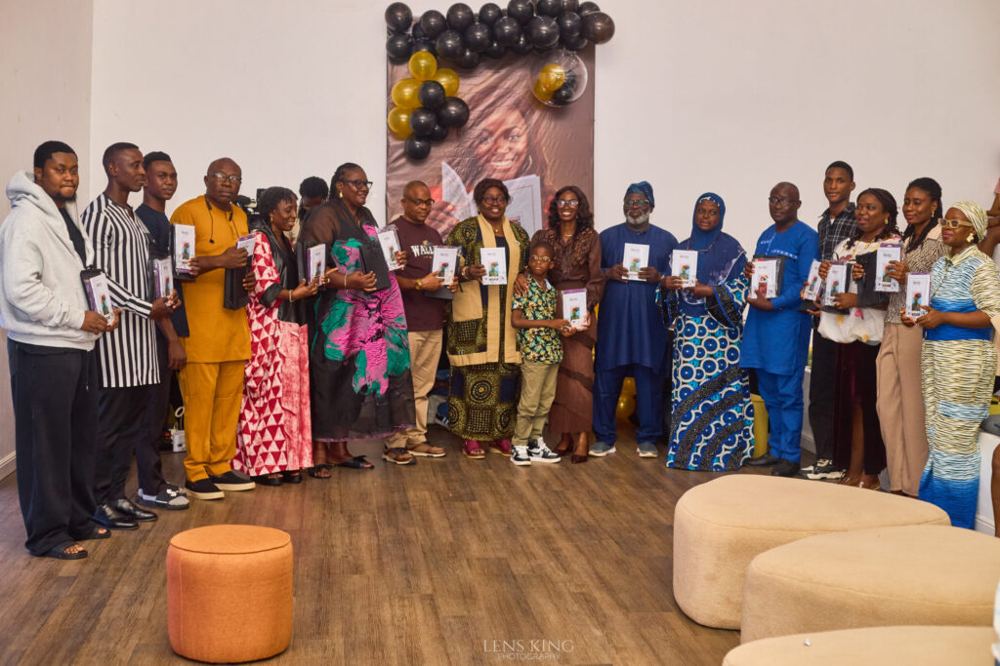
In a world of constant notifications, digital consumption and competing demands for attention, Aderonke Lawal is asking people to slow down and notice what is in front of them, prompting a renewed conversation about the value of paying attention. That idea sits at the heart of Sákiyèsí, a Yoruba-inspired creative colouring book that brings together art, mindfulness, culture and reflection. The book was launched on Saturday, September 26, 2026, at The Dream Centre, Obafemi Awolowo University, Ile-Ife, under the theme, “The Art of Paying Attention.” Ile-Ife, a historic centre of Yoruba culture and heritage, provided a fitting backdrop for a work that draws on Yoruba expressions and philosophical ideas while addressing a challenge of modern life, the difficulty of being fully present. Rather than centring solely on the formal unveiling of a book, the launch was designed to allow guests to experience the idea behind it. The event brought together conversations, creative engagement and mindfulness activities that encouraged dignitaries and participants across generations to slow down and become more conscious of the present moment. In her opening address, Lawal challenged attendees to consider how much of everyday life they experience without truly noticing it, drawing attention to the growing difficulty of being fully present in an environment where people are constantly being called to look, respond, consume and move on. The message was reinforced through guided breathing exercises and mindfulness activities, allowing participants to pause, become aware of their breathing and experience the principle behind truly paying attention. The participation of guests across generations further reinforced the idea that the ability to pause and become present is not limited to any particular age. Sákiyèsí is a Yoruba-inspired colouring book by Aderonke Lawal exploring attention, mindfulness, creativity and connection. Through colouring, reflective prompts, Yoruba expressions and philosophical ideas, it invites readers to slow down, observe deeply and reconnect with the present moment. The book launch also featured goodwill messages and commentaries from dignitaries, including the book consultants, Bose La’bos Bamidele (Author & Screenwriter) and Paul Akpomuje (Poet and Author). As well as from the book reviewer, Oyeronke Habeebah Ajibola. Remarks also followed from Mary Bifarin (Former Director of Nursing at Obafemi Awolowo University Teaching Hospital Complex, Ile-Ife & Founder of Mary Care Foundation), Adeola Egbedokun (Professor of Educational Technology, OAU), Adeniran Oluwaranti (Professor of Computer Engineering, OAU) and finally from Sururah Bello (Professor of Computer Engineering, OAU), who reflected on the book and its themes. Their contributions broadened the conversation beyond the book itself, touching on the place of attention, creativity, culture and mindfulness in contemporary life. The creative work combines intricate visual patterns with reflective prompts, philosophical thoughts and Yoruba expressions such as “Ifarabàlẹ̀”, associated with calmness and composure, and “Ìfẹ́”, associated with love, introducing ideas that extend beyond the colouring page. They connect the activity to a cultural vocabulary of reflection, wisdom and purposeful living. Turning colouring into an opportunity for contemplation. The intention is not simply to complete a page, but to create enough space for the audience to pause, observe and engage with the moment. This is where the book’s title becomes particularly significant. Sákiyèsí speaks to the act of paying attention, and the book uses that idea to explore the relationship between attention, mindfulness, creativity and connection. One attendee, Early Childhood Educator Adebisi Anyadike, captured the distinction in her reflection after the launch: “It is not just a book you colour. It is a book that colours you back.” The observation speaks to the book’s central proposition. Colouring becomes a means of slowing down, breathing and remaining with the moment, while the accompanying words and patterns create opportunities for deeper reflection. This is also what distinguishes Sákiyèsí from a conventional colouring book. It draws from Yoruba-inspired thought while addressing a challenge that is distinctly contemporary: how to remain present when almost everything around us is competing for our attention. The question has particular relevance for creatives. Creativity depends on observation. The ability to notice patterns, details, emotions, behaviours and connections that others may overlook is often where original ideas begin. In an environment of constant distraction, deliberately creating space to observe can therefore become more than a mindfulness exercise. It can become part of the creative process itself. Ultimately, Sákiyèsí asks a question that extends beyond colouring, mindfulness or even the book itself: what happens when people lose the ability to truly notice? In a world competing relentlessly for attention, Sákiyèsí makes a case for reclaiming it. Related News Fela’s commemorative ‘Zombie’ album turns the lens on Bolaji Alonge’s historic archive Cristiano Ronaldo suspended after Portugal camp walkout Late filing stalls SERAP’s appeal against N101m defamation judgment Share
That idea sits at the heart of Sákiyèsí, a Yoruba-inspired creative colouring book that brings together art, mindfulness, culture and reflection. The book was launched on Saturday, September 26, 2026, at The Dream Centre, Obafemi Awolowo University, Ile-Ife, under the theme, “The Art of Paying Attention.” Ile-Ife, a historic centre of Yoruba culture and heritage, provided a fitting backdrop for a work that draws on Yoruba expressions and philosophical ideas while addressing a challenge of modern life, the difficulty of being fully present. Rather than centring solely on the formal unveiling of a book, the launch was designed to allow guests to experience the idea behind it. The event brought together conversations, creative engagement and mindfulness activities that encouraged dignitaries and participants across generations to slow down and become more conscious of the present moment. In her opening address, Lawal challenged attendees to consider how much of everyday life they experience without truly noticing it, drawing attention to the growing difficulty of being fully present in an environment where people are constantly being called to look, respond, consume and move on. The message was reinforced through guided breathing exercises and mindfulness activities, allowing participants to pause, become aware of their breathing and experience the principle behind truly paying attention. The participation of guests across generations further reinforced the idea that the ability to pause and become present is not limited to any particular age. Sákiyèsí is a Yoruba-inspired colouring book by Aderonke Lawal exploring attention, mindfulness, creativity and connection. Through colouring, reflective prompts, Yoruba expressions and philosophical ideas, it invites readers to slow down, observe deeply and reconnect with the present moment. The book launch also featured goodwill messages and commentaries from dignitaries, including the book consultants, Bose La’bos Bamidele (Author & Screenwriter) and Paul Akpomuje (Poet and Author). As well as from the book reviewer, Oyeronke Habeebah Ajibola. Remarks also followed from Mary Bifarin (Former Director of Nursing at Obafemi Awolowo University Teaching Hospital Complex, Ile-Ife & Founder of Mary Care Foundation), Adeola Egbedokun (Professor of Educational Technology, OAU), Adeniran Oluwaranti (Professor of Computer Engineering, OAU) and finally from Sururah Bello (Professor of Computer Engineering, OAU), who reflected on the book and its themes. Their contributions broadened the conversation beyond the book itself, touching on the place of attention, creativity, culture and mindfulness in contemporary life. The creative work combines intricate visual patterns with reflective prompts, philosophical thoughts and Yoruba expressions such as “Ifarabàlẹ̀”, associated with calmness and composure, and “Ìfẹ́”, associated with love, introducing ideas that extend beyond the colouring page. They connect the activity to a cultural vocabulary of reflection, wisdom and purposeful living. Turning colouring into an opportunity for contemplation. The intention is not simply to complete a page, but to create enough space for the audience to pause, observe and engage with the moment. This is where the book’s title becomes particularly significant. Sákiyèsí speaks to the act of paying attention, and the book uses that idea to explore the relationship between attention, mindfulness, creativity and connection. One attendee, Early Childhood Educator Adebisi Anyadike, captured the distinction in her reflection after the launch: “It is not just a book you colour. It is a book that colours you back.” The observation speaks to the book’s central proposition. Colouring becomes a means of slowing down, breathing and remaining with the moment, while the accompanying words and patterns create opportunities for deeper reflection. This is also what distinguishes Sákiyèsí from a conventional colouring book. It draws from Yoruba-inspired thought while addressing a challenge that is distinctly contemporary: how to remain present when almost everything around us is competing for our attention. The question has particular relevance for creatives. Creativity depends on observation. The ability to notice patterns, details, emotions, behaviours and connections that others may overlook is often where original ideas begin. In an environment of constant distraction, deliberately creating space to observe can therefore become more than a mindfulness exercise. It can become part of the creative process itself. Ultimately, Sákiyèsí asks a question that extends beyond colouring, mindfulness or even the book itself: what happens when people lose the ability to truly notice? In a world competing relentlessly for attention, Sákiyèsí makes a case for reclaiming it. Related News Fela’s commemorative ‘Zombie’ album turns the lens on Bolaji Alonge’s historic archive Cristiano Ronaldo suspended after Portugal camp walkout Late filing stalls SERAP’s appeal against N101m defamation judgment Share
The book was launched on Saturday, September 26, 2026, at The Dream Centre, Obafemi Awolowo University, Ile-Ife, under the theme, “The Art of Paying Attention.” Ile-Ife, a historic centre of Yoruba culture and heritage, provided a fitting backdrop for a work that draws on Yoruba expressions and philosophical ideas while addressing a challenge of modern life, the difficulty of being fully present. Rather than centring solely on the formal unveiling of a book, the launch was designed to allow guests to experience the idea behind it. The event brought together conversations, creative engagement and mindfulness activities that encouraged dignitaries and participants across generations to slow down and become more conscious of the present moment. In her opening address, Lawal challenged attendees to consider how much of everyday life they experience without truly noticing it, drawing attention to the growing difficulty of being fully present in an environment where people are constantly being called to look, respond, consume and move on. The message was reinforced through guided breathing exercises and mindfulness activities, allowing participants to pause, become aware of their breathing and experience the principle behind truly paying attention. The participation of guests across generations further reinforced the idea that the ability to pause and become present is not limited to any particular age. Sákiyèsí is a Yoruba-inspired colouring book by Aderonke Lawal exploring attention, mindfulness, creativity and connection. Through colouring, reflective prompts, Yoruba expressions and philosophical ideas, it invites readers to slow down, observe deeply and reconnect with the present moment. The book launch also featured goodwill messages and commentaries from dignitaries, including the book consultants, Bose La’bos Bamidele (Author & Screenwriter) and Paul Akpomuje (Poet and Author). As well as from the book reviewer, Oyeronke Habeebah Ajibola. Remarks also followed from Mary Bifarin (Former Director of Nursing at Obafemi Awolowo University Teaching Hospital Complex, Ile-Ife & Founder of Mary Care Foundation), Adeola Egbedokun (Professor of Educational Technology, OAU), Adeniran Oluwaranti (Professor of Computer Engineering, OAU) and finally from Sururah Bello (Professor of Computer Engineering, OAU), who reflected on the book and its themes. Their contributions broadened the conversation beyond the book itself, touching on the place of attention, creativity, culture and mindfulness in contemporary life. The creative work combines intricate visual patterns with reflective prompts, philosophical thoughts and Yoruba expressions such as “Ifarabàlẹ̀”, associated with calmness and composure, and “Ìfẹ́”, associated with love, introducing ideas that extend beyond the colouring page. They connect the activity to a cultural vocabulary of reflection, wisdom and purposeful living. Turning colouring into an opportunity for contemplation. The intention is not simply to complete a page, but to create enough space for the audience to pause, observe and engage with the moment. This is where the book’s title becomes particularly significant. Sákiyèsí speaks to the act of paying attention, and the book uses that idea to explore the relationship between attention, mindfulness, creativity and connection. One attendee, Early Childhood Educator Adebisi Anyadike, captured the distinction in her reflection after the launch: “It is not just a book you colour. It is a book that colours you back.” The observation speaks to the book’s central proposition. Colouring becomes a means of slowing down, breathing and remaining with the moment, while the accompanying words and patterns create opportunities for deeper reflection. This is also what distinguishes Sákiyèsí from a conventional colouring book. It draws from Yoruba-inspired thought while addressing a challenge that is distinctly contemporary: how to remain present when almost everything around us is competing for our attention. The question has particular relevance for creatives. Creativity depends on observation. The ability to notice patterns, details, emotions, behaviours and connections that others may overlook is often where original ideas begin. In an environment of constant distraction, deliberately creating space to observe can therefore become more than a mindfulness exercise. It can become part of the creative process itself. Ultimately, Sákiyèsí asks a question that extends beyond colouring, mindfulness or even the book itself: what happens when people lose the ability to truly notice? In a world competing relentlessly for attention, Sákiyèsí makes a case for reclaiming it. Related News Fela’s commemorative ‘Zombie’ album turns the lens on Bolaji Alonge’s historic archive Cristiano Ronaldo suspended after Portugal camp walkout Late filing stalls SERAP’s appeal against N101m defamation judgment Share
Ile-Ife, a historic centre of Yoruba culture and heritage, provided a fitting backdrop for a work that draws on Yoruba expressions and philosophical ideas while addressing a challenge of modern life, the difficulty of being fully present. Rather than centring solely on the formal unveiling of a book, the launch was designed to allow guests to experience the idea behind it. The event brought together conversations, creative engagement and mindfulness activities that encouraged dignitaries and participants across generations to slow down and become more conscious of the present moment. In her opening address, Lawal challenged attendees to consider how much of everyday life they experience without truly noticing it, drawing attention to the growing difficulty of being fully present in an environment where people are constantly being called to look, respond, consume and move on. The message was reinforced through guided breathing exercises and mindfulness activities, allowing participants to pause, become aware of their breathing and experience the principle behind truly paying attention. The participation of guests across generations further reinforced the idea that the ability to pause and become present is not limited to any particular age. Sákiyèsí is a Yoruba-inspired colouring book by Aderonke Lawal exploring attention, mindfulness, creativity and connection. Through colouring, reflective prompts, Yoruba expressions and philosophical ideas, it invites readers to slow down, observe deeply and reconnect with the present moment. The book launch also featured goodwill messages and commentaries from dignitaries, including the book consultants, Bose La’bos Bamidele (Author & Screenwriter) and Paul Akpomuje (Poet and Author). As well as from the book reviewer, Oyeronke Habeebah Ajibola. Remarks also followed from Mary Bifarin (Former Director of Nursing at Obafemi Awolowo University Teaching Hospital Complex, Ile-Ife & Founder of Mary Care Foundation), Adeola Egbedokun (Professor of Educational Technology, OAU), Adeniran Oluwaranti (Professor of Computer Engineering, OAU) and finally from Sururah Bello (Professor of Computer Engineering, OAU), who reflected on the book and its themes. Their contributions broadened the conversation beyond the book itself, touching on the place of attention, creativity, culture and mindfulness in contemporary life. The creative work combines intricate visual patterns with reflective prompts, philosophical thoughts and Yoruba expressions such as “Ifarabàlẹ̀”, associated with calmness and composure, and “Ìfẹ́”, associated with love, introducing ideas that extend beyond the colouring page. They connect the activity to a cultural vocabulary of reflection, wisdom and purposeful living. Turning colouring into an opportunity for contemplation. The intention is not simply to complete a page, but to create enough space for the audience to pause, observe and engage with the moment. This is where the book’s title becomes particularly significant. Sákiyèsí speaks to the act of paying attention, and the book uses that idea to explore the relationship between attention, mindfulness, creativity and connection. One attendee, Early Childhood Educator Adebisi Anyadike, captured the distinction in her reflection after the launch: “It is not just a book you colour. It is a book that colours you back.” The observation speaks to the book’s central proposition. Colouring becomes a means of slowing down, breathing and remaining with the moment, while the accompanying words and patterns create opportunities for deeper reflection. This is also what distinguishes Sákiyèsí from a conventional colouring book. It draws from Yoruba-inspired thought while addressing a challenge that is distinctly contemporary: how to remain present when almost everything around us is competing for our attention. The question has particular relevance for creatives. Creativity depends on observation. The ability to notice patterns, details, emotions, behaviours and connections that others may overlook is often where original ideas begin. In an environment of constant distraction, deliberately creating space to observe can therefore become more than a mindfulness exercise. It can become part of the creative process itself. Ultimately, Sákiyèsí asks a question that extends beyond colouring, mindfulness or even the book itself: what happens when people lose the ability to truly notice? In a world competing relentlessly for attention, Sákiyèsí makes a case for reclaiming it. Related News Fela’s commemorative ‘Zombie’ album turns the lens on Bolaji Alonge’s historic archive Cristiano Ronaldo suspended after Portugal camp walkout Late filing stalls SERAP’s appeal against N101m defamation judgment Share
Rather than centring solely on the formal unveiling of a book, the launch was designed to allow guests to experience the idea behind it. The event brought together conversations, creative engagement and mindfulness activities that encouraged dignitaries and participants across generations to slow down and become more conscious of the present moment. In her opening address, Lawal challenged attendees to consider how much of everyday life they experience without truly noticing it, drawing attention to the growing difficulty of being fully present in an environment where people are constantly being called to look, respond, consume and move on. The message was reinforced through guided breathing exercises and mindfulness activities, allowing participants to pause, become aware of their breathing and experience the principle behind truly paying attention. The participation of guests across generations further reinforced the idea that the ability to pause and become present is not limited to any particular age. Sákiyèsí is a Yoruba-inspired colouring book by Aderonke Lawal exploring attention, mindfulness, creativity and connection. Through colouring, reflective prompts, Yoruba expressions and philosophical ideas, it invites readers to slow down, observe deeply and reconnect with the present moment. The book launch also featured goodwill messages and commentaries from dignitaries, including the book consultants, Bose La’bos Bamidele (Author & Screenwriter) and Paul Akpomuje (Poet and Author). As well as from the book reviewer, Oyeronke Habeebah Ajibola. Remarks also followed from Mary Bifarin (Former Director of Nursing at Obafemi Awolowo University Teaching Hospital Complex, Ile-Ife & Founder of Mary Care Foundation), Adeola Egbedokun (Professor of Educational Technology, OAU), Adeniran Oluwaranti (Professor of Computer Engineering, OAU) and finally from Sururah Bello (Professor of Computer Engineering, OAU), who reflected on the book and its themes. Their contributions broadened the conversation beyond the book itself, touching on the place of attention, creativity, culture and mindfulness in contemporary life. The creative work combines intricate visual patterns with reflective prompts, philosophical thoughts and Yoruba expressions such as “Ifarabàlẹ̀”, associated with calmness and composure, and “Ìfẹ́”, associated with love, introducing ideas that extend beyond the colouring page. They connect the activity to a cultural vocabulary of reflection, wisdom and purposeful living. Turning colouring into an opportunity for contemplation. The intention is not simply to complete a page, but to create enough space for the audience to pause, observe and engage with the moment. This is where the book’s title becomes particularly significant. Sákiyèsí speaks to the act of paying attention, and the book uses that idea to explore the relationship between attention, mindfulness, creativity and connection. One attendee, Early Childhood Educator Adebisi Anyadike, captured the distinction in her reflection after the launch: “It is not just a book you colour. It is a book that colours you back.” The observation speaks to the book’s central proposition. Colouring becomes a means of slowing down, breathing and remaining with the moment, while the accompanying words and patterns create opportunities for deeper reflection. This is also what distinguishes Sákiyèsí from a conventional colouring book. It draws from Yoruba-inspired thought while addressing a challenge that is distinctly contemporary: how to remain present when almost everything around us is competing for our attention. The question has particular relevance for creatives. Creativity depends on observation. The ability to notice patterns, details, emotions, behaviours and connections that others may overlook is often where original ideas begin. In an environment of constant distraction, deliberately creating space to observe can therefore become more than a mindfulness exercise. It can become part of the creative process itself. Ultimately, Sákiyèsí asks a question that extends beyond colouring, mindfulness or even the book itself: what happens when people lose the ability to truly notice? In a world competing relentlessly for attention, Sákiyèsí makes a case for reclaiming it. Related News Fela’s commemorative ‘Zombie’ album turns the lens on Bolaji Alonge’s historic archive Cristiano Ronaldo suspended after Portugal camp walkout Late filing stalls SERAP’s appeal against N101m defamation judgment Share
In her opening address, Lawal challenged attendees to consider how much of everyday life they experience without truly noticing it, drawing attention to the growing difficulty of being fully present in an environment where people are constantly being called to look, respond, consume and move on. The message was reinforced through guided breathing exercises and mindfulness activities, allowing participants to pause, become aware of their breathing and experience the principle behind truly paying attention. The participation of guests across generations further reinforced the idea that the ability to pause and become present is not limited to any particular age. Sákiyèsí is a Yoruba-inspired colouring book by Aderonke Lawal exploring attention, mindfulness, creativity and connection. Through colouring, reflective prompts, Yoruba expressions and philosophical ideas, it invites readers to slow down, observe deeply and reconnect with the present moment. The book launch also featured goodwill messages and commentaries from dignitaries, including the book consultants, Bose La’bos Bamidele (Author & Screenwriter) and Paul Akpomuje (Poet and Author). As well as from the book reviewer, Oyeronke Habeebah Ajibola. Remarks also followed from Mary Bifarin (Former Director of Nursing at Obafemi Awolowo University Teaching Hospital Complex, Ile-Ife & Founder of Mary Care Foundation), Adeola Egbedokun (Professor of Educational Technology, OAU), Adeniran Oluwaranti (Professor of Computer Engineering, OAU) and finally from Sururah Bello (Professor of Computer Engineering, OAU), who reflected on the book and its themes. Their contributions broadened the conversation beyond the book itself, touching on the place of attention, creativity, culture and mindfulness in contemporary life. The creative work combines intricate visual patterns with reflective prompts, philosophical thoughts and Yoruba expressions such as “Ifarabàlẹ̀”, associated with calmness and composure, and “Ìfẹ́”, associated with love, introducing ideas that extend beyond the colouring page. They connect the activity to a cultural vocabulary of reflection, wisdom and purposeful living. Turning colouring into an opportunity for contemplation. The intention is not simply to complete a page, but to create enough space for the audience to pause, observe and engage with the moment. This is where the book’s title becomes particularly significant. Sákiyèsí speaks to the act of paying attention, and the book uses that idea to explore the relationship between attention, mindfulness, creativity and connection. One attendee, Early Childhood Educator Adebisi Anyadike, captured the distinction in her reflection after the launch: “It is not just a book you colour. It is a book that colours you back.” The observation speaks to the book’s central proposition. Colouring becomes a means of slowing down, breathing and remaining with the moment, while the accompanying words and patterns create opportunities for deeper reflection. This is also what distinguishes Sákiyèsí from a conventional colouring book. It draws from Yoruba-inspired thought while addressing a challenge that is distinctly contemporary: how to remain present when almost everything around us is competing for our attention. The question has particular relevance for creatives. Creativity depends on observation. The ability to notice patterns, details, emotions, behaviours and connections that others may overlook is often where original ideas begin. In an environment of constant distraction, deliberately creating space to observe can therefore become more than a mindfulness exercise. It can become part of the creative process itself. Ultimately, Sákiyèsí asks a question that extends beyond colouring, mindfulness or even the book itself: what happens when people lose the ability to truly notice? In a world competing relentlessly for attention, Sákiyèsí makes a case for reclaiming it. Related News Fela’s commemorative ‘Zombie’ album turns the lens on Bolaji Alonge’s historic archive Cristiano Ronaldo suspended after Portugal camp walkout Late filing stalls SERAP’s appeal against N101m defamation judgment Share
The message was reinforced through guided breathing exercises and mindfulness activities, allowing participants to pause, become aware of their breathing and experience the principle behind truly paying attention. The participation of guests across generations further reinforced the idea that the ability to pause and become present is not limited to any particular age. Sákiyèsí is a Yoruba-inspired colouring book by Aderonke Lawal exploring attention, mindfulness, creativity and connection. Through colouring, reflective prompts, Yoruba expressions and philosophical ideas, it invites readers to slow down, observe deeply and reconnect with the present moment. The book launch also featured goodwill messages and commentaries from dignitaries, including the book consultants, Bose La’bos Bamidele (Author & Screenwriter) and Paul Akpomuje (Poet and Author). As well as from the book reviewer, Oyeronke Habeebah Ajibola. Remarks also followed from Mary Bifarin (Former Director of Nursing at Obafemi Awolowo University Teaching Hospital Complex, Ile-Ife & Founder of Mary Care Foundation), Adeola Egbedokun (Professor of Educational Technology, OAU), Adeniran Oluwaranti (Professor of Computer Engineering, OAU) and finally from Sururah Bello (Professor of Computer Engineering, OAU), who reflected on the book and its themes. Their contributions broadened the conversation beyond the book itself, touching on the place of attention, creativity, culture and mindfulness in contemporary life. The creative work combines intricate visual patterns with reflective prompts, philosophical thoughts and Yoruba expressions such as “Ifarabàlẹ̀”, associated with calmness and composure, and “Ìfẹ́”, associated with love, introducing ideas that extend beyond the colouring page. They connect the activity to a cultural vocabulary of reflection, wisdom and purposeful living. Turning colouring into an opportunity for contemplation. The intention is not simply to complete a page, but to create enough space for the audience to pause, observe and engage with the moment. This is where the book’s title becomes particularly significant. Sákiyèsí speaks to the act of paying attention, and the book uses that idea to explore the relationship between attention, mindfulness, creativity and connection. One attendee, Early Childhood Educator Adebisi Anyadike, captured the distinction in her reflection after the launch: “It is not just a book you colour. It is a book that colours you back.” The observation speaks to the book’s central proposition. Colouring becomes a means of slowing down, breathing and remaining with the moment, while the accompanying words and patterns create opportunities for deeper reflection. This is also what distinguishes Sákiyèsí from a conventional colouring book. It draws from Yoruba-inspired thought while addressing a challenge that is distinctly contemporary: how to remain present when almost everything around us is competing for our attention. The question has particular relevance for creatives. Creativity depends on observation. The ability to notice patterns, details, emotions, behaviours and connections that others may overlook is often where original ideas begin. In an environment of constant distraction, deliberately creating space to observe can therefore become more than a mindfulness exercise. It can become part of the creative process itself. Ultimately, Sákiyèsí asks a question that extends beyond colouring, mindfulness or even the book itself: what happens when people lose the ability to truly notice? In a world competing relentlessly for attention, Sákiyèsí makes a case for reclaiming it. Related News Fela’s commemorative ‘Zombie’ album turns the lens on Bolaji Alonge’s historic archive Cristiano Ronaldo suspended after Portugal camp walkout Late filing stalls SERAP’s appeal against N101m defamation judgment Share
Sákiyèsí is a Yoruba-inspired colouring book by Aderonke Lawal exploring attention, mindfulness, creativity and connection. Through colouring, reflective prompts, Yoruba expressions and philosophical ideas, it invites readers to slow down, observe deeply and reconnect with the present moment. The book launch also featured goodwill messages and commentaries from dignitaries, including the book consultants, Bose La’bos Bamidele (Author & Screenwriter) and Paul Akpomuje (Poet and Author). As well as from the book reviewer, Oyeronke Habeebah Ajibola. Remarks also followed from Mary Bifarin (Former Director of Nursing at Obafemi Awolowo University Teaching Hospital Complex, Ile-Ife & Founder of Mary Care Foundation), Adeola Egbedokun (Professor of Educational Technology, OAU), Adeniran Oluwaranti (Professor of Computer Engineering, OAU) and finally from Sururah Bello (Professor of Computer Engineering, OAU), who reflected on the book and its themes. Their contributions broadened the conversation beyond the book itself, touching on the place of attention, creativity, culture and mindfulness in contemporary life. The creative work combines intricate visual patterns with reflective prompts, philosophical thoughts and Yoruba expressions such as “Ifarabàlẹ̀”, associated with calmness and composure, and “Ìfẹ́”, associated with love, introducing ideas that extend beyond the colouring page. They connect the activity to a cultural vocabulary of reflection, wisdom and purposeful living. Turning colouring into an opportunity for contemplation. The intention is not simply to complete a page, but to create enough space for the audience to pause, observe and engage with the moment. This is where the book’s title becomes particularly significant. Sákiyèsí speaks to the act of paying attention, and the book uses that idea to explore the relationship between attention, mindfulness, creativity and connection. One attendee, Early Childhood Educator Adebisi Anyadike, captured the distinction in her reflection after the launch: “It is not just a book you colour. It is a book that colours you back.” The observation speaks to the book’s central proposition. Colouring becomes a means of slowing down, breathing and remaining with the moment, while the accompanying words and patterns create opportunities for deeper reflection. This is also what distinguishes Sákiyèsí from a conventional colouring book. It draws from Yoruba-inspired thought while addressing a challenge that is distinctly contemporary: how to remain present when almost everything around us is competing for our attention. The question has particular relevance for creatives. Creativity depends on observation. The ability to notice patterns, details, emotions, behaviours and connections that others may overlook is often where original ideas begin. In an environment of constant distraction, deliberately creating space to observe can therefore become more than a mindfulness exercise. It can become part of the creative process itself. Ultimately, Sákiyèsí asks a question that extends beyond colouring, mindfulness or even the book itself: what happens when people lose the ability to truly notice? In a world competing relentlessly for attention, Sákiyèsí makes a case for reclaiming it. Related News Fela’s commemorative ‘Zombie’ album turns the lens on Bolaji Alonge’s historic archive Cristiano Ronaldo suspended after Portugal camp walkout Late filing stalls SERAP’s appeal against N101m defamation judgment Share
The book launch also featured goodwill messages and commentaries from dignitaries, including the book consultants, Bose La’bos Bamidele (Author & Screenwriter) and Paul Akpomuje (Poet and Author). As well as from the book reviewer, Oyeronke Habeebah Ajibola. Remarks also followed from Mary Bifarin (Former Director of Nursing at Obafemi Awolowo University Teaching Hospital Complex, Ile-Ife & Founder of Mary Care Foundation), Adeola Egbedokun (Professor of Educational Technology, OAU), Adeniran Oluwaranti (Professor of Computer Engineering, OAU) and finally from Sururah Bello (Professor of Computer Engineering, OAU), who reflected on the book and its themes. Their contributions broadened the conversation beyond the book itself, touching on the place of attention, creativity, culture and mindfulness in contemporary life. The creative work combines intricate visual patterns with reflective prompts, philosophical thoughts and Yoruba expressions such as “Ifarabàlẹ̀”, associated with calmness and composure, and “Ìfẹ́”, associated with love, introducing ideas that extend beyond the colouring page. They connect the activity to a cultural vocabulary of reflection, wisdom and purposeful living. Turning colouring into an opportunity for contemplation. The intention is not simply to complete a page, but to create enough space for the audience to pause, observe and engage with the moment. This is where the book’s title becomes particularly significant. Sákiyèsí speaks to the act of paying attention, and the book uses that idea to explore the relationship between attention, mindfulness, creativity and connection. One attendee, Early Childhood Educator Adebisi Anyadike, captured the distinction in her reflection after the launch: “It is not just a book you colour. It is a book that colours you back.” The observation speaks to the book’s central proposition. Colouring becomes a means of slowing down, breathing and remaining with the moment, while the accompanying words and patterns create opportunities for deeper reflection. This is also what distinguishes Sákiyèsí from a conventional colouring book. It draws from Yoruba-inspired thought while addressing a challenge that is distinctly contemporary: how to remain present when almost everything around us is competing for our attention. The question has particular relevance for creatives. Creativity depends on observation. The ability to notice patterns, details, emotions, behaviours and connections that others may overlook is often where original ideas begin. In an environment of constant distraction, deliberately creating space to observe can therefore become more than a mindfulness exercise. It can become part of the creative process itself. Ultimately, Sákiyèsí asks a question that extends beyond colouring, mindfulness or even the book itself: what happens when people lose the ability to truly notice? In a world competing relentlessly for attention, Sákiyèsí makes a case for reclaiming it. Related News Fela’s commemorative ‘Zombie’ album turns the lens on Bolaji Alonge’s historic archive Cristiano Ronaldo suspended after Portugal camp walkout Late filing stalls SERAP’s appeal against N101m defamation judgment Share
Remarks also followed from Mary Bifarin (Former Director of Nursing at Obafemi Awolowo University Teaching Hospital Complex, Ile-Ife & Founder of Mary Care Foundation), Adeola Egbedokun (Professor of Educational Technology, OAU), Adeniran Oluwaranti (Professor of Computer Engineering, OAU) and finally from Sururah Bello (Professor of Computer Engineering, OAU), who reflected on the book and its themes. Their contributions broadened the conversation beyond the book itself, touching on the place of attention, creativity, culture and mindfulness in contemporary life. The creative work combines intricate visual patterns with reflective prompts, philosophical thoughts and Yoruba expressions such as “Ifarabàlẹ̀”, associated with calmness and composure, and “Ìfẹ́”, associated with love, introducing ideas that extend beyond the colouring page. They connect the activity to a cultural vocabulary of reflection, wisdom and purposeful living. Turning colouring into an opportunity for contemplation. The intention is not simply to complete a page, but to create enough space for the audience to pause, observe and engage with the moment. This is where the book’s title becomes particularly significant. Sákiyèsí speaks to the act of paying attention, and the book uses that idea to explore the relationship between attention, mindfulness, creativity and connection. One attendee, Early Childhood Educator Adebisi Anyadike, captured the distinction in her reflection after the launch: “It is not just a book you colour. It is a book that colours you back.” The observation speaks to the book’s central proposition. Colouring becomes a means of slowing down, breathing and remaining with the moment, while the accompanying words and patterns create opportunities for deeper reflection. This is also what distinguishes Sákiyèsí from a conventional colouring book. It draws from Yoruba-inspired thought while addressing a challenge that is distinctly contemporary: how to remain present when almost everything around us is competing for our attention. The question has particular relevance for creatives. Creativity depends on observation. The ability to notice patterns, details, emotions, behaviours and connections that others may overlook is often where original ideas begin. In an environment of constant distraction, deliberately creating space to observe can therefore become more than a mindfulness exercise. It can become part of the creative process itself. Ultimately, Sákiyèsí asks a question that extends beyond colouring, mindfulness or even the book itself: what happens when people lose the ability to truly notice? In a world competing relentlessly for attention, Sákiyèsí makes a case for reclaiming it. Related News Fela’s commemorative ‘Zombie’ album turns the lens on Bolaji Alonge’s historic archive Cristiano Ronaldo suspended after Portugal camp walkout Late filing stalls SERAP’s appeal against N101m defamation judgment Share
The creative work combines intricate visual patterns with reflective prompts, philosophical thoughts and Yoruba expressions such as “Ifarabàlẹ̀”, associated with calmness and composure, and “Ìfẹ́”, associated with love, introducing ideas that extend beyond the colouring page. They connect the activity to a cultural vocabulary of reflection, wisdom and purposeful living. Turning colouring into an opportunity for contemplation. The intention is not simply to complete a page, but to create enough space for the audience to pause, observe and engage with the moment. This is where the book’s title becomes particularly significant. Sákiyèsí speaks to the act of paying attention, and the book uses that idea to explore the relationship between attention, mindfulness, creativity and connection. One attendee, Early Childhood Educator Adebisi Anyadike, captured the distinction in her reflection after the launch: “It is not just a book you colour. It is a book that colours you back.” The observation speaks to the book’s central proposition. Colouring becomes a means of slowing down, breathing and remaining with the moment, while the accompanying words and patterns create opportunities for deeper reflection. This is also what distinguishes Sákiyèsí from a conventional colouring book. It draws from Yoruba-inspired thought while addressing a challenge that is distinctly contemporary: how to remain present when almost everything around us is competing for our attention. The question has particular relevance for creatives. Creativity depends on observation. The ability to notice patterns, details, emotions, behaviours and connections that others may overlook is often where original ideas begin. In an environment of constant distraction, deliberately creating space to observe can therefore become more than a mindfulness exercise. It can become part of the creative process itself. Ultimately, Sákiyèsí asks a question that extends beyond colouring, mindfulness or even the book itself: what happens when people lose the ability to truly notice? In a world competing relentlessly for attention, Sákiyèsí makes a case for reclaiming it. Related News Fela’s commemorative ‘Zombie’ album turns the lens on Bolaji Alonge’s historic archive Cristiano Ronaldo suspended after Portugal camp walkout Late filing stalls SERAP’s appeal against N101m defamation judgment Share
They connect the activity to a cultural vocabulary of reflection, wisdom and purposeful living. Turning colouring into an opportunity for contemplation. The intention is not simply to complete a page, but to create enough space for the audience to pause, observe and engage with the moment. This is where the book’s title becomes particularly significant. Sákiyèsí speaks to the act of paying attention, and the book uses that idea to explore the relationship between attention, mindfulness, creativity and connection. One attendee, Early Childhood Educator Adebisi Anyadike, captured the distinction in her reflection after the launch: “It is not just a book you colour. It is a book that colours you back.” The observation speaks to the book’s central proposition. Colouring becomes a means of slowing down, breathing and remaining with the moment, while the accompanying words and patterns create opportunities for deeper reflection. This is also what distinguishes Sákiyèsí from a conventional colouring book. It draws from Yoruba-inspired thought while addressing a challenge that is distinctly contemporary: how to remain present when almost everything around us is competing for our attention. The question has particular relevance for creatives. Creativity depends on observation. The ability to notice patterns, details, emotions, behaviours and connections that others may overlook is often where original ideas begin. In an environment of constant distraction, deliberately creating space to observe can therefore become more than a mindfulness exercise. It can become part of the creative process itself. Ultimately, Sákiyèsí asks a question that extends beyond colouring, mindfulness or even the book itself: what happens when people lose the ability to truly notice? In a world competing relentlessly for attention, Sákiyèsí makes a case for reclaiming it. Related News Fela’s commemorative ‘Zombie’ album turns the lens on Bolaji Alonge’s historic archive Cristiano Ronaldo suspended after Portugal camp walkout Late filing stalls SERAP’s appeal against N101m defamation judgment Share
This is where the book’s title becomes particularly significant. Sákiyèsí speaks to the act of paying attention, and the book uses that idea to explore the relationship between attention, mindfulness, creativity and connection. One attendee, Early Childhood Educator Adebisi Anyadike, captured the distinction in her reflection after the launch: “It is not just a book you colour. It is a book that colours you back.” The observation speaks to the book’s central proposition. Colouring becomes a means of slowing down, breathing and remaining with the moment, while the accompanying words and patterns create opportunities for deeper reflection. This is also what distinguishes Sákiyèsí from a conventional colouring book. It draws from Yoruba-inspired thought while addressing a challenge that is distinctly contemporary: how to remain present when almost everything around us is competing for our attention. The question has particular relevance for creatives. Creativity depends on observation. The ability to notice patterns, details, emotions, behaviours and connections that others may overlook is often where original ideas begin. In an environment of constant distraction, deliberately creating space to observe can therefore become more than a mindfulness exercise. It can become part of the creative process itself. Ultimately, Sákiyèsí asks a question that extends beyond colouring, mindfulness or even the book itself: what happens when people lose the ability to truly notice? In a world competing relentlessly for attention, Sákiyèsí makes a case for reclaiming it. Related News Fela’s commemorative ‘Zombie’ album turns the lens on Bolaji Alonge’s historic archive Cristiano Ronaldo suspended after Portugal camp walkout Late filing stalls SERAP’s appeal against N101m defamation judgment Share
One attendee, Early Childhood Educator Adebisi Anyadike, captured the distinction in her reflection after the launch: “It is not just a book you colour. It is a book that colours you back.” The observation speaks to the book’s central proposition. Colouring becomes a means of slowing down, breathing and remaining with the moment, while the accompanying words and patterns create opportunities for deeper reflection. This is also what distinguishes Sákiyèsí from a conventional colouring book. It draws from Yoruba-inspired thought while addressing a challenge that is distinctly contemporary: how to remain present when almost everything around us is competing for our attention. The question has particular relevance for creatives. Creativity depends on observation. The ability to notice patterns, details, emotions, behaviours and connections that others may overlook is often where original ideas begin. In an environment of constant distraction, deliberately creating space to observe can therefore become more than a mindfulness exercise. It can become part of the creative process itself. Ultimately, Sákiyèsí asks a question that extends beyond colouring, mindfulness or even the book itself: what happens when people lose the ability to truly notice? In a world competing relentlessly for attention, Sákiyèsí makes a case for reclaiming it. Related News Fela’s commemorative ‘Zombie’ album turns the lens on Bolaji Alonge’s historic archive Cristiano Ronaldo suspended after Portugal camp walkout Late filing stalls SERAP’s appeal against N101m defamation judgment Share
The observation speaks to the book’s central proposition. Colouring becomes a means of slowing down, breathing and remaining with the moment, while the accompanying words and patterns create opportunities for deeper reflection. This is also what distinguishes Sákiyèsí from a conventional colouring book. It draws from Yoruba-inspired thought while addressing a challenge that is distinctly contemporary: how to remain present when almost everything around us is competing for our attention. The question has particular relevance for creatives. Creativity depends on observation. The ability to notice patterns, details, emotions, behaviours and connections that others may overlook is often where original ideas begin. In an environment of constant distraction, deliberately creating space to observe can therefore become more than a mindfulness exercise. It can become part of the creative process itself. Ultimately, Sákiyèsí asks a question that extends beyond colouring, mindfulness or even the book itself: what happens when people lose the ability to truly notice? In a world competing relentlessly for attention, Sákiyèsí makes a case for reclaiming it. Related News Fela’s commemorative ‘Zombie’ album turns the lens on Bolaji Alonge’s historic archive Cristiano Ronaldo suspended after Portugal camp walkout Late filing stalls SERAP’s appeal against N101m defamation judgment Share
This is also what distinguishes Sákiyèsí from a conventional colouring book. It draws from Yoruba-inspired thought while addressing a challenge that is distinctly contemporary: how to remain present when almost everything around us is competing for our attention. The question has particular relevance for creatives. Creativity depends on observation. The ability to notice patterns, details, emotions, behaviours and connections that others may overlook is often where original ideas begin. In an environment of constant distraction, deliberately creating space to observe can therefore become more than a mindfulness exercise. It can become part of the creative process itself. Ultimately, Sákiyèsí asks a question that extends beyond colouring, mindfulness or even the book itself: what happens when people lose the ability to truly notice? In a world competing relentlessly for attention, Sákiyèsí makes a case for reclaiming it. Related News Fela’s commemorative ‘Zombie’ album turns the lens on Bolaji Alonge’s historic archive Cristiano Ronaldo suspended after Portugal camp walkout Late filing stalls SERAP’s appeal against N101m defamation judgment Share
Creativity depends on observation. The ability to notice patterns, details, emotions, behaviours and connections that others may overlook is often where original ideas begin. In an environment of constant distraction, deliberately creating space to observe can therefore become more than a mindfulness exercise. It can become part of the creative process itself. Ultimately, Sákiyèsí asks a question that extends beyond colouring, mindfulness or even the book itself: what happens when people lose the ability to truly notice? In a world competing relentlessly for attention, Sákiyèsí makes a case for reclaiming it. Related News Fela’s commemorative ‘Zombie’ album turns the lens on Bolaji Alonge’s historic archive Cristiano Ronaldo suspended after Portugal camp walkout Late filing stalls SERAP’s appeal against N101m defamation judgment Share
Ultimately, Sákiyèsí asks a question that extends beyond colouring, mindfulness or even the book itself: what happens when people lose the ability to truly notice? In a world competing relentlessly for attention, Sákiyèsí makes a case for reclaiming it. Related News Fela’s commemorative ‘Zombie’ album turns the lens on Bolaji Alonge’s historic archive Cristiano Ronaldo suspended after Portugal camp walkout Late filing stalls SERAP’s appeal against N101m defamation judgment Share
In a world competing relentlessly for attention, Sákiyèsí makes a case for reclaiming it. Related News Fela’s commemorative ‘Zombie’ album turns the lens on Bolaji Alonge’s historic archive Cristiano Ronaldo suspended after Portugal camp walkout Late filing stalls SERAP’s appeal against N101m defamation judgment Share