Dolphin taps solar to cut diesel at Lagos cable gateway
Dolphin Telecoms, the Dubai-based carrier that lands the Africa Coast to Europe submarine cable in Lagos, has agreed to buy read more Dolphin taps solar to cut diesel at Lagos cable gateway
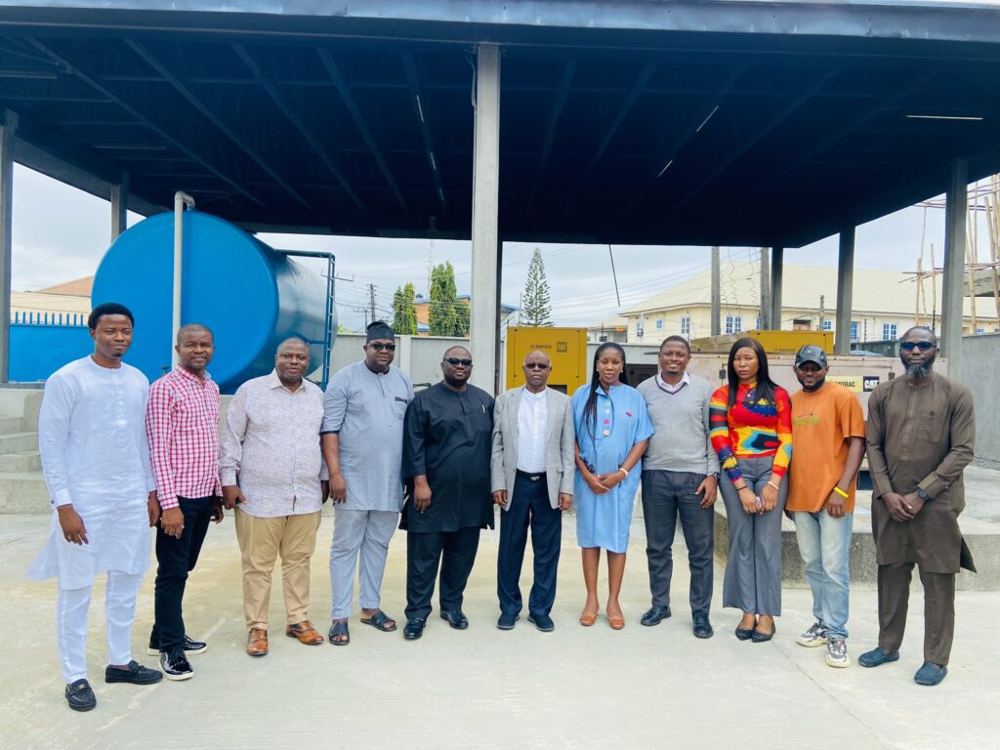
Dolphin Telecoms, the Dubai-based carrier that lands the Africa Coast to Europe submarine cable in Lagos, has agreed to buy solar power for a decade from Grid Crux Energy Solutions in a deal aimed at trimming diesel use at one of Nigeria’s most sensitive pieces of digital infrastructure. The 10-year Energy-as-a-Service contract, signed this week at a ceremony in Lagos, will see Grid Crux design, finance, build and run a solar system at Dolphin’s Cable Landing Station, the site where the ACE cable’s international capacity is handed off to Nigerian carriers, internet providers, banks and government agencies. Grid Crux said the arrangement is the first renewable EaaS deal at an ACE landing station anywhere in Anglophone Africa. The economics are straightforward: Dolphin puts up no capital, Grid Crux owns and operates the system, and the landing station pays for power as a service rather than for equipment. The solar array is expected to produce more than 144 megawatt-hours a year, or upward of 1,500 MWh over the life of the contract, output that will run alongside, not replace, the station’s existing grid and generator supply. For a facility that cannot afford downtime, the stakes go beyond the balance sheet. A break in service at the landing station ripples outward to the banks, telecom networks and businesses that route traffic through it. That reliability requirement is precisely why diesel has remained so entrenched at Nigerian telecom sites despite its cost: operators have been reluctant to swap out backup power they trust for alternatives that are unproven at scale. “A landing station is where Nigeria connects to the rest of the world, and it cannot go dark,” said Mojola Ola, chief executive officer of Grid Crux. “Our job is to keep it powered reliably while bringing down both the cost and the carbon behind every kilowatt-hour.” Abdelrahman Bashar Khalifa, managing director of Dolphin Telecoms, framed the deal as part of a broader shift in how the carrier thinks about its power mix. “Power is more essential in these times, and people are using it more than ever,” he said. “This is our way of committing to the future by making provision for the next generation.” The Lagos project sits at the intersection of two infrastructure gaps that Africa has struggled to close simultaneously: unreliable grid power and patchy broadband connectivity. The World Bank has flagged digital connectivity as a key driver of jobs and financial inclusion across the continent, while also warning that weak infrastructure, power chief among it, continues to slow rollout. Landing stations, data centers and network nodes all sit at that chokepoint, needing power that is both constant and, increasingly, clean. Dolphin has landing rights in three West African markets under the ACE system, Lagos, Accra and Dakar, that together cover roughly 80% of the region’s population, and has put more than $60 million into the cable system to date. The 17,000-kilometer ACE route runs the length of Africa’s Atlantic coast, connecting Europe to South Africa and serving about 17 countries along the way. Grid Crux is positioning the Lagos build as a template it can roll out elsewhere on that route. “This project has been three years in development and represents a long-term commitment to integrating renewable energy into critical infrastructure,” said Atinuke Adeniran, the company’s project lead for strategy and performance. “We built it to be repeatable. What we have delivered in Lagos can be taken to any landing station or data centre on the continent.” The deal extends Grid Crux’s Energy-as-a-Service model beyond its existing work in commercial and industrial solar, battery storage and minigrids, including projects under the World Bank-backed DARES programme, into telecom and data infrastructure specifically. The company said it is now in talks with other operators of landing stations, data centers and telecom networks across Nigeria and the wider region who are weighing similar arrangements. Also present at the signing were Bolaji Mudashir, Dolphin’s technical manager; Kareem Yussuff, its head of sales for Nigeria; and Henry Chukwuma, sales manager, alongside staff from both companies. Share
The 10-year Energy-as-a-Service contract, signed this week at a ceremony in Lagos, will see Grid Crux design, finance, build and run a solar system at Dolphin’s Cable Landing Station, the site where the ACE cable’s international capacity is handed off to Nigerian carriers, internet providers, banks and government agencies. Grid Crux said the arrangement is the first renewable EaaS deal at an ACE landing station anywhere in Anglophone Africa. The economics are straightforward: Dolphin puts up no capital, Grid Crux owns and operates the system, and the landing station pays for power as a service rather than for equipment. The solar array is expected to produce more than 144 megawatt-hours a year, or upward of 1,500 MWh over the life of the contract, output that will run alongside, not replace, the station’s existing grid and generator supply. For a facility that cannot afford downtime, the stakes go beyond the balance sheet. A break in service at the landing station ripples outward to the banks, telecom networks and businesses that route traffic through it. That reliability requirement is precisely why diesel has remained so entrenched at Nigerian telecom sites despite its cost: operators have been reluctant to swap out backup power they trust for alternatives that are unproven at scale. “A landing station is where Nigeria connects to the rest of the world, and it cannot go dark,” said Mojola Ola, chief executive officer of Grid Crux. “Our job is to keep it powered reliably while bringing down both the cost and the carbon behind every kilowatt-hour.” Abdelrahman Bashar Khalifa, managing director of Dolphin Telecoms, framed the deal as part of a broader shift in how the carrier thinks about its power mix. “Power is more essential in these times, and people are using it more than ever,” he said. “This is our way of committing to the future by making provision for the next generation.” The Lagos project sits at the intersection of two infrastructure gaps that Africa has struggled to close simultaneously: unreliable grid power and patchy broadband connectivity. The World Bank has flagged digital connectivity as a key driver of jobs and financial inclusion across the continent, while also warning that weak infrastructure, power chief among it, continues to slow rollout. Landing stations, data centers and network nodes all sit at that chokepoint, needing power that is both constant and, increasingly, clean. Dolphin has landing rights in three West African markets under the ACE system, Lagos, Accra and Dakar, that together cover roughly 80% of the region’s population, and has put more than $60 million into the cable system to date. The 17,000-kilometer ACE route runs the length of Africa’s Atlantic coast, connecting Europe to South Africa and serving about 17 countries along the way. Grid Crux is positioning the Lagos build as a template it can roll out elsewhere on that route. “This project has been three years in development and represents a long-term commitment to integrating renewable energy into critical infrastructure,” said Atinuke Adeniran, the company’s project lead for strategy and performance. “We built it to be repeatable. What we have delivered in Lagos can be taken to any landing station or data centre on the continent.” The deal extends Grid Crux’s Energy-as-a-Service model beyond its existing work in commercial and industrial solar, battery storage and minigrids, including projects under the World Bank-backed DARES programme, into telecom and data infrastructure specifically. The company said it is now in talks with other operators of landing stations, data centers and telecom networks across Nigeria and the wider region who are weighing similar arrangements. Also present at the signing were Bolaji Mudashir, Dolphin’s technical manager; Kareem Yussuff, its head of sales for Nigeria; and Henry Chukwuma, sales manager, alongside staff from both companies. Share
The economics are straightforward: Dolphin puts up no capital, Grid Crux owns and operates the system, and the landing station pays for power as a service rather than for equipment. The solar array is expected to produce more than 144 megawatt-hours a year, or upward of 1,500 MWh over the life of the contract, output that will run alongside, not replace, the station’s existing grid and generator supply. For a facility that cannot afford downtime, the stakes go beyond the balance sheet. A break in service at the landing station ripples outward to the banks, telecom networks and businesses that route traffic through it. That reliability requirement is precisely why diesel has remained so entrenched at Nigerian telecom sites despite its cost: operators have been reluctant to swap out backup power they trust for alternatives that are unproven at scale. “A landing station is where Nigeria connects to the rest of the world, and it cannot go dark,” said Mojola Ola, chief executive officer of Grid Crux. “Our job is to keep it powered reliably while bringing down both the cost and the carbon behind every kilowatt-hour.” Abdelrahman Bashar Khalifa, managing director of Dolphin Telecoms, framed the deal as part of a broader shift in how the carrier thinks about its power mix. “Power is more essential in these times, and people are using it more than ever,” he said. “This is our way of committing to the future by making provision for the next generation.” The Lagos project sits at the intersection of two infrastructure gaps that Africa has struggled to close simultaneously: unreliable grid power and patchy broadband connectivity. The World Bank has flagged digital connectivity as a key driver of jobs and financial inclusion across the continent, while also warning that weak infrastructure, power chief among it, continues to slow rollout. Landing stations, data centers and network nodes all sit at that chokepoint, needing power that is both constant and, increasingly, clean. Dolphin has landing rights in three West African markets under the ACE system, Lagos, Accra and Dakar, that together cover roughly 80% of the region’s population, and has put more than $60 million into the cable system to date. The 17,000-kilometer ACE route runs the length of Africa’s Atlantic coast, connecting Europe to South Africa and serving about 17 countries along the way. Grid Crux is positioning the Lagos build as a template it can roll out elsewhere on that route. “This project has been three years in development and represents a long-term commitment to integrating renewable energy into critical infrastructure,” said Atinuke Adeniran, the company’s project lead for strategy and performance. “We built it to be repeatable. What we have delivered in Lagos can be taken to any landing station or data centre on the continent.” The deal extends Grid Crux’s Energy-as-a-Service model beyond its existing work in commercial and industrial solar, battery storage and minigrids, including projects under the World Bank-backed DARES programme, into telecom and data infrastructure specifically. The company said it is now in talks with other operators of landing stations, data centers and telecom networks across Nigeria and the wider region who are weighing similar arrangements. Also present at the signing were Bolaji Mudashir, Dolphin’s technical manager; Kareem Yussuff, its head of sales for Nigeria; and Henry Chukwuma, sales manager, alongside staff from both companies. Share
For a facility that cannot afford downtime, the stakes go beyond the balance sheet. A break in service at the landing station ripples outward to the banks, telecom networks and businesses that route traffic through it. That reliability requirement is precisely why diesel has remained so entrenched at Nigerian telecom sites despite its cost: operators have been reluctant to swap out backup power they trust for alternatives that are unproven at scale. “A landing station is where Nigeria connects to the rest of the world, and it cannot go dark,” said Mojola Ola, chief executive officer of Grid Crux. “Our job is to keep it powered reliably while bringing down both the cost and the carbon behind every kilowatt-hour.” Abdelrahman Bashar Khalifa, managing director of Dolphin Telecoms, framed the deal as part of a broader shift in how the carrier thinks about its power mix. “Power is more essential in these times, and people are using it more than ever,” he said. “This is our way of committing to the future by making provision for the next generation.” The Lagos project sits at the intersection of two infrastructure gaps that Africa has struggled to close simultaneously: unreliable grid power and patchy broadband connectivity. The World Bank has flagged digital connectivity as a key driver of jobs and financial inclusion across the continent, while also warning that weak infrastructure, power chief among it, continues to slow rollout. Landing stations, data centers and network nodes all sit at that chokepoint, needing power that is both constant and, increasingly, clean. Dolphin has landing rights in three West African markets under the ACE system, Lagos, Accra and Dakar, that together cover roughly 80% of the region’s population, and has put more than $60 million into the cable system to date. The 17,000-kilometer ACE route runs the length of Africa’s Atlantic coast, connecting Europe to South Africa and serving about 17 countries along the way. Grid Crux is positioning the Lagos build as a template it can roll out elsewhere on that route. “This project has been three years in development and represents a long-term commitment to integrating renewable energy into critical infrastructure,” said Atinuke Adeniran, the company’s project lead for strategy and performance. “We built it to be repeatable. What we have delivered in Lagos can be taken to any landing station or data centre on the continent.” The deal extends Grid Crux’s Energy-as-a-Service model beyond its existing work in commercial and industrial solar, battery storage and minigrids, including projects under the World Bank-backed DARES programme, into telecom and data infrastructure specifically. The company said it is now in talks with other operators of landing stations, data centers and telecom networks across Nigeria and the wider region who are weighing similar arrangements. Also present at the signing were Bolaji Mudashir, Dolphin’s technical manager; Kareem Yussuff, its head of sales for Nigeria; and Henry Chukwuma, sales manager, alongside staff from both companies. Share
“A landing station is where Nigeria connects to the rest of the world, and it cannot go dark,” said Mojola Ola, chief executive officer of Grid Crux. “Our job is to keep it powered reliably while bringing down both the cost and the carbon behind every kilowatt-hour.” Abdelrahman Bashar Khalifa, managing director of Dolphin Telecoms, framed the deal as part of a broader shift in how the carrier thinks about its power mix. “Power is more essential in these times, and people are using it more than ever,” he said. “This is our way of committing to the future by making provision for the next generation.” The Lagos project sits at the intersection of two infrastructure gaps that Africa has struggled to close simultaneously: unreliable grid power and patchy broadband connectivity. The World Bank has flagged digital connectivity as a key driver of jobs and financial inclusion across the continent, while also warning that weak infrastructure, power chief among it, continues to slow rollout. Landing stations, data centers and network nodes all sit at that chokepoint, needing power that is both constant and, increasingly, clean. Dolphin has landing rights in three West African markets under the ACE system, Lagos, Accra and Dakar, that together cover roughly 80% of the region’s population, and has put more than $60 million into the cable system to date. The 17,000-kilometer ACE route runs the length of Africa’s Atlantic coast, connecting Europe to South Africa and serving about 17 countries along the way. Grid Crux is positioning the Lagos build as a template it can roll out elsewhere on that route. “This project has been three years in development and represents a long-term commitment to integrating renewable energy into critical infrastructure,” said Atinuke Adeniran, the company’s project lead for strategy and performance. “We built it to be repeatable. What we have delivered in Lagos can be taken to any landing station or data centre on the continent.” The deal extends Grid Crux’s Energy-as-a-Service model beyond its existing work in commercial and industrial solar, battery storage and minigrids, including projects under the World Bank-backed DARES programme, into telecom and data infrastructure specifically. The company said it is now in talks with other operators of landing stations, data centers and telecom networks across Nigeria and the wider region who are weighing similar arrangements. Also present at the signing were Bolaji Mudashir, Dolphin’s technical manager; Kareem Yussuff, its head of sales for Nigeria; and Henry Chukwuma, sales manager, alongside staff from both companies. Share
Abdelrahman Bashar Khalifa, managing director of Dolphin Telecoms, framed the deal as part of a broader shift in how the carrier thinks about its power mix. “Power is more essential in these times, and people are using it more than ever,” he said. “This is our way of committing to the future by making provision for the next generation.” The Lagos project sits at the intersection of two infrastructure gaps that Africa has struggled to close simultaneously: unreliable grid power and patchy broadband connectivity. The World Bank has flagged digital connectivity as a key driver of jobs and financial inclusion across the continent, while also warning that weak infrastructure, power chief among it, continues to slow rollout. Landing stations, data centers and network nodes all sit at that chokepoint, needing power that is both constant and, increasingly, clean. Dolphin has landing rights in three West African markets under the ACE system, Lagos, Accra and Dakar, that together cover roughly 80% of the region’s population, and has put more than $60 million into the cable system to date. The 17,000-kilometer ACE route runs the length of Africa’s Atlantic coast, connecting Europe to South Africa and serving about 17 countries along the way. Grid Crux is positioning the Lagos build as a template it can roll out elsewhere on that route. “This project has been three years in development and represents a long-term commitment to integrating renewable energy into critical infrastructure,” said Atinuke Adeniran, the company’s project lead for strategy and performance. “We built it to be repeatable. What we have delivered in Lagos can be taken to any landing station or data centre on the continent.” The deal extends Grid Crux’s Energy-as-a-Service model beyond its existing work in commercial and industrial solar, battery storage and minigrids, including projects under the World Bank-backed DARES programme, into telecom and data infrastructure specifically. The company said it is now in talks with other operators of landing stations, data centers and telecom networks across Nigeria and the wider region who are weighing similar arrangements. Also present at the signing were Bolaji Mudashir, Dolphin’s technical manager; Kareem Yussuff, its head of sales for Nigeria; and Henry Chukwuma, sales manager, alongside staff from both companies. Share
The Lagos project sits at the intersection of two infrastructure gaps that Africa has struggled to close simultaneously: unreliable grid power and patchy broadband connectivity. The World Bank has flagged digital connectivity as a key driver of jobs and financial inclusion across the continent, while also warning that weak infrastructure, power chief among it, continues to slow rollout. Landing stations, data centers and network nodes all sit at that chokepoint, needing power that is both constant and, increasingly, clean. Dolphin has landing rights in three West African markets under the ACE system, Lagos, Accra and Dakar, that together cover roughly 80% of the region’s population, and has put more than $60 million into the cable system to date. The 17,000-kilometer ACE route runs the length of Africa’s Atlantic coast, connecting Europe to South Africa and serving about 17 countries along the way. Grid Crux is positioning the Lagos build as a template it can roll out elsewhere on that route. “This project has been three years in development and represents a long-term commitment to integrating renewable energy into critical infrastructure,” said Atinuke Adeniran, the company’s project lead for strategy and performance. “We built it to be repeatable. What we have delivered in Lagos can be taken to any landing station or data centre on the continent.” The deal extends Grid Crux’s Energy-as-a-Service model beyond its existing work in commercial and industrial solar, battery storage and minigrids, including projects under the World Bank-backed DARES programme, into telecom and data infrastructure specifically. The company said it is now in talks with other operators of landing stations, data centers and telecom networks across Nigeria and the wider region who are weighing similar arrangements. Also present at the signing were Bolaji Mudashir, Dolphin’s technical manager; Kareem Yussuff, its head of sales for Nigeria; and Henry Chukwuma, sales manager, alongside staff from both companies. Share
Grid Crux is positioning the Lagos build as a template it can roll out elsewhere on that route. “This project has been three years in development and represents a long-term commitment to integrating renewable energy into critical infrastructure,” said Atinuke Adeniran, the company’s project lead for strategy and performance. “We built it to be repeatable. What we have delivered in Lagos can be taken to any landing station or data centre on the continent.” The deal extends Grid Crux’s Energy-as-a-Service model beyond its existing work in commercial and industrial solar, battery storage and minigrids, including projects under the World Bank-backed DARES programme, into telecom and data infrastructure specifically. The company said it is now in talks with other operators of landing stations, data centers and telecom networks across Nigeria and the wider region who are weighing similar arrangements. Also present at the signing were Bolaji Mudashir, Dolphin’s technical manager; Kareem Yussuff, its head of sales for Nigeria; and Henry Chukwuma, sales manager, alongside staff from both companies. Share
The deal extends Grid Crux’s Energy-as-a-Service model beyond its existing work in commercial and industrial solar, battery storage and minigrids, including projects under the World Bank-backed DARES programme, into telecom and data infrastructure specifically. The company said it is now in talks with other operators of landing stations, data centers and telecom networks across Nigeria and the wider region who are weighing similar arrangements. Also present at the signing were Bolaji Mudashir, Dolphin’s technical manager; Kareem Yussuff, its head of sales for Nigeria; and Henry Chukwuma, sales manager, alongside staff from both companies. Share
Also present at the signing were Bolaji Mudashir, Dolphin’s technical manager; Kareem Yussuff, its head of sales for Nigeria; and Henry Chukwuma, sales manager, alongside staff from both companies. Share