Property entrepreneur to spotlight Fractional Real Estate at Diaspora Africa confab
A Nigerian property entrepreneur is set to spotlight Fractional Real Estate at the seventh Diaspora Africa Conference with the unveiling read more Property entrepreneur to spotlight Fractional Real Estate at Diaspora Africa confab
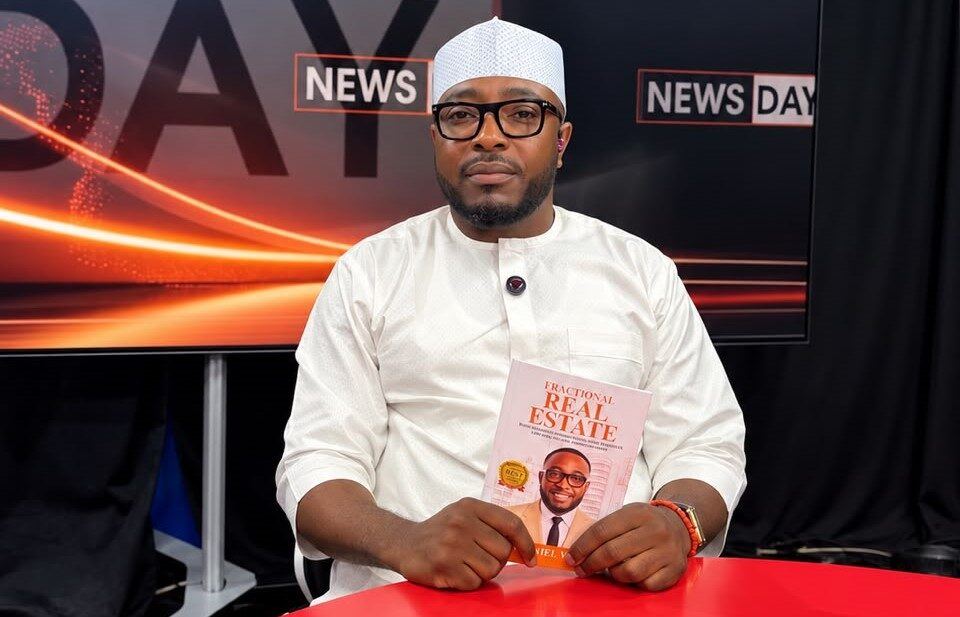
A Nigerian property entrepreneur is set to spotlight Fractional Real Estate at the seventh Diaspora Africa Conference with the unveiling of a new book aimed at opening up property investment to a broader pool of investors. Daniel Moses, a cross-border property wealth strategist, explores, through the book, how fractional ownership can lower the barriers to real estate investment by allowing individuals to participate in property ownership without bearing the full cost of acquiring an asset. The book, ‘Fractional Real Estate: Democratising Property Wealth for Nigerians, Africans and the African Diaspora, will be unveiled during the seventh Diaspora Africa Conference, taking place from October 11-18,2026 across Lagos, Abuja and Ghana. A new approach to property ownership Fractional Real Estate addresses one of the greatest financial challenges facing Nigerians and Africans today: property remains one of the most trusted ways to build and preserve wealth, yet the rising cost of acquisition prevents millions of hardworking people from participating. The book challenges the belief that a person must purchase an entire building alone before benefiting from property ownership. Instead, Dr Moses presents a structured framework through which individuals can combine capital, share ownership and participate in carefully selected, professionally managed real estate. “We already understand how to contribute together through Ajo, Esusu, Susu, Chama and cooperative societies. The next stage is to introduce the legal structure, governance, transparency and professional management required for us to own valuable assets together.” From collective contribution to collective ownership Across nine chapters, the book explores how Africa’s established culture of collective contribution can evolve into transparent and properly governed property ownership. Readers will learn about, fractional and collaborative property ownership, special-purpose vehicles and ownership structures, and legal documentation, governance and investor protection. Besides, readers will learn about property selection, due diligence and professional management, rental income, long-term capital appreciation and financial reporting, risk, regulation, compliance and exit planning, and cross-border opportunities connecting Africa and the diaspora The book is intended for middle-income professionals seeking a realistic pathway into property, high-net-worth individuals exploring diversification, public servants interested in inclusive economic development, diaspora investors considering opportunities in Africa and the United Kingdom, and institutional leaders examining new models for capital formation. A story of resilience and reinvention Behind the book is the personal journey of Moses, the founder and chairman of Property Wealth Corporation, after arriving in the United Kingdom with very limited resources, he worked in several roles, including as an Uber driver, before building his career in property. Moses subsequently developed a multimillion-pound property portfolio, raised more than £2.5 million in private capital and established Property Wealth Corporation. His journey has included growth, setbacks, delayed refinancing, difficult projects and significant personal and financial pressure. Instead of allowing those experiences to end his vision, he used them to develop a more disciplined understanding of property ownership, capital, accountability and long-term wealth creation. “This book was not written from theory alone. It was written from years of building, raising capital, experiencing setbacks and learning what responsible property ownership truly requires,” he stated. Grounded in practical experience A central feature of the book is the 129 Homesdale Road case study, based on a real income-producing property in Bromley, United Kingdom. The case study demonstrates how fractional ownership can be structured around a dedicated property-owning vehicle, supported by clear documentation, professional management, financial reporting, governance and an agreed exit framework. It gives readers a practical illustration of how collaborative property ownership could work while emphasising legal advice, due diligence, regulatory compliance and a full understanding of risk. The case study is presented for educational purposes. The book launch is not an investment offering, and any future property participation opportunity would be introduced separately through the appropriate legal, financial and regulatory process. For Moses, the future of African property ownership will depend on combining the continent’s culture of collaboration with stronger systems of governance and transparency. “Africa does not suffer from a complete absence of capital. In many cases, our capital is fragmented. When collective capital is supported by legal ownership, proper governance and transparent reporting, it can become productive property wealth,” he said. The seventh Diaspora Africa Conference, will be held under the theme “Homecoming: Bridging the Divide from Diaspora to Africa’s Future” (DACON 7.0). Charles Ogwo Charles Ogwo is a proactive journalist, driving education, and business innovations for over 10 years. He leads initiatives leveraging tech to enhance storytelling and build topnotch performing team. Charles is passionate about harnessing technology to inform, engage and empower communities. Share
Daniel Moses, a cross-border property wealth strategist, explores, through the book, how fractional ownership can lower the barriers to real estate investment by allowing individuals to participate in property ownership without bearing the full cost of acquiring an asset. The book, ‘Fractional Real Estate: Democratising Property Wealth for Nigerians, Africans and the African Diaspora, will be unveiled during the seventh Diaspora Africa Conference, taking place from October 11-18,2026 across Lagos, Abuja and Ghana. A new approach to property ownership Fractional Real Estate addresses one of the greatest financial challenges facing Nigerians and Africans today: property remains one of the most trusted ways to build and preserve wealth, yet the rising cost of acquisition prevents millions of hardworking people from participating. The book challenges the belief that a person must purchase an entire building alone before benefiting from property ownership. Instead, Dr Moses presents a structured framework through which individuals can combine capital, share ownership and participate in carefully selected, professionally managed real estate. “We already understand how to contribute together through Ajo, Esusu, Susu, Chama and cooperative societies. The next stage is to introduce the legal structure, governance, transparency and professional management required for us to own valuable assets together.” From collective contribution to collective ownership Across nine chapters, the book explores how Africa’s established culture of collective contribution can evolve into transparent and properly governed property ownership. Readers will learn about, fractional and collaborative property ownership, special-purpose vehicles and ownership structures, and legal documentation, governance and investor protection. Besides, readers will learn about property selection, due diligence and professional management, rental income, long-term capital appreciation and financial reporting, risk, regulation, compliance and exit planning, and cross-border opportunities connecting Africa and the diaspora The book is intended for middle-income professionals seeking a realistic pathway into property, high-net-worth individuals exploring diversification, public servants interested in inclusive economic development, diaspora investors considering opportunities in Africa and the United Kingdom, and institutional leaders examining new models for capital formation. A story of resilience and reinvention Behind the book is the personal journey of Moses, the founder and chairman of Property Wealth Corporation, after arriving in the United Kingdom with very limited resources, he worked in several roles, including as an Uber driver, before building his career in property. Moses subsequently developed a multimillion-pound property portfolio, raised more than £2.5 million in private capital and established Property Wealth Corporation. His journey has included growth, setbacks, delayed refinancing, difficult projects and significant personal and financial pressure. Instead of allowing those experiences to end his vision, he used them to develop a more disciplined understanding of property ownership, capital, accountability and long-term wealth creation. “This book was not written from theory alone. It was written from years of building, raising capital, experiencing setbacks and learning what responsible property ownership truly requires,” he stated. Grounded in practical experience A central feature of the book is the 129 Homesdale Road case study, based on a real income-producing property in Bromley, United Kingdom. The case study demonstrates how fractional ownership can be structured around a dedicated property-owning vehicle, supported by clear documentation, professional management, financial reporting, governance and an agreed exit framework. It gives readers a practical illustration of how collaborative property ownership could work while emphasising legal advice, due diligence, regulatory compliance and a full understanding of risk. The case study is presented for educational purposes. The book launch is not an investment offering, and any future property participation opportunity would be introduced separately through the appropriate legal, financial and regulatory process. For Moses, the future of African property ownership will depend on combining the continent’s culture of collaboration with stronger systems of governance and transparency. “Africa does not suffer from a complete absence of capital. In many cases, our capital is fragmented. When collective capital is supported by legal ownership, proper governance and transparent reporting, it can become productive property wealth,” he said. The seventh Diaspora Africa Conference, will be held under the theme “Homecoming: Bridging the Divide from Diaspora to Africa’s Future” (DACON 7.0). Charles Ogwo Charles Ogwo is a proactive journalist, driving education, and business innovations for over 10 years. He leads initiatives leveraging tech to enhance storytelling and build topnotch performing team. Charles is passionate about harnessing technology to inform, engage and empower communities. Share
The book, ‘Fractional Real Estate: Democratising Property Wealth for Nigerians, Africans and the African Diaspora, will be unveiled during the seventh Diaspora Africa Conference, taking place from October 11-18,2026 across Lagos, Abuja and Ghana. A new approach to property ownership Fractional Real Estate addresses one of the greatest financial challenges facing Nigerians and Africans today: property remains one of the most trusted ways to build and preserve wealth, yet the rising cost of acquisition prevents millions of hardworking people from participating. The book challenges the belief that a person must purchase an entire building alone before benefiting from property ownership. Instead, Dr Moses presents a structured framework through which individuals can combine capital, share ownership and participate in carefully selected, professionally managed real estate. “We already understand how to contribute together through Ajo, Esusu, Susu, Chama and cooperative societies. The next stage is to introduce the legal structure, governance, transparency and professional management required for us to own valuable assets together.” From collective contribution to collective ownership Across nine chapters, the book explores how Africa’s established culture of collective contribution can evolve into transparent and properly governed property ownership. Readers will learn about, fractional and collaborative property ownership, special-purpose vehicles and ownership structures, and legal documentation, governance and investor protection. Besides, readers will learn about property selection, due diligence and professional management, rental income, long-term capital appreciation and financial reporting, risk, regulation, compliance and exit planning, and cross-border opportunities connecting Africa and the diaspora The book is intended for middle-income professionals seeking a realistic pathway into property, high-net-worth individuals exploring diversification, public servants interested in inclusive economic development, diaspora investors considering opportunities in Africa and the United Kingdom, and institutional leaders examining new models for capital formation. A story of resilience and reinvention Behind the book is the personal journey of Moses, the founder and chairman of Property Wealth Corporation, after arriving in the United Kingdom with very limited resources, he worked in several roles, including as an Uber driver, before building his career in property. Moses subsequently developed a multimillion-pound property portfolio, raised more than £2.5 million in private capital and established Property Wealth Corporation. His journey has included growth, setbacks, delayed refinancing, difficult projects and significant personal and financial pressure. Instead of allowing those experiences to end his vision, he used them to develop a more disciplined understanding of property ownership, capital, accountability and long-term wealth creation. “This book was not written from theory alone. It was written from years of building, raising capital, experiencing setbacks and learning what responsible property ownership truly requires,” he stated. Grounded in practical experience A central feature of the book is the 129 Homesdale Road case study, based on a real income-producing property in Bromley, United Kingdom. The case study demonstrates how fractional ownership can be structured around a dedicated property-owning vehicle, supported by clear documentation, professional management, financial reporting, governance and an agreed exit framework. It gives readers a practical illustration of how collaborative property ownership could work while emphasising legal advice, due diligence, regulatory compliance and a full understanding of risk. The case study is presented for educational purposes. The book launch is not an investment offering, and any future property participation opportunity would be introduced separately through the appropriate legal, financial and regulatory process. For Moses, the future of African property ownership will depend on combining the continent’s culture of collaboration with stronger systems of governance and transparency. “Africa does not suffer from a complete absence of capital. In many cases, our capital is fragmented. When collective capital is supported by legal ownership, proper governance and transparent reporting, it can become productive property wealth,” he said. The seventh Diaspora Africa Conference, will be held under the theme “Homecoming: Bridging the Divide from Diaspora to Africa’s Future” (DACON 7.0). Charles Ogwo Charles Ogwo is a proactive journalist, driving education, and business innovations for over 10 years. He leads initiatives leveraging tech to enhance storytelling and build topnotch performing team. Charles is passionate about harnessing technology to inform, engage and empower communities. Share
A new approach to property ownership Fractional Real Estate addresses one of the greatest financial challenges facing Nigerians and Africans today: property remains one of the most trusted ways to build and preserve wealth, yet the rising cost of acquisition prevents millions of hardworking people from participating. The book challenges the belief that a person must purchase an entire building alone before benefiting from property ownership. Instead, Dr Moses presents a structured framework through which individuals can combine capital, share ownership and participate in carefully selected, professionally managed real estate. “We already understand how to contribute together through Ajo, Esusu, Susu, Chama and cooperative societies. The next stage is to introduce the legal structure, governance, transparency and professional management required for us to own valuable assets together.” From collective contribution to collective ownership Across nine chapters, the book explores how Africa’s established culture of collective contribution can evolve into transparent and properly governed property ownership. Readers will learn about, fractional and collaborative property ownership, special-purpose vehicles and ownership structures, and legal documentation, governance and investor protection. Besides, readers will learn about property selection, due diligence and professional management, rental income, long-term capital appreciation and financial reporting, risk, regulation, compliance and exit planning, and cross-border opportunities connecting Africa and the diaspora The book is intended for middle-income professionals seeking a realistic pathway into property, high-net-worth individuals exploring diversification, public servants interested in inclusive economic development, diaspora investors considering opportunities in Africa and the United Kingdom, and institutional leaders examining new models for capital formation. A story of resilience and reinvention Behind the book is the personal journey of Moses, the founder and chairman of Property Wealth Corporation, after arriving in the United Kingdom with very limited resources, he worked in several roles, including as an Uber driver, before building his career in property. Moses subsequently developed a multimillion-pound property portfolio, raised more than £2.5 million in private capital and established Property Wealth Corporation. His journey has included growth, setbacks, delayed refinancing, difficult projects and significant personal and financial pressure. Instead of allowing those experiences to end his vision, he used them to develop a more disciplined understanding of property ownership, capital, accountability and long-term wealth creation. “This book was not written from theory alone. It was written from years of building, raising capital, experiencing setbacks and learning what responsible property ownership truly requires,” he stated. Grounded in practical experience A central feature of the book is the 129 Homesdale Road case study, based on a real income-producing property in Bromley, United Kingdom. The case study demonstrates how fractional ownership can be structured around a dedicated property-owning vehicle, supported by clear documentation, professional management, financial reporting, governance and an agreed exit framework. It gives readers a practical illustration of how collaborative property ownership could work while emphasising legal advice, due diligence, regulatory compliance and a full understanding of risk. The case study is presented for educational purposes. The book launch is not an investment offering, and any future property participation opportunity would be introduced separately through the appropriate legal, financial and regulatory process. For Moses, the future of African property ownership will depend on combining the continent’s culture of collaboration with stronger systems of governance and transparency. “Africa does not suffer from a complete absence of capital. In many cases, our capital is fragmented. When collective capital is supported by legal ownership, proper governance and transparent reporting, it can become productive property wealth,” he said. The seventh Diaspora Africa Conference, will be held under the theme “Homecoming: Bridging the Divide from Diaspora to Africa’s Future” (DACON 7.0). Charles Ogwo Charles Ogwo is a proactive journalist, driving education, and business innovations for over 10 years. He leads initiatives leveraging tech to enhance storytelling and build topnotch performing team. Charles is passionate about harnessing technology to inform, engage and empower communities. Share
Fractional Real Estate addresses one of the greatest financial challenges facing Nigerians and Africans today: property remains one of the most trusted ways to build and preserve wealth, yet the rising cost of acquisition prevents millions of hardworking people from participating. The book challenges the belief that a person must purchase an entire building alone before benefiting from property ownership. Instead, Dr Moses presents a structured framework through which individuals can combine capital, share ownership and participate in carefully selected, professionally managed real estate. “We already understand how to contribute together through Ajo, Esusu, Susu, Chama and cooperative societies. The next stage is to introduce the legal structure, governance, transparency and professional management required for us to own valuable assets together.” From collective contribution to collective ownership Across nine chapters, the book explores how Africa’s established culture of collective contribution can evolve into transparent and properly governed property ownership. Readers will learn about, fractional and collaborative property ownership, special-purpose vehicles and ownership structures, and legal documentation, governance and investor protection. Besides, readers will learn about property selection, due diligence and professional management, rental income, long-term capital appreciation and financial reporting, risk, regulation, compliance and exit planning, and cross-border opportunities connecting Africa and the diaspora The book is intended for middle-income professionals seeking a realistic pathway into property, high-net-worth individuals exploring diversification, public servants interested in inclusive economic development, diaspora investors considering opportunities in Africa and the United Kingdom, and institutional leaders examining new models for capital formation. A story of resilience and reinvention Behind the book is the personal journey of Moses, the founder and chairman of Property Wealth Corporation, after arriving in the United Kingdom with very limited resources, he worked in several roles, including as an Uber driver, before building his career in property. Moses subsequently developed a multimillion-pound property portfolio, raised more than £2.5 million in private capital and established Property Wealth Corporation. His journey has included growth, setbacks, delayed refinancing, difficult projects and significant personal and financial pressure. Instead of allowing those experiences to end his vision, he used them to develop a more disciplined understanding of property ownership, capital, accountability and long-term wealth creation. “This book was not written from theory alone. It was written from years of building, raising capital, experiencing setbacks and learning what responsible property ownership truly requires,” he stated. Grounded in practical experience A central feature of the book is the 129 Homesdale Road case study, based on a real income-producing property in Bromley, United Kingdom. The case study demonstrates how fractional ownership can be structured around a dedicated property-owning vehicle, supported by clear documentation, professional management, financial reporting, governance and an agreed exit framework. It gives readers a practical illustration of how collaborative property ownership could work while emphasising legal advice, due diligence, regulatory compliance and a full understanding of risk. The case study is presented for educational purposes. The book launch is not an investment offering, and any future property participation opportunity would be introduced separately through the appropriate legal, financial and regulatory process. For Moses, the future of African property ownership will depend on combining the continent’s culture of collaboration with stronger systems of governance and transparency. “Africa does not suffer from a complete absence of capital. In many cases, our capital is fragmented. When collective capital is supported by legal ownership, proper governance and transparent reporting, it can become productive property wealth,” he said. The seventh Diaspora Africa Conference, will be held under the theme “Homecoming: Bridging the Divide from Diaspora to Africa’s Future” (DACON 7.0). Charles Ogwo Charles Ogwo is a proactive journalist, driving education, and business innovations for over 10 years. He leads initiatives leveraging tech to enhance storytelling and build topnotch performing team. Charles is passionate about harnessing technology to inform, engage and empower communities. Share
The book challenges the belief that a person must purchase an entire building alone before benefiting from property ownership. Instead, Dr Moses presents a structured framework through which individuals can combine capital, share ownership and participate in carefully selected, professionally managed real estate. “We already understand how to contribute together through Ajo, Esusu, Susu, Chama and cooperative societies. The next stage is to introduce the legal structure, governance, transparency and professional management required for us to own valuable assets together.” From collective contribution to collective ownership Across nine chapters, the book explores how Africa’s established culture of collective contribution can evolve into transparent and properly governed property ownership. Readers will learn about, fractional and collaborative property ownership, special-purpose vehicles and ownership structures, and legal documentation, governance and investor protection. Besides, readers will learn about property selection, due diligence and professional management, rental income, long-term capital appreciation and financial reporting, risk, regulation, compliance and exit planning, and cross-border opportunities connecting Africa and the diaspora The book is intended for middle-income professionals seeking a realistic pathway into property, high-net-worth individuals exploring diversification, public servants interested in inclusive economic development, diaspora investors considering opportunities in Africa and the United Kingdom, and institutional leaders examining new models for capital formation. A story of resilience and reinvention Behind the book is the personal journey of Moses, the founder and chairman of Property Wealth Corporation, after arriving in the United Kingdom with very limited resources, he worked in several roles, including as an Uber driver, before building his career in property. Moses subsequently developed a multimillion-pound property portfolio, raised more than £2.5 million in private capital and established Property Wealth Corporation. His journey has included growth, setbacks, delayed refinancing, difficult projects and significant personal and financial pressure. Instead of allowing those experiences to end his vision, he used them to develop a more disciplined understanding of property ownership, capital, accountability and long-term wealth creation. “This book was not written from theory alone. It was written from years of building, raising capital, experiencing setbacks and learning what responsible property ownership truly requires,” he stated. Grounded in practical experience A central feature of the book is the 129 Homesdale Road case study, based on a real income-producing property in Bromley, United Kingdom. The case study demonstrates how fractional ownership can be structured around a dedicated property-owning vehicle, supported by clear documentation, professional management, financial reporting, governance and an agreed exit framework. It gives readers a practical illustration of how collaborative property ownership could work while emphasising legal advice, due diligence, regulatory compliance and a full understanding of risk. The case study is presented for educational purposes. The book launch is not an investment offering, and any future property participation opportunity would be introduced separately through the appropriate legal, financial and regulatory process. For Moses, the future of African property ownership will depend on combining the continent’s culture of collaboration with stronger systems of governance and transparency. “Africa does not suffer from a complete absence of capital. In many cases, our capital is fragmented. When collective capital is supported by legal ownership, proper governance and transparent reporting, it can become productive property wealth,” he said. The seventh Diaspora Africa Conference, will be held under the theme “Homecoming: Bridging the Divide from Diaspora to Africa’s Future” (DACON 7.0). Charles Ogwo Charles Ogwo is a proactive journalist, driving education, and business innovations for over 10 years. He leads initiatives leveraging tech to enhance storytelling and build topnotch performing team. Charles is passionate about harnessing technology to inform, engage and empower communities. Share
“We already understand how to contribute together through Ajo, Esusu, Susu, Chama and cooperative societies. The next stage is to introduce the legal structure, governance, transparency and professional management required for us to own valuable assets together.” From collective contribution to collective ownership Across nine chapters, the book explores how Africa’s established culture of collective contribution can evolve into transparent and properly governed property ownership. Readers will learn about, fractional and collaborative property ownership, special-purpose vehicles and ownership structures, and legal documentation, governance and investor protection. Besides, readers will learn about property selection, due diligence and professional management, rental income, long-term capital appreciation and financial reporting, risk, regulation, compliance and exit planning, and cross-border opportunities connecting Africa and the diaspora The book is intended for middle-income professionals seeking a realistic pathway into property, high-net-worth individuals exploring diversification, public servants interested in inclusive economic development, diaspora investors considering opportunities in Africa and the United Kingdom, and institutional leaders examining new models for capital formation. A story of resilience and reinvention Behind the book is the personal journey of Moses, the founder and chairman of Property Wealth Corporation, after arriving in the United Kingdom with very limited resources, he worked in several roles, including as an Uber driver, before building his career in property. Moses subsequently developed a multimillion-pound property portfolio, raised more than £2.5 million in private capital and established Property Wealth Corporation. His journey has included growth, setbacks, delayed refinancing, difficult projects and significant personal and financial pressure. Instead of allowing those experiences to end his vision, he used them to develop a more disciplined understanding of property ownership, capital, accountability and long-term wealth creation. “This book was not written from theory alone. It was written from years of building, raising capital, experiencing setbacks and learning what responsible property ownership truly requires,” he stated. Grounded in practical experience A central feature of the book is the 129 Homesdale Road case study, based on a real income-producing property in Bromley, United Kingdom. The case study demonstrates how fractional ownership can be structured around a dedicated property-owning vehicle, supported by clear documentation, professional management, financial reporting, governance and an agreed exit framework. It gives readers a practical illustration of how collaborative property ownership could work while emphasising legal advice, due diligence, regulatory compliance and a full understanding of risk. The case study is presented for educational purposes. The book launch is not an investment offering, and any future property participation opportunity would be introduced separately through the appropriate legal, financial and regulatory process. For Moses, the future of African property ownership will depend on combining the continent’s culture of collaboration with stronger systems of governance and transparency. “Africa does not suffer from a complete absence of capital. In many cases, our capital is fragmented. When collective capital is supported by legal ownership, proper governance and transparent reporting, it can become productive property wealth,” he said. The seventh Diaspora Africa Conference, will be held under the theme “Homecoming: Bridging the Divide from Diaspora to Africa’s Future” (DACON 7.0). Charles Ogwo Charles Ogwo is a proactive journalist, driving education, and business innovations for over 10 years. He leads initiatives leveraging tech to enhance storytelling and build topnotch performing team. Charles is passionate about harnessing technology to inform, engage and empower communities. Share
From collective contribution to collective ownership Across nine chapters, the book explores how Africa’s established culture of collective contribution can evolve into transparent and properly governed property ownership. Readers will learn about, fractional and collaborative property ownership, special-purpose vehicles and ownership structures, and legal documentation, governance and investor protection. Besides, readers will learn about property selection, due diligence and professional management, rental income, long-term capital appreciation and financial reporting, risk, regulation, compliance and exit planning, and cross-border opportunities connecting Africa and the diaspora The book is intended for middle-income professionals seeking a realistic pathway into property, high-net-worth individuals exploring diversification, public servants interested in inclusive economic development, diaspora investors considering opportunities in Africa and the United Kingdom, and institutional leaders examining new models for capital formation. A story of resilience and reinvention Behind the book is the personal journey of Moses, the founder and chairman of Property Wealth Corporation, after arriving in the United Kingdom with very limited resources, he worked in several roles, including as an Uber driver, before building his career in property. Moses subsequently developed a multimillion-pound property portfolio, raised more than £2.5 million in private capital and established Property Wealth Corporation. His journey has included growth, setbacks, delayed refinancing, difficult projects and significant personal and financial pressure. Instead of allowing those experiences to end his vision, he used them to develop a more disciplined understanding of property ownership, capital, accountability and long-term wealth creation. “This book was not written from theory alone. It was written from years of building, raising capital, experiencing setbacks and learning what responsible property ownership truly requires,” he stated. Grounded in practical experience A central feature of the book is the 129 Homesdale Road case study, based on a real income-producing property in Bromley, United Kingdom. The case study demonstrates how fractional ownership can be structured around a dedicated property-owning vehicle, supported by clear documentation, professional management, financial reporting, governance and an agreed exit framework. It gives readers a practical illustration of how collaborative property ownership could work while emphasising legal advice, due diligence, regulatory compliance and a full understanding of risk. The case study is presented for educational purposes. The book launch is not an investment offering, and any future property participation opportunity would be introduced separately through the appropriate legal, financial and regulatory process. For Moses, the future of African property ownership will depend on combining the continent’s culture of collaboration with stronger systems of governance and transparency. “Africa does not suffer from a complete absence of capital. In many cases, our capital is fragmented. When collective capital is supported by legal ownership, proper governance and transparent reporting, it can become productive property wealth,” he said. The seventh Diaspora Africa Conference, will be held under the theme “Homecoming: Bridging the Divide from Diaspora to Africa’s Future” (DACON 7.0). Charles Ogwo Charles Ogwo is a proactive journalist, driving education, and business innovations for over 10 years. He leads initiatives leveraging tech to enhance storytelling and build topnotch performing team. Charles is passionate about harnessing technology to inform, engage and empower communities. Share
Across nine chapters, the book explores how Africa’s established culture of collective contribution can evolve into transparent and properly governed property ownership. Readers will learn about, fractional and collaborative property ownership, special-purpose vehicles and ownership structures, and legal documentation, governance and investor protection. Besides, readers will learn about property selection, due diligence and professional management, rental income, long-term capital appreciation and financial reporting, risk, regulation, compliance and exit planning, and cross-border opportunities connecting Africa and the diaspora The book is intended for middle-income professionals seeking a realistic pathway into property, high-net-worth individuals exploring diversification, public servants interested in inclusive economic development, diaspora investors considering opportunities in Africa and the United Kingdom, and institutional leaders examining new models for capital formation. A story of resilience and reinvention Behind the book is the personal journey of Moses, the founder and chairman of Property Wealth Corporation, after arriving in the United Kingdom with very limited resources, he worked in several roles, including as an Uber driver, before building his career in property. Moses subsequently developed a multimillion-pound property portfolio, raised more than £2.5 million in private capital and established Property Wealth Corporation. His journey has included growth, setbacks, delayed refinancing, difficult projects and significant personal and financial pressure. Instead of allowing those experiences to end his vision, he used them to develop a more disciplined understanding of property ownership, capital, accountability and long-term wealth creation. “This book was not written from theory alone. It was written from years of building, raising capital, experiencing setbacks and learning what responsible property ownership truly requires,” he stated. Grounded in practical experience A central feature of the book is the 129 Homesdale Road case study, based on a real income-producing property in Bromley, United Kingdom. The case study demonstrates how fractional ownership can be structured around a dedicated property-owning vehicle, supported by clear documentation, professional management, financial reporting, governance and an agreed exit framework. It gives readers a practical illustration of how collaborative property ownership could work while emphasising legal advice, due diligence, regulatory compliance and a full understanding of risk. The case study is presented for educational purposes. The book launch is not an investment offering, and any future property participation opportunity would be introduced separately through the appropriate legal, financial and regulatory process. For Moses, the future of African property ownership will depend on combining the continent’s culture of collaboration with stronger systems of governance and transparency. “Africa does not suffer from a complete absence of capital. In many cases, our capital is fragmented. When collective capital is supported by legal ownership, proper governance and transparent reporting, it can become productive property wealth,” he said. The seventh Diaspora Africa Conference, will be held under the theme “Homecoming: Bridging the Divide from Diaspora to Africa’s Future” (DACON 7.0). Charles Ogwo Charles Ogwo is a proactive journalist, driving education, and business innovations for over 10 years. He leads initiatives leveraging tech to enhance storytelling and build topnotch performing team. Charles is passionate about harnessing technology to inform, engage and empower communities. Share
Besides, readers will learn about property selection, due diligence and professional management, rental income, long-term capital appreciation and financial reporting, risk, regulation, compliance and exit planning, and cross-border opportunities connecting Africa and the diaspora The book is intended for middle-income professionals seeking a realistic pathway into property, high-net-worth individuals exploring diversification, public servants interested in inclusive economic development, diaspora investors considering opportunities in Africa and the United Kingdom, and institutional leaders examining new models for capital formation. A story of resilience and reinvention Behind the book is the personal journey of Moses, the founder and chairman of Property Wealth Corporation, after arriving in the United Kingdom with very limited resources, he worked in several roles, including as an Uber driver, before building his career in property. Moses subsequently developed a multimillion-pound property portfolio, raised more than £2.5 million in private capital and established Property Wealth Corporation. His journey has included growth, setbacks, delayed refinancing, difficult projects and significant personal and financial pressure. Instead of allowing those experiences to end his vision, he used them to develop a more disciplined understanding of property ownership, capital, accountability and long-term wealth creation. “This book was not written from theory alone. It was written from years of building, raising capital, experiencing setbacks and learning what responsible property ownership truly requires,” he stated. Grounded in practical experience A central feature of the book is the 129 Homesdale Road case study, based on a real income-producing property in Bromley, United Kingdom. The case study demonstrates how fractional ownership can be structured around a dedicated property-owning vehicle, supported by clear documentation, professional management, financial reporting, governance and an agreed exit framework. It gives readers a practical illustration of how collaborative property ownership could work while emphasising legal advice, due diligence, regulatory compliance and a full understanding of risk. The case study is presented for educational purposes. The book launch is not an investment offering, and any future property participation opportunity would be introduced separately through the appropriate legal, financial and regulatory process. For Moses, the future of African property ownership will depend on combining the continent’s culture of collaboration with stronger systems of governance and transparency. “Africa does not suffer from a complete absence of capital. In many cases, our capital is fragmented. When collective capital is supported by legal ownership, proper governance and transparent reporting, it can become productive property wealth,” he said. The seventh Diaspora Africa Conference, will be held under the theme “Homecoming: Bridging the Divide from Diaspora to Africa’s Future” (DACON 7.0). Charles Ogwo Charles Ogwo is a proactive journalist, driving education, and business innovations for over 10 years. He leads initiatives leveraging tech to enhance storytelling and build topnotch performing team. Charles is passionate about harnessing technology to inform, engage and empower communities. Share
The book is intended for middle-income professionals seeking a realistic pathway into property, high-net-worth individuals exploring diversification, public servants interested in inclusive economic development, diaspora investors considering opportunities in Africa and the United Kingdom, and institutional leaders examining new models for capital formation. A story of resilience and reinvention Behind the book is the personal journey of Moses, the founder and chairman of Property Wealth Corporation, after arriving in the United Kingdom with very limited resources, he worked in several roles, including as an Uber driver, before building his career in property. Moses subsequently developed a multimillion-pound property portfolio, raised more than £2.5 million in private capital and established Property Wealth Corporation. His journey has included growth, setbacks, delayed refinancing, difficult projects and significant personal and financial pressure. Instead of allowing those experiences to end his vision, he used them to develop a more disciplined understanding of property ownership, capital, accountability and long-term wealth creation. “This book was not written from theory alone. It was written from years of building, raising capital, experiencing setbacks and learning what responsible property ownership truly requires,” he stated. Grounded in practical experience A central feature of the book is the 129 Homesdale Road case study, based on a real income-producing property in Bromley, United Kingdom. The case study demonstrates how fractional ownership can be structured around a dedicated property-owning vehicle, supported by clear documentation, professional management, financial reporting, governance and an agreed exit framework. It gives readers a practical illustration of how collaborative property ownership could work while emphasising legal advice, due diligence, regulatory compliance and a full understanding of risk. The case study is presented for educational purposes. The book launch is not an investment offering, and any future property participation opportunity would be introduced separately through the appropriate legal, financial and regulatory process. For Moses, the future of African property ownership will depend on combining the continent’s culture of collaboration with stronger systems of governance and transparency. “Africa does not suffer from a complete absence of capital. In many cases, our capital is fragmented. When collective capital is supported by legal ownership, proper governance and transparent reporting, it can become productive property wealth,” he said. The seventh Diaspora Africa Conference, will be held under the theme “Homecoming: Bridging the Divide from Diaspora to Africa’s Future” (DACON 7.0). Charles Ogwo Charles Ogwo is a proactive journalist, driving education, and business innovations for over 10 years. He leads initiatives leveraging tech to enhance storytelling and build topnotch performing team. Charles is passionate about harnessing technology to inform, engage and empower communities. Share
A story of resilience and reinvention Behind the book is the personal journey of Moses, the founder and chairman of Property Wealth Corporation, after arriving in the United Kingdom with very limited resources, he worked in several roles, including as an Uber driver, before building his career in property. Moses subsequently developed a multimillion-pound property portfolio, raised more than £2.5 million in private capital and established Property Wealth Corporation. His journey has included growth, setbacks, delayed refinancing, difficult projects and significant personal and financial pressure. Instead of allowing those experiences to end his vision, he used them to develop a more disciplined understanding of property ownership, capital, accountability and long-term wealth creation. “This book was not written from theory alone. It was written from years of building, raising capital, experiencing setbacks and learning what responsible property ownership truly requires,” he stated. Grounded in practical experience A central feature of the book is the 129 Homesdale Road case study, based on a real income-producing property in Bromley, United Kingdom. The case study demonstrates how fractional ownership can be structured around a dedicated property-owning vehicle, supported by clear documentation, professional management, financial reporting, governance and an agreed exit framework. It gives readers a practical illustration of how collaborative property ownership could work while emphasising legal advice, due diligence, regulatory compliance and a full understanding of risk. The case study is presented for educational purposes. The book launch is not an investment offering, and any future property participation opportunity would be introduced separately through the appropriate legal, financial and regulatory process. For Moses, the future of African property ownership will depend on combining the continent’s culture of collaboration with stronger systems of governance and transparency. “Africa does not suffer from a complete absence of capital. In many cases, our capital is fragmented. When collective capital is supported by legal ownership, proper governance and transparent reporting, it can become productive property wealth,” he said. The seventh Diaspora Africa Conference, will be held under the theme “Homecoming: Bridging the Divide from Diaspora to Africa’s Future” (DACON 7.0). Charles Ogwo Charles Ogwo is a proactive journalist, driving education, and business innovations for over 10 years. He leads initiatives leveraging tech to enhance storytelling and build topnotch performing team. Charles is passionate about harnessing technology to inform, engage and empower communities. Share
Behind the book is the personal journey of Moses, the founder and chairman of Property Wealth Corporation, after arriving in the United Kingdom with very limited resources, he worked in several roles, including as an Uber driver, before building his career in property. Moses subsequently developed a multimillion-pound property portfolio, raised more than £2.5 million in private capital and established Property Wealth Corporation. His journey has included growth, setbacks, delayed refinancing, difficult projects and significant personal and financial pressure. Instead of allowing those experiences to end his vision, he used them to develop a more disciplined understanding of property ownership, capital, accountability and long-term wealth creation. “This book was not written from theory alone. It was written from years of building, raising capital, experiencing setbacks and learning what responsible property ownership truly requires,” he stated. Grounded in practical experience A central feature of the book is the 129 Homesdale Road case study, based on a real income-producing property in Bromley, United Kingdom. The case study demonstrates how fractional ownership can be structured around a dedicated property-owning vehicle, supported by clear documentation, professional management, financial reporting, governance and an agreed exit framework. It gives readers a practical illustration of how collaborative property ownership could work while emphasising legal advice, due diligence, regulatory compliance and a full understanding of risk. The case study is presented for educational purposes. The book launch is not an investment offering, and any future property participation opportunity would be introduced separately through the appropriate legal, financial and regulatory process. For Moses, the future of African property ownership will depend on combining the continent’s culture of collaboration with stronger systems of governance and transparency. “Africa does not suffer from a complete absence of capital. In many cases, our capital is fragmented. When collective capital is supported by legal ownership, proper governance and transparent reporting, it can become productive property wealth,” he said. The seventh Diaspora Africa Conference, will be held under the theme “Homecoming: Bridging the Divide from Diaspora to Africa’s Future” (DACON 7.0). Charles Ogwo Charles Ogwo is a proactive journalist, driving education, and business innovations for over 10 years. He leads initiatives leveraging tech to enhance storytelling and build topnotch performing team. Charles is passionate about harnessing technology to inform, engage and empower communities. Share
Moses subsequently developed a multimillion-pound property portfolio, raised more than £2.5 million in private capital and established Property Wealth Corporation. His journey has included growth, setbacks, delayed refinancing, difficult projects and significant personal and financial pressure. Instead of allowing those experiences to end his vision, he used them to develop a more disciplined understanding of property ownership, capital, accountability and long-term wealth creation. “This book was not written from theory alone. It was written from years of building, raising capital, experiencing setbacks and learning what responsible property ownership truly requires,” he stated. Grounded in practical experience A central feature of the book is the 129 Homesdale Road case study, based on a real income-producing property in Bromley, United Kingdom. The case study demonstrates how fractional ownership can be structured around a dedicated property-owning vehicle, supported by clear documentation, professional management, financial reporting, governance and an agreed exit framework. It gives readers a practical illustration of how collaborative property ownership could work while emphasising legal advice, due diligence, regulatory compliance and a full understanding of risk. The case study is presented for educational purposes. The book launch is not an investment offering, and any future property participation opportunity would be introduced separately through the appropriate legal, financial and regulatory process. For Moses, the future of African property ownership will depend on combining the continent’s culture of collaboration with stronger systems of governance and transparency. “Africa does not suffer from a complete absence of capital. In many cases, our capital is fragmented. When collective capital is supported by legal ownership, proper governance and transparent reporting, it can become productive property wealth,” he said. The seventh Diaspora Africa Conference, will be held under the theme “Homecoming: Bridging the Divide from Diaspora to Africa’s Future” (DACON 7.0). Charles Ogwo Charles Ogwo is a proactive journalist, driving education, and business innovations for over 10 years. He leads initiatives leveraging tech to enhance storytelling and build topnotch performing team. Charles is passionate about harnessing technology to inform, engage and empower communities. Share
His journey has included growth, setbacks, delayed refinancing, difficult projects and significant personal and financial pressure. Instead of allowing those experiences to end his vision, he used them to develop a more disciplined understanding of property ownership, capital, accountability and long-term wealth creation. “This book was not written from theory alone. It was written from years of building, raising capital, experiencing setbacks and learning what responsible property ownership truly requires,” he stated. Grounded in practical experience A central feature of the book is the 129 Homesdale Road case study, based on a real income-producing property in Bromley, United Kingdom. The case study demonstrates how fractional ownership can be structured around a dedicated property-owning vehicle, supported by clear documentation, professional management, financial reporting, governance and an agreed exit framework. It gives readers a practical illustration of how collaborative property ownership could work while emphasising legal advice, due diligence, regulatory compliance and a full understanding of risk. The case study is presented for educational purposes. The book launch is not an investment offering, and any future property participation opportunity would be introduced separately through the appropriate legal, financial and regulatory process. For Moses, the future of African property ownership will depend on combining the continent’s culture of collaboration with stronger systems of governance and transparency. “Africa does not suffer from a complete absence of capital. In many cases, our capital is fragmented. When collective capital is supported by legal ownership, proper governance and transparent reporting, it can become productive property wealth,” he said. The seventh Diaspora Africa Conference, will be held under the theme “Homecoming: Bridging the Divide from Diaspora to Africa’s Future” (DACON 7.0). Charles Ogwo Charles Ogwo is a proactive journalist, driving education, and business innovations for over 10 years. He leads initiatives leveraging tech to enhance storytelling and build topnotch performing team. Charles is passionate about harnessing technology to inform, engage and empower communities. Share
“This book was not written from theory alone. It was written from years of building, raising capital, experiencing setbacks and learning what responsible property ownership truly requires,” he stated. Grounded in practical experience A central feature of the book is the 129 Homesdale Road case study, based on a real income-producing property in Bromley, United Kingdom. The case study demonstrates how fractional ownership can be structured around a dedicated property-owning vehicle, supported by clear documentation, professional management, financial reporting, governance and an agreed exit framework. It gives readers a practical illustration of how collaborative property ownership could work while emphasising legal advice, due diligence, regulatory compliance and a full understanding of risk. The case study is presented for educational purposes. The book launch is not an investment offering, and any future property participation opportunity would be introduced separately through the appropriate legal, financial and regulatory process. For Moses, the future of African property ownership will depend on combining the continent’s culture of collaboration with stronger systems of governance and transparency. “Africa does not suffer from a complete absence of capital. In many cases, our capital is fragmented. When collective capital is supported by legal ownership, proper governance and transparent reporting, it can become productive property wealth,” he said. The seventh Diaspora Africa Conference, will be held under the theme “Homecoming: Bridging the Divide from Diaspora to Africa’s Future” (DACON 7.0). Charles Ogwo Charles Ogwo is a proactive journalist, driving education, and business innovations for over 10 years. He leads initiatives leveraging tech to enhance storytelling and build topnotch performing team. Charles is passionate about harnessing technology to inform, engage and empower communities. Share
Grounded in practical experience A central feature of the book is the 129 Homesdale Road case study, based on a real income-producing property in Bromley, United Kingdom. The case study demonstrates how fractional ownership can be structured around a dedicated property-owning vehicle, supported by clear documentation, professional management, financial reporting, governance and an agreed exit framework. It gives readers a practical illustration of how collaborative property ownership could work while emphasising legal advice, due diligence, regulatory compliance and a full understanding of risk. The case study is presented for educational purposes. The book launch is not an investment offering, and any future property participation opportunity would be introduced separately through the appropriate legal, financial and regulatory process. For Moses, the future of African property ownership will depend on combining the continent’s culture of collaboration with stronger systems of governance and transparency. “Africa does not suffer from a complete absence of capital. In many cases, our capital is fragmented. When collective capital is supported by legal ownership, proper governance and transparent reporting, it can become productive property wealth,” he said. The seventh Diaspora Africa Conference, will be held under the theme “Homecoming: Bridging the Divide from Diaspora to Africa’s Future” (DACON 7.0). Charles Ogwo Charles Ogwo is a proactive journalist, driving education, and business innovations for over 10 years. He leads initiatives leveraging tech to enhance storytelling and build topnotch performing team. Charles is passionate about harnessing technology to inform, engage and empower communities. Share
A central feature of the book is the 129 Homesdale Road case study, based on a real income-producing property in Bromley, United Kingdom. The case study demonstrates how fractional ownership can be structured around a dedicated property-owning vehicle, supported by clear documentation, professional management, financial reporting, governance and an agreed exit framework. It gives readers a practical illustration of how collaborative property ownership could work while emphasising legal advice, due diligence, regulatory compliance and a full understanding of risk. The case study is presented for educational purposes. The book launch is not an investment offering, and any future property participation opportunity would be introduced separately through the appropriate legal, financial and regulatory process. For Moses, the future of African property ownership will depend on combining the continent’s culture of collaboration with stronger systems of governance and transparency. “Africa does not suffer from a complete absence of capital. In many cases, our capital is fragmented. When collective capital is supported by legal ownership, proper governance and transparent reporting, it can become productive property wealth,” he said. The seventh Diaspora Africa Conference, will be held under the theme “Homecoming: Bridging the Divide from Diaspora to Africa’s Future” (DACON 7.0). Charles Ogwo Charles Ogwo is a proactive journalist, driving education, and business innovations for over 10 years. He leads initiatives leveraging tech to enhance storytelling and build topnotch performing team. Charles is passionate about harnessing technology to inform, engage and empower communities. Share
The case study demonstrates how fractional ownership can be structured around a dedicated property-owning vehicle, supported by clear documentation, professional management, financial reporting, governance and an agreed exit framework. It gives readers a practical illustration of how collaborative property ownership could work while emphasising legal advice, due diligence, regulatory compliance and a full understanding of risk. The case study is presented for educational purposes. The book launch is not an investment offering, and any future property participation opportunity would be introduced separately through the appropriate legal, financial and regulatory process. For Moses, the future of African property ownership will depend on combining the continent’s culture of collaboration with stronger systems of governance and transparency. “Africa does not suffer from a complete absence of capital. In many cases, our capital is fragmented. When collective capital is supported by legal ownership, proper governance and transparent reporting, it can become productive property wealth,” he said. The seventh Diaspora Africa Conference, will be held under the theme “Homecoming: Bridging the Divide from Diaspora to Africa’s Future” (DACON 7.0). Charles Ogwo Charles Ogwo is a proactive journalist, driving education, and business innovations for over 10 years. He leads initiatives leveraging tech to enhance storytelling and build topnotch performing team. Charles is passionate about harnessing technology to inform, engage and empower communities. Share
It gives readers a practical illustration of how collaborative property ownership could work while emphasising legal advice, due diligence, regulatory compliance and a full understanding of risk. The case study is presented for educational purposes. The book launch is not an investment offering, and any future property participation opportunity would be introduced separately through the appropriate legal, financial and regulatory process. For Moses, the future of African property ownership will depend on combining the continent’s culture of collaboration with stronger systems of governance and transparency. “Africa does not suffer from a complete absence of capital. In many cases, our capital is fragmented. When collective capital is supported by legal ownership, proper governance and transparent reporting, it can become productive property wealth,” he said. The seventh Diaspora Africa Conference, will be held under the theme “Homecoming: Bridging the Divide from Diaspora to Africa’s Future” (DACON 7.0). Charles Ogwo Charles Ogwo is a proactive journalist, driving education, and business innovations for over 10 years. He leads initiatives leveraging tech to enhance storytelling and build topnotch performing team. Charles is passionate about harnessing technology to inform, engage and empower communities. Share
The case study is presented for educational purposes. The book launch is not an investment offering, and any future property participation opportunity would be introduced separately through the appropriate legal, financial and regulatory process. For Moses, the future of African property ownership will depend on combining the continent’s culture of collaboration with stronger systems of governance and transparency. “Africa does not suffer from a complete absence of capital. In many cases, our capital is fragmented. When collective capital is supported by legal ownership, proper governance and transparent reporting, it can become productive property wealth,” he said. The seventh Diaspora Africa Conference, will be held under the theme “Homecoming: Bridging the Divide from Diaspora to Africa’s Future” (DACON 7.0). Charles Ogwo Charles Ogwo is a proactive journalist, driving education, and business innovations for over 10 years. He leads initiatives leveraging tech to enhance storytelling and build topnotch performing team. Charles is passionate about harnessing technology to inform, engage and empower communities. Share
For Moses, the future of African property ownership will depend on combining the continent’s culture of collaboration with stronger systems of governance and transparency. “Africa does not suffer from a complete absence of capital. In many cases, our capital is fragmented. When collective capital is supported by legal ownership, proper governance and transparent reporting, it can become productive property wealth,” he said. The seventh Diaspora Africa Conference, will be held under the theme “Homecoming: Bridging the Divide from Diaspora to Africa’s Future” (DACON 7.0). Charles Ogwo Charles Ogwo is a proactive journalist, driving education, and business innovations for over 10 years. He leads initiatives leveraging tech to enhance storytelling and build topnotch performing team. Charles is passionate about harnessing technology to inform, engage and empower communities. Share
“Africa does not suffer from a complete absence of capital. In many cases, our capital is fragmented. When collective capital is supported by legal ownership, proper governance and transparent reporting, it can become productive property wealth,” he said. The seventh Diaspora Africa Conference, will be held under the theme “Homecoming: Bridging the Divide from Diaspora to Africa’s Future” (DACON 7.0). Charles Ogwo Charles Ogwo is a proactive journalist, driving education, and business innovations for over 10 years. He leads initiatives leveraging tech to enhance storytelling and build topnotch performing team. Charles is passionate about harnessing technology to inform, engage and empower communities. Share
The seventh Diaspora Africa Conference, will be held under the theme “Homecoming: Bridging the Divide from Diaspora to Africa’s Future” (DACON 7.0). Charles Ogwo Charles Ogwo is a proactive journalist, driving education, and business innovations for over 10 years. He leads initiatives leveraging tech to enhance storytelling and build topnotch performing team. Charles is passionate about harnessing technology to inform, engage and empower communities. Share
Charles Ogwo is a proactive journalist, driving education, and business innovations for over 10 years. He leads initiatives leveraging tech to enhance storytelling and build topnotch performing team. Charles is passionate about harnessing technology to inform, engage and empower communities.