AI data centers spark surge in fuel cell orders for Bloom Energy
A wave of major contracts from AI data center operators signals a mainstream shift toward hydrogen fuel cells, potentially reshaping the investment profile of Bloom Energy despite recent share price weakness.
Recently announced contracts from Brookfield and Oracle are providing a tangible boost to Bloom Energy's order book, highlighting a rapid shift in how artificial intelligence data centers source power. Brookfield is quintupling an initial $5 billion purchase of power infrastructure manufactured by Bloom. Separately, Oracle more than doubled its original commitment, increasing its order for Bloom's onsite fuel cell solutions from 1.2 gigawatts to 2.8 gigawatts.
These agreements represent a critical validation for the fuel cell sector, which has historically faced investor skepticism about its long-term role in the energy mix. However, the sheer electricity demands of modern AI infrastructure are forcing data center operators to seek out alternative, distributed power generation methods. The recent wave of partnerships suggests that fuel cells are now being seriously evaluated as a mainstream solution rather than a niche technology.
The trend extends well beyond Bloom Energy. ECL, an AI data center company, recently signed a contract to deploy 300 megawatts of hydrogen fuel cells produced by Sweden's PowerCell. Heavy equipment manufacturer Siemens also entered the space, agreeing to co-develop distributed energy solutions specifically for data centers with FuelCell Energy, which secured a similar partnership with Fit Energy USA days prior.
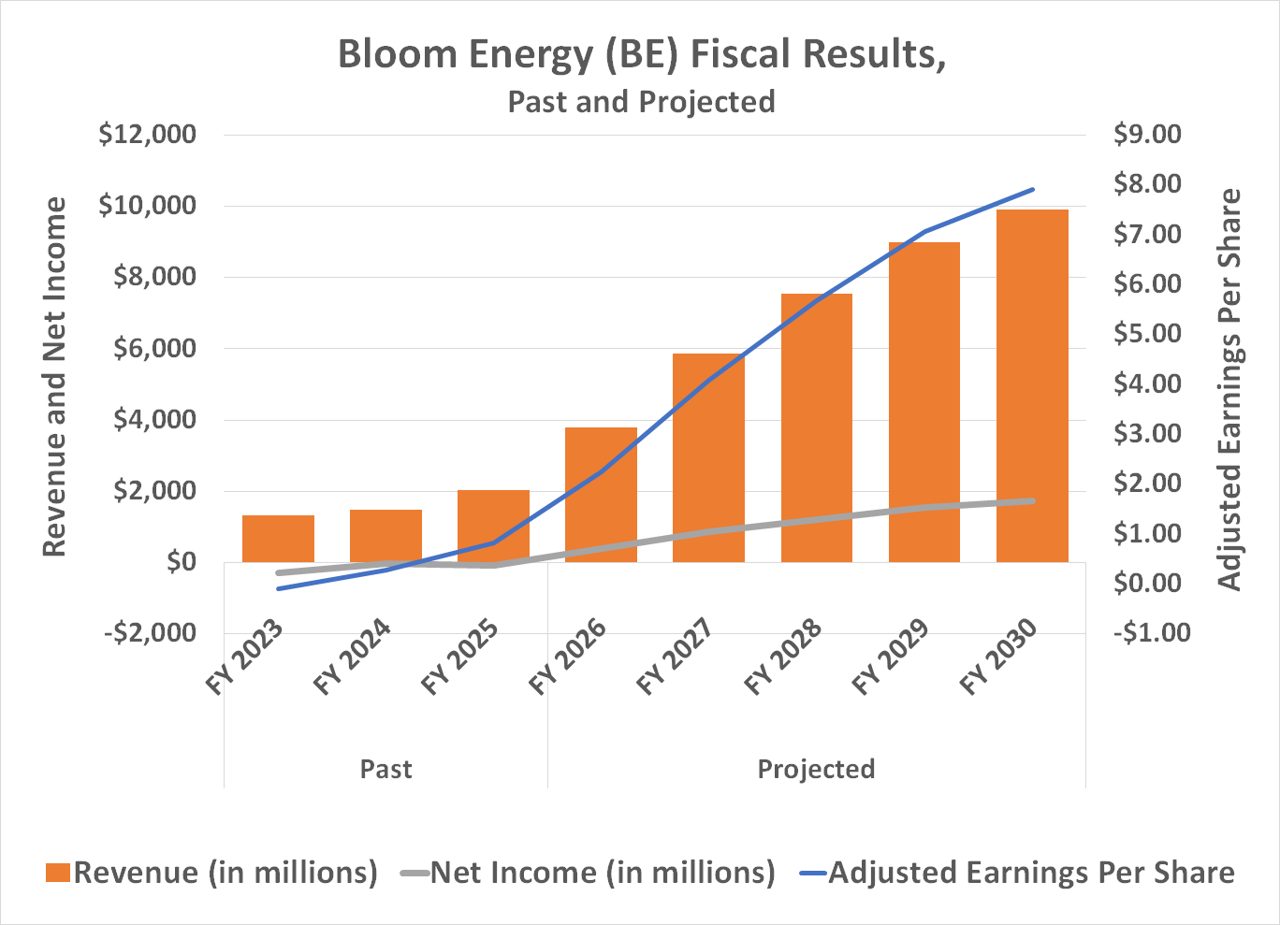
For investors, the financial implications are substantial. Mordor Intelligence forecasts the fuel cell market will grow at an average rate of 37% per year through 2031. While Bloom Energy's stock has stumbled recently—dropping nearly 40% from its late-June peak—the underlying commercial pipeline indicates a different trajectory for a company that is already profitable.
Bloom holds a distinct technical advantage that positions it well within this accelerating market. Unlike pure hydrogen competitors, Bloom's solid-oxide fuel cells can utilize natural gas or biogas. This operational flexibility makes the technology highly marketable today, even as broader hydrogen supply chains continue to develop.