Iran shifts focus to economy amid rial pressure, Hormuz strikes
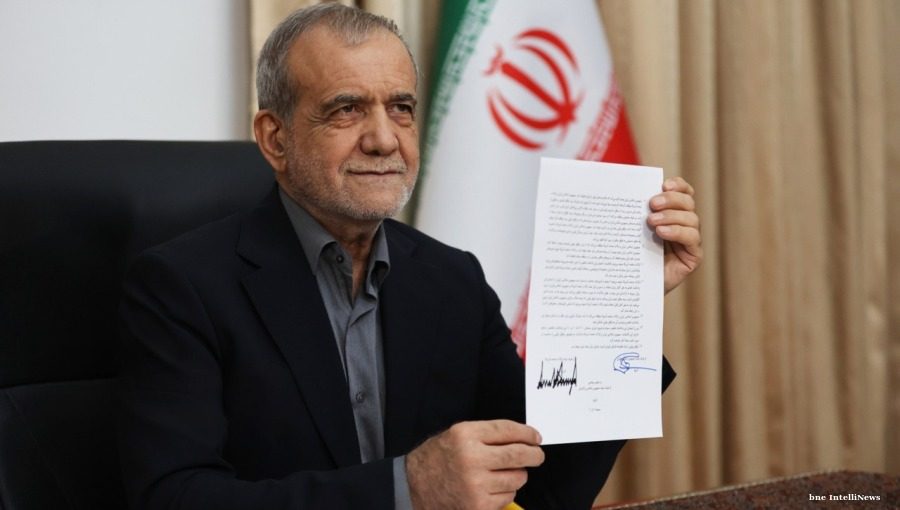
President Masoud Pezeshkian has declared the economy Iran's primary front in its conflict with the US and Israel, signalling that inflation and a weakening currency now pose a greater threat to the government than military strikes.
President Masoud Pezeshkian declared the economy the central front in Iran’s confrontation with the United States and Israel, warning that rising prices now pose a greater risk to public support than military pressure. Speaking to the Supreme Judicial Council in Tehran on July 20, Pezeshkian acknowledged that sustained economic strain could erode domestic backing for the government.
The rial has come under severe pressure since a five-month war began in February. A ceasefire that lasted roughly a month collapsed in mid-July over a dispute tied to the Strait of Hormuz, a critical chokepoint for global energy shipments. Since then, Iran and the US have exchanged strikes for nine consecutive nights, with the US hitting Iranian military, coastal and infrastructure sites, including bridges in Hormozgan province.
Amid the escalation, Pezeshkian defended a 14-point understanding reached with the United States. He claimed Iran had ceded no rights or national interests and that the balance of the deal favoured Tehran, though he did not disclose its contents.
Judiciary chief Gholamhossein Mohseni-Ejei, speaking at the same session, offered a rare acknowledgment of public discontent by stating that Iranian demands for accountability over rising prices were legitimate. Pezeshkian added that addressing inequalities in access to electricity, water, gas and public appointments remained a government priority alongside the external conflict.
To manage the crisis, Pezeshkian called for faster decision-making and a relaxation of standard bureaucratic procedures. He credited cooperation with parliament speaker Mohammad Bagher Ghalibaf and former rival Alireza Zakani for helping stabilise the administration during the conflict.
For markets, the shift in Tehran's rhetoric underscores that the war of attrition has transitioned from conventional strikes to economic survival. With the Strait of Hormuz remaining a flashpoint and the rial under sustained duress, the conflict continues to threaten regional stability and commodity supply chains regardless of any future military de-escalation.