Sotheby's Sells T. Rex Fossil for Record $50.1 Million
A T. rex fossil sold for $50.1 million at Sotheby's, underscoring how soaring prices are turning prehistoric relics into luxury assets and pricing out public museums.
On July 14, a Tyrannosaurus rex specimen known as "Gus" sold at Sotheby’s for $50.1 million, setting a record for the most valuable fossil ever auctioned. The buyer, who has not been publicly identified, acquired a skeleton excavated from South Dakota’s Hell Creek Formation over three years by commercial collector Thomas Heitkamp.
The sale marks a definitive shift for dinosaur fossils from scientific artifacts to high-end alternative assets. As prices climb into the tens of millions, the commercial fossil market is operating much like the fine art or rare collectibles sectors, where exclusivity and scarcity drive valuations.
This pricing dynamic is effectively pushing public institutions out of the market. Natural history museums and universities, which traditionally curate these specimens, increasingly lack the acquisition budgets to compete with private collectors. As a result, the most significant finds are no longer reliably entering the public trust.
The scale of this privatization is now quantifiable. A 2025 study found that 71 T. rex specimens are currently held in private hands, compared to 61 held in public trusts. When fossils enter private collections, owners typically sequester them in private residences, permanently restricting access to researchers.
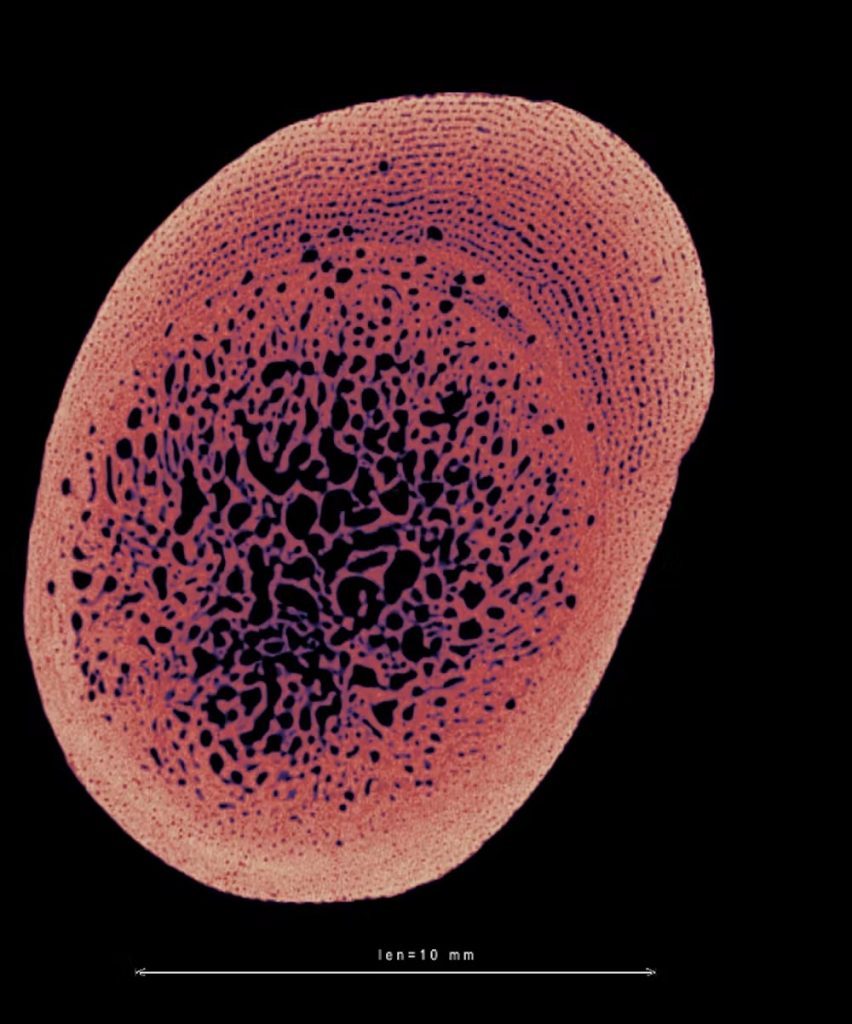
From an investment perspective, fossils carry a distinct characteristic: their informational value actually appreciates as technology advances. Paleontologists continuously develop new methods to extract data from old bones, such as CT imaging to map internal anatomy, isotope analysis of teeth to trace migration patterns, and molecular chemistry to determine metabolic rates. A specimen considered fully studied today may yield highly valuable new data in a decade, but only if it remains accessible to researchers.
While some high-net-worth individuals purchase fossils specifically to donate them to museums, this represents a minority of transactions. For the broader market, fossils are increasingly functioning as private trophies whose market value supersedes their scientific utility.