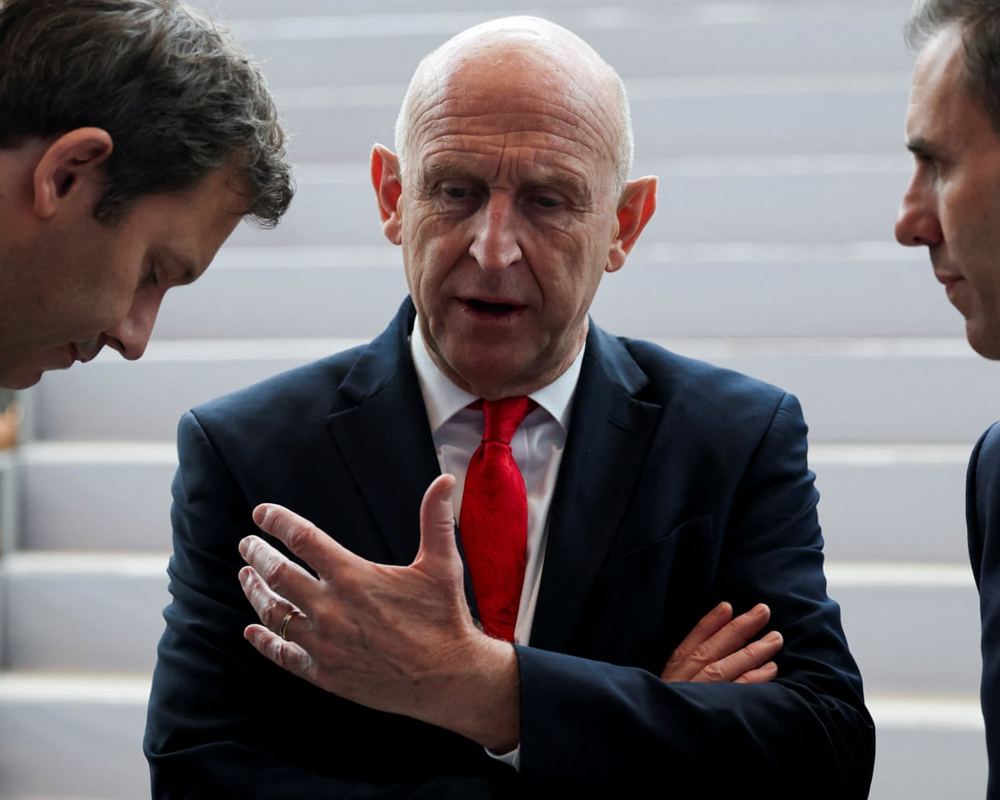
Burnham inherits tight UK finances despite costly growth agenda
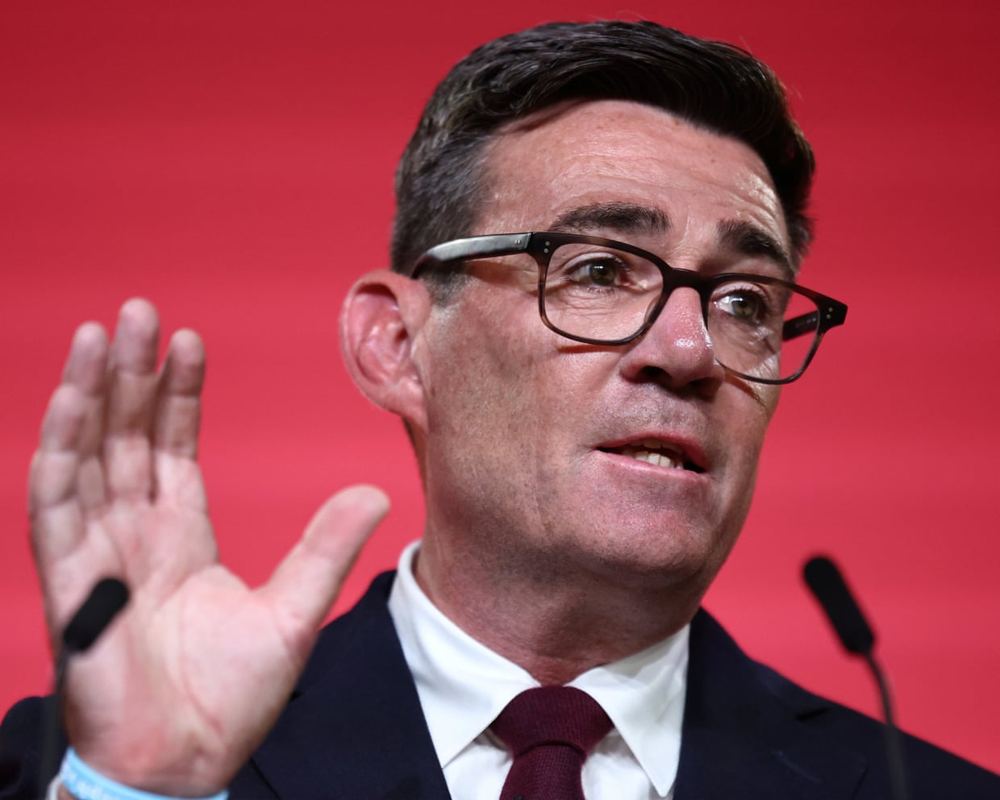
Andy Burnham has become UK prime minister with an ambitious spending programme, but strict fiscal rules and a £100bn annual debt bill leave him little room to manoeuvre.
Andy Burnham has taken office as UK prime minister, immediately confronting the tension between an expansive economic agenda and severely constrained public finances. The new leader has promised "good growth in every postcode" through devolution, reindustrialisation and a major council house-building programme.
For bond investors, the critical question is how these plans will be funded without triggering a market backlash. Burnham has pledged his agenda will be "backed with sound public finances and the discipline of our current fiscal rules", signalling a continuation of the strict borrowing constraints established by his predecessor Rachel Reeves.
His first budget will test this commitment. Burnham must find an extra £4.7bn over five years for defence after Keir Starmer announced £15bn in additional military funding without a full financing plan. The Treasury intends to reallocate £10.3bn from other departments to help cover the gap. This comes as the Office for Budget Responsibility warns the UK is on an "unsustainable" fiscal trajectory, with debt servicing costs already eating up £100bn annually.
Beyond defence, spending pressures are mounting. Burnham has pledged the "biggest council house building programme since the postwar period" to replace 1.5m homes sold off since the 1980s, building on a prior £39bn commitment to affordable housing. He also plans the "biggest rebalancing of power the country has ever seen", including a northern No 10 hub in Manchester and regional tax powers, an approach the OECD this week called an "essential" component for improving regional productivity.
Short-term economic relief is also on the agenda, with potential measures including an affordable energy guarantee and rent controls. Inflation has exceeded the Bank of England’s 2% target for five years, contributing to the first drop in household incomes in modern history during the last parliament. The Joseph Rowntree Foundation warns incomes could fall again without intervention.
Structural economic challenges persist, particularly in the labour market. Over a million 16- to 24-year-olds are now not in employment, education, or training, representing 13.5% of the age group. With Shabana Mahmood widely tipped to become chancellor, markets will watch closely to see if she can reconcile these competing demands while keeping gilt yields in check.