Buying Property in Suriname as a Foreigner 2026: Land Titles, Paramaribo Prices and the Rules

Foreigners can buy freehold property in Suriname, but much of the land is leased from the state. This guide explains titles, the 4% duty, notary steps, Paramaribo asking prices and the risks. The post Buying Property in Suriname as a Foreigner 2026: Land Titles, Paramaribo Prices and the Rules appeared first on The Rio Times .
Suriname is the smallest country in South America and one of its most unusual: a Dutch-speaking, mostly forest-covered nation of about 620,000 people where Indians, Javanese, Maroons, Creoles and Chinese share one small coastal strip. Its property market is small, illiquid and cheap, and, for foreigners who do the legal homework, genuinely interesting. This guide explains what you can buy, how the process works, and where the traps are.
Surinamese law does not generally restrict foreign ownership of real estate. The real distinction is not your passport but the land itself. Suriname has two main tenure types: full ownership (eigendom, freehold) and state land granted on long lease, known as grondhuur (literally “land rent”). Large parts of the country, including many attractive plots, are state land. Buying a leasehold is common and legitimate, but you are buying the remaining years and conditions of a lease, not the land.
Rural and interior land is a separate matter: much of it is subject to the collective rights of Maroon and Indigenous communities, and titles there are often contested or informal. Foreign buyers should stay out of interior land deals entirely unless a specialized lawyer confirms clean title.
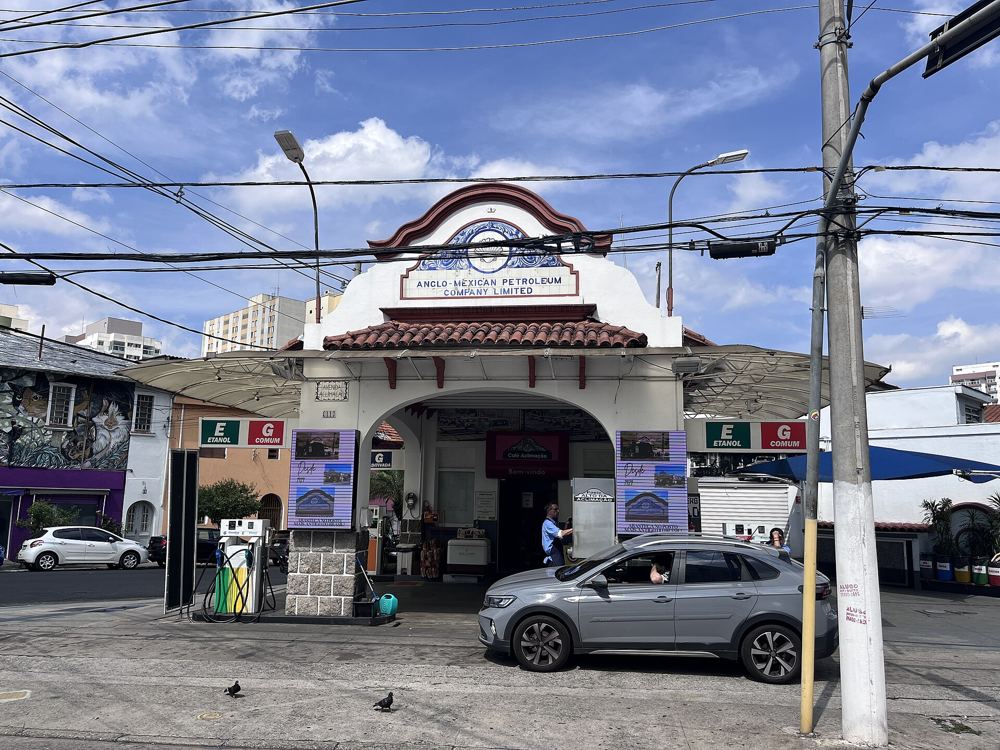
Nearly all property that interests foreigners sits in or around Paramaribo. The historic center, wooden townhouses from the 18th and 19th centuries around Independence Square and the Waterkant, is UNESCO-listed, which means beauty plus strict renovation rules. The residential districts south of the center (around the Anton Dragtenweg and toward Zorg en Hoop) offer mid-century houses with gardens. Gated compounds and modern apartments aimed at diplomats and expats cluster toward the north and along the Suriname River.
Prices, as of 2026, remain modest: unrenovated wooden houses in the center trade in the mid-five figures in US dollars, solid family houses in good districts run from the low to mid six figures, and only top-end riverfront or fully restored heritage homes exceed that. Liquidity is thin, expect months, not weeks, to resell.
First, engage a local notaris (civil-law notary), in Suriname the notary is a neutral state-appointed officer who runs the transaction, not an adversarial lawyer. Second, the notary orders a title search at MI-GLIS, the land information and registration office, confirming the seller’s title, the tenure type (freehold or lease), remaining lease years, and any mortgages or liens. Third, you sign a purchase agreement and pay a deposit, typically ten percent. Fourth, the notary prepares the transfer deed, both sides sign, and the deed is registered, only registration makes you the owner.
All-in transaction costs usually land between five and ten percent of the price, covering notary fees, registration and transfer tax. Deals of any size are done in US dollars; moving the money in requires documentation of origin, and moving it out later requires the same discipline, keep every receipt from day one.
Because the market is thin and titles can be messy, many foreigners rent first, a furnished two-bedroom in a good Paramaribo district costs a fraction of what it would in Barbados or Curaçao. Buying makes sense when you plan to stay years, when you have verified freehold title, or when a heritage renovation is the point of the exercise. Rental yields for expat-oriented housing can be attractive precisely because supply is scarce.
Currency risk tops the list: the Surinamese dollar has devalued repeatedly, which is why contracts are in US dollars, but your property’s local-currency value will still swing. Second, infrastructure: power and water outages are part of life outside the best-served districts, and flood management in a low-lying coastal city is a real due-diligence item. Third, governance: Suriname’s institutions are small, courts are slow, and resolving a title dispute can take years. Finally, the pending oil boom, offshore production is expected to start late this decade, could transform Paramaribo prices in both directions: up on expat demand, or up only in specific districts, leaving the rest behind.
Suriname suits a specific buyer: someone who values authenticity over amenities, speaks or learns Dutch or Sranan, plans to stay long enough to ride out illiquidity, and enjoys the idea of restoring a wooden UNESCO townhouse more than owning a beach condo. It does not suit flippers, remote buyers who will not visit, or anyone unwilling to pay for a thorough notary and title search. Do those things right, and you own a piece of the Caribbean’s most underrated capital for the price of a parking space in Miami.
For the wider picture of the Guianas, read our Guyana Explained 2026 guide next door, the oil boom there is reshaping the whole region Suriname belongs to. Our coverage of The Guyanas follows Suriname’s own offshore oil calendar.
Reliable price statistics do not exist for Suriname; every figure here is a market estimate, not an index. The long-term effect of the coming offshore oil production on Paramaribo housing is speculation, not fact. And the pace of land-tenure reform for the interior, where most of the country’s land lies, is a political open question.
Yes. There is no general ban on foreign buyers. The transaction runs through a civil-law notary, and the main diligence point is the land’s tenure type, full freehold or a long-term state lease (grondhuur), which must be verified at the MI-GLIS registry before you sign anything.
As of 2026, unrenovated wooden houses in the historic center trade from the mid-five figures in US dollars, good family houses in the low to mid six figures, and top riverfront or restored heritage properties above that. Suriname has no official price index, so treat these as market estimates.
Grondhuur is a long-term land lease from the state, common across Suriname. You can buy and sell the buildings and the remaining lease rights, but you do not own the land itself. Check the remaining years, the rent conditions and renewal terms before buying.
Budget roughly 5 to 10 percent of the purchase price for notary fees, registration and transfer taxes combined. Get the notary’s written estimate before signing the purchase agreement.
No. Owning property does not by itself grant a residence permit. Residency is arranged separately through the immigration authorities, typically via work, family ties or long-term stays. Treat property and immigration as two independent processes.