WORLD IN BRIEF: Netanyahu defends Israel’s war, Italy bans burqa and niqab in schools, Dangote backs $660m Ethiopia Djibouti fuel pipeline and other stories
Netanyahu defends Israel’s military campaigns as UN delegates walk out Benjamin Netanyahu, Israel’s prime minister, defended the country’s military campaigns read more WORLD IN BRIEF: Netanyahu defends Israel’s war, Italy bans burqa and niqab in schools, Dangote backs $660m Ethiopia Djibouti fuel pipeline and other stories
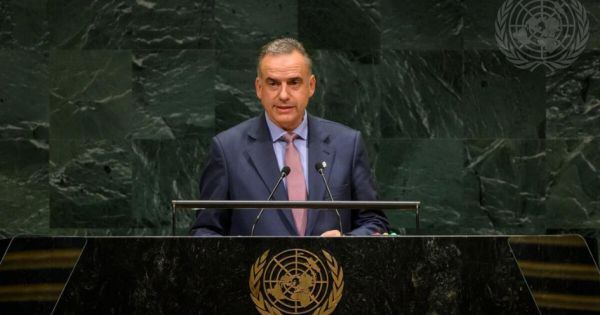
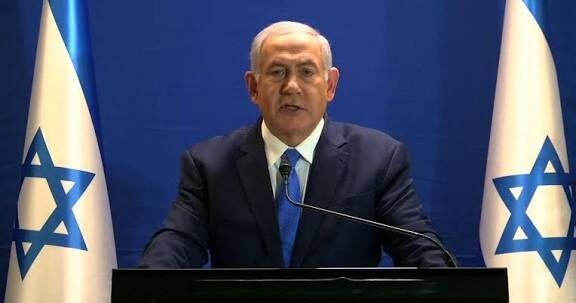
Benjamin Netanyahu, Israel’s prime minister, defended the country’s military campaigns in Iran, Gaza and elsewhere in the Middle East in a combative address to the United Nations General Assembly, as dozens of delegates walked out when he took the podium.
Netanyahu vowed to continue Israel’s military operations, saying, “We’re going to win. We have no other choice.” He also rejected accusations that Israel is committing genocide in Gaza and criticised delegates who left the chamber, calling on other “moral cowards” to follow.
Mahmoud Abbas, Palestinian president, told the assembly earlier that Israeli military operations, settlement expansion and other policies threatened the existence of Palestinians and the prospects for a two state solution. He accused Israel of subjecting Gaza to “killing, destruction, starvation and attempts at displacement”.
Abbas addressed the assembly by video after the US denied him an entry visa. His remarks came as the Gaza war remained a major focus of the UN gathering, with Israel facing growing international criticism over its military campaign and the humanitarian situation in the territory.
Ed Miliband, Britain’s foreign secretary, warned Iran that the UK would not tolerate intimidation, threats or hostile activity on British soil during talks with Iranian Foreign Minister Abbas Araghchi on the sidelines of the UN General Assembly.
The Foreign Office said Miliband raised concerns about threats linked to Iran, including attacks targeting Britain’s Jewish community, as well as the war in the Middle East and the detention of a British couple in Iran. Araghchi did not immediately comment on the discussions.
British intelligence agencies have concluded that Iran or its proxies were involved in an arson attack on Jewish community ambulances in Golders Green in March, according to the BBC. The meeting also came after reports of a cyberattack that disrupted a small UK power plant in July.
Miliband urged Tehran to pursue de-escalation and diplomacy and stressed the importance of reopening the Strait of Hormuz. Iran has effectively restricted passage through the strategic waterway during its conflict with the US and Israel, disrupting a route through which a significant share of global oil and gas shipments normally passes.
Italy’s government has approved measures banning the burqa and niqab in schools and limiting the proportion of pupils with limited Italian language skills in individual classes.
The government will impose a 30 percent limit on pupils with poor knowledge of Italian in the first year of primary, middle and high school. Education Minister Giuseppe Valditara said the measure was based on language ability rather than citizenship, while Prime Minister Giorgia Meloni described it as a tool to support integration.
The veil restriction applies to the burqa and niqab, which cover the face, but not the hijab, which leaves the face visible. Meloni said students should attend school with their faces uncovered, framing the measure as a matter of gender equality.
Opposition parties have accused the government of adopting policies associated with the political right ahead of next year’s general election. Foreign citizens account for 11.6 percent of pupils in Italian schools, according to Fondazione ISMU, although the new classroom limit is focused on language proficiency and schooling background rather than nationality alone.
Mark Carney, Canada’s prime minister, said his government has considered the possibility of US military action against Canada, describing it as an extreme risk that Ottawa had a responsibility to prepare for.
In an interview with The New York Times, Carney said the scenario was not considered the base case but that governments must prepare for extreme risks. He did not provide details about the measures Canada had taken.
The comments come as Carney has increased defence spending and sought to strengthen Canada’s military capabilities, particularly in the Arctic. Canada is also pursuing a major defence deal with Germany to acquire 12 submarines.
A military confrontation would be heavily unbalanced, with the US having more than two million active and reserve personnel and 65 submarines in 2024, compared with fewer than 200,000 Canadian personnel and four submarines. Canada’s long coastline and strategic Arctic position have increased the focus on its defence capabilities.
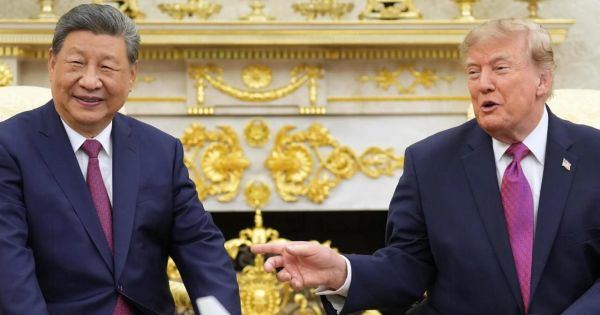
CNN and MS NOW reporters were denied access to cover a White House state dinner for Chinese President Xi Jinping, despite a federal judge ordering the Trump administration to restore access for the outlets.
The reporters had been allowed back into the White House grounds earlier on Thursday after the judge ruled that the administration’s ban on CNN, MS NOW and Politico was likely unconstitutional. The outlets said they had properly submitted the names of journalists seeking credentials for the dinner.
CNN said the White House later restricted its coverage to a photojournalist and audio technician, excluding its reporter and producer. An MS NOW reporter said White House staff told her she could not enter and directed her to the White House communications director.
The White House defended its position on social media, saying the media outlets did not have unrestricted access to every White House event or press call. The dispute is the latest development in a legal and political confrontation between the Trump administration and several news organisations over press access.
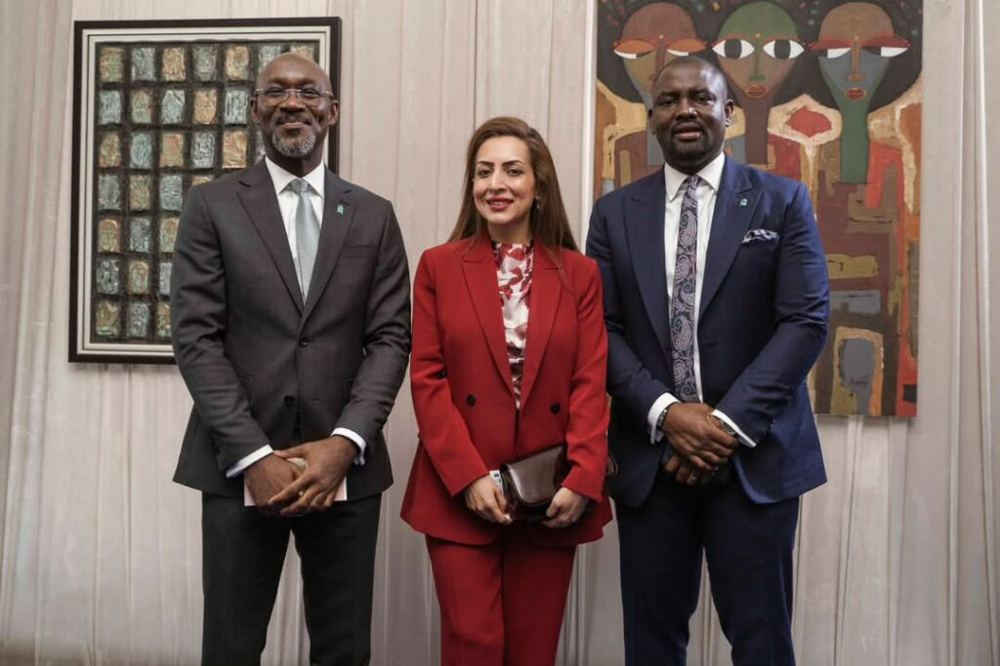
Aliko Dangote, Ethiopia and Djibouti have agreed to develop a $660 million petroleum pipeline and storage project aimed at improving fuel supplies to landlocked Ethiopia.
The project includes a 120km pipeline linking Djibouti’s Damerjog port to a distribution facility in Dewele, Ethiopia, alongside storage capacity of about 400 million litres. Operations are expected to begin within 18 months.
Abiy Ahmed, Ethiopian Prime Minister said the pipeline could cut the time needed to transport fuel from Djibouti to Addis Ababa from five days to one. The first phase will carry jet fuel, diesel and petrol.
The project is expected to strengthen Ethiopia’s energy security and reduce pressure on existing transport networks used by the transport, aviation, agriculture and construction sectors. Djibouti is also expected to benefit from increased port activity, employment and government revenue.
The Democratic Republic of Congo’s North Kivu province has emerged as a growing Ebola hotspot, with treatment centres struggling to accommodate rising infections even as cases begin to ease in other parts of the country.
All 29 beds at the Kitatumba Ebola treatment centre in Butembo were occupied this week, according to Médecins Sans Frontières. Medical workers said the number of patients had increased sharply over the past two weeks, leaving some infected people unable to secure beds.
Congo had recorded 7,820 confirmed Ebola cases and 3,779 deaths as of Tuesday, according to government data. Ituri remains the worst affected province, but North Kivu now accounts for about a third of newly confirmed infections and deaths, according to the World Health Organisation.
Authorities have opened two additional treatment centres in Butembo to increase capacity. The surge is putting further pressure on an already stretched health response as medical teams work to contain transmission in the densely populated province.
Sudan’s Rapid Support Forces have intensified drone attacks on government held towns in North Kordofan, disrupting daily life and deepening insecurity as the country’s civil war enters its fourth year.
Residents described the attacks as part of a renewed campaign after several weeks in which RSF drone strikes appeared to have eased under international pressure. Reuters footage showed the aftermath of attacks in two frontline cities this month.
Drones have increasingly become a central weapon in Sudan’s war, with both the RSF and Sudanese army using technology similar to that deployed in other modern conflicts. The RSF has denied intentionally targeting civilians.
The United Nations said drone attacks by both sides killed more than 1,000 civilians during the first half of this year. The continued use of drones is adding to the humanitarian and security pressures facing towns along the frontline.
Morocco’s liberal centrist party has emerged ahead in parliamentary elections after receiving a late boost from the head of the country’s football federation, according to preliminary results.
The result is not expected to fundamentally alter Morocco’s political balance, as King Mohammed VI retains broad powers over foreign policy, defence and other key areas. The incoming parliament will, however, oversee major economic programmes and preparations for the 2030 World Cup.
Morocco will co-host the tournament with Portugal and Spain and is implementing a $20 billion infrastructure and development programme linked to the event. The next government will also face pressure to address economic concerns and widespread frustration among young people.
Youth discontent has become a growing political issue, highlighted by a mass border rush into Spain’s Ceuta enclave in July and protests led by young Moroccans last year. The election result will shape the government overseeing the final stages of the World Cup preparations.
The Tigray People’s Liberation Front is entering renewed conflict with Ethiopia’s federal government with more allies than during the 2020 war, but faces deeper divisions within its own ranks.
The TPLF announced an alliance with six other Ethiopian armed groups on Sunday, seeking to remove Prime Minister Abiy Ahmed’s government. Regional experts also believe neighbouring Eritrea may be supporting the group, although Asmara denies involvement.
At home, however, the TPLF has faced growing opposition since the 2022 peace agreement that ended the previous war. Economic hardship, competition from rival political parties and defections have weakened its hold over Tigrayan society.
The internal tensions became more visible after armed men detained four veteran military leaders who had expressed reservations about the renewed conflict, including Tadesse Werede, commander of Tigrayan forces during the previous war. The development could complicate the TPLF’s military campaign as fighting with federal forces intensifies.