United Airlines leverages premium seats to offset fuel cost surge
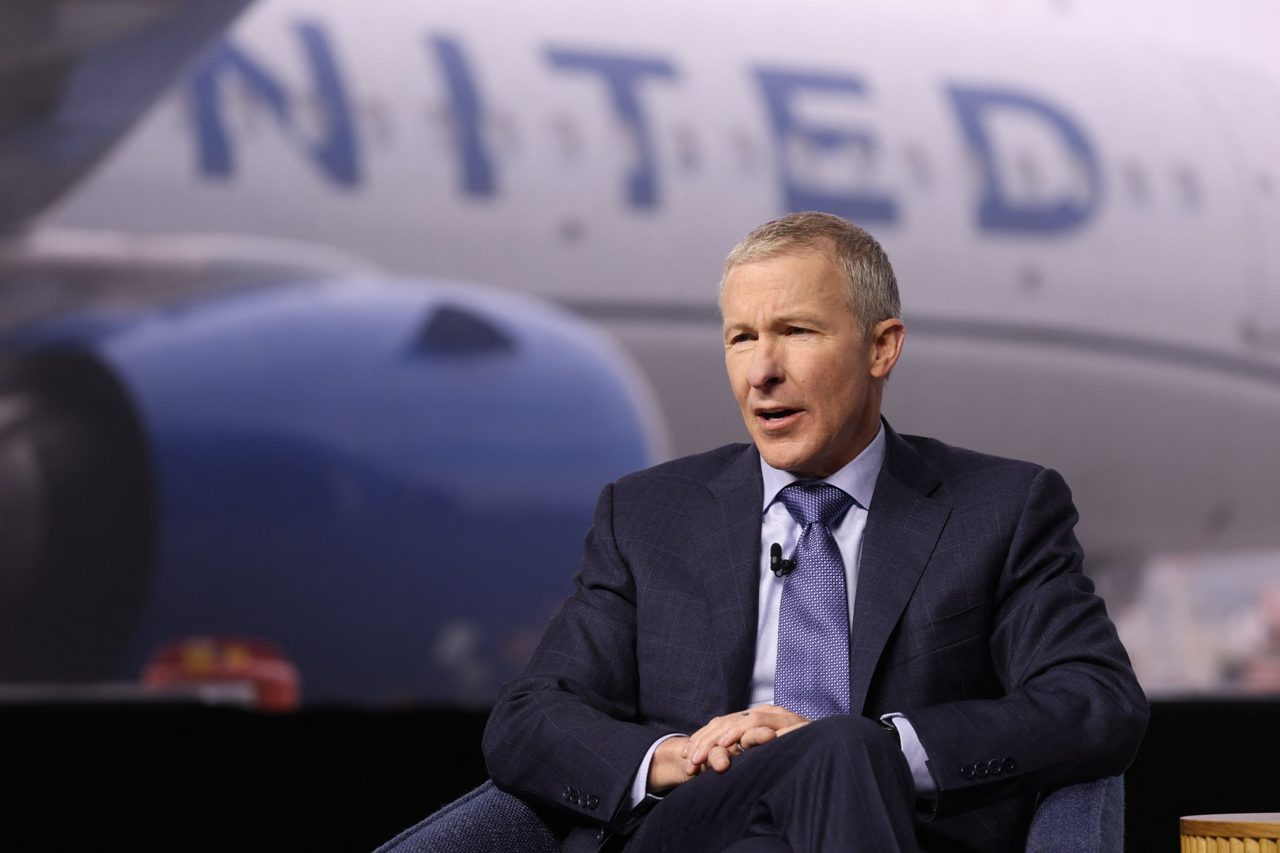
United Airlines grew second-quarter operating revenue 16% to $17.7 billion by convincing passengers to pay higher fares for upgraded amenities, demonstrating a pricing power strategy that can absorb severe cost shocks.
United Airlines grew second-quarter operating revenue 16% to $17.7 billion by convincing passengers to pay higher fares for upgraded amenities, demonstrating a pricing power strategy that can absorb severe cost shocks. The carrier is actively reshaping consumer expectations to treat air travel as a differentiated service rather than a bulk commodity.
"Demand is strong," CEO Scott Kirby told Wall Street analysts on Thursday. The immediate financial test for this strategy is a steep rise in energy prices tied to the U.S.-Iran conflict. United's second-quarter fuel expense was 84% higher than a year ago, and the airline now projects its total fuel costs could balloon by nearly $6 billion this year.
Instead of sacrificing margins, United pushed higher fares onto the market. "There was another fare increase this week as fuel started to go back up. And there were no fare decreases when fuel went down," Kirby said. Third-party data supports this pricing stickiness. According to Skiplagged, prices for popular domestic routes rose 35% this summer, while international destinations saw a 15% increase.
United is sustaining these hikes by shifting its product mix toward high-margin cabins. Revenue from premium seats grew 16% in the recent quarter, outpacing the 11% growth in basic economy. The airline has spent years investing in lounges, free upgrades, and baggage fee waivers to attract lucrative, brand-loyal travelers. It is now accelerating that strategy by swapping standard economy seats for premium layouts, including a new economy-plus section that permanently blocks the middle seat.
Delta Air Lines is executing a similar playbook. Delta's premium revenue grew 17%, outpacing its overall growth, and it is testing aircraft configured with a majority of premium seats. The two carriers are also locked in a technological arms race, with United pledging to install Elon Musk’s Starlink Wi-Fi on 1,000 planes by year-end, while Delta chose Amazon’s satellite service.
For investors, the critical takeaway is that major U.S. carriers may have structurally broken the cycle of destructive price competition. By restricting overall capacity and elevating the passenger experience, airlines are building a durable buffer against inflation. Kirby noted that stripping out inflation, ticket prices remain roughly 13% below 2019 levels. "Any industry has to pass along the price increases," he said, attributing recent hikes to non-fuel costs like labor, maintenance, and airport fees.