Radiologist demand defies AI doomsday, pushing pay to $571K
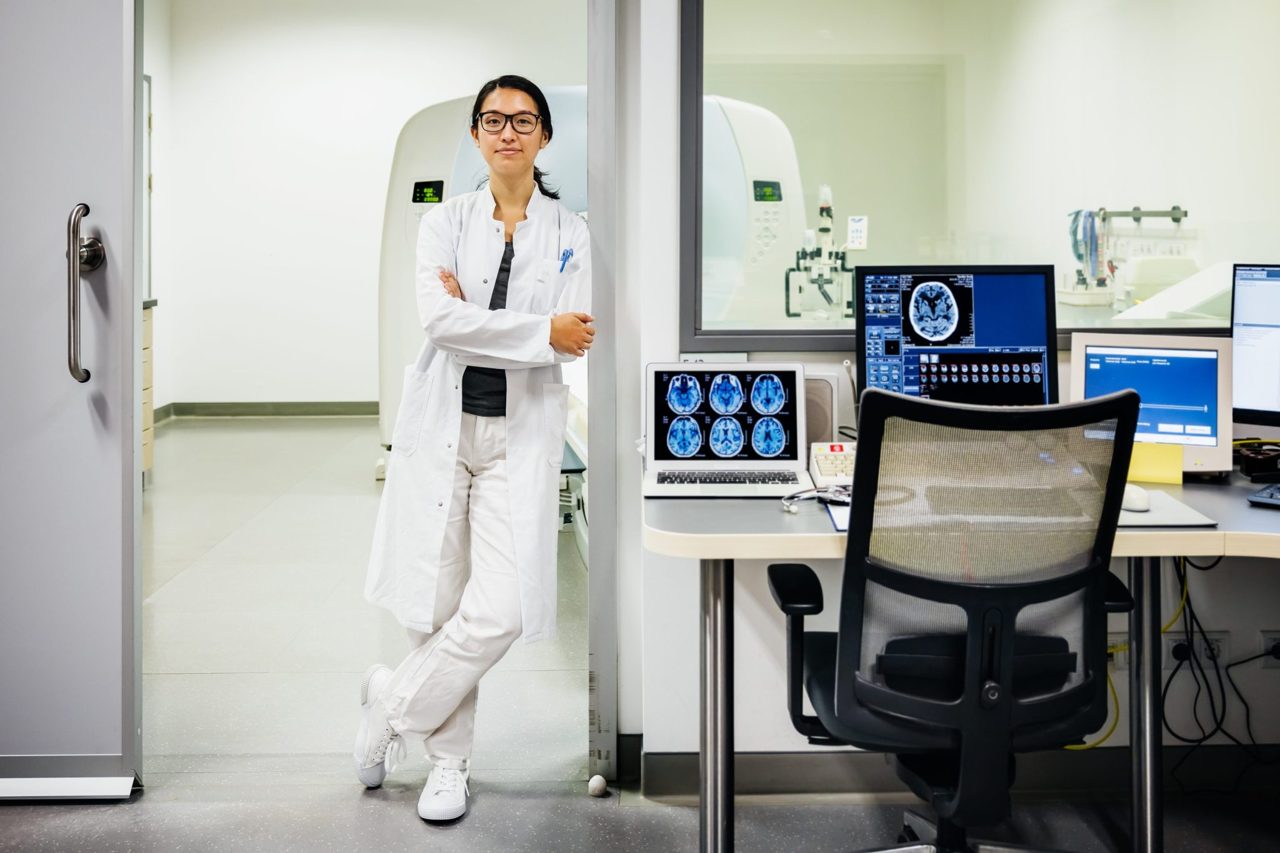
The persistence of a severe radiologist shortage despite AI advancements, pushing salaries to $571,000, offers a clear lesson for markets on the limits of automation in complex professions.
Radiologist salaries in the U.S. reached an average of $571,000 in 2025, a 9% year-over-year increase, as widespread predictions that artificial intelligence would render the profession obsolete failed to materialize. The labor crunch has left 7,469 active job postings open as of May, with nearly 1,500 unfilled for more than 60 days. This market reality directly contradicts the high-profile forecasts made by leading technologists over the past decade.
In 2016, Geoffrey Hinton, often called the "Godfather of AI," famously declared that people should stop training radiologists because the technology would soon surpass human capabilities. “If you work as a radiologist, you’re like the coyote that’s already over the edge of the cliff but hasn’t yet looked down,” Hinton said at the time. While Hinton has since clarified he was referring strictly to image analysis, the broader tech industry maintained a narrative of imminent displacement.
For investors and corporate strategists modeling AI's impact on labor costs, radiology presents a compelling case study in structural friction. Federal regulations dictate that Medicare and Medicaid will only reimburse for a study if a licensed physician performs the final read, creating an immovable barrier to full automation. Furthermore, liability questions regarding missed diagnoses make hospitals hesitant to rely solely on algorithms.
Executives at major tech firms have recently acknowledged a miscalculation in how they viewed the profession. Nvidia CEO Jensen Huang noted that critics conflate the task of reading scans with the entirety of the job. “Complex jobs like being a doctor consist of many sub-tasks. Even if you can automate one or two of those, you just expand the time you spend on the other tasks,” said Christoph Herpfer, a professor at the University of Virginia’s Darden School of Business.
Rather than eliminating jobs, AI tools approved by the Food and Drug Administration have actually fueled demand by making imaging cheaper and faster to produce. Radiology case loads surged 25% between 2018 and early 2025, according to the Journal of the American College of Radiology. This increased volume has exacerbated physician burnout, creating a market opportunity for startups like Rad AI, which automates report conclusions to save doctors about an hour per shift.
A broader market lesson
The dynamic mirrors previous technological shifts, such as the 1990s introduction of spreadsheet software that expanded rather than eliminated the accounting profession. “As long as AI doesn’t make this quantum leap of becoming sort of AGI, as long as this extreme scenario doesn’t happen, most jobs in the medium run are probably going to be reasonably safe,” Herpfer said. “That’s the lesson I think we can learn from the radiologists.”