BOTAS adds LNG tank as Turkey targets gas hub status
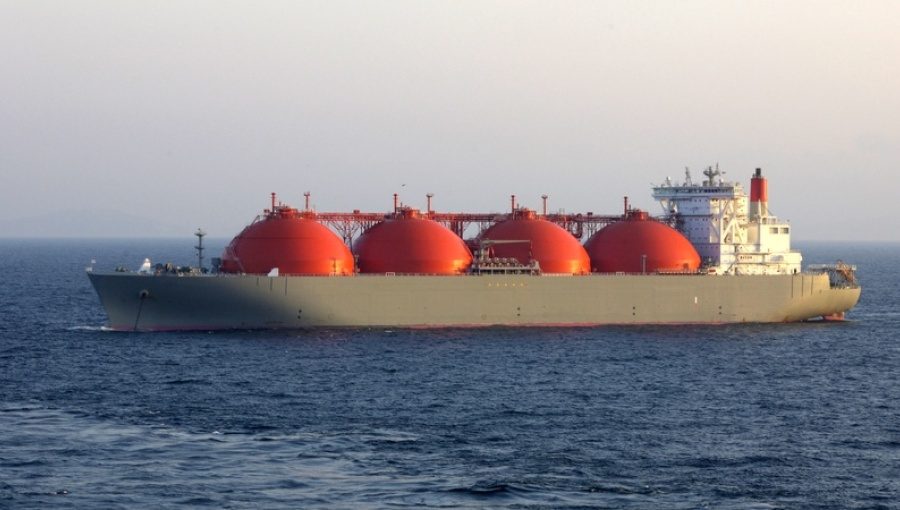
State-run BOTAS is expanding storage capacity at a key Turkish import terminal by nearly 60% to hedge against spot market volatility and advance Ankara's ambitions to become a regional natural gas trading hub.
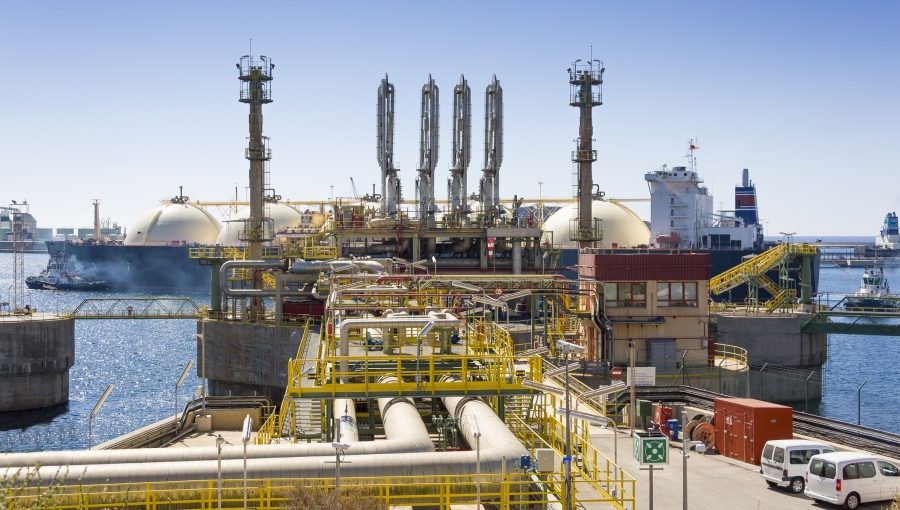
Turkey’s state-run energy company BOTAS has started building a fourth storage tank at its Marmaraereglisi import terminal. The 160,000 cubic-metre addition will lift the facility's total storage capacity by almost 60% to 415,000 cubic metres, up from 255,000 cubic metres.
Located in Tekirdag province, the Marmaraereglisi terminal currently handles roughly 65 LNG tankers annually. These shipments supply about 15% of Turkey’s overall natural gas demand. While the facility boasts a daily regasification capacity of 37 million cubic metres, the increased storage footprint is specifically designed to accommodate a higher frequency of vessel dockings.
The construction reflects a deliberate strategic pivot by Ankara to secure greater supply flexibility in an unpredictable market. Geopolitical tensions and the conflict in the Middle East have driven severe volatility in global LNG spot pricing. For a major importing nation, larger buffer capacities are now a financial and energy security necessity.
This physical expansion at Marmaraereglisi represents a fraction of a much broader national infrastructure drive. Turkey’s overall LNG regasification capacity has surged nearly fivefold since 2016, climbing from 34 million cubic metres per day to approximately 161 million cubic metres per day. Import volumes have tracked this growth, rising 23.5% in 2025 to reach 17.1 billion cubic metres.
Under its National Energy and Mining Policy, the government currently operates two land-based LNG import terminals alongside three floating storage and regasification units. To hit a stated target of 200 million cubic metres of daily regasification capacity, Ankara plans to commission two additional floating units in the near term.
Regional Trading Ambitions
The ultimate objective behind this aggressive infrastructure buildup is to transform Turkey into a regional gas trading hub. By coupling expanded import and storage capabilities with rapidly growing throughput, Ankara is positioning itself to serve as a critical transit and pricing node between major LNG producers and consumer markets.