Iran's rial slumps to record low as fresh US strikes fuel inflation spiral
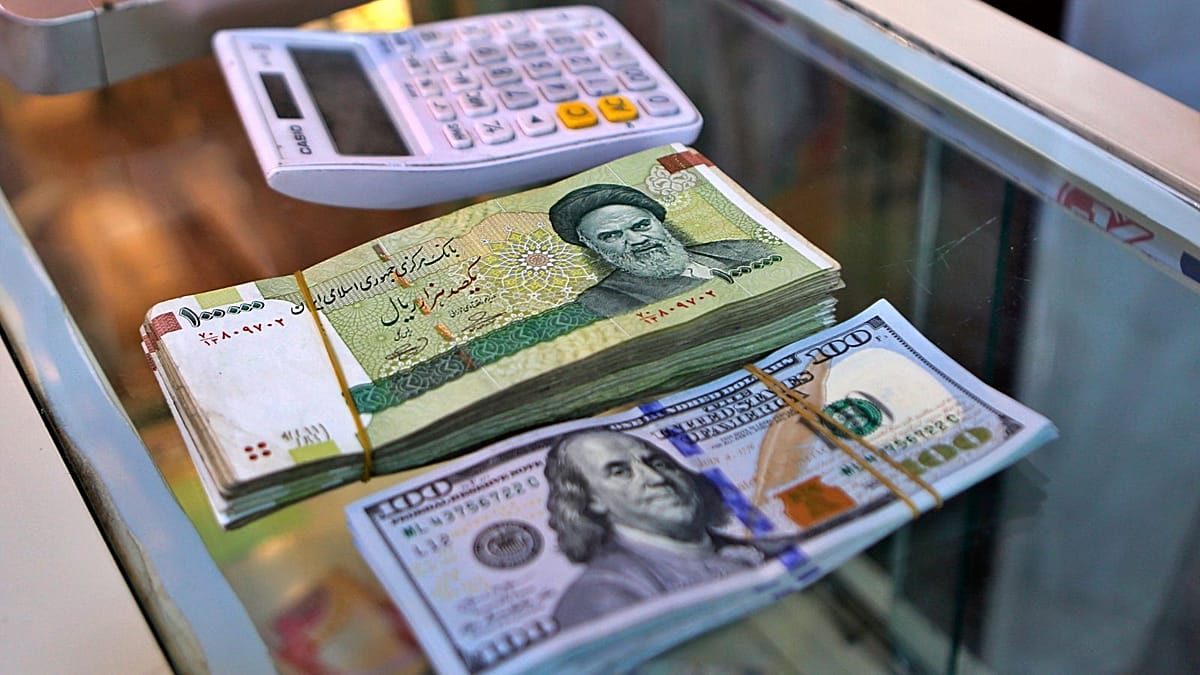
The Iranian rial plummeted to a record low against the dollar after new US military operations triggered a currency-inflation spiral that threatens broader macroeconomic stability.
The US dollar surged past 1.94 million rials on Tehran's free market on Saturday, marking a record high as renewed military action triggered a sharp sell-off in the Iranian currency. The greenback gained 32,000 rials to reach 1.941 million, a daily jump of 1.67%. The euro followed a similar trajectory, climbing 1.64% to trade at 2.22 million rials.
This latest depreciation follows a new US naval blockade and American air strikes targeting southern Iran. Washington stated these operations aim to degrade Iran's military capabilities and secure shipping routes through the Strait of Hormuz. The escalation has shattered a brief period of relative calm established by a memorandum of understanding between Tehran and Washington.
Since the start of the year, when the dollar traded at roughly 1.35 million rials, the Iranian currency has surrendered about 43.7% of its value. The exchange rate has whipsawed throughout a volatile period, initially spiking to 1.72 million rials after US and Israeli air strikes on February 28. It temporarily retreated to 1.46 million as the conflict disrupted commercial demand, but that recovery proved fleeting.
Government assessments putting wartime destruction at $300 billion, combined with the resumption of normal economic activity, renewed intense pressure on the foreign exchange market. The rate has repeatedly surged on political triggers, such as a jump to 1.63 million rials following an April 7 threat by Donald Trump to strike Iranian infrastructure, only to retrace when a ceasefire was announced.
The currency collapse is feeding an increasingly severe domestic inflation crisis. Official data shows consumer price inflation accelerating from 52.6% annually in December 2025 to approximately 68% in February 2026. Last month, that figure hit 88.6%, a peak not seen since the Second World War.
This creates a punishing feedback loop for the Iranian economy. Rapid monetary expansion and geopolitical instability drive the rial lower, which immediately inflates the cost of imported goods. Higher import prices then validate inflation expectations, prompting further currency depreciation and placing severe strain on household incomes.
For international markets, the primary takeaway is the profound lack of macroeconomic stability in a crucial oil-producing region. The risk to commercial shipping in the Strait of Hormuz remains a focal point for energy executives. As long as military operations persist, the rial's downward spiral and accompanying inflation surge show no signs of abating.