US Russia sanctions bill nears passage, targets oil buyers
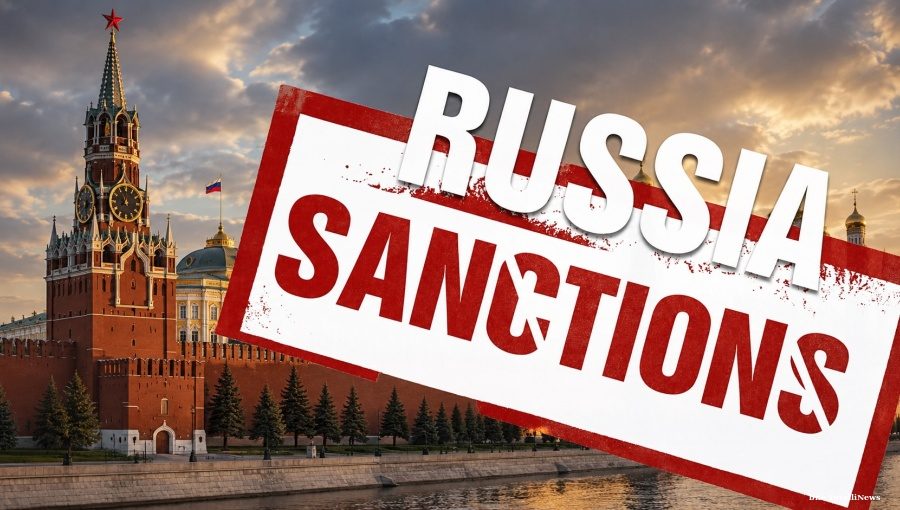
A compromise US sanctions bill nearing passage would introduce secondary tariffs on major buyers of Russian energy and threaten yuan- and rupee-based payment channels, though its market impact depends entirely on presidential enforcement.
A watered-down but strategically significant Russia sanctions bill is moving toward passage in the US Congress after more than a year of delays. The legislation, backed by the White House and over 60 co-sponsors as of July 16, replaces earlier proposals for mandatory 500% tariffs with a more targeted approach.
Under the Sanctioning Russia Act of 2026, the US president could impose tariffs of up to 100% on imports from the five largest buyers of Russian oil and gas. This represents a shift toward penalizing purchasers rather than sellers, directly threatening the export economies of trading partners like China and India.
The bill also weaponizes the financial system against Moscow’s workarounds. State-affiliated banks including Sberbank, VTB and Gazprombank would face asset freezes and correspondent account bans. Crucially, foreign banks conducting significant transactions with these institutions could face secondary sanctions, putting pressure on Chinese, Indian and Turkish lenders that facilitate yuan- and rupee-based energy payments.
Russia’s energy sector faces targeted pressure beyond crude oil. The legislation would ban new US investment and sanction managers and shareholders tied to the Yamal and Arctic LNG projects, impacting Novatek and its foreign partners. It would also enforce a full prohibition on Russian uranium imports, including Rosatom products, once transitional exemptions expire at the end of 2027.
Despite its breadth, the bill contains a critical limitation that tempers its market impact. Section 115 grants the president sweeping authority to suspend virtually any measure simply by notifying Congress, removing lawmakers' ability to veto. The legislation would require the administration to implement the package within 30 days of enactment, regardless of peace talks.
The practical effect on global energy markets will therefore depend on whether the administration actually enforces the measures against major economies. If China and India scale back purchases to avoid US tariffs, Russia would likely be forced to widen discounts on Urals crude relative to Brent. That shift could redirect demand toward Middle Eastern, African or American supplies, providing a floor for global oil prices.
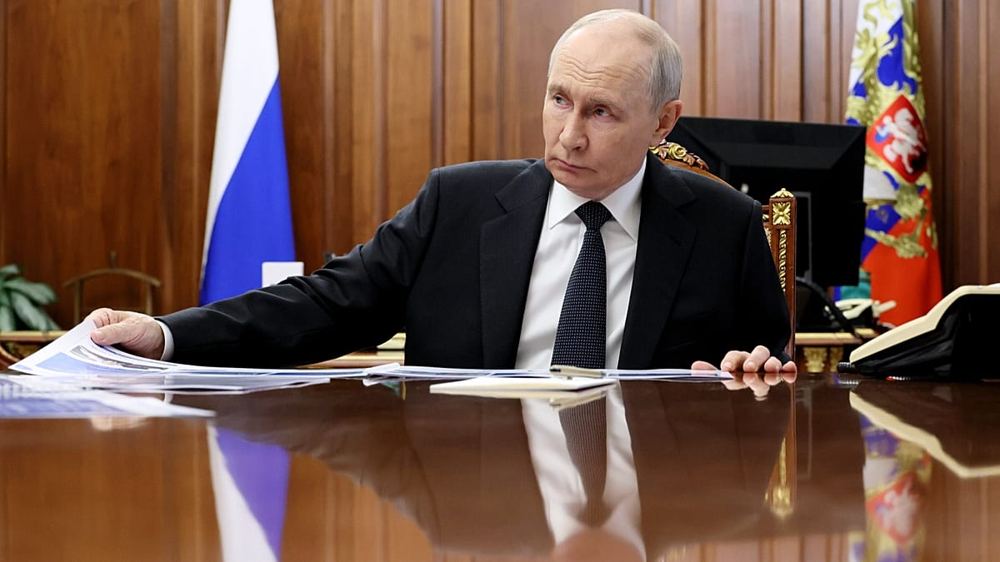
The legislation gained momentum following the sudden death of Senator Lindsey Graham on July 11. It also provides explicit congressional authority for tariffs after a February 20 Supreme Court ruling limited the president's unilateral powers under the International Emergency Economic Powers Act. Donald Trump's recent rhetoric toward Vladimir Putin has hardened, with Trump reportedly complaining that "a lot of lies" were coming from the Russian leader.
On frozen Russian assets, the bill supports using generated income to finance loans to Ukraine rather than seizing the principal directly. This navigates around the legal hurdles that saw Belgium block a proposed European "reparations loan" in December 2025 over the €210bn held largely at Euroclear. Ultimately, the bill makes economic pressure the default backdrop for diplomacy, permanently linking sanctions relief to a peace settlement accepted by Ukraine.