Trump Account Math Masks Permanent Tax Shelter for Wealthy
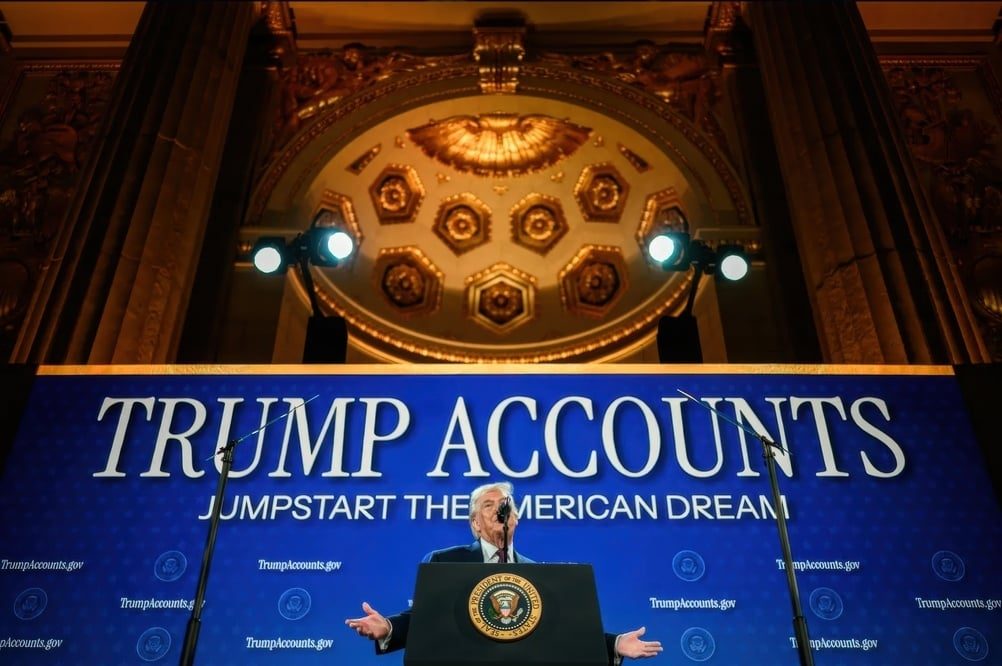
The White House's projected returns for the new Trump Accounts rely on unrealistic assumptions and effectively function as a permanent tax shelter for high earners.
The Trump administration is facing sharp criticism from economists over the projected wealth accumulation for its newly launched Trump Accounts. Created under the One Big Beautiful Bill Act earlier this month, the accounts offer a one-time $1,000 government contribution for eligible children born between January 1, 2025, and December 31, 2028.
Justin Wolfers, a top economist, publicly labeled the White House's millionaire projections as "ridiculous, dishonest and deeply misleading." In a July 16 post on X, Wolfers noted that while the "math behind the White House's Trump Account projections checks out," the assumptions do not. He described the administration's modeling as "GIGO — garbage in, garbage out."
The headline numbers rely on decades of contributions, optimistic stock returns, and "future dollars that won't buy nearly as much," Wolfers warned. Specifically, the administration's app assumes annual stock returns exceeding 10%. Pam Krueger, founder of Wealthramp, echoed these concerns, noting that such return assumptions are highly optimistic compared to standard market projections.
A Structural Tax Advantage
Beyond the unrealistic return expectations, the fundamental structure of the policy is drawing scrutiny from market professionals. Wolfers argued the initiative is effectively a "tiny, temporary giveaway" for infants wrapped inside a "brand-new, permanent tax break." The mechanism inherently favors higher-income households and creates new planning opportunities for corporate executives.
Families can contribute up to $5,000 annually, but the primary financial leverage lies with employers, who can deposit up to $2,500 in tax-free contributions per year. Because these employer deposits operate as a deduction against taxable income, the resulting tax savings scale directly with an employee's marginal tax rate. This structure ensures the benefits disproportionately flow to workers in higher tax brackets.
For investors and corporate planners, the accounts function less as a universal savings vehicle and more as a targeted tax-optimization instrument. Companies may view the employer contribution mechanism as a supplementary tool for executive compensation packages. However, anchoring the policy's public appeal to unrealistic, inflation-unadjusted return projections risks misleading retail participants about the actual long-term value of the accounts.