Atlanta Homeless Clearance Near World Cup Events Raises Municipal Governance Concerns
The removal of unhoused individuals' belongings near World Cup watch party sites in Atlanta highlights escalating social and governance risks for host cities managing major international tournaments.
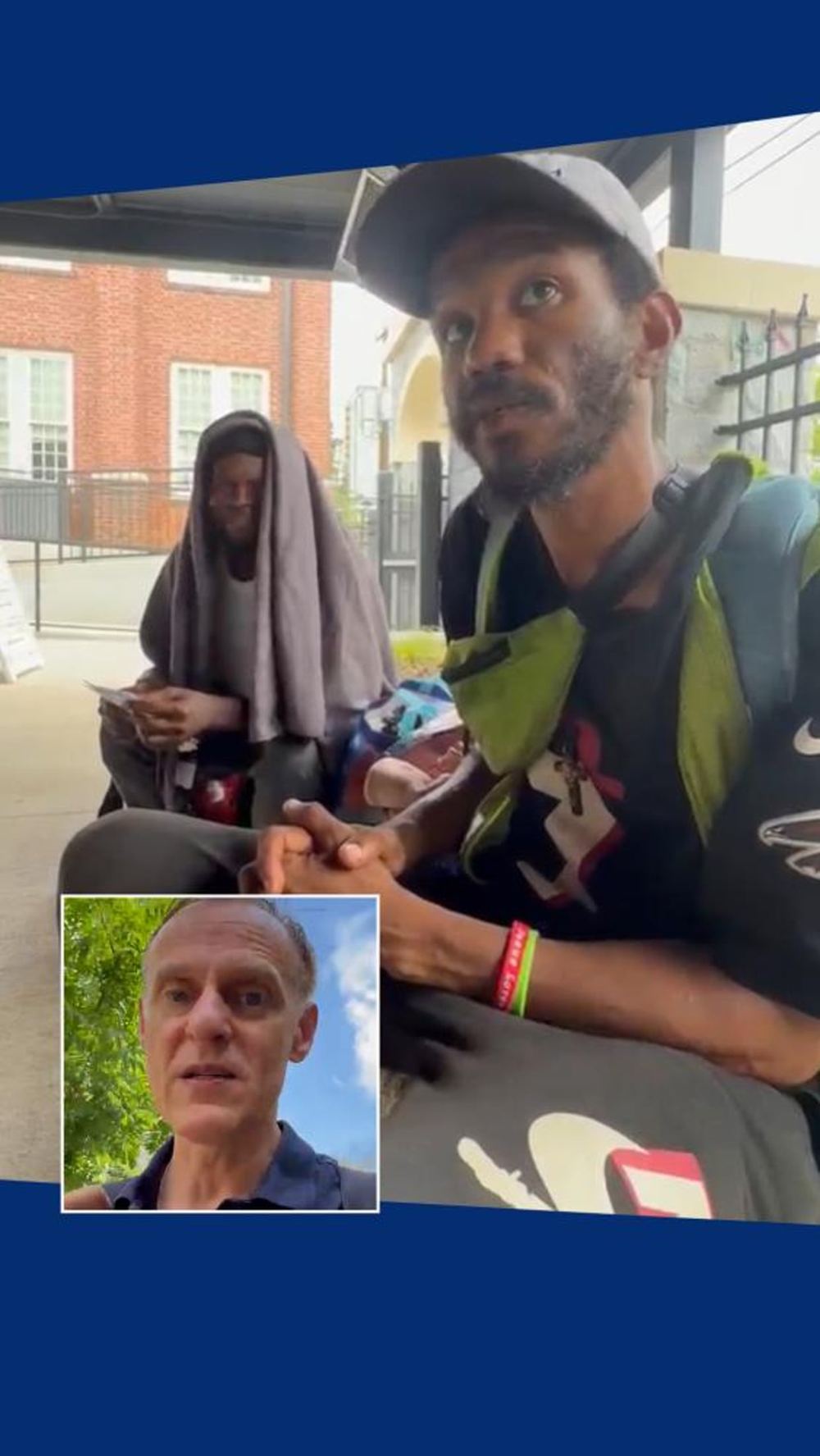
City employees in Atlanta, Georgia, recently discarded the tents, medication, identification, and other belongings of unhoused people at a public park without any prior warning. This action occurred less than a mile from a popular location for World Cup watch parties, drawing sharp focus to the ongoing tension over the treatment of the city’s several thousand unhoused people during the tournament.
Activists and a local official stated this apparent clearance violates procedures established last year. Those specific protocols were implemented after a city employee operating a front loader crushed and killed Cornelius Taylor inside his tent during a previous homeless encampment removal.
Despite reports that approximately 15 people had gathered in the park for months, a city official disputed the characterization of the event. The official stated the area was not an encampment and denied that the incident constituted a sweep, raising questions about accountability.
ESG and Municipal Liability
For investors, executives, and corporate stakeholders, such incidents underscore the mounting environmental, social, and governance liabilities tied to hosting mega-events. Host cities managing several thousand unhoused residents face heightened reputational and operational risks when aggressive urban clearing intersects with global sporting tournaments, potentially affecting local economic stability.
As chief sports writer Barney Ronay observed, “This is what happens when you apply these incredibly violent economic forces to these cities … it's happened at every World Cup I've been to.” This dynamic signals potential friction for municipal bonds, local tourism revenues, and sponsor brands associated with the event.
Market professionals monitoring urban development and major event-hosting contracts will likely scrutinize Atlanta’s strict adherence to its own newly established safety protocols. Failure to maintain transparent governance during high-profile international events can trigger long-term economic and reputational costs for the municipality and its partners.