Automaker repair monopolies draw US legislative backlash
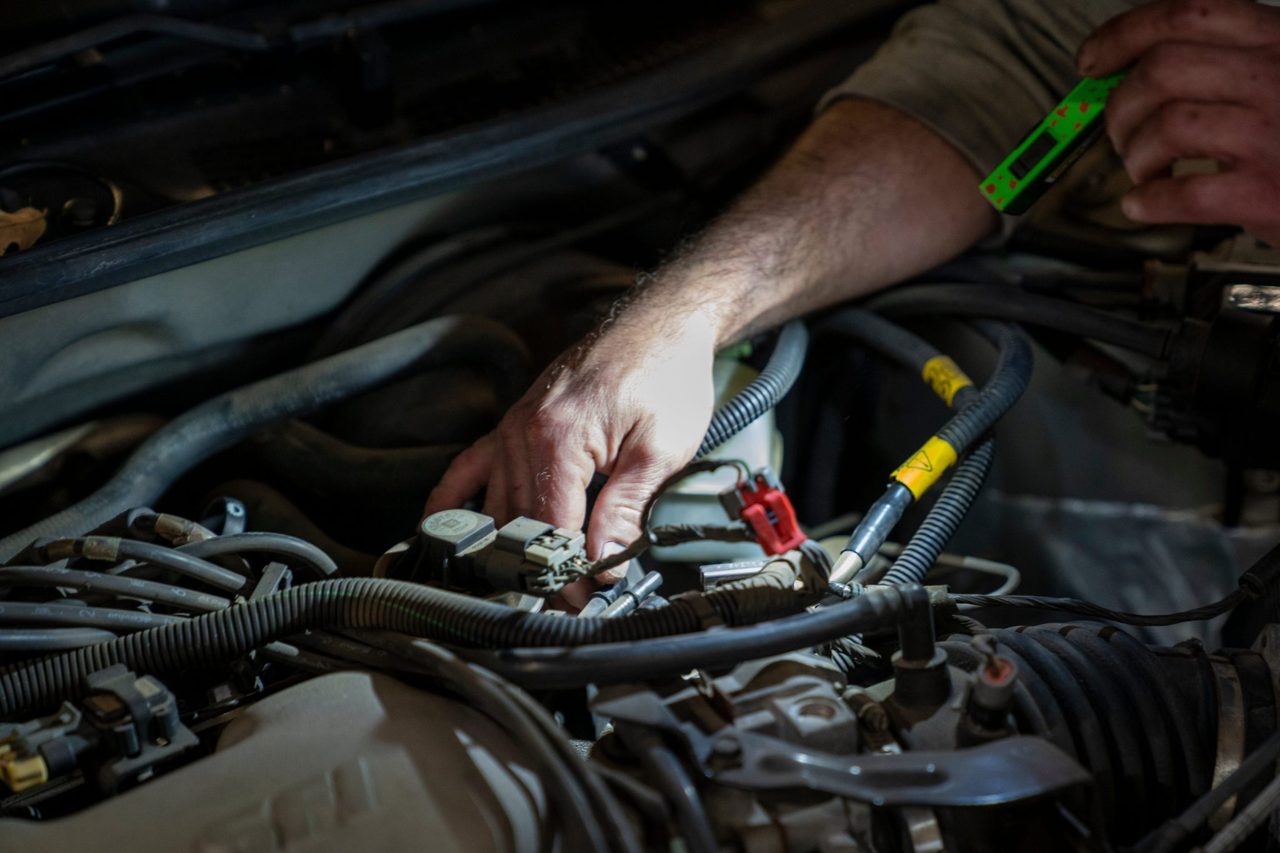
Automakers are facing growing legislative and market pressure to open vehicle repair data to independent shops, a battle with significant implications for aftermarket valuations and consumer maintenance costs.
Lawmakers have reintroduced the Repair Act, a bill targeting automakers that restrict access to vehicle diagnostic and repair data, shifting the "right to repair" debate from consumer electronics to the highly lucrative automotive aftermarket.
The legislation would force manufacturers to provide independent repair facilities with the same tools and data available to franchised dealerships, empowering the Federal Trade Commission to enforce compliance. The move targets a market where a Congressional Research Service report notes repair price hikes have consistently outpaced inflation for parts and vehicles.
The core friction lies in software, particularly for electric vehicles. Automakers increasingly transmit maintenance data directly back to their own servers, blocking conventional access. “Now, with many of these EVs, all of that repair and maintenance data is transmitted systematically back to the car manufacturer, and it’s not being made available to the consumer,” said Bill Hanvey, CEO of the Auto Care Association.
Hardware restrictions are also emerging as manufacturers attempt to control the physical repair ecosystem. BMW filed a patent in 2024 for a screw featuring its logo shape, designed specifically so it cannot be loosened using standard tools by “unauthorized persons.”
This concentration of control has tangible economic costs. A study commissioned by the Auto Care Association found aftermarket repairs cost up to 36% less than dealership rates. Furthermore, 51% of independent shops reported routing up to five vehicles a month to dealers due to data restrictions. “If the OEMs become a monopoly, prices are going to increase substantially and that’s not good for the consumer,” noted automotive content creator ChrisFix.
Automakers and tech suppliers counter that open systems introduce severe operational risks. “There has to be a fine balance between giving the consumers the ability to do certain things with a car and at the same time also ensure the integrity of not just the data, but the car itself,” said Louay Abdelkader, director of product management at QNX.
For investors, the ultimate risk of proprietary lock-in is asset obsolescence. When Fisker filed for Chapter 11 bankruptcy in June 2024, owners were left without support. Fisker owners subsequently formed the Fisker Owners Association, reverse-engineering the vehicle's software and negotiating access to its operating systems during bankruptcy proceedings to keep their cars running.
“It was born out of necessity, and the decision that we had to do something,” said Cristian Fleming, now CEO of the FOA. The Fisker episode illustrates the long-term hazard of closed ecosystems, a dynamic regulators are now moving to prevent across the broader industry.