SpaceX's $2.1T IPO Highlights Rocket Lab's Diversified Model

Following SpaceX's record $2.1 trillion listing, Rocket Lab offers space-economy investors a less volatile alternative supported by a $2.2 billion backlog.
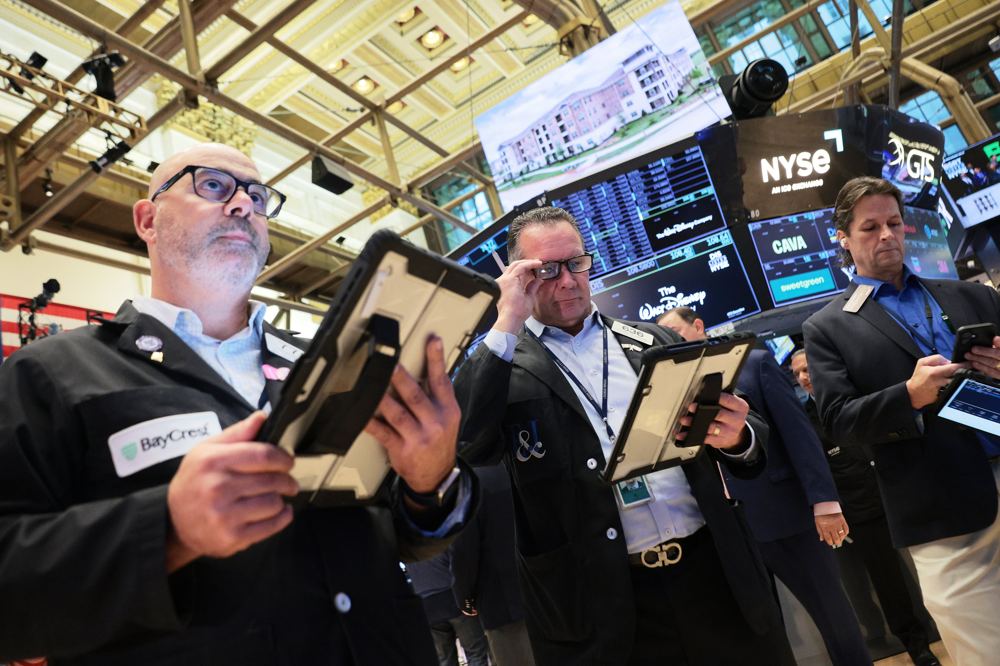
SpaceX completed the largest initial public offering in history on June 12, closing its first trading day with a valuation of around $2.1 trillion. The listing immediately placed the launch provider among the world's most valuable companies, despite generating significantly less revenue than those corporate peers.
That valuation gap prices in massive future growth, exposing the stock to significant price volatility. For market participants seeking space-economy exposure without that specific risk, Rocket Lab presents an alternative operational model.
Rocket Lab operates the second-most-active launch platform in the United States. Over the past year and a half, the company completed 35 launches compared to SpaceX's 260. Rather than competing directly for heavy payloads, Rocket Lab utilizes its Electron rocket to carry loads of about 300 kilograms. This small-lift capability allows the company to offer small and medium satellite customers precise orbital placement and flexible scheduling.
Beyond commercial satellite deployments, the company is expanding its defense footprint. In March, Rocket Lab secured a $190 million contract for 20 hypersonic test flights using its HASTE suborbital vehicle. This platform provides the Pentagon with a high-cadence, cost-effective method to evaluate hypersonic and national security technologies.
Crucially, Rocket Lab’s revenue stream is not solely dependent on launch frequencies. The company’s space systems segment designs and manufactures satellite components, including reaction wheels, solar panels, and star trackers. This hardware business now accounts for the majority of the company’s future revenue visibility. Of Rocket Lab’s total $2.2 billion backlog, $1.3 billion comes from its space systems division.
This diversified business model separates Rocket Lab from pure-play launch providers. As the space economy matures following the SpaceX IPO, component manufacturers with locked-in backlog may offer more stable fundamentals than companies valued on speculative launch volumes alone.