Bahamas Visa and Residency 2026, Entry, Permits, Property and Tax
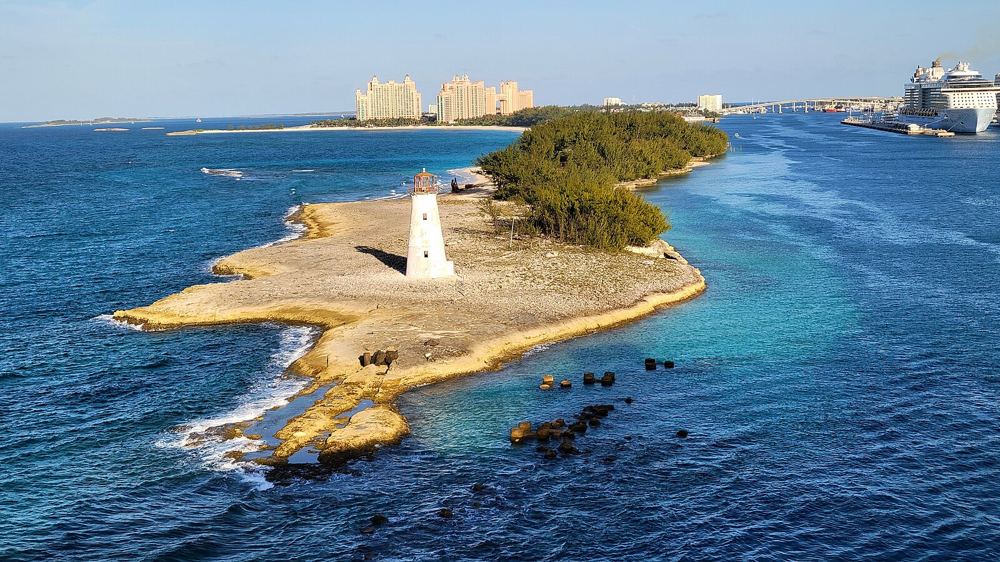
Bahamas visa and residency in 2026: visitor limits, the BEATS question, residence permits, property routes, work permits, fees, tax and pitfalls. The post Bahamas Visa and Residency 2026 — Entry, Permits, Property and Tax appeared first on The Rio Times .
Bahamas visa and residency rules reward planning: entry is easy for many passports, but every long stay runs on a purpose-built permit.
Bahamas visa and residency rules in 2026 are generous at the border and strict beyond it. Many nationalities enter the Bahamas without a visa, yet living, owning and working each need a separate permit.
Bahamas visa and residency questions almost always come down to one distinction. Entry, the right to live here and the right to work are three separate approvals.
A tourist stamp is not a residence permit, and a residence permit is not a work permit.
For anyone planning a life here, that structure sets both the budget and the timetable. Savings make the path simple, while plans that depend on local earnings make it complex.
The Bahamian dollar is pegged at one to the US dollar. Fees therefore read the same in both currencies, at 21 September 2026 exchange rates.
The direction of travel is steady rather than dramatic. Fees have risen and investment thresholds have tightened, while the welcome for visitors has stayed broad.
The country grants visa-free entry to citizens of many nations, including the United States, Canada and the United Kingdom. Permitted lengths differ by nationality, so check the Department of Immigration list before you book.
The department states that visitors may remain for a maximum period of eight months. The actual stay written into your passport depends on the immigration officer at the port of entry.
Expect to show a passport, a return or onward ticket and evidence of enough money to support yourself.
Visitors may not take up any form of gainful occupation. That single rule explains most of the trouble foreigners run into here.
Bahamas visa and residency work as two separate systems. A visitor stamp does not convert into a residence permit, so you apply for the permit you actually need.
The Bahamas Extended Access Travel Stay, or BEATS, let remote workers and students live here for a year. Its official site still describes the permit and links to the immigration portal.
That site sets the permit at twelve months from issue, with renewals considered up to three years. Published fees are US$1,000 plus a US$25 application fee for a professional.
The status of the scheme is the real problem. Independent trackers report that BEATS was halted in January 2022 and cannot confirm any formal reinstatement.
No current public notice settles the question either way. Treat the published terms as historical and confirm availability with the department before planning around them.
For retirees, Bahamas visa and residency planning starts with the Permit to Reside. This annual residence permit is the standard route for living here without working.
The published fee scale sets 3,000 Bahamian dollars (US$3,000) a year for the main applicant. Each dependent pays 300 Bahamian dollars (US$300) a year.
Retired people who held work permits for twenty years or more pay 250 Bahamian dollars (US$250).
Documents include a letter to the Director of Immigration and a medical certificate no older than thirty days. A police certificate covering five years, issued within the past six months, is also required.
Character references, bank or accountant letters and passport photographs complete the file. The department asks applicants to allow eight to twelve weeks before requesting an update.
Any non-Bahamian who owns property here may apply for a home owners resident card. It is a travel convenience rather than a grant of residence, and approval is not automatic.
Government guidance lists a non-refundable processing fee of 100 Bahamian dollars (US$100), plus 500 Bahamian dollars (US$500) on approval.
The card does not appear on the department’s current published fee scale. Confirm the figure with Immigration before you apply, because the pages do not agree.
Holders, their spouse and endorsed minor children travelling with them may enter and remain for the life of the card. Guidance describes stays of up to one year, renewed each year.
The separate investment route is economic permanent residence. Since 1 January 2025 it requires a qualifying investment of at least one million Bahamian dollars (US$1 million), held for ten years.
Law firm guidance describes accelerated consideration where the purchase exceeds 1.5 million Bahamian dollars (US$1.5 million). Do not confuse the card with the certificate, they are different things.
In Bahamas visa and residency terms, permanent residence is a certificate rather than a stamp. It does not by itself allow you to work, so most holders need separate authorisation.
The published fee for a standard permanent residence certificate is 15,000 Bahamian dollars (US$15,000). Spouses of citizens and long-resident permit holders pay less, on a scale starting at 1,000 Bahamian dollars (US$1,000).
Economic permanent residence carries its own certificate fees. They are 20,000 Bahamian dollars (US$20,000) without business rights and 25,000 Bahamian dollars (US$25,000) with them.
The right to work in your own company is applied for separately and decided by the National Economic Council.
A 2026 amendment to the Nationality Act added one more door. Someone refused citizenship may now apply for a residence certificate on payment of 500 Bahamian dollars (US$500), subject to conditions.
A work permit is tied to an employer, who applies and pays for it. Foreign nationals cannot simply buy one for themselves.
Top-level roles in fee Scale 1, plus owners’ representatives and consultants in Scale 2, are exempt from that step. Since 1 September 2025, Scale 8 applications need a valid labour certificate every two years.
Fees rise with the seniority of the post. The 2026 fee regulations lifted the Scale 1 annual work visa to 16,275 Bahamian dollars (US$16,275).
A separate 2026 amendment created a trusted traveller route for short business visits. It lets listed professionals enter for up to three days without a work permit.
That route covers board meetings and business events only. It is not a back door into paid local work.
The same document set recurs across nearly every Bahamas visa and residency application. Expect a police certificate, a medical certificate, character references, bank or accountant letters and passport photographs.
Property-linked applications add a recorded conveyance and proof that property tax has been paid. Economic residence applications add evidence of the qualifying investment and the ten-year commitment.
Processing fees are modest beside the certificate fees. The standard charge is 200 Bahamian dollars (US$200), with 400 Bahamian dollars (US$400) for expedited handling in fourteen business days.