Record $727m FIFA prize pool driven by $10bn World Cup revenue
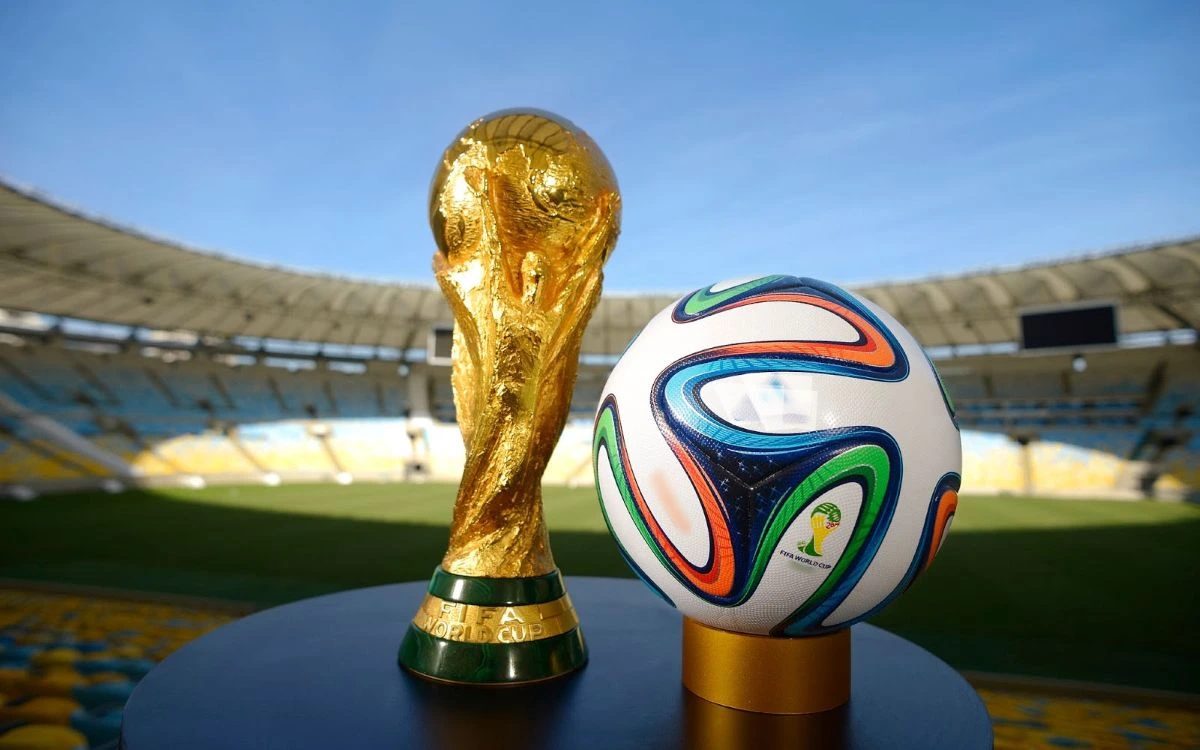
FIFA will distribute a record $727 million in prize money following a 2026 World Cup that generated over $10 billion in revenue, demonstrating the massive financial returns of expanding the tournament to 48 teams.
Spain and Argentina will compete for a record $50 million winner’s payout in Sunday’s 2026 World Cup final, capping a tournament that generated over $10 billion in revenue for FIFA. The governing body set aside a record $727 million prize fund for the competition, representing a 50% increase from the 2022 event in Qatar. The winner’s cheque alone is $8 million higher than the prize Argentina took home three years ago.
The financial windfall stems directly from a structural expansion to 48 participating nations, which added 40 extra matches across the United States, Canada, and Mexico. More fixtures created substantially more broadcasting, sponsorship, and ticketing inventory across 16 host cities. This broader commercial reach drove the revenue gains that allowed FIFA to significantly raise prize money across every stage of the 104-match competition.
The payout structure scales systematically through the tournament brackets. The runner-up on Sunday will earn $33 million. Before that final, France and England will contest the third-place playoff, with the winner taking $29 million and the loser earning $27 million. Quarter-finalists who failed to advance, including Morocco, Belgium, Norway, and Switzerland, each receive $19 million.
Even the earliest exits are highly lucrative under the new financial model. Nations eliminated in the group stage are guaranteed $10.5 million, comprising $9 million in prize money and an additional $1.5 million to cover preparation costs. Teams knocked out in the Round of 32 earn $11 million, while those exiting in the Round of 16 receive $15 million.
While the headline figures attract global attention, the capital does not flow directly to players. FIFA transfers the funds to each country’s national football association. These federations then determine the internal allocation, balancing performance bonuses for squads with strategic investments into grassroots football, women’s leagues, youth academies, and infrastructure.
For nations with smaller football economies, a successful World Cup campaign secures transformative capital. The guaranteed minimum payouts ensure that every participating association leaves North America with a multi-million-dollar injection to fund domestic football development over the coming cycle.