Imo State debt falls below N90bn as subsidy removal lifts revenues
The end of Nigeria's fuel subsidy has transformed Imo State's fiscal position, with its monthly federal allocation surging over a hundredfold and its debt dropping by nearly 70%, pointing to a potential improvement in subnational creditworthiness.
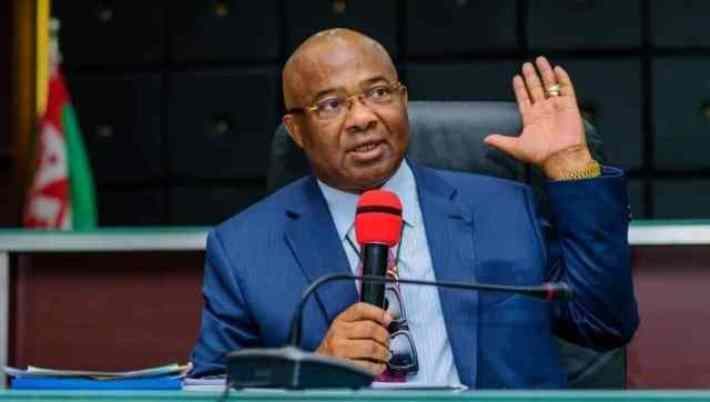
Imo State's Governor Hope Uzodimma reported a dramatic fiscal turnaround driven by President Bola Tinubu’s economic reforms, specifically the end of the fuel subsidy. The state's monthly distribution from the Federation Account Allocation Committee (FAAC) has surged from roughly ₦100 million in early 2020 to over ₦10.7 billion today.
This influx of federal cash has allowed the state to aggressively deleverage. Total debt has fallen from ₦287 billion in 2020 to less than ₦90 billion. Simultaneously, internally generated revenue climbed from under ₦400 million monthly to nearly ₦6 billion. "I met a debt profile… in 2020, we were owing ₦287 billion," Uzodimma said. "Today, as I speak to you, we are less than ₦90 billion."
The improved balance sheet is funding a broad infrastructure buildout, altering the investment profile of the region. Capital is being deployed across energy, transport, healthcare, and digital sectors. Major developments include the Assumpta Flyover, the Senator Oluremi Tinubu Mother and Child Hospital, and the ANOH Gas Processing Plant. Uzodimma noted that travel times across the state have dropped from up to three hours to under 45 minutes due to road reconstruction.
The state has also bypassed the national grid by developing its own power infrastructure. "As today I speak, we generate, we transmit, we distribute electricity," he said. "Imo is ready for business." Sunday Dare, the president's special adviser on media and public communications, highlighted the Imo Digital City during a recent tour. "When we got to the Imo Digital City we all took a pause and bowed our heads," Dare said. "I’m sure none of us have ever seen that kind of investment."
For investors tracking Nigerian subnational risk, Imo's figures offer a concrete data point on how the federal subsidy removal is redistributing resources. While the policy triggered severe short-term inflation, states effectively capturing these savings are structurally strengthening their finances. Uzodimma’s stated goal of reducing debt to achieve state "sovereignty" points to a potential reduction in state-level borrowing. If this fiscal consolidation is replicated elsewhere, it could gradually improve the credit profiles of Nigerian subnational entities.